How to read a fruit report
Every freeze-dried fruit category starts with a name on the label — mango, strawberry, blueberry, apple, banana — and that name is almost always a simplification. Inside the category sit dozens or hundreds of named cultivars, each with its own sugar level, fiber load, aroma profile, color stability, season, and processing behavior. Freeze-drying preserves what is already there. Variety sets the ceiling.
The reports on this site are organized to make that complexity legible. They are written for two readers in parallel — curious consumers who want to know why one mango tastes floral and another tastes flat, and ingredient buyers who need to translate a fruit name into a written specification. The questions matter for both, but at different depth.
For consumers, variety explains why one bag tastes vivid and another tastes ordinary. For buyers, it explains why two samples with the same fruit name can carry completely different color, aroma, fiber, sweetness, and price.
Variety, origin, and harvest window: the three-axis spec
A fruit's behavior in freeze-drying is rarely a single-cultivar story. It is a function of which cultivar, from which origin, harvested when. Those three axes together produce most of what a buyer experiences in the finished bag.
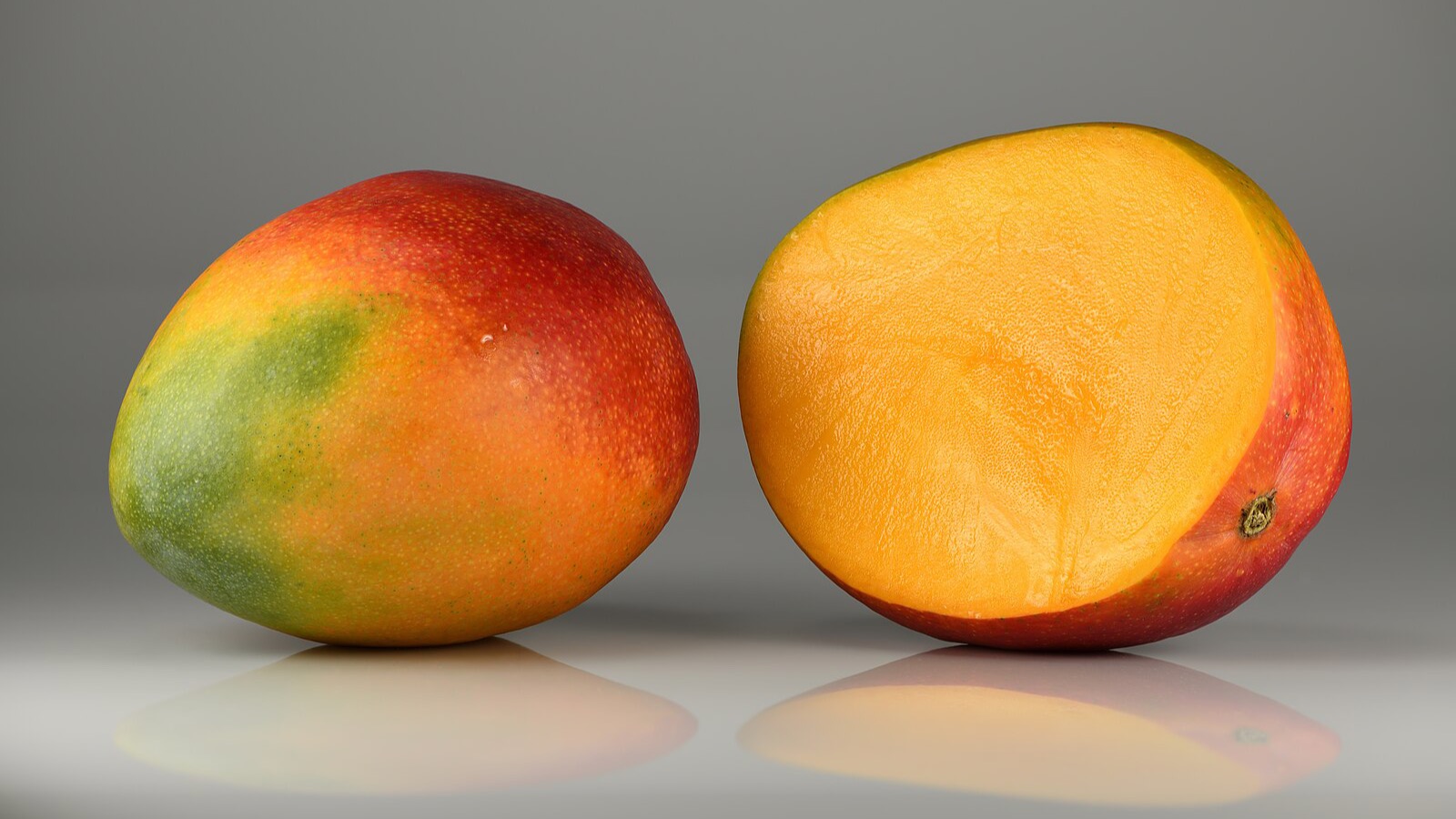
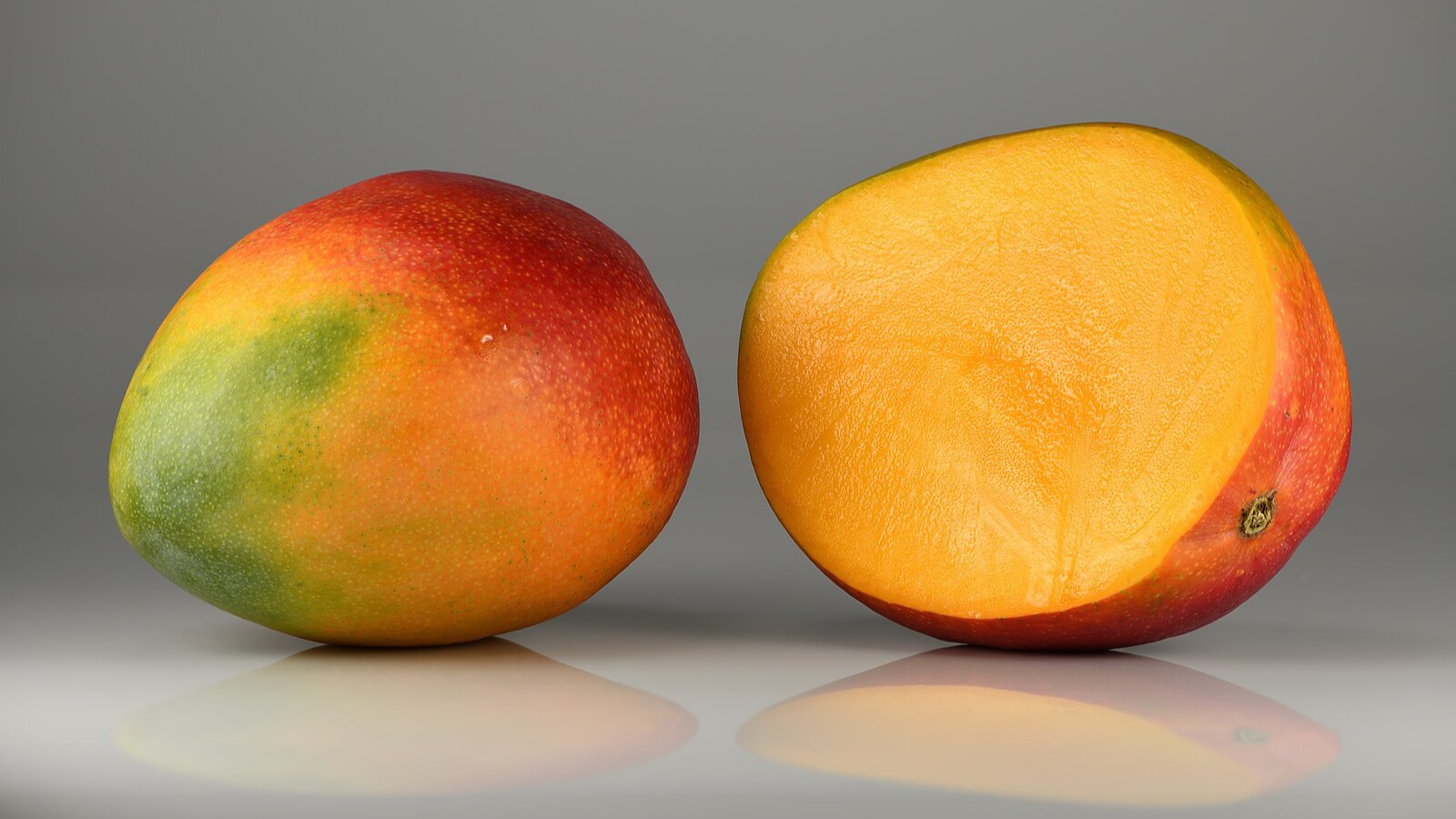
Cultivar is the genetic baseline — sugar potential, fiber load, aroma compounds, color pigment, cell structure. Mango shows this most clearly: Ataulfo, Tommy Atkins, Alphonso, Kent, and Carabao are all called mango on the label, but they behave like different ingredients after freeze-drying.
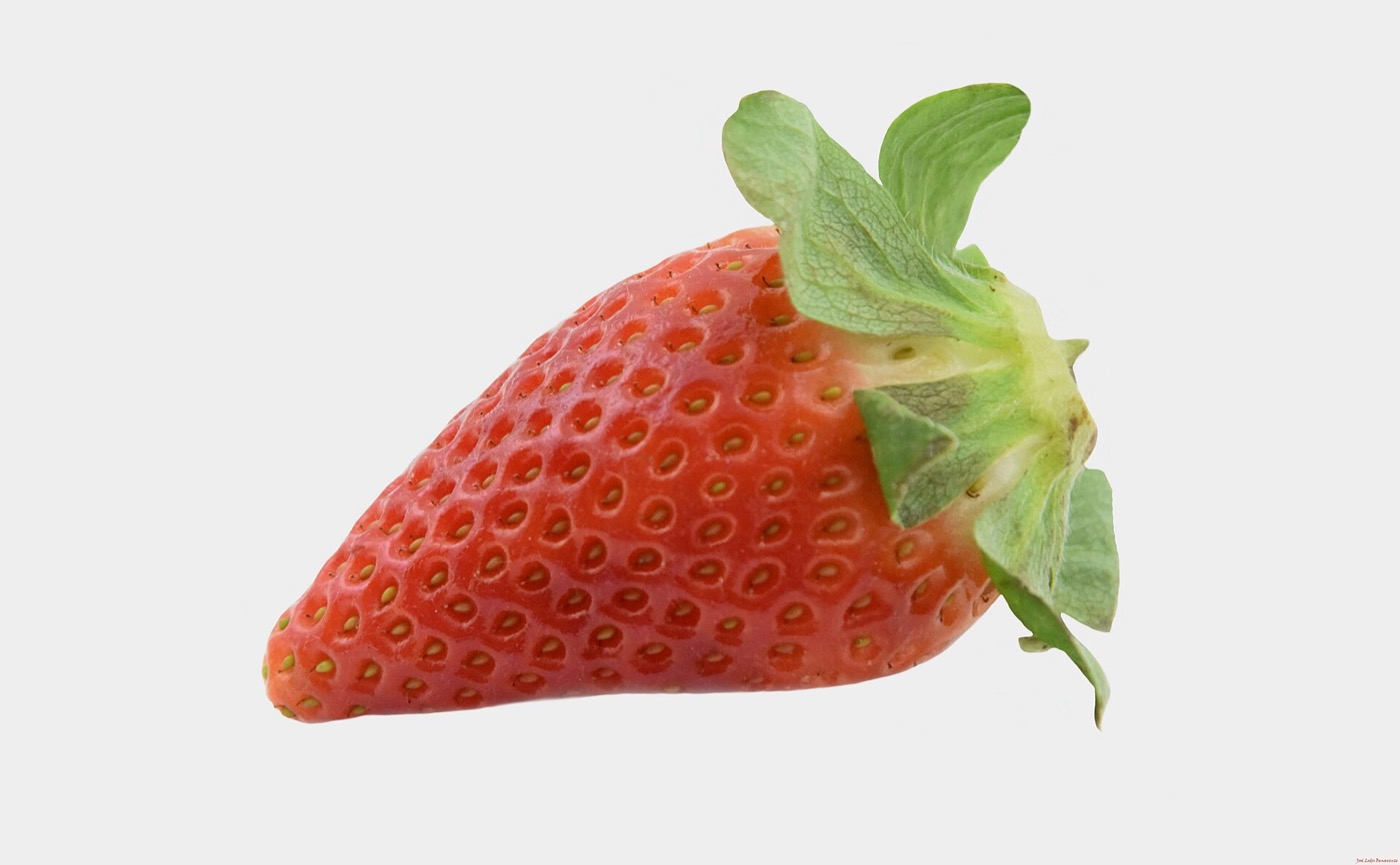
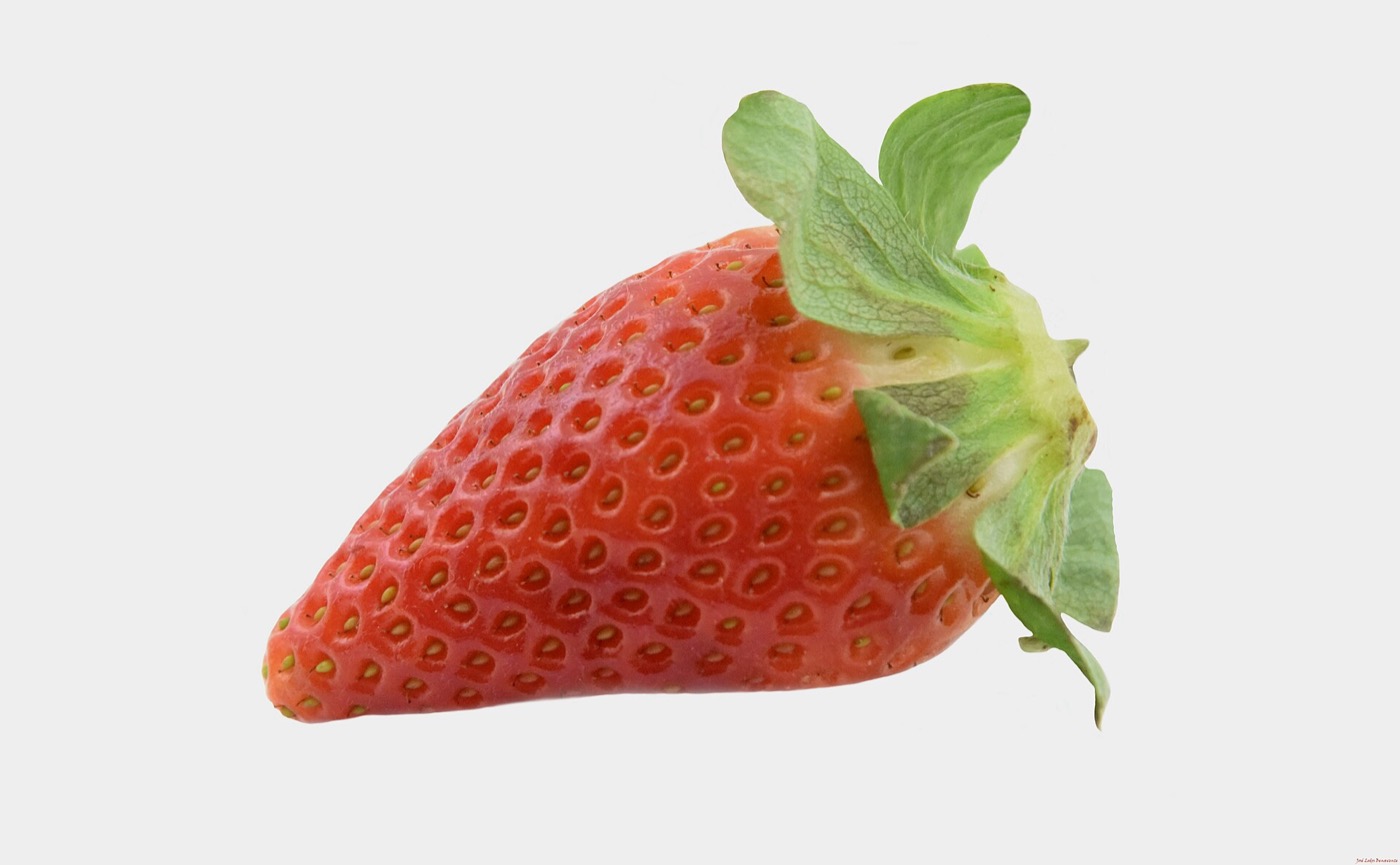
Origin shapes everything around the cultivar — soil, climate, growing season, post-harvest infrastructure, regulatory environment, currency. Strawberry grown for the Spanish fresh-market in February is not the same strawberry as a California processing berry in July, even if both are nominally Albion.
Harvest window decides whether the fruit was picked at peak ripeness or pulled early for shipping firmness. Brix at intake, aroma intensity, and color stability all track with harvest timing. A "year-round" freeze-dried fruit product almost always blends multiple cultivars and origins to bridge gaps — that is honest sourcing, but the blend should be disclosed.
The fruits that translate well — and the ones that are harder
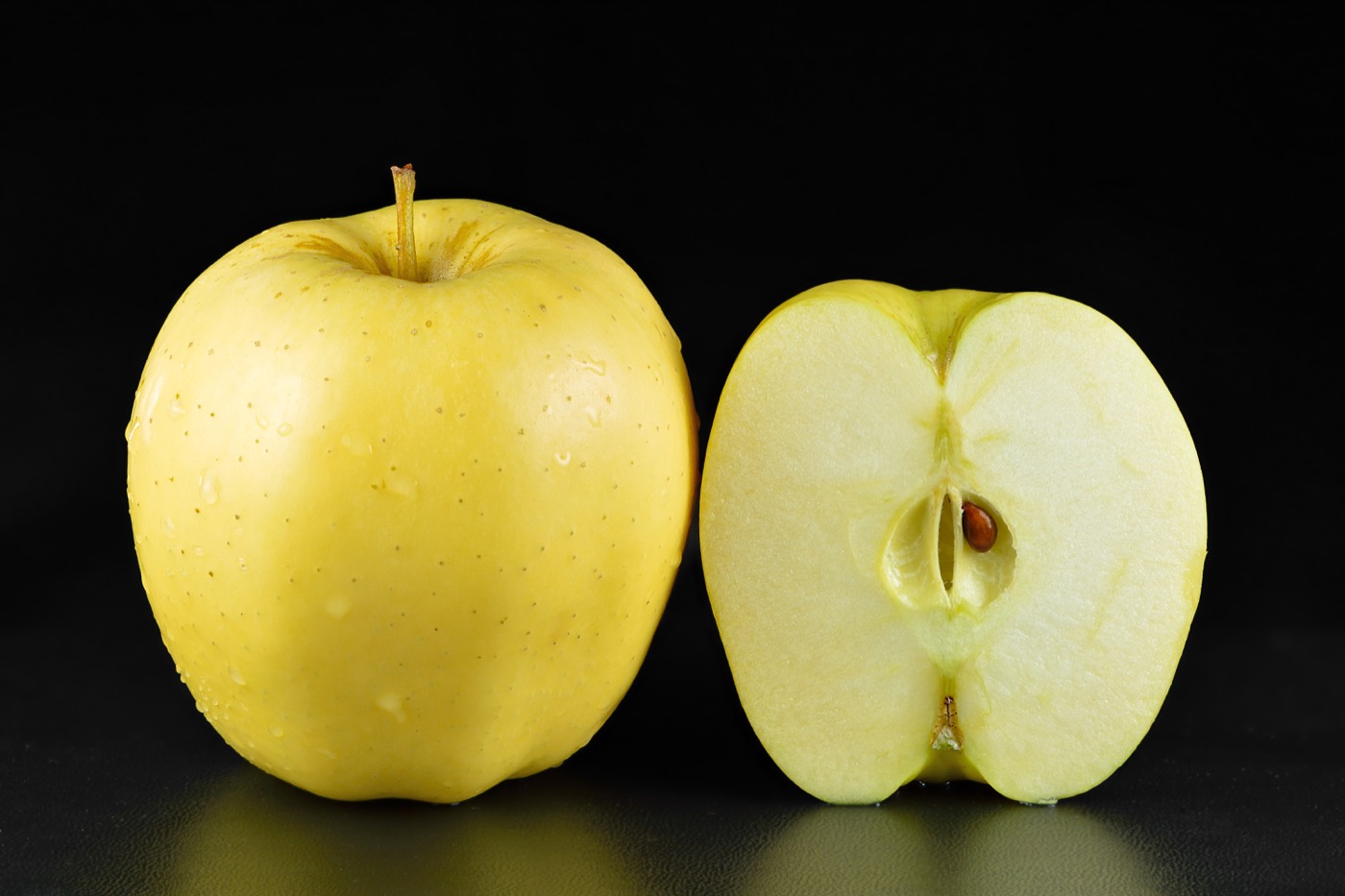
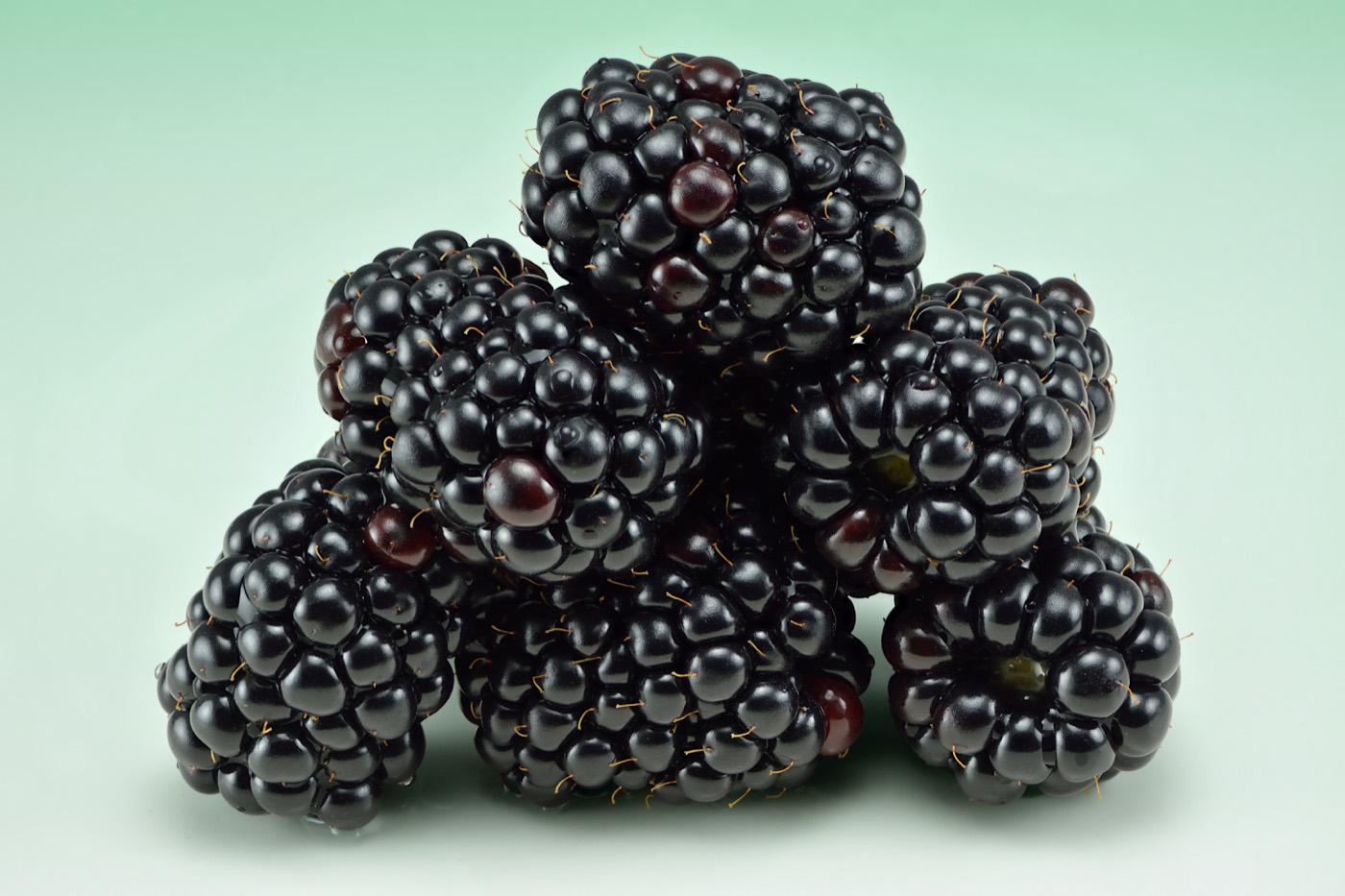
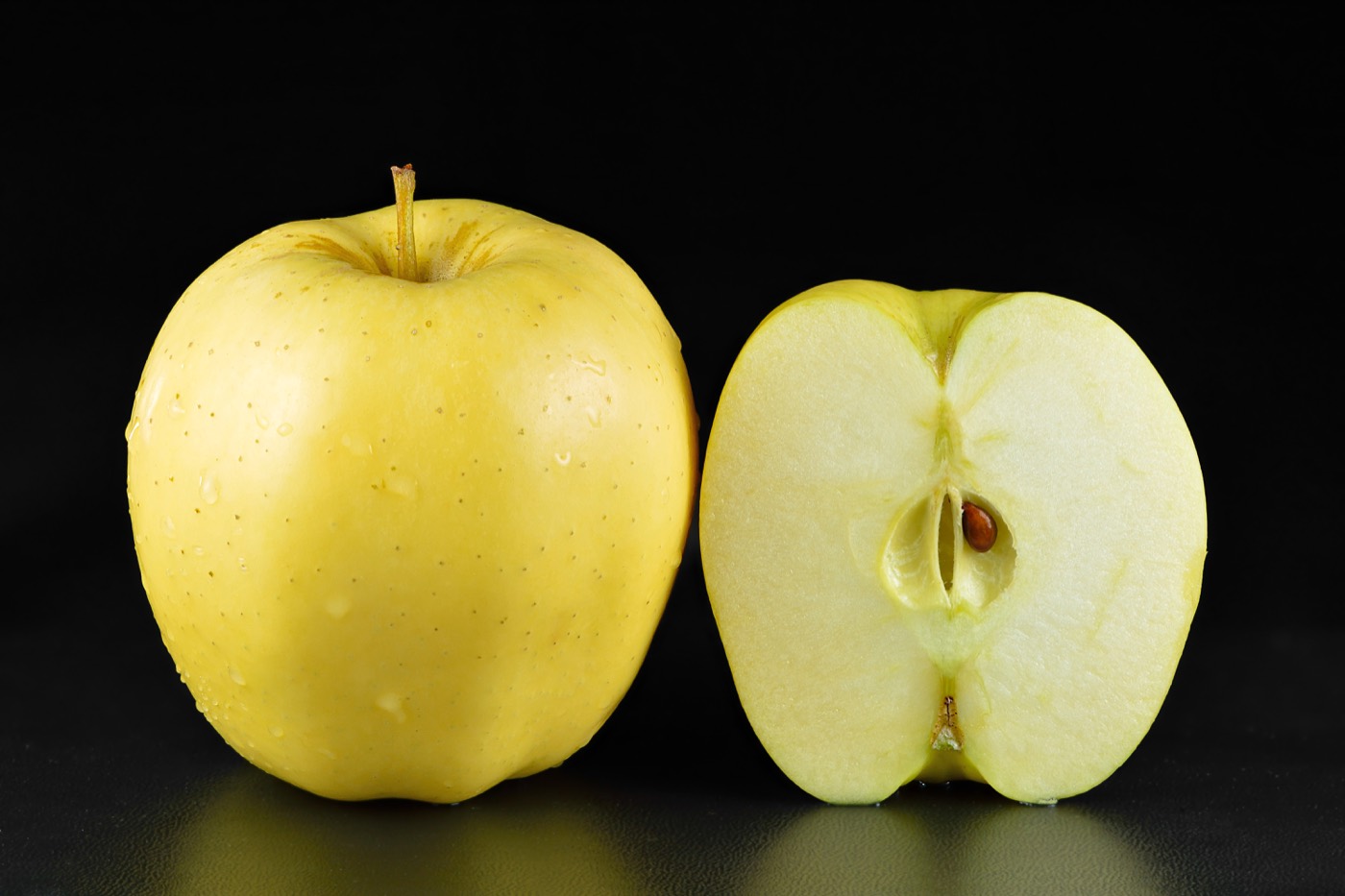
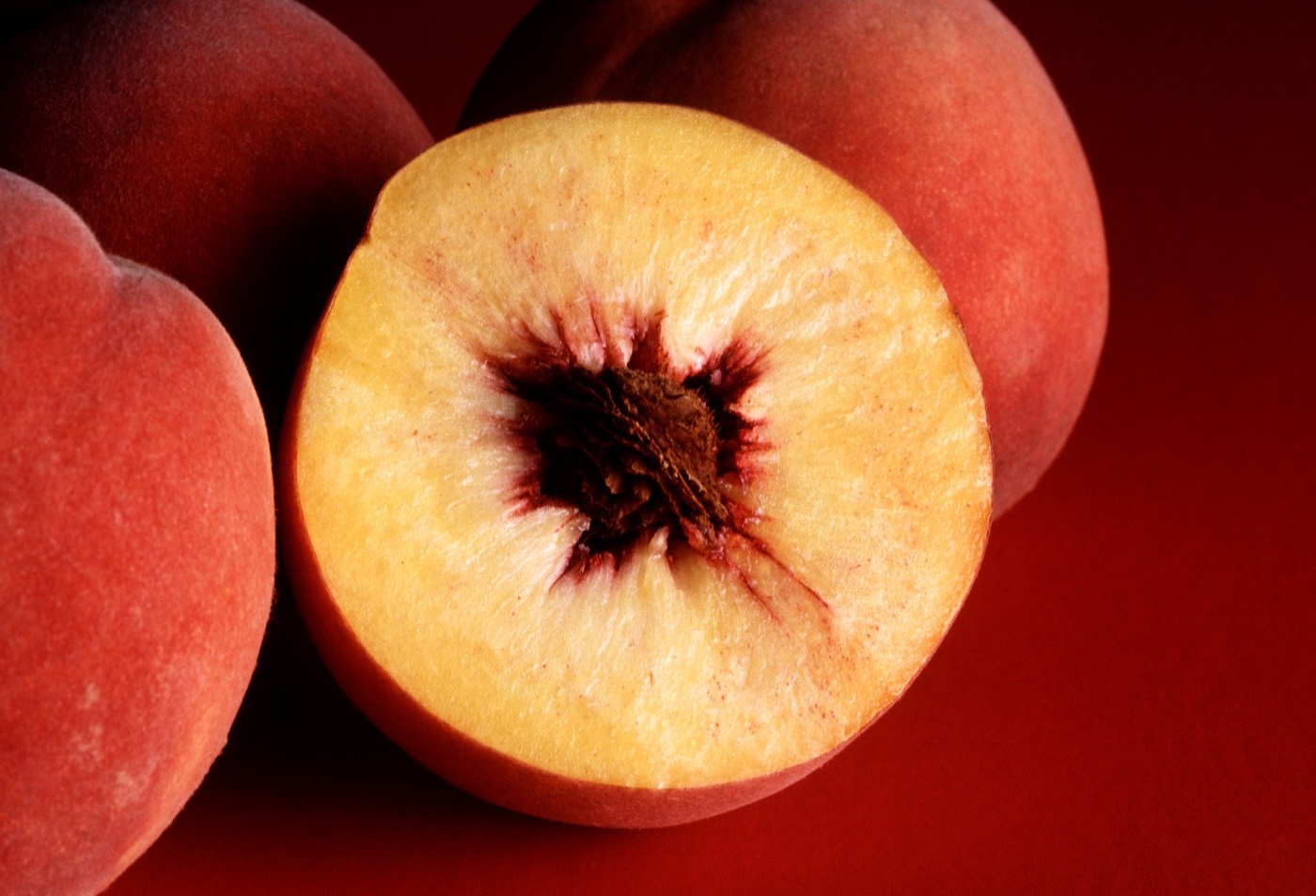
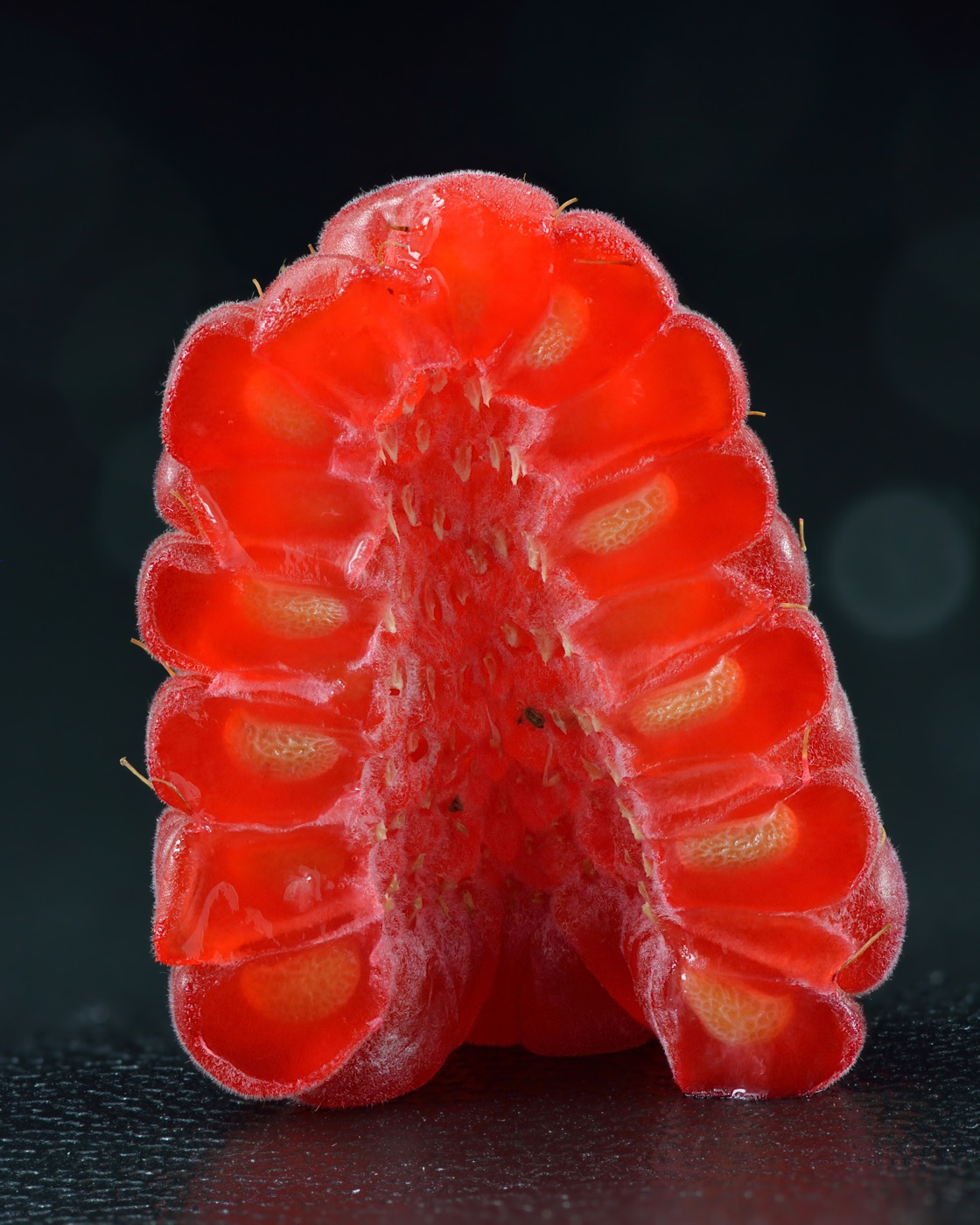
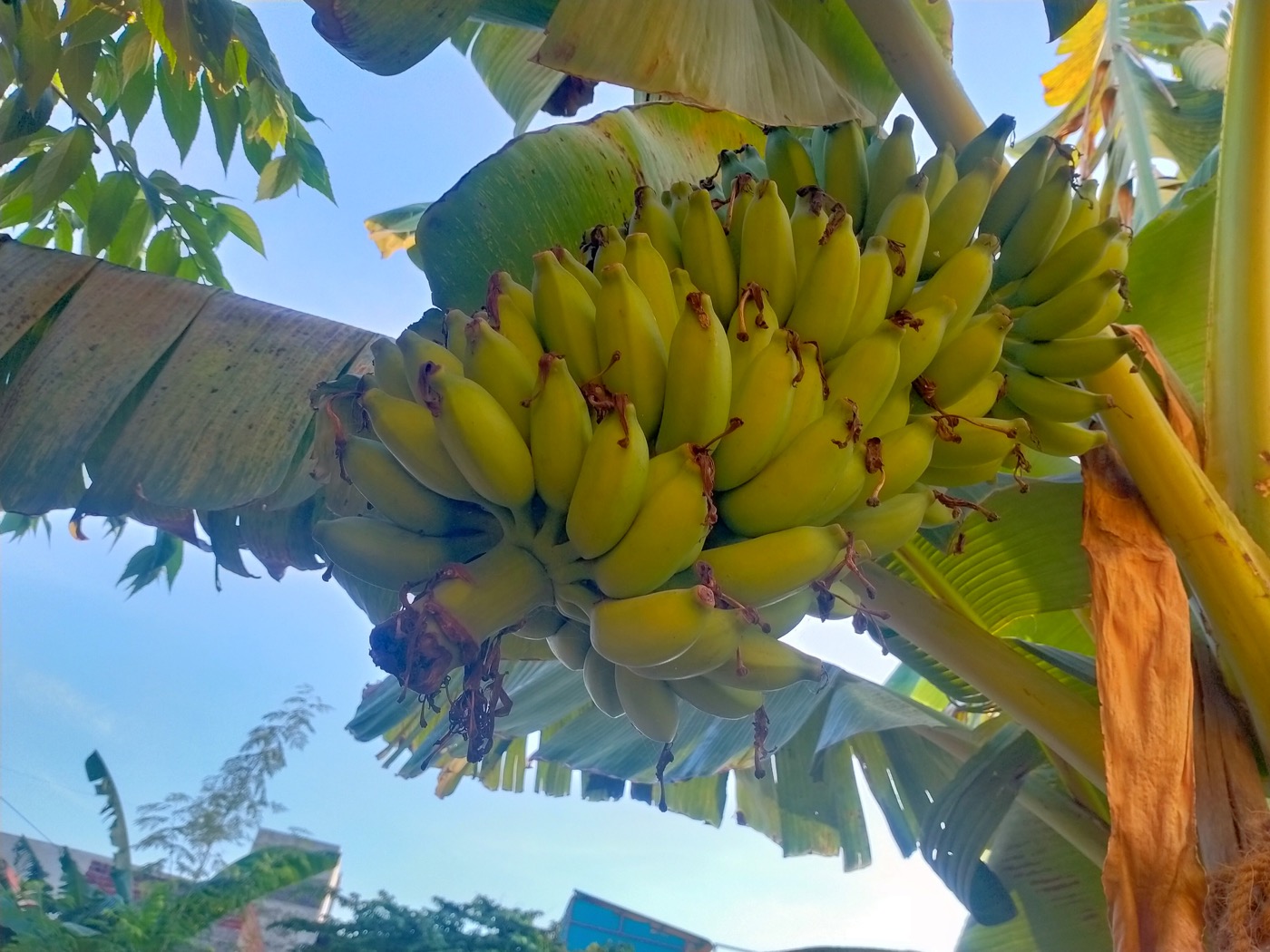
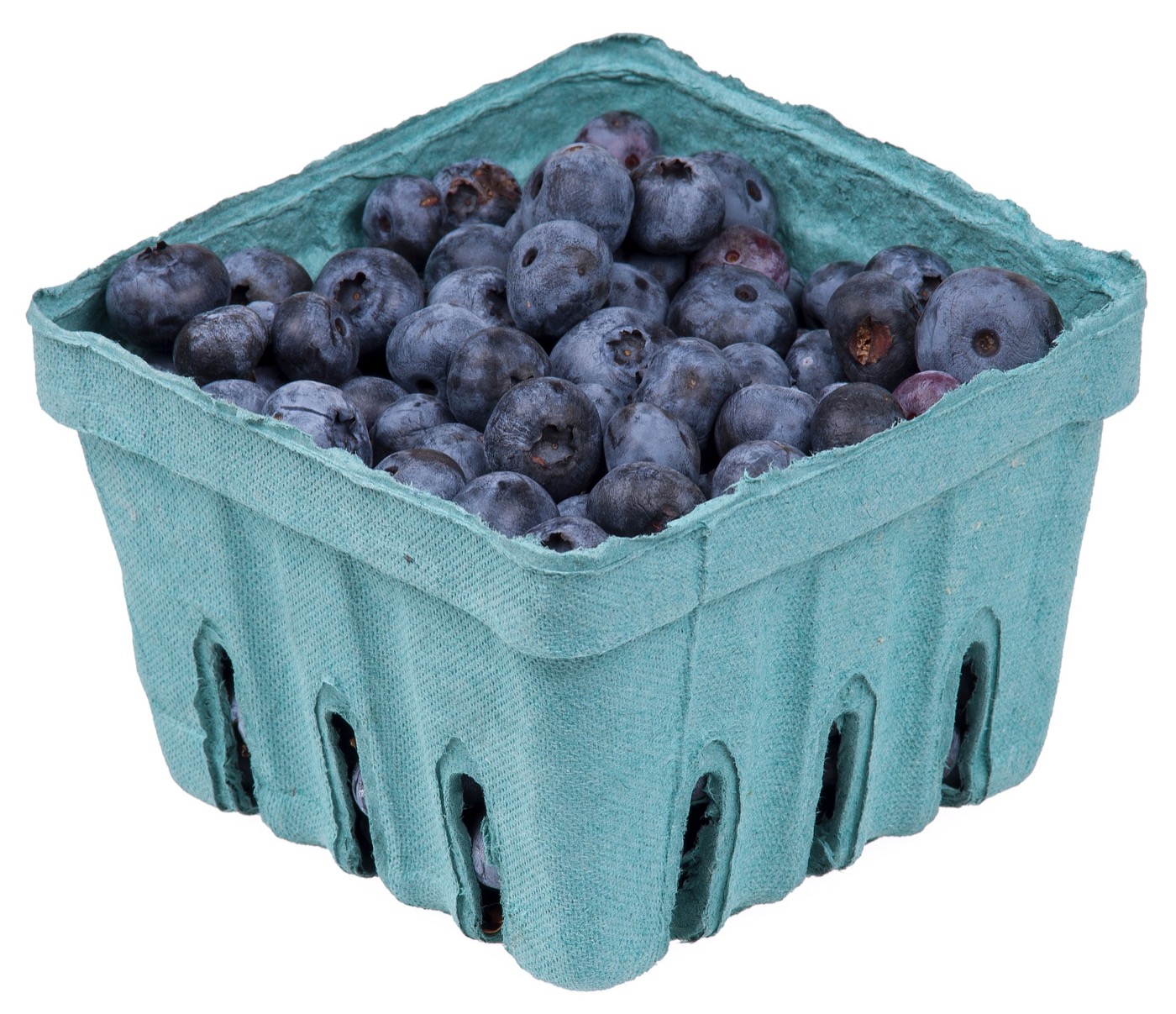
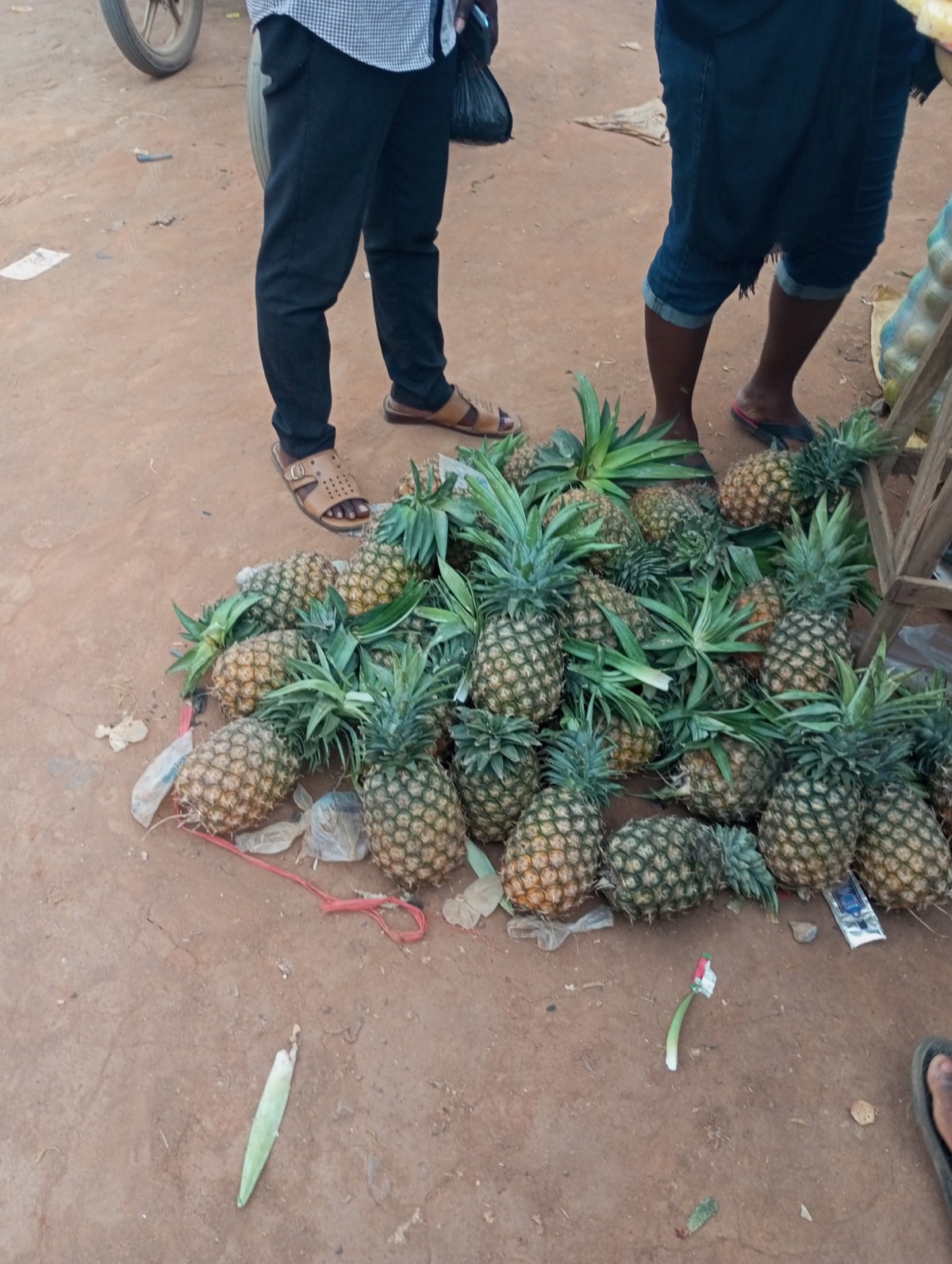
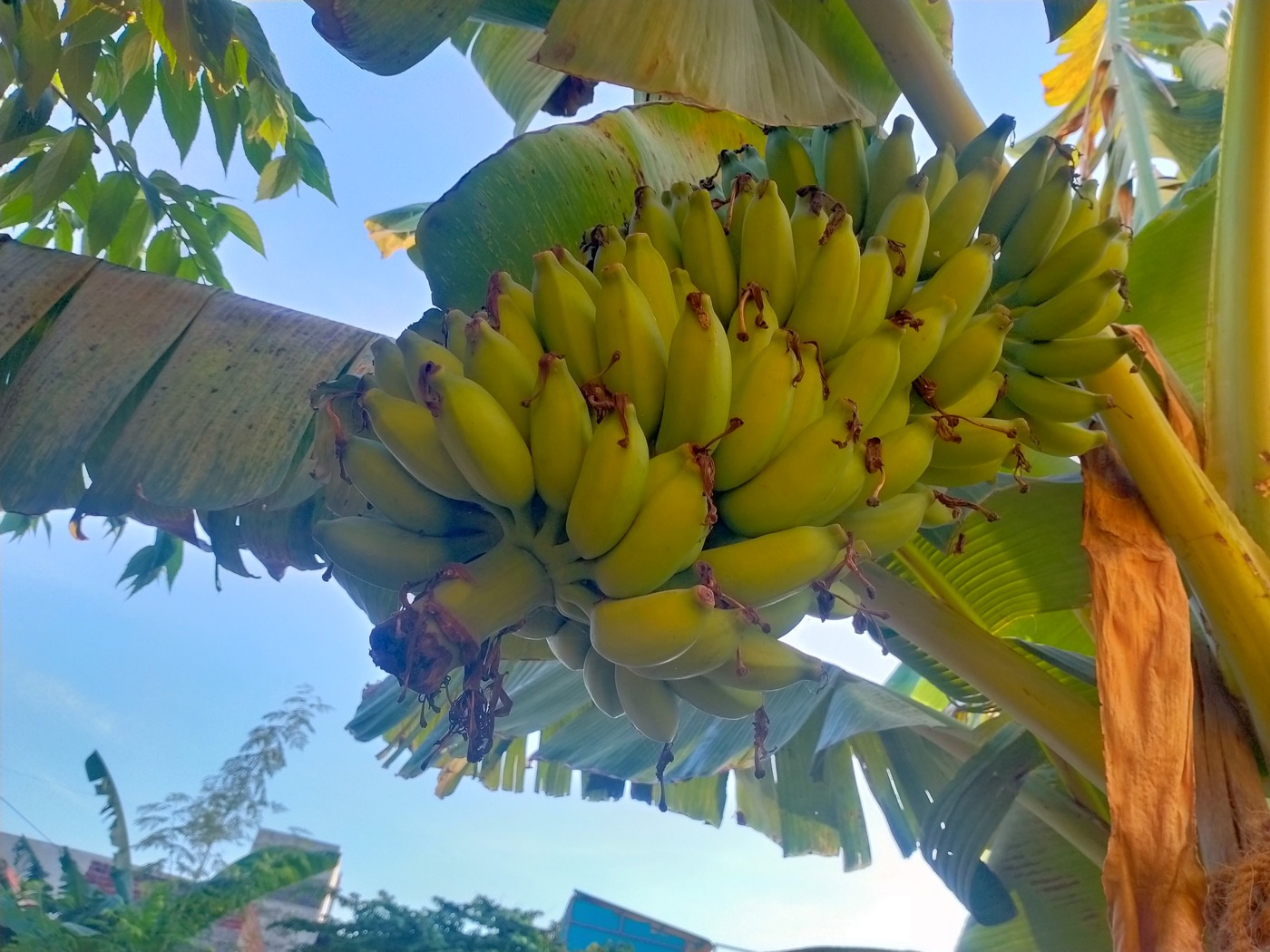
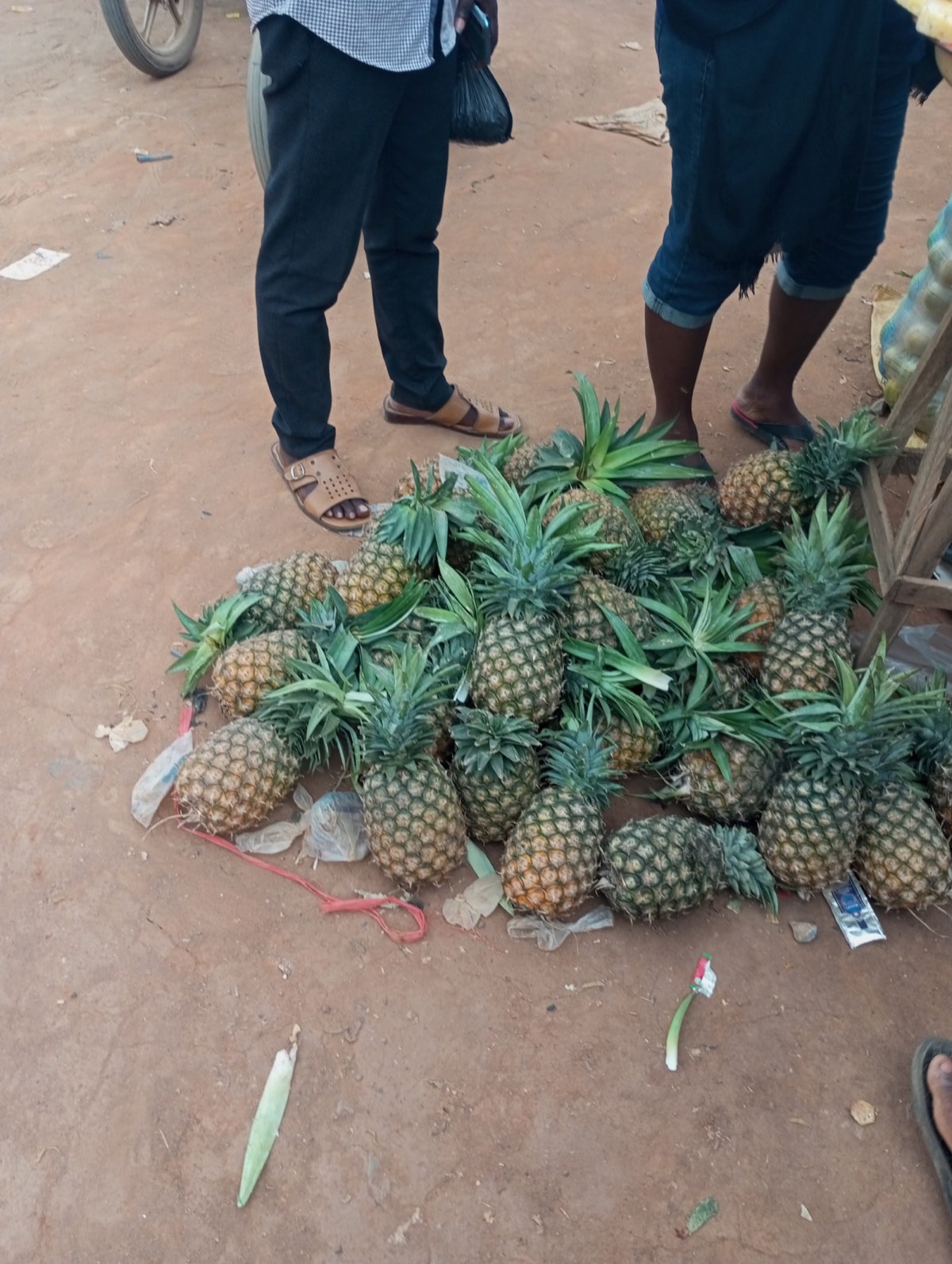
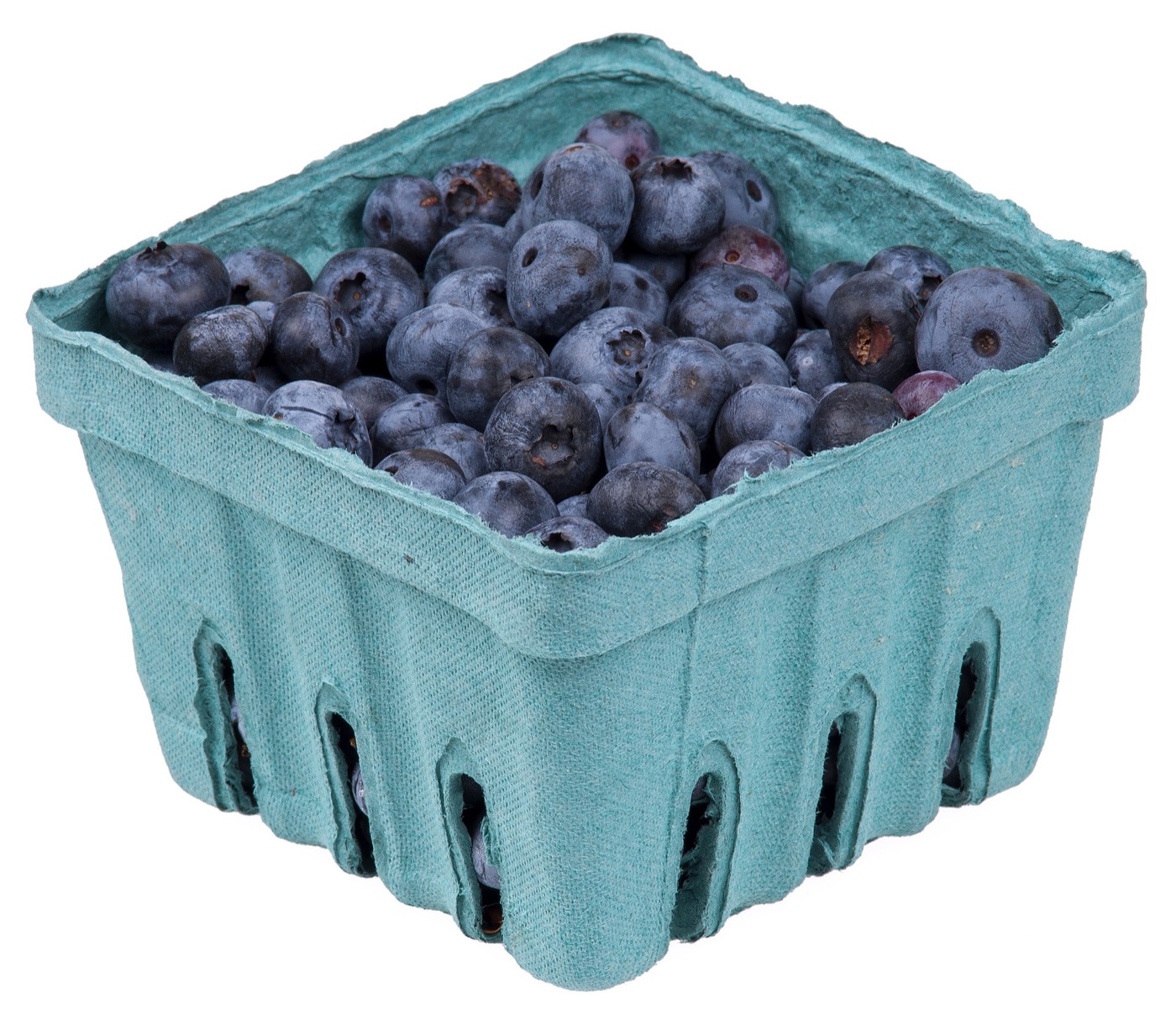
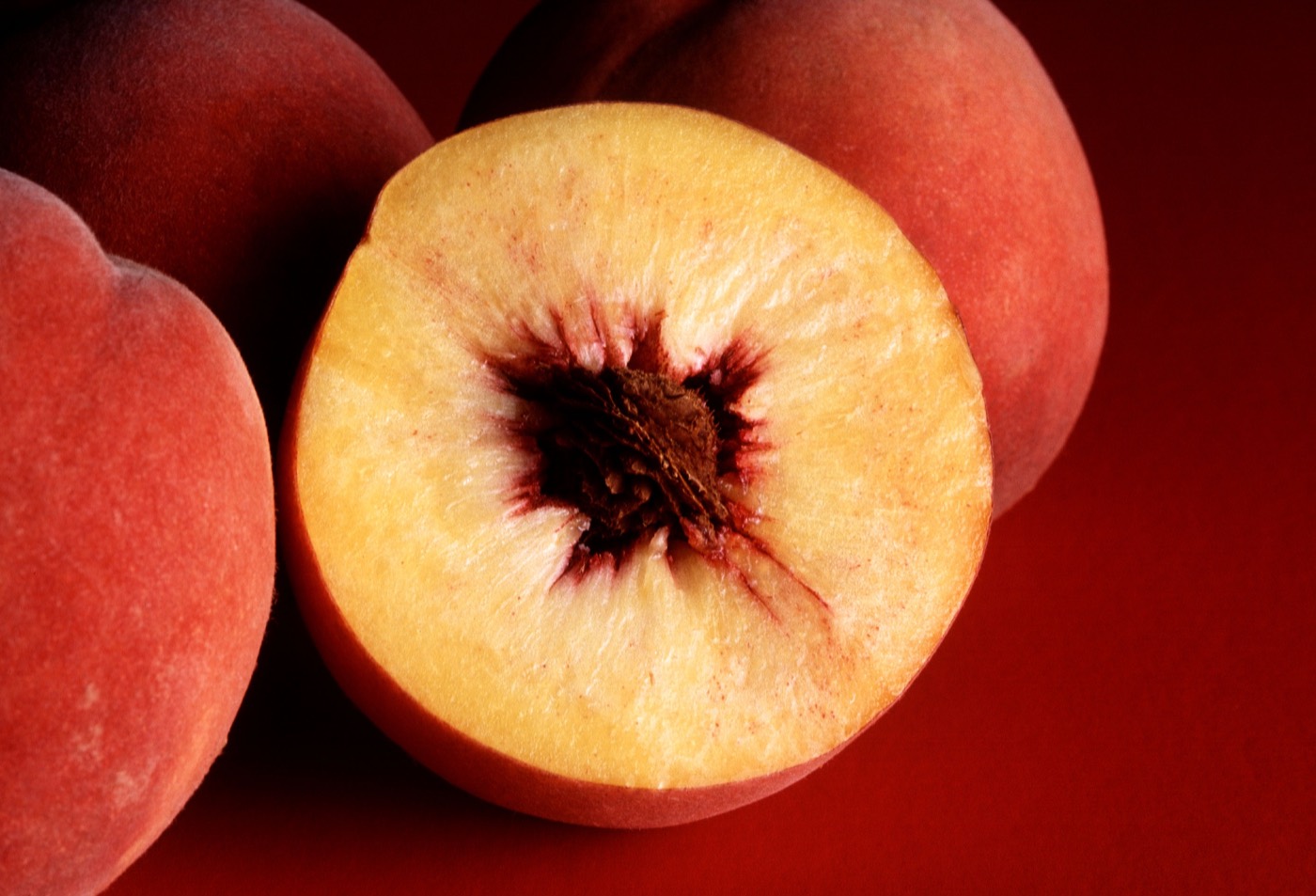
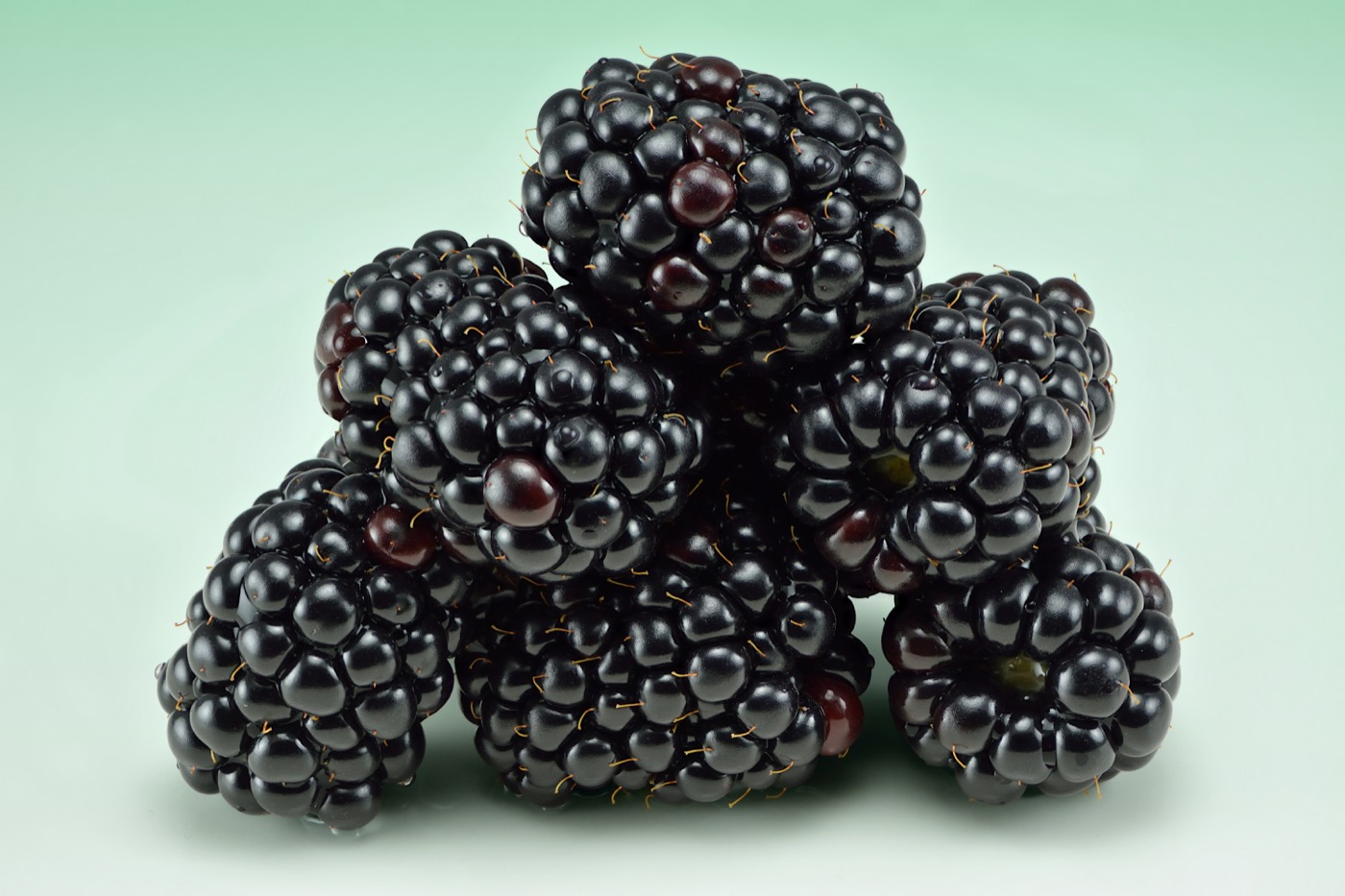
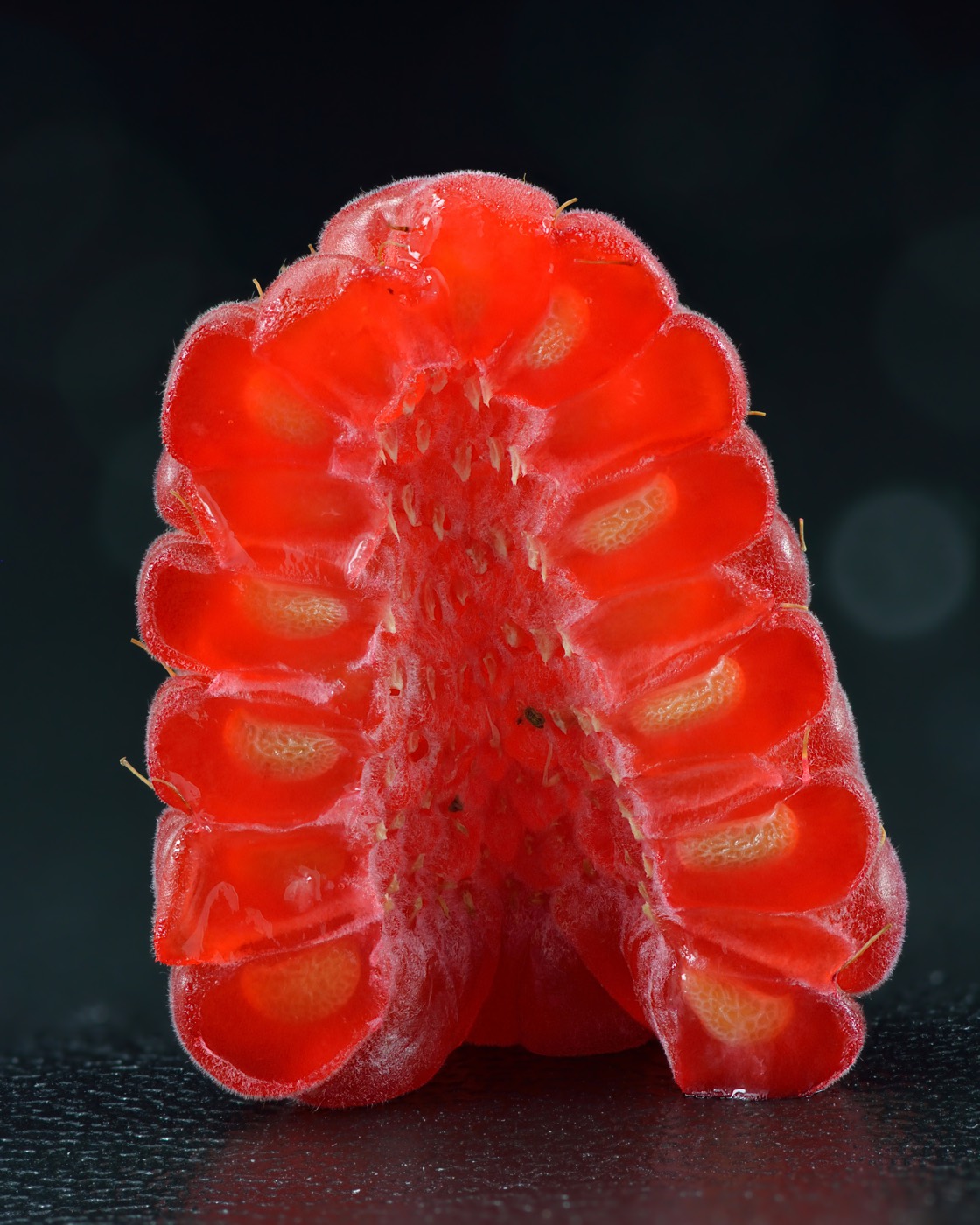
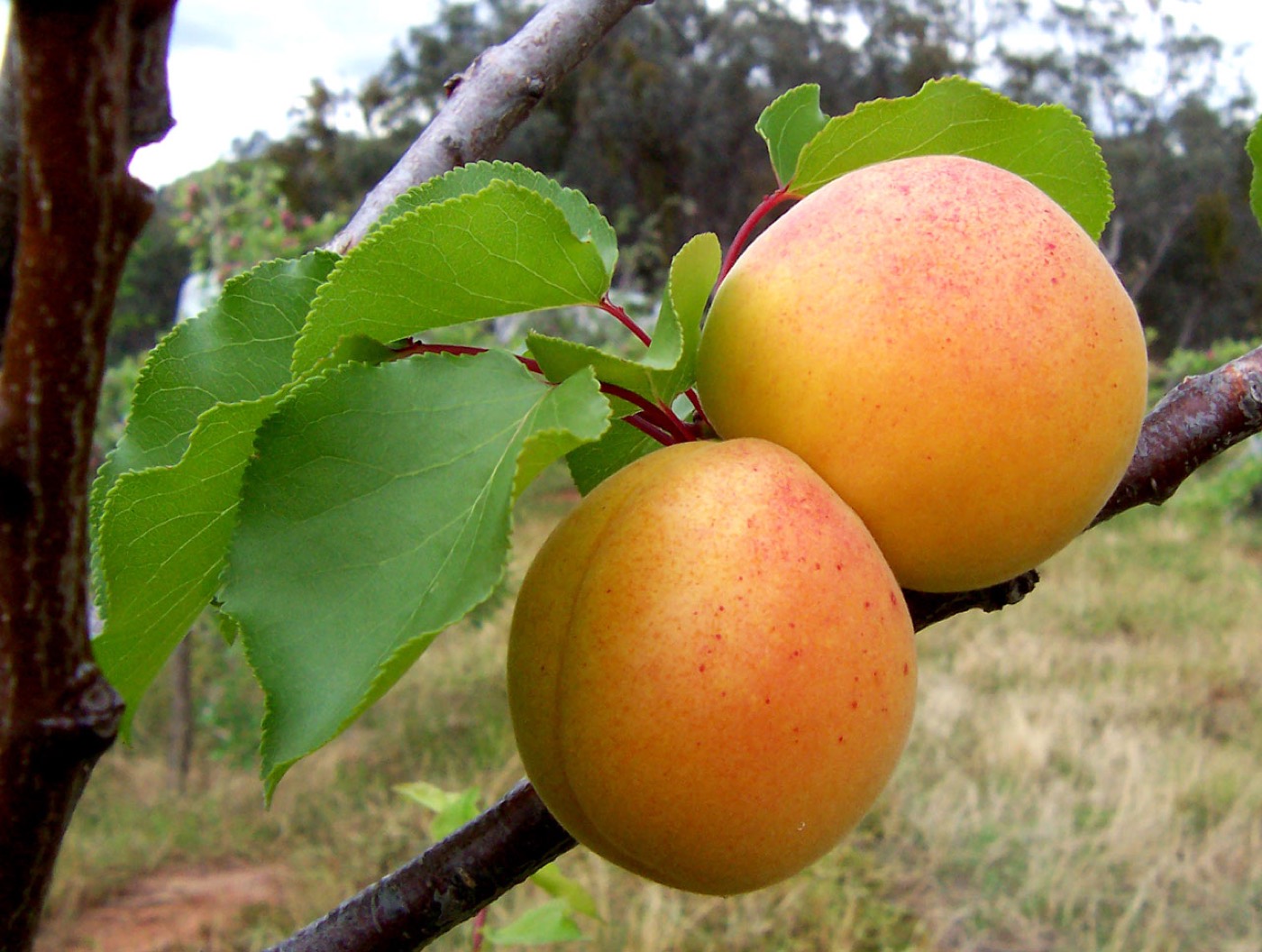
Some fruits are forgiving in freeze-drying. Strawberry, apple, banana, and mango are widely available, dry predictably, and read clearly to consumers. Blueberry is forgiving in flavor but technically demanding because of the skin. Raspberry is forgiving in flavor but fragile in structure. Pineapple and peach work well when ripeness is controlled.
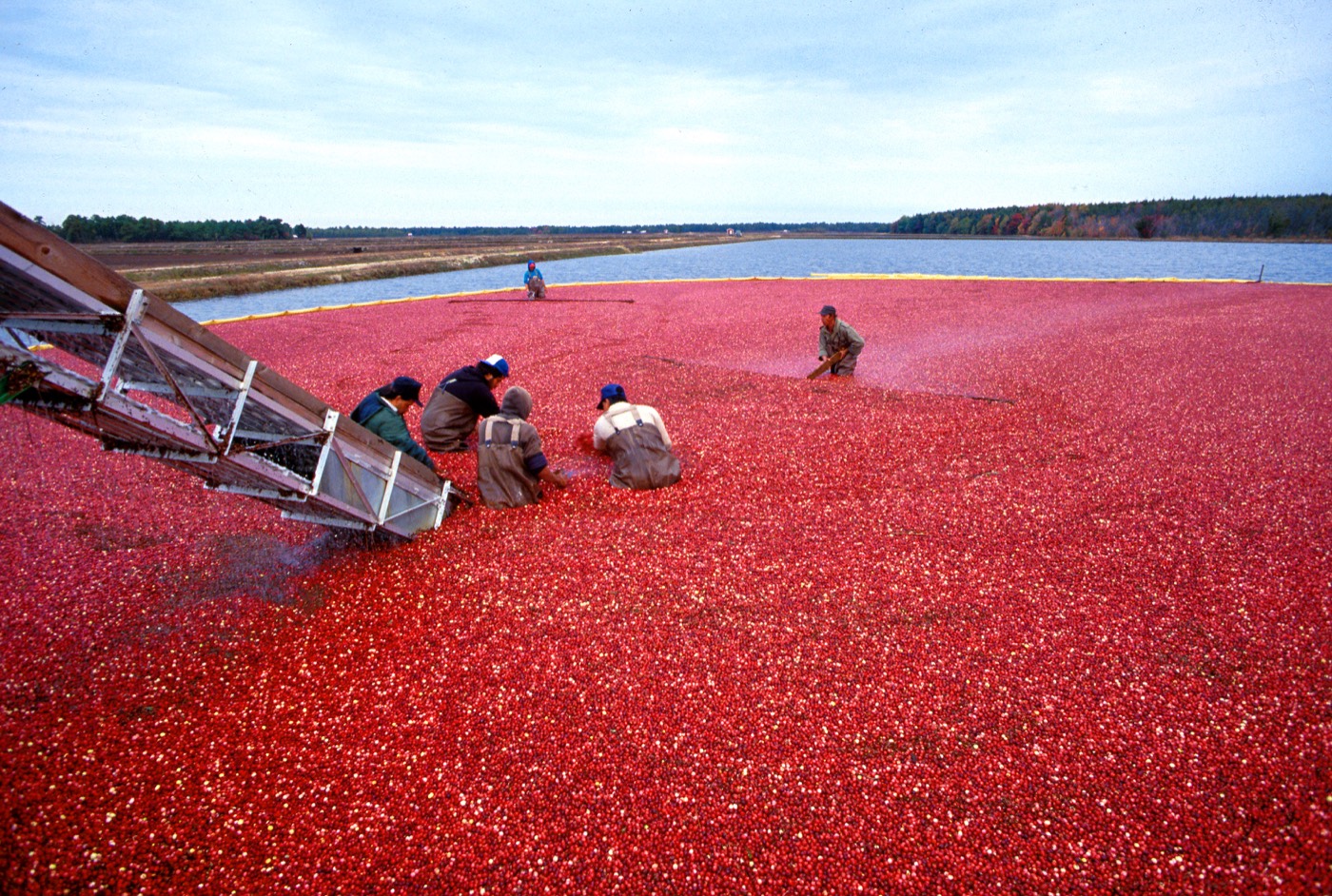
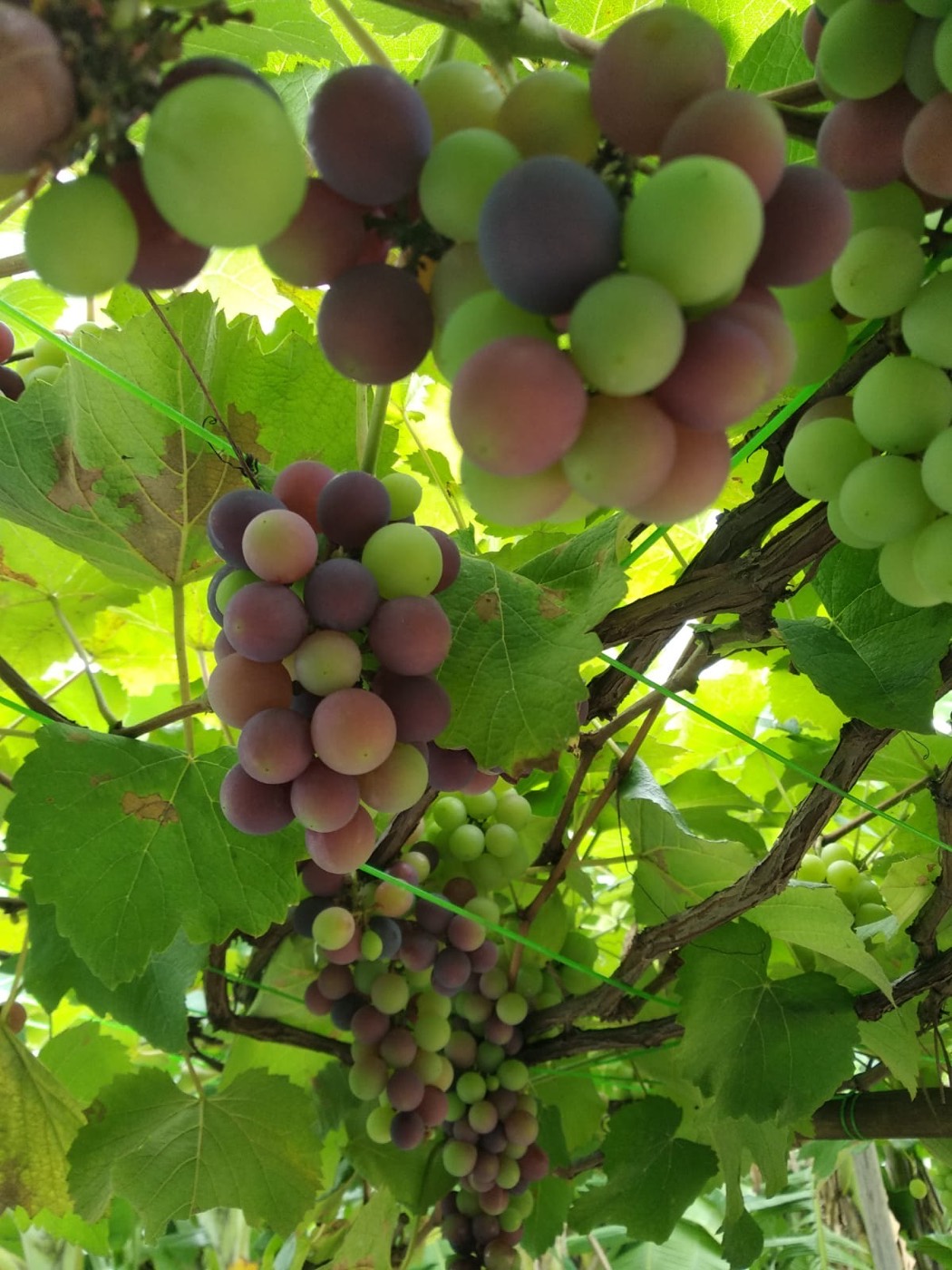
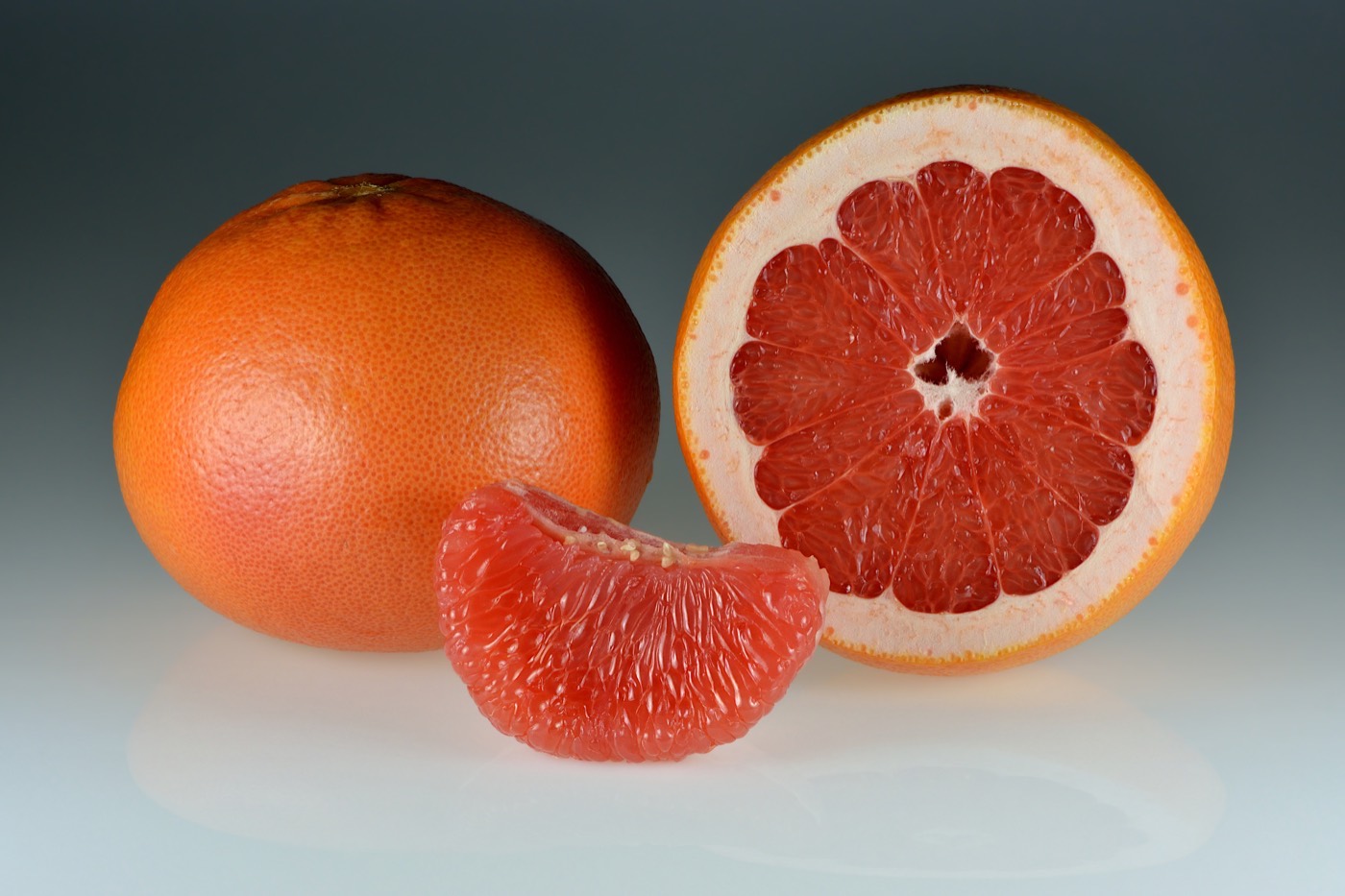
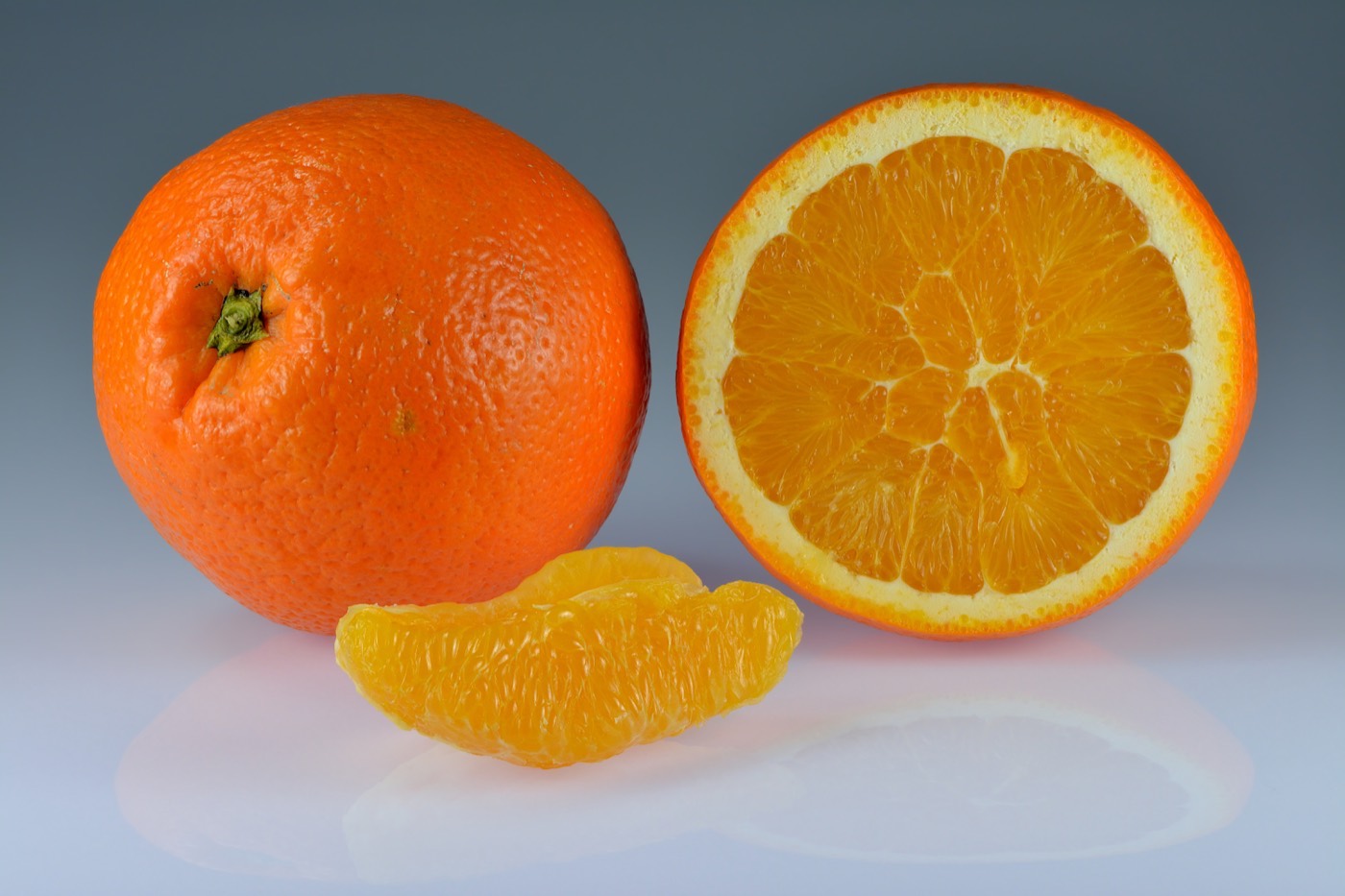
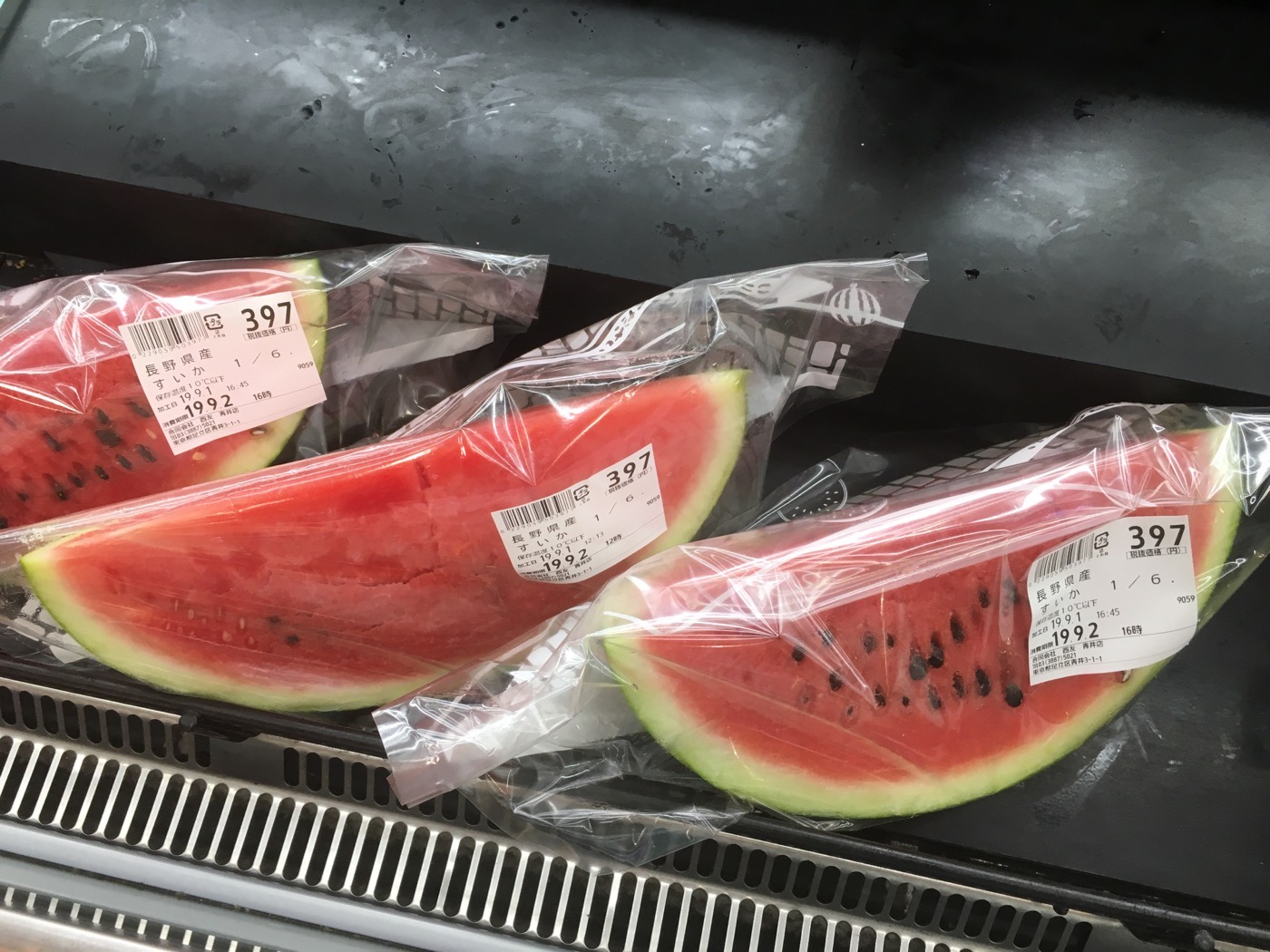
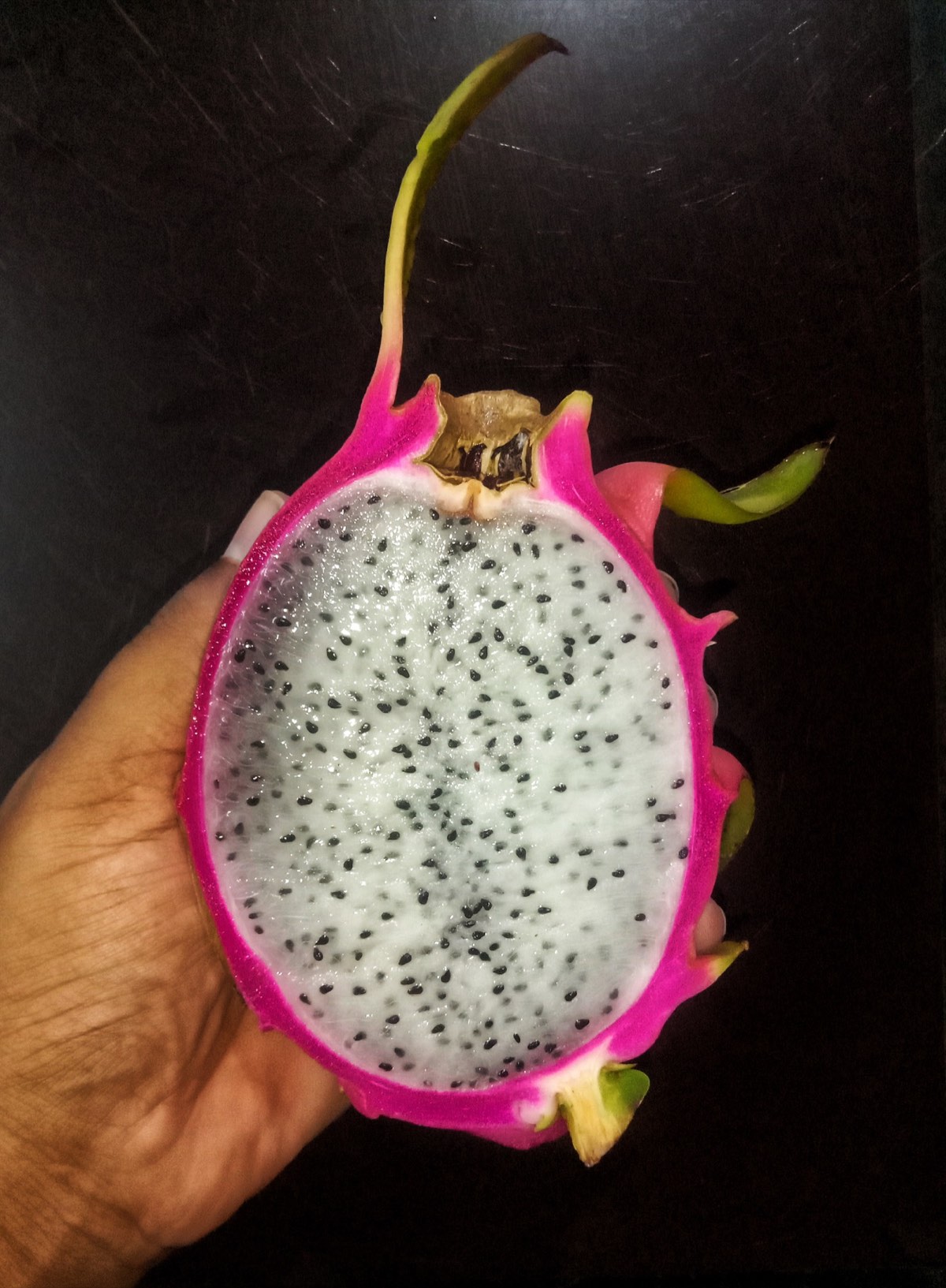
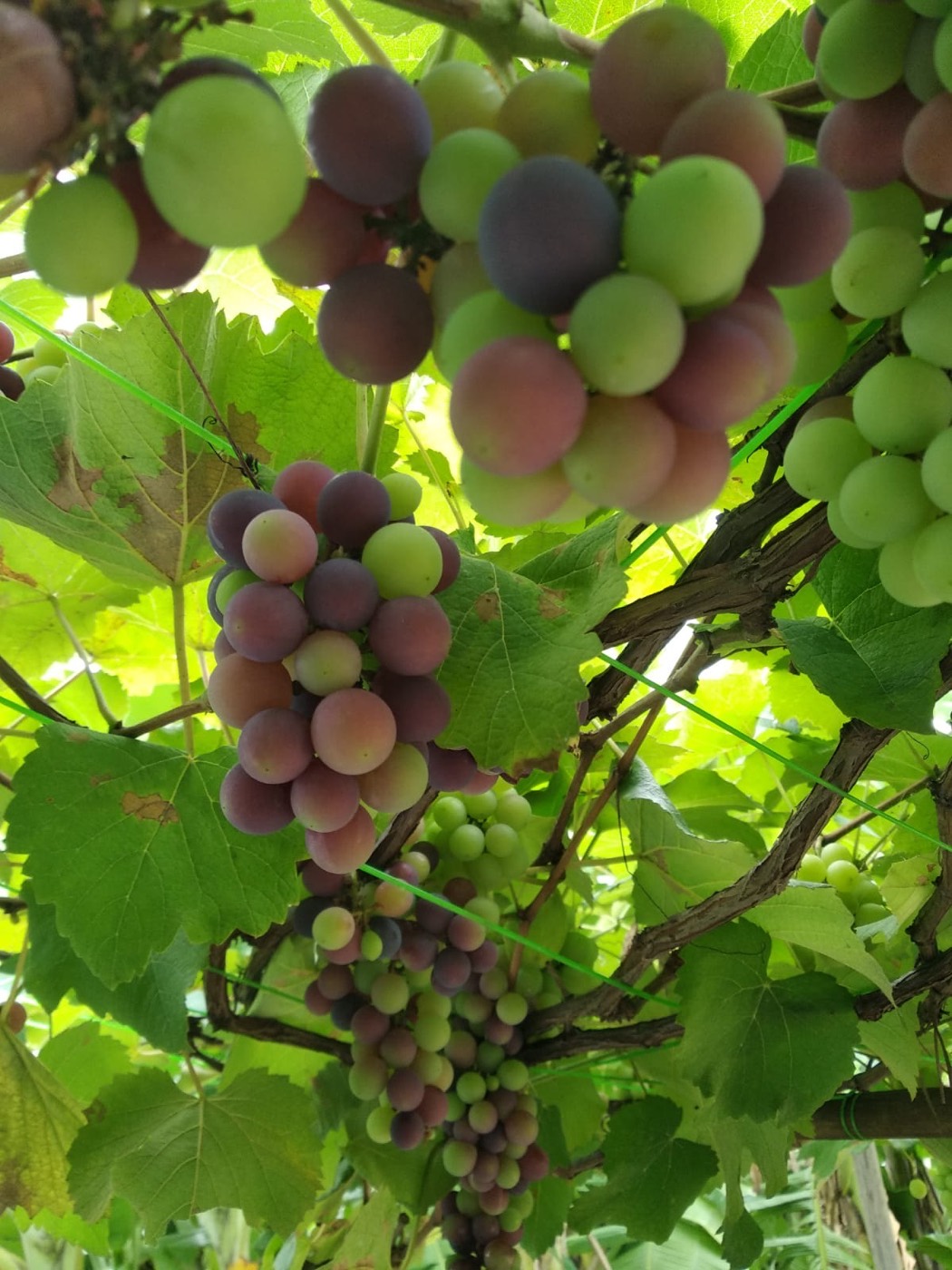
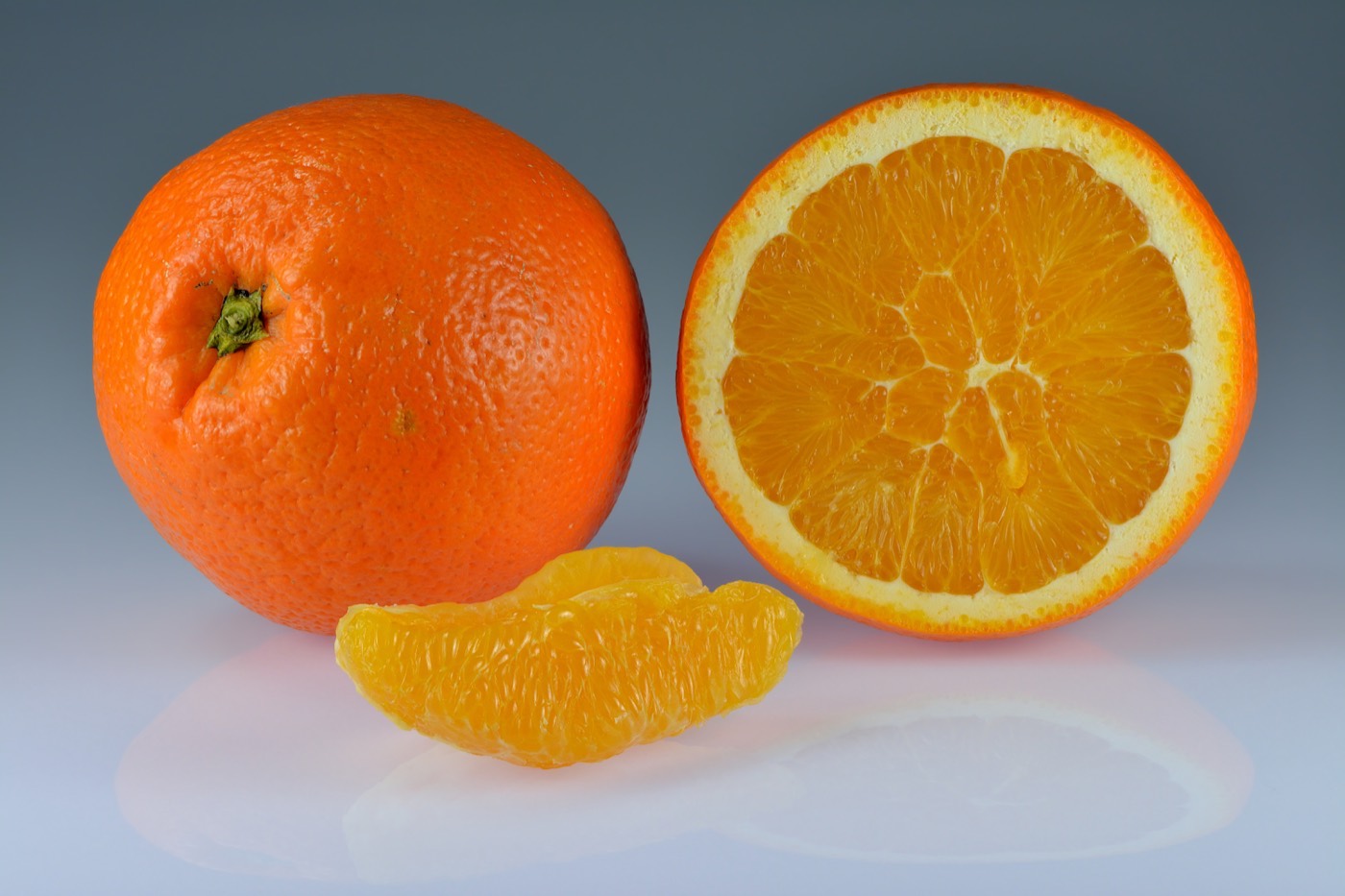
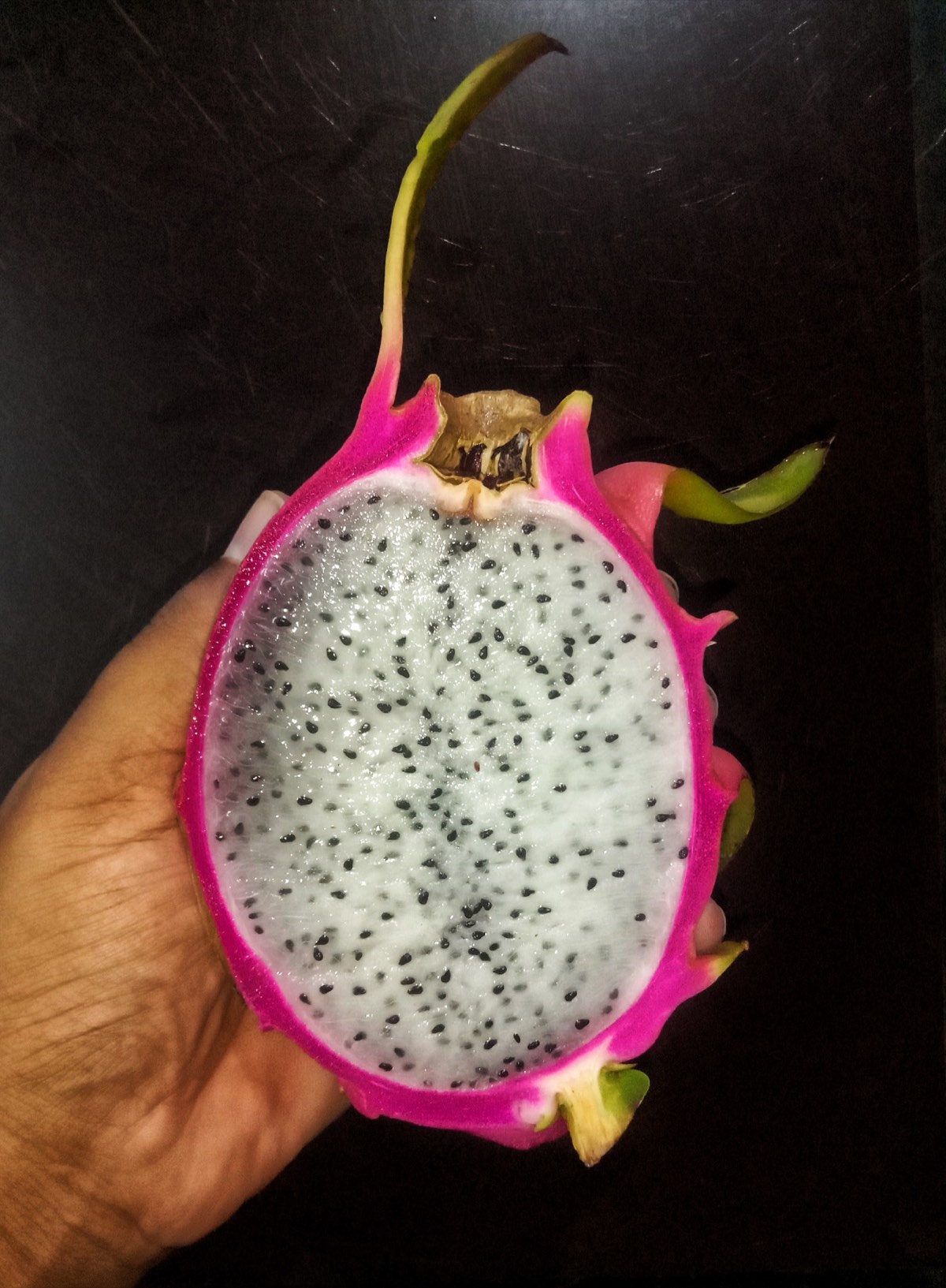
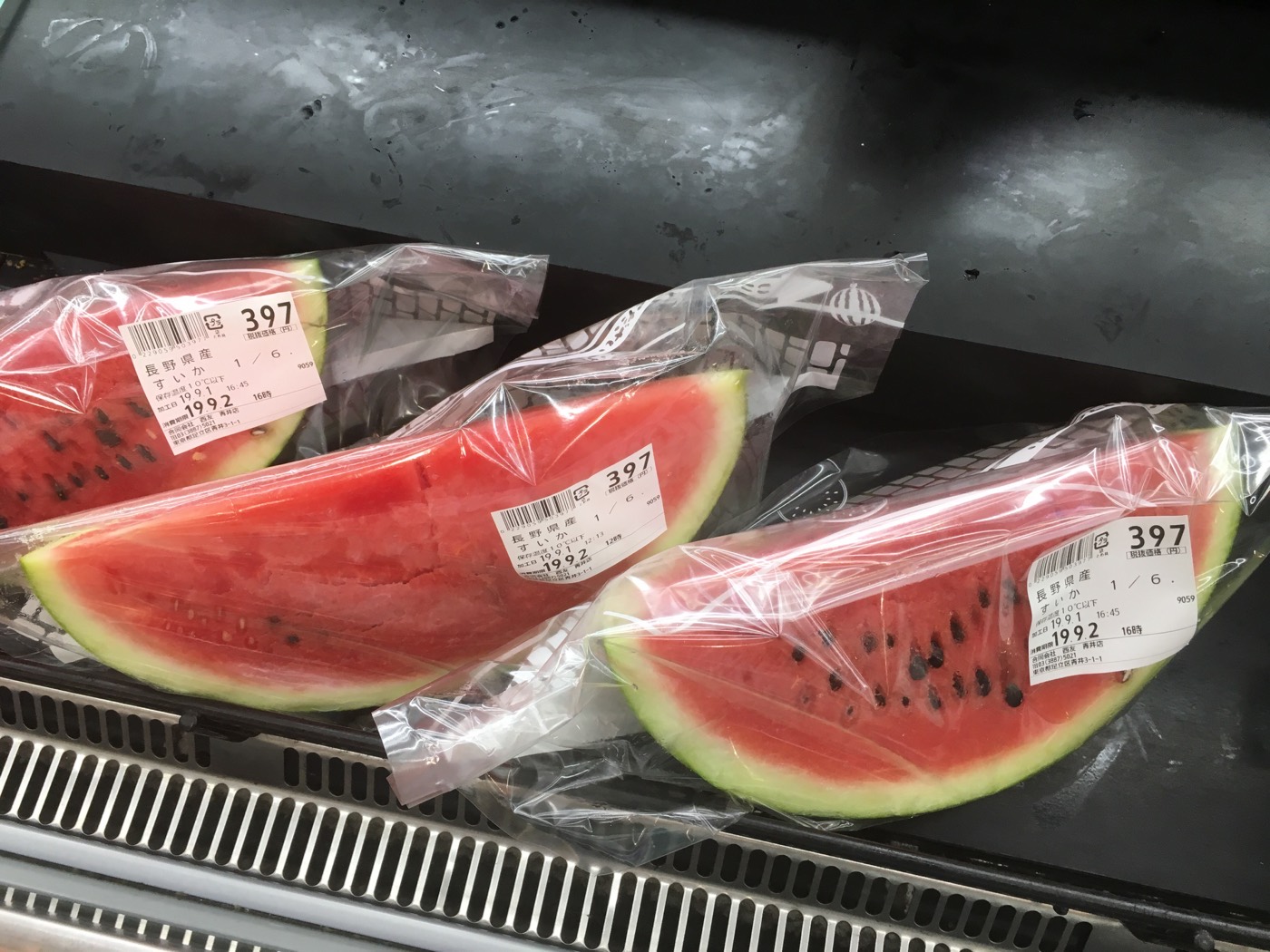
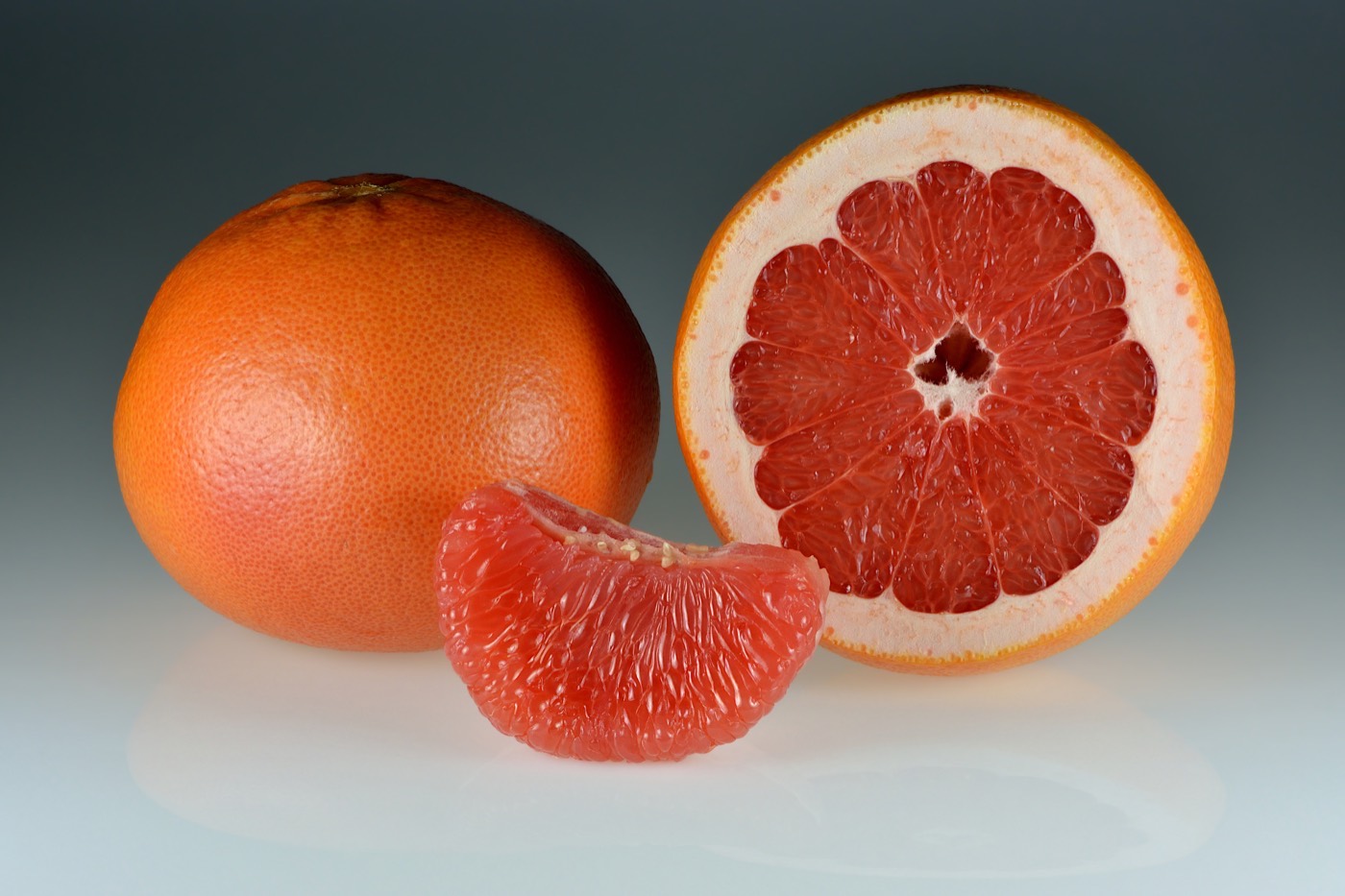
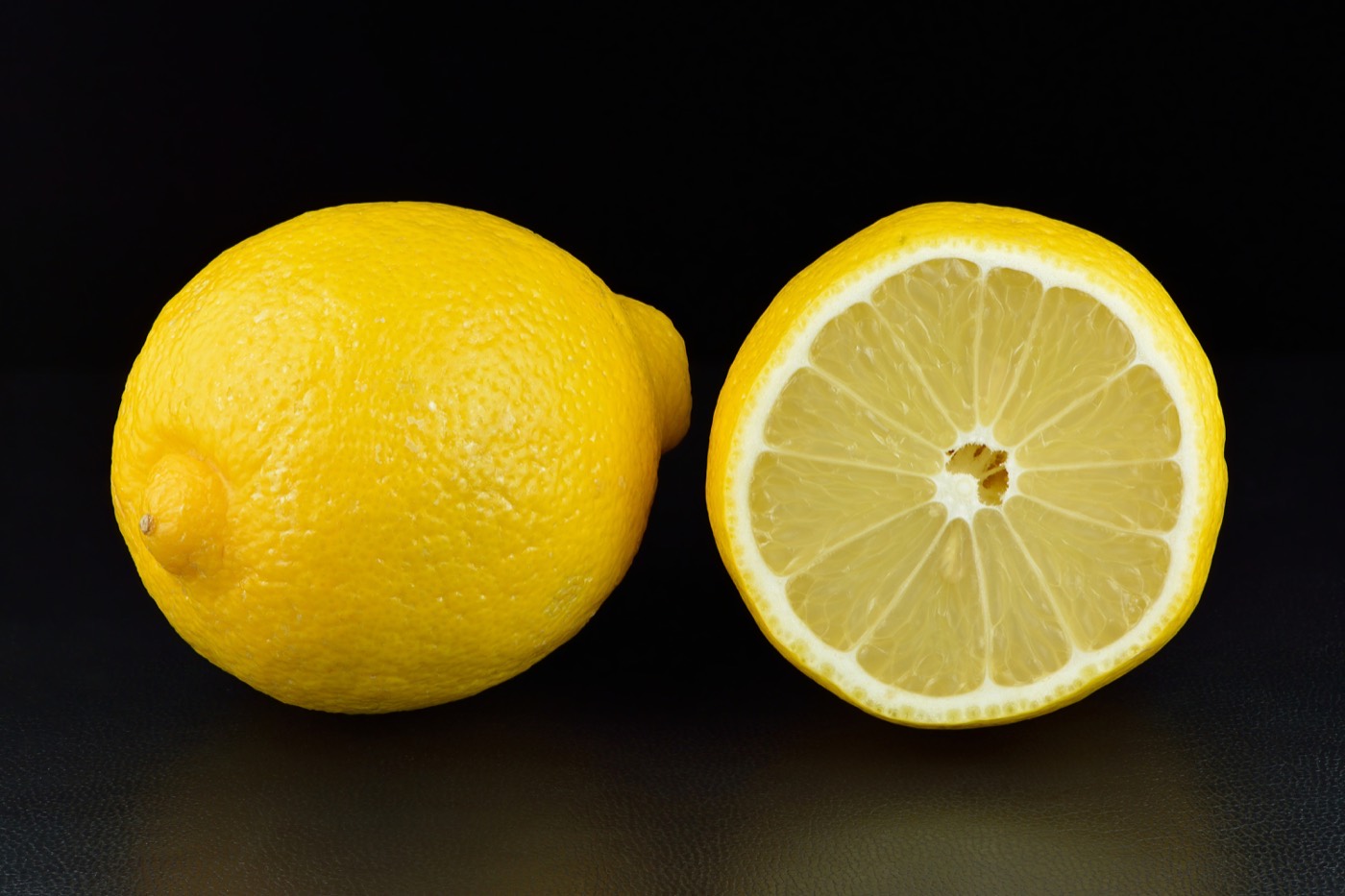
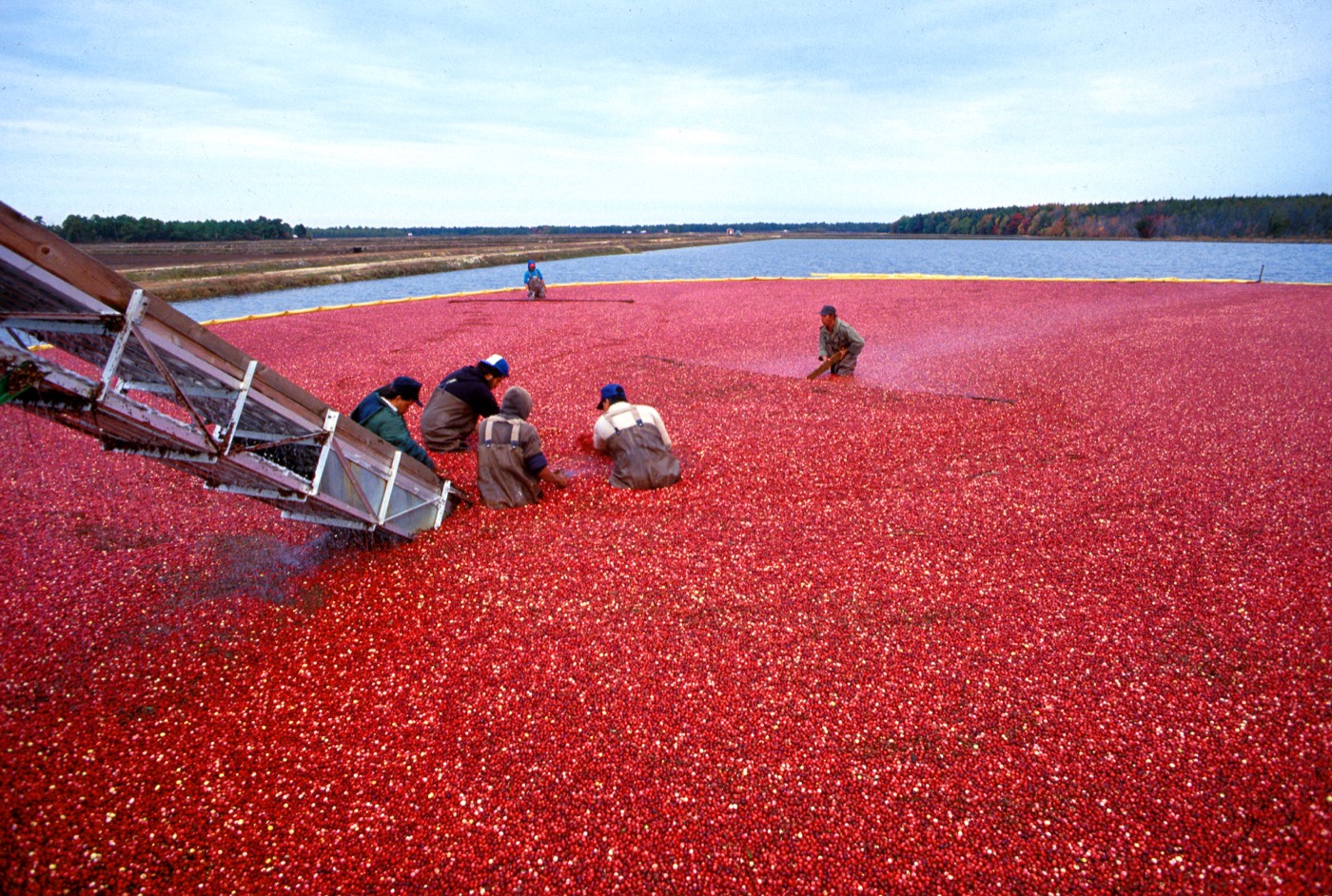
Other fruits are more particular. Watermelon has extreme water content, which crushes yield. Cranberry is naturally tart and usually needs sweetening or careful blending. Citrus carries strong aroma and peel bitterness that demand careful format choices. Grapes have skin that complicates drying. Dragon fruit is valued for color more than flavor.
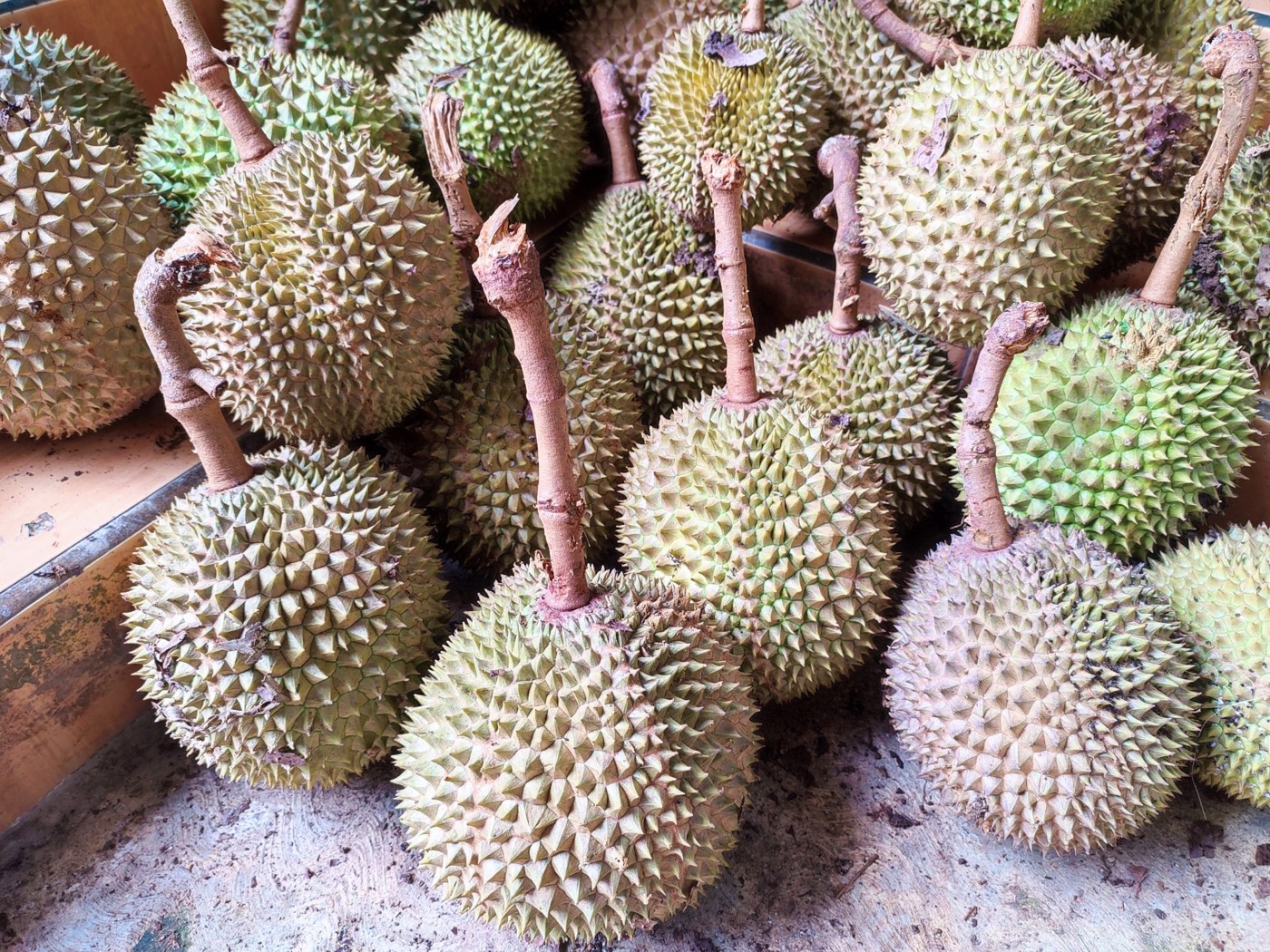
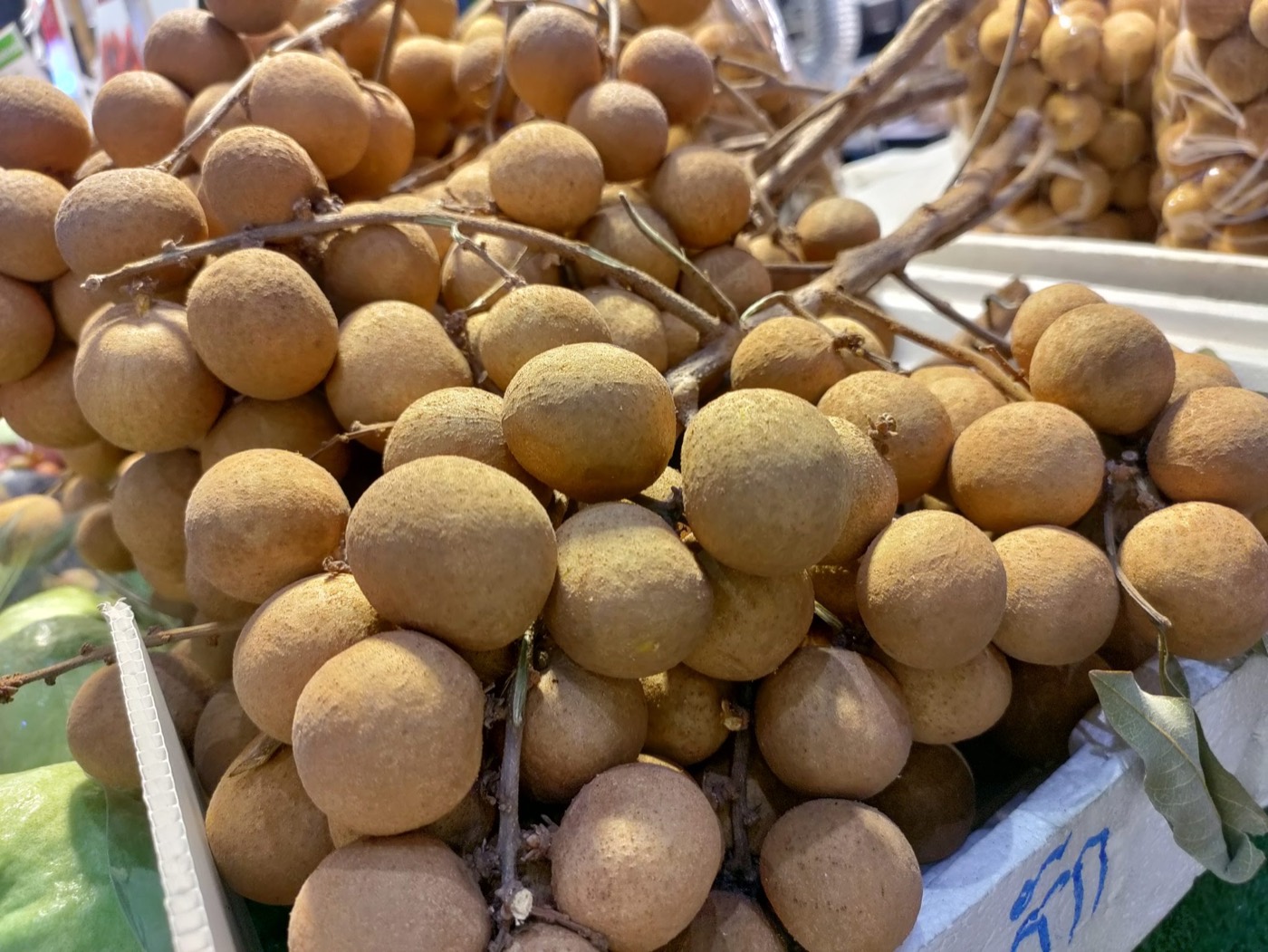
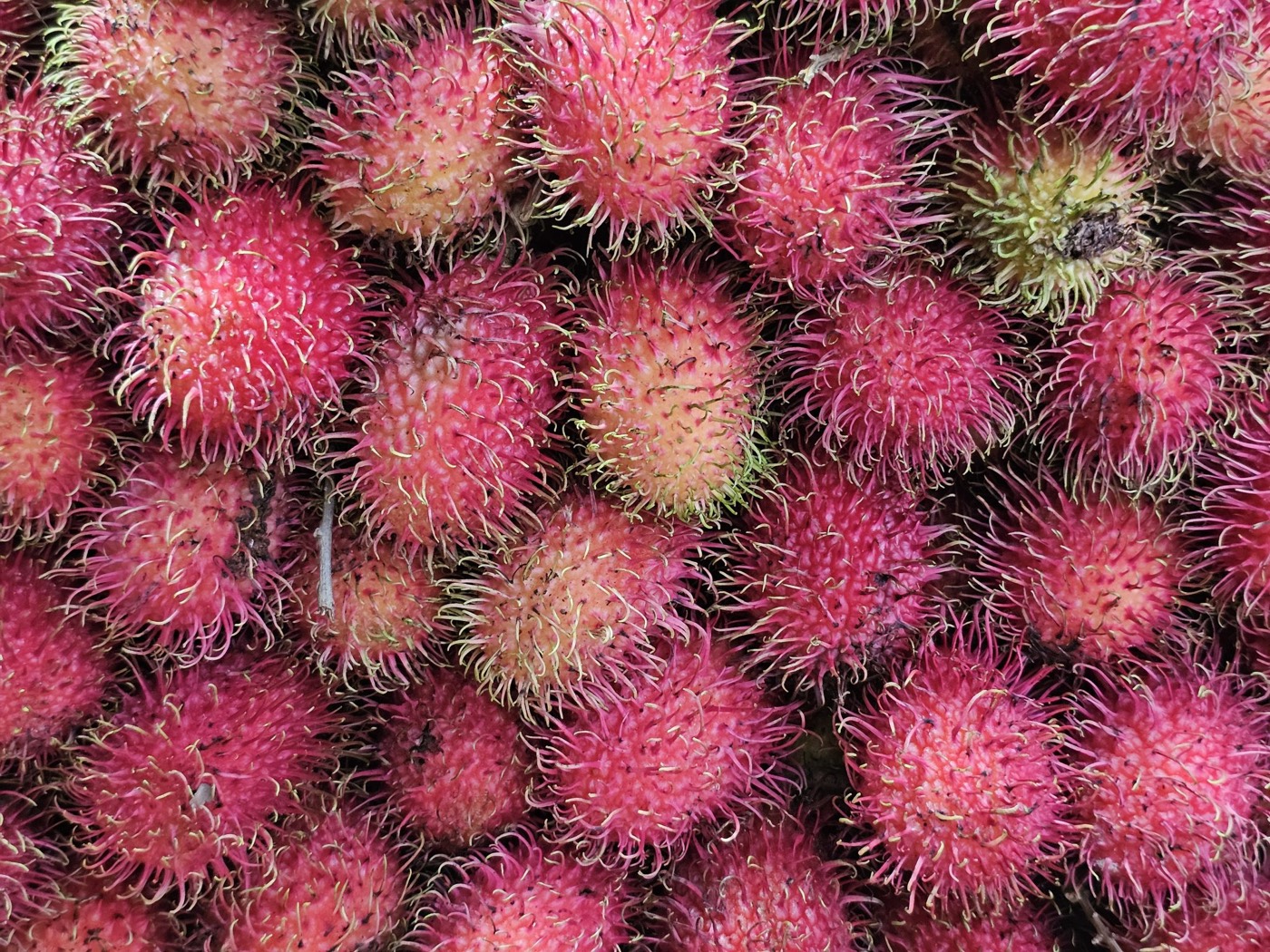
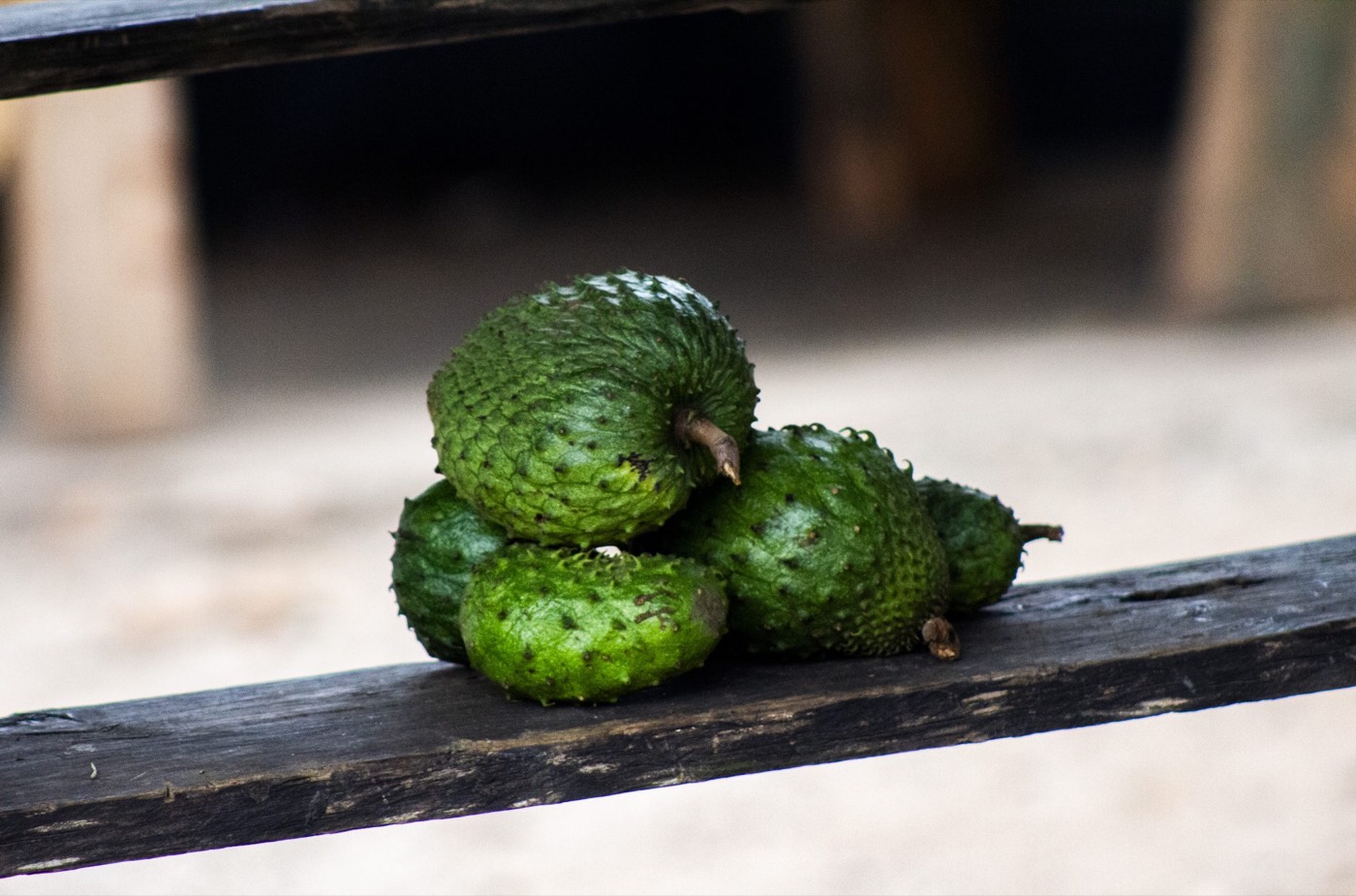
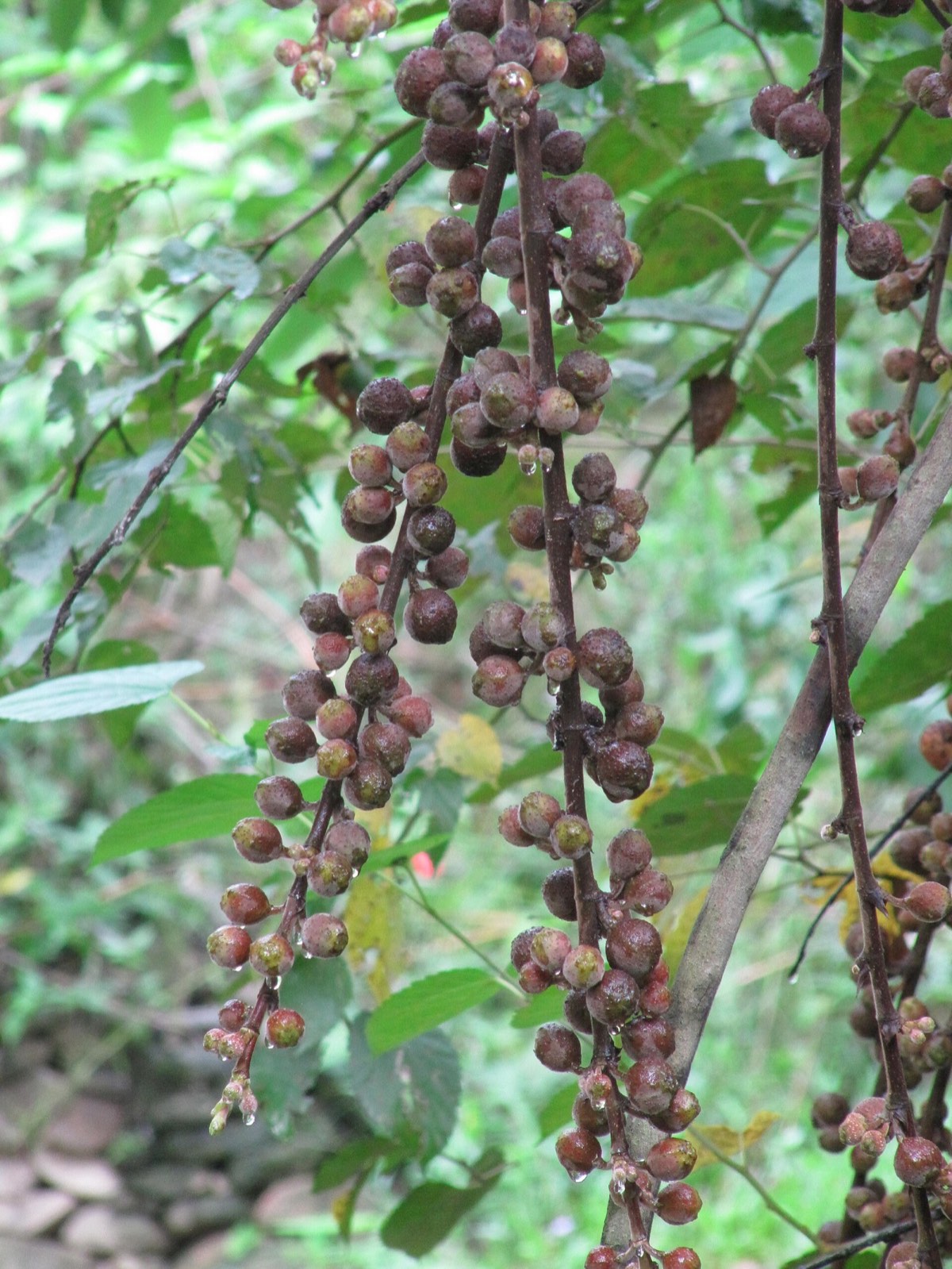
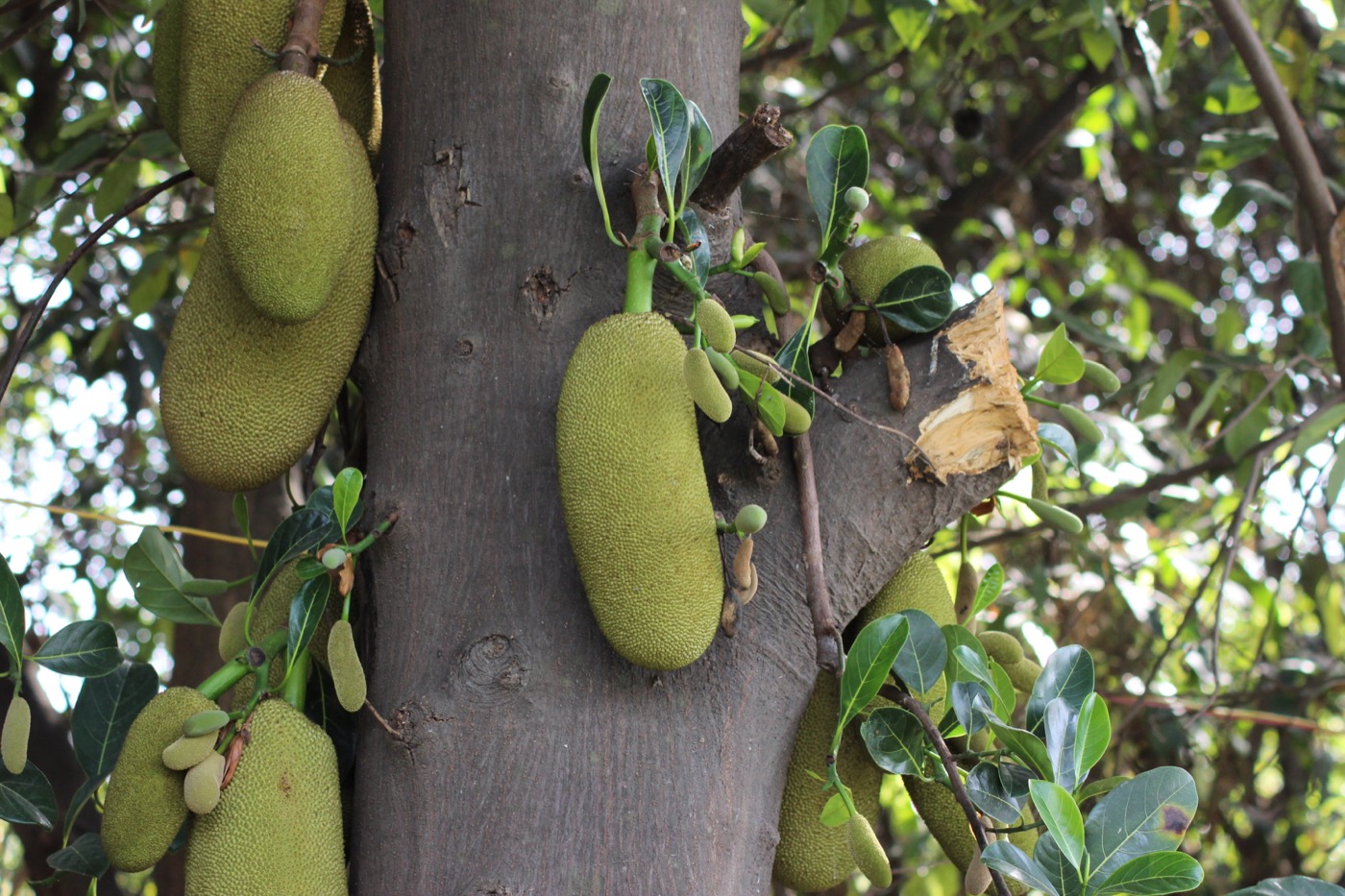
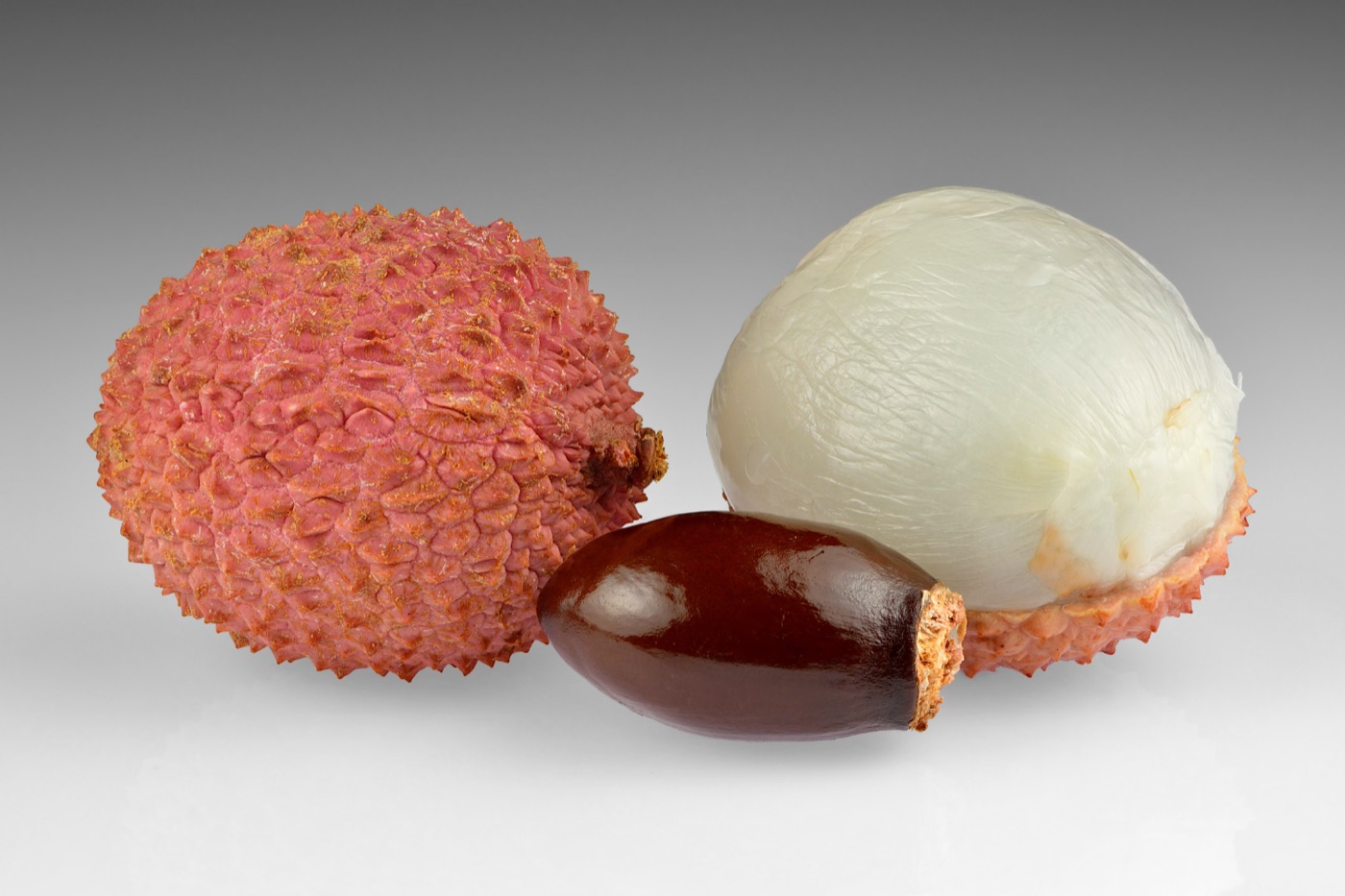
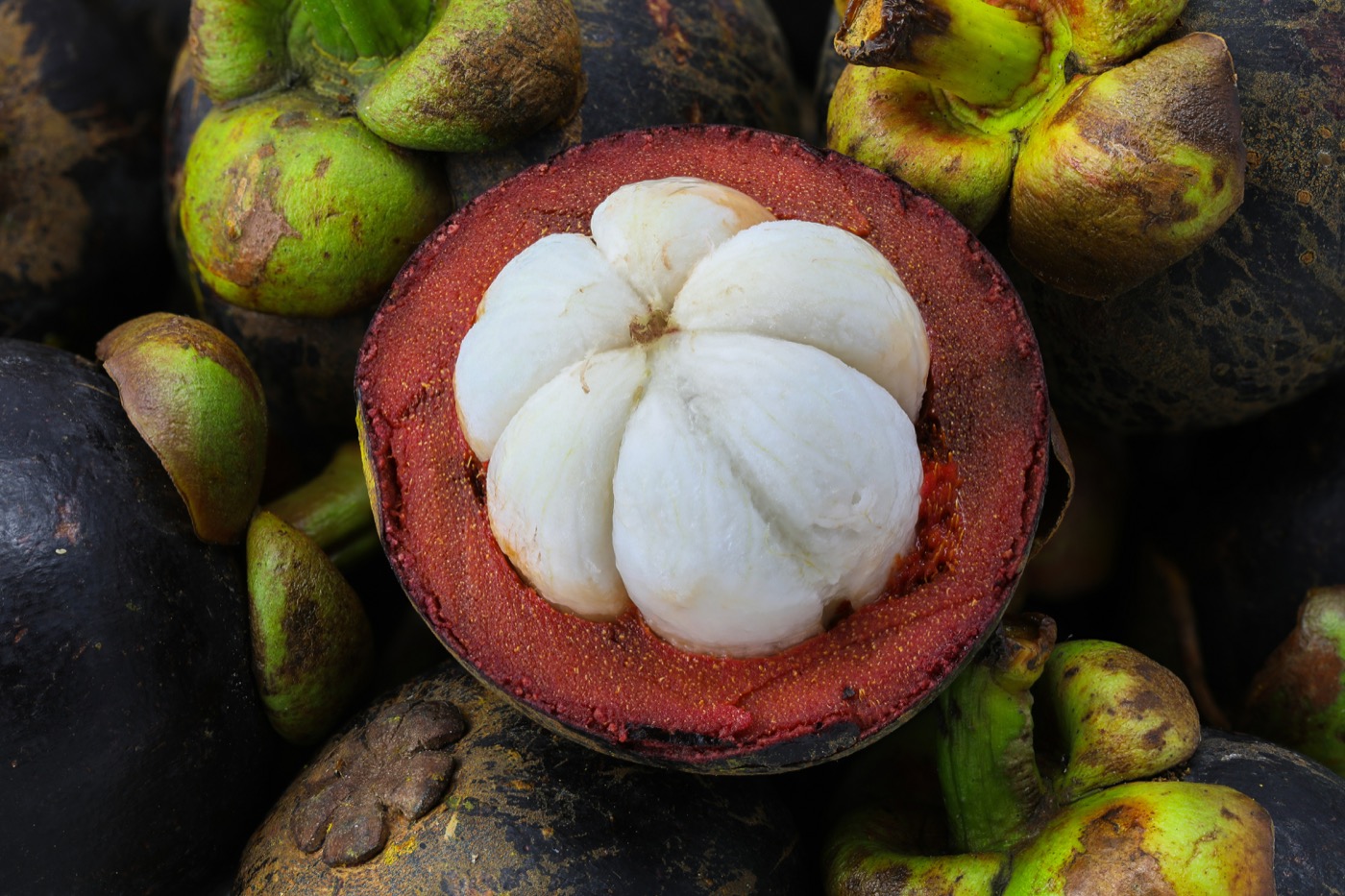
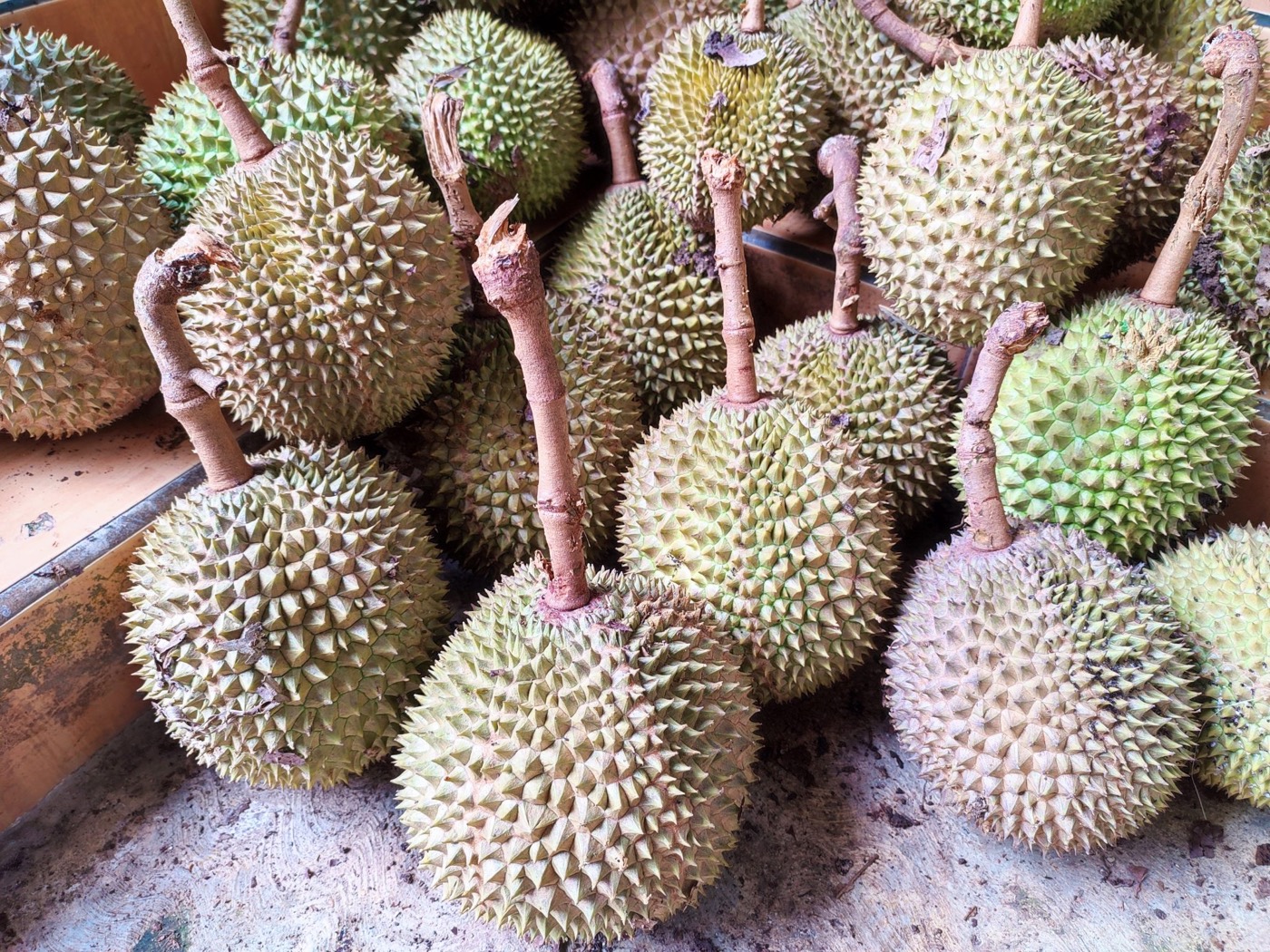
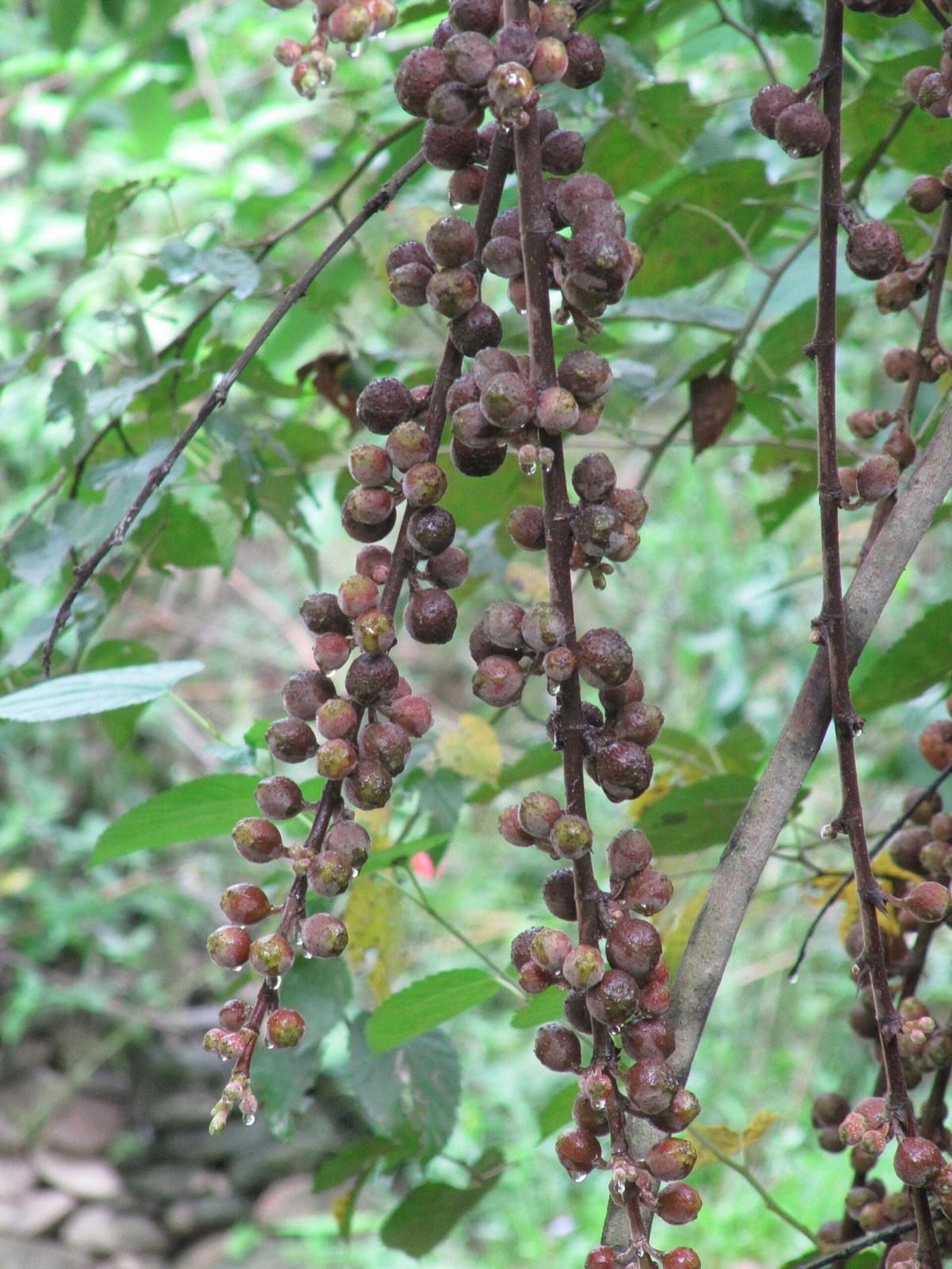
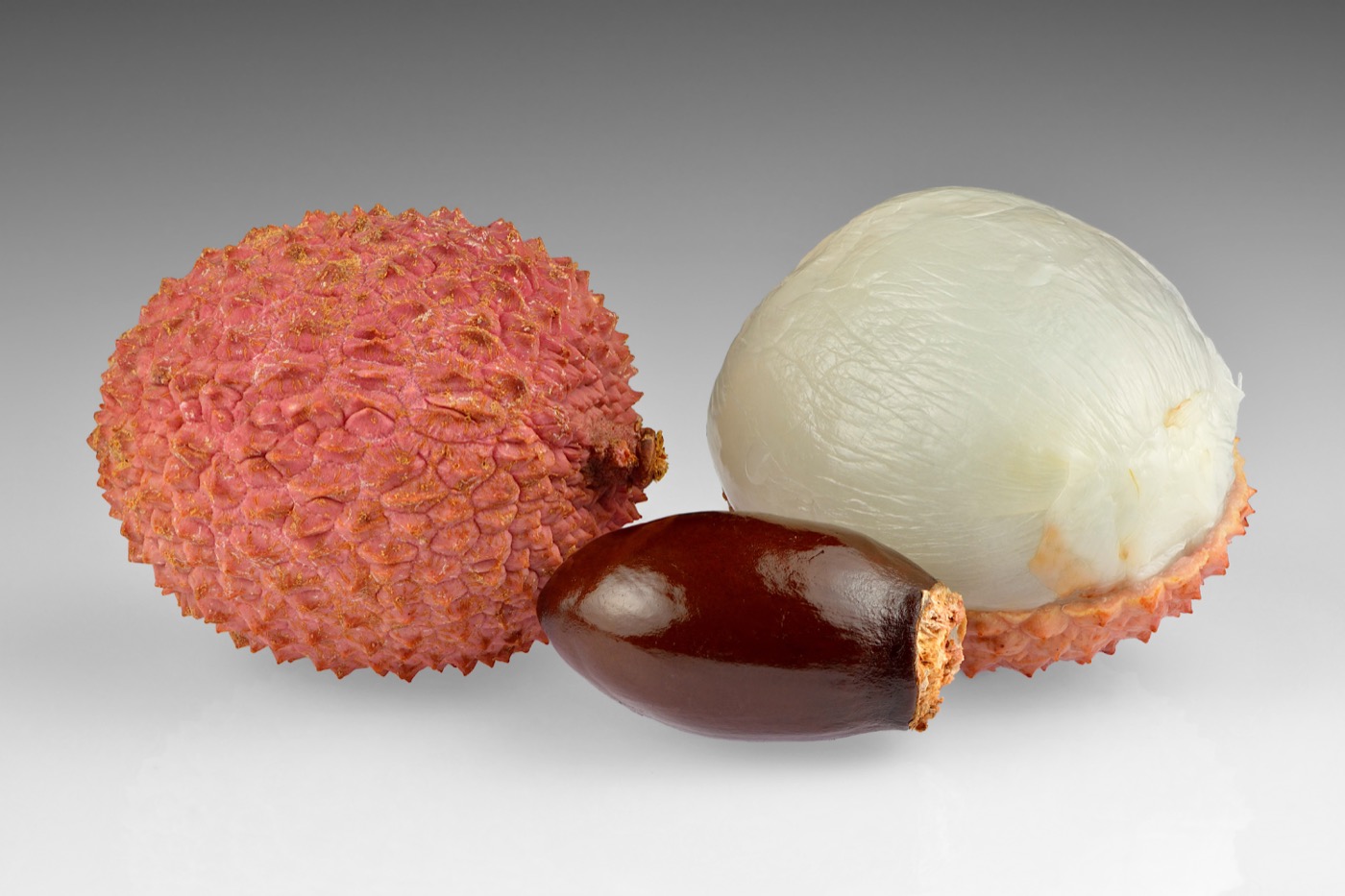
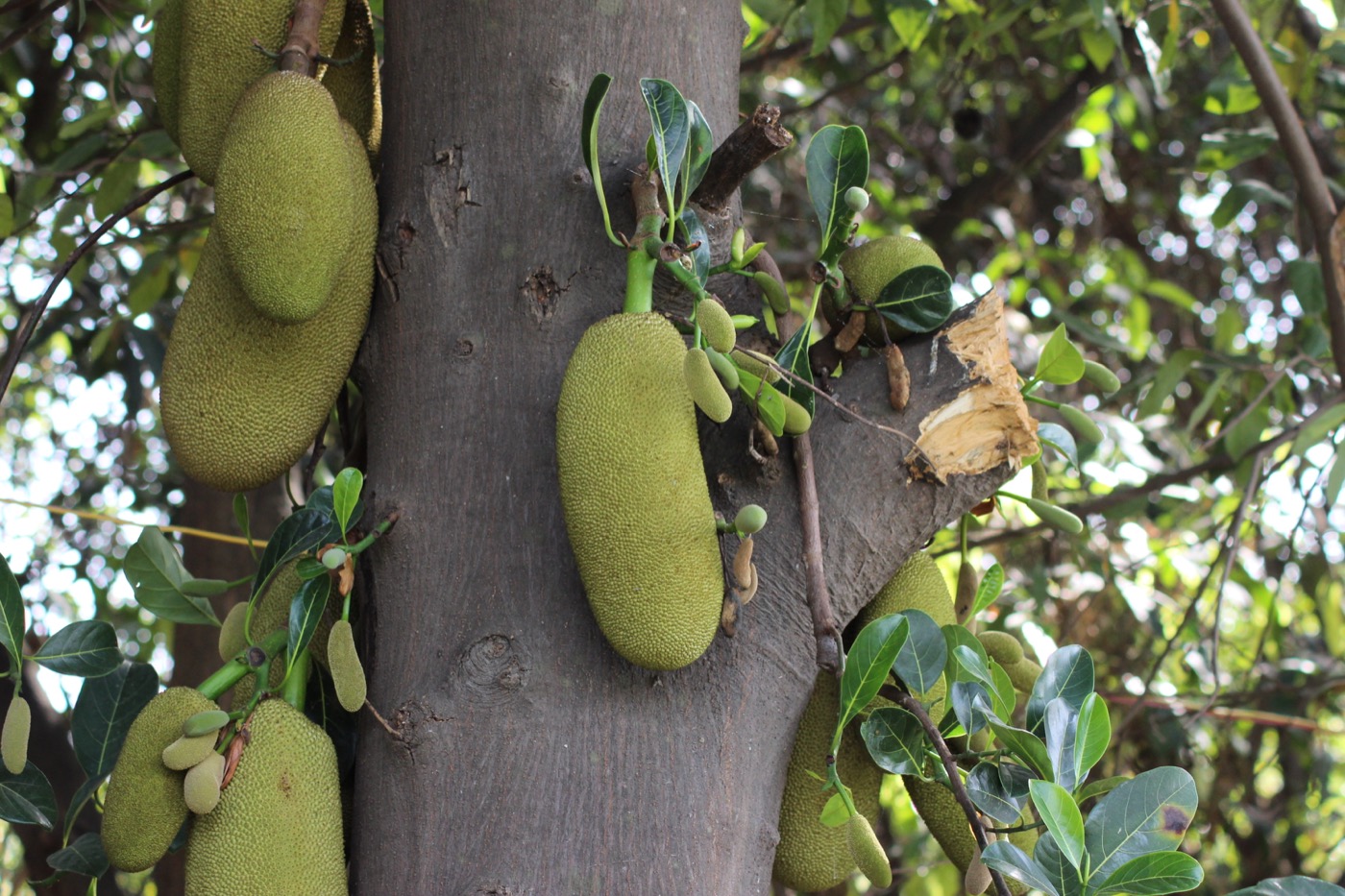
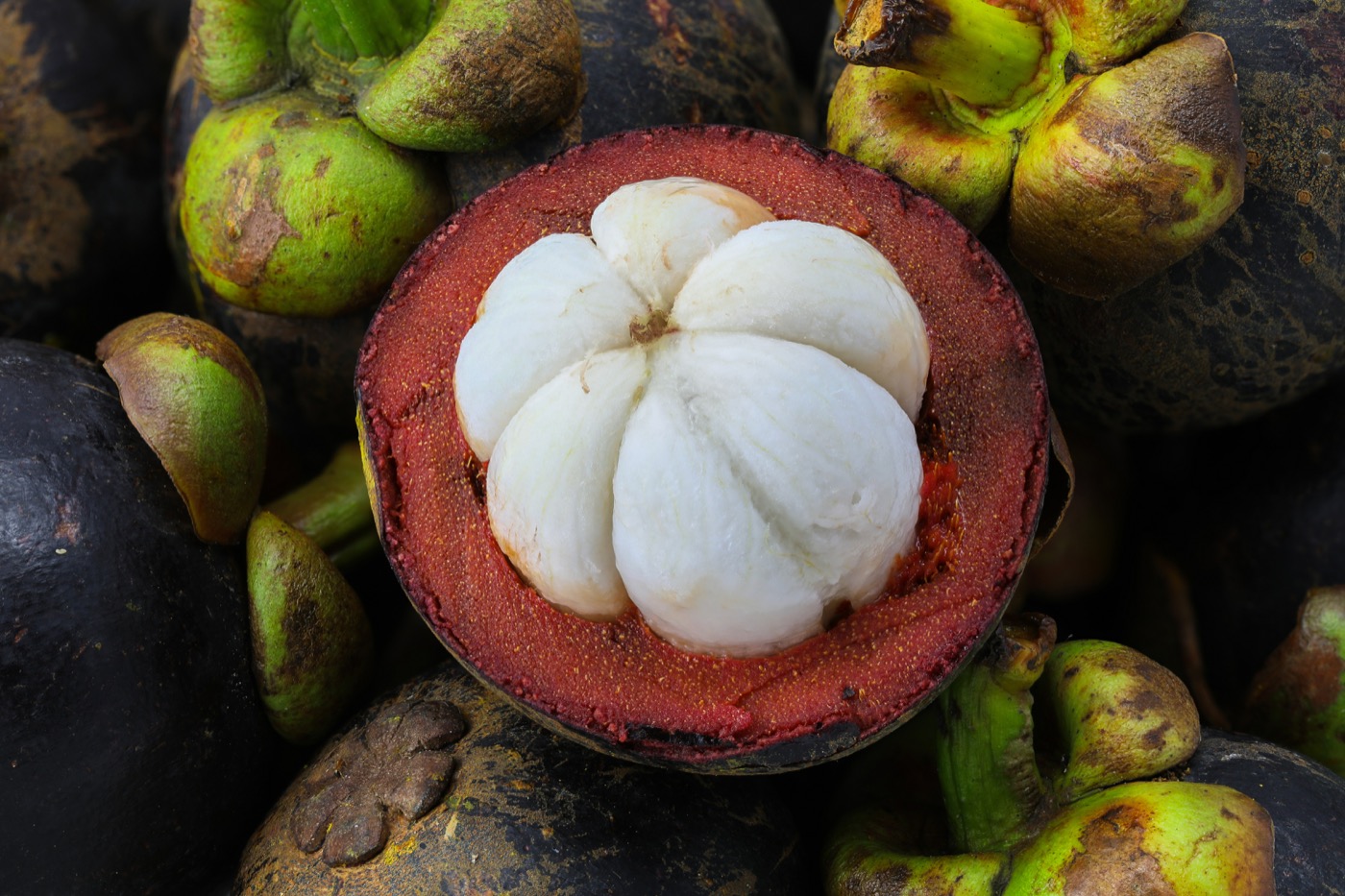
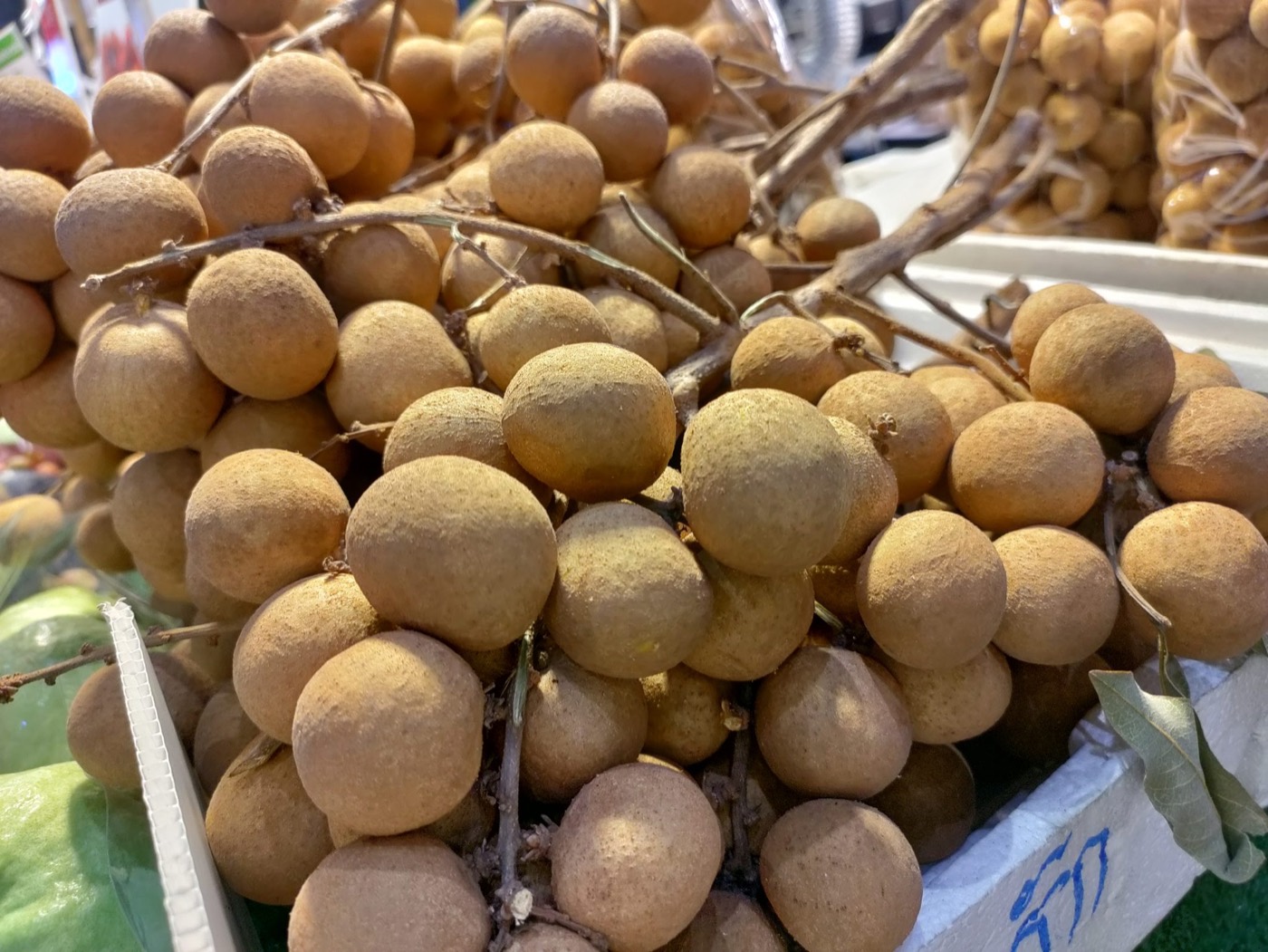
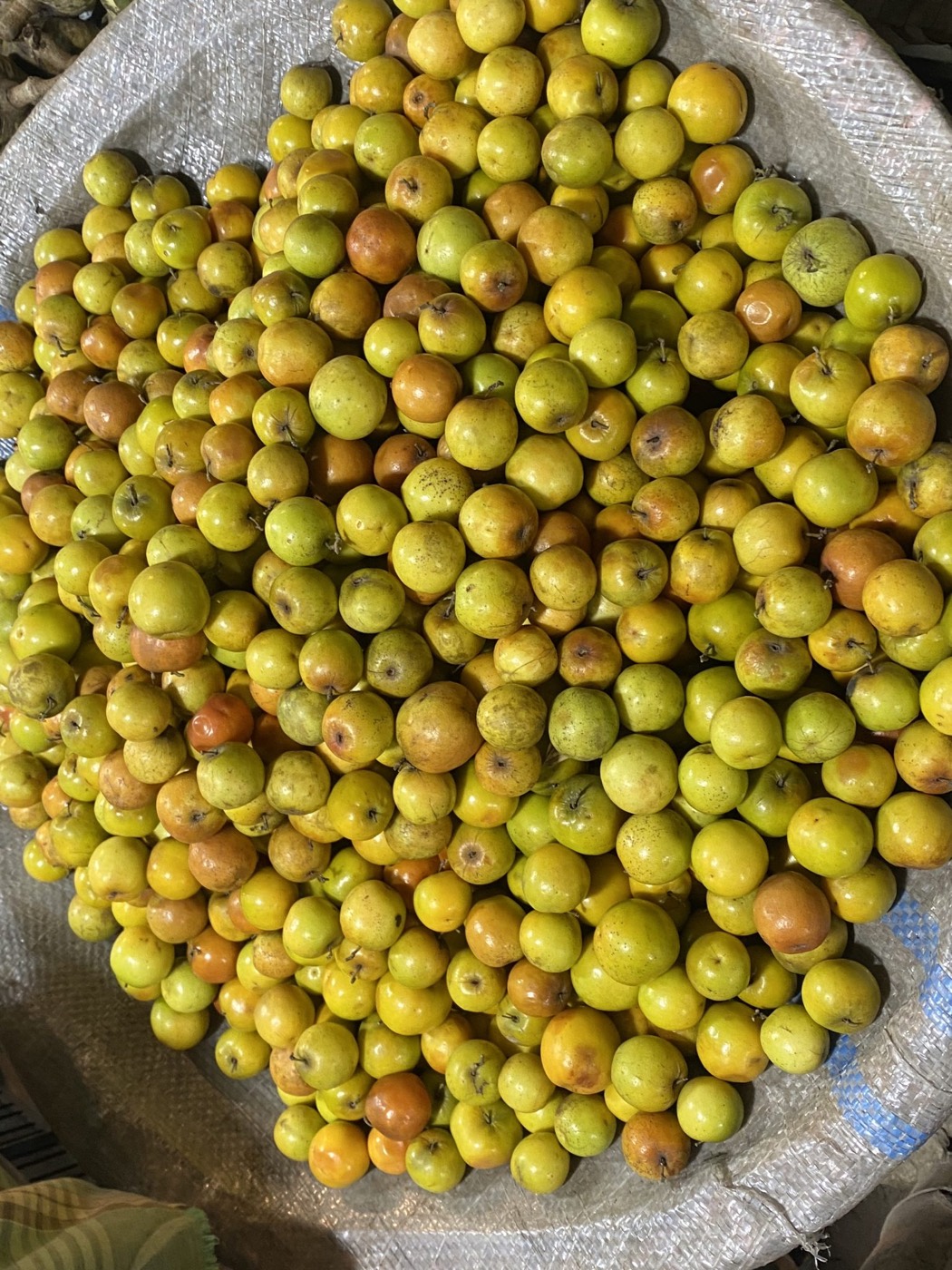
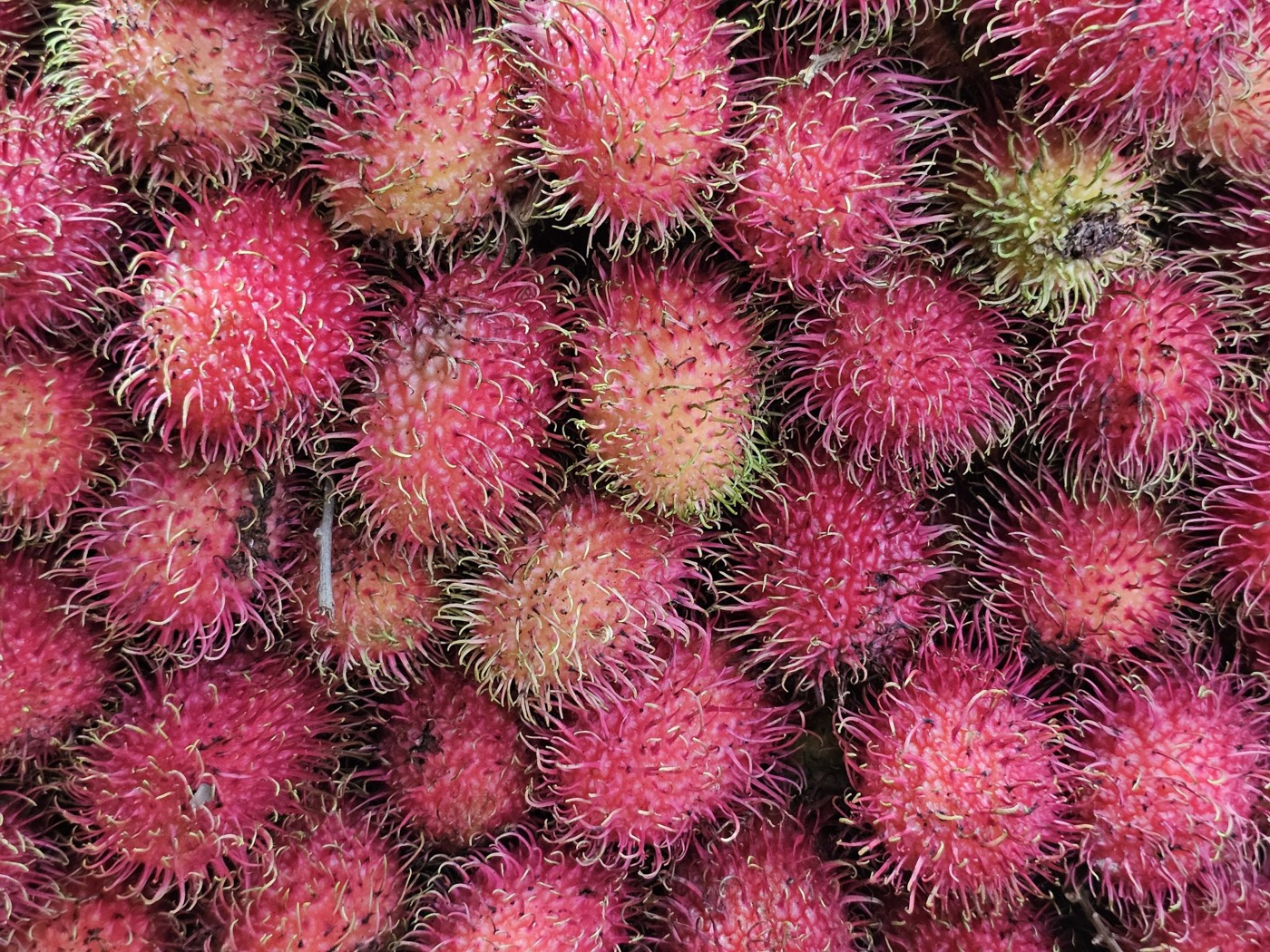
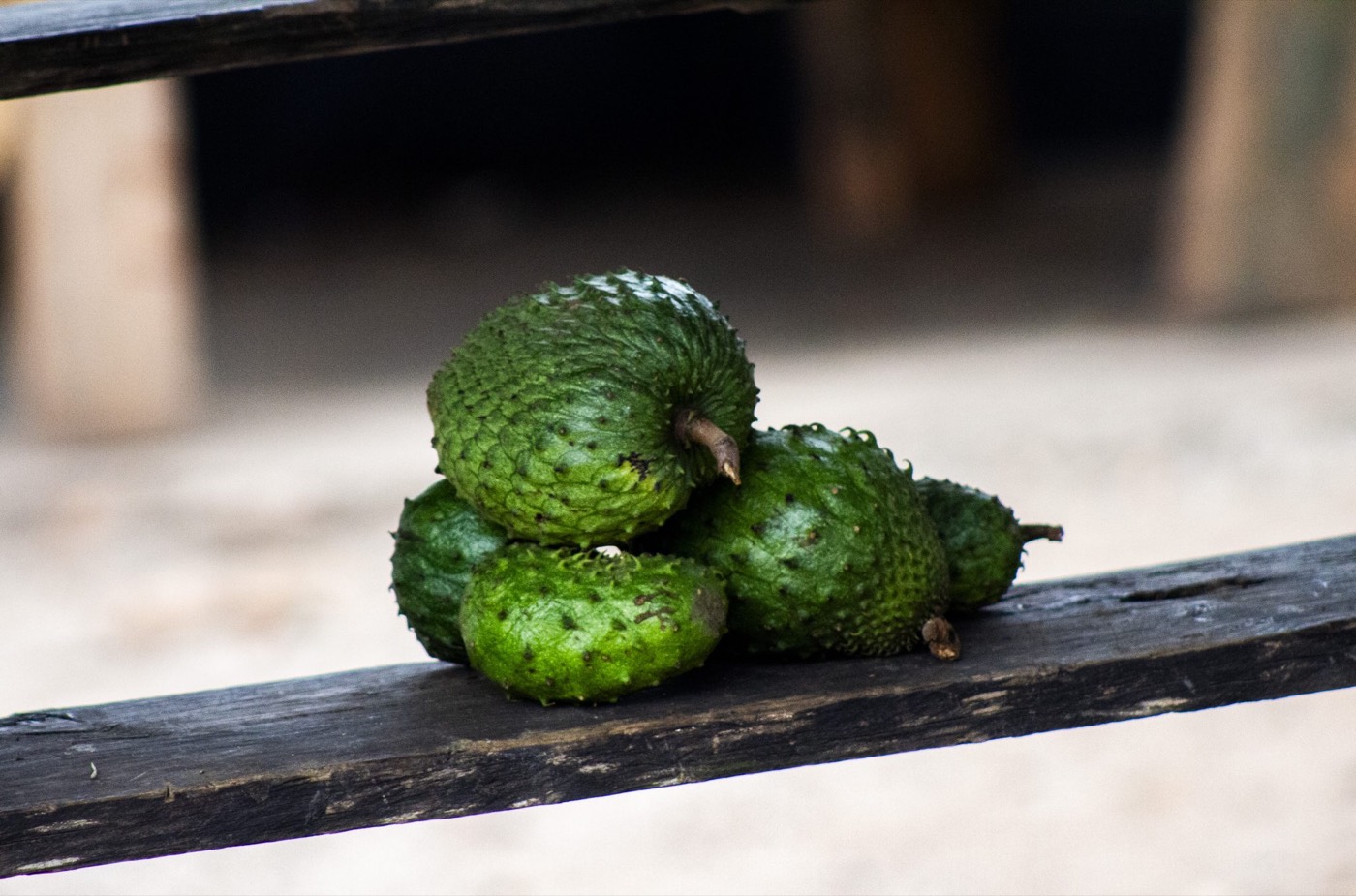
Then there are the regional specialties — durian, mangosteen, soursop, lychee, longan, rambutan, jackfruit, jujube — that have devoted regional consumer bases and inconsistent international supply. Their freeze-dried versions exist, but the category is narrower and the sourcing conversation is more about origin reliability than cultivar selection. Several of these regional fruits — durian, mangosteen, lychee, jackfruit — are easier to try in one go via a freeze-dried exotic fruit sampler than to source individually.
Two parallel report series
The fruit-report library is split into two complementary series that approach the same fruit from different angles.
Fruit Variety Guides ("How Many Types of X Are There") map the cultivar landscape from a consumer-curiosity perspective — naming the main types, contrasting personalities, and explaining why labels rarely name the variety. These are aimed at the reader who wants to understand the category from the produce aisle outward.
Freeze-Dried Guides ("A Field Guide to X for Freeze-Drying") focus on what happens to that fruit in the chamber and the pouch — cut format, drying behavior, breakage, color retention, sourcing reality, and the buyer questions that translate a fruit name into a spec. These are aimed at the reader who is sourcing the fruit, not just eating it.
For most popular fruits, both reports exist and pair as a complete cluster. The full archive below lists every fruit report on the site, organized so you can find what matches the way you actually need to read about the fruit.