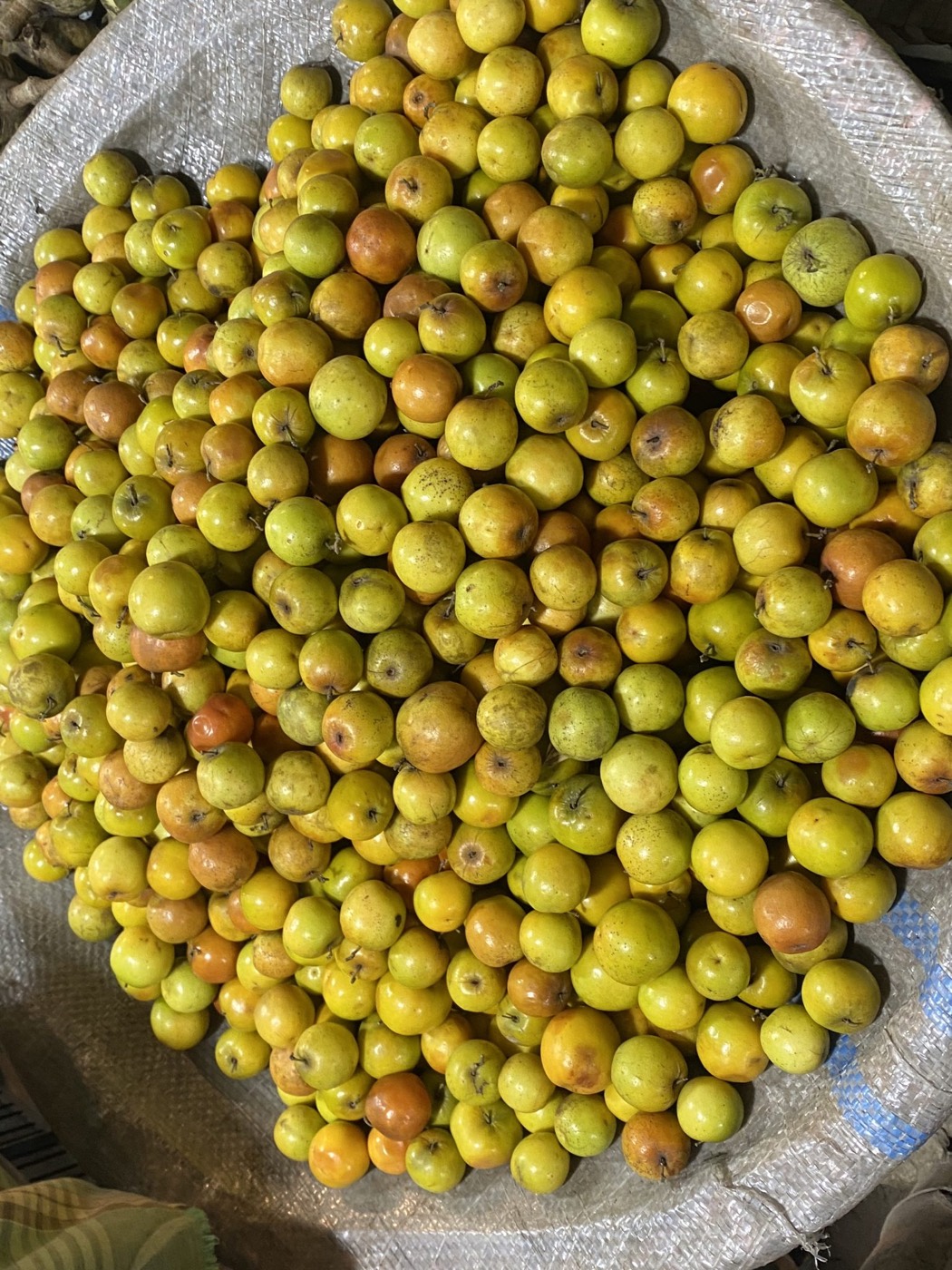
- Jujube varieties can be selected for fresh eating, drying, size, sweetness, crispness, or traditional red date use.
- Fresh winter jujube and dried red date products should be discussed separately because texture and flavor expectations are different.
- Important differences include pit size, skin thickness, sugar, crispness, drying behavior, and cultural positioning.
- Freeze-dried jujube can lean apple-like, date-like, or tea-snack-like depending on maturity and variety.
Jujube is both a fresh fruit and a pantry ingredient, which makes its variety story unusually layered. A crisp fresh jujube and a dried red date can come from the same fruit world but feel like different foods.
So how many types of jujubes are there? The useful answer depends on how you count: by cultivar, by species, by regional market name, by commercial grade, or by processing behavior. For consumers, the question is usually about flavor. For buyers and processors, the question is about repeatability.
This guide treats jujube variety as a practical map: what names matter, what differences change the eating experience, and what those differences mean for freeze-dried fruit, powders, toppings, and ingredient sourcing.
Quick answer: how many jujube varieties are there?
There is no single clean number that works across every country and market. A better way to think about it is by commercial layers.
| Layer | What it means |
|---|---|
| Main groups | Fresh-eating jujubes, drying jujubes, winter jujube, red date types, specialty sweet selections |
| Names consumers may see | Winter jujube, Chinese date, red date, honey jujube, fresh jujube |
| Core differences | Crispness, pit size, sugar, skin, drying suitability, and aroma |
| Freeze-dried relevance | Strong when the format is clear: slices, halves, powder, or tea-friendly pieces |
The most important point is that variety is not trivia. It changes flavor, texture, cost, yield, and how confidently a brand can describe what is inside the package.
Why jujube variety is complicated
Jujube is hard to count because it has centuries of cultivation, especially in China, and many named varieties are tied to local regions, fresh markets, drying industries, or traditional food use. Some varieties are prized for crisp fresh eating. Others are selected because they dry well into red dates. Counting them like supermarket apples misses the cultural and processing context.
That is why variety guides can be more useful than simple lists. A list may tell you names. A good sourcing guide tells you which differences actually change the product.
Types and market groups to know
Fresh winter jujube
Known for a crisp, apple-like bite and bright sweetness. It can make jujube feel modern and snackable to people who only know dried red dates.
Red date drying types
Selected for sugar, flesh structure, and drying performance. These are often more important in traditional pantry and tea contexts than in fresh fruit displays.
Honey-style small sweet jujubes
Small, high-sugar types can taste intensely sweet and are sometimes used in fresh eating or dried snack formats.
Large-fruited table jujubes
Chosen for size and visual appeal, though large size does not automatically mean better flavor or better processing yield.
What this means for freeze-dried fruit
Freeze-dried jujube can be excellent when the product makes a clear promise. Fresh-style slices can be light and crisp, almost apple-like. Red-date-style pieces can feel warmer and more traditional. The wrong maturity creates confusion: not fresh enough to be bright, not mature enough to feel like red date.
For freeze-dried fruit, variety affects more than flavor. It can change cut yield, drying time, breakage, color stability, aroma retention, and whether the final product feels like a premium snack or a generic ingredient.
A practical buyer should evaluate:
- raw fruit identity and origin
- ripeness at processing
- seed, pit, peel, or membrane management
- piece format and size tolerance
- sweetness and acidity range
- color after drying
- breakage and powder percentage
- whether the product will be eaten directly or used as an ingredient
Why labels often hide the variety
A label that simply says jujube may be enough for a snack aisle, but buyers should ask whether the raw material is fresh winter jujube, red-date-oriented jujube, pitted slices, seeded halves, or powder. Pit control is especially important because the seed is hard and central to eating quality.
There is also a commercial reason for broad labels: flexibility. A brand that prints a specific variety name has to keep that promise across seasons. A brand that prints only the fruit name can adjust sourcing more easily. Neither choice is automatically wrong, but the level of detail should match the price and positioning.
Ask what the fruit really is, where it comes from, whether the lot is single-origin or blended, how the edible portion is prepared, and which quality traits are guaranteed in writing. Variety only helps if it survives into the finished product.
How jujube compares
A quick reference for how jujube sits alongside the freeze-drying personalities of its closest siblings.
| Fruit | Brix | Fiber | Aroma | Color stability | Breakage risk | Typical format |
|---|---|---|---|---|---|---|
| Jujubethis report | 18–28° | Medium | Moderate | Strong | Low | Halves · slices · powder |
| Lychee | 16–20° | Low | Strong | Poor | Medium | Halves · whole · pieces |
| Longan | 15–22° | Low | Moderate | Poor | Medium | Halves · whole |
| Rambutan | 16–21° | Medium | Moderate | Poor | Medium | Halves · pieces |
| Mangosteen | 15–20° | Low | Strong | Moderate | Medium | Segments · powder |
| Durian | 20–28° | Medium | Very strong | Moderate | Low | Pieces · powder |
| Jackfruit | 15–24° | Medium | Strong | Moderate | Medium | Pieces · slices · powder |
| Soursop | 10–18° | Medium | Strong | Moderate | Medium | Pieces · powder |
| Sapodilla | 14–22° | Medium | Moderate | Moderate | Medium | Pieces · powder |
| Starfruit | 5–11° | Medium | Mild | Moderate | Medium | Slices · powder |
Values are typical industry ranges. Variety, origin, harvest window, and process all shift them.
Conclusion
Jujube variety is a bridge between orchard fruit, traditional ingredient, and modern snack. The best products respect that bridge instead of pretending all jujubes are interchangeable.
For consumers, variety explains why two products with the same fruit name can taste surprisingly different. For the freeze-dried fruit industry, it explains something even more important: a fruit name is not a finished specification. It is the start of one.
Frequently Asked Questions
How many types of jujubes are there?
Jujube varieties can be selected for fresh eating, drying, size, sweetness, crispness, or traditional red date use. The main commercial layers are fresh-eating jujubes, drying jujubes, winter jujube, red date types, and specialty sweet selections — with hundreds of regional cultivars especially in China where the fruit has centuries of cultivation.
What's the difference between jujube and red date?
They are the same species at different processing stages. Fresh jujube (green, then yellow-red) tastes crisp and apple-like with bright sweetness. Red date is the dried fully-ripe form — chewy, intensely sweet, deeply caramelized. Both come from the jujube tree, but they read as different foods. Freeze-drying preserves whichever starting point is chosen.
What is winter jujube?
Winter jujube refers to fresh-eating jujube cultivars harvested at full ripeness, typically in late autumn. The fruit is crisp, juicy, and apple-like — a modern snackable presentation of a fruit many Western consumers know only as dried red date. Winter jujube has become an export-promotion category in Chinese fresh-fruit markets.
Which jujube variety freeze-dries best?
Depends on the target product. Fresh-style slices preserve a light, crisp, apple-like character — suits modern snack and tea applications. Red-date-style pieces preserve warm, sweet, traditional caramel character — suits tea blends, soups, and culturally-positioned products. Wrong maturity creates confusion: not fresh enough to be bright, not mature enough to feel like red date.
What's a honey jar jujube?
Honey jar (蜜枣 or similar names) refers to small, intensely sweet jujube cultivars, sometimes prepared as candied or sugared products in traditional Chinese pantry. Honey jujube in modern marketing usually signals high-sugar small fruit, often used in fresh snacking or premium dried-fruit applications.
Where is jujube grown commercially?
China dominates global production — both the deep cultivar diversity (especially in Xinjiang, Shaanxi, and Hebei provinces) and the export supply of dried red date. Korea, Japan, parts of Central Asia, and increasingly the U.S. (especially California specialty production) also grow jujube, though at far smaller scale than China.
What should buyers ask freeze-dried jujube suppliers?
Ask whether the raw material is fresh winter jujube or red date type, cultivar where available, origin (especially Chinese growing region), seed removal completeness, cut format (sliced, whole, halved, powdered), cultural-market positioning (modern snack vs traditional/wellness), target moisture or water activity, and the labeling language preference (jujube, red date, or Chinese date).