Reading the ingredient label
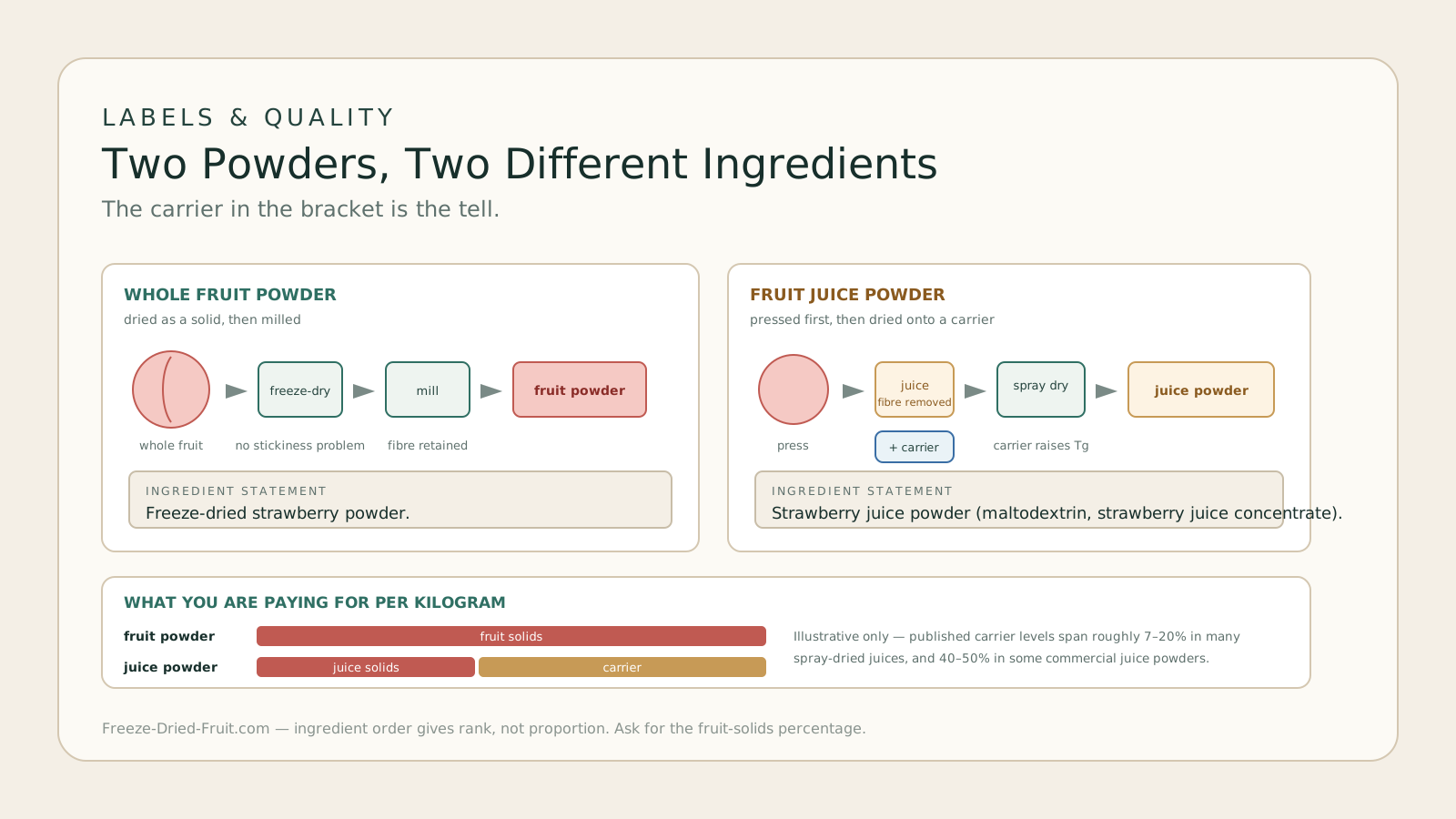
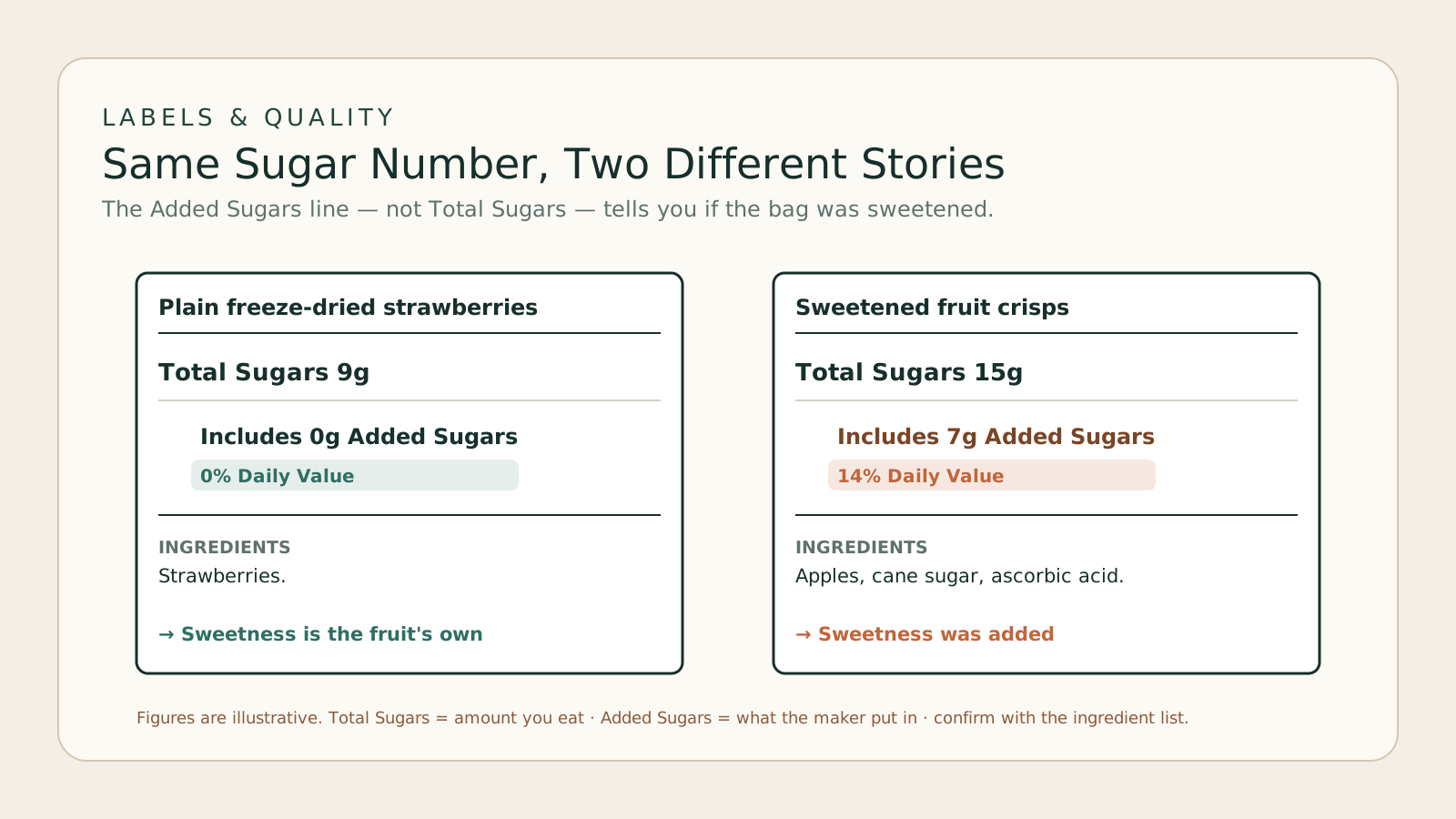
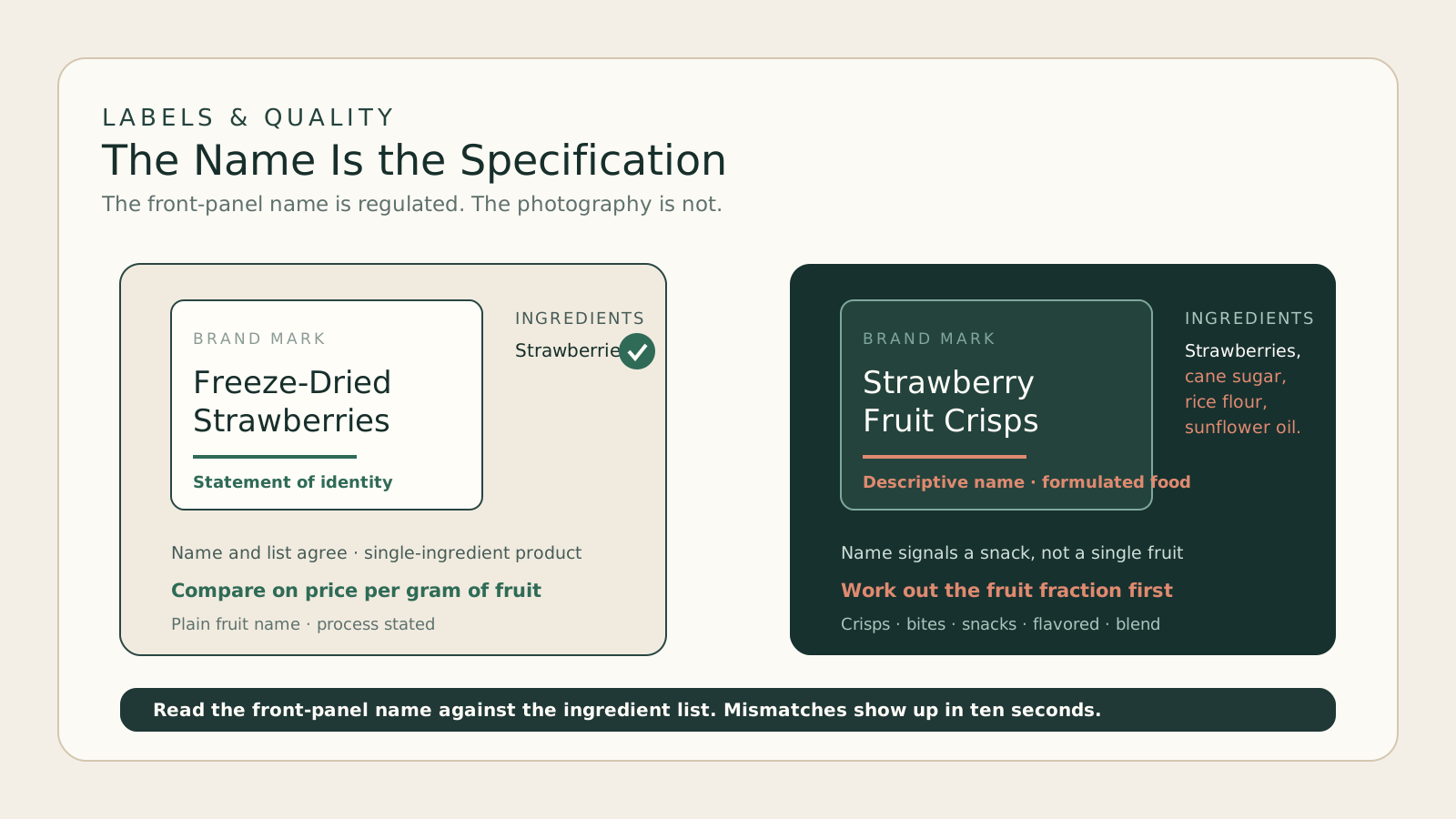
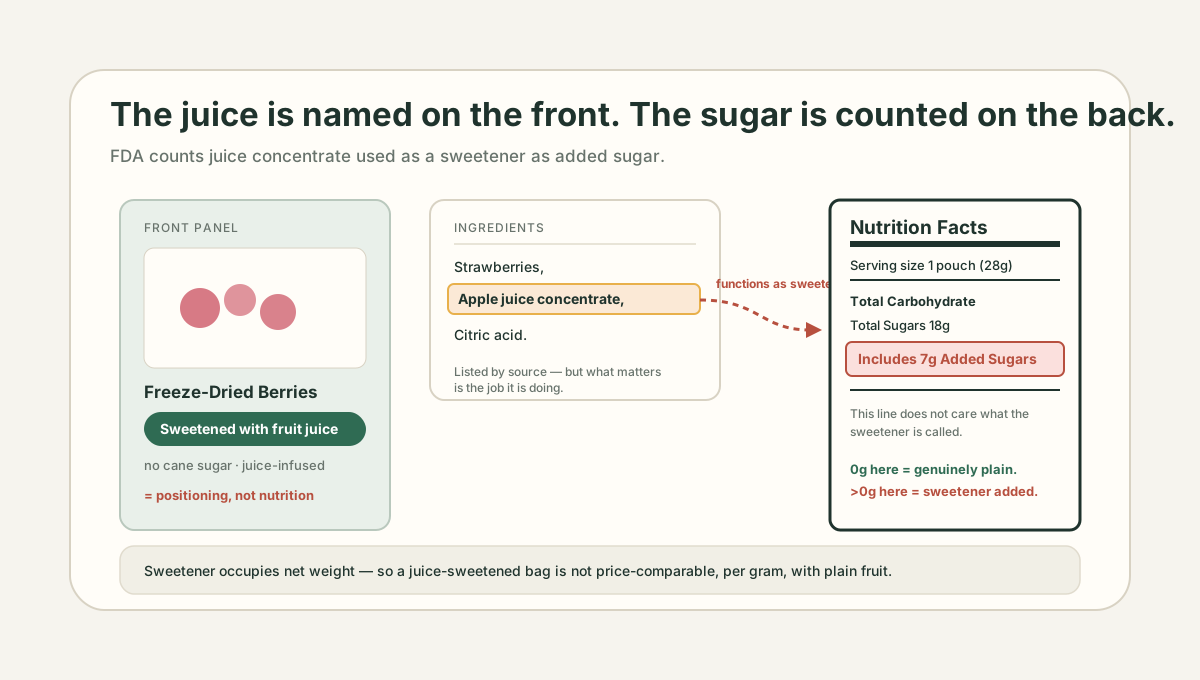
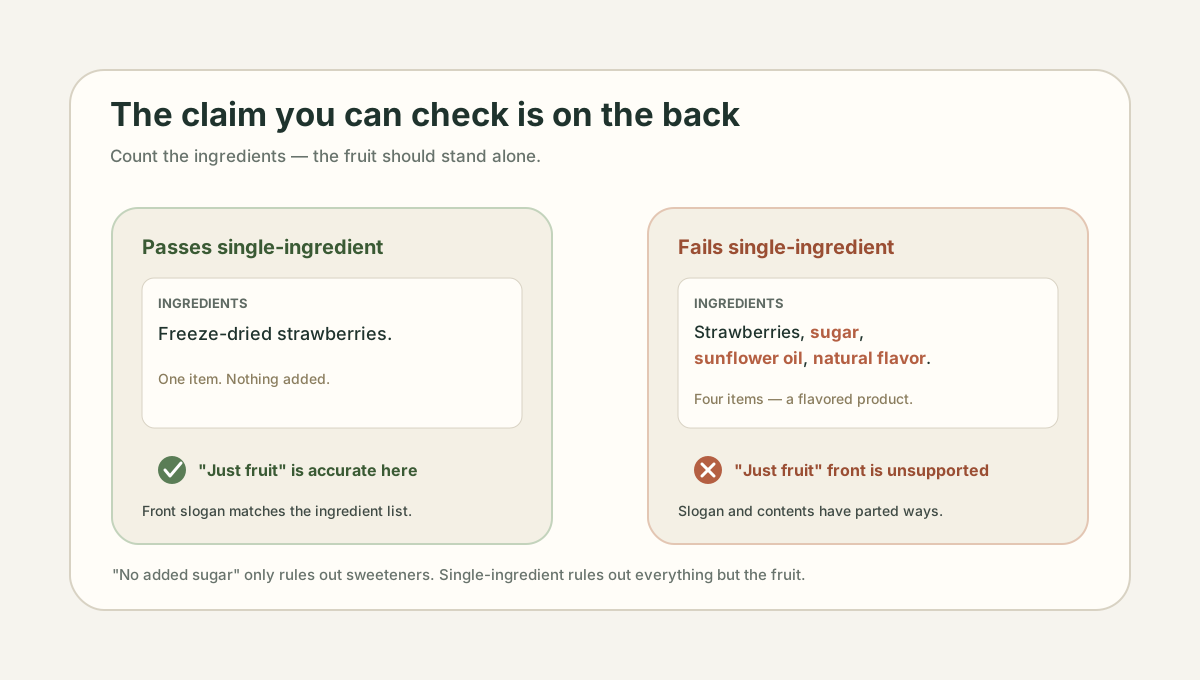
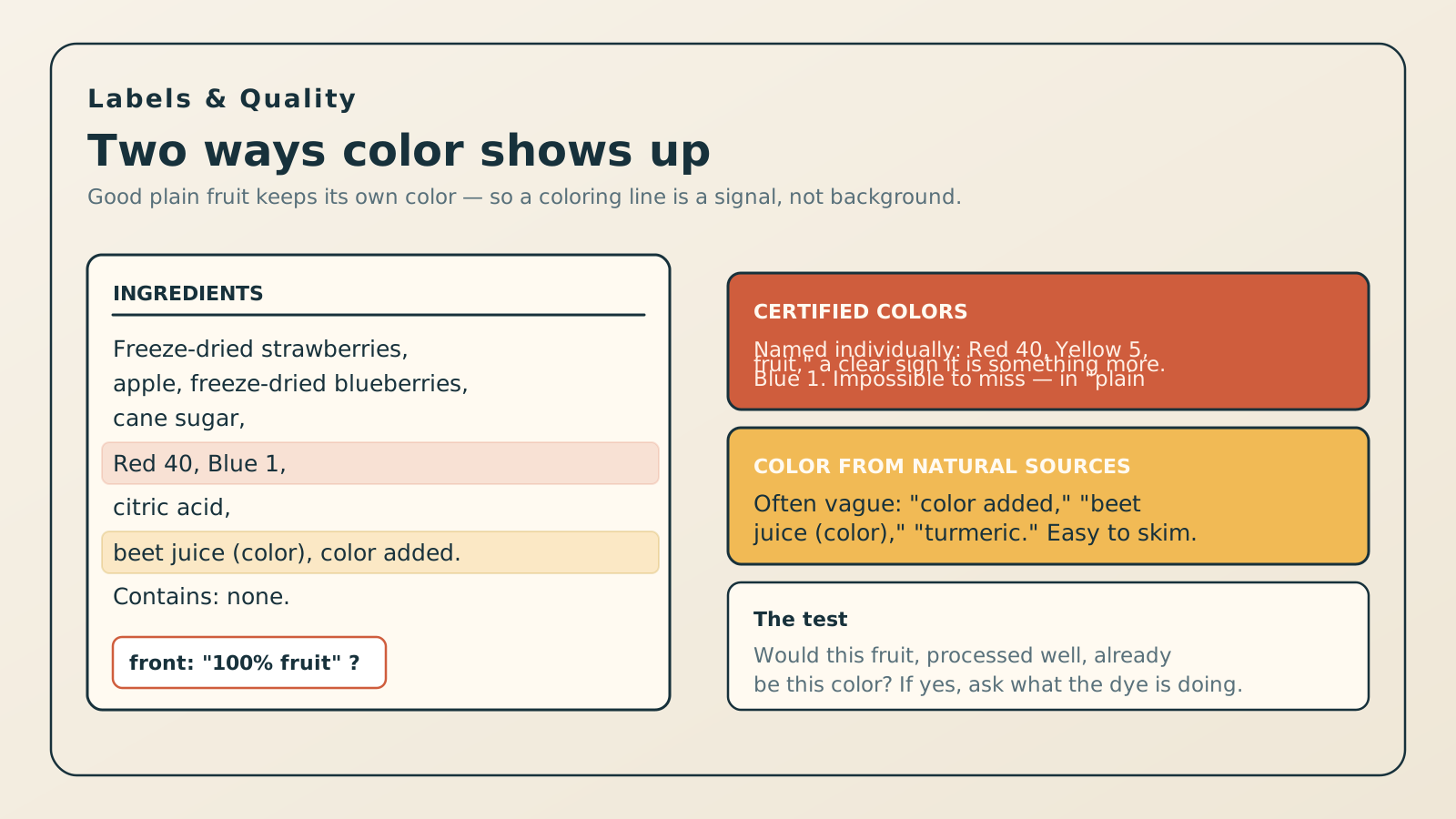
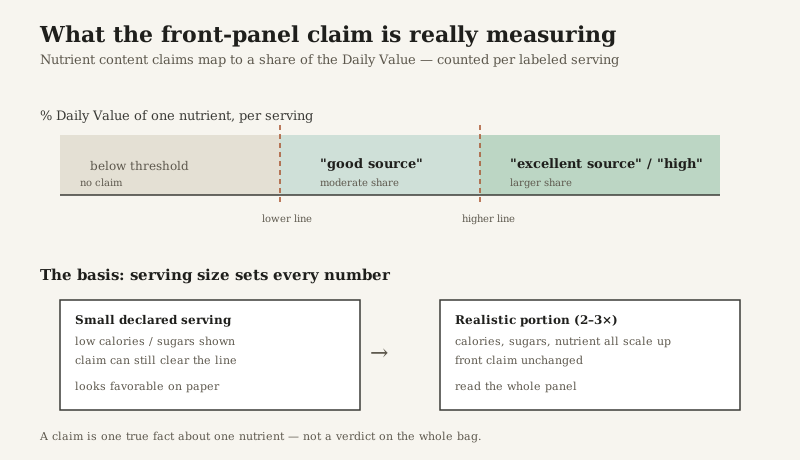
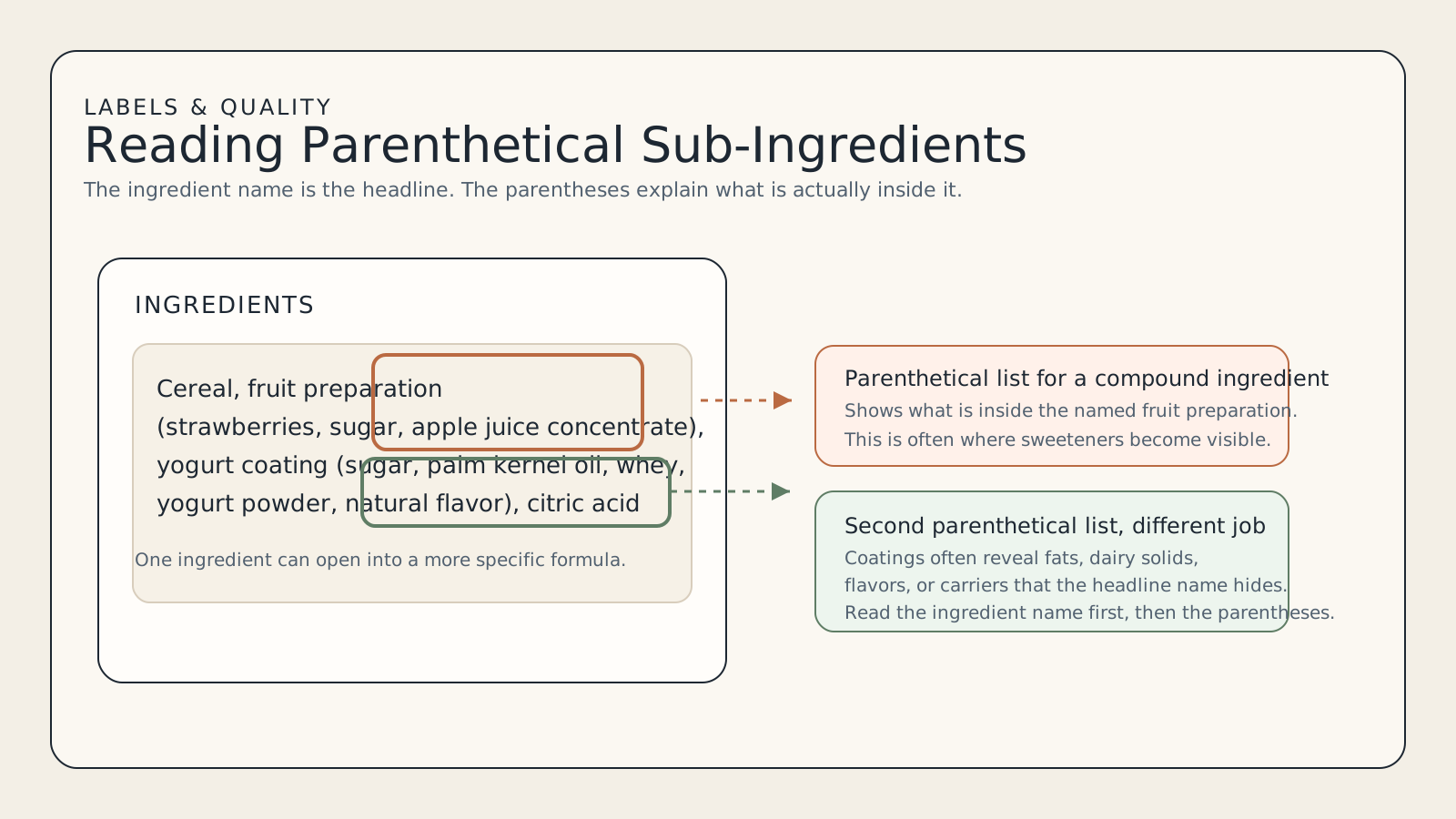
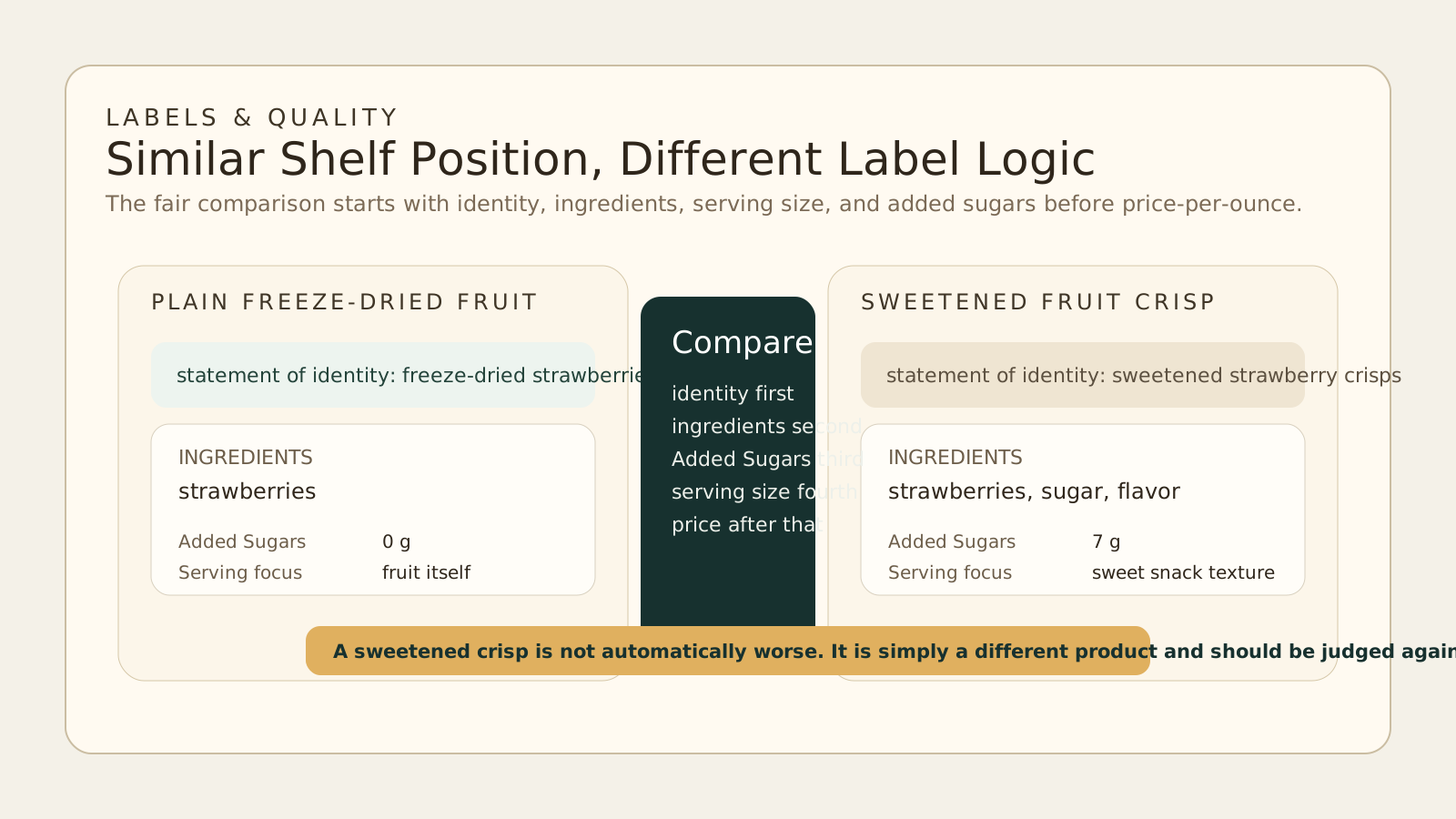
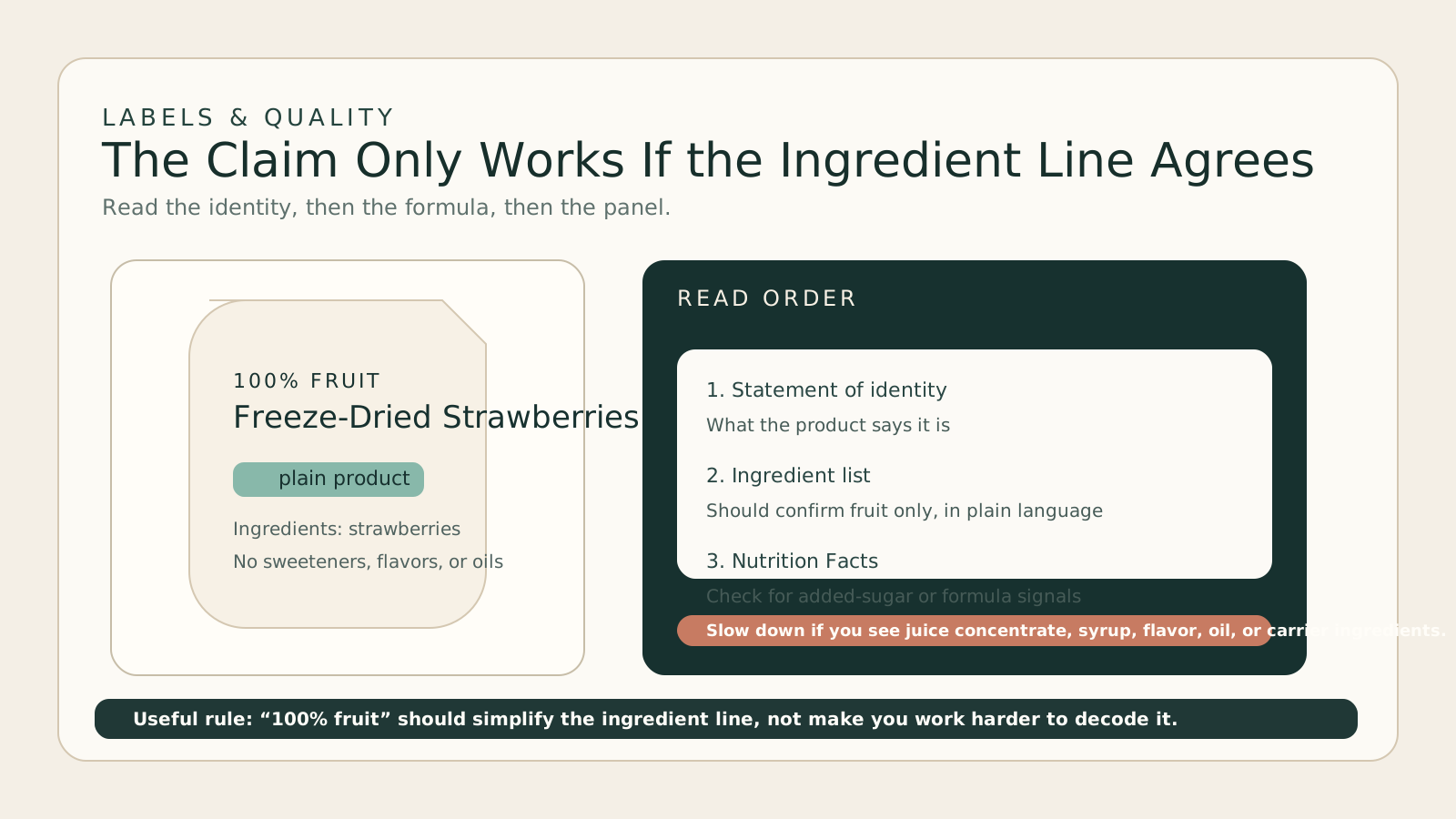
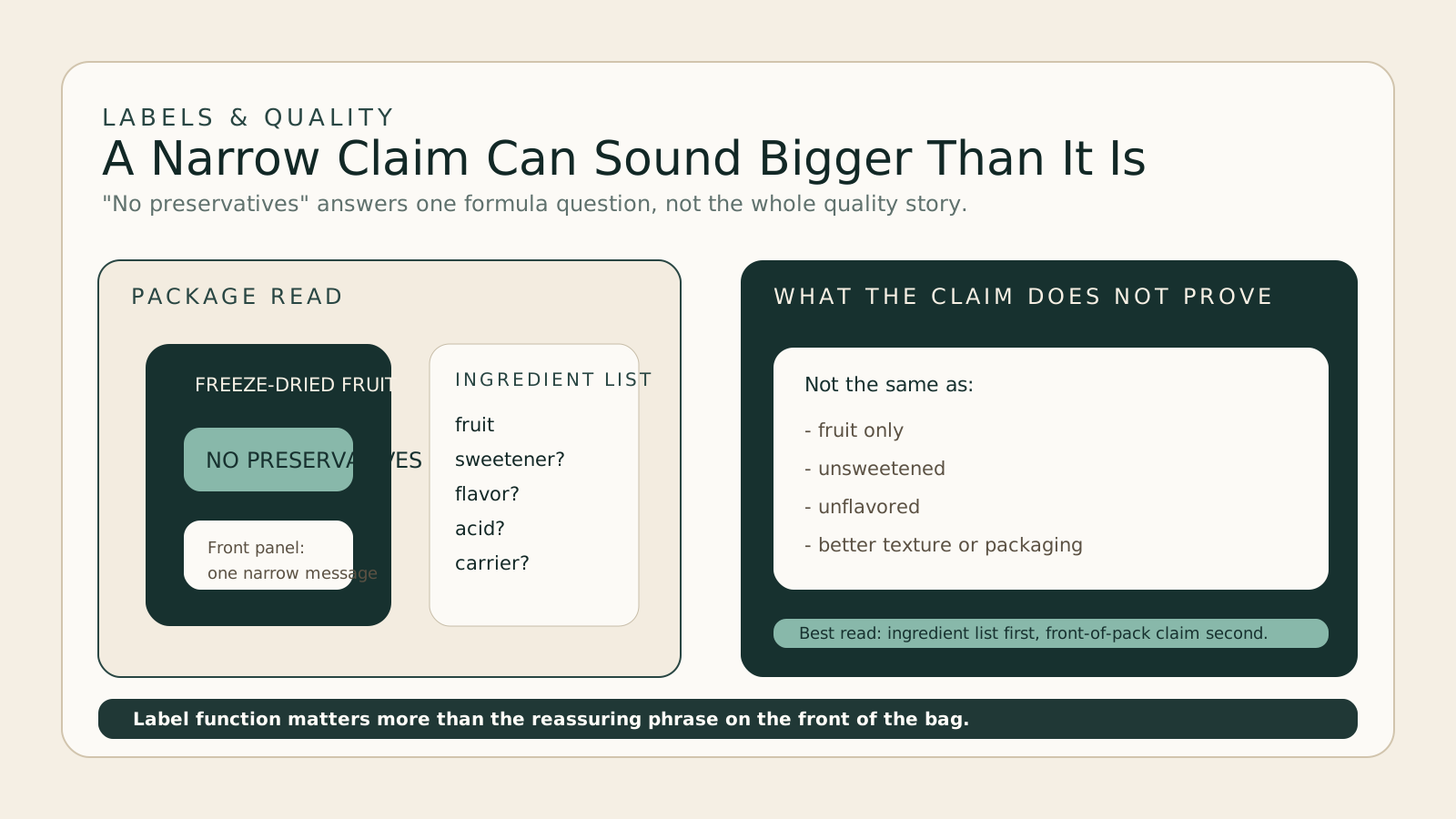
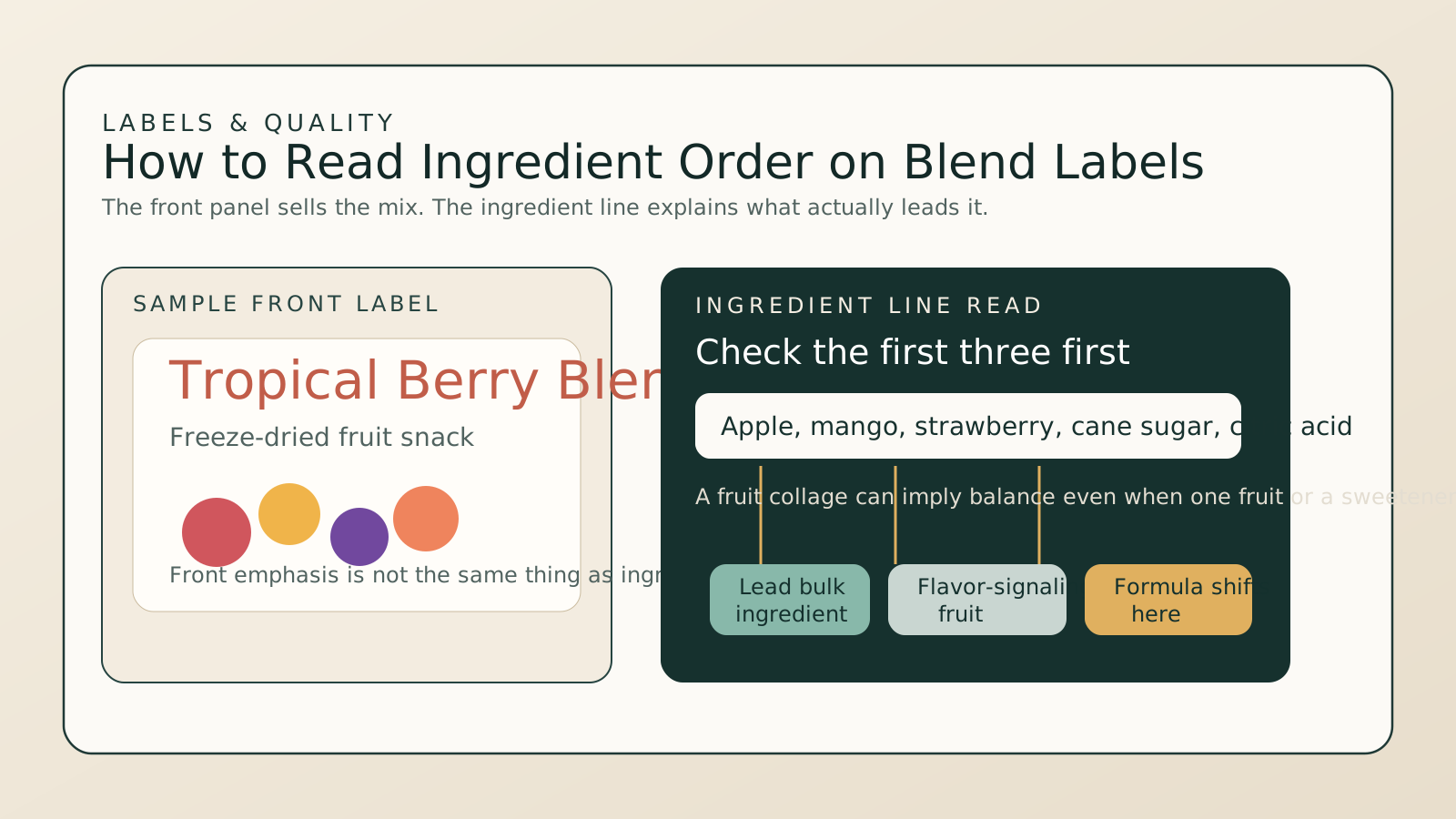
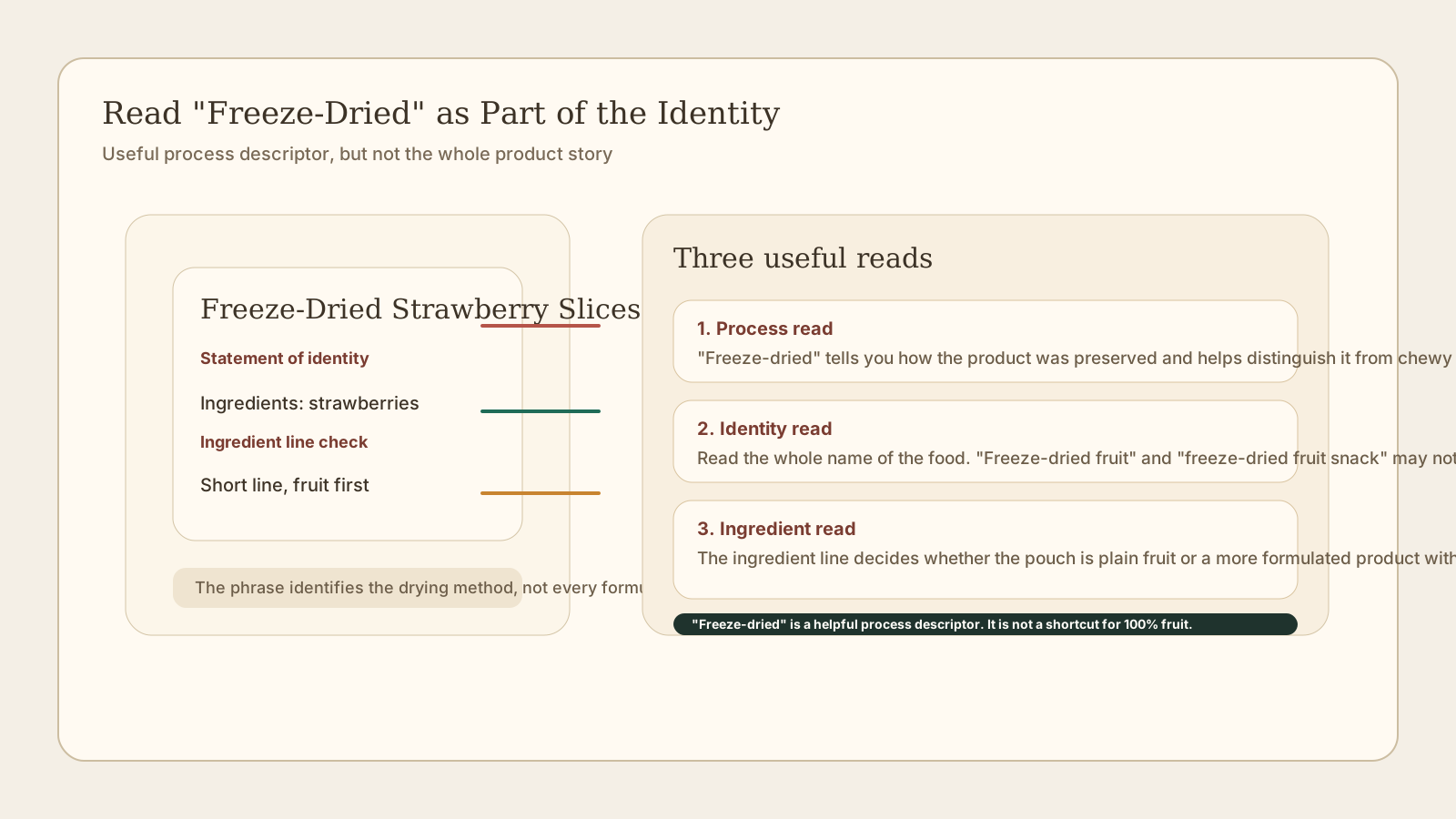
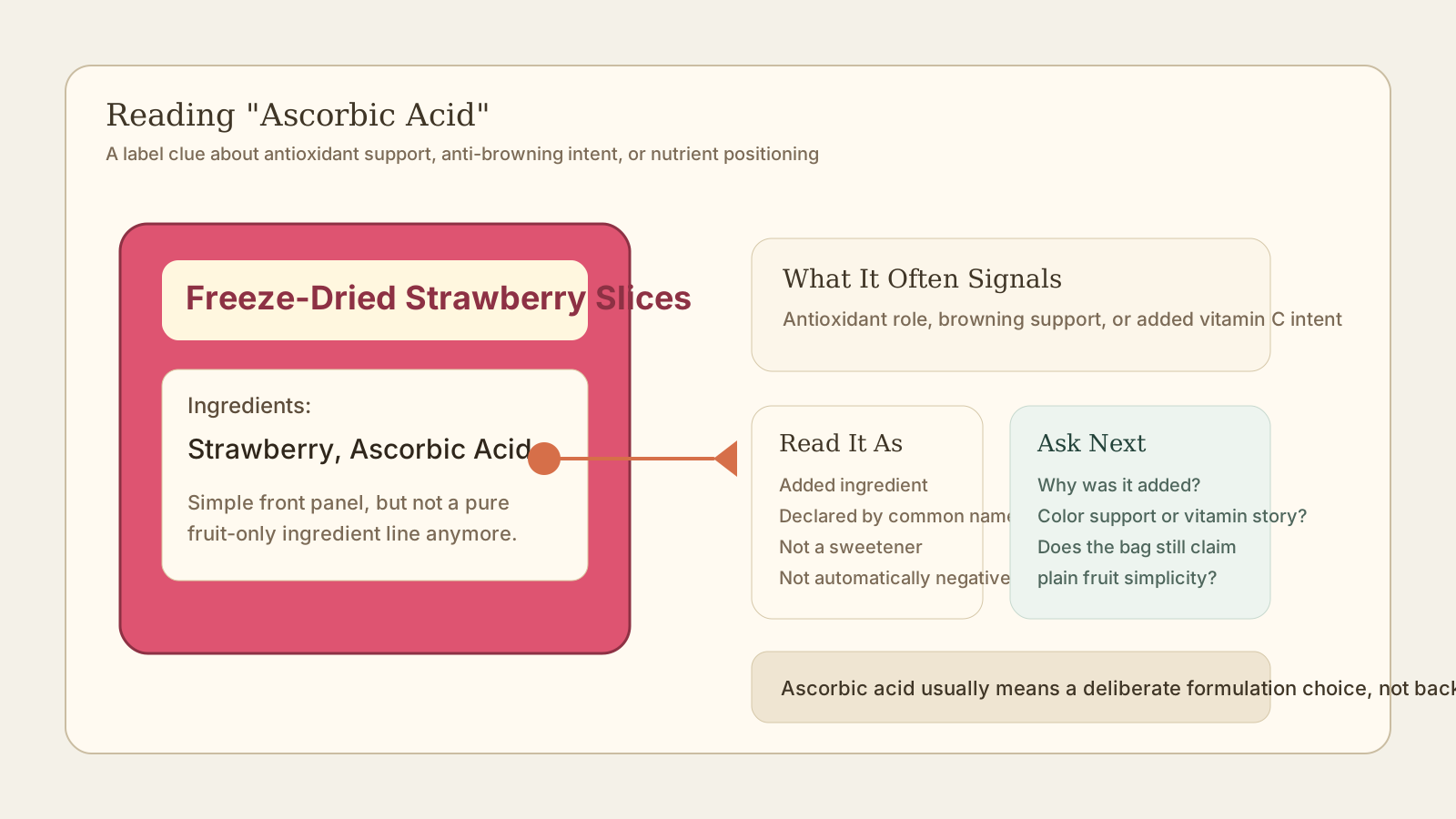
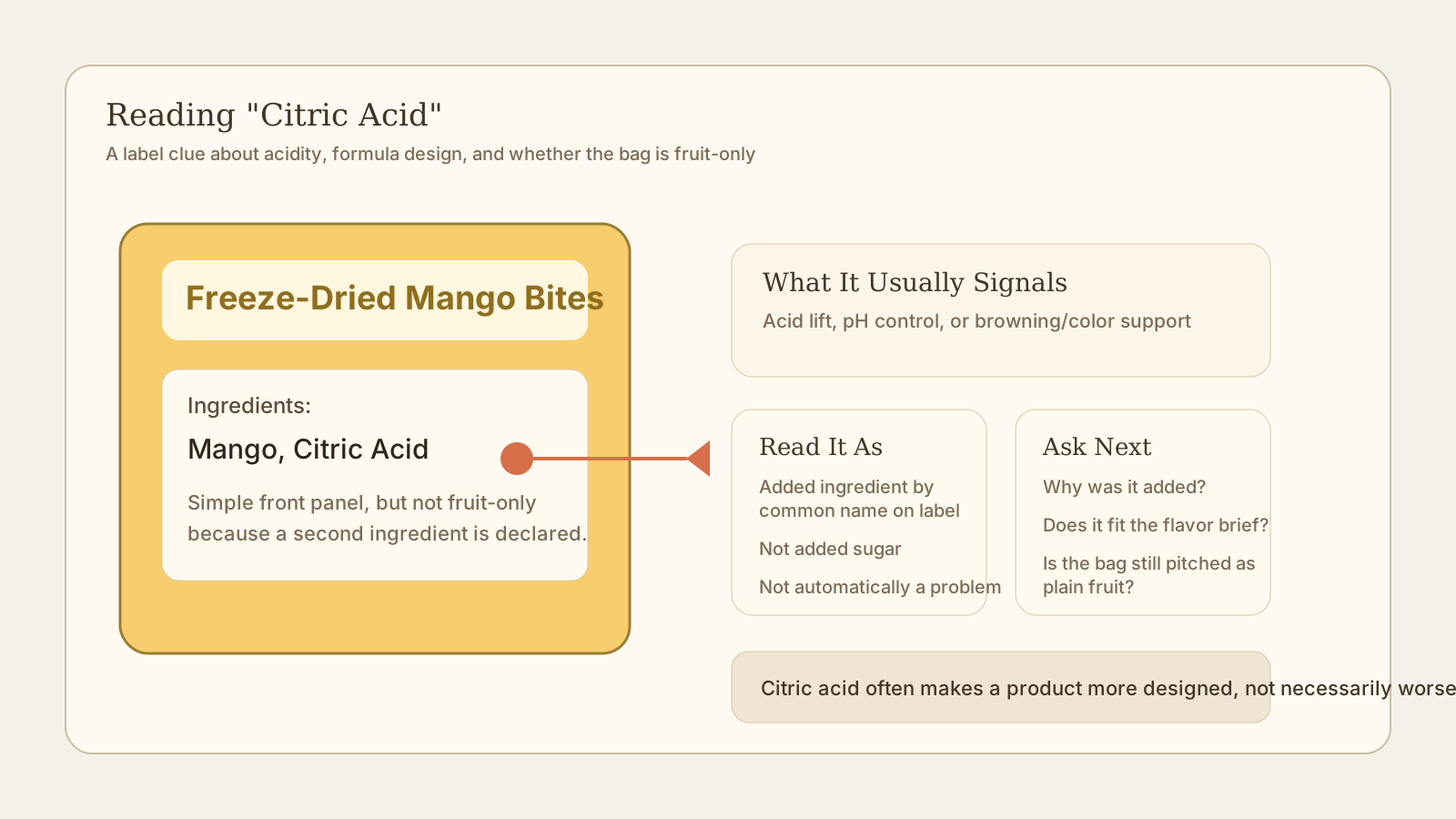
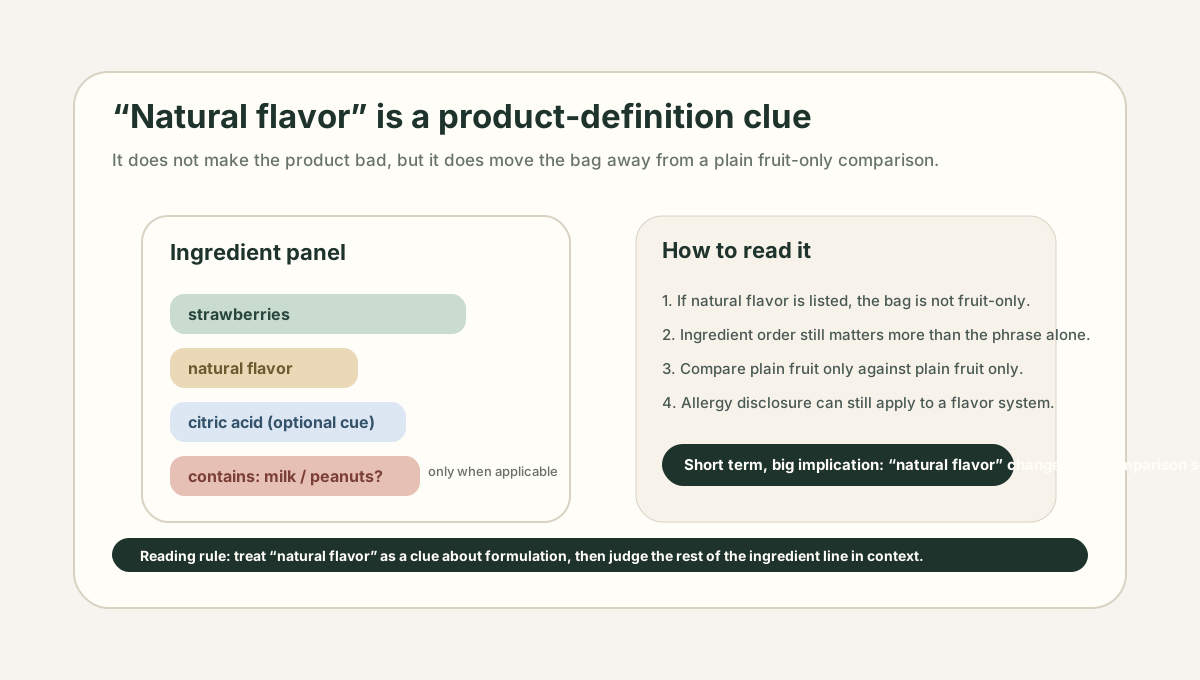
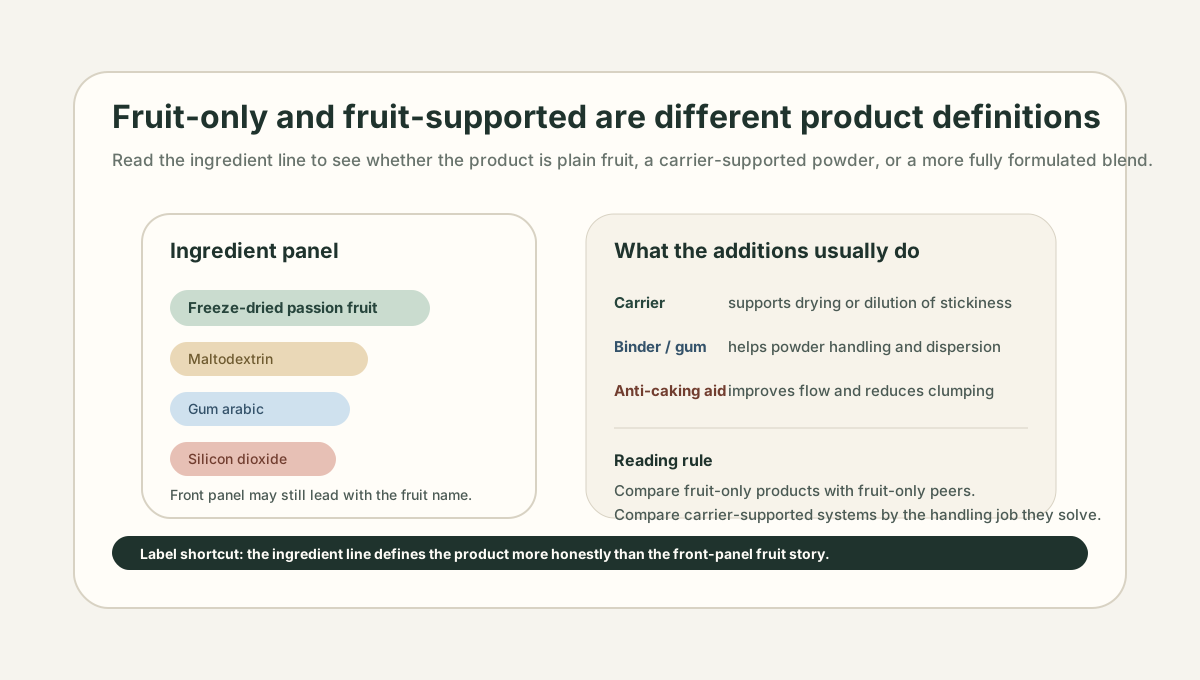
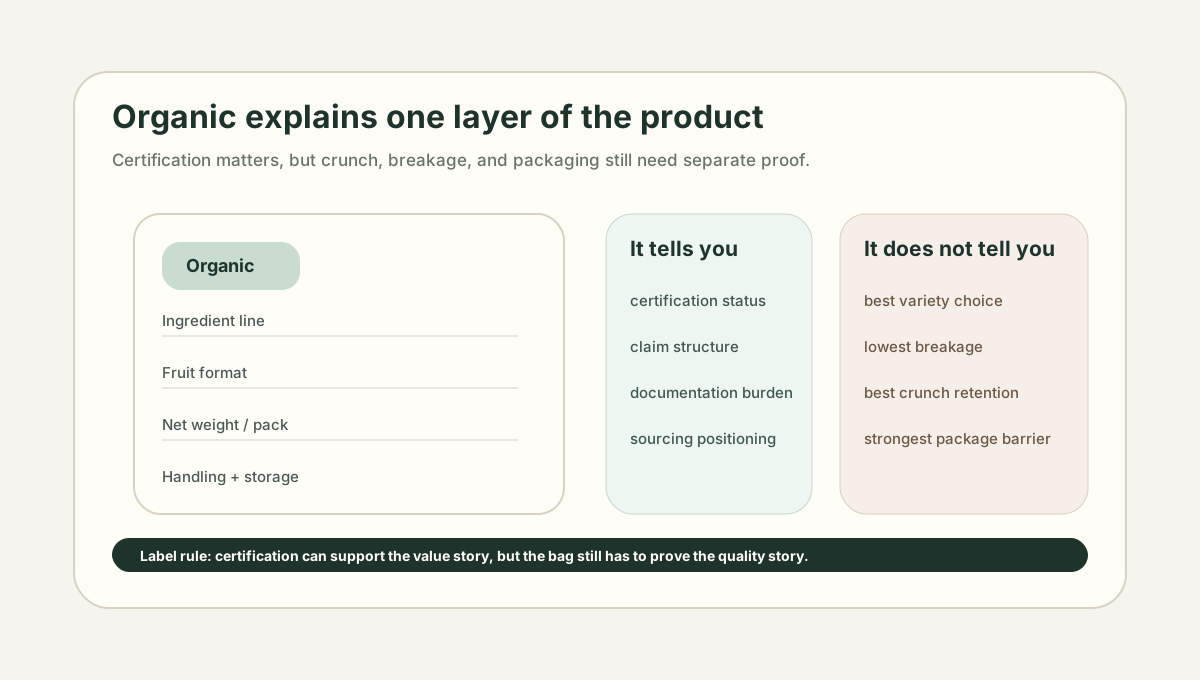
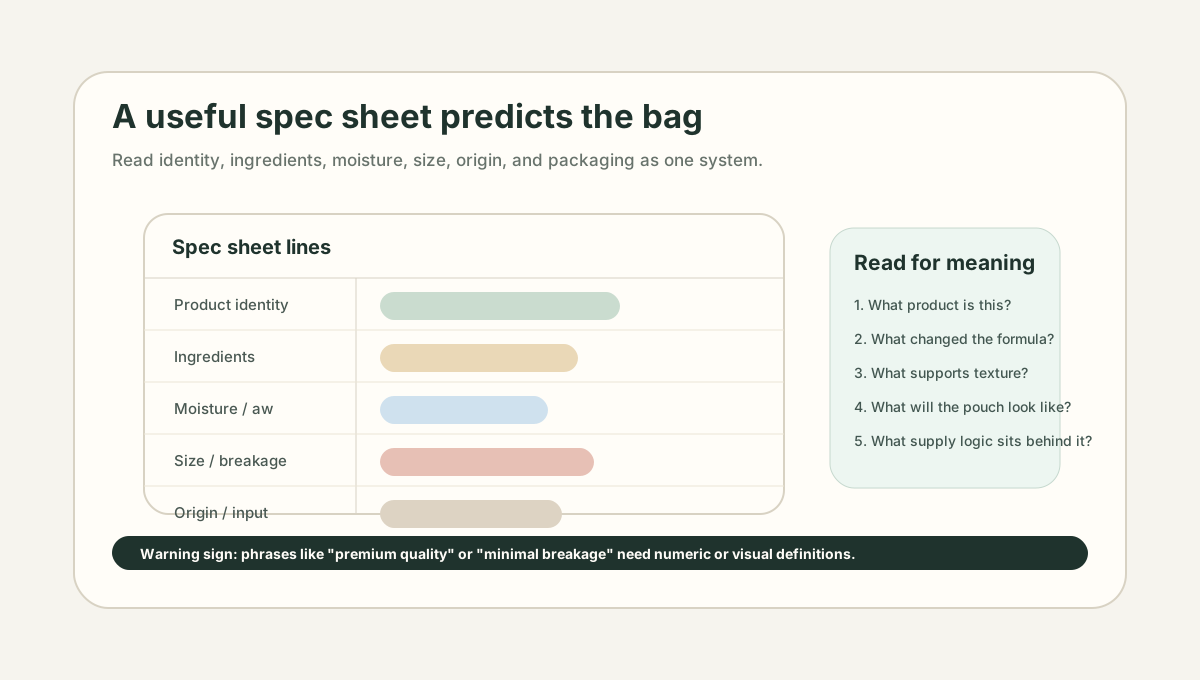
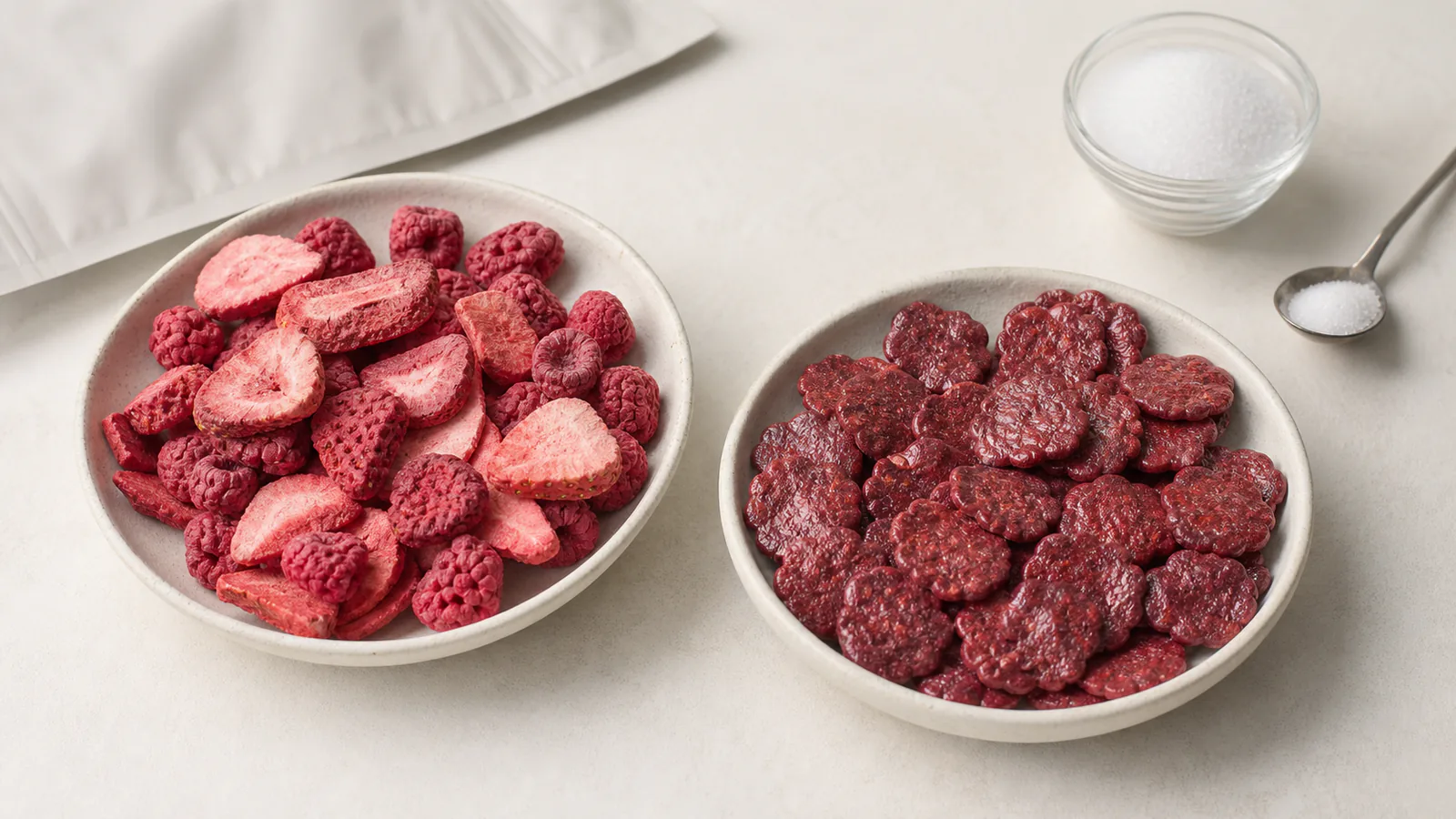
A bag that says "freeze-dried fruit" may contain only fruit. Or it may contain added sugar, syrup, starch, maltodextrin, citric acid, natural flavor, fruit juice concentrate, or oil. Both can be legitimate products — but they are not the same product, and they should not be priced or compared as if they were.
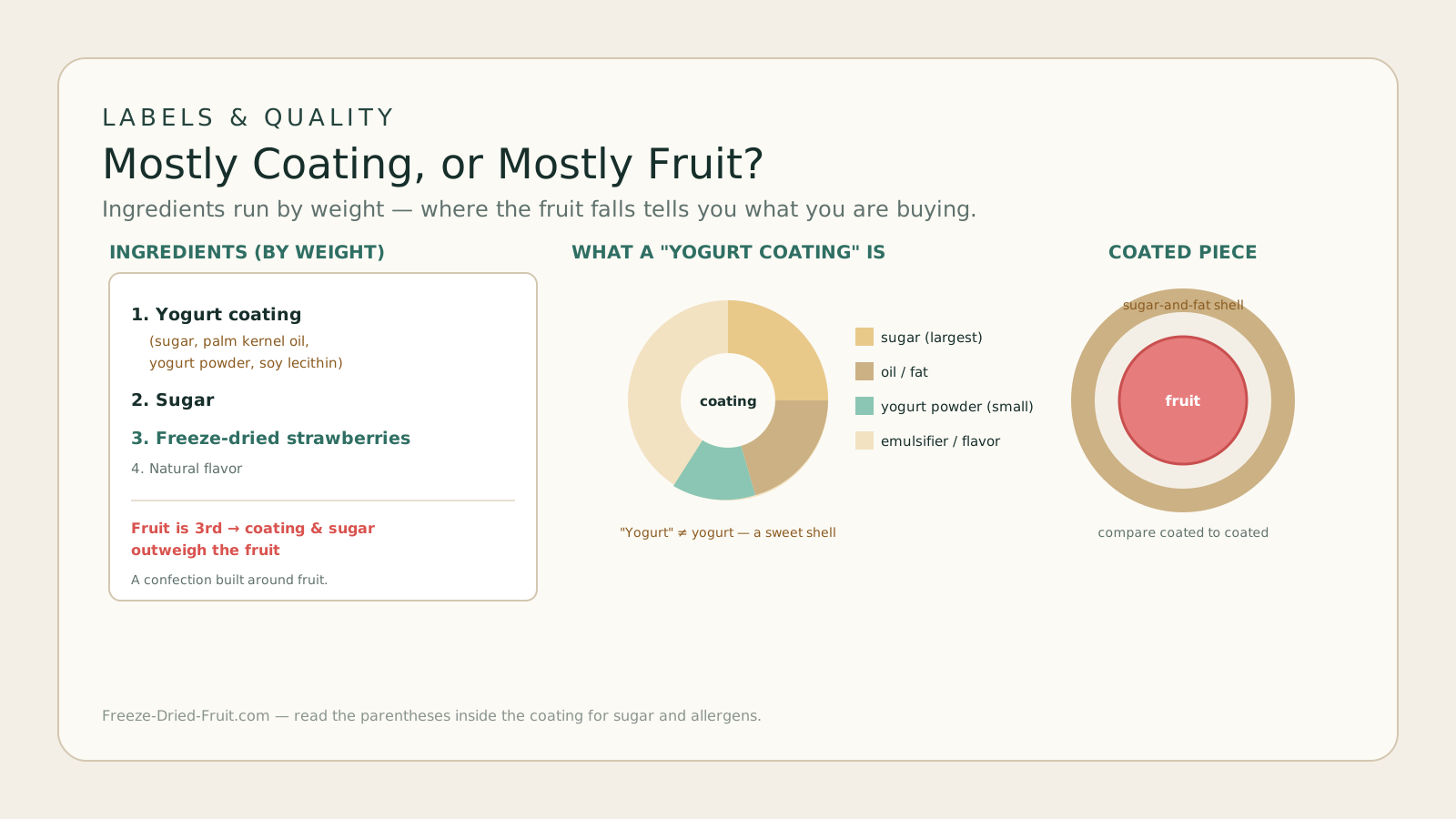
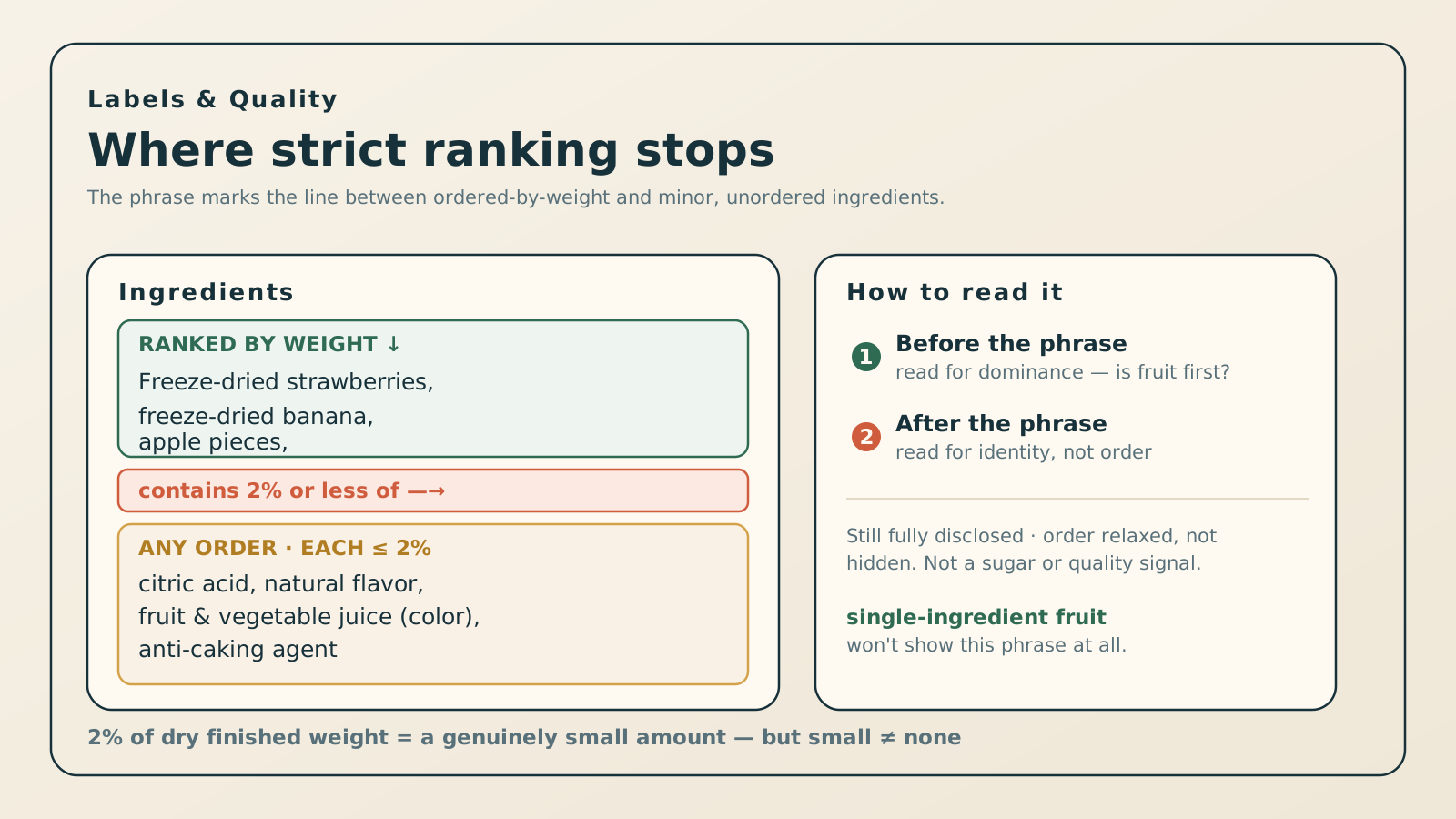
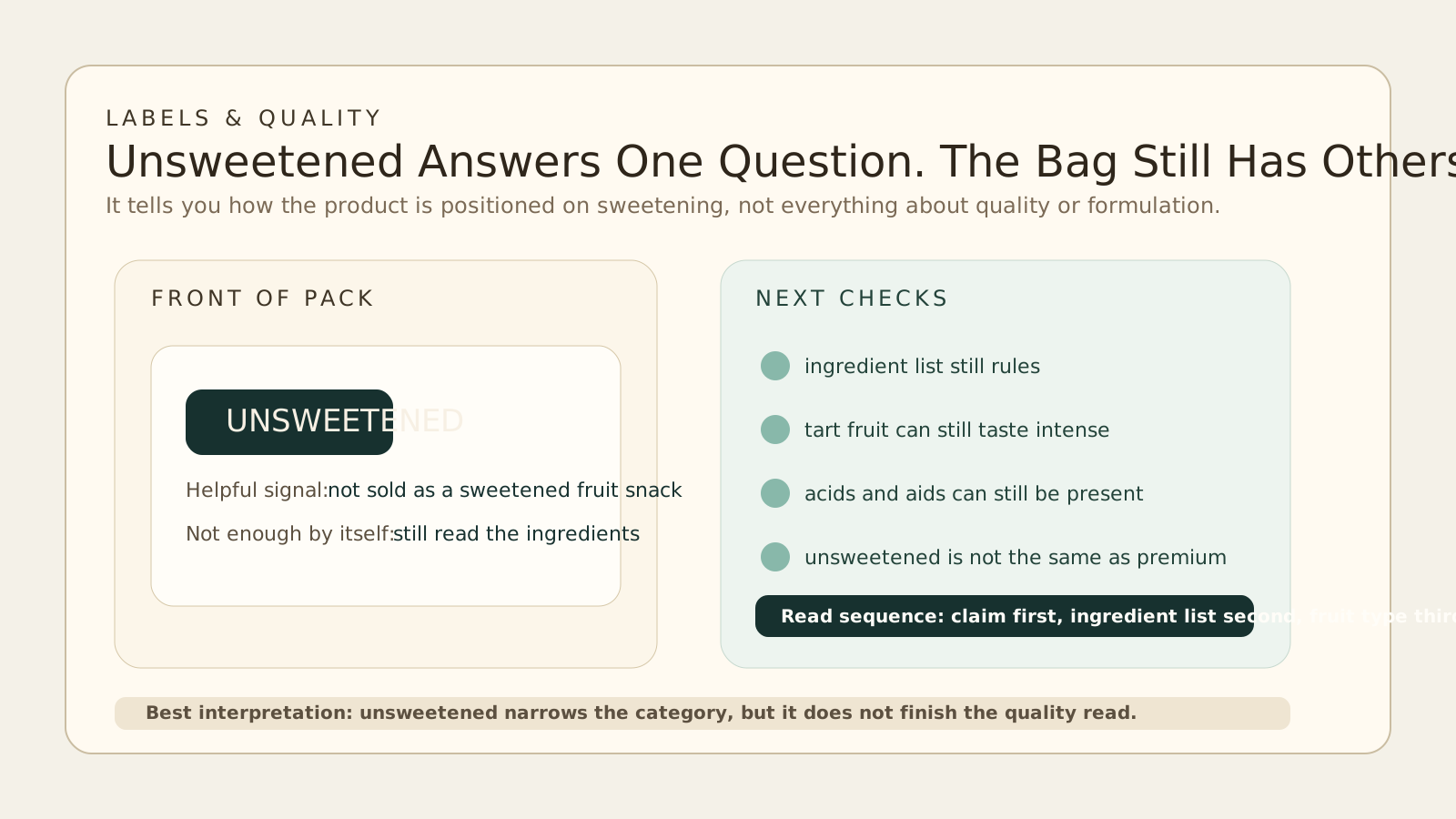
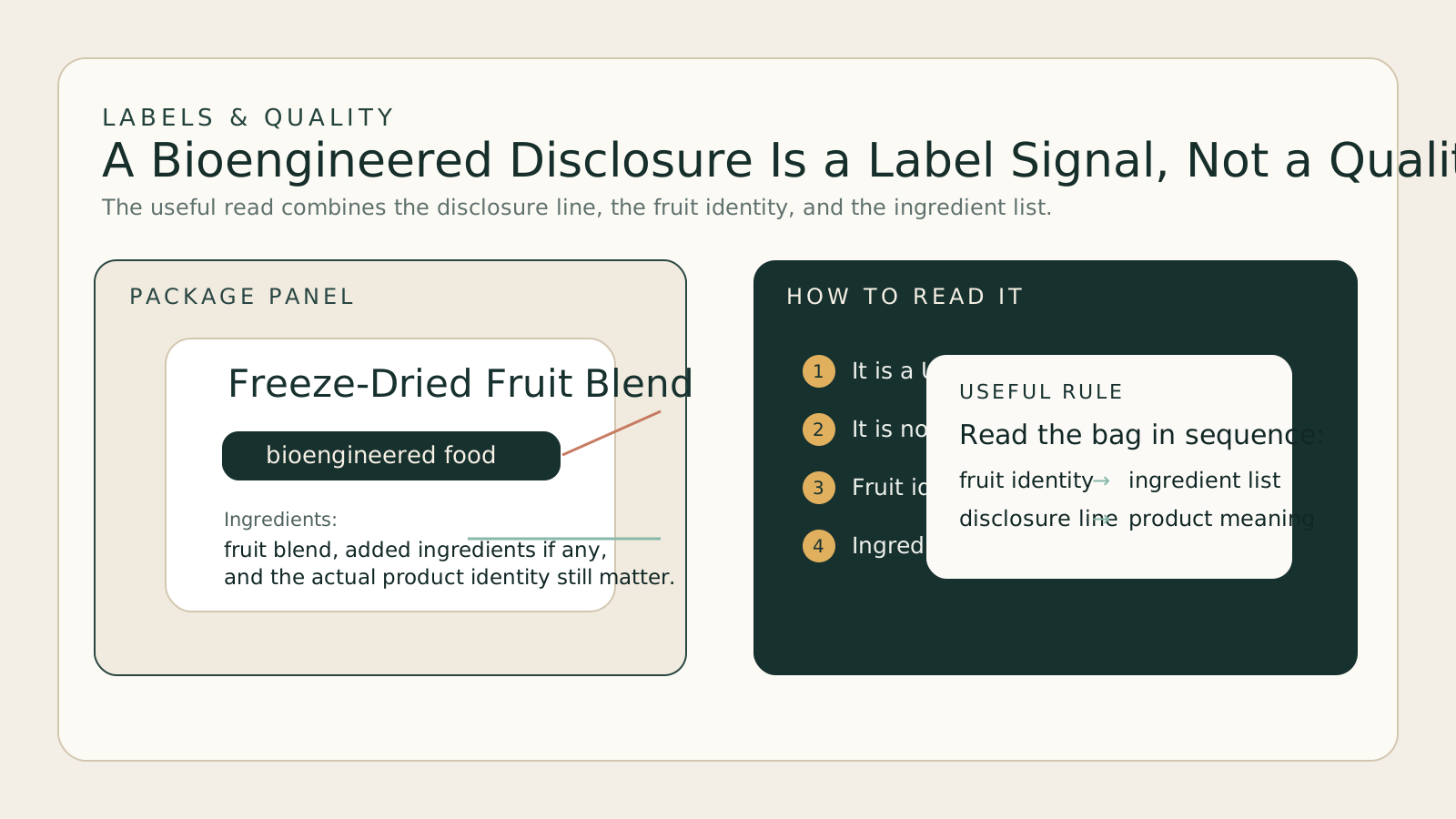
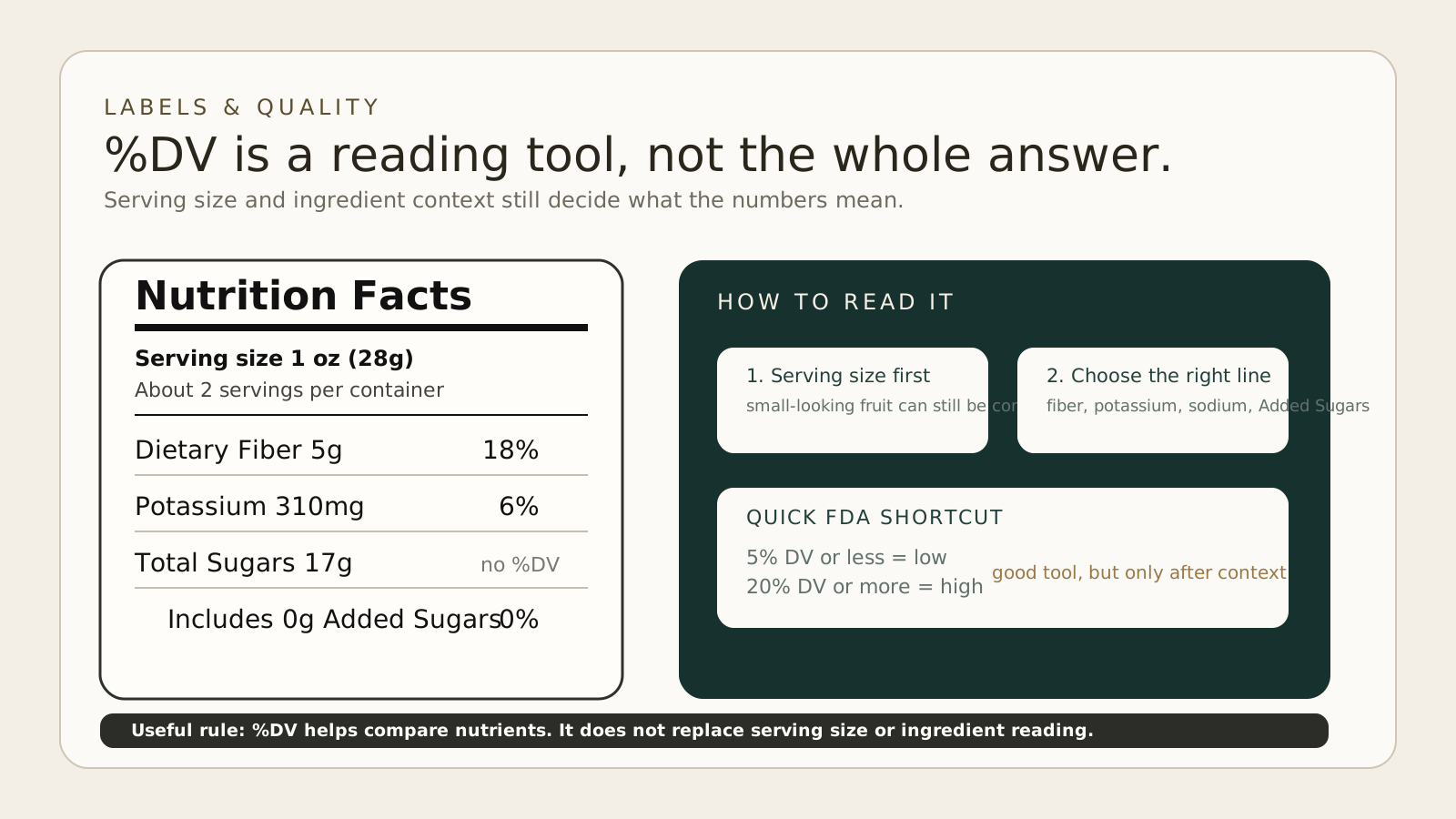
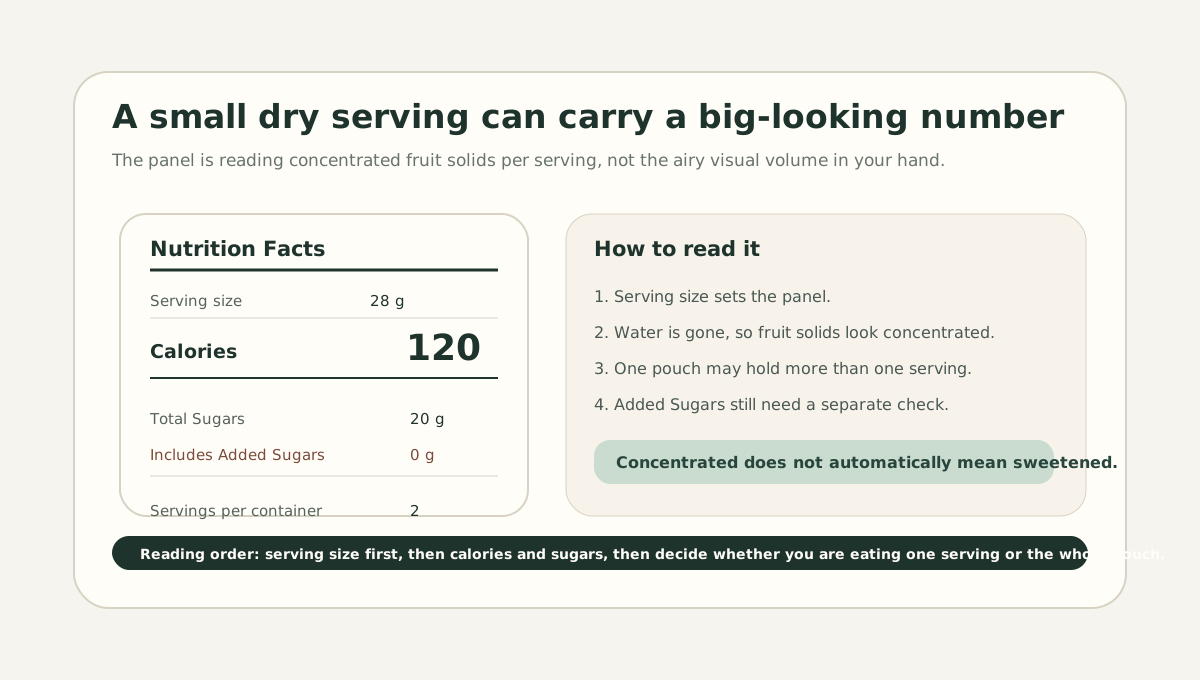
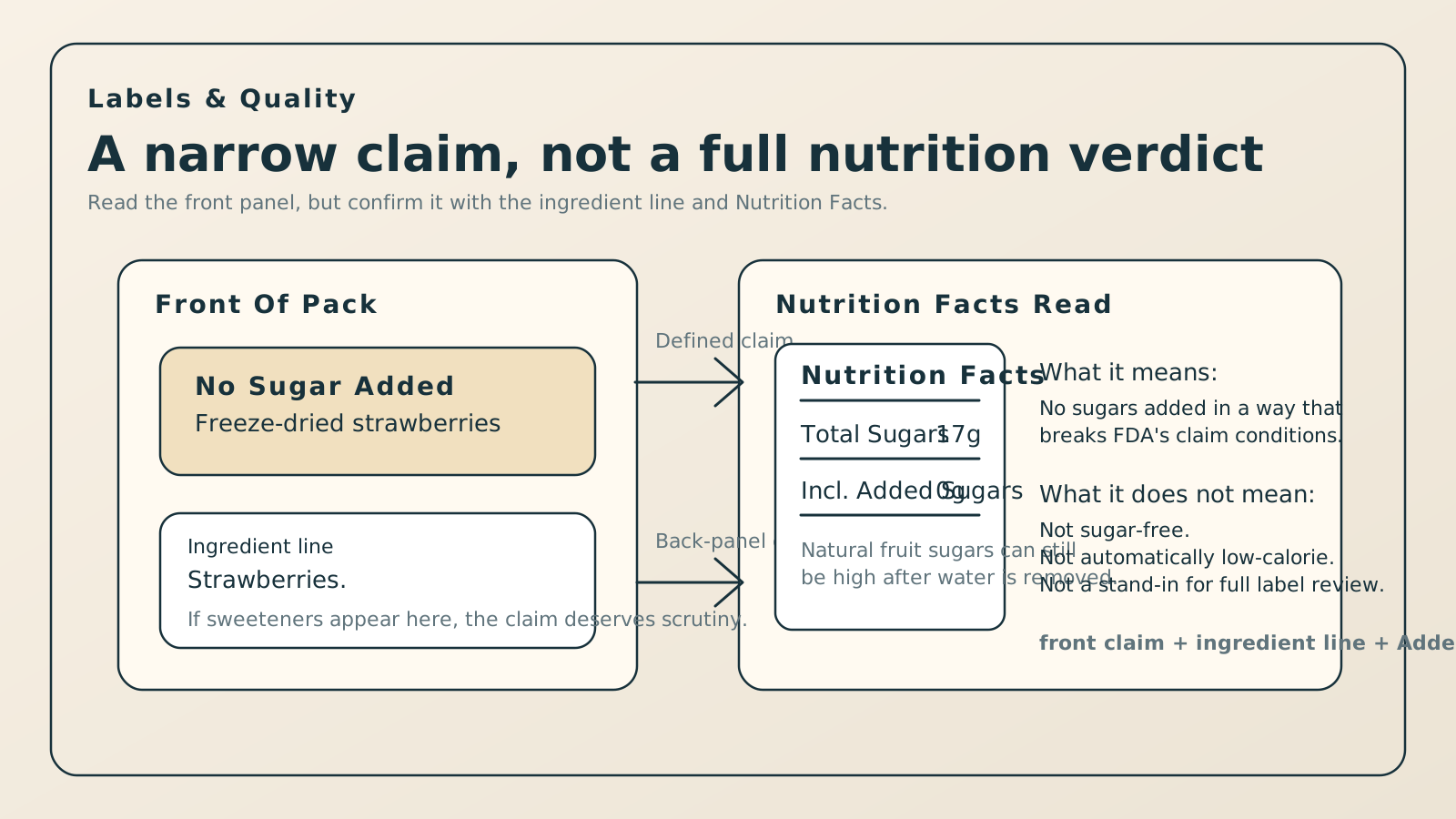
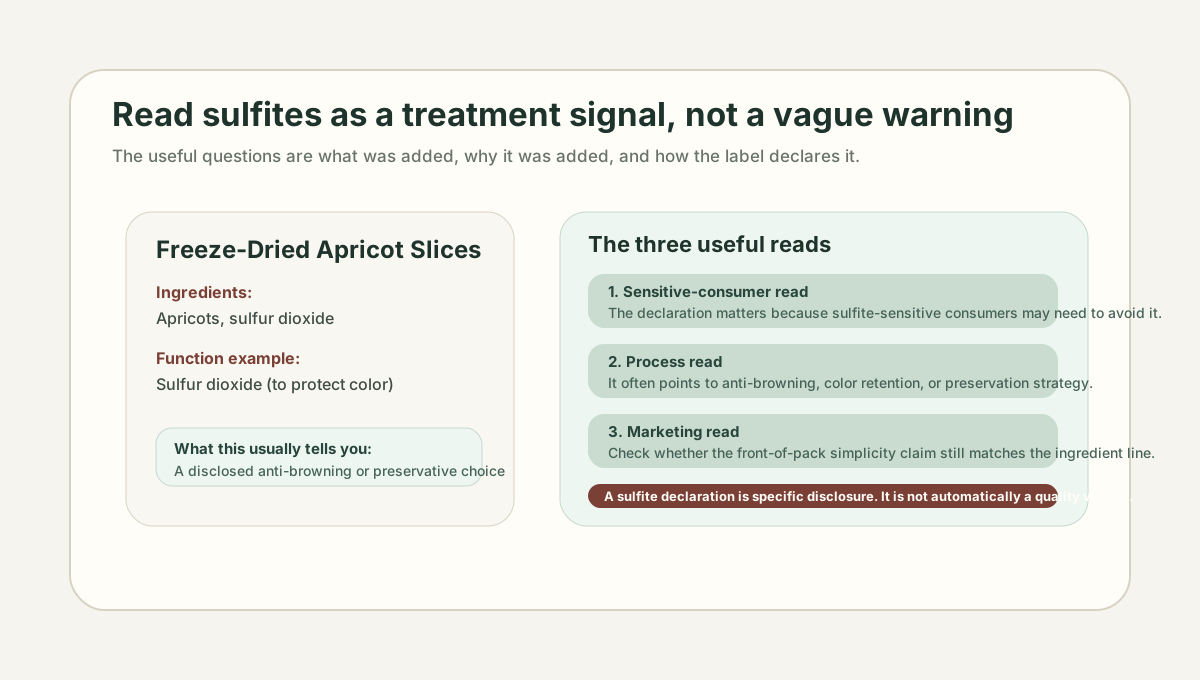
The fastest reads are simple. Is the first ingredient fruit, or is it sugar? Is the ingredient list short — fruit and maybe one anti-browning agent — or long, with multiple additives? Does the per-serving sugar exceed what the fresh fruit itself would naturally carry? Does the label mention fruit juice concentrate (a sweetener that adds sugar without saying so)? Each of those signals tells you something about what is actually in the bag.
Producers add sugar and other ingredients for real reasons — stabilizing sweetness across seasons, boosting shelf appeal, improving crispness, carrying flavor, sharpening taste. Those are valid product decisions. They just make the product something other than plain freeze-dried fruit, and they belong on the label clearly.
What good quality actually looks like
Freeze-dried fruit quality is not a single attribute — it is a system, and the signals can be read in roughly the order a consumer experiences them.
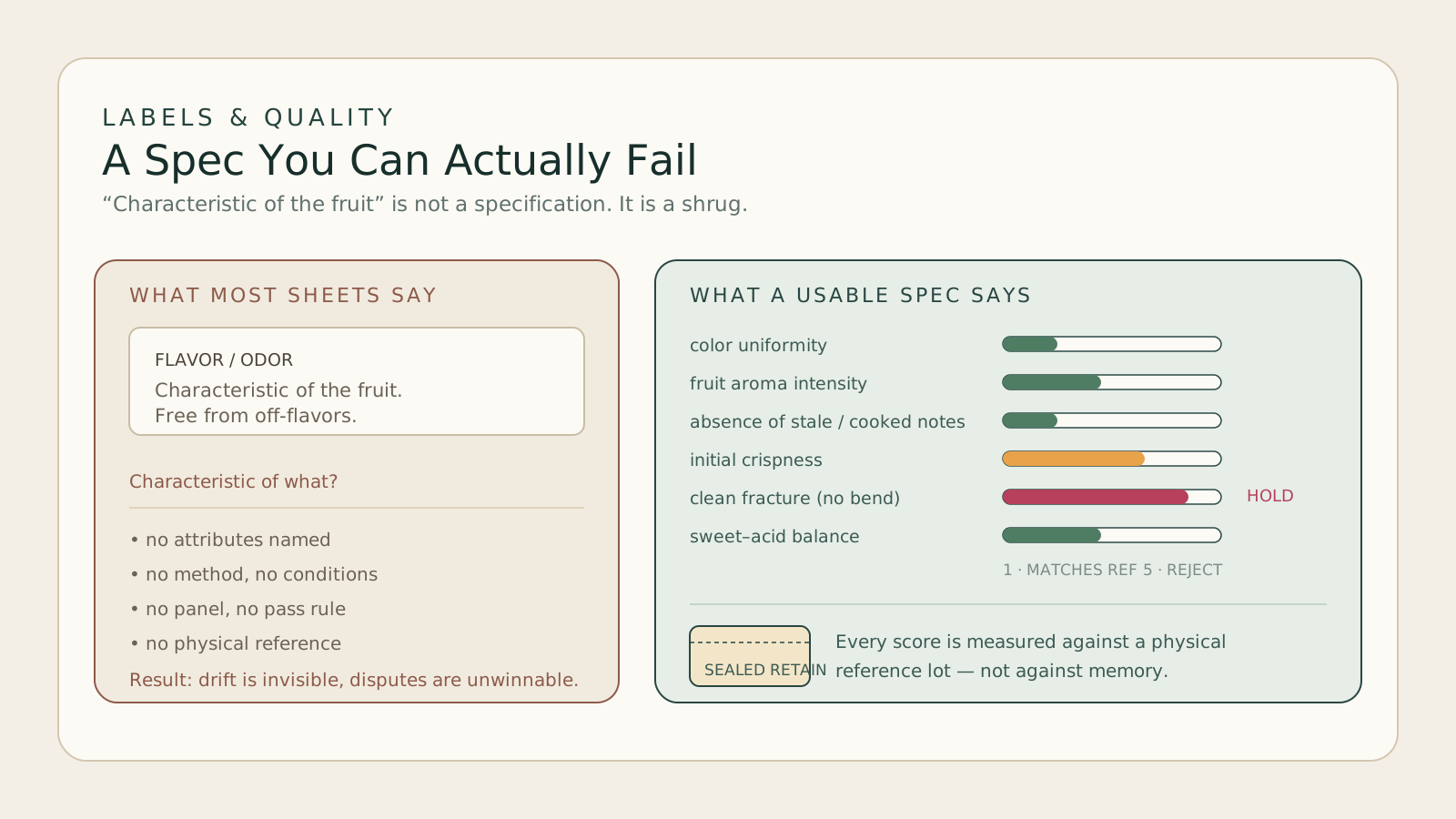
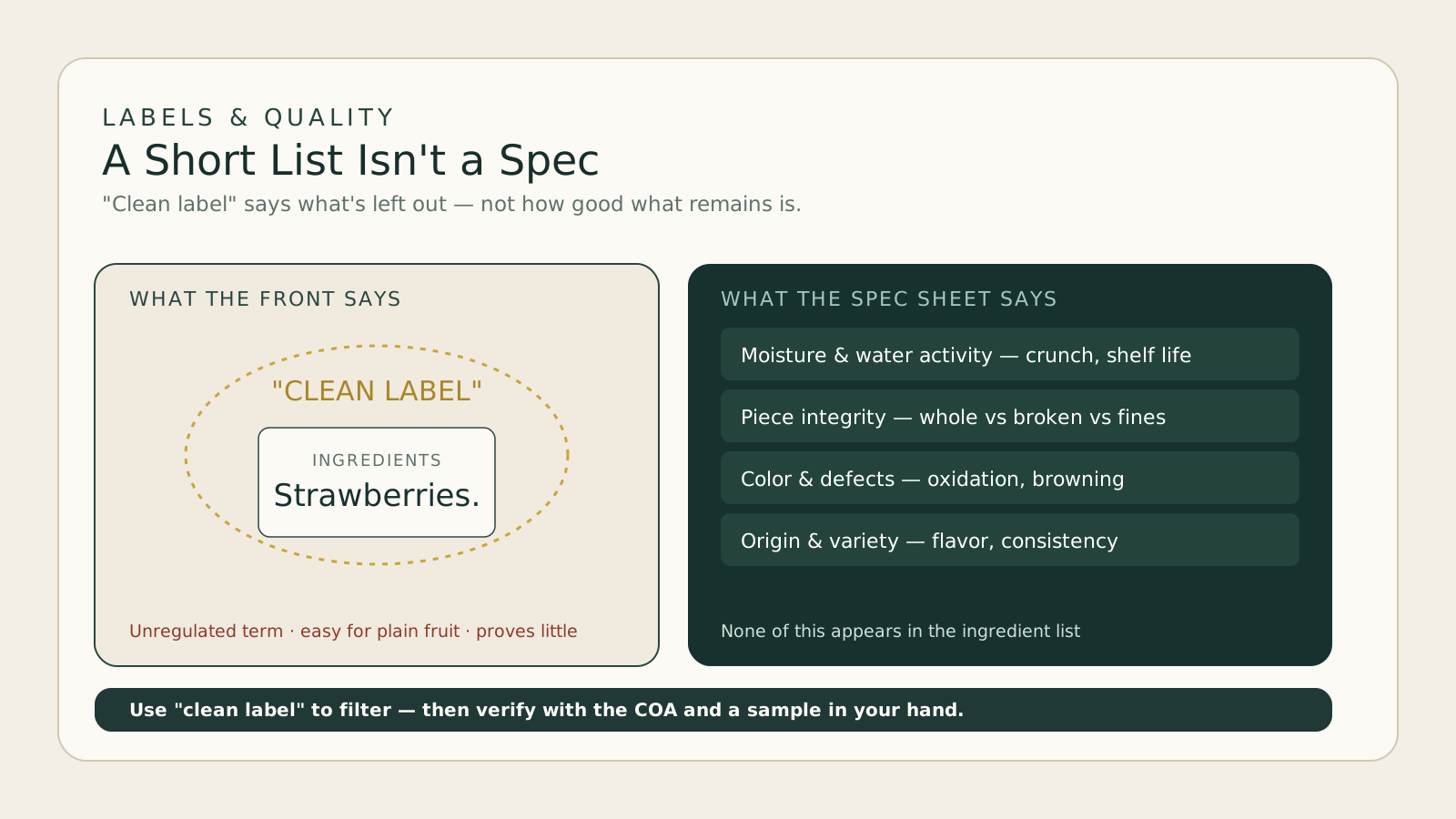
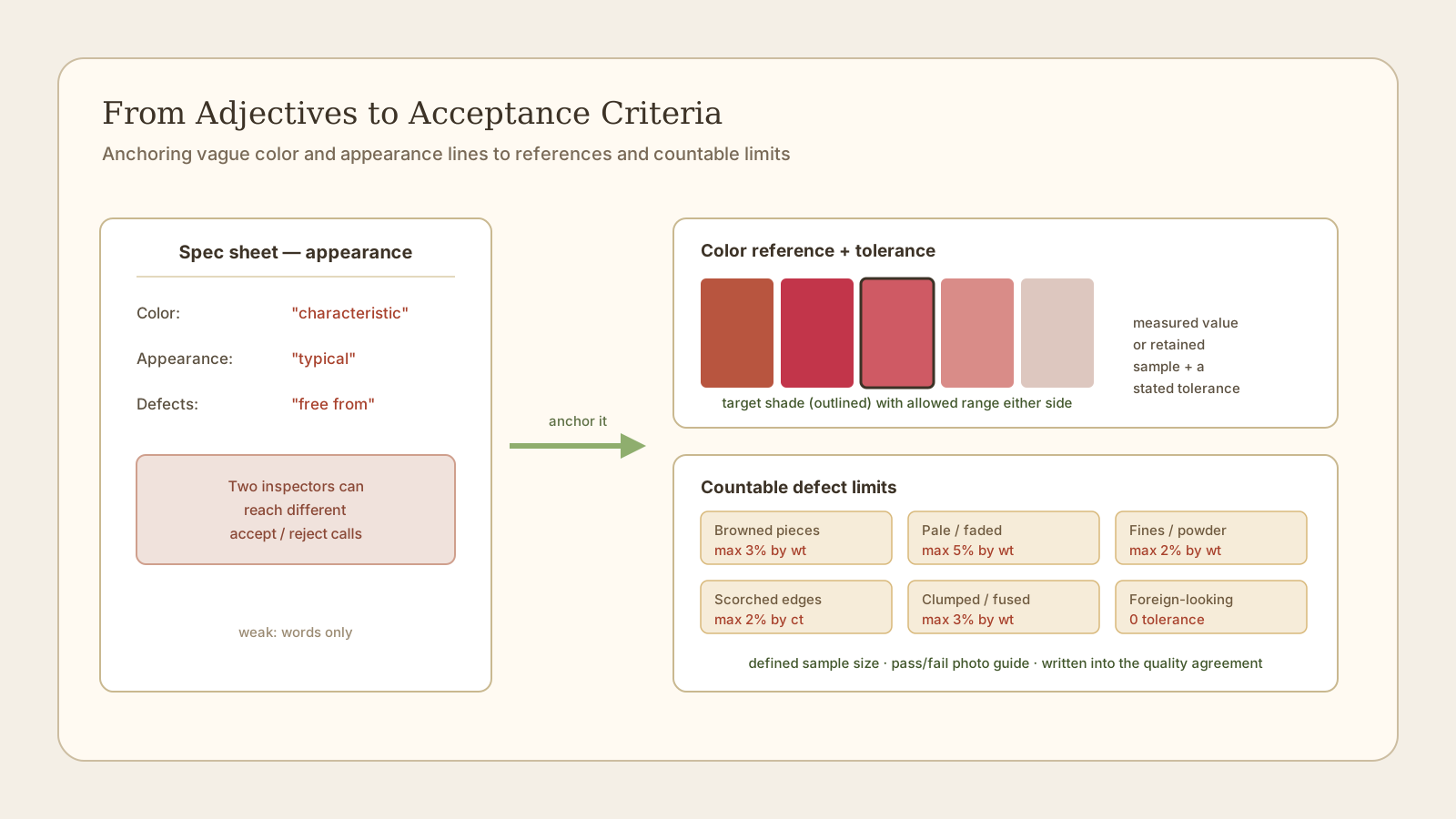
Color is what the eye sees first. Bright, true-to-fruit color suggests careful intake handling, controlled drying, and adequate packaging barrier. Dull edges, brown patches, washed-out pigment, or gray cast usually trace to oxidation, slow handling between cutting and freezing, weak packaging, or aged raw material. Color loss often travels with aroma loss, so a faded bag tends to smell muted too.
Aroma is what the nose registers when the pouch opens. Fresh, recognizable, fruit-specific aroma signals good intake material and an intact oxygen barrier. A bag that opens with no smell, or with a stale or cardboard-like note, has usually lost the volatile compounds that make the fruit feel alive.
Texture is what the bite confirms. Premium freeze-dried fruit snaps cleanly, dissolves in the mouth, and feels light. Sticky, leathery, chewy, or rubbery pieces usually point to residual moisture above target, packaging failure, or storage exposure. Crunch is essentially a moisture spec — lose the spec, lose the crunch.
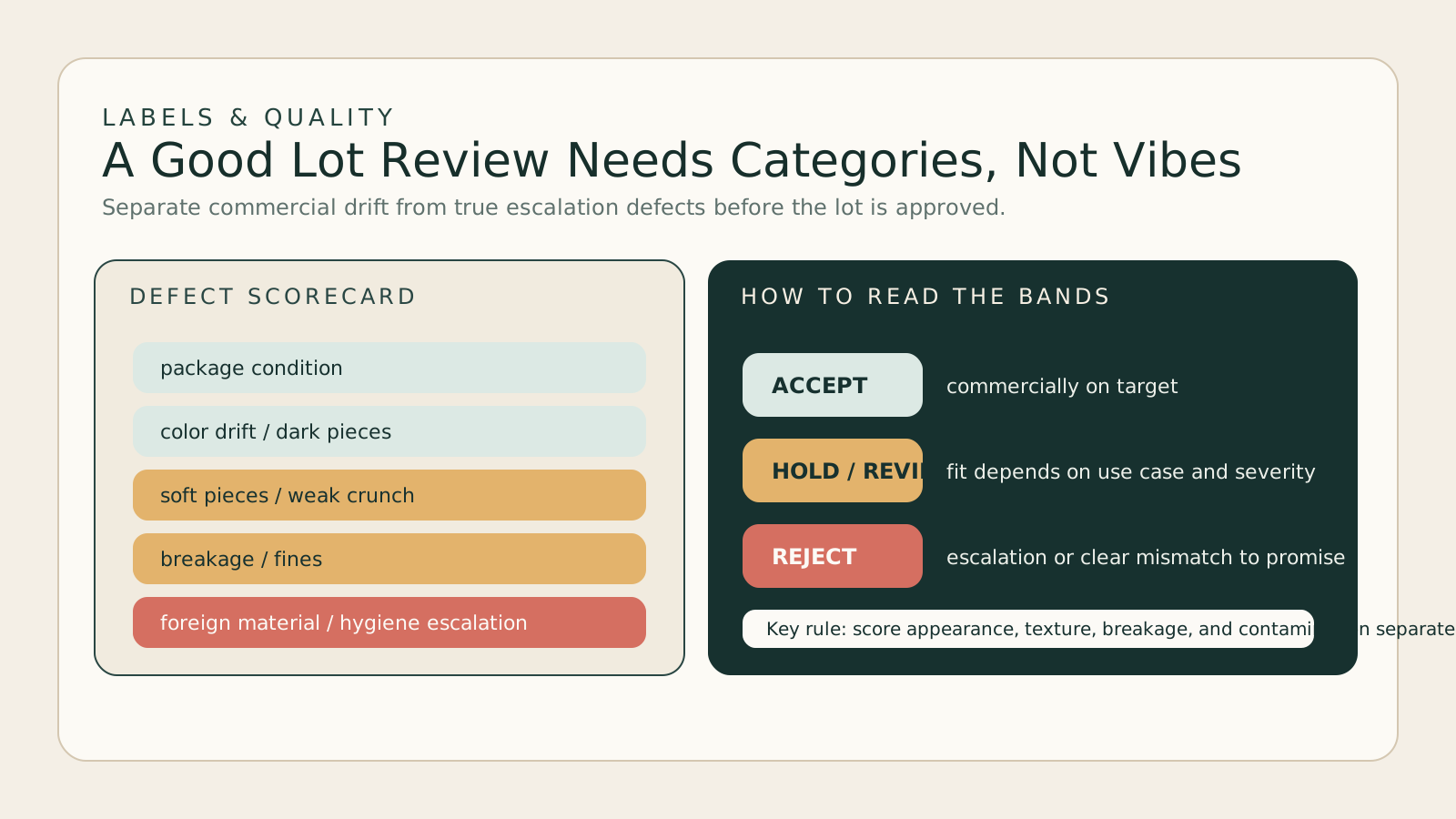
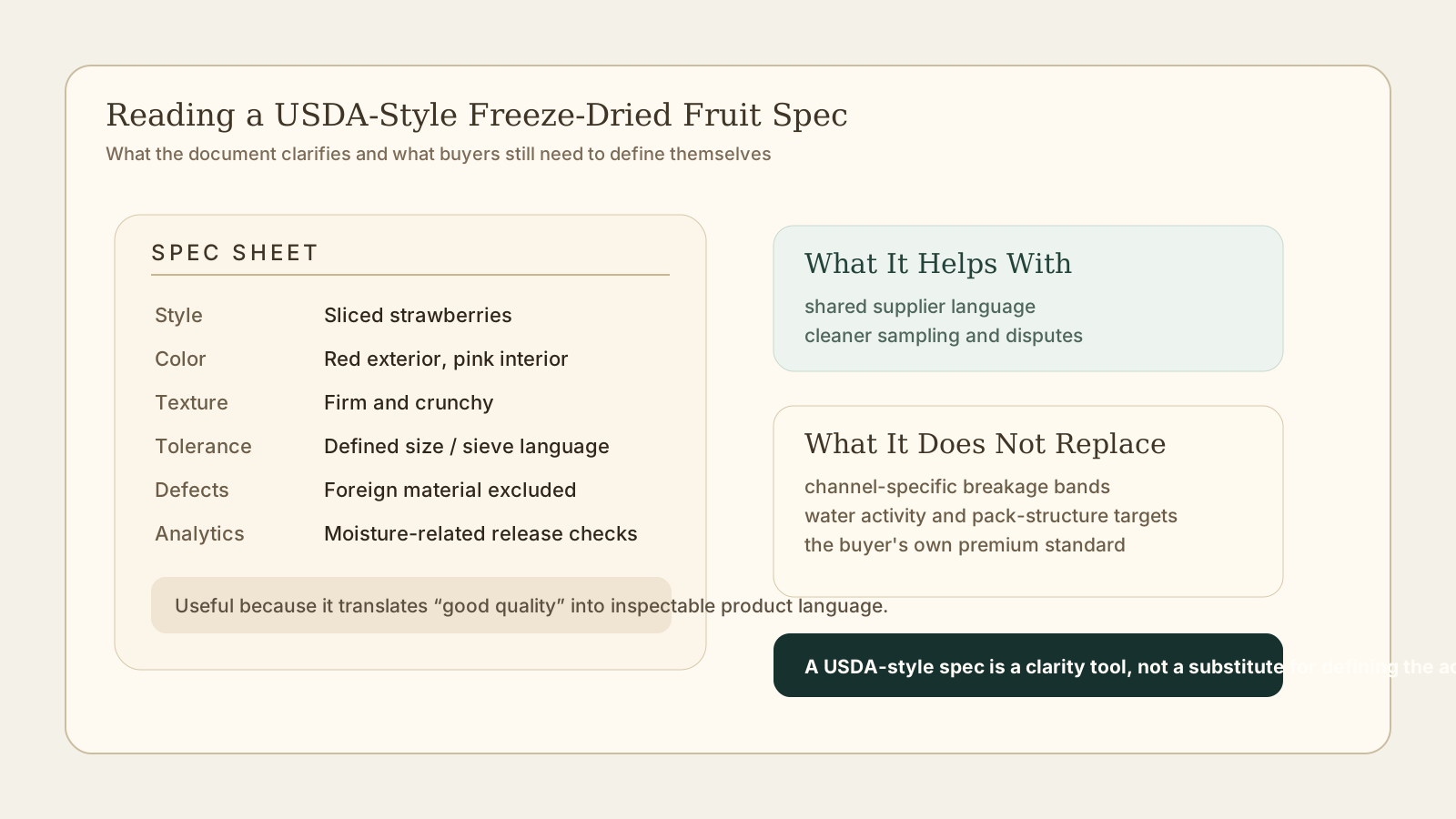
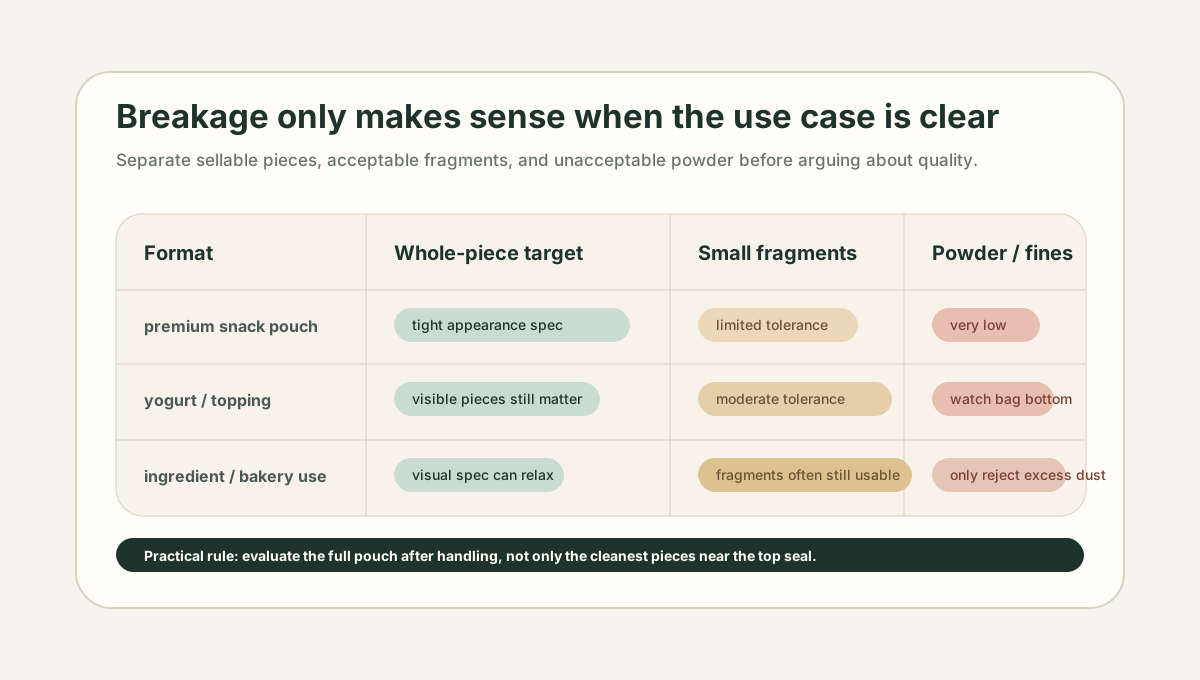
Breakage is often treated as a side note under general quality. That is too loose for freeze-dried fruit, because the product is inherently brittle and small handling differences can change the consumer impression quickly. The best buyers define breakage as its own written spec, in three explicit bands: usable whole or target pieces, acceptable small fragments, and unacceptable powder or fines.
Tolerance should reflect the use case. A retail pouch built around large visible fruit pieces needs the tightest standard — consumers judge the pouch before the first bite, and a powdery bottom undermines the product even if the flavor is strong. A yogurt or oatmeal topping pouch can accept moderate breakage because smaller pieces still perform in the bowl. A bakery or ingredient blend may prefer smaller pieces, and tightening the whole-piece spec there wastes money.
Where you look matters as much as the spec number. Review breakage after gently emptying the full pouch onto a tray. The top layer almost always looks better than the bottom, and the difference between the two is the more honest read on what shipping did to the product.
Texture, moisture, and the crunch promise
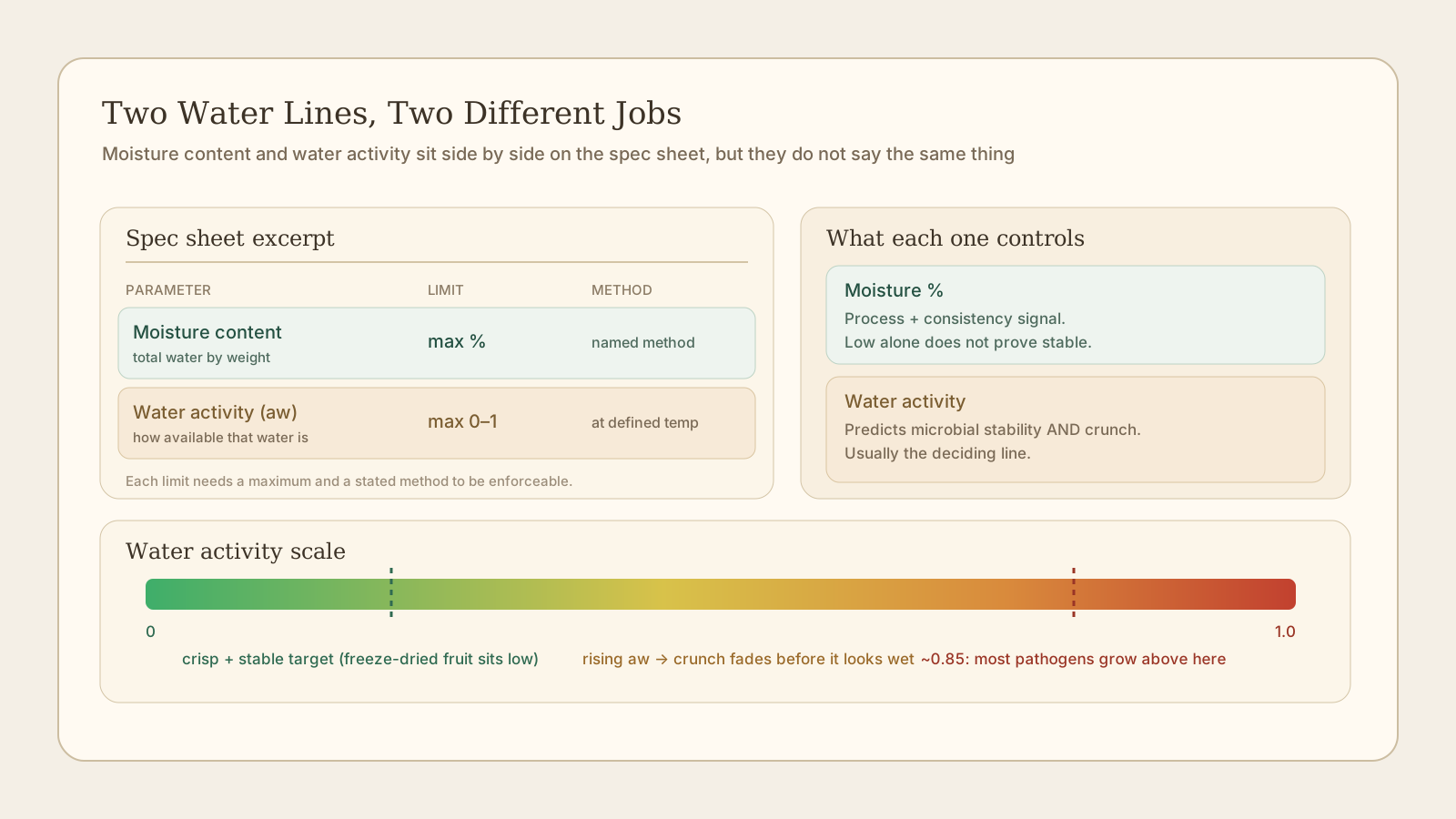
Crunch is the texture most consumers associate with freeze-dried fruit, and it is essentially a measurement: residual moisture content within target range, water activity controlled, packaging intact, storage handled. When freeze-dried fruit loses crunch, the issue is usually moisture pickup after production — at the seal, through the film, during repeated opening, or during transit in humid conditions.
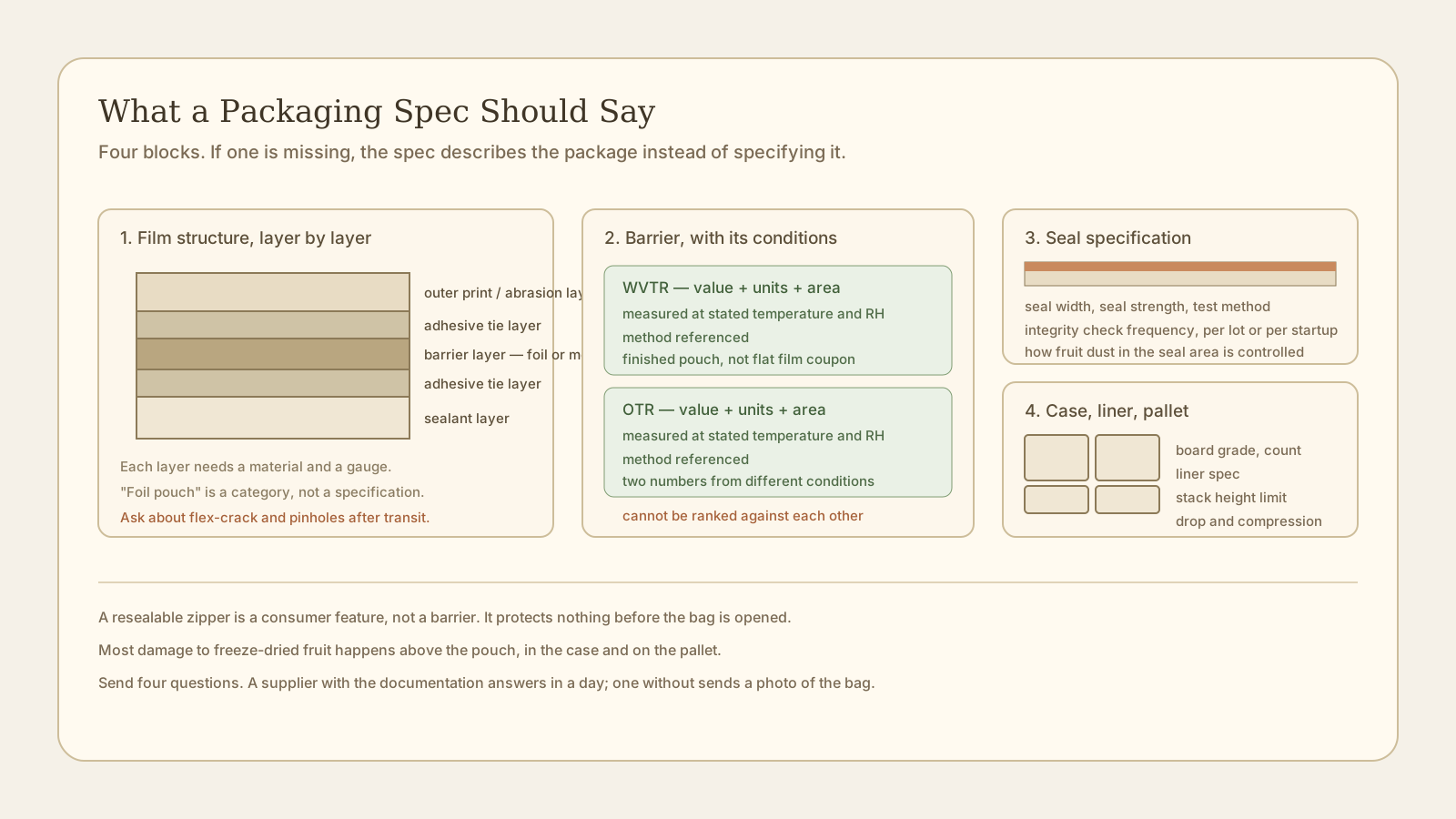
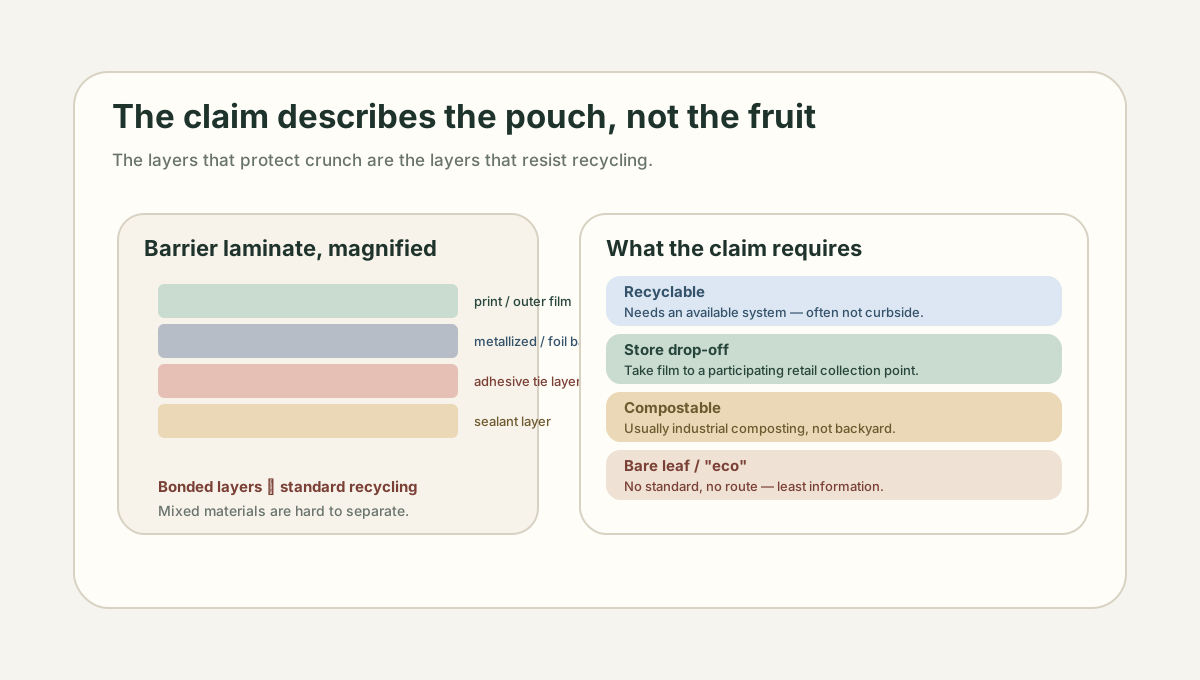
That makes texture a packaging conversation as much as a process conversation. A high-barrier pouch with a good seal and the right desiccant strategy can keep fruit crisp through a long retail life. A thin pouch with weak barrier performance can defeat even a well-dried product in weeks. The consumer never sees the WVTR number, but they feel the result.
For a buyer comparing two bags, the practical question is not only is this dry but does this still feel as crisp now as the supplier promised it would. Open-and-resealed durability is part of the quality story, and a serious supplier will already have shelf-life testing that tracks texture, not just microbial safety.
Comparing two products fairly
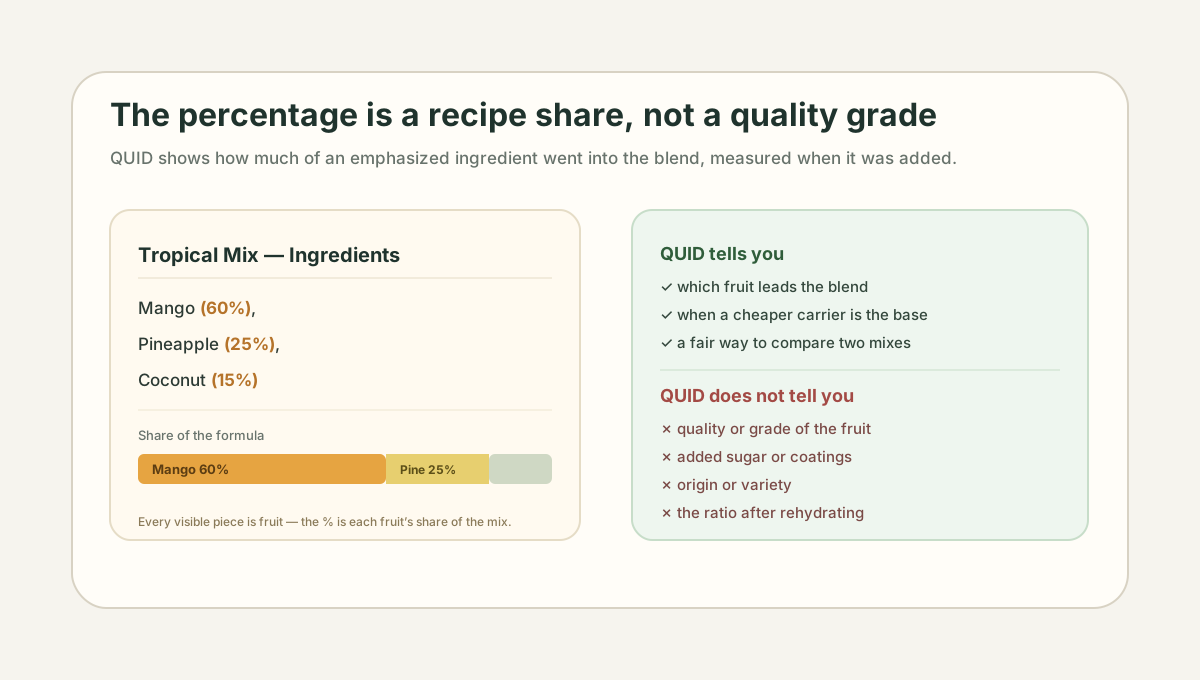
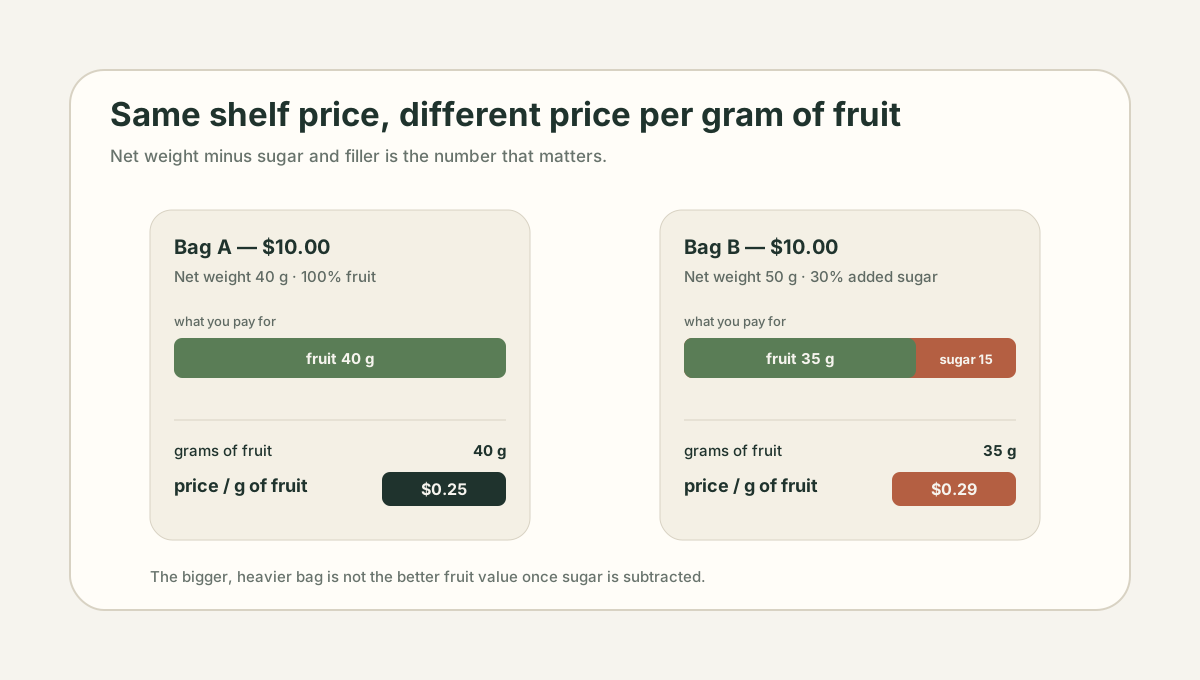
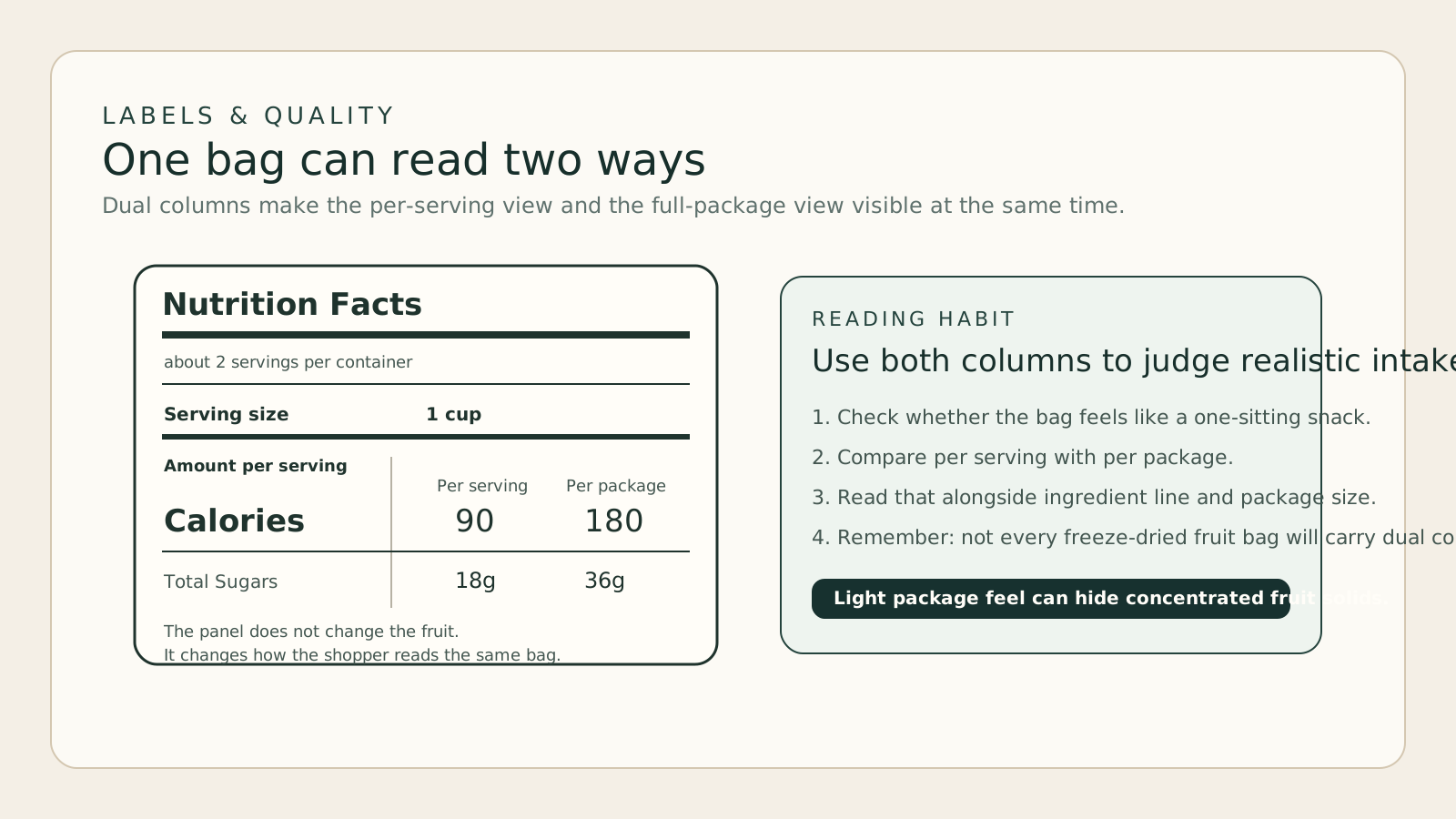
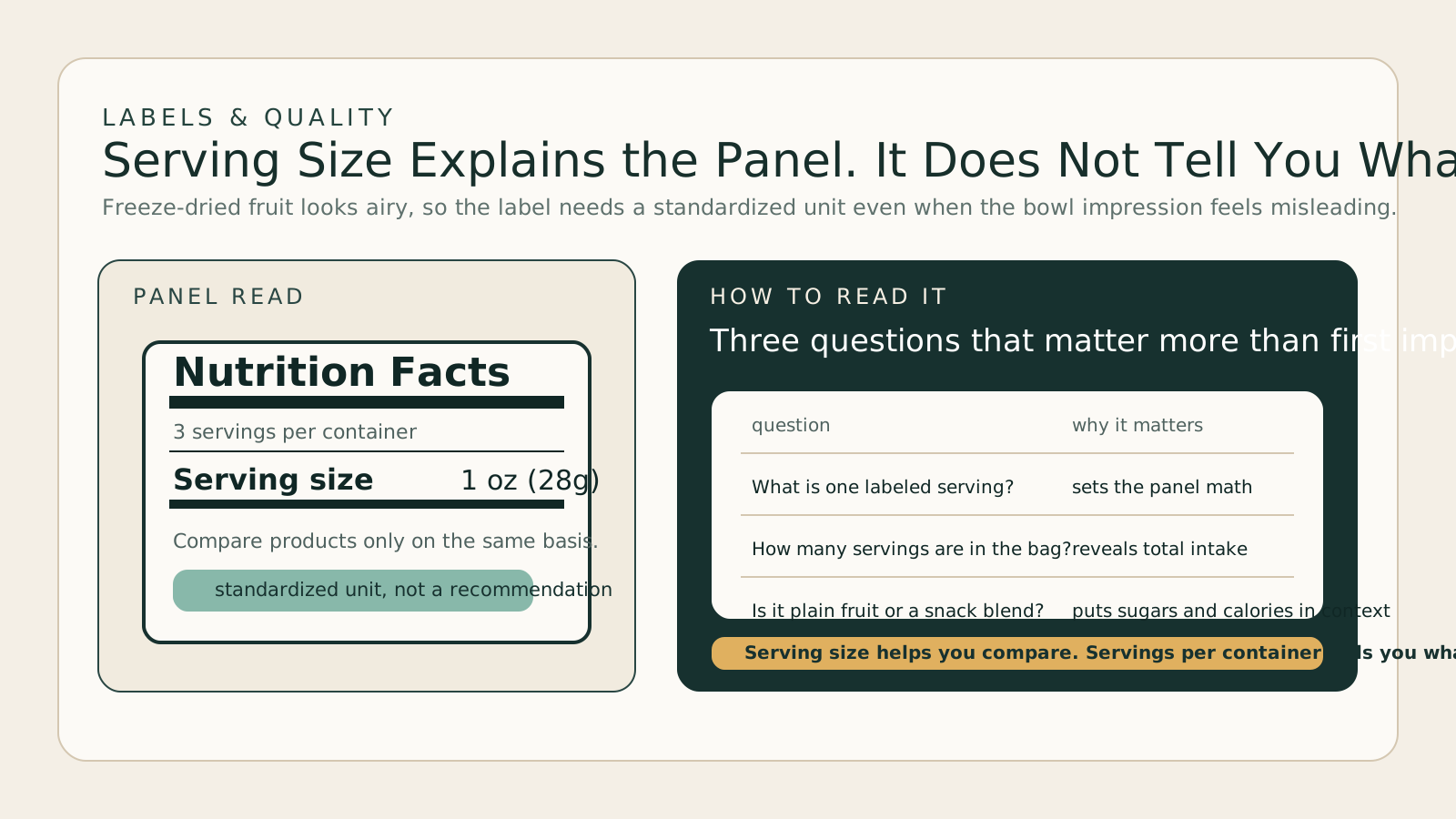
The honest comparison between two freeze-dried fruit products is not price per ounce. It is total value: real fruit content, ingredient list, format, texture, color, aroma, packaging quality, and how the product holds up after opening.
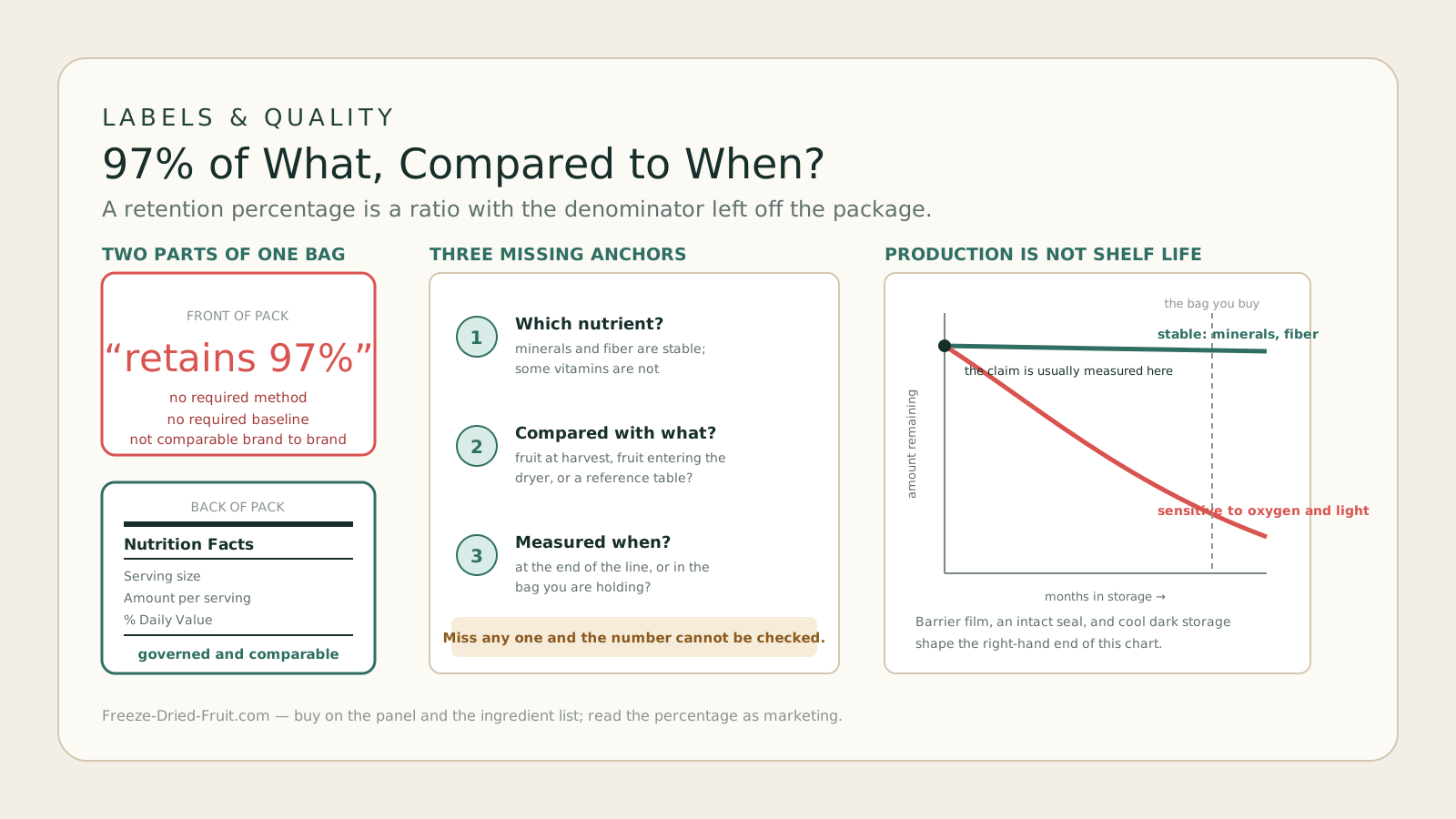
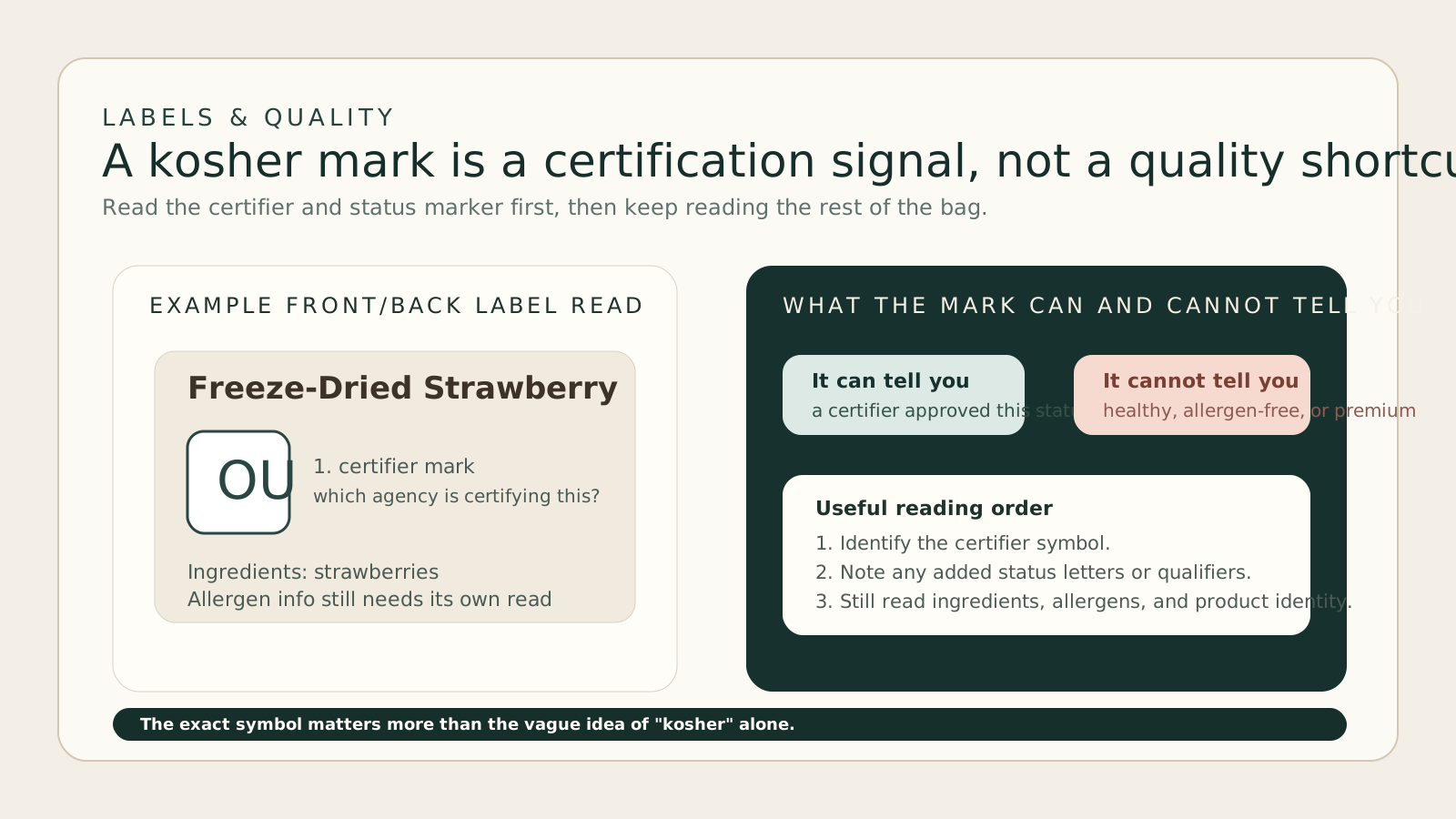
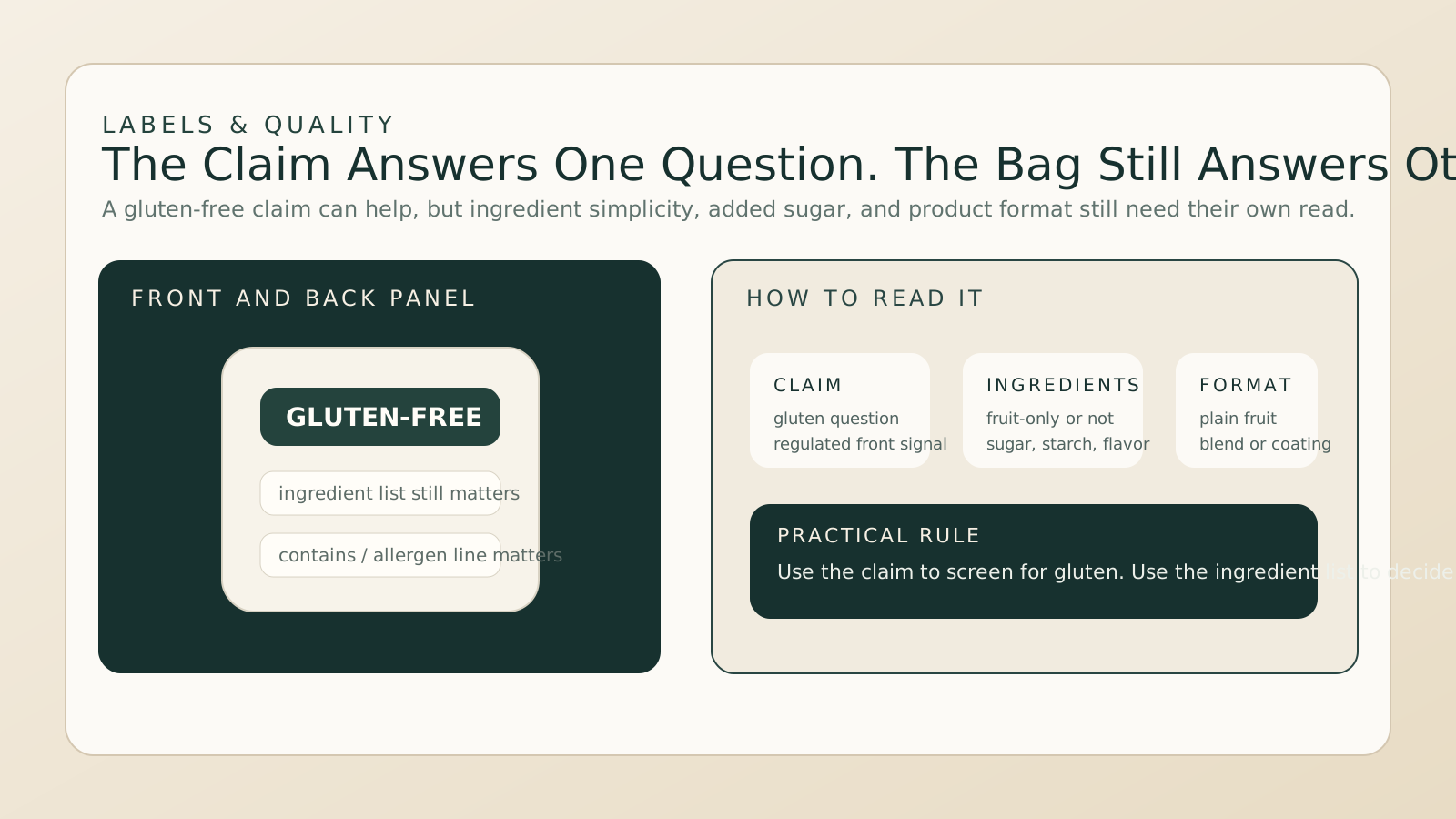
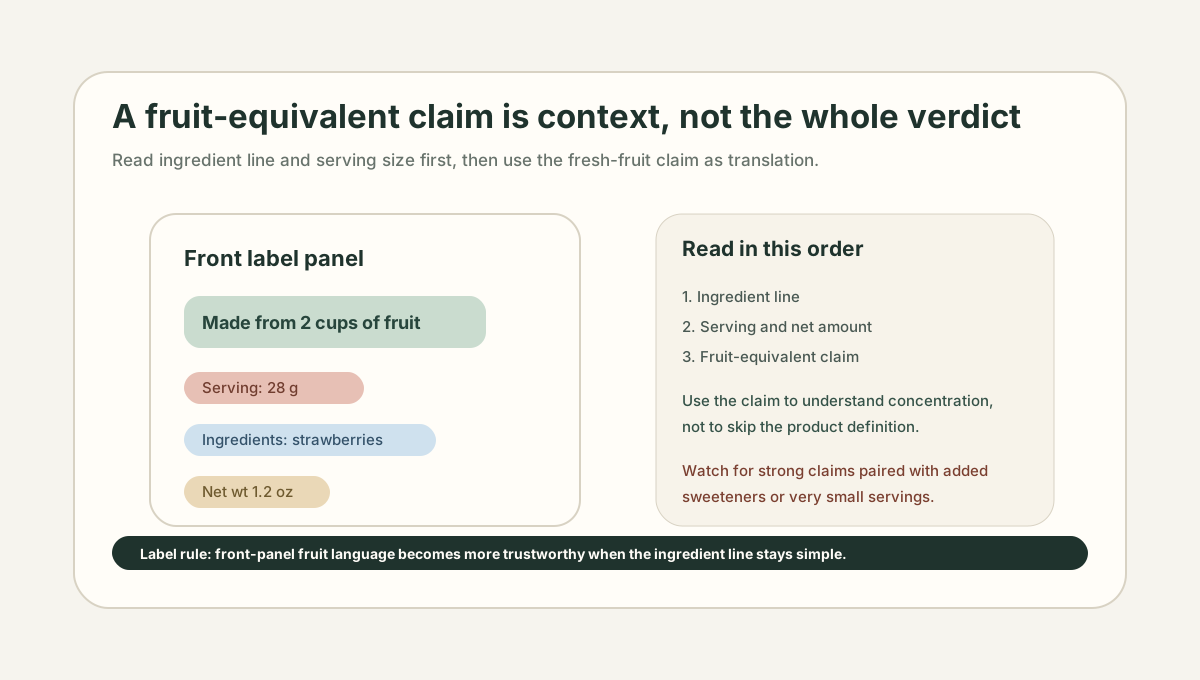
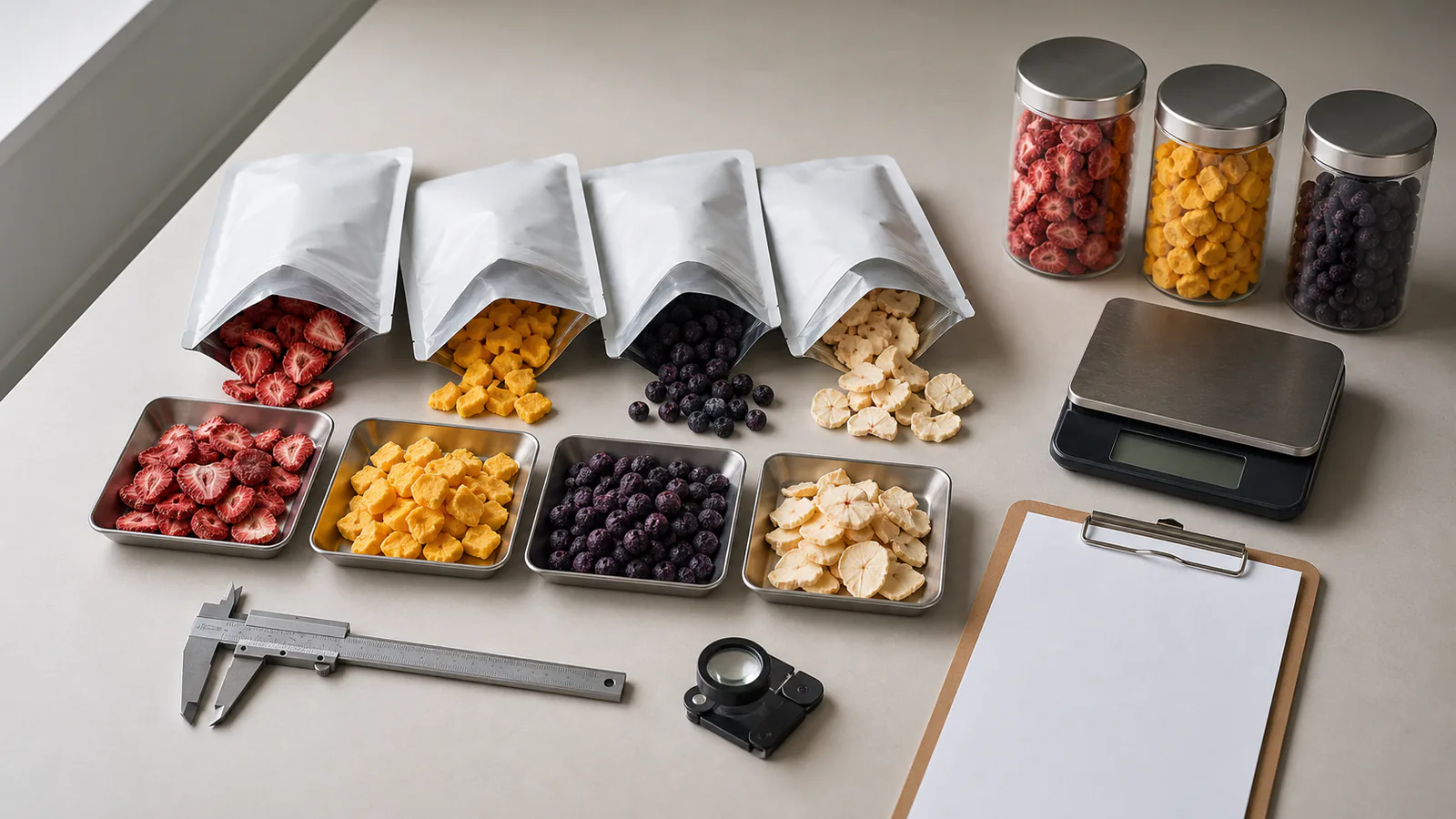
When evaluating samples, build a consistent checklist. Read the ingredient list before the front-of-pack claim. Compare first ingredients across products. Note added sugar, syrups, starches, oils, or natural flavor. Open the pouch and judge color and aroma before texture. Look at the bottom of the bag, not just the top. Reseal the pouch and try it again three days later under normal kitchen conditions.
That kind of careful read is what separates a quick scan from an actual buying decision. The cheapest bag, the heaviest bag, and the most beautifully designed bag are not necessarily the best bag — only the one that matches the eating experience you want at a price you can live with.