Price per ounce can be misleading in freeze-dried fruit. A lower price may come from cheaper fruit, smaller broken pieces, added sugar, powders, lower-cost formats, or different moisture levels. A better way to compare products is to look at real fruit content, ingredient list, piece size, texture, and how the product is meant to be eaten.
Where the savings often come from
A cheaper bag tends to be cheaper for one or more of the following reasons:
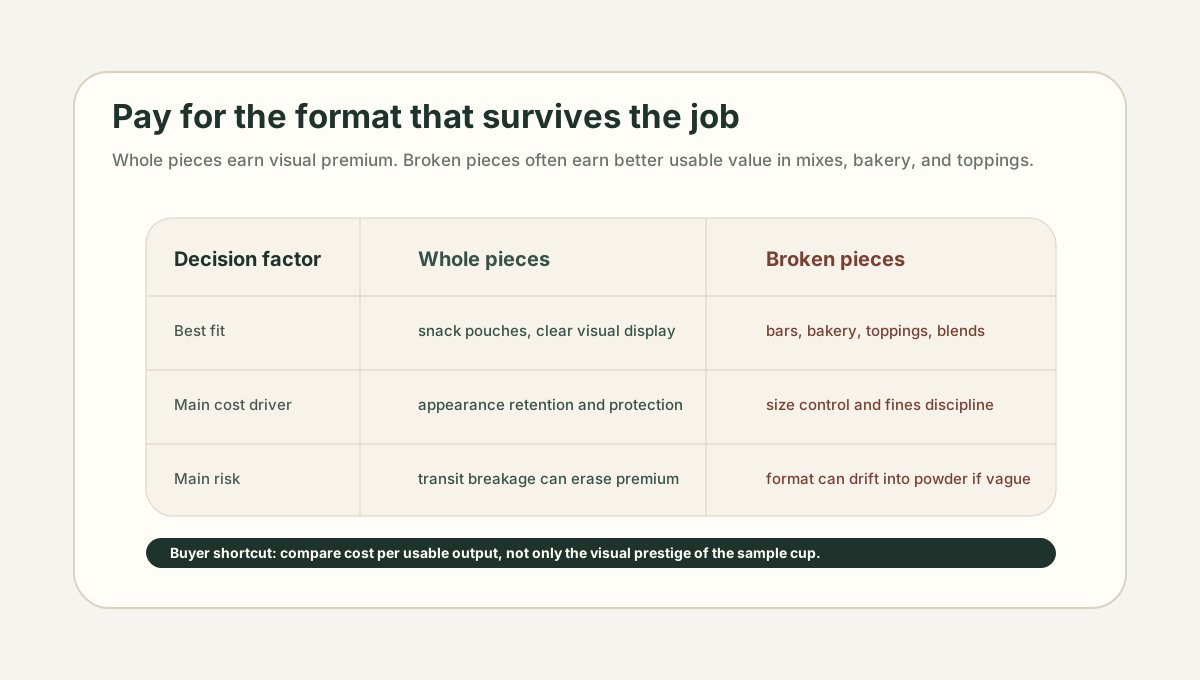
- Lower-grade fruit or off-spec batches
- Smaller pieces or higher broken-piece percentage
- Added sugar, starch, or maltodextrin to bulk up weight
- Powder or crumble blended into whole-piece bags
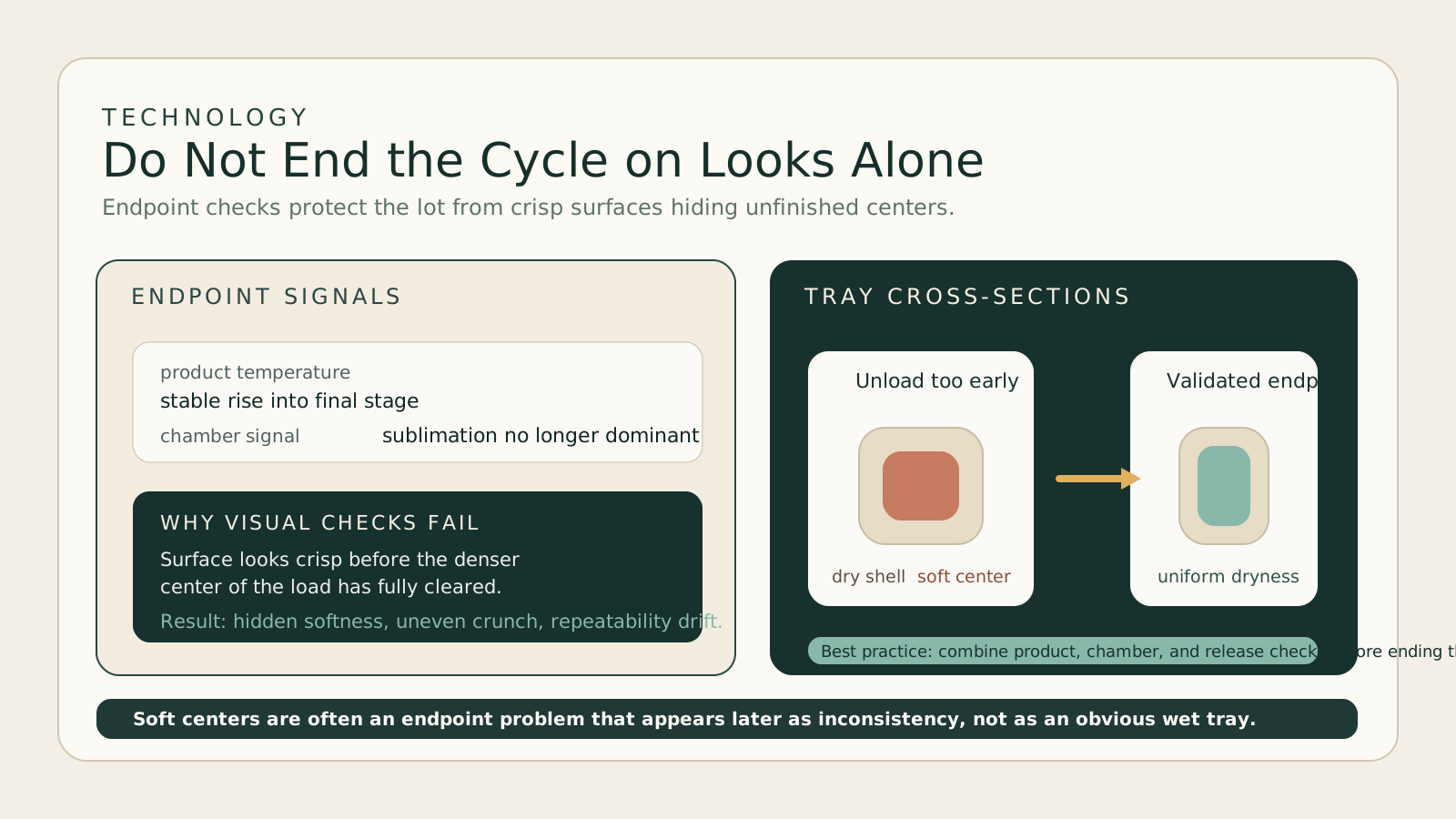
- Less aggressive moisture targets — soft pieces sooner
None of these are automatically deal-breakers. But they explain why two bags at very different prices can both be described as "freeze-dried strawberries."
The better comparison
True fruit value per ounce = fruit content + fruit quality + format + texture + moisture control + eating experience.
A premium bag at a higher price can deliver more real value if it ships intact, contains 100% fruit, and stays crisp after opening. A cheap bag that arrives crushed and turns soft in a week is not a deal — it's a return.
Frequently Asked Questions
Is cheaper freeze-dried fruit always lower quality?
Not always, but a much lower price usually reflects a real difference. Common reasons include lower-grade or off-spec fruit, smaller pieces and higher broken-piece percentages, added sugar or starch to bulk weight, blended powder in whole-piece bags, or less aggressive moisture targets that mean softer pieces sooner.
What makes one bag of freeze-dried fruit cheaper than another?
How should I compare two freeze-dried fruit products fairly?
Look at real fruit content, the ingredient list, piece size, texture, and how the product is meant to be eaten — not just price per ounce. A premium bag at a higher price can deliver more real value if it ships intact, contains 100% fruit, and stays crisp after opening.
Why is price per ounce a misleading metric?
Bag weight is not the same as fruit content. A heavier bag can include added sugar, fillers, or higher residual moisture, while a lighter bag may be closer to plain freeze-dried fruit. Two bags both labeled "freeze-dried strawberries" can come from very different production realities.
What is "true fruit value per ounce"?
True fruit value per ounce combines fruit content, fruit quality, format, texture, moisture control, and the eating experience. A cheap bag that arrives crushed and turns soft within a week is not a deal — it is a return.