How freeze-dried fruit supply actually moves
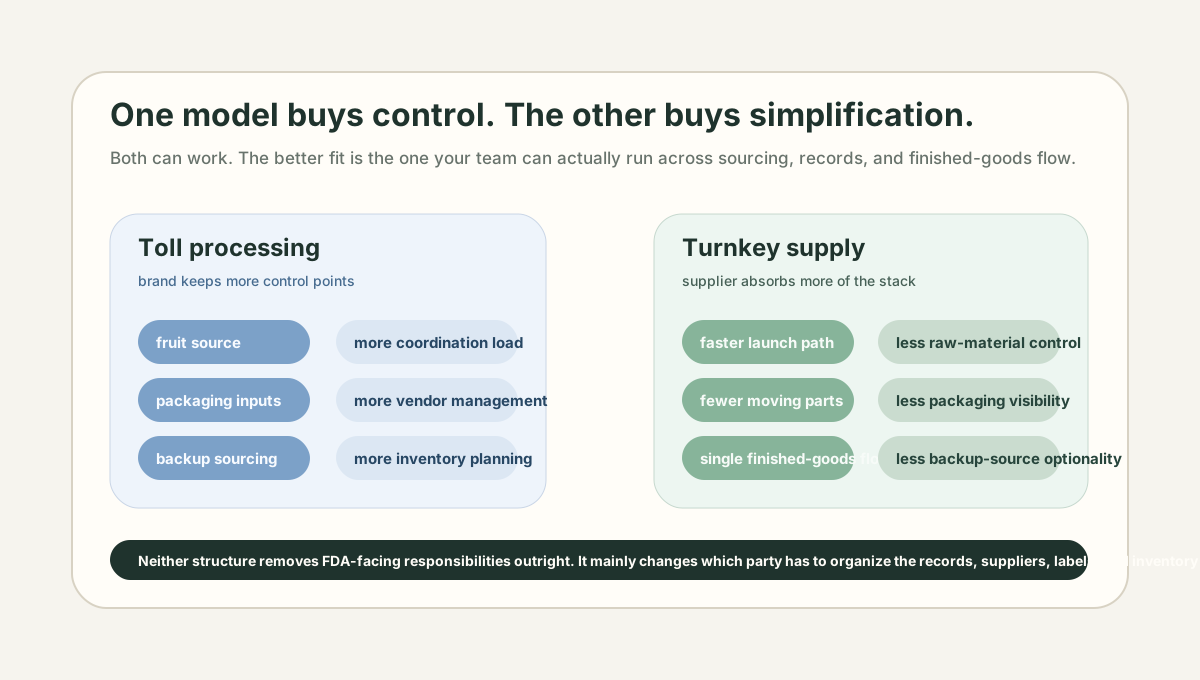
Freeze-dried fruit is a category that looks simple on the shelf and reveals itself as a tangle once you start sourcing. Most consumer-facing products are produced by a much smaller set of factories than the brand count suggests. A single co-packer in Chile, Thailand, India, the U.S., or China may supply a dozen retail labels at once — each with slightly different specifications, packaging, and price tiers.
That structure has consequences. Two bags with very different prices may come from the same line. Two bags with the same brand promise may not. The category rewards buyers who know how to read a sample, ask the right questions, and confirm the supplier can repeat the result across multiple lots.
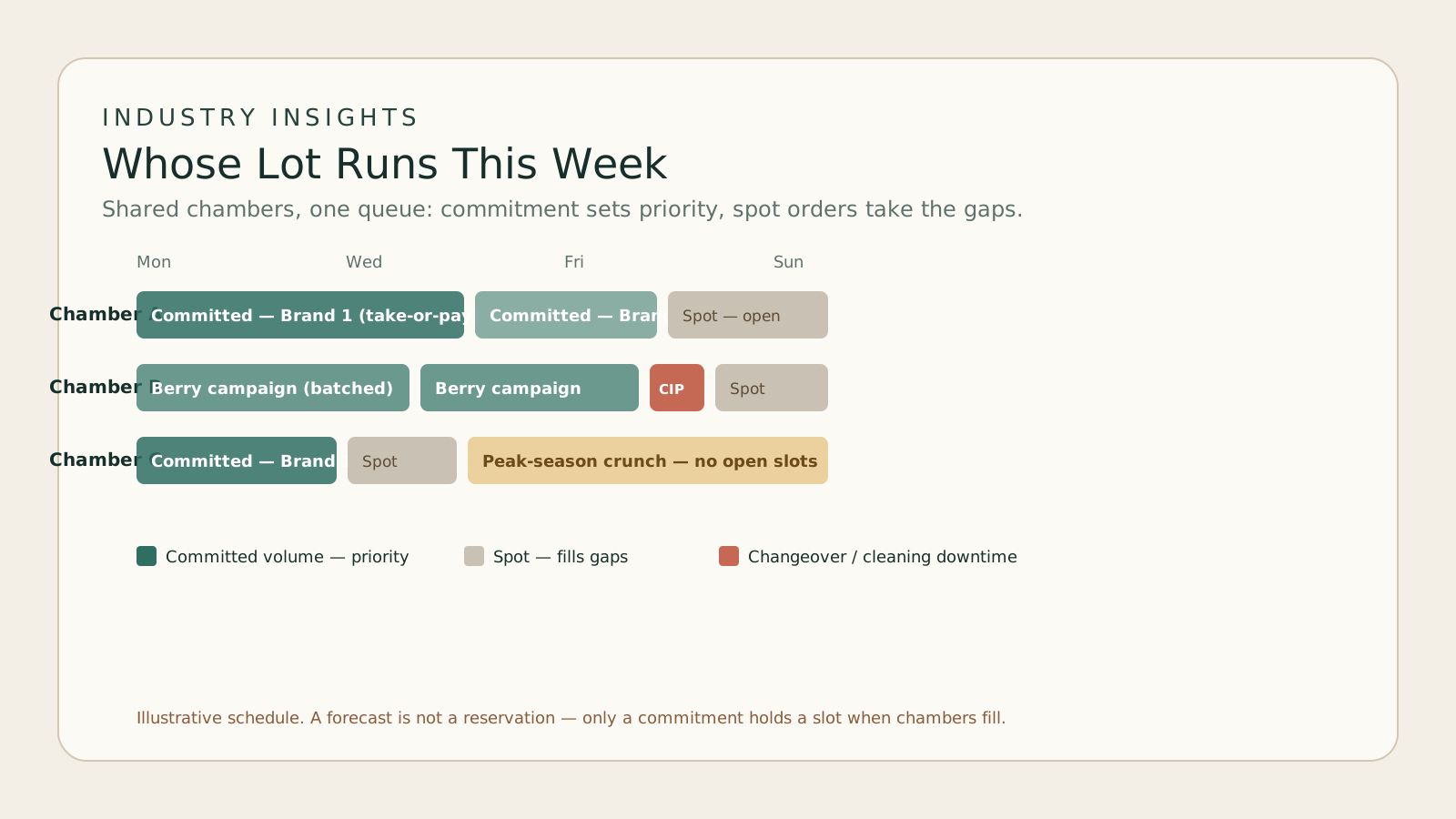
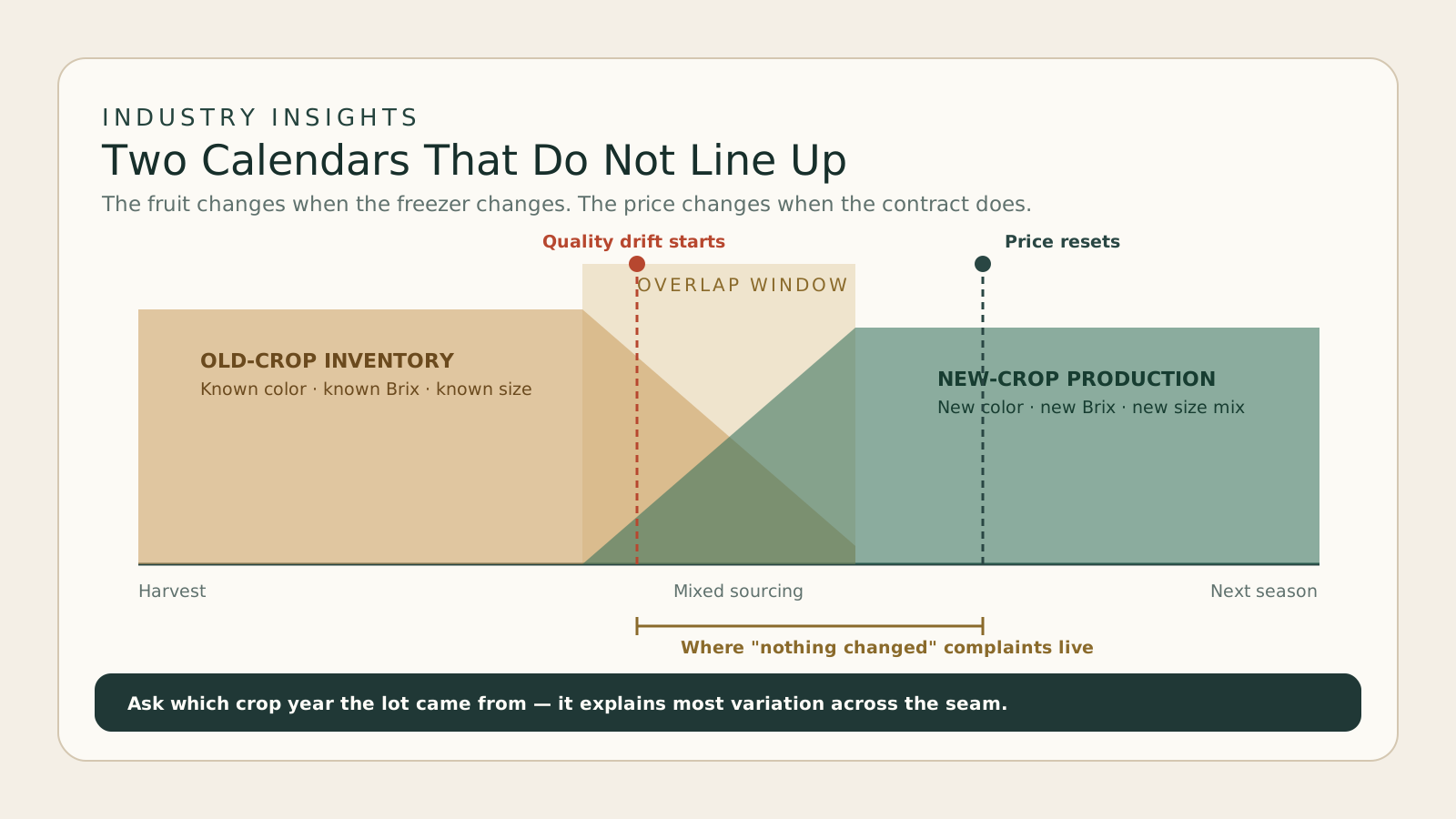
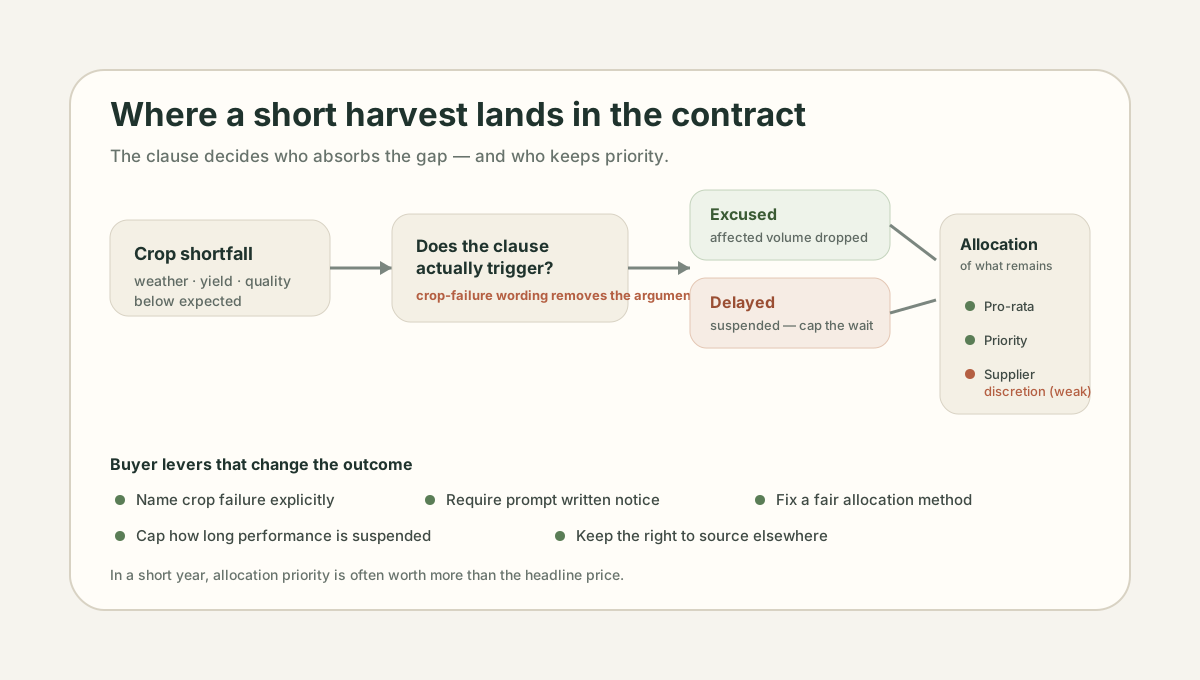
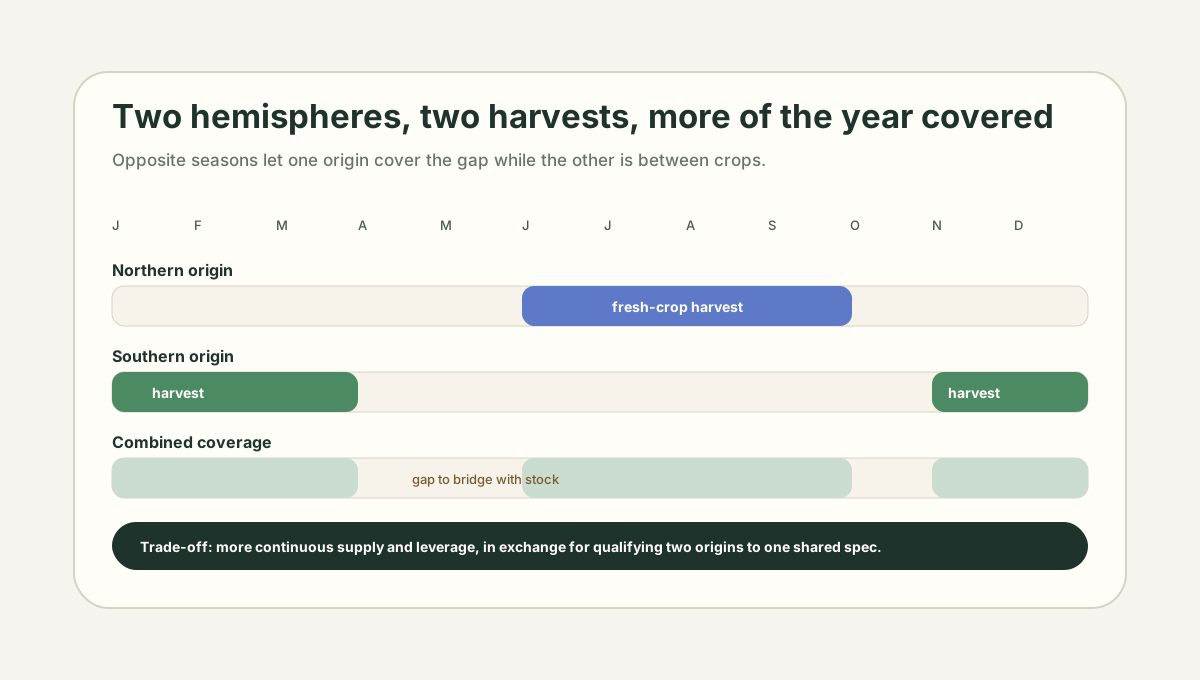
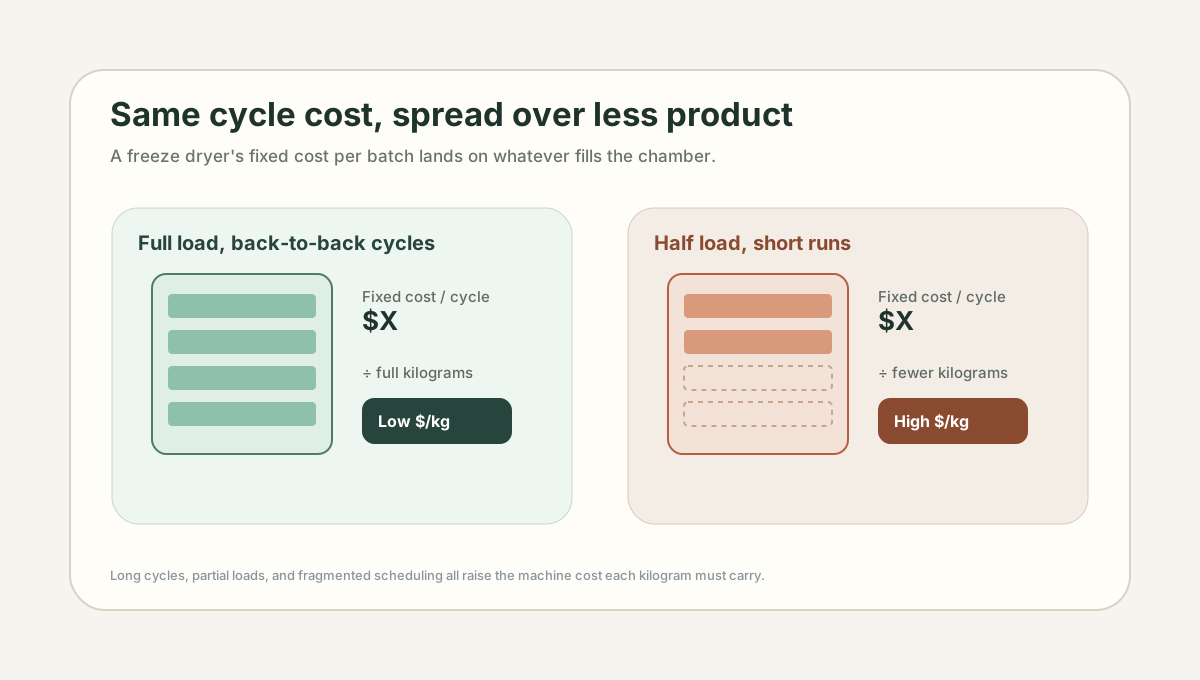
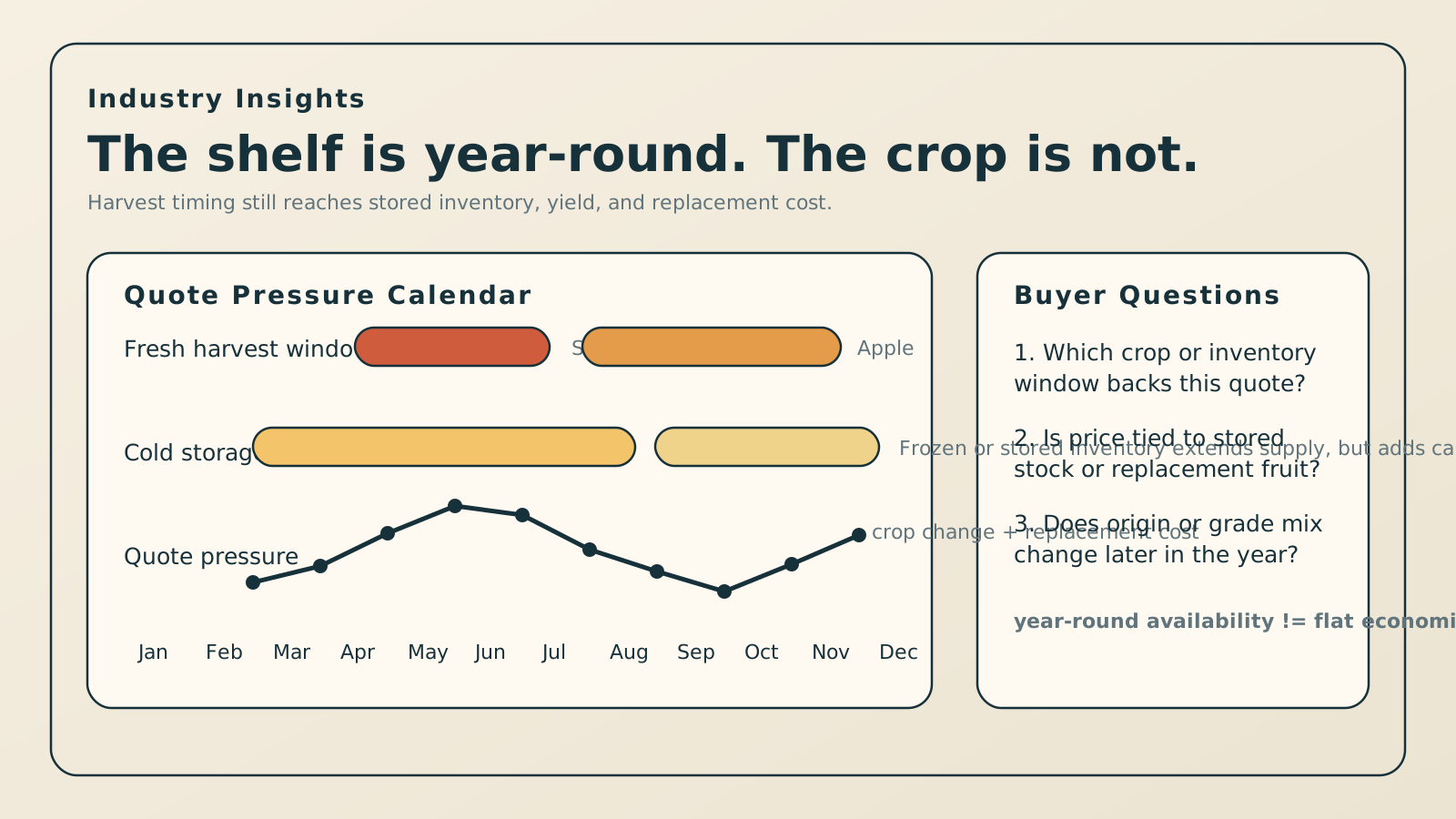
Freeze-drying itself is also concentrated. The equipment is expensive, the cycles are long, and operating a chamber well requires real expertise. That makes the category more vulnerable to seasonal swings, equipment downtime, and raw material availability than buyers usually expect. A supplier who looks reliable in February may struggle in August.
What actually drives landed cost
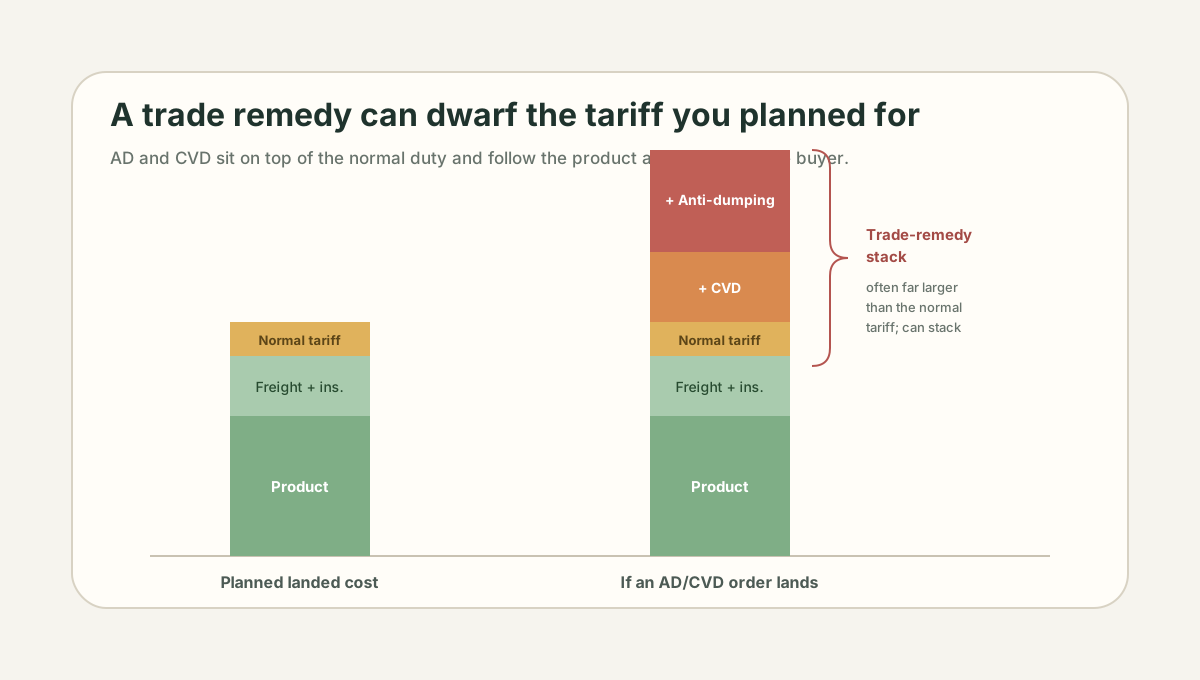
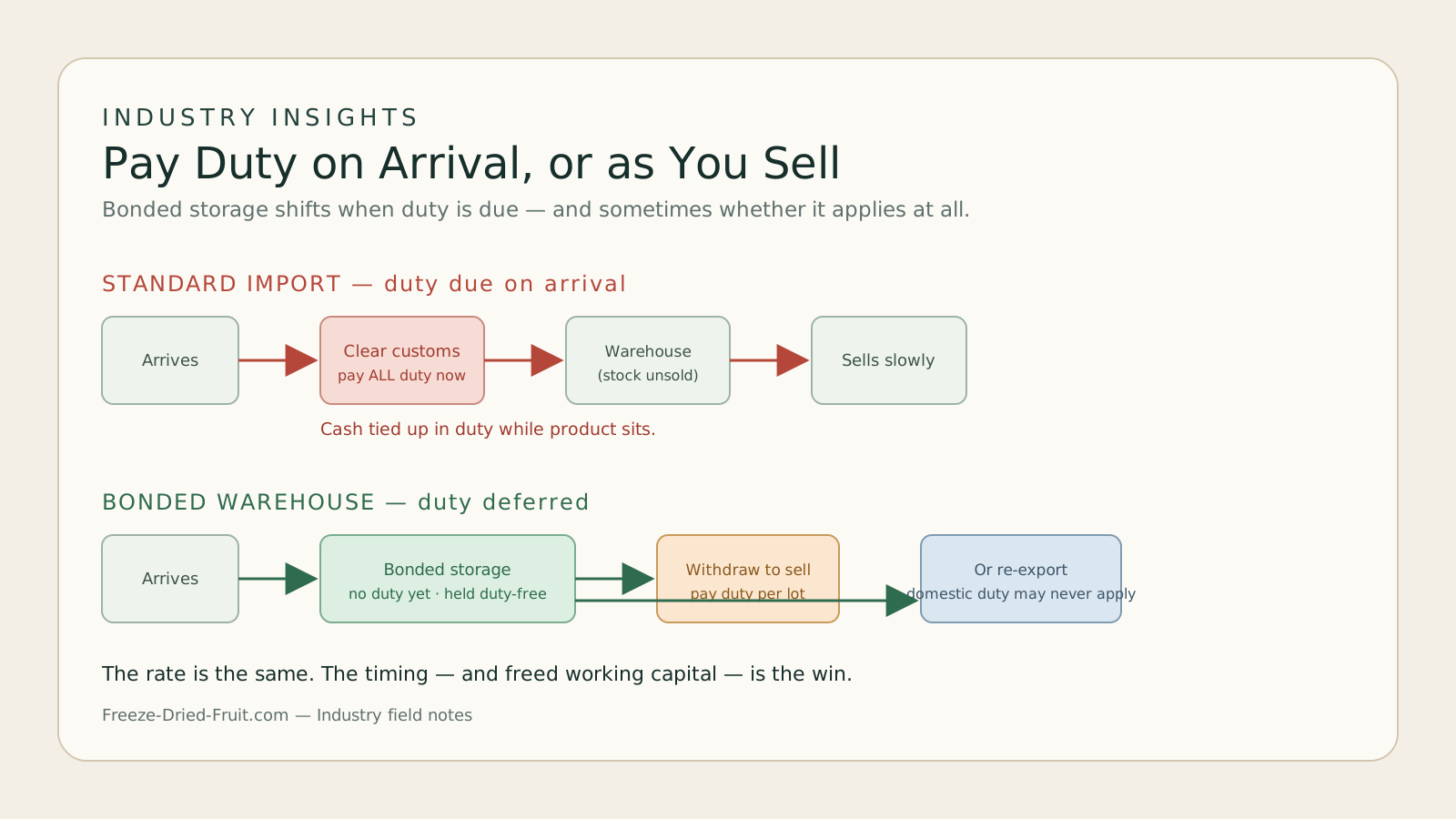
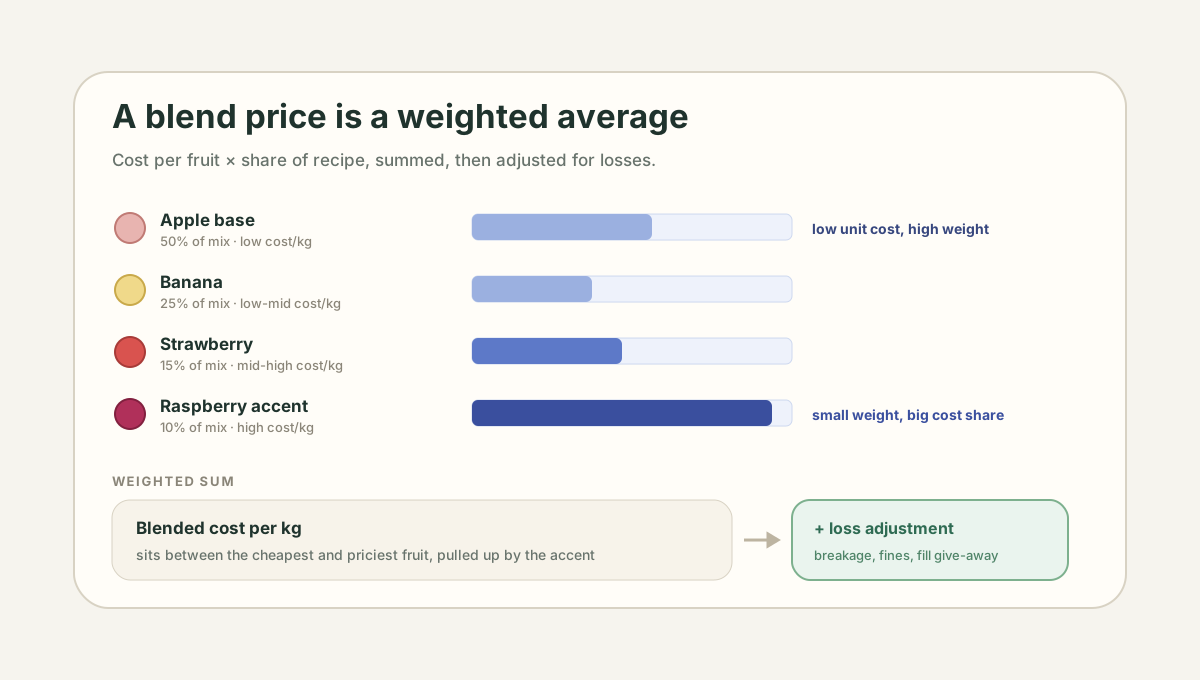
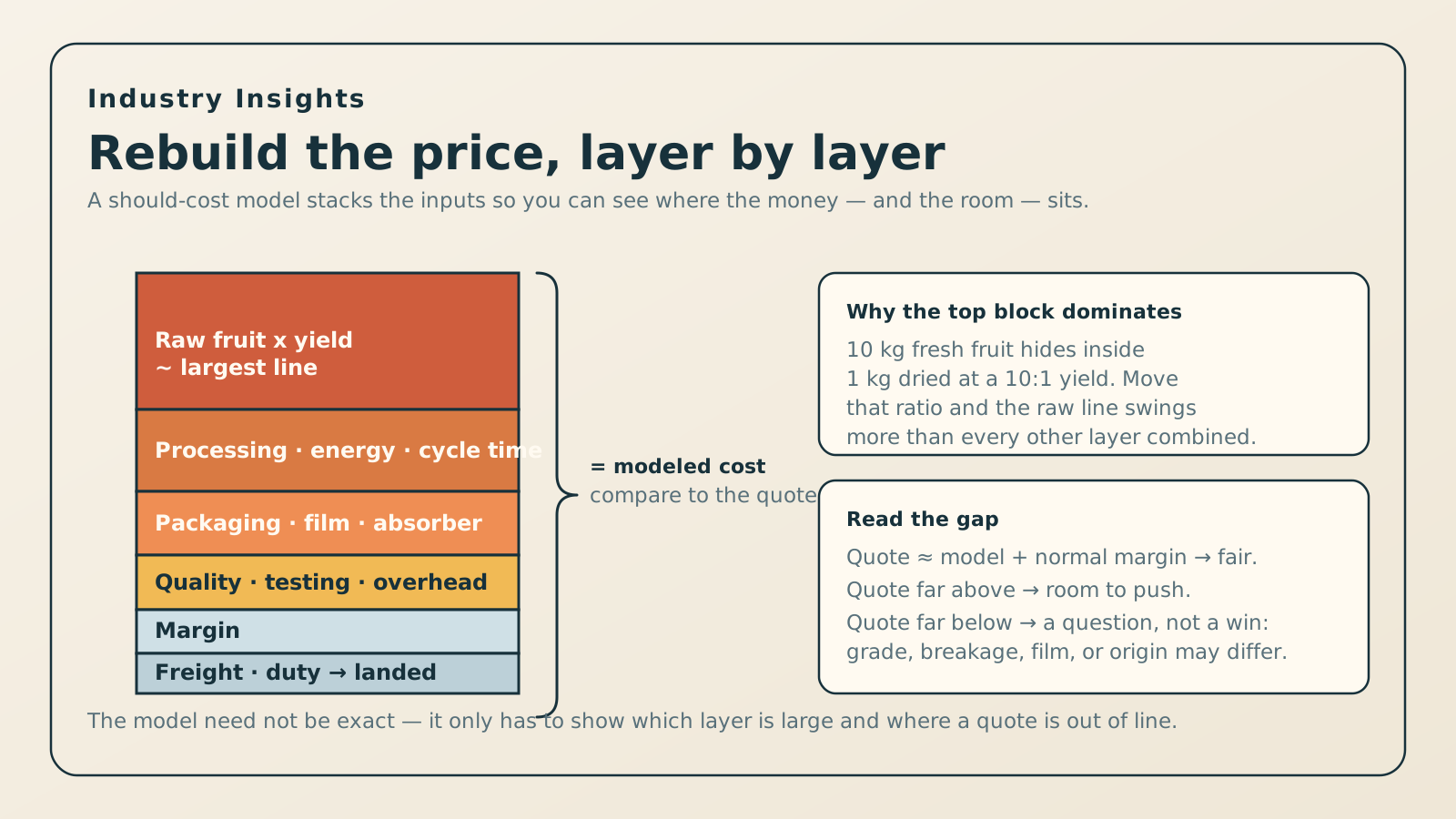
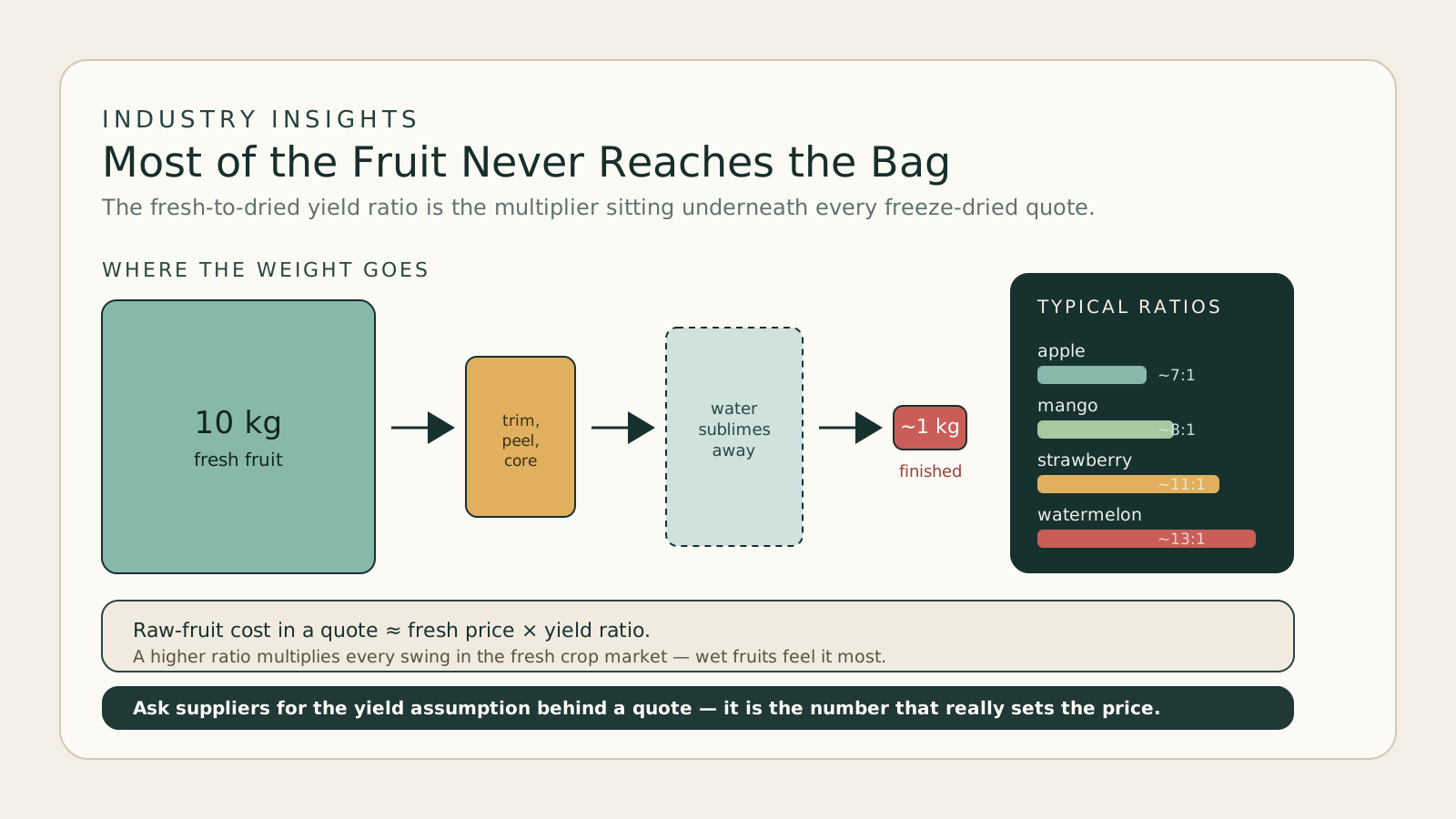
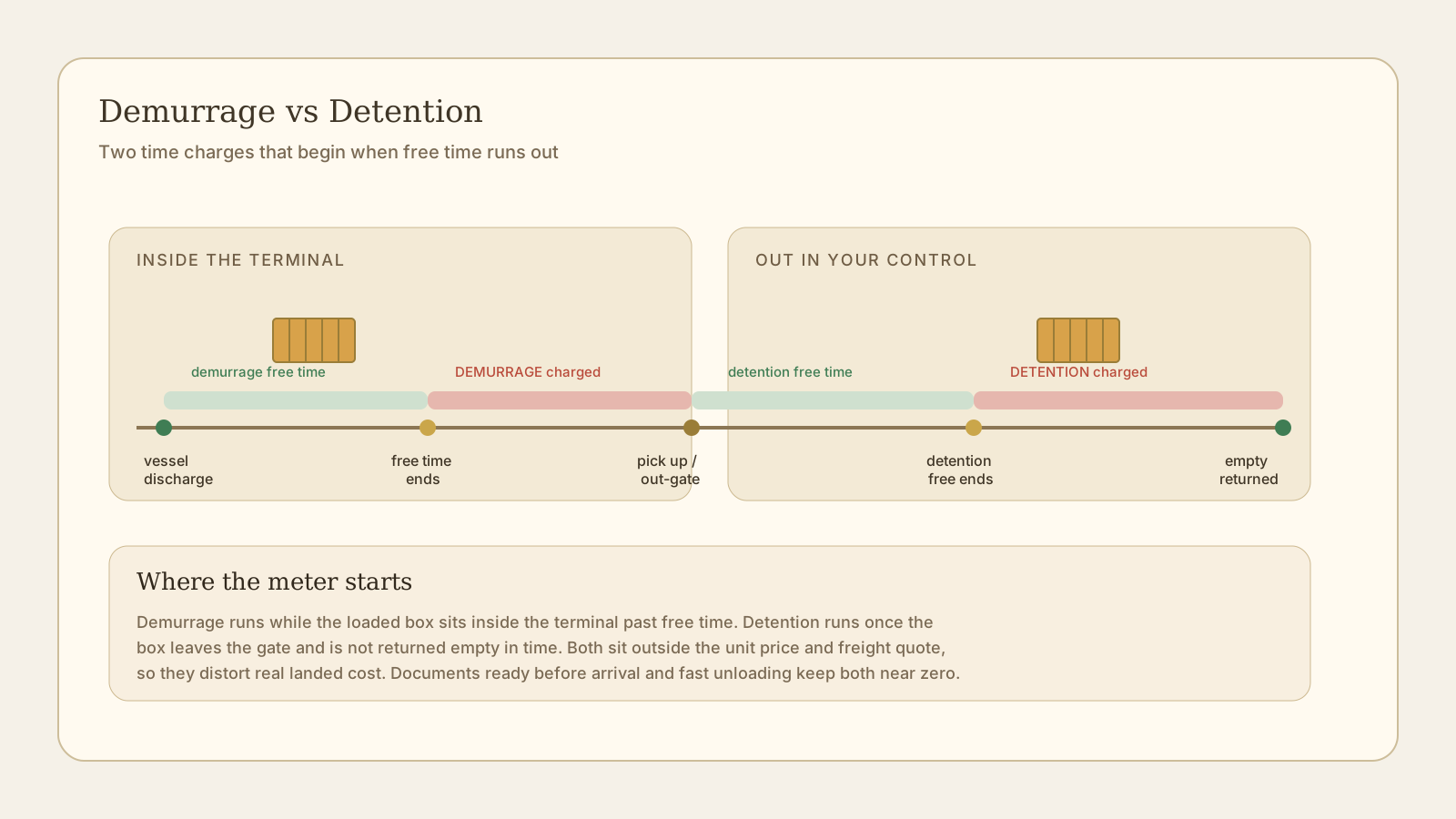
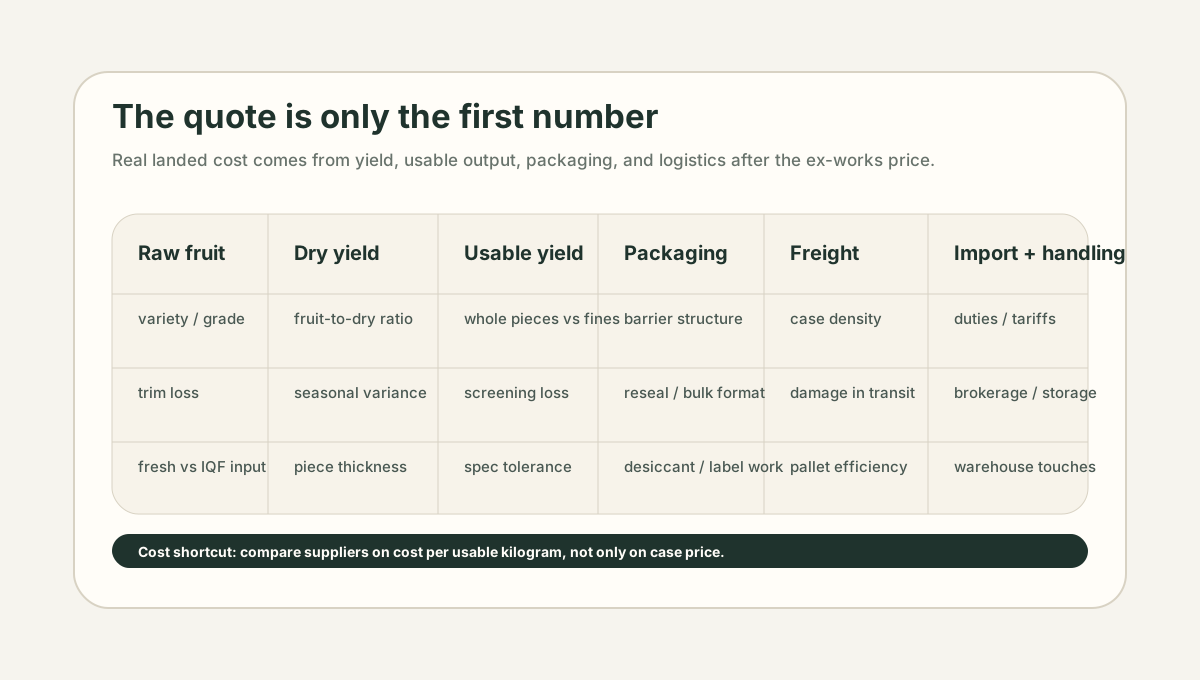
The quoted case price is only the starting point. Freeze-dried fruit landed cost is shaped by six major buckets: raw fruit value, dry yield, usable yield after breakage and screening, packaging format, freight and import costs, and the buying spec itself. If a quote looks unusually low, one of those buckets is usually being carried somewhere else in the system.
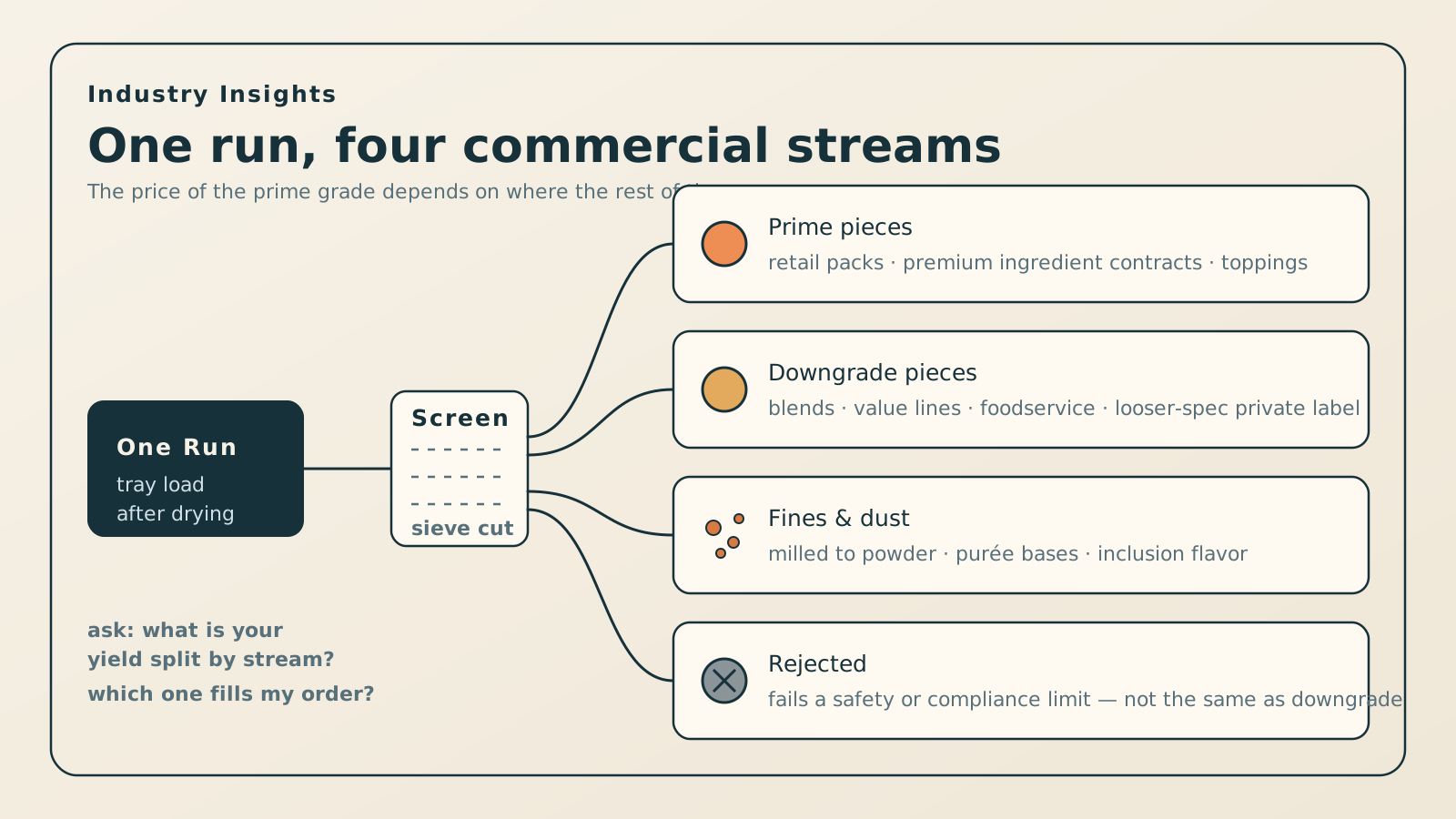
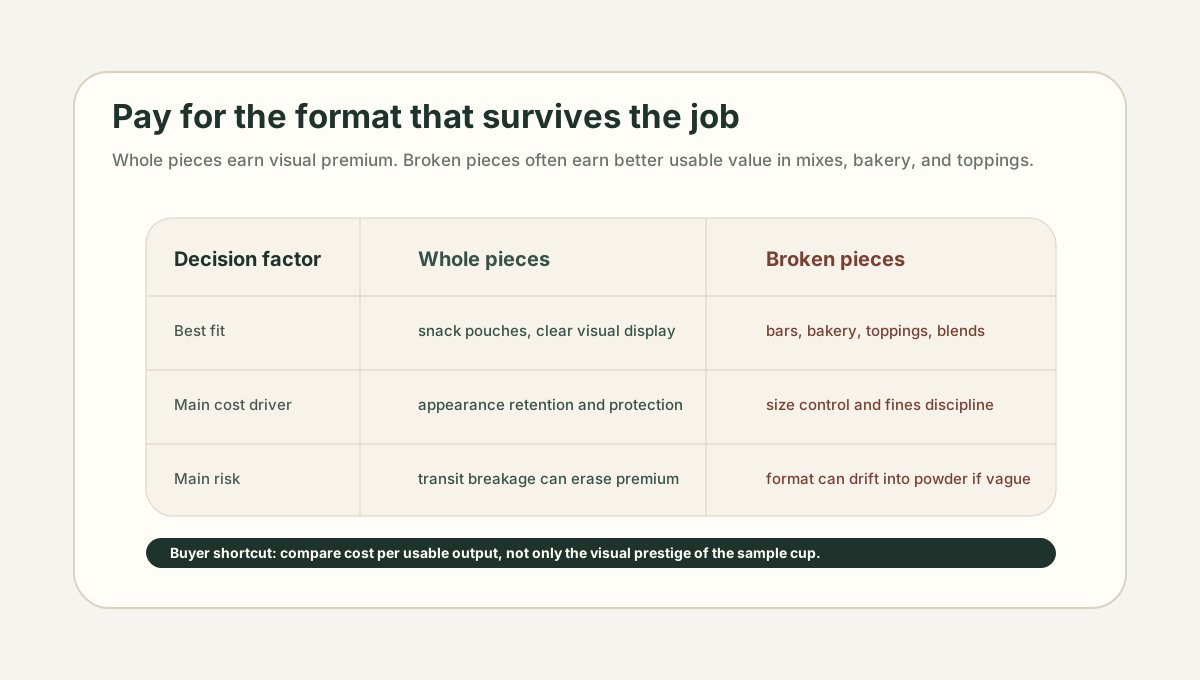
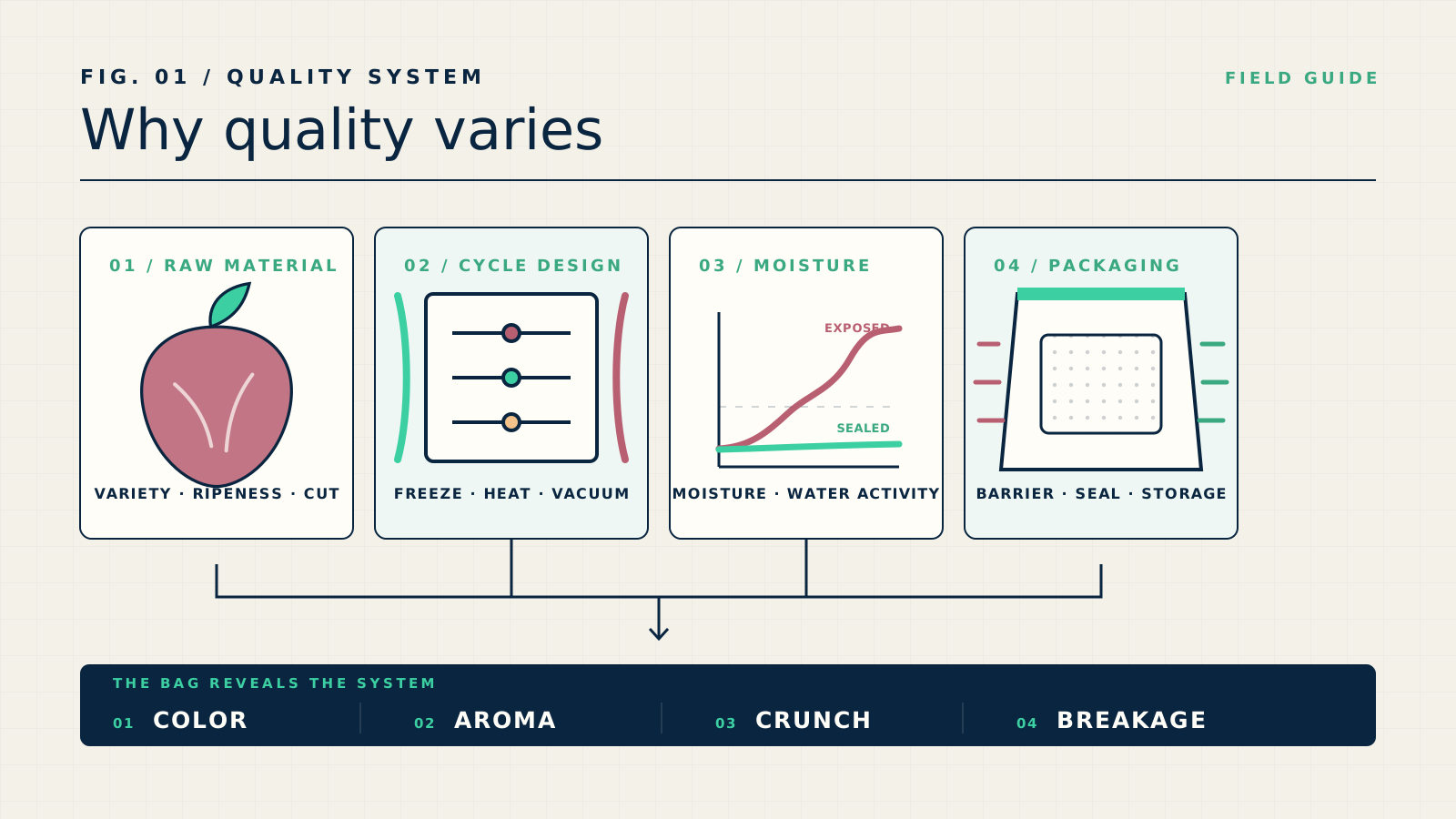
Raw fruit is only the beginning. Variety or grade choice, ripeness window, trim loss, peel or seed removal burden, and fresh-versus-frozen starting format all change the math before the dryer even runs. Then dry yield tells you how much product comes out of the chamber, and usable yield tells you how much of that product still matches the application you are paying for. A topping format may accept fragments that a premium whole-piece snack would reject — same fruit, different cost basis.
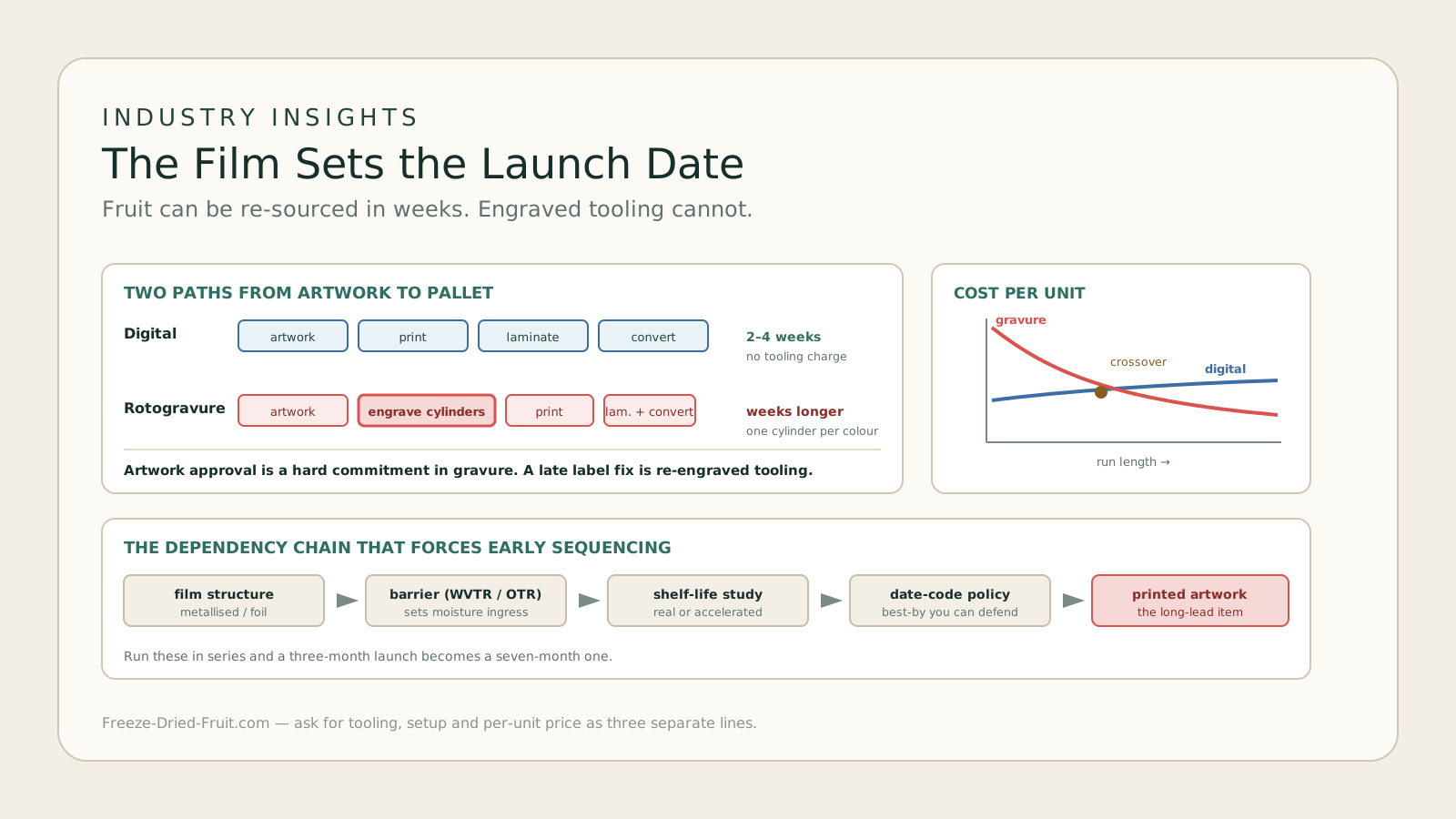
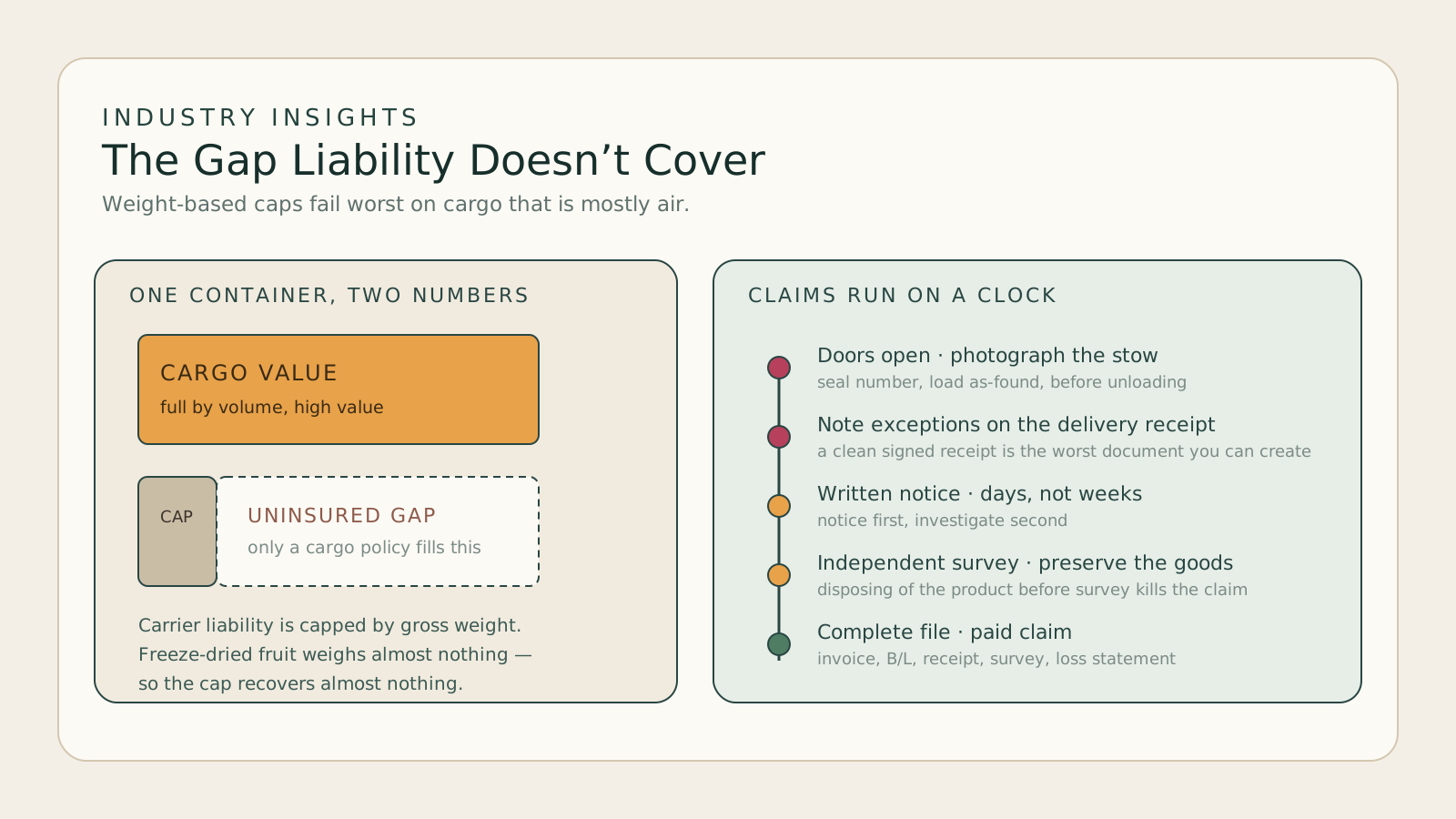
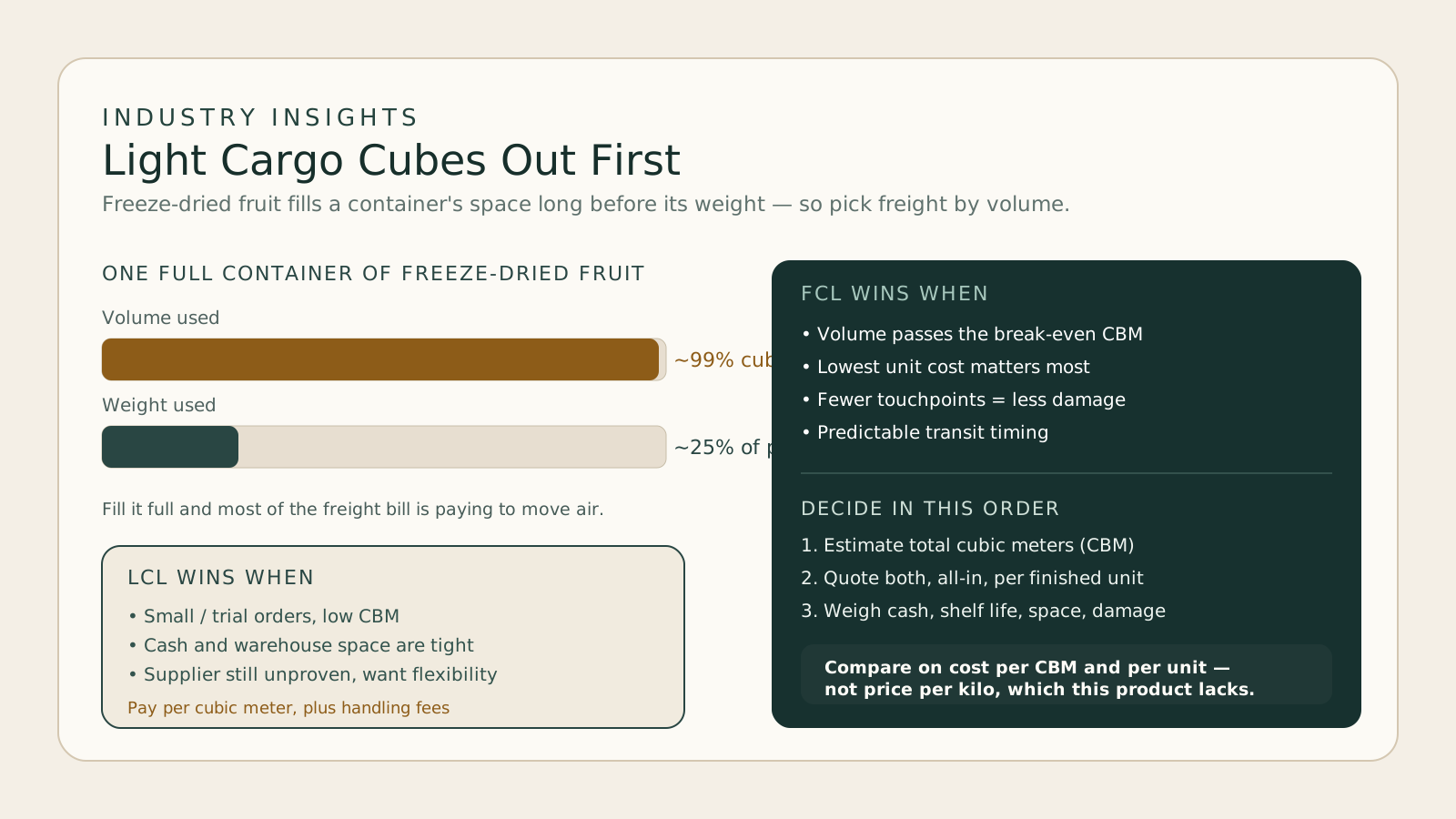
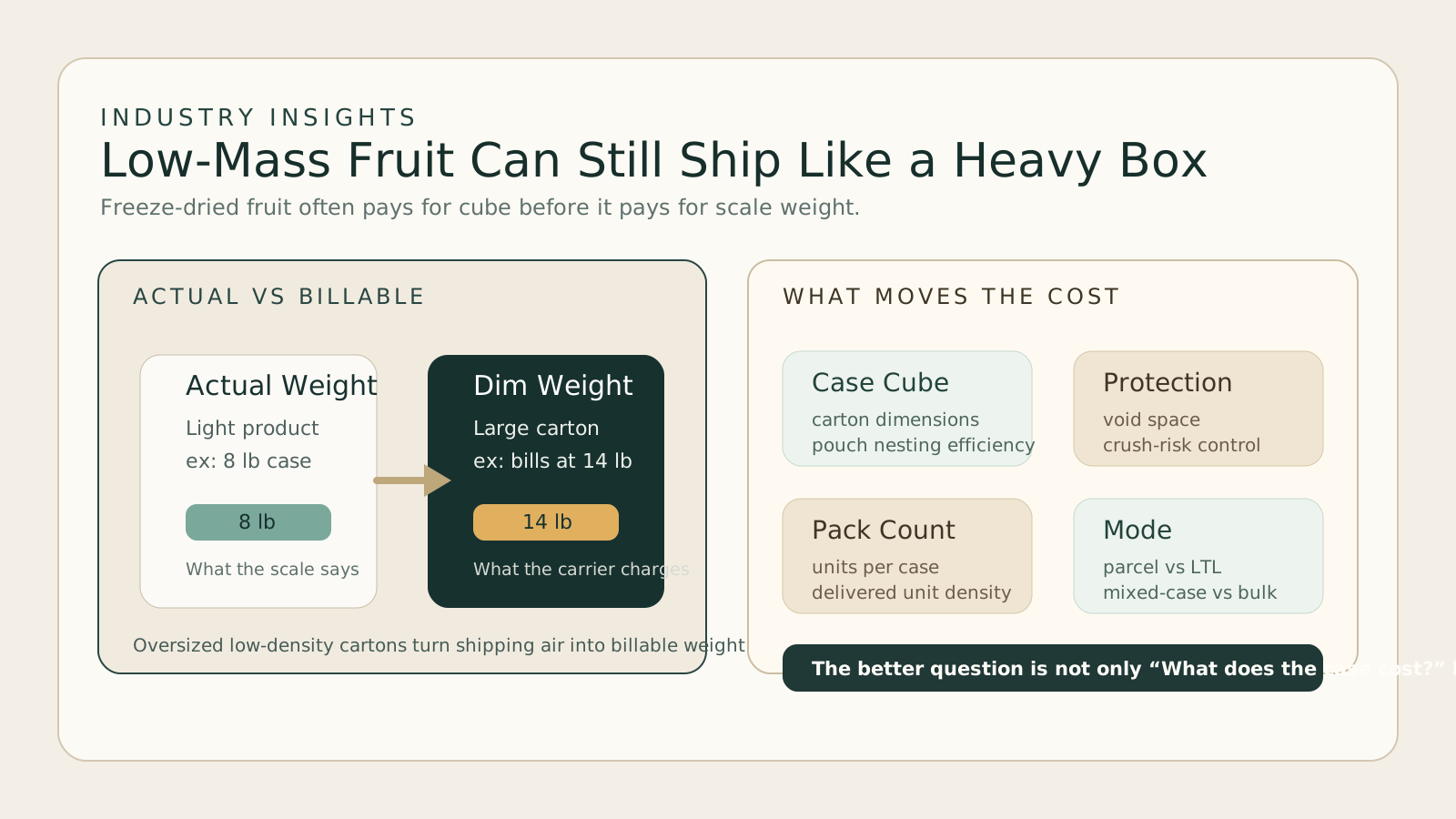
Packaging is easy to underestimate because it arrives late in the conversation. Pouch structure, barrier level, resealable format, bulk liner design, fill weights, and case density can each move landed cost meaningfully. Freight is its own surprise: freeze-dried fruit is light but bulky, so a denser, better-packed case can outperform a cheaper but less efficient quote.
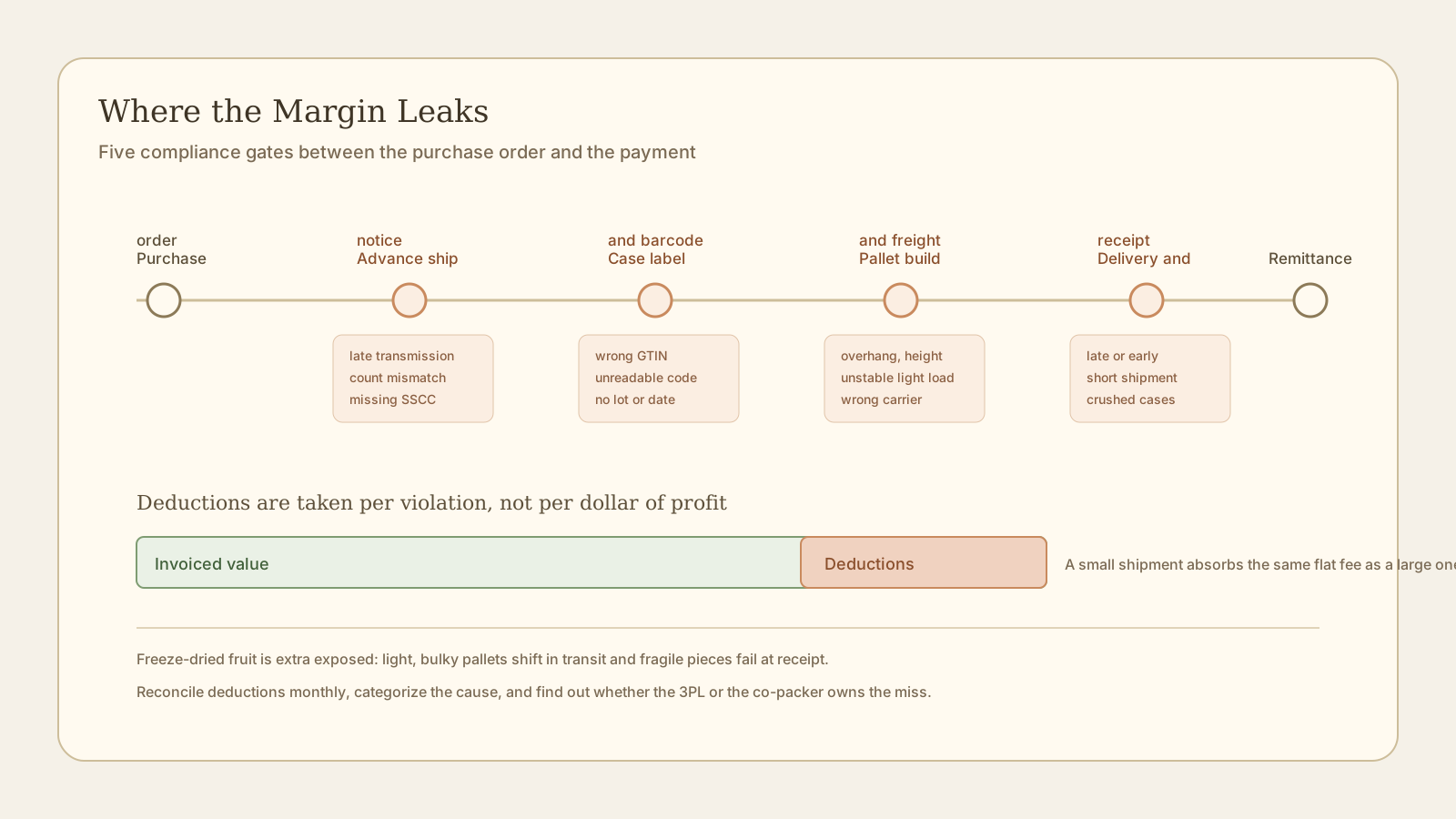
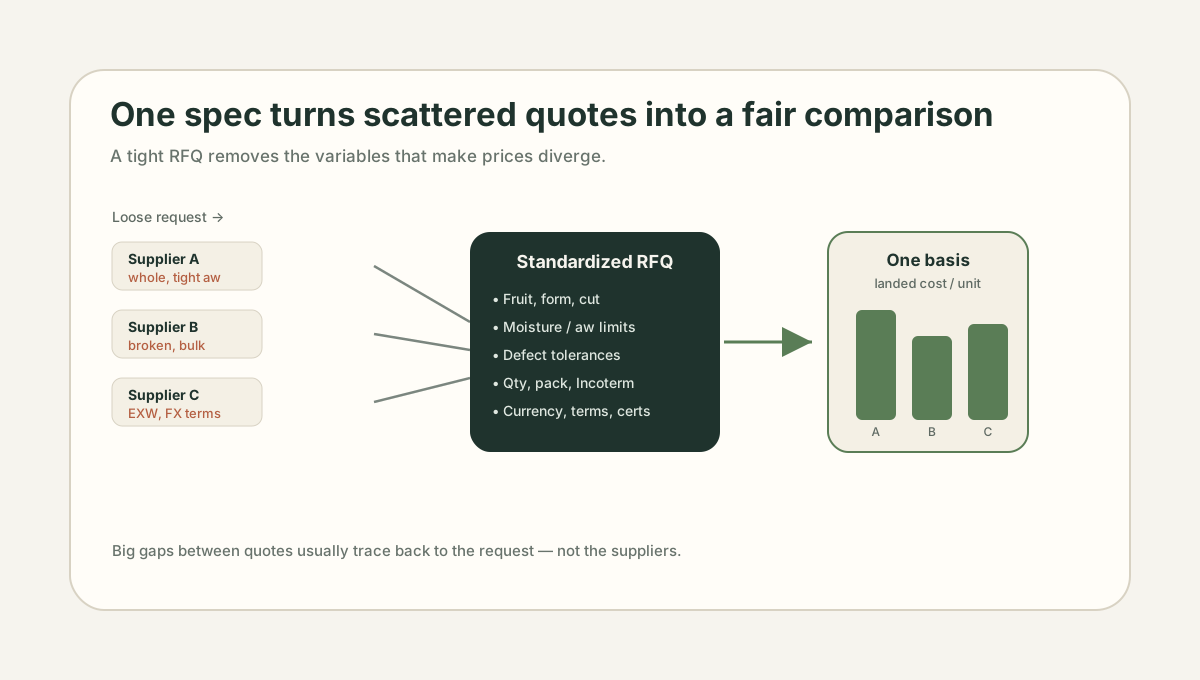
The lowest ex-works price almost always hides cost somewhere — lower usable yield, broader particle-size spread, more breakage in transit, weaker packaging protection, more complaints. Those costs show up later as write-offs, rework, and margin loss, not on the quote sheet.
Evaluating a supplier
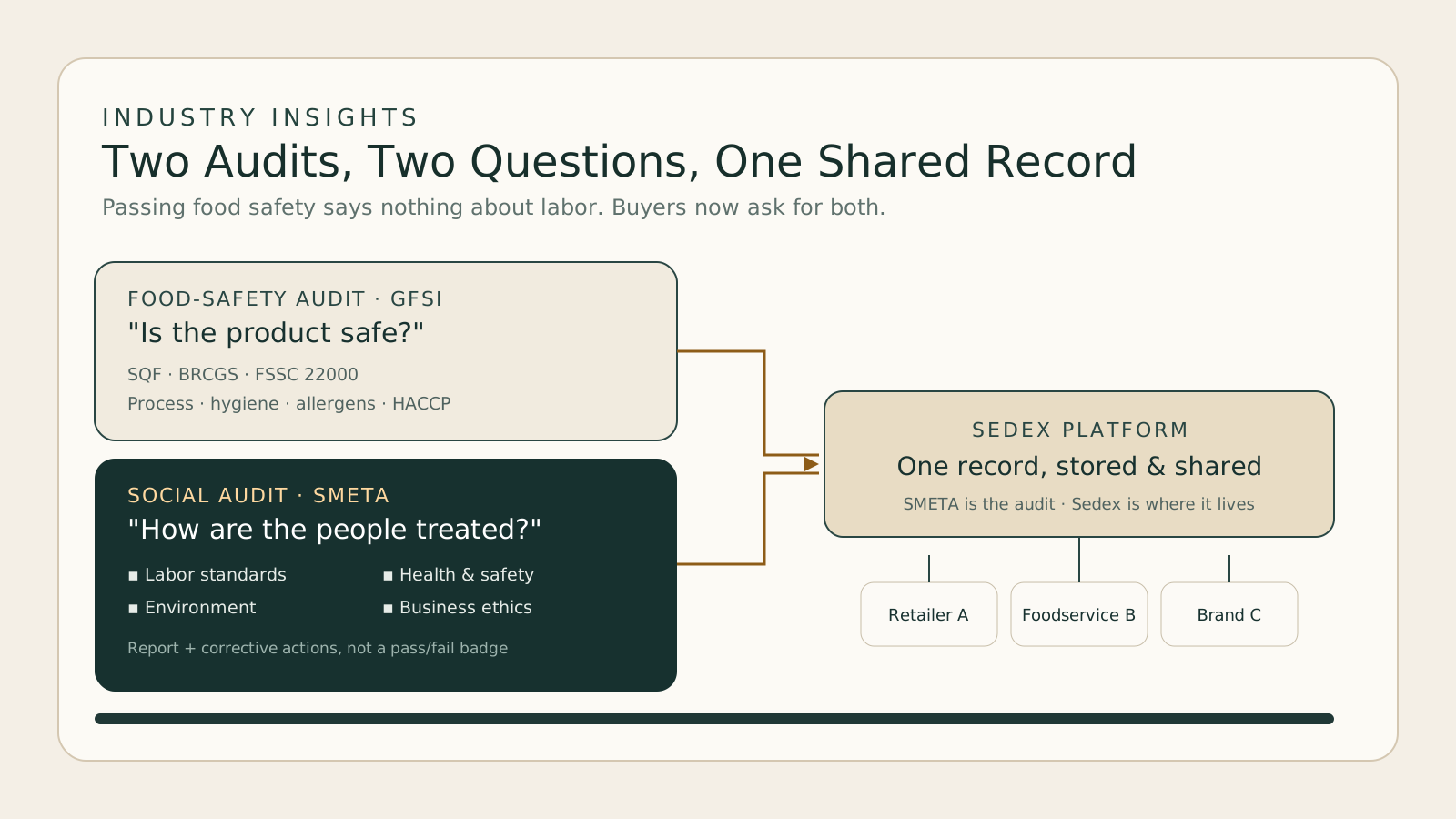
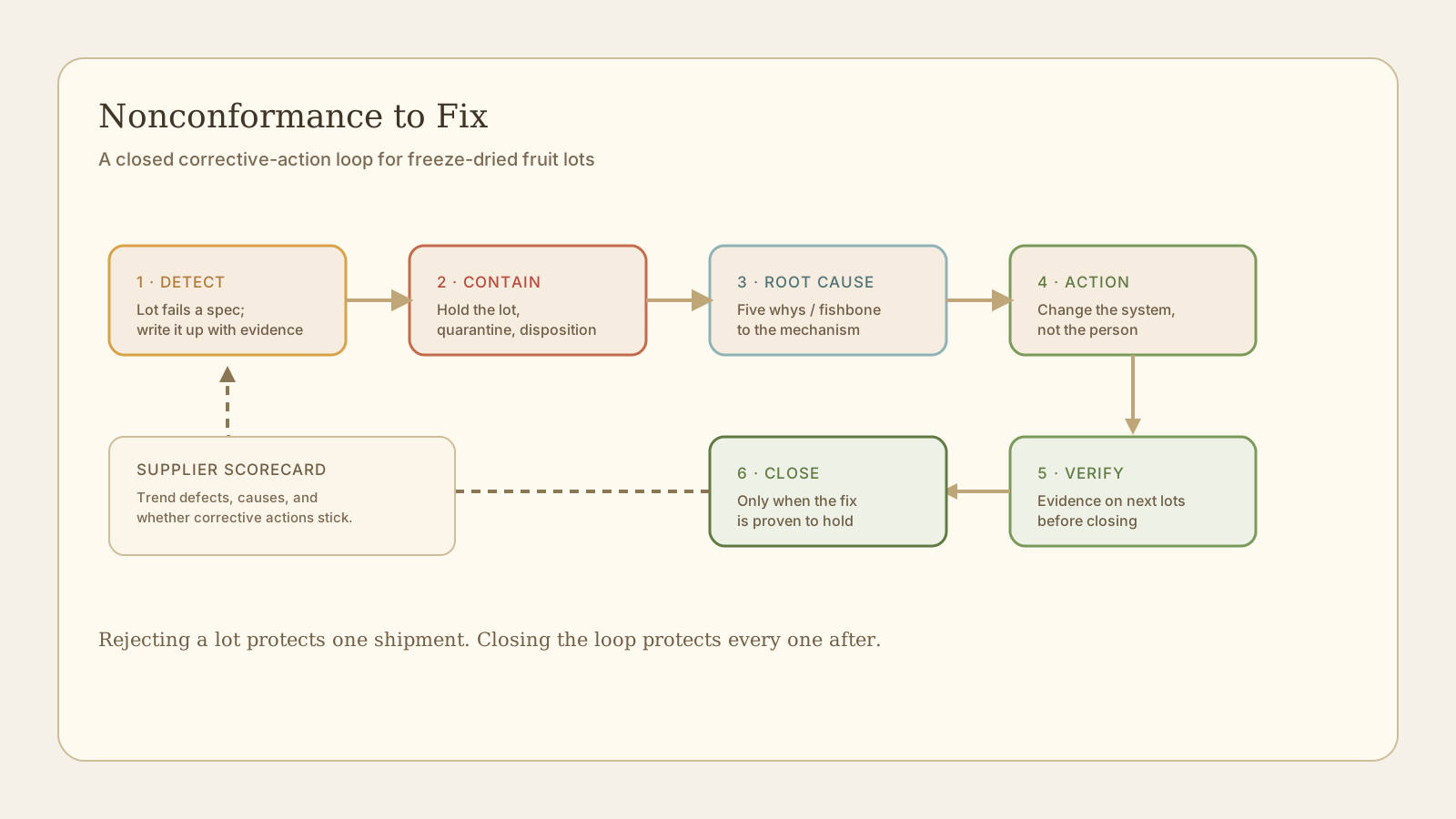
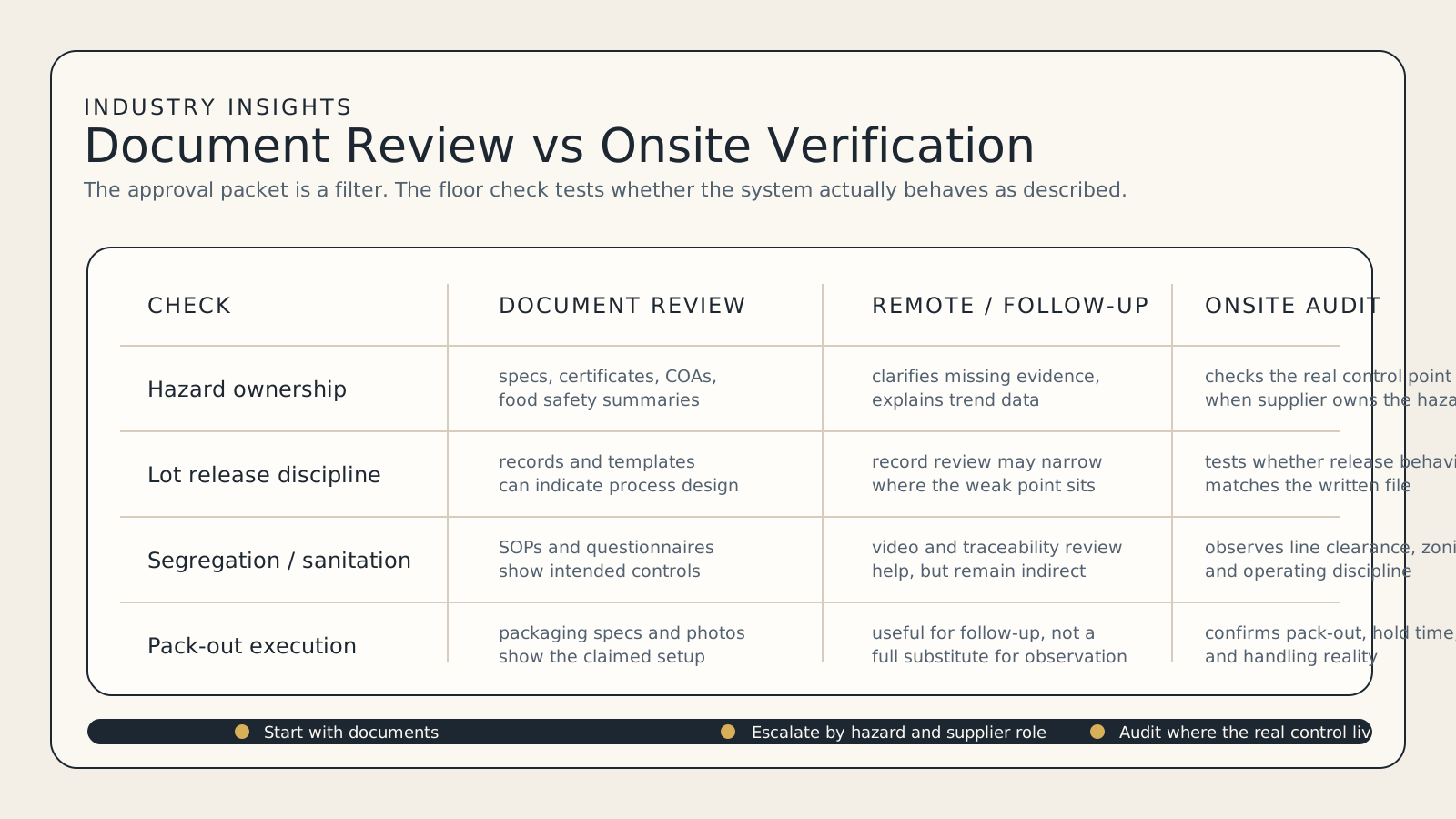
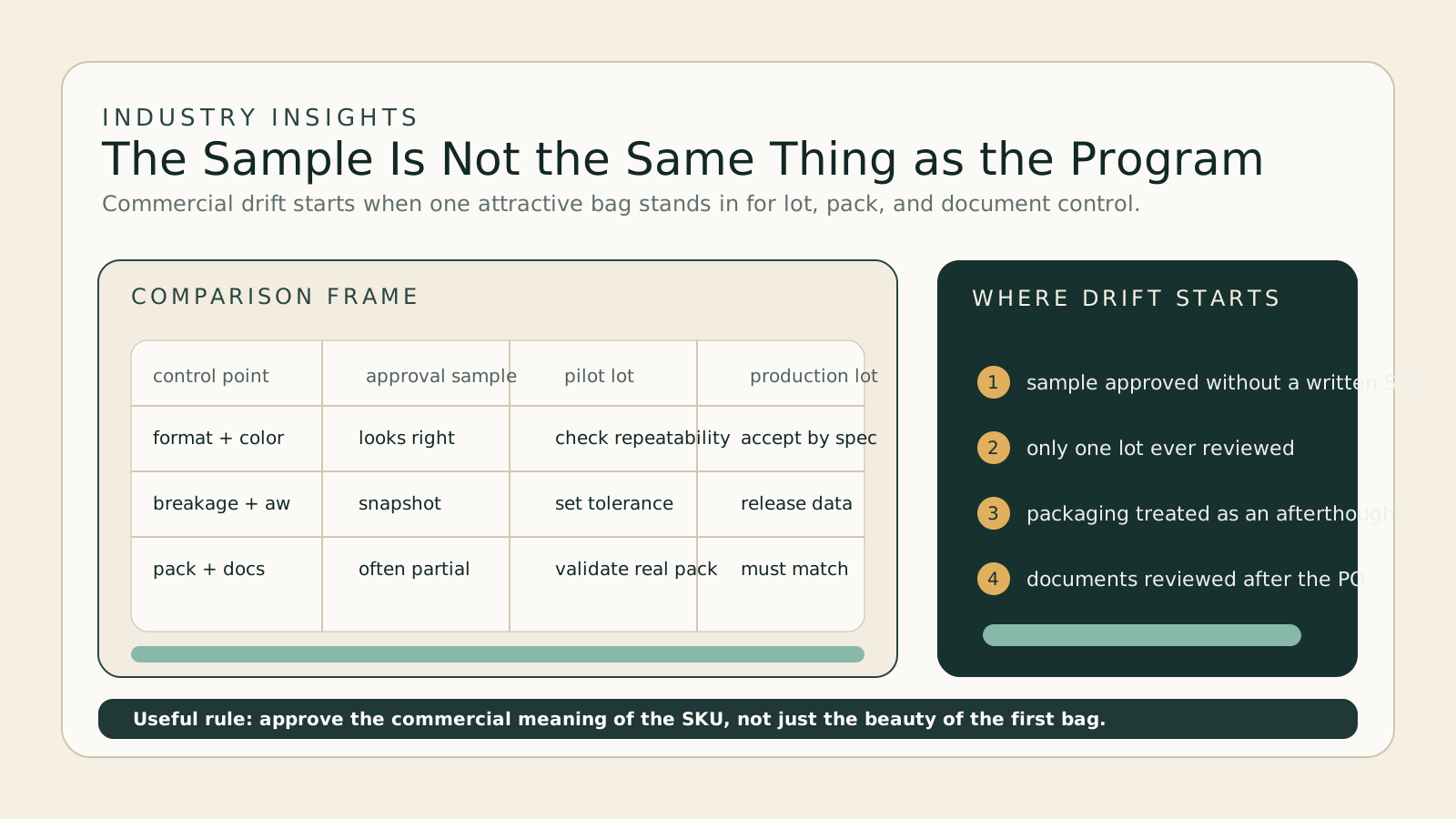
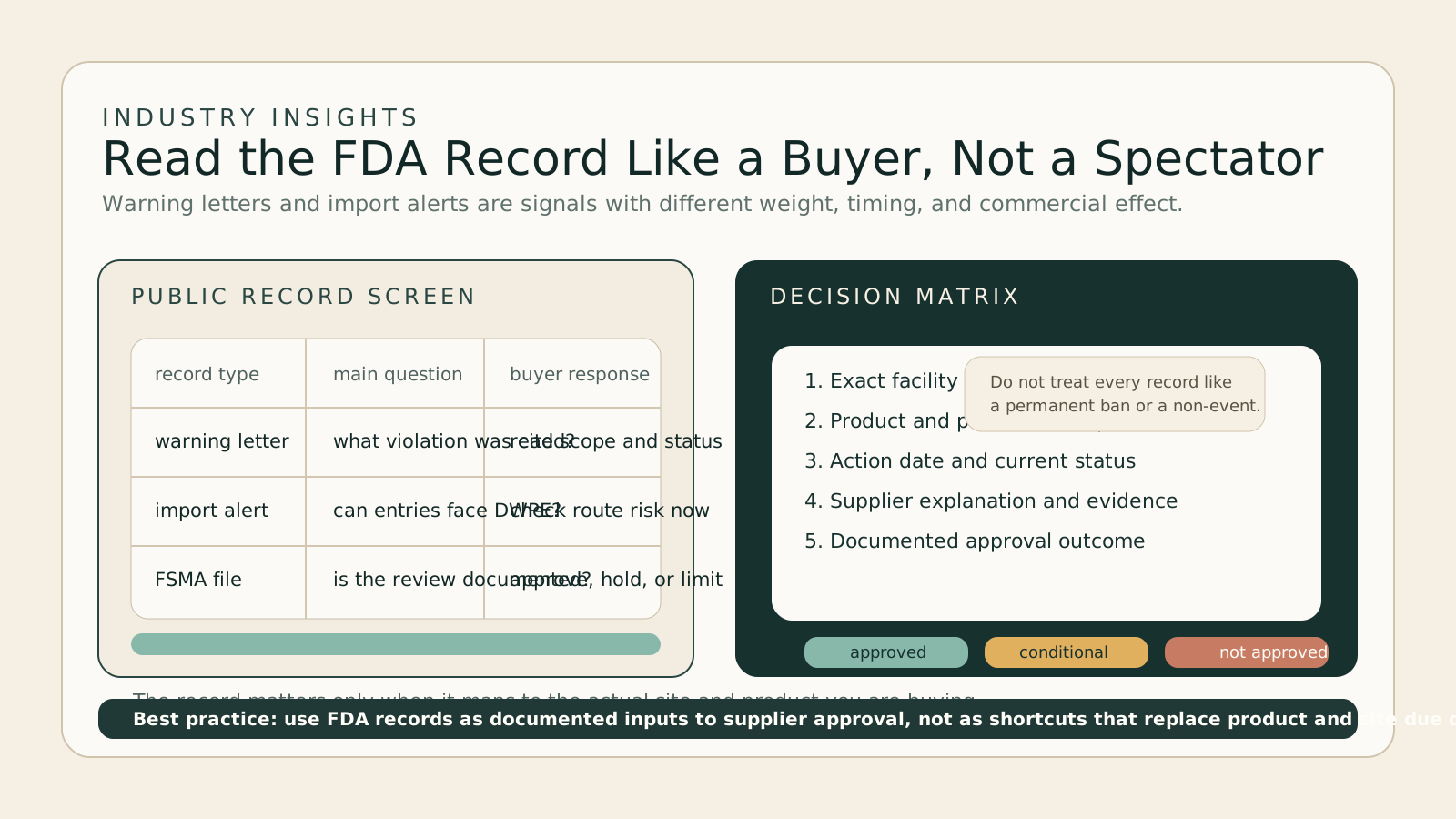
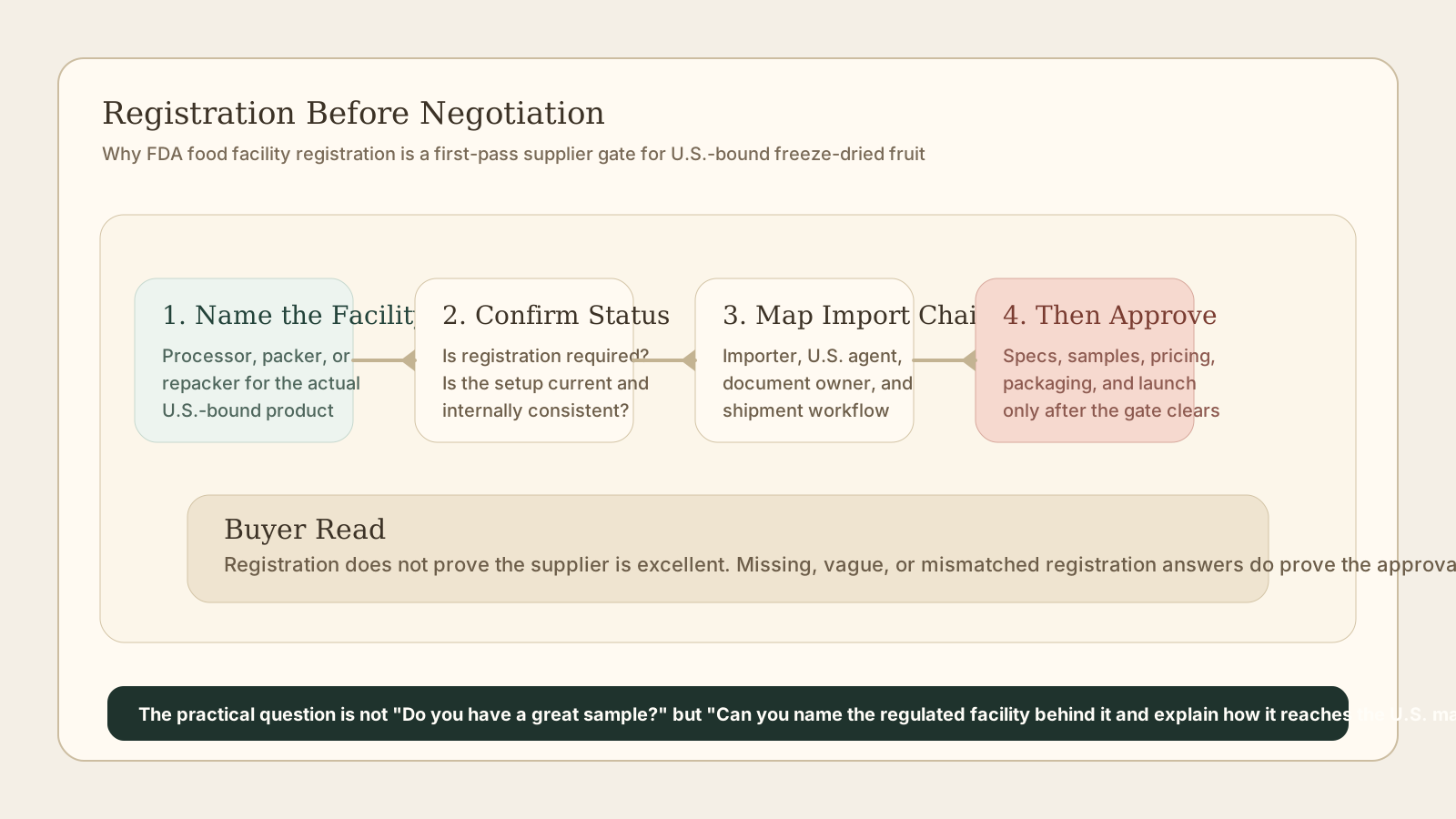
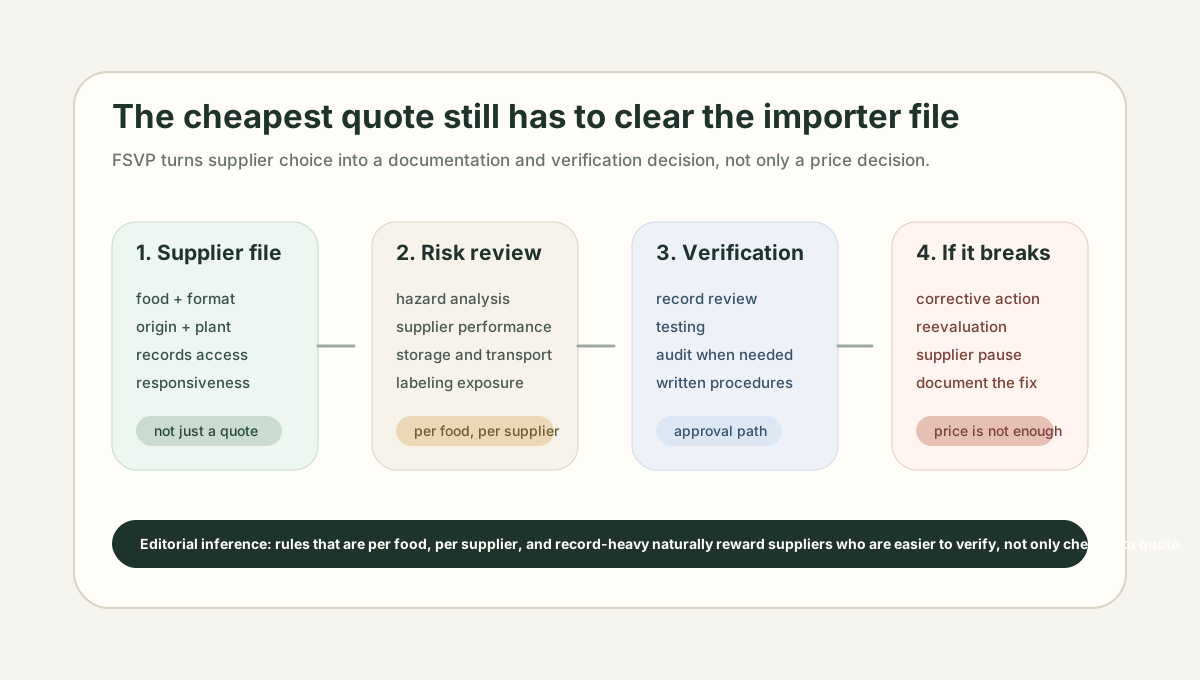
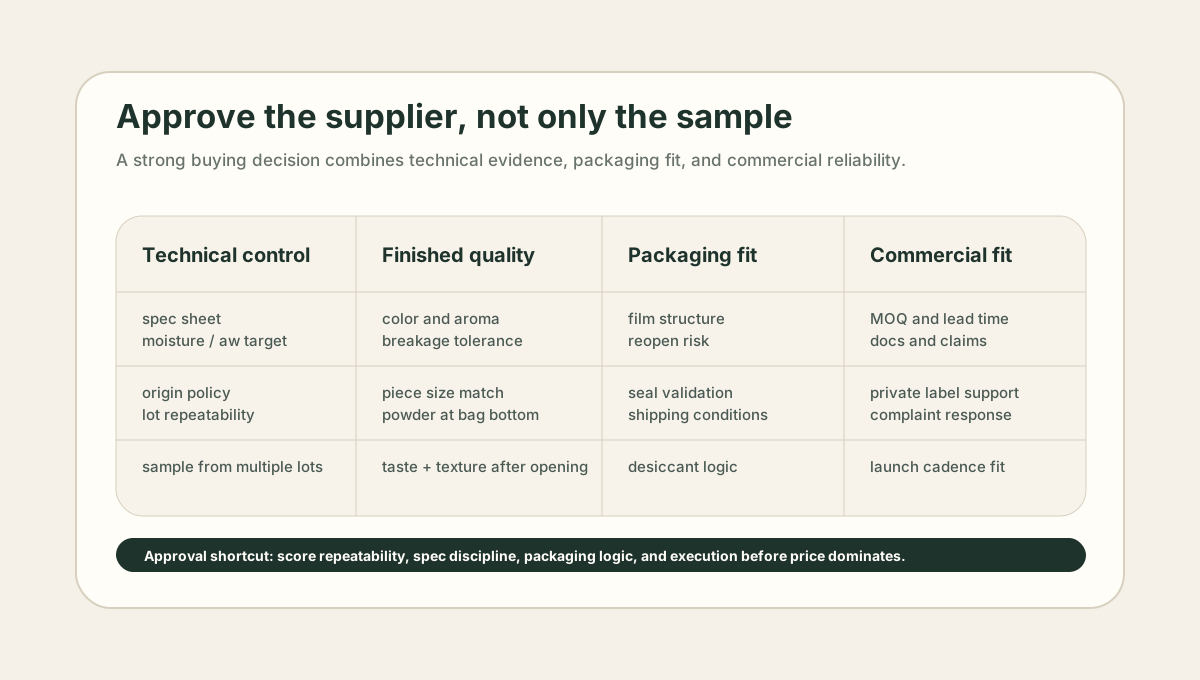
Freeze-dried fruit supplier approval should not depend on a single strong sample or a low quoted price. Evaluate four things together: technical control, finished-product quality, packaging and logistics fit, and commercial reliability. If any one of those is weak, the relationship may still fail even when the fruit tastes good on day one.
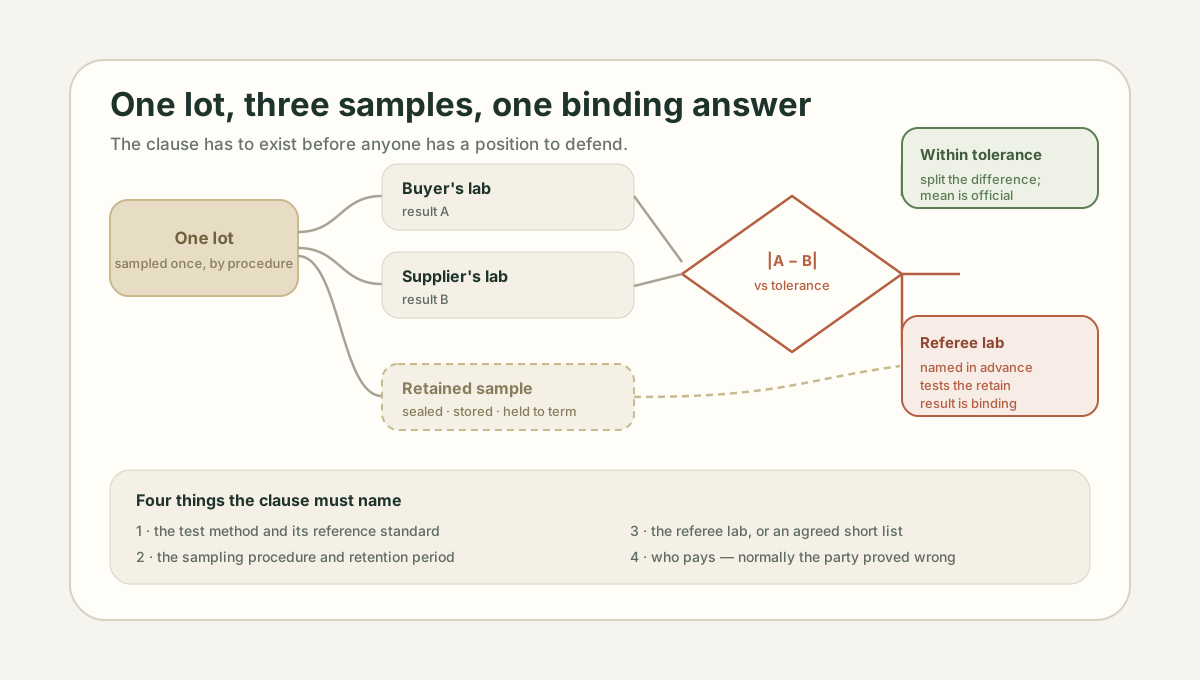
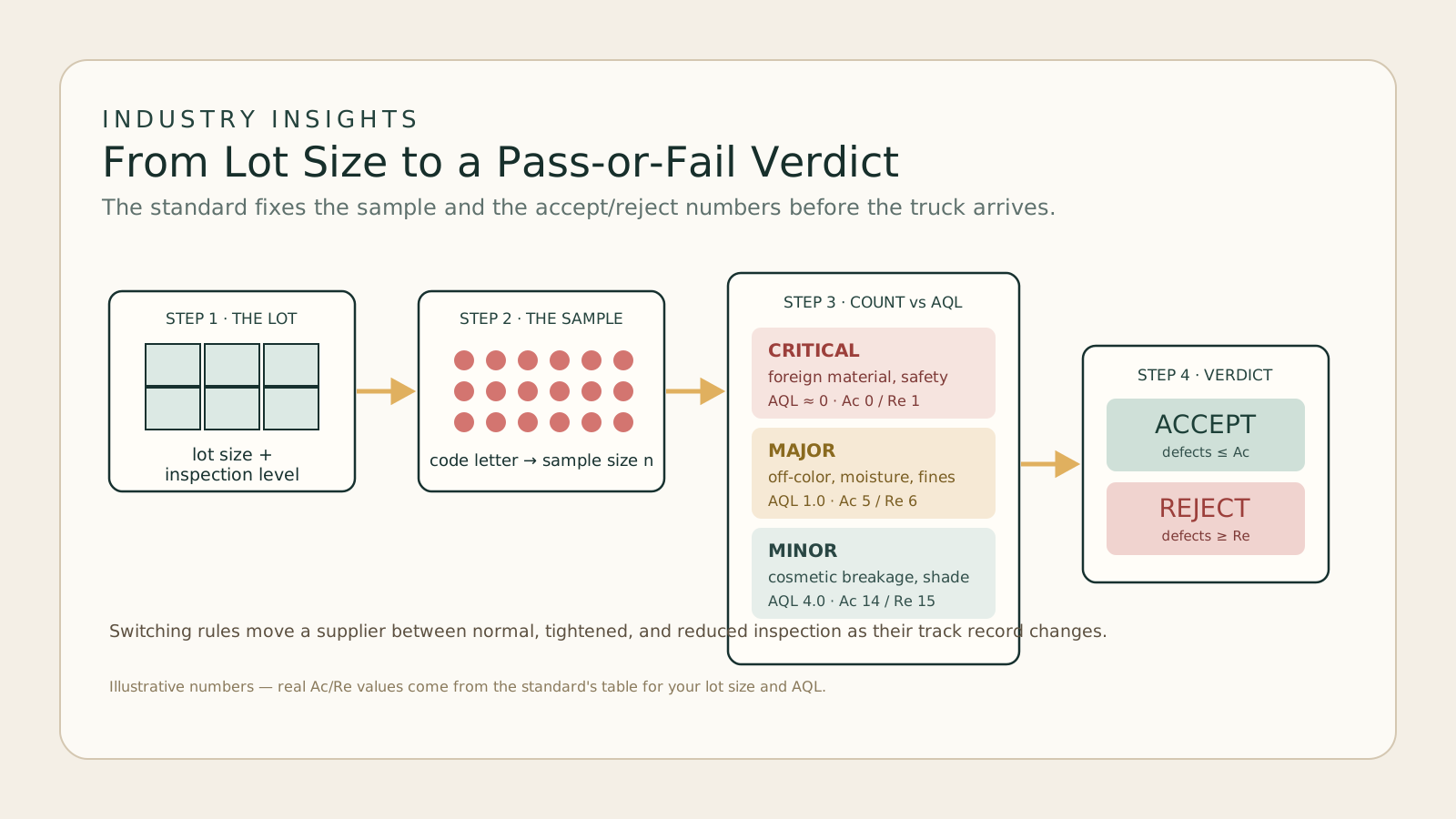
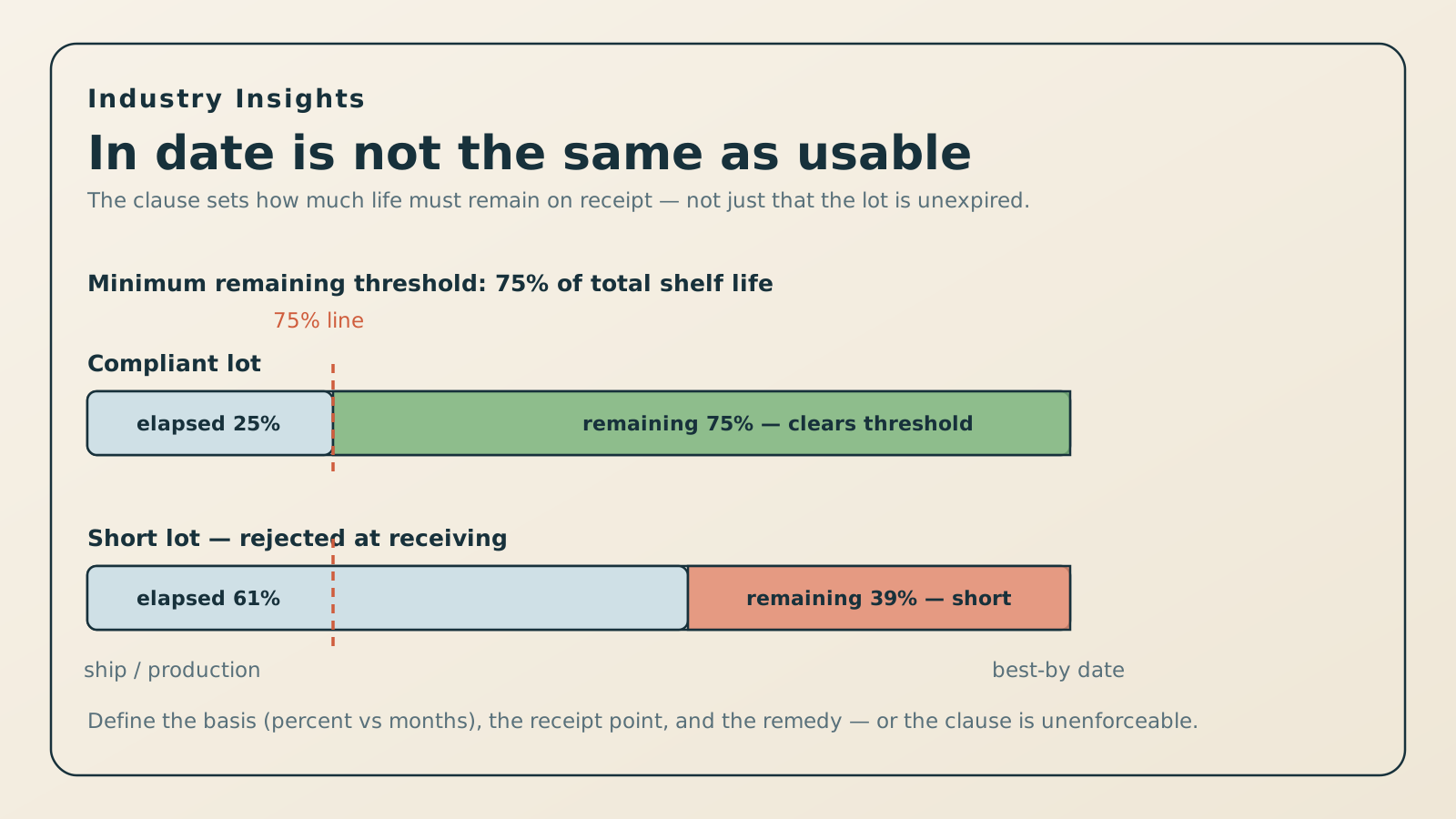
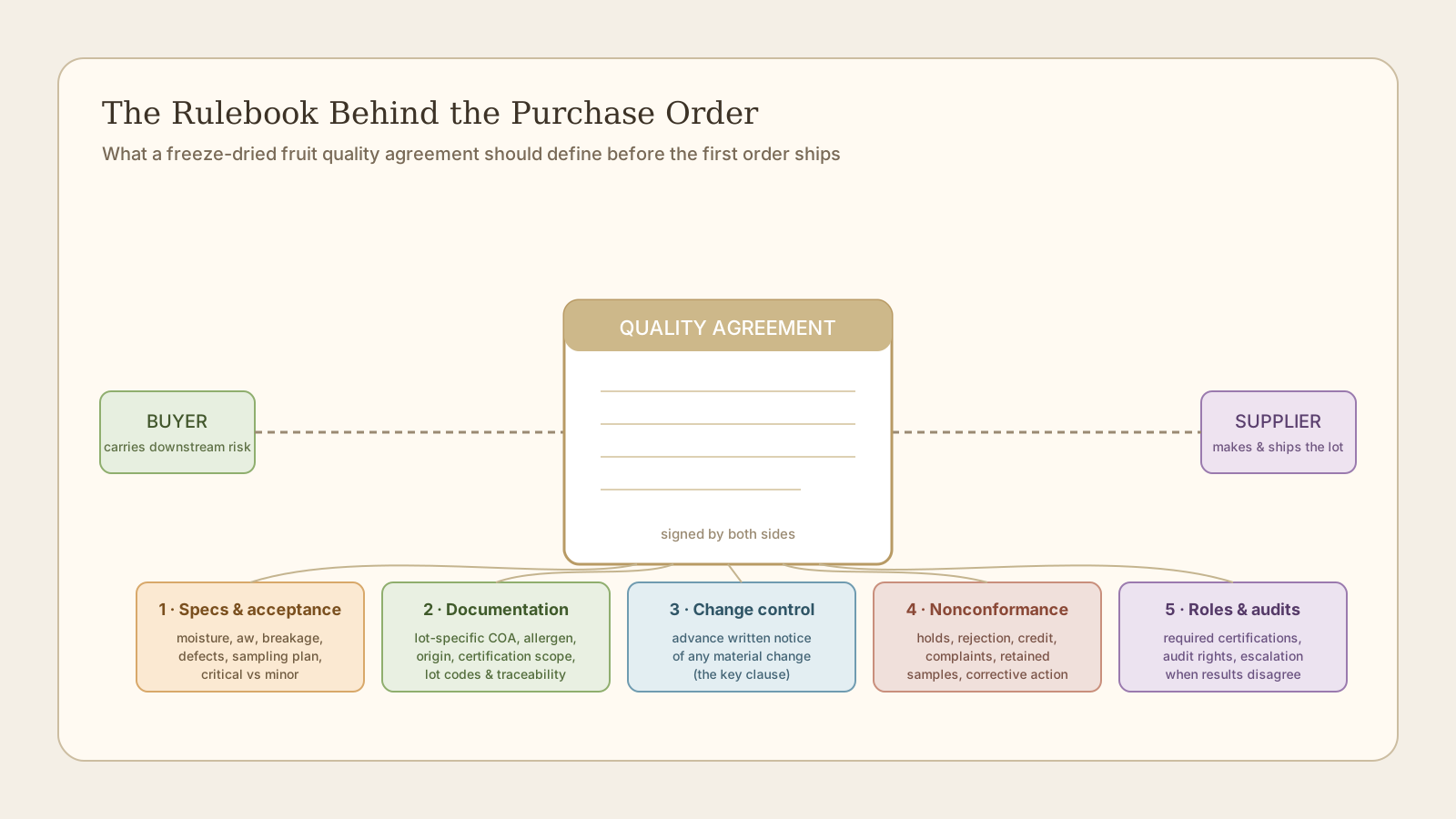
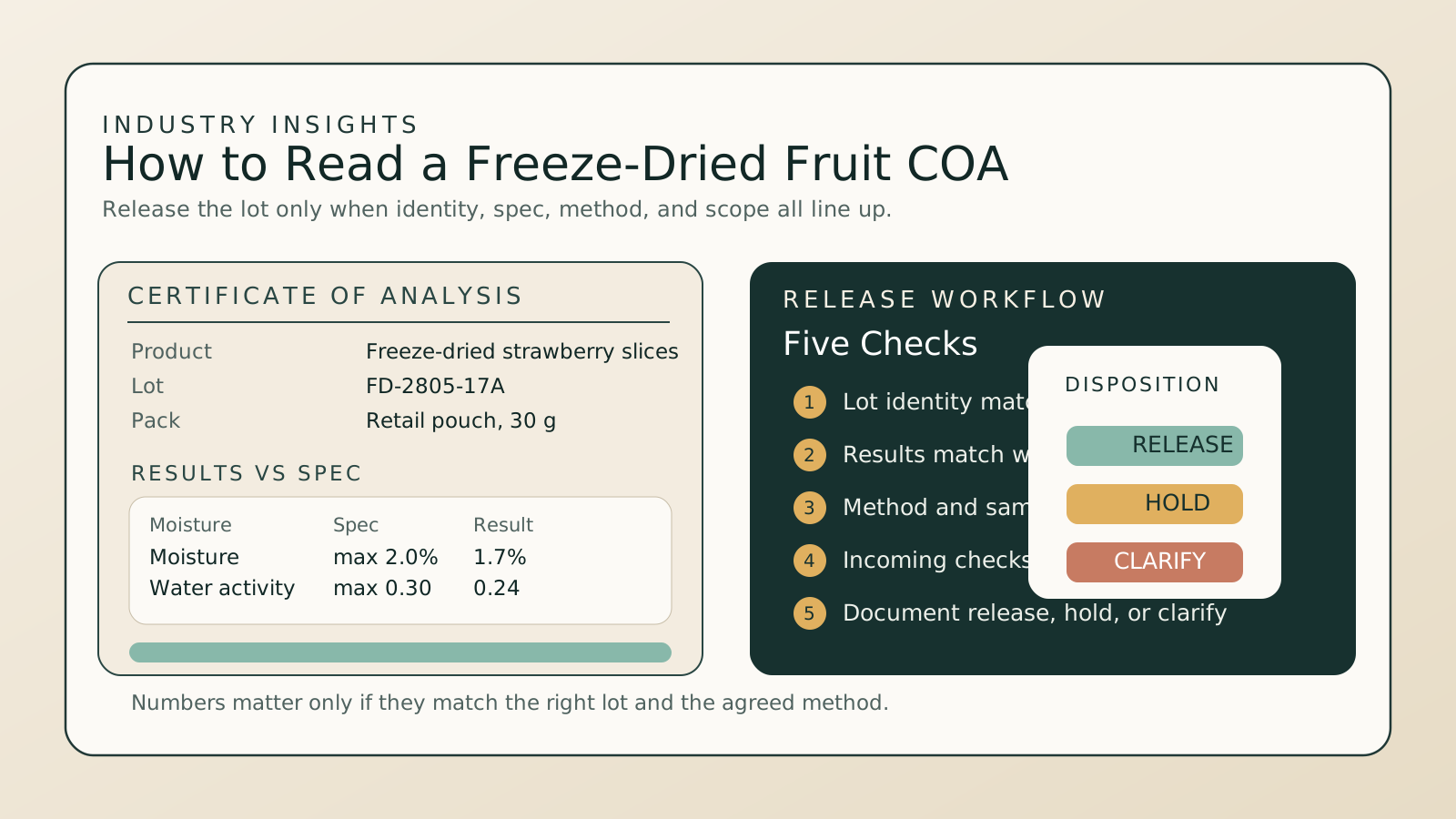
Start with the written specification. Before debating flavor notes or pack design, ask for the spec sheet — fruit identity and format, origin or origin policy, ingredient list, target moisture or water activity, broken-piece tolerance, particle size distribution, packaging format, storage conditions, and microbiological standards. A supplier who cannot provide a clean spec is a supplier whose disputes will arrive subjectively, after the order.
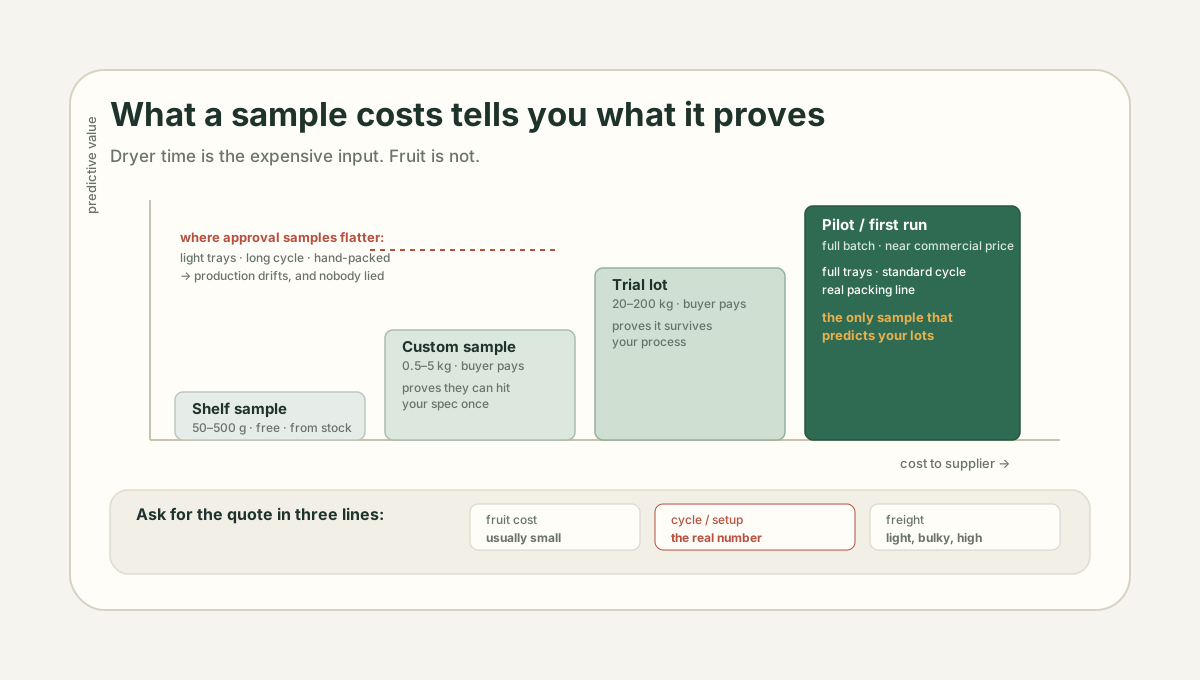
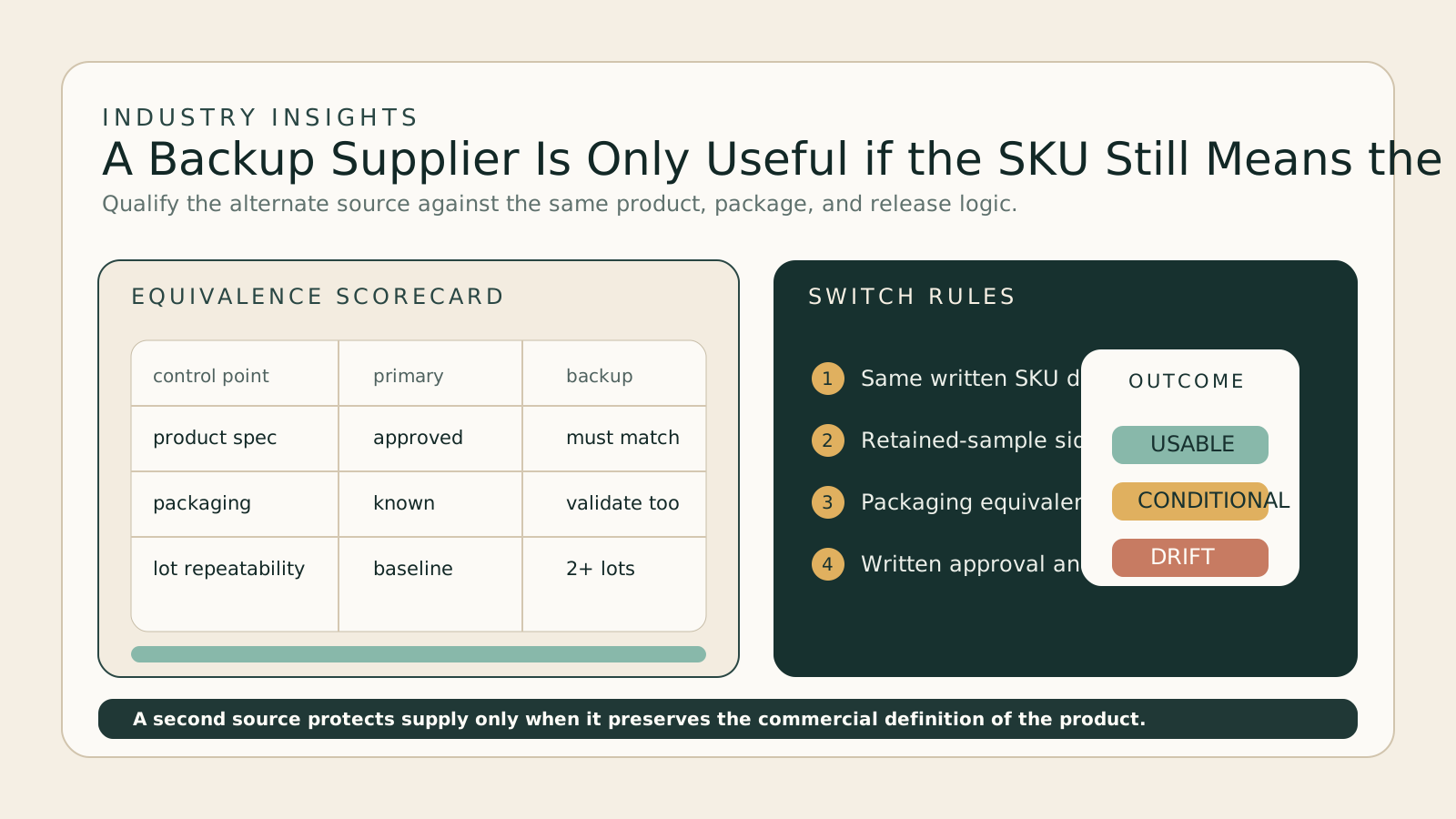
Then ask for samples from at least two production runs. One strong bag can be a lucky batch; two or three lots show whether the supplier can repeat the result. Freeze-dried fruit variability comes from many sources — season, intake ripeness, cut thickness, dryer loading, cycle endpoint, post-drying handling — and a buyer evaluating only one lot may accidentally approve the peak version of the product rather than the normal version.
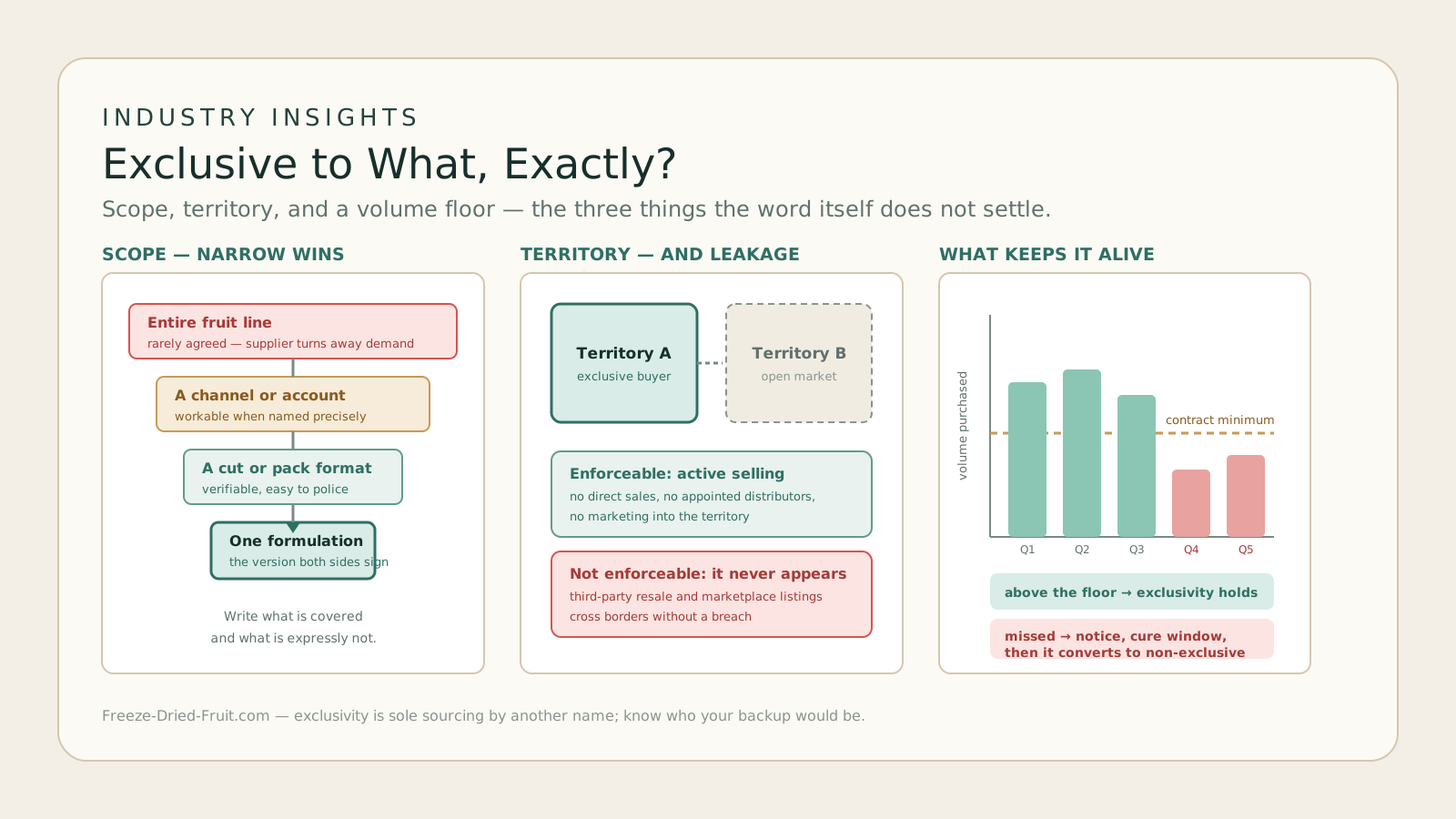
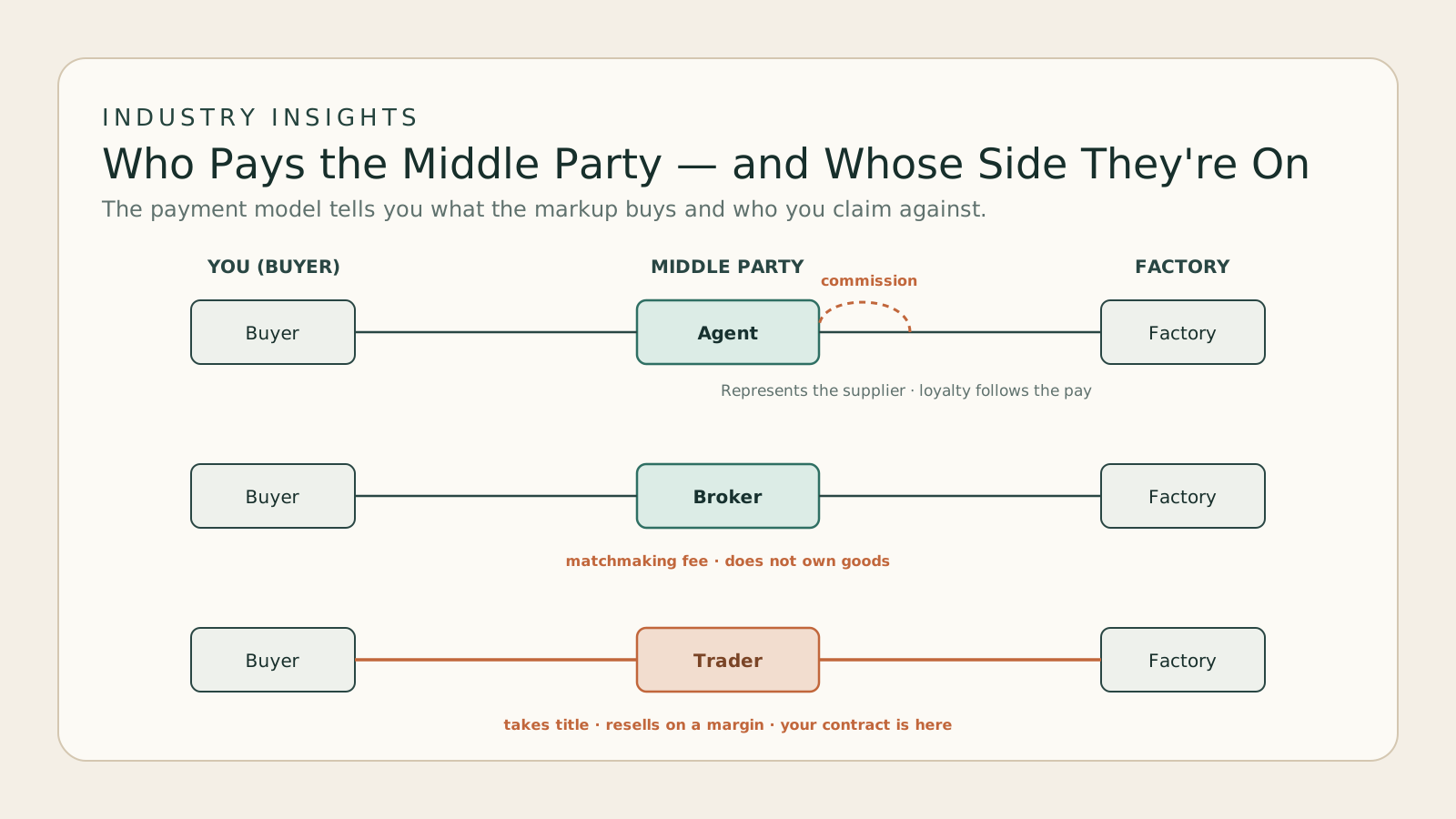
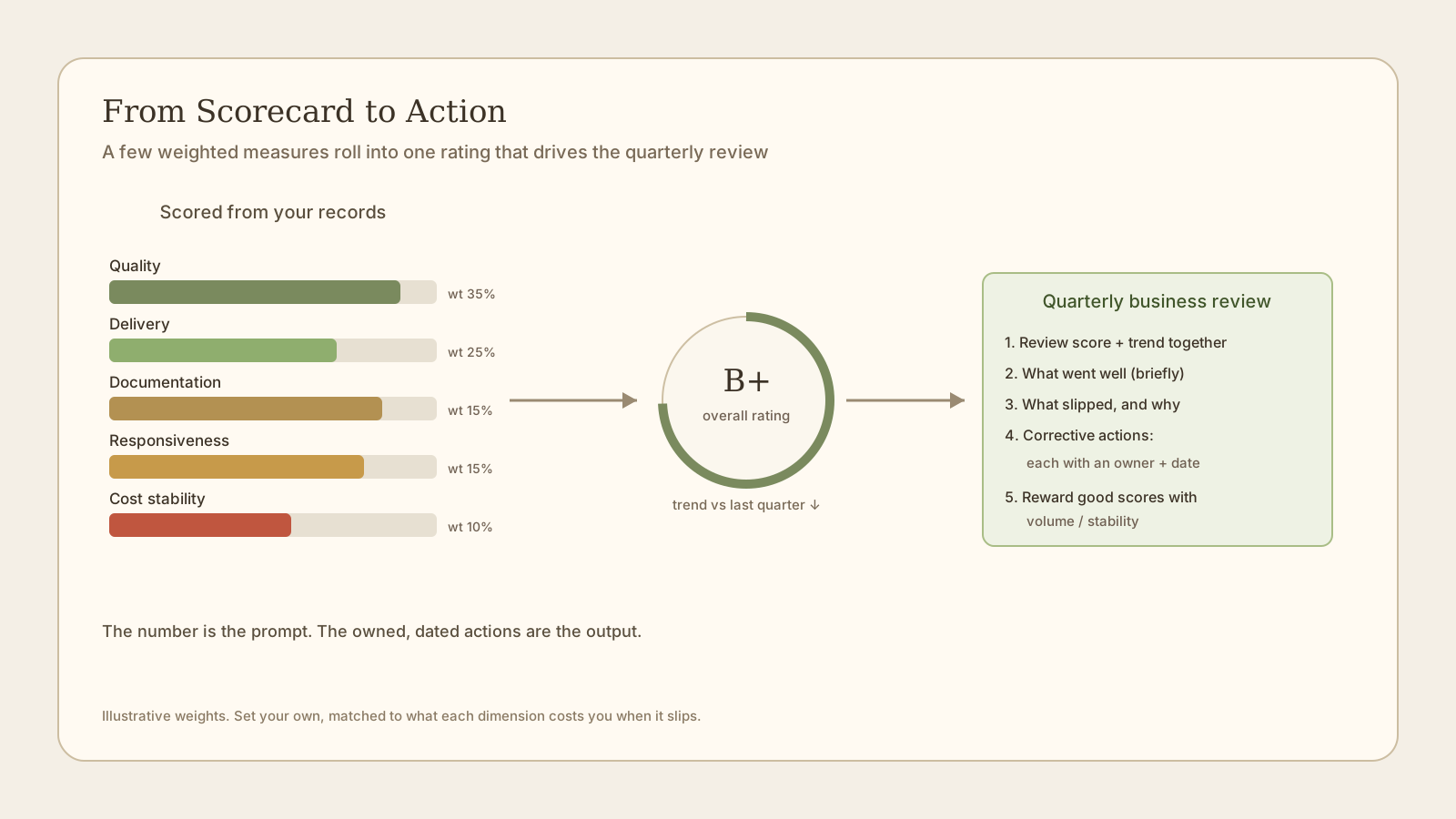
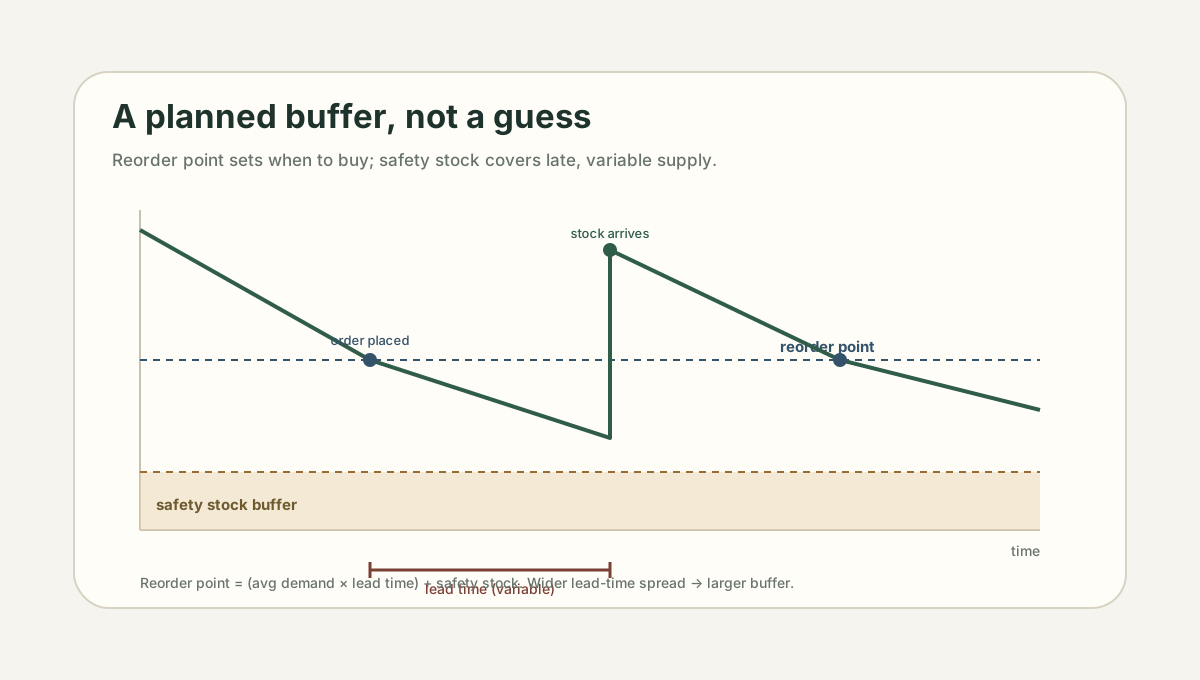
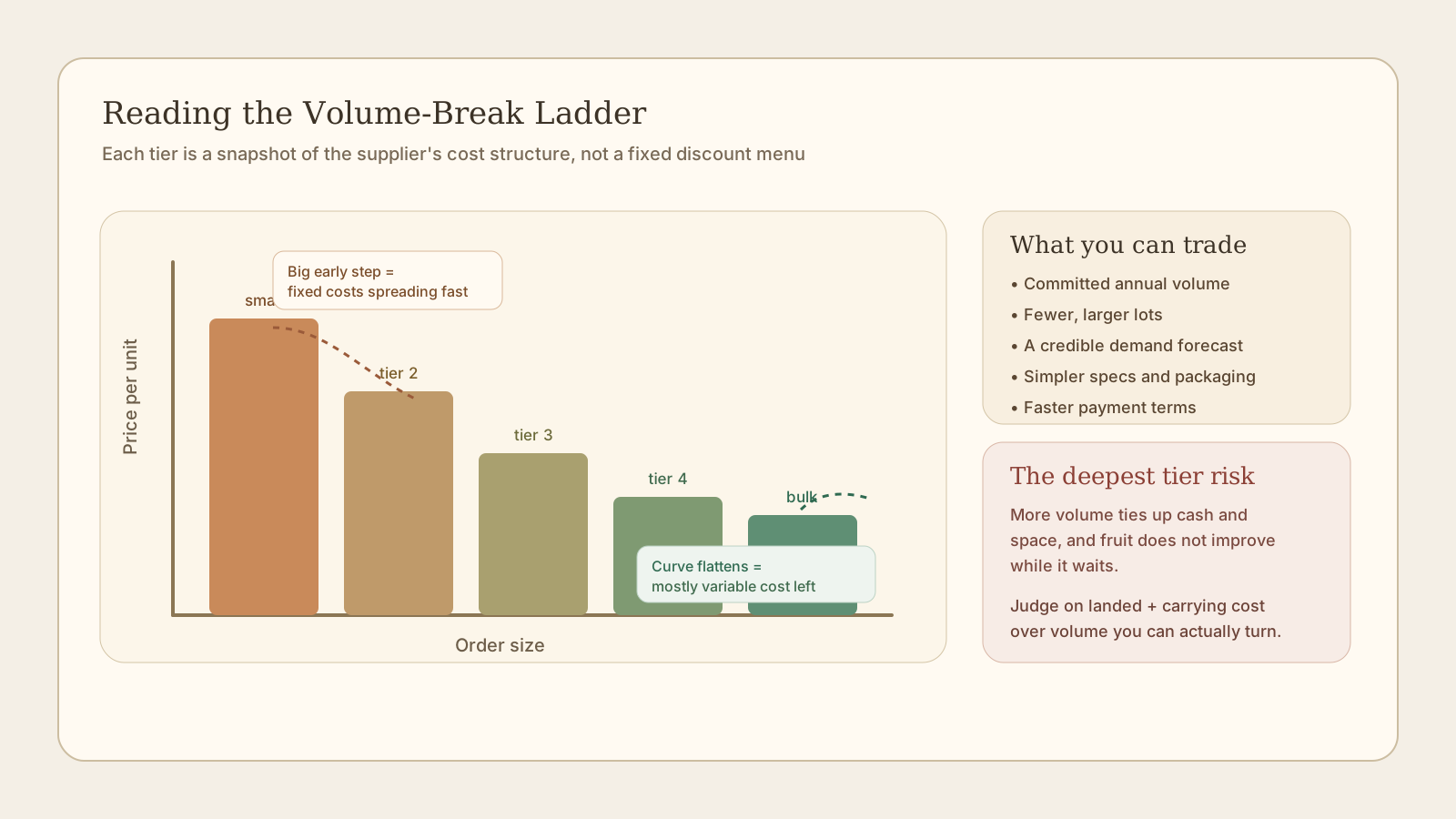
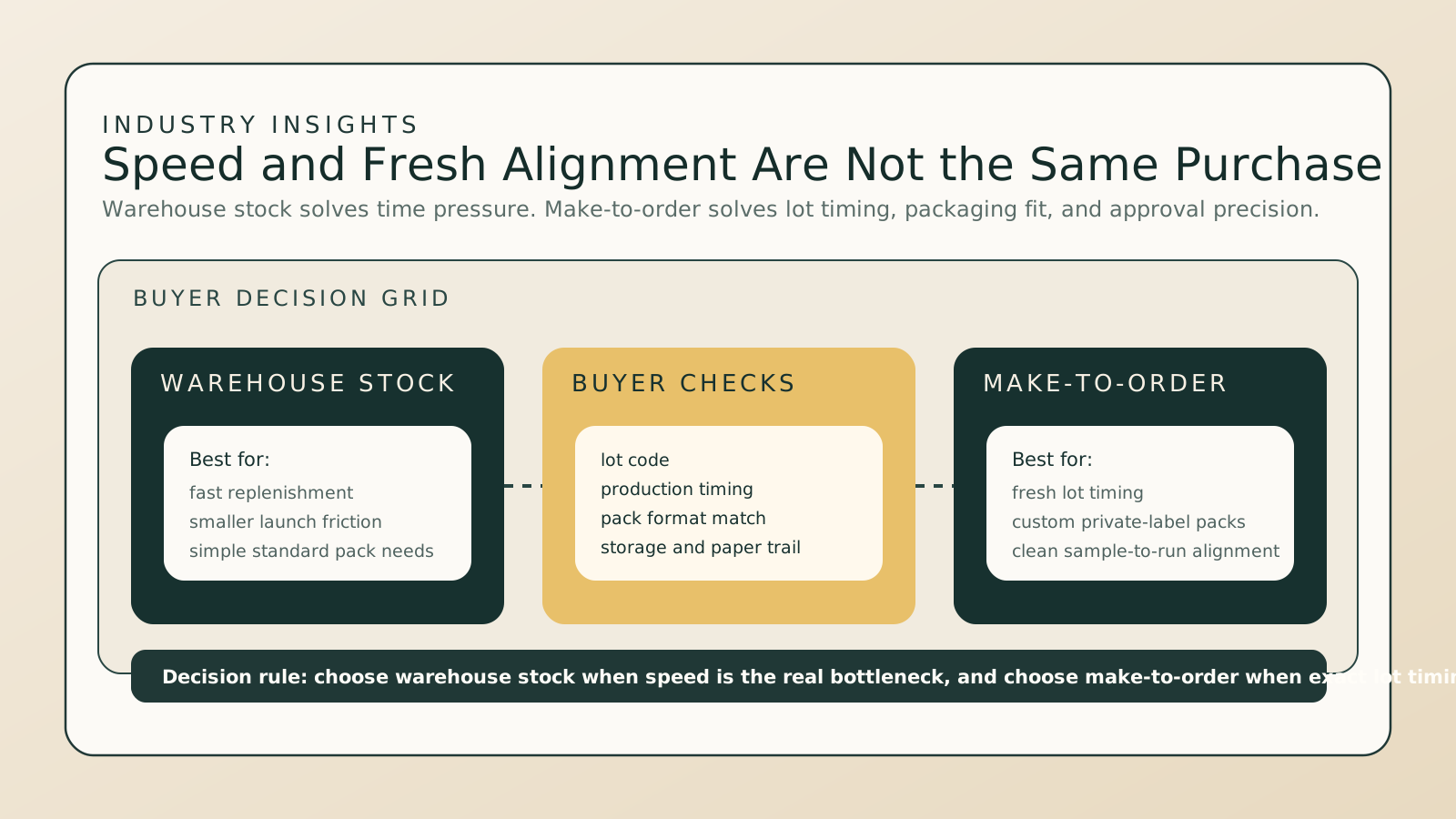
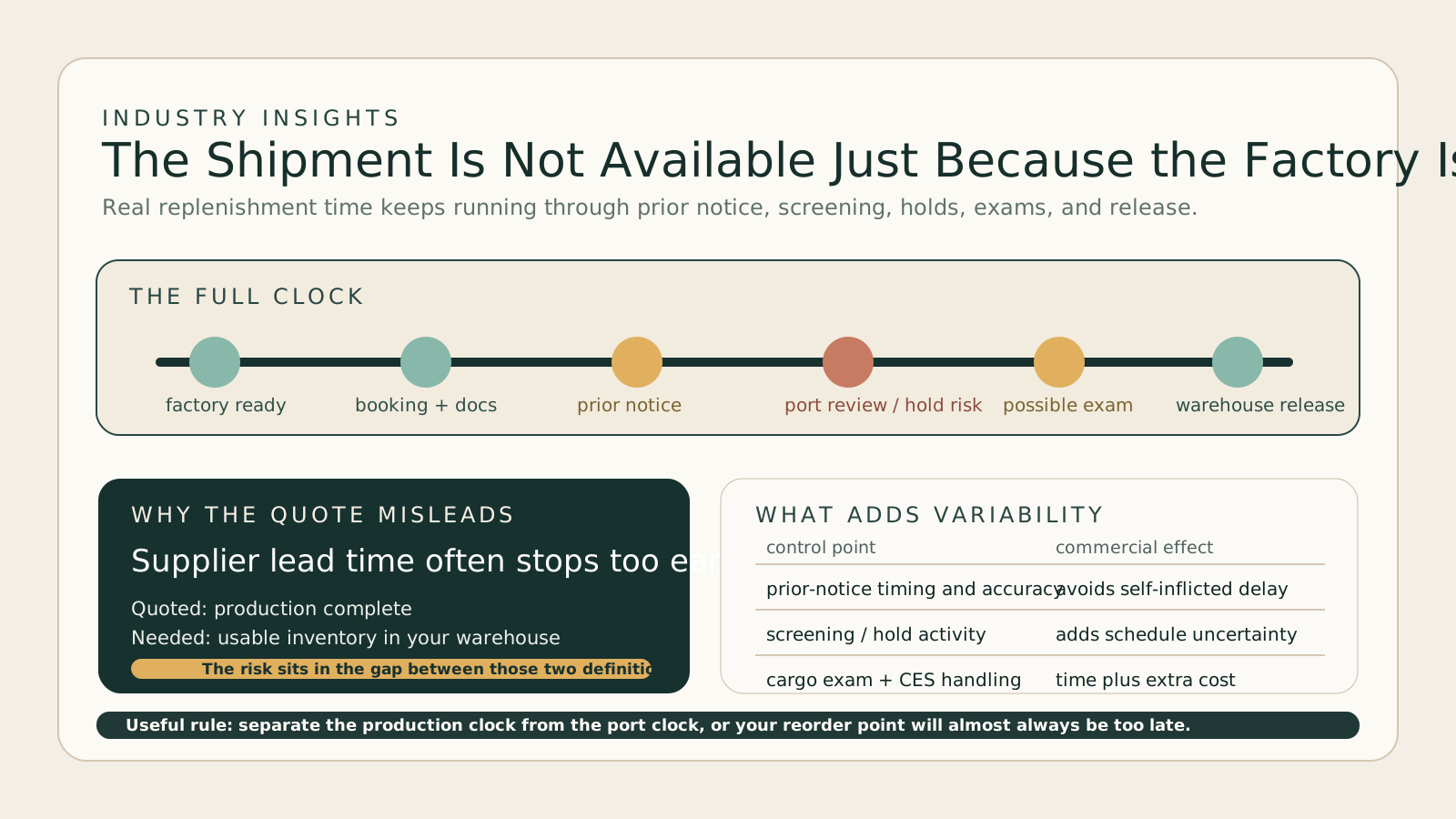
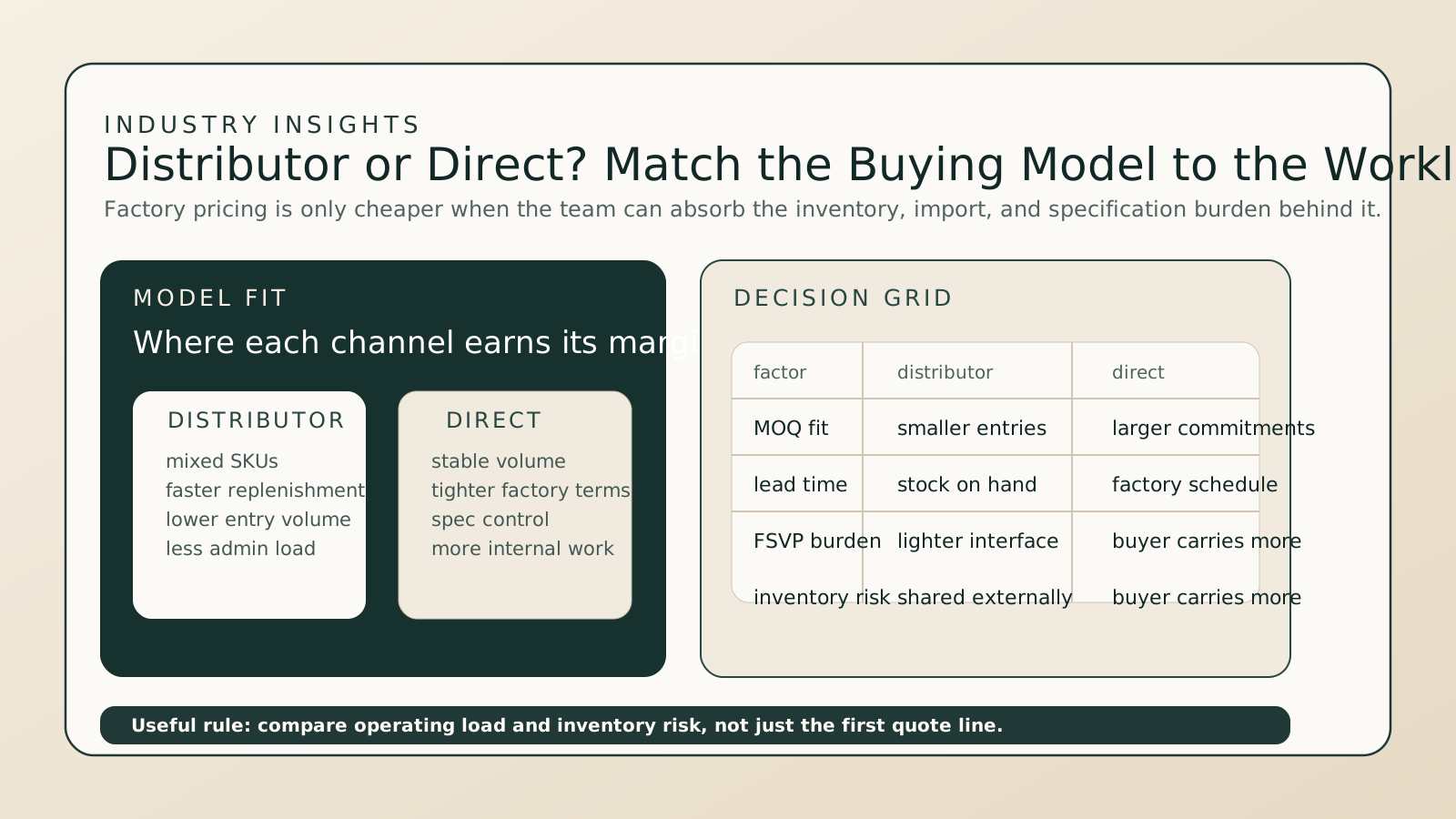
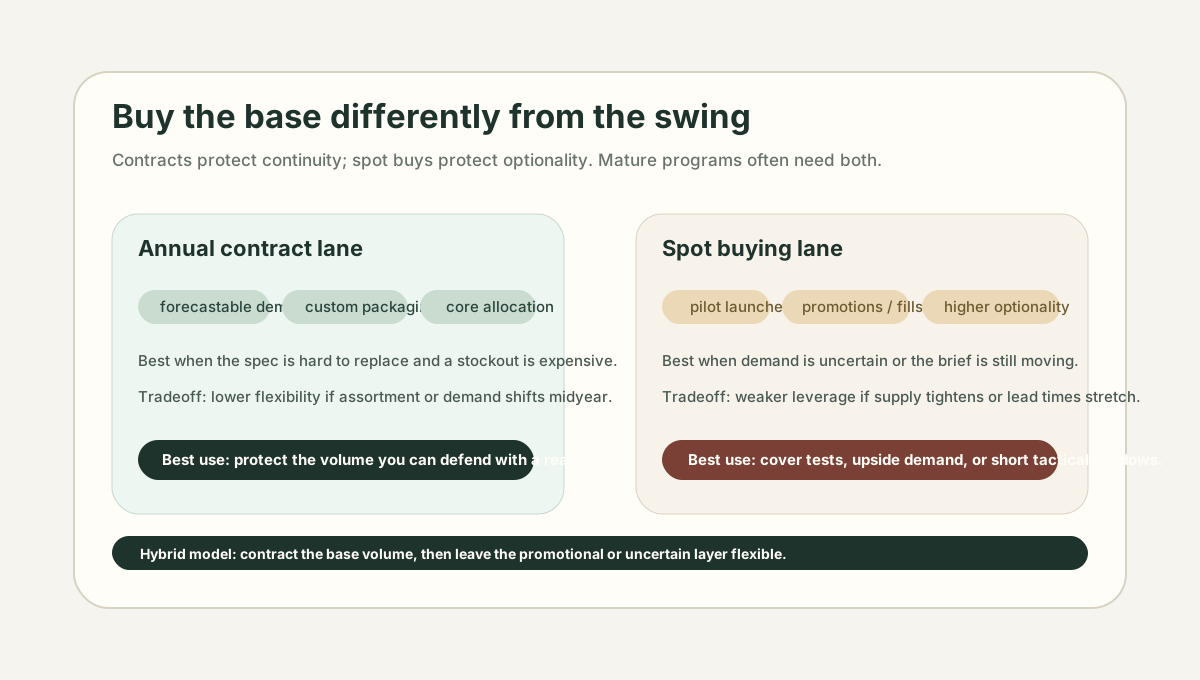
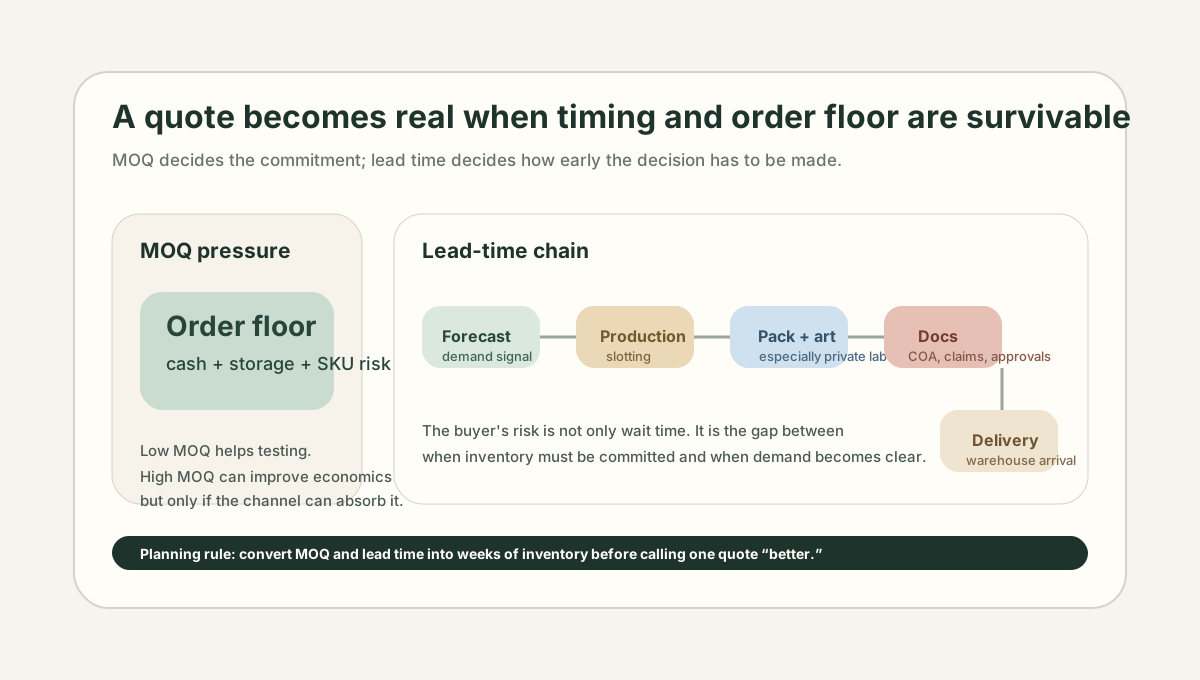
Finally, do not skip the commercial questions. MOQ, lead times, production scheduling, private-label capabilities, artwork support, documentation turnaround, certification availability, and complaint handling all decide whether a technically strong supplier is actually the right fit.
Price, value, and what "premium" should mean
Price per ounce can be misleading in freeze-dried fruit. A lower price may come from cheaper fruit, smaller broken pieces, added sugar, lower-cost formats, or different moisture targets. A premium price may reflect tighter specifications, better raw material, and packaging that actually protects the product — or it may reflect a louder brand without much underneath.
A better metric is true fruit value per ounce: fruit content plus fruit quality plus format plus texture plus moisture control plus eating experience. A premium bag at a higher price can deliver more real value if it ships intact, contains 100% fruit, and stays crisp after opening. A cheap bag that arrives crushed and turns soft within a week is not a deal — it is a return.
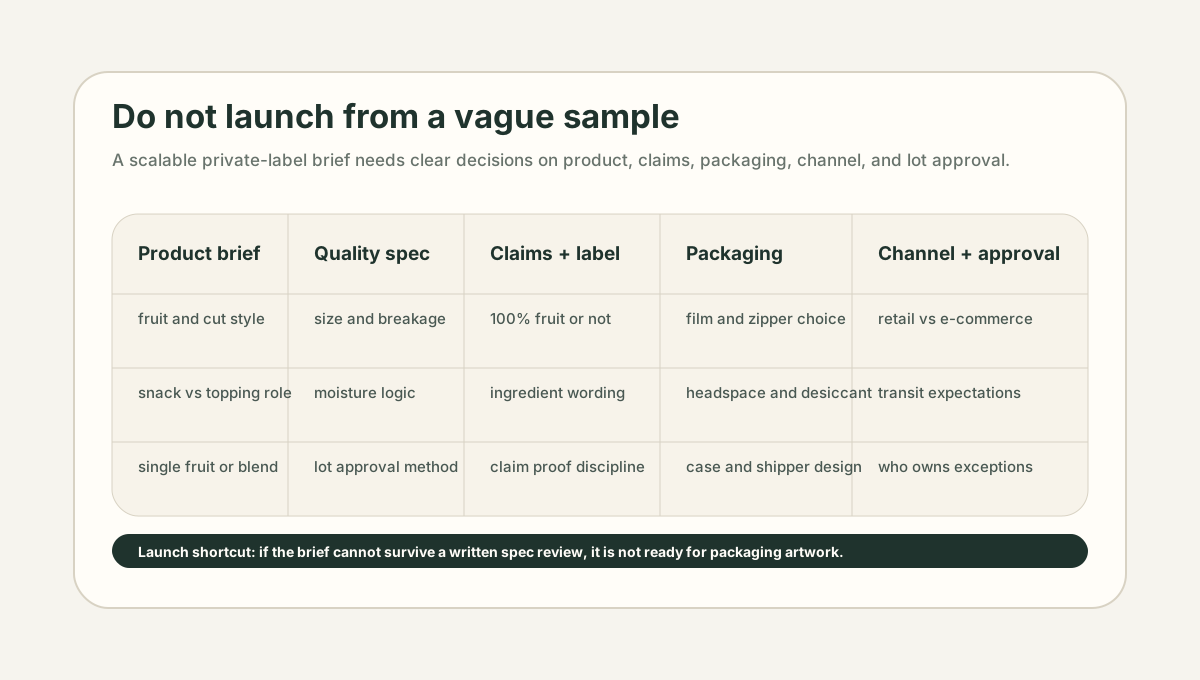
The premium claim itself has to be earned by the sample, not the marketing. A pouch sold on flavor needs to deliver aroma at the open. A pouch sold on visible fruit needs to deliver intact pieces with the powder under control. A pouch sold on clean label needs to actually be plain fruit. Buyers who treat marketing language as a quality spec end up disappointed; buyers who define quality in their own words usually get what they paid for.
Where the category is heading
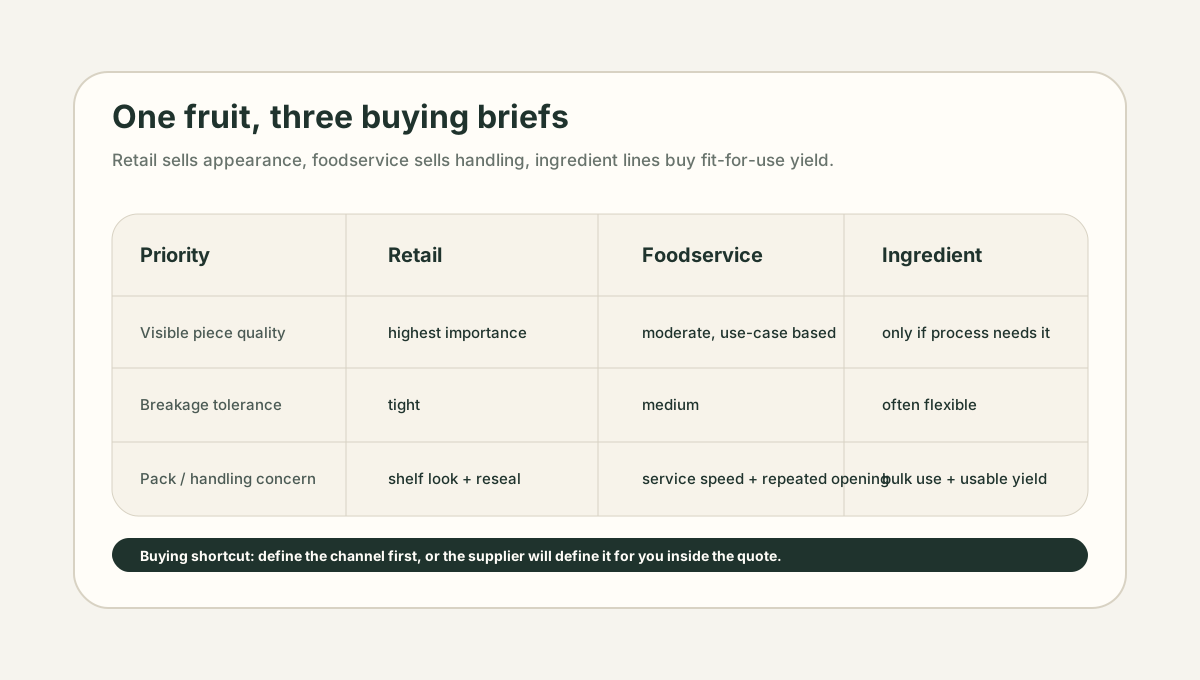
The freeze-dried fruit category is broader than it looks on the snack shelf. Snacks are the most visible end of the business, but ingredient buyers — bakers, cereal manufacturers, beverage formulators, supplement companies, dessert producers — increasingly buy freeze-dried fruit in bulk for color, flavor, and clean-label substitution. That demand is changing what suppliers prioritize: higher repeatability, tighter cut specs, cleaner labels, better packaging documentation.
Direct-to-consumer brands and private-label retail programs are also pushing the category forward. As consumers learn the difference between freeze-dried and traditional dried fruit, and as freeze-drying equipment becomes more accessible, the supply side is becoming more competitive — and the divide between commodity-grade and premium fruit is widening.
The buyers who win in this environment are the ones who treat freeze-dried fruit as a category that rewards precision: precise raw material specs, precise packaging matched to the channel, precise complaint handling, and precise labeling. The buyers who treat it as a commodity often find themselves competing on the wrong axis.