- A private-label brief should define the product format, quality spec, ingredient language, and pack behavior before artwork is finalized.
- Piece size, breakage tolerance, zipper performance, and moisture protection are commercial decisions, not packaging afterthoughts.
- Retail, club, e-commerce, and foodservice channels need different assumptions about fragility, pack size, and complaint risk.
- The safest launch is the one that matches the real use case instead of borrowing a generic supplier sample and hoping it scales.
A private-label freeze-dried fruit launch looks simple until the first production run reveals that the brand, the factory, and the retailer were picturing different products.
That mismatch is common because freeze-dried fruit sits at the intersection of ingredient quality, fragile texture, packaging discipline, and consumer expectation. A brand may approve a beautiful bench sample, only to discover later that the commercial pouch arrives with more fragments, softer texture after opening, or label language that blurs the distinction between 100% fruit and a sweetened fruit crisp.
The direct answer
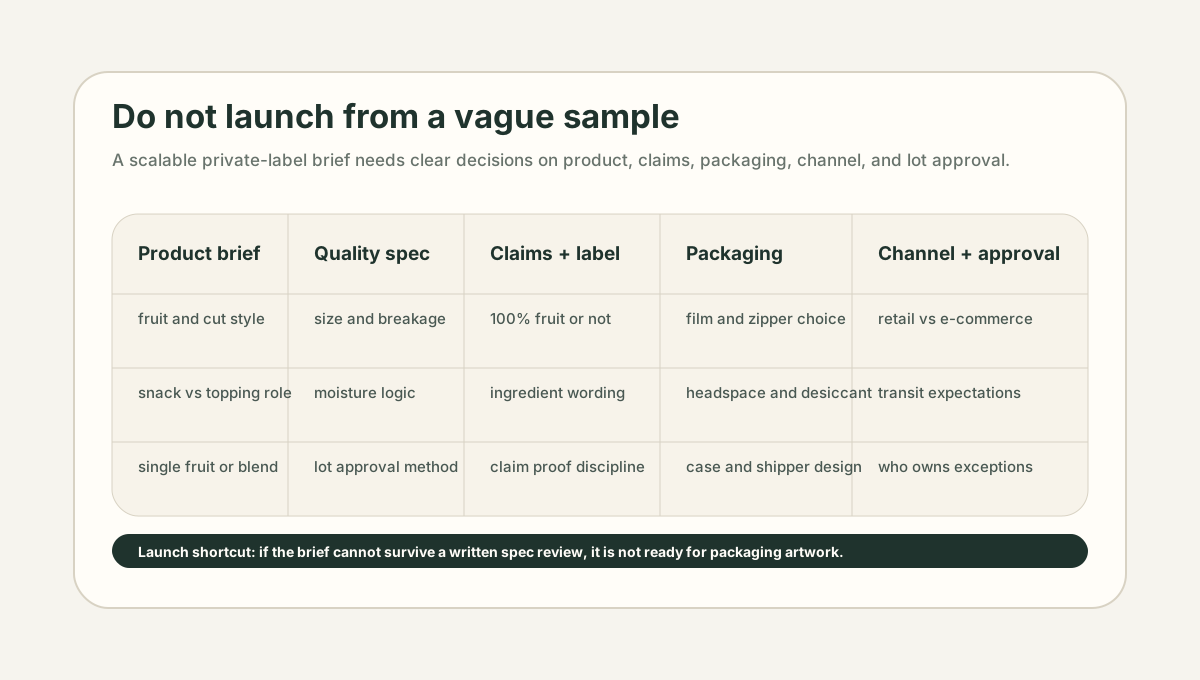
Before launching a private-label freeze-dried fruit product, brands should lock down five things in writing: the product format, the quality spec, the ingredient and claim language, the packaging system, and the channel-specific logistics assumptions.
If those points stay vague, the first production run often becomes the real product-development process.
Start with the actual product, not the mood board
Many launch teams begin with branding, flavor names, and reference bags from the shelf. That is understandable, but not sufficient.
The factory needs a much more precise brief:
- whole pieces, slices, dices, crumbs, or powder
- 100% fruit or sweetened / flavored product
- premium snack appearance or topping-oriented tolerance
- single-fruit SKU or mixed-fruit blend
- everyday pantry use, gifting, e-commerce, or club format
Those choices reshape cost, pack protection, piece survivability, and complaint risk.
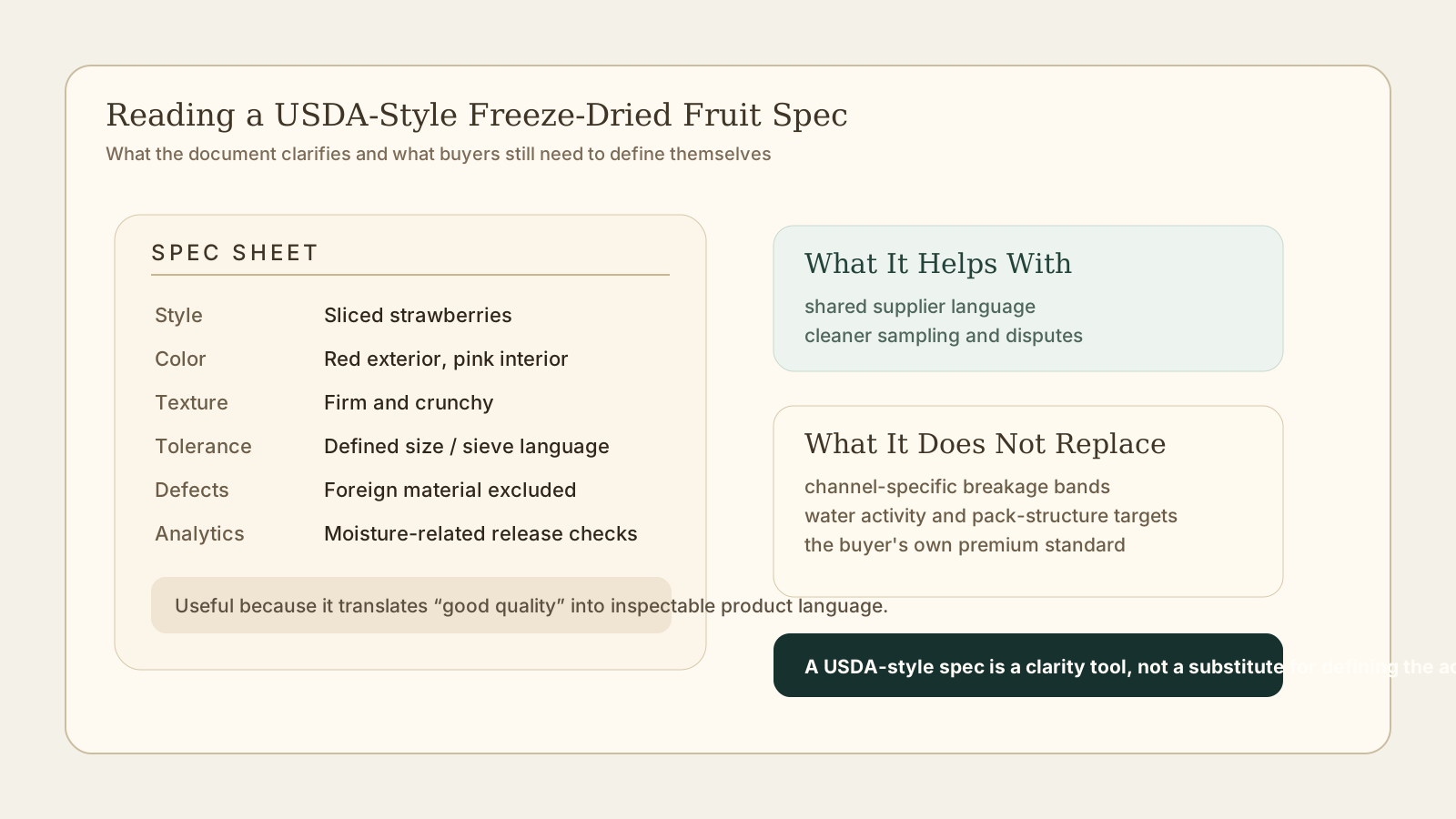
A supplier sample is not the full specification
A sample is useful because it gives the team something concrete to react to. The problem is that a sample often carries unstated assumptions.
Questions that still need written answers include:
- What piece-size range is acceptable?
- How much breakage is normal?
- What powder level is too much?
- What moisture or water activity range supports the intended texture?
- Is the product approved at packing, on arrival, or after transit?
- Does the sample represent a line run or a hand-selected showcase lot?
Without those details, the sample becomes a mood reference, not a production standard.
Packaging is part of the product
Freeze-dried fruit is unusually unforgiving here. Packaging does not merely hold the food. It protects the texture the brand is selling.
Private-label teams should settle:
- pouch structure
- zipper type and usability
- fill weight and headspace
- whether a desiccant is included
- shipper design and case count
- whether the pack is expected to survive parcel shipping
A bag that works for an in-store premium shelf may perform poorly in e-commerce. A pouch that looks elegant in artwork review may not protect fragile fruit once the supply chain begins applying real handling.
Claims and ingredient language need discipline
One of the easiest private-label mistakes is letting the front of pack promise one thing while the ingredient statement describes another.
That risk shows up when teams blur lines between:
- 100% fruit
- sweetened fruit crisps
- fruit plus flavor systems
- fruit blended with other inclusions
None of those formats are inherently wrong. They are different products. The label, marketing copy, and internal approval language should reflect that difference clearly so the brand does not create avoidable trust problems later.
Channel changes the spec
The right spec for a natural grocery shelf bag may be the wrong spec for a club pack or marketplace parcel shipment.
Different channels usually pull the brief in different directions:
- Retail shelf packs reward appearance and clear front-label identity.
- E-commerce adds more crush risk and more complaint sensitivity after parcel handling.
- Club formats increase repeated opening and humidity exposure.
- Foodservice may relax visual standards but increase the need for larger, more protective bulk packaging.
That is why the best private-label brief names the channel early. The product is not just "freeze-dried strawberry." It is freeze-dried strawberry for a specific route to market.
What brands should approve before artwork
Before the packaging design is treated as final, the brand should have clear answers on:
- Ingredient identity and claim language.
- Piece format and visual expectation.
- Breakage tolerance and powder threshold.
- Moisture-protection logic for the chosen pack.
- Target fill weight and realistic case configuration.
- How final lots will be approved and who owns exceptions.
That sequence matters because the package copy should describe the product that can actually be made and protected at scale.
A practical launch checklist
Before signing off on first production, confirm:
- the approved gold sample
- the written size and breakage spec
- the ingredient statement and claim hierarchy
- the pouch structure and closure choice
- the transit and shelf assumptions
- the lot approval method
- the complaint response path if delivered quality misses target
This is not bureaucracy for its own sake. It is what keeps a promising SKU from becoming an expensive lesson.
Bottom line
Private-label freeze-dried fruit launches go wrong when the product brief stays more emotional than technical. The safest launch is the one that locks down the format, quality spec, claims, packaging, and channel assumptions before artwork and production accelerate.
In this category, a vague brief does not create flexibility. It creates surprise.
Frequently Asked Questions
What should a private-label freeze-dried fruit brief include?
At minimum it should define fruit type, cut or piece format, ingredient statement, target moisture or water activity logic, breakage tolerance, pouch structure, pack size, channel, and approval method for finished lots.
Why do private-label freeze-dried fruit launches run into trouble?
The most common issue is a vague brief. Teams approve a sample without fully defining breakage, piece size, packaging performance, or what the retailer expects after shipping and shelf handling.
Is a good sample enough to approve a supplier?
No. A good sample is useful, but launch risk comes from repeatability. Buyers also need to know whether the supplier can reproduce the same result across lots, packaging runs, and normal logistics.
What changes between retail and e-commerce packs?
E-commerce usually needs more protection against crush damage and longer handling chains, while retail shelf packs often put more pressure on visual appearance, front-label clarity, and zipper usability.
What should brands settle before packaging artwork starts?
The product identity should already be fixed: plain fruit versus sweetened fruit, visible piece expectation, net weight logic, ingredient wording, key claims, and whether the package format can actually protect the texture promised on the front.