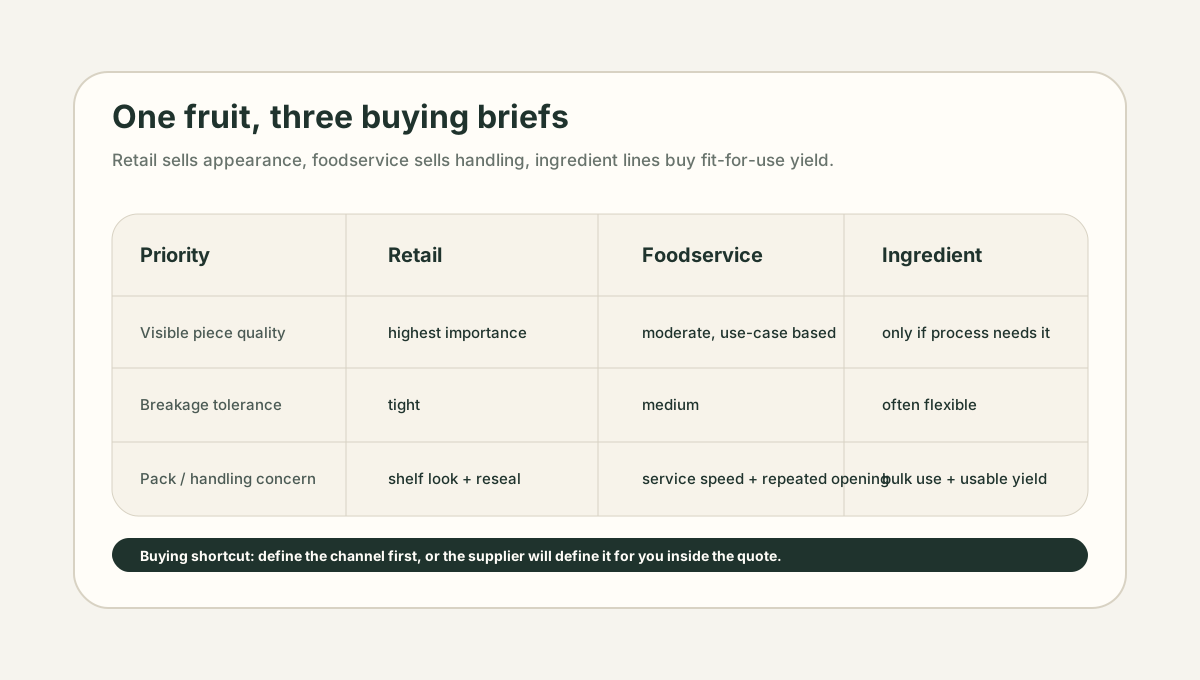
- Retail, ingredient, and foodservice channels value different things even when the fruit name is the same.
- Visual whole-piece performance matters most in retail; handling stability and fit-for-use often matter more in foodservice and ingredient applications.
- A channel-specific spec can prevent overpaying for appearance where the application does not need it.
- Buyers should define channel, pack format, and acceptable breakage before comparing supplier quotes.
Many freeze-dried fruit buying mistakes begin when one sample is expected to satisfy three different channels with three different definitions of success.
That is a common problem because the sample may look impressive on the table. But a freeze-dried strawberry that works beautifully in a premium retail pouch may be overbuilt for a cereal inclusion line, and an ingredient-grade crumble that performs well in production may look disappointing in a transparent snack bag.
The direct answer
Retail, ingredient, and foodservice buyers need different freeze-dried fruit specs because they are paying for different outcomes. Retail usually prioritizes visible piece quality and pack appearance. Ingredient buyers prioritize usable yield and process fit. Foodservice often sits in between, balancing appearance with handling practicality.
The right spec is not the most impressive one. It is the one that fits the channel without hiding cost in the wrong place.
Retail buyers are buying appearance and trust
Retail snack packs do not just deliver fruit. They deliver a first impression.
Consumers often judge:
- visible piece size
- color consistency
- powder at the bottom of the pouch
- how intact the fruit looks through a window or after opening
- whether the bag still feels premium after shipping
That means retail specs usually need tighter discipline on:
- whole-piece percentage
- powder and fines tolerance
- pouch protection
- zipper and reseal behavior
- label clarity when the product is plain fruit versus formulated
A retail product can fail even when the flavor is good if the bag looks too dusty or fragmented.
Ingredient buyers are buying performance in a system
Ingredient buyers usually care less about shelf theater and more about how the fruit behaves in another product.
That shifts the useful questions toward:
- usable size range
- dispersion or blending behavior
- moisture and water activity consistency
- powder flow or caking risk
- cost per usable kilogram
- compatibility with the downstream process
If the fruit is heading into granola clusters, coatings, bakery fillings, powders, or inclusions, paying extra for showroom-quality whole pieces may not improve the finished product.
This is where many teams overspend. They buy a retail-style appearance spec for an application that will break, coat, or mill the fruit anyway.
Foodservice buyers sit in the middle
Foodservice is often more practical than retail and more appearance-sensitive than ingredient manufacturing.
A topping bar, dessert pass, smoothie station, or hotel breakfast program still cares about visible quality. But it also cares about:
- portioning ease
- labor handling
- pack size after opening
- repeat exposure to humid air during service
- whether the fruit stays functional during a shift
That can make the best foodservice spec different from both retail and ingredient specs. A very fragile premium whole-piece fruit may look attractive but create too much dust and waste once multiple staff members open and close the pack throughout the day.
The same fruit can be right in one channel and wrong in another
Consider one freeze-dried strawberry offer:
- In retail, it may need strong visual identity and low bottom-of-bag powder.
- In foodservice, moderate breakage may be fine if the fruit still portions cleanly onto yogurt or desserts.
- In ingredient use, smaller pieces or controlled crumble may actually be the better economic choice.
None of those standards are inherently more correct. They simply serve different commercial jobs.
Where channel-specific specs usually diverge
The biggest divergence points are usually these:
Piece size and breakage
Retail is usually tightest. Ingredient use is often most flexible. Foodservice depends on the menu and service style.
Packaging format
Retail may need a consumer pouch and strong shelf presentation. Foodservice may need a larger, faster-working bag or tub. Ingredient buyers may need a bulk liner or drum-ready format.
Moisture-protection logic
All channels care, but the risk pattern changes. Retail worries about consumer resealing. Foodservice worries about repeated opening during service. Ingredient users may worry more about warehouse handling and staged production use.
Label and claim language
Retail cares most about the front-of-pack promise. Ingredient and foodservice buyers often care more about spec accuracy and documentation.
How to avoid buying the wrong spec
Before requesting quotes, buyers should define:
- The sales channel.
- The real use case inside that channel.
- The acceptable size and breakage range.
- The pack format and opening pattern.
- The main failure they are trying to avoid.
That last point is especially useful.
Are you trying to avoid:
- a dusty-looking retail pouch
- poor flow into a production line
- waste at a self-serve topping station
- excessive delivered cost for unnecessary whole pieces
The answer changes the spec immediately.
What suppliers should hear from a serious buyer
Clearer briefs produce better supplier responses. Instead of asking for generic premium freeze-dried mango, a stronger request sounds like:
"We need a foodservice topping format for dessert stations, moderate visible pieces are acceptable, low humidity pickup during service matters, and we do not need top-tier whole-piece snack appearance."
That is easier for a supplier to quote honestly. It also reduces the chance that two quotes look different only because they were built for different unstated channels.
Bottom line
Retail, ingredient, and foodservice buyers should not use the same freeze-dried fruit spec by default. The same fruit name can support very different commercial goals, and the wrong spec usually hides cost rather than reducing it.
The disciplined approach is simple: define the channel first, then the use case, then the quality tolerances. Only after that should the quote comparison begin.
Frequently Asked Questions
Why should freeze-dried fruit specs change by sales channel?
Because each channel experiences the product differently. Retail shoppers judge the bag visually, ingredient buyers care about process fit and usable yield, and foodservice operators need portioning and service consistency.
What channel usually needs the tightest whole-piece standard?
Retail snack pouches usually do. Large visible pieces, low powder, and strong bag appearance matter more there than in many back-of-house applications.
Can foodservice accept more breakage than retail?
Often yes, depending on the use. Yogurt topping bars, dessert garnish stations, and bakery applications can tolerate smaller pieces if flavor and handling still work.
When do ingredient buyers over-specify freeze-dried fruit?
They over-specify when they pay for premium whole-piece appearance even though the fruit will be blended, coated, milled, or baked into another product where that appearance disappears.
What should buyers lock down before requesting quotes?
They should define the channel, target format, acceptable size and breakage, package style, and whether the product is judged mainly on appearance, process behavior, or delivered cost per usable output.