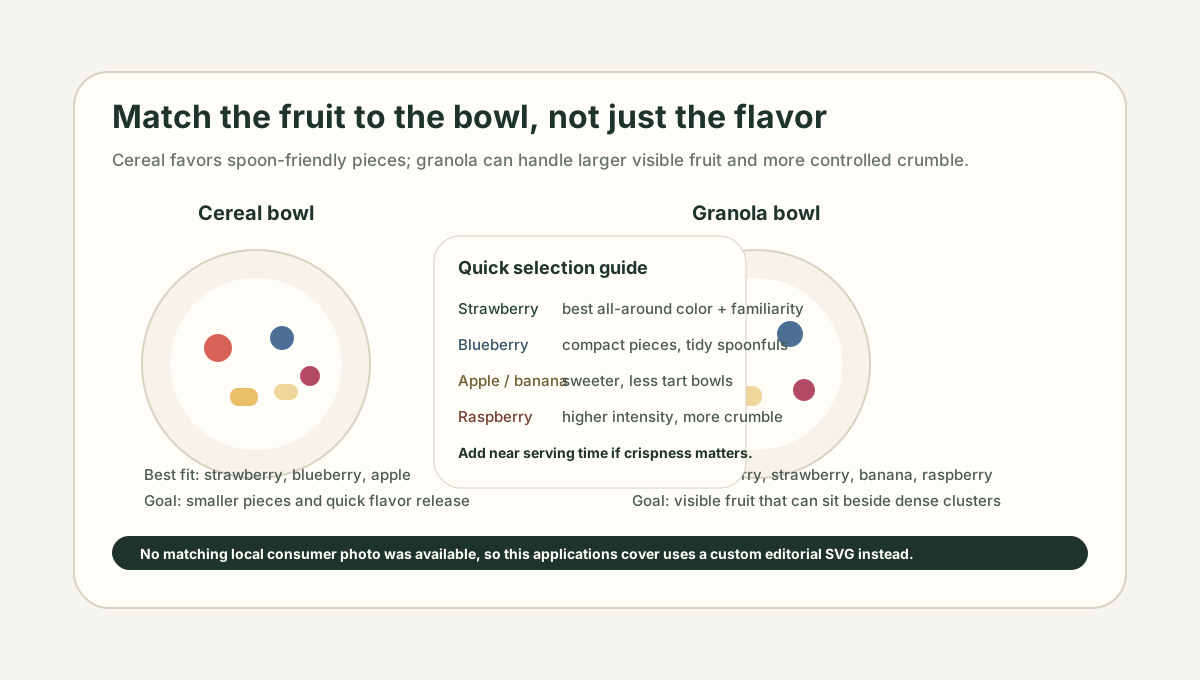
- Strawberry and blueberry are the easiest all-around choices for cereal and granola because they balance color, familiarity, and manageable piece size.
- Apple and banana work well when you want sweeter crunch and less tartness.
- Raspberry and blackberry bring strong flavor but usually create more crumble and seed perception.
- For the cleanest bowl, match piece size to the cereal base and add the fruit near serving time if crispness matters.
Cereal and granola reward freeze-dried fruit differently than yogurt bowls or straight snacking because the fruit has to share space with flakes, clusters, and milk.
That changes the standard. A fruit that looks beautiful in a snack pouch may feel awkward in a spoonful if the pieces are too large, too fragile, or too tart for the base around them.
The direct answer
For most cereal and granola bowls, freeze-dried strawberry and blueberry are the easiest all-around choices. They balance familiar flavor, visible color, and a piece size that fits well with flakes and clusters. Apple and banana are strong choices when you want sweeter, softer fruit character. Raspberry and blackberry are best when you want concentrated berry impact and do not mind more crumble.
The best choice depends less on the fruit name alone and more on the kind of bowl you are building.
Cereal and granola are not the same job
Dry cereal, milk cereal, granola, and muesli all treat freeze-dried fruit a little differently.
Plain cereal with milk usually rewards:
- smaller spoon-friendly pieces
- fast flavor release
- moderate softness after a short soak
Granola often rewards:
- fruit that can sit among dense clusters without disappearing
- pieces large enough to stay visible
- controlled crumble that spreads flavor between clusters
So the right fruit for a crisp breakfast cereal is not always the same fruit that works best in a premium granola mix.
Strawberry is the safest all-around pick
Freeze-dried strawberry works well because it is easy to recognize and visually active in the bowl. It adds color quickly and tastes clearly fruity even in a small amount.
Best for:
- classic cereal bowls
- granola mixes that need visible fruit identity
- shoppers who want a familiar berry note
Watch for:
- very fragile slices that collapse into dust
- oversized pieces that dominate spoonfuls
When the cut is controlled, strawberry is hard to beat as a general-use choice.
Blueberry is cleaner and more compact
Blueberry usually gives a tidier effect than strawberry. Smaller pieces fit neatly into spoonfuls and distribute well through granola without looking messy.
Best for:
- cluster-heavy granola
- bowls that already contain nuts or seeds
- shoppers who want visible fruit without oversized slices
Blueberry can be milder visually than strawberry, but it often behaves better when the cereal base already has a lot going on.
Apple and banana are the sweeter options
If the goal is a softer, sweeter breakfast profile, apple and banana are often easier to live with than tart berries.
Apple is useful when you want:
- light crunch
- mellow sweetness
- a fruit that matches cinnamon, oat, and nut flavors
Banana is useful when you want:
- a rounder sweetness
- less acid contrast
- a bowl that feels familiar to younger or less tartness-seeking eaters
The tradeoff is that these fruits usually bring less dramatic color than berries.
Raspberry and blackberry are strongest when intensity matters
Raspberry and blackberry can be excellent in cereal and granola, but they are more opinionated toppings.
They bring:
- stronger acidity
- deeper berry aroma
- more seed perception
- more crumble and powder risk
That can be a strength in premium granola or tart-fruit cereal blends. It is less ideal when the bowl needs tidy visual uniformity or low mess.
Piece size matters as much as fruit choice
A good shortcut is to choose the piece format before choosing the fruit.
For fine cereal bases, look for:
- small slices
- halves
- controlled crumble
For chunky granola, look for:
- visible berry pieces
- small apple dices
- fruit that can stay distinct next to clusters
The same strawberry can feel elegant in one bowl and awkward in another if the cut size is wrong.
Add near serving time if crunch matters
Freeze-dried fruit begins absorbing moisture quickly once it hits milk or yogurt. That is normal.
If you want stronger crisp contrast:
- add the fruit just before eating
- keep the bowl from sitting too long
- use larger intact pieces
If you prefer a slightly softer fruit-on-cereal effect, a minute or two of contact can actually improve the bite.
What to look for when buying
The most useful checks are simple:
- ingredient list that matches the kind of product you want
- piece size that fits the bowl style
- moderate breakage rather than heavy bottom-of-bag dust
- aroma and color that still feel lively when opened
A bag can be good fruit and still be the wrong cereal fruit if the cut is too large, too powdery, or too aggressive in flavor.
Bottom line
The best freeze-dried fruit for cereal and granola is usually strawberry or blueberry for all-around use, with apple and banana as sweeter alternatives and raspberry or blackberry for sharper berry impact.
The practical rule is to match fruit intensity and piece size to the bowl, then add it near serving time if crispness is part of the appeal.
Frequently Asked Questions
What is the best freeze-dried fruit for cereal and granola?
For most bowls, strawberry and blueberry are the easiest all-around choices because they bring recognizable flavor, bright color, and a piece size that works with common cereal and granola formats.
Which freeze-dried fruit is best if I want a sweeter bowl?
Apple and banana are usually the friendliest options when you want softer acidity and a more familiar sweet finish.
Why does freeze-dried fruit soften in cereal?
The fruit is dry and porous, so once it meets milk or yogurt it starts absorbing surface moisture. Crispness lasts longest when the fruit is added near serving time.
Are powders or crumbles useful in granola?
Yes. Controlled crumble can spread flavor well through granola or muesli, especially when visible whole pieces are less important than even fruit coverage.
What should shoppers look for when buying freeze-dried fruit for cereal?
Look for a clean ingredient line if you want plain fruit, moderate breakage rather than a bag full of dust, and a piece size that matches the cereal base instead of overwhelming it.