- For visible fruit pieces in dough, strawberry, blueberry, and apple formats are usually the easiest starting point.
- Powders and fine crumbles often work better than showpiece cuts when even flavor distribution matters more than piece recognition.
- Bars usually reward smaller, more controlled formats than premium retail snack bags do.
- The right buy depends on whether the fruit needs to be seen, tasted evenly, or simply add a clean fruit note without extra wet handling.
Freeze-dried fruit can bring real fruit identity into baked snacks, but the best format for a cookie is not always the best format for a bar.
That difference matters because buyers often default to the prettiest fruit they can find. In bakery applications, appearance still matters, but process fit usually matters more.
The direct answer
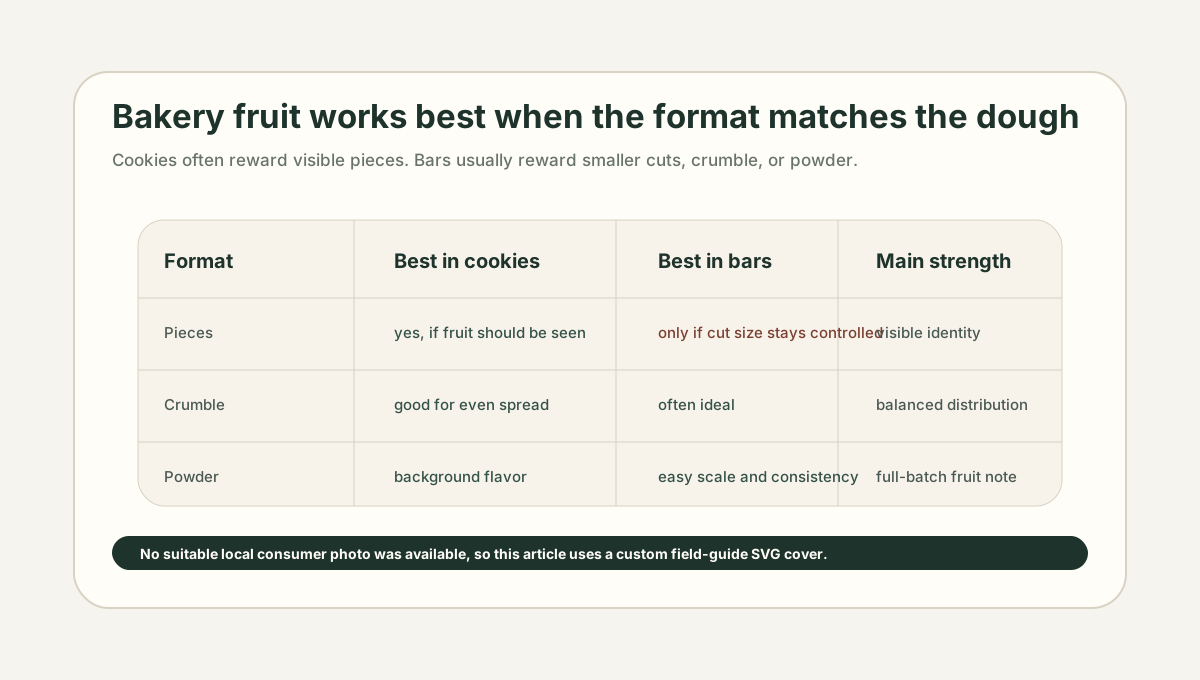
For cookies, freeze-dried strawberry, blueberry, and apple are often the easiest choices when you want visible fruit pieces with recognizable flavor. For bars, smaller cuts, crumbles, and powders are often better because they distribute more evenly and survive mixing or pressing with less waste.
The best freeze-dried fruit for cookies and bars depends on whether the fruit must be seen, spread evenly, or simply contribute a clean fruit note without adding wet handling problems.
Why freeze-dried fruit is useful in baking
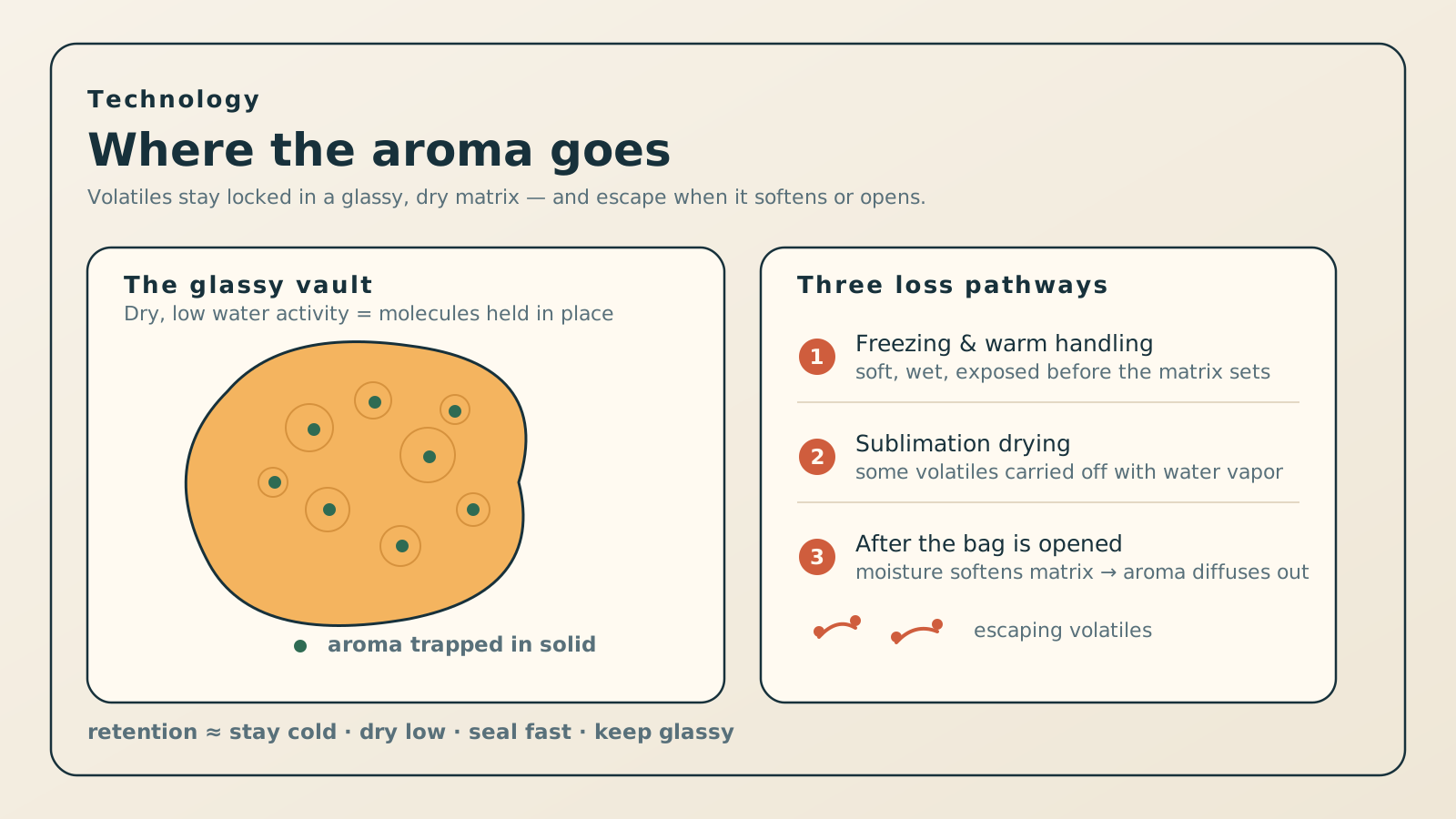
Bakery developers and home bakers both like freeze-dried fruit for the same basic reason: it adds fruit character without bringing the water load of fresh fruit or puree.
That changes the job in several helpful ways:
- doughs stay easier to portion
- bars can hold a drier structure before bake or set
- fruit flavor can be concentrated in a smaller addition rate
- visible inclusions remain possible without introducing syrupy pockets
The trade-off is fragility. A format that looks beautiful in the sample cup may not look the same after mixing.
Best choices for cookies
Strawberry
Strawberry is often the easiest visual win. It is familiar, colorful, and available in slices, pieces, and crumble.
Best for:
- pink-red visual contrast
- white chocolate or vanilla-style cookies
- products where visible fruit identity helps merchandising
Use caution with very large slices. They can look premium in the bag but may not distribute evenly in dough.
Blueberry
Blueberry works well when you want smaller bursts rather than broad fruit patches. It usually suits cookies better than giant showpiece formats do.
Best for:
- more even inclusion
- oatmeal-style cookies
- darker dough systems where subtle fruit pockets still matter
Apple
Apple is useful when the goal is gentle fruit identity without strong tartness or a vivid berry color. It is often a strong fit for cinnamon, oat, or caramel-style profiles.
Best for:
- warmer bakery profiles
- pieces that blend into the cookie visually
- developers who want fruit note without a highly decorative look
Best choices for bars
Bars usually punish oversized, fragile pieces more than cookies do. Compression, slab handling, and cutting all favor a tighter format.
That is why bars often work best with:
- small berry pieces
- controlled apple or mango dices
- fine crumble
- powder blended into the matrix or coating
For bars, the goal is often consistency across every bite rather than beautiful top-view fruit presentation.
Pieces versus powder
This is the most important format decision.
Use pieces when you want:
- visible fruit recognition
- texture contrast inside the product
- clear merchandising cues on the finished surface or cut face
Use powder or fine crumble when you want:
- more even fruit flavor
- better control in bars or dry mixes
- less dependence on fragile piece integrity
Many strong products combine the two. Visible pieces do the visual work, while powder fills in the background flavor.
The format should match the process
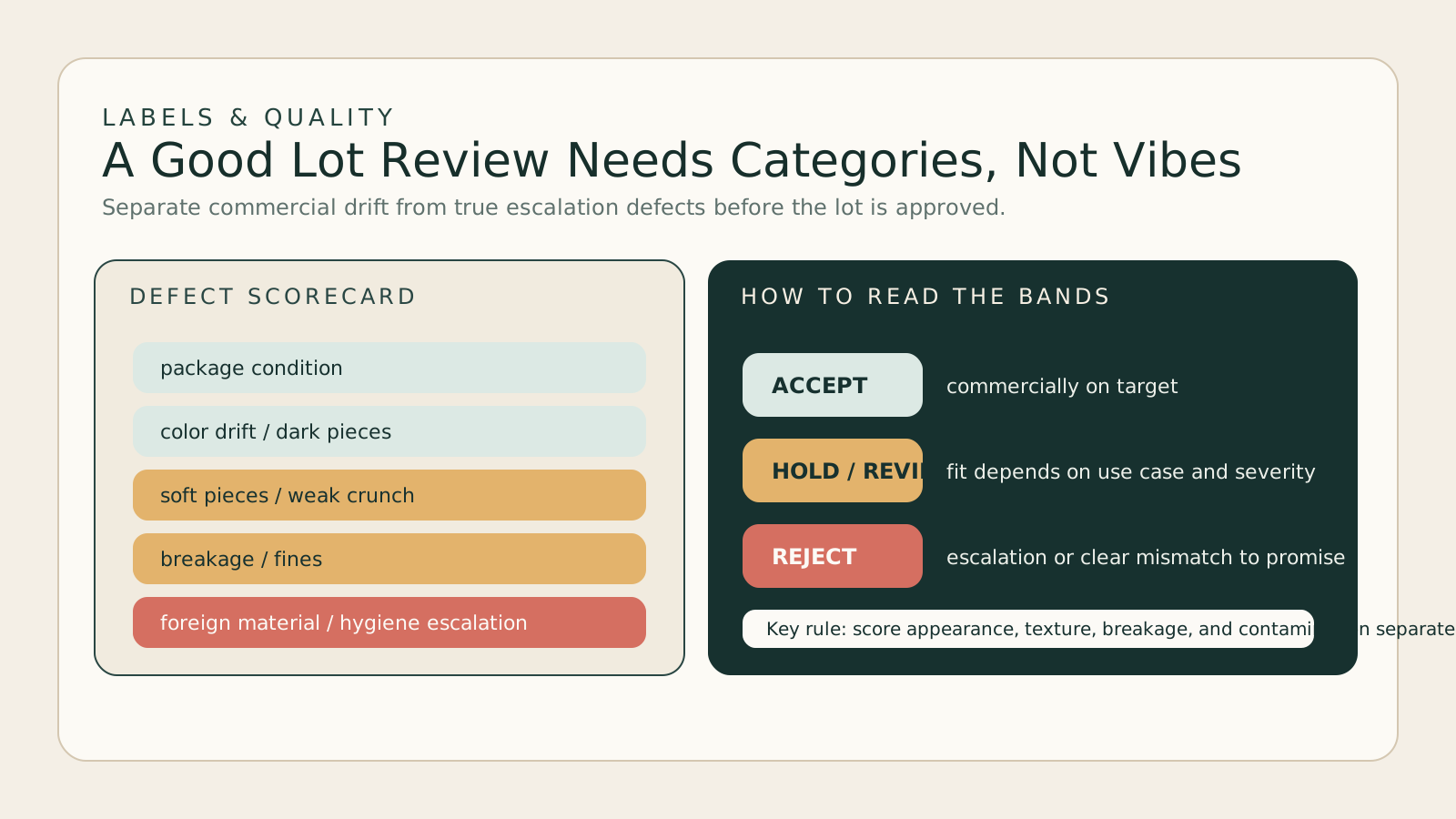
A useful buying question is not "What is the nicest fruit?" It is "What format survives our process honestly?"
Consider:
- mixing intensity
- piece size after depositor or blender handling
- whether the product is baked, pressed, or enrobed
- how important the cut-face appearance is
If the line or recipe destroys large pieces, paying for premium whole fruit is usually poor value.
A practical buying shortcut
For cookies, start with recognizable pieces unless the dough is heavily mixed or dark enough that visibility does not matter. For bars, start smaller than you think and upgrade only if the finished cut face truly rewards larger pieces.
That approach usually reduces both cost and disappointment.
Bottom line
The best freeze-dried fruit for cookies and bars depends less on the fruit name alone than on the format and the process. Strawberry, blueberry, and apple are strong starting points for cookies. Bars usually perform better with smaller pieces, crumbles, or powder. The smartest bakery choice is the format that still looks intentional after mixing, baking, and cutting.
Frequently Asked Questions
What freeze-dried fruit works best in cookies?
Strawberry, blueberry, and apple are often the easiest cookie choices because they bring familiar flavor and can be sourced in formats that stay visible without dominating the dough. The best cut depends on whether you want fruit pieces or a more blended effect.
What freeze-dried fruit works best in bars?
Bars usually work best with smaller pieces, crumbles, or powder because the format has to distribute evenly and survive compression or mixing. Premium whole pieces often add cost without staying intact through the process.
Should I use whole pieces or powder for baking?
Use pieces when visible fruit identity matters. Use powder or fine crumble when you want even flavor, easier scaling, or a cleaner dough appearance. Many successful products use both.
Why is freeze-dried fruit useful in baking compared with wet fruit?
It gives fruit flavor and identity without adding the same water load that fresh fruit or puree would. That makes formulation and handling easier, especially when the goal is crisp edges, defined inclusions, or dry mix stability before baking.
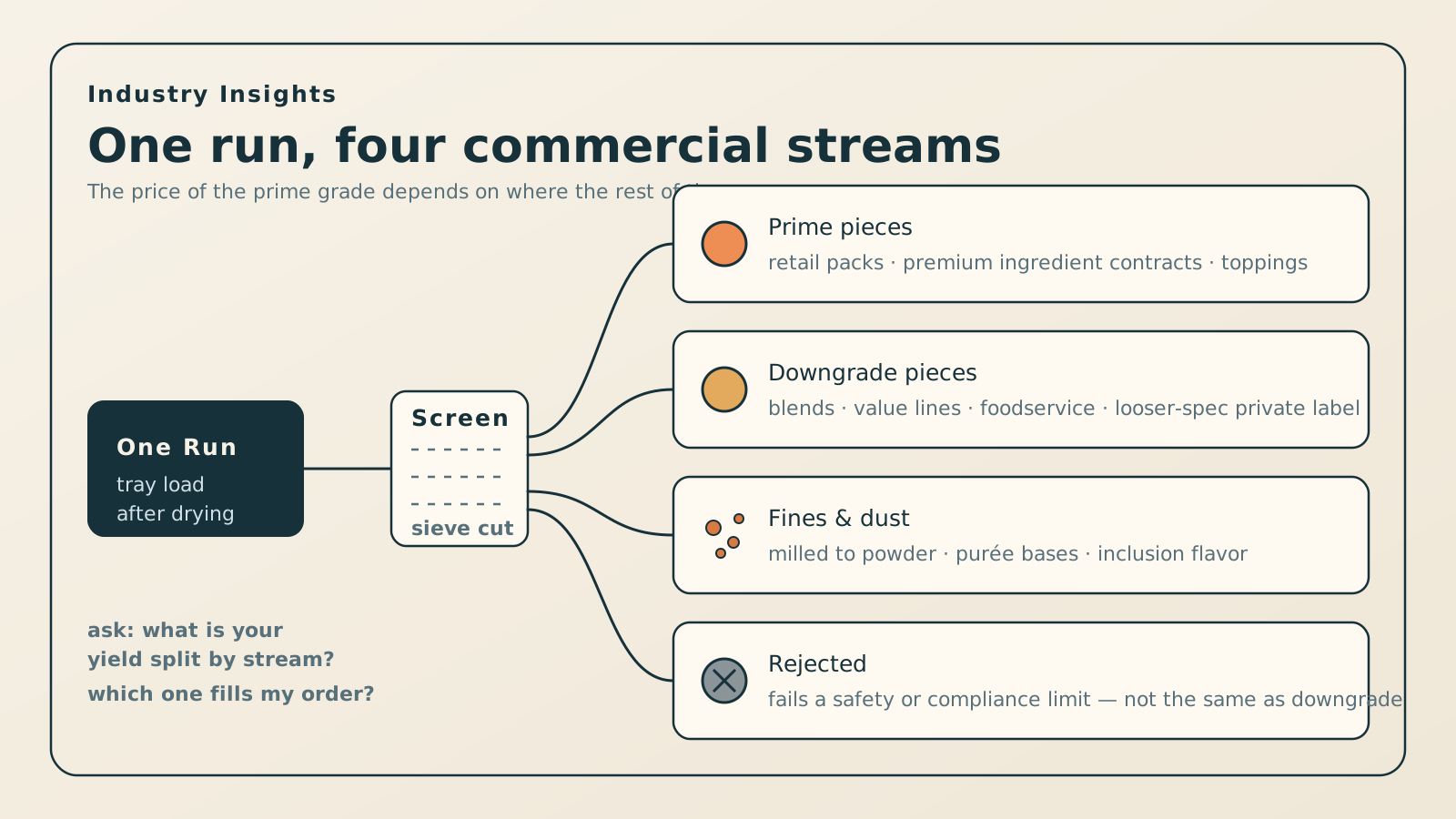
Is the most expensive freeze-dried fruit format best for bakery use?
Not usually. Bakery applications often reward controlled piece size and low fines more than premium whole-piece appearance. The best format is the one that survives the mixing and baking plan efficiently.