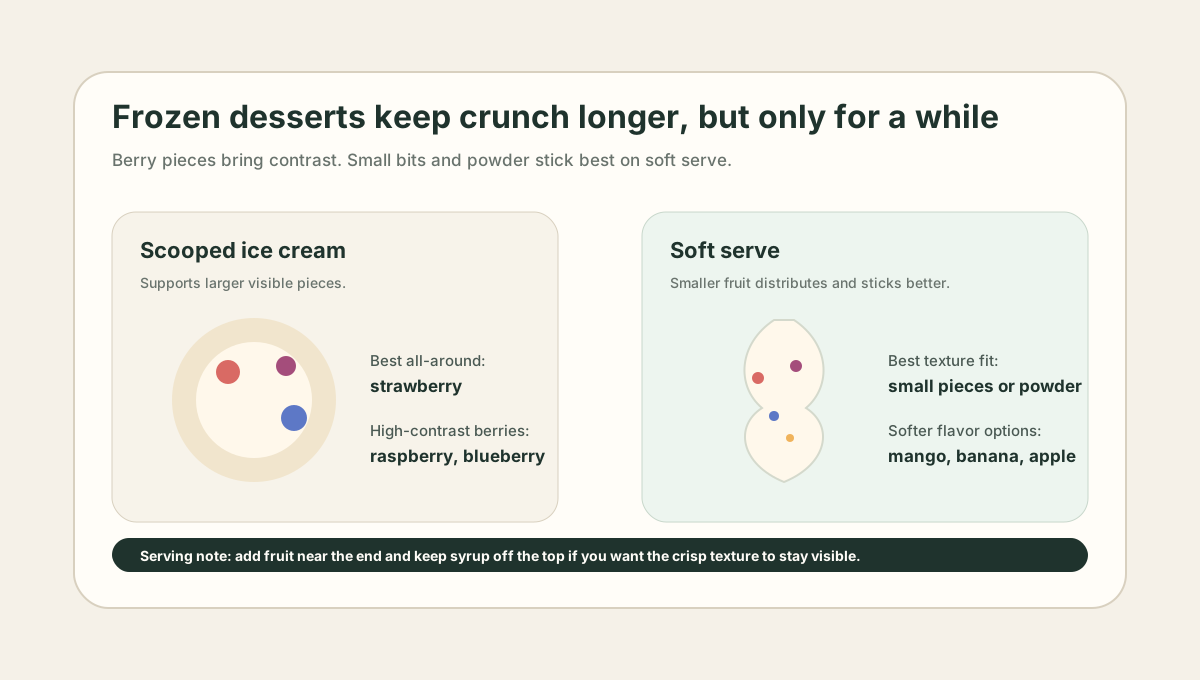
- Strawberry, raspberry, and blueberry give the strongest color contrast on pale ice cream bases.
- Mango, banana, and apple can work well, but they read softer and warmer rather than sharply bright.
- Crushed fruit or powder is often better than large pieces on soft serve because it sticks more evenly.
- Add the fruit close to serving time if you want the crisp texture to stay noticeable.
Ice cream and soft serve reward freeze-dried fruit differently than yogurt or oatmeal because cold surfaces preserve crunch for longer but melting changes the topping fast.
That makes this one of the easiest and most satisfying uses for freeze-dried fruit. The fruit adds color, concentrated flavor, and a crisp contrast without watering down the dessert the way fresh fruit sometimes does.
The direct answer
For most ice cream and soft serve toppings, strawberry is the easiest all-around choice. Raspberry and blueberry are excellent when you want stronger berry contrast. Mango and banana work best when you want a warmer, softer fruit profile rather than a sharp pop. On soft serve, crushed fruit or smaller pieces usually perform better than large chunks.
If crunch matters, add the fruit close to serving time.
Why freeze-dried fruit works so well on frozen desserts
Freeze-dried fruit has two advantages here:
- it brings concentrated fruit flavor without extra water
- it adds a light crisp texture against a cold creamy base
Because ice cream and soft serve are cold, the fruit usually holds its dry structure longer than it would in oatmeal, smoothies, or overnight oats. That gives you a useful serving window before the topping starts to soften.
The tradeoff is that once melting begins, the fruit changes quickly. Sauces, warm room temperature, and repeated scooping all accelerate that shift.
Best choices for bright visual contrast
Strawberry
Strawberry is the most dependable option for vanilla ice cream, frozen yogurt, and soft serve. It brings:
- clear red contrast
- recognizable pieces
- familiar flavor that reads quickly
It works well in both chunk and crumble form.
Raspberry
Raspberry gives a sharper berry note and often a deeper pink-red visual effect. It is especially good when the dessert needs a stronger tart edge to balance sweetness.
Blueberry
Blueberry creates a darker accent and can look especially striking on pale bases. It is often best in smaller pieces or broken berries so the topping distributes more evenly.
Best choices for softer or warmer flavor profiles
Mango
Mango brings a rounder tropical note and attractive yellow-orange color, but it usually reads gentler than berry toppings. It is a good match with coconut, vanilla, or passion-fruit-style desserts.
Banana
Banana works best when you want a nostalgic dessert profile rather than sharp color contrast. It can be appealing with chocolate, caramel, peanut butter, or cereal-inspired sundaes.
Apple
Apple is understated but useful. It pairs well with cinnamon, caramel, cheesecake-style desserts, and fall flavors where bright berry color is not the goal.
Ice cream and soft serve are not quite the same
Scoopable ice cream can support larger pieces because the surface is firmer and the topping sits in place more easily.
Soft serve is different:
- the surface is smoother
- the product melts faster
- toppings slide more easily
- even distribution matters more
That is why soft serve often benefits from:
- crushed fruit
- small broken pieces
- light fruit dust or powder
- a mix of powder and small visible bits
Large pieces can still work, but they are usually less tidy and less evenly distributed.
When powder is useful
Powder is not only for smoothies or baking. It can be very effective on frozen desserts when you want:
- a vivid fruit color veil
- even berry flavor in every bite
- better sticking on soft serve
- a cleaner topping line in a self-serve setting
Many home users get the best result by combining both formats: powder for coverage, plus a few visible pieces for texture.
Serving tips that actually matter
For better results:
- add the fruit near the end of assembly
- put heavy syrups on first if you are using them
- keep the bag closed between servings
- choose smaller pieces for soft serve and larger ones for scooped desserts
These small choices make more difference than chasing an exotic fruit name.
What to buy for home use
If you want one bag that works in many frozen desserts, start with strawberry. If you want a second option, add raspberry or blueberry for stronger contrast.
If the goal is a calmer dessert profile, choose mango, banana, or apple instead. Just expect the effect to be softer and less dramatic visually.
Bottom line
The best freeze-dried fruit for ice cream and soft serve depends on whether you want color contrast, tartness, tropical warmth, or easy sticking. Strawberry is the all-around safest choice. Raspberry and blueberry are strongest for dramatic berry toppings. Mango, banana, and apple work when the dessert wants a softer fruit note.
For the best texture, top close to serving time and keep the rest of the fruit sealed between scoops.
Frequently Asked Questions
What is the best freeze-dried fruit for ice cream toppings?
Strawberry is the safest all-around choice because it gives bright color, clear fruit flavor, and recognizable pieces. Raspberry and blueberry are strong when you want a more dramatic visual effect or a stronger berry note.
Should freeze-dried fruit go on before or after syrup and sauce?
Usually after the main sauce if you want the fruit to stay crisper and more visible. Heavy syrup added on top can soften the fruit quickly.
Are large fruit pieces or crushed fruit better on soft serve?
Crushed fruit or small pieces are usually better on soft serve because they stick to the surface more evenly and are easier to eat with a spoon.
Why does freeze-dried fruit stay crisp longer on ice cream than in oatmeal?
Cold surfaces slow rehydration compared with hot, wet foods. The fruit still softens as the dessert melts, but the shift is usually slower and easier to control at serving time.
What should shoppers look for in a topping fruit bag?
Look for strong aroma when opened, low excess powder if you want visible pieces, and a resealable package so the fruit stays crisp between uses.