How freeze-drying actually works
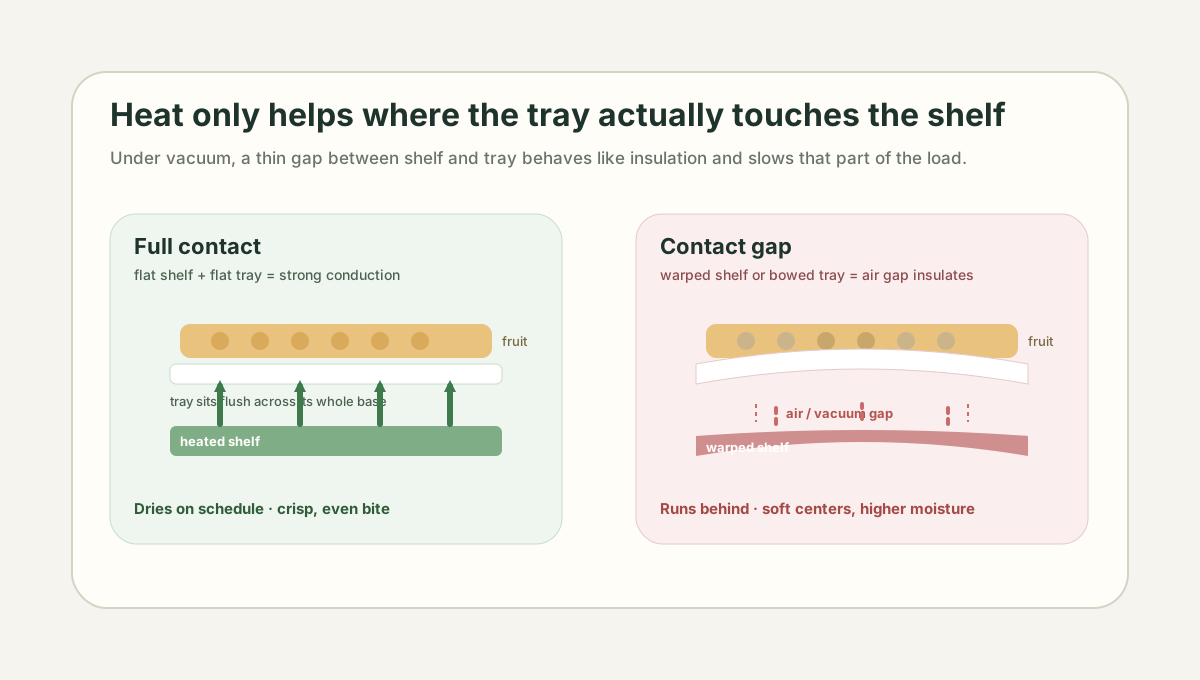
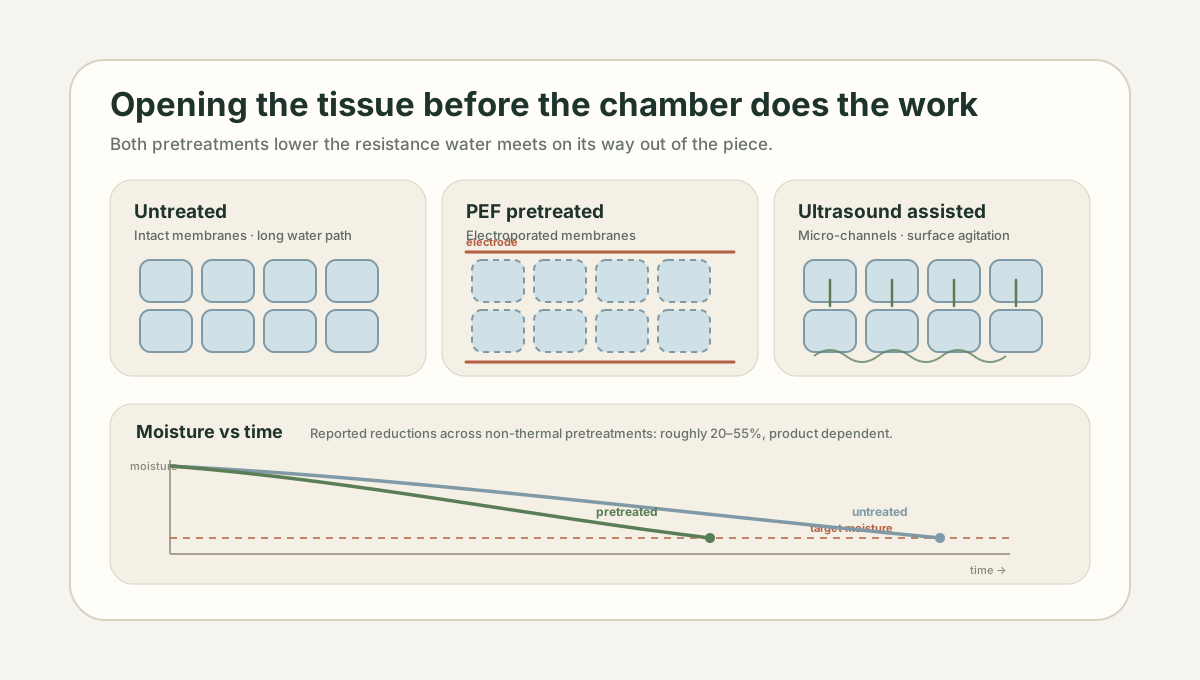
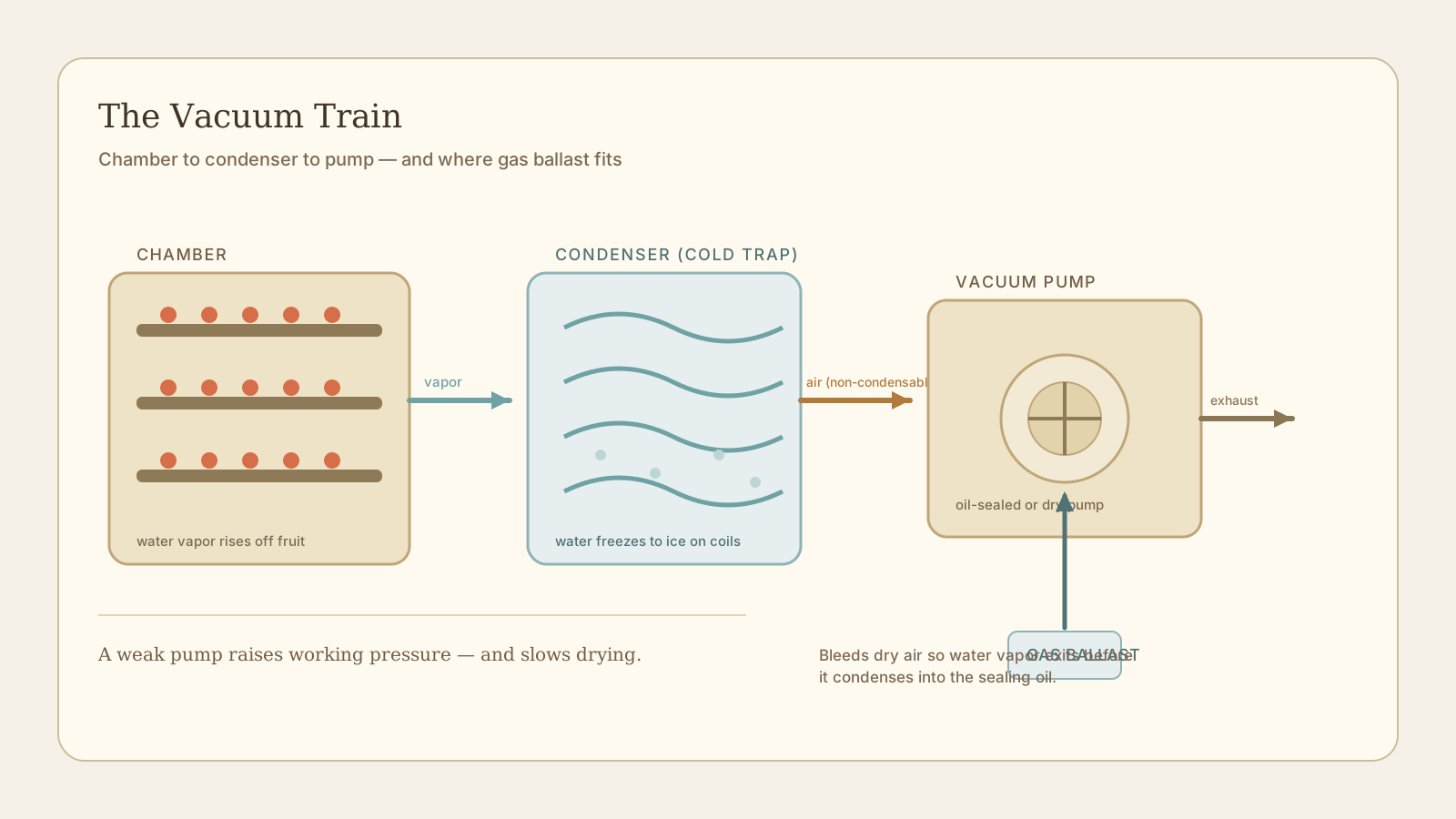
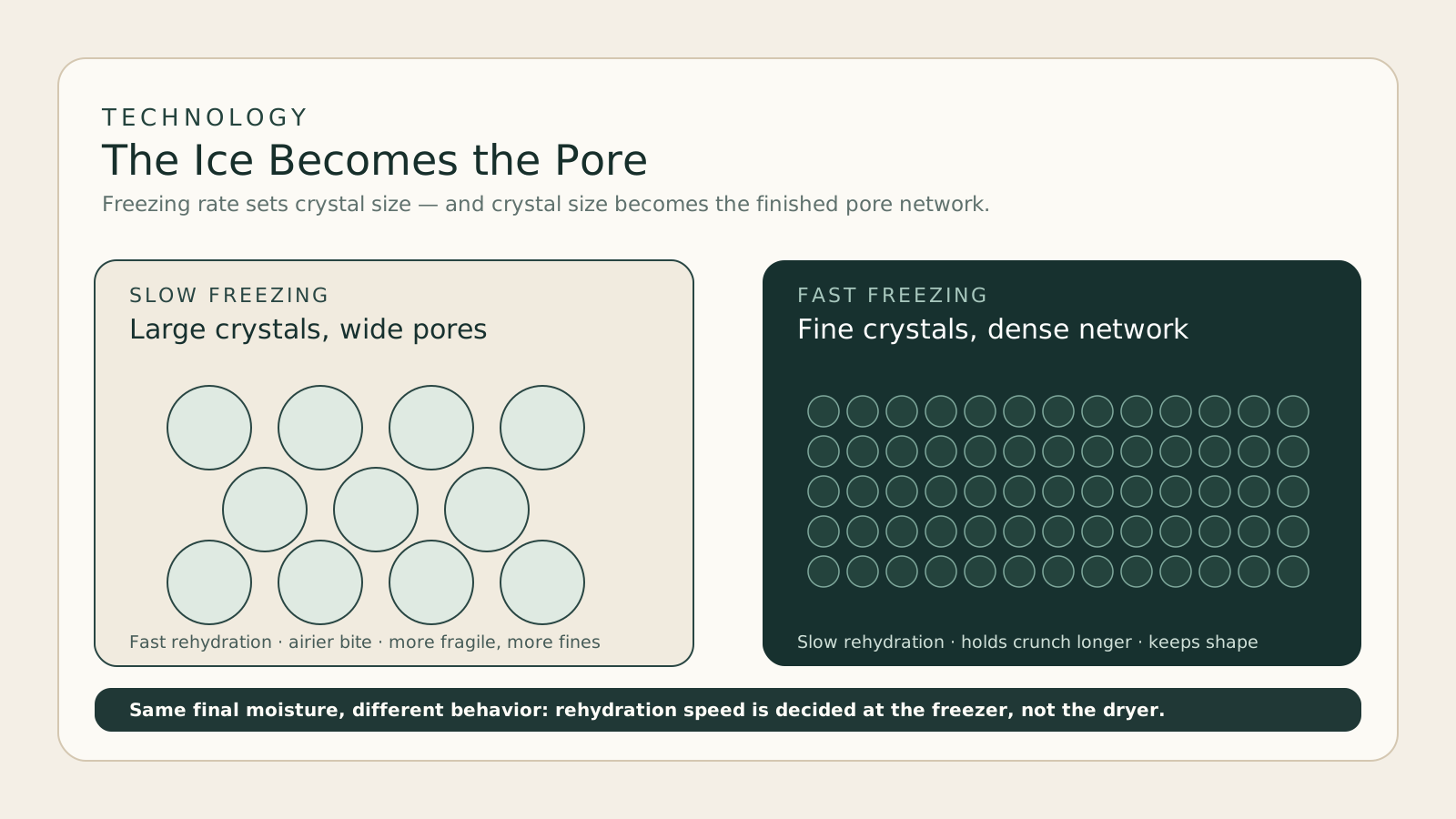
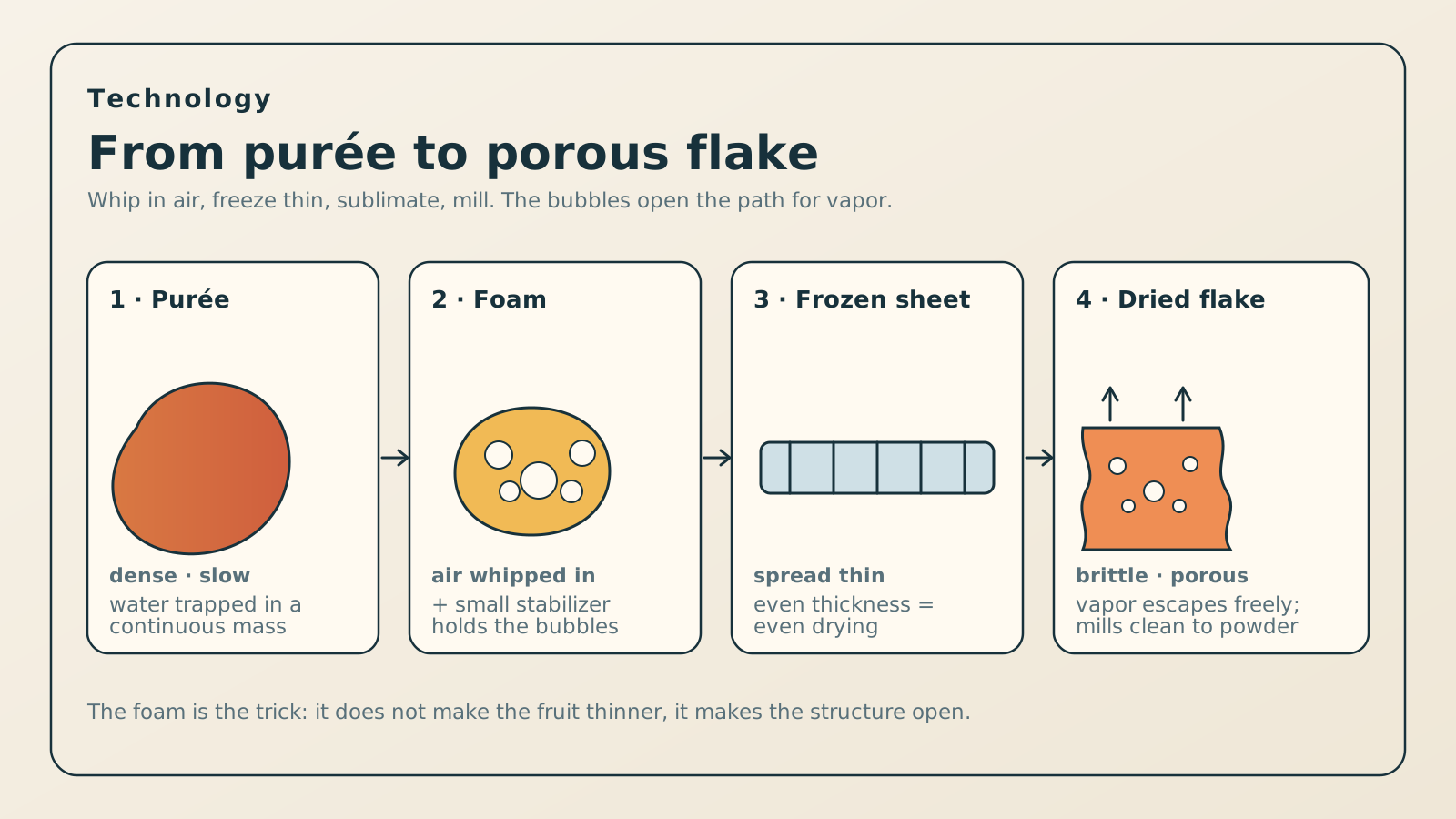
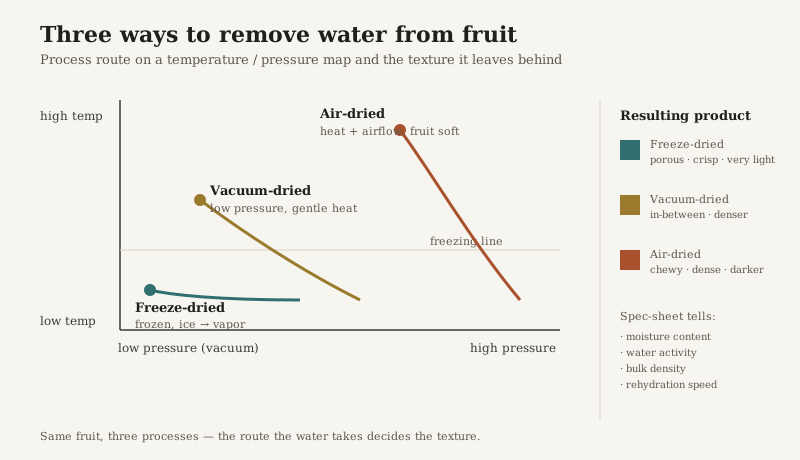
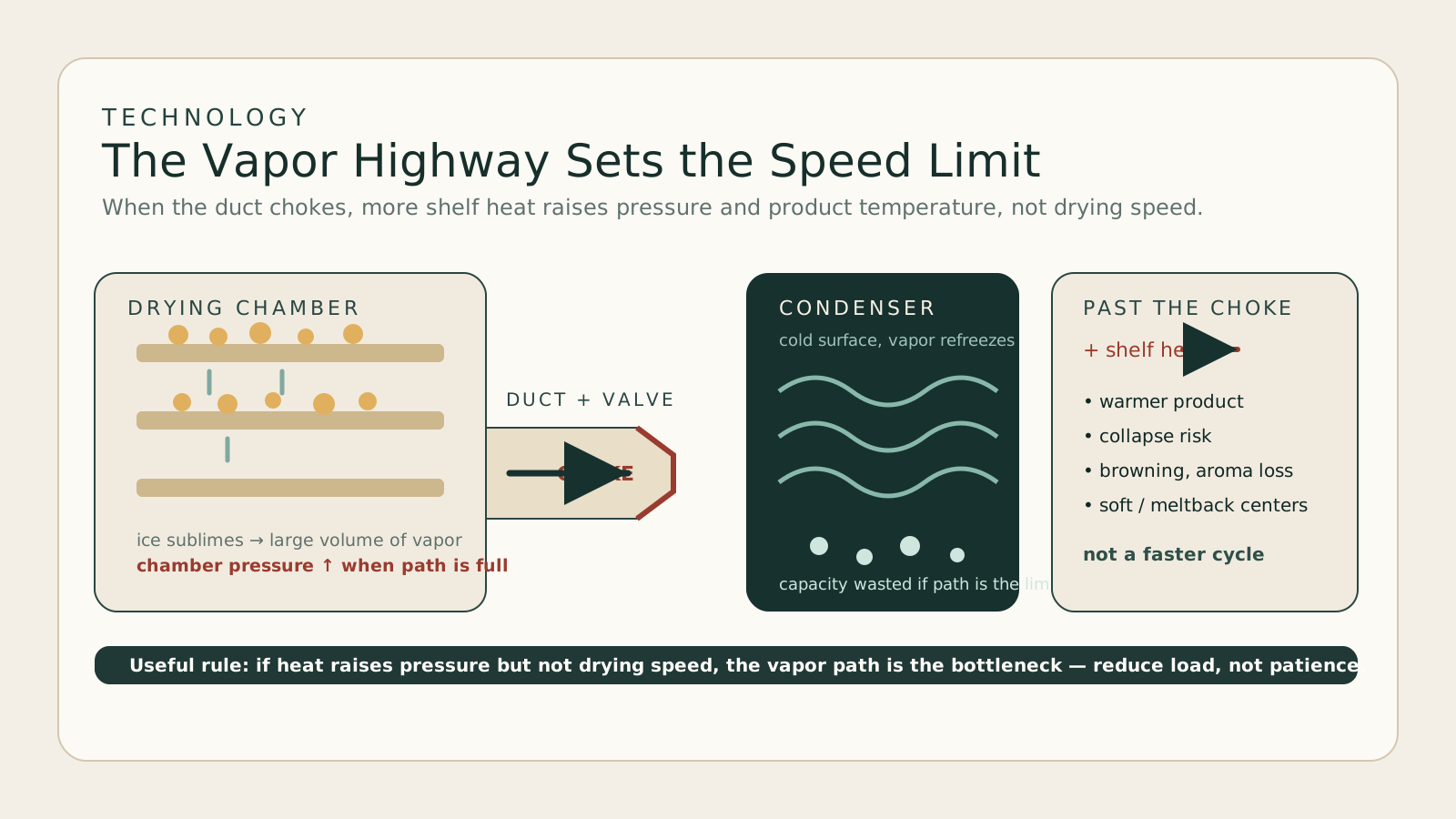
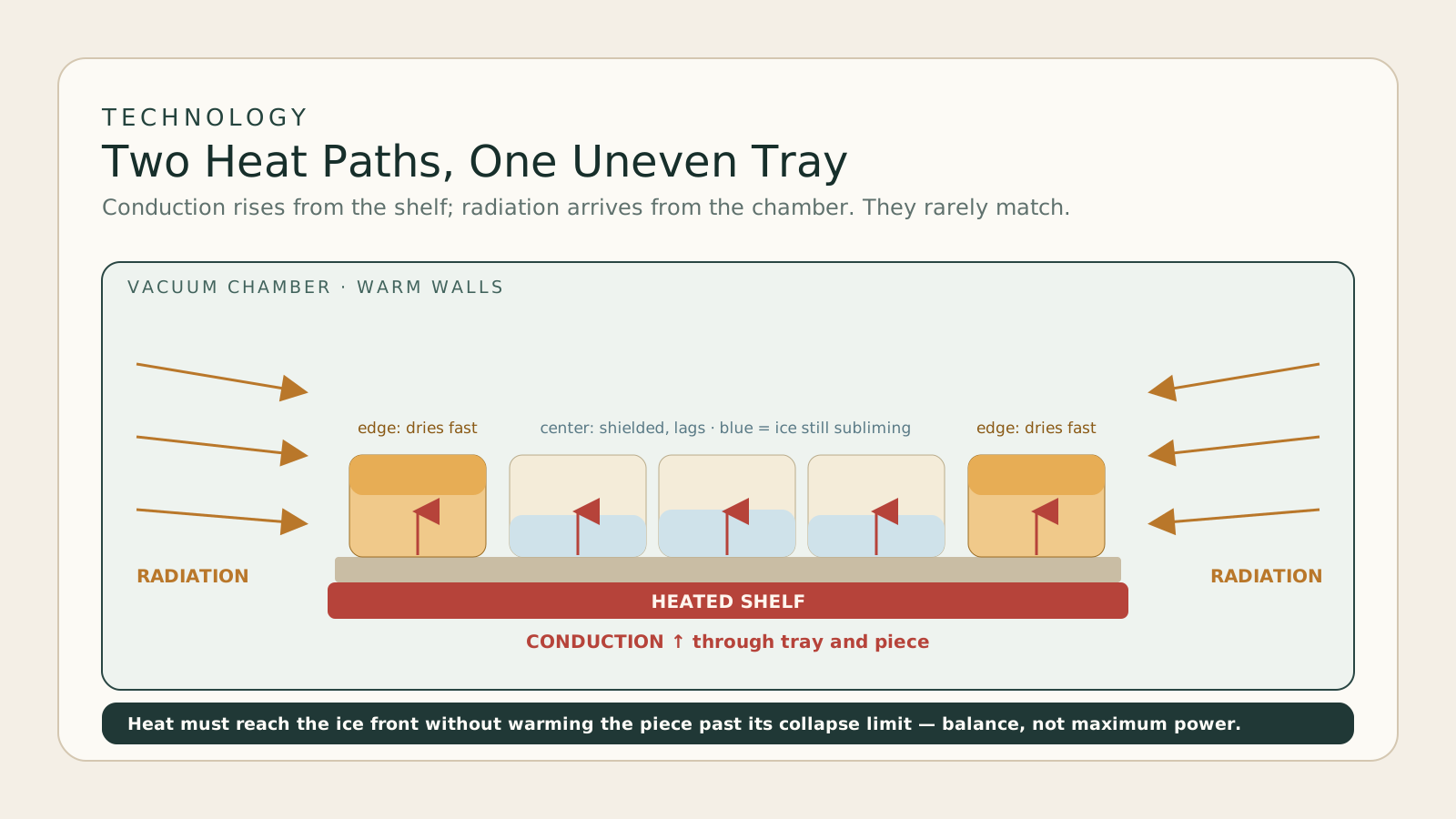
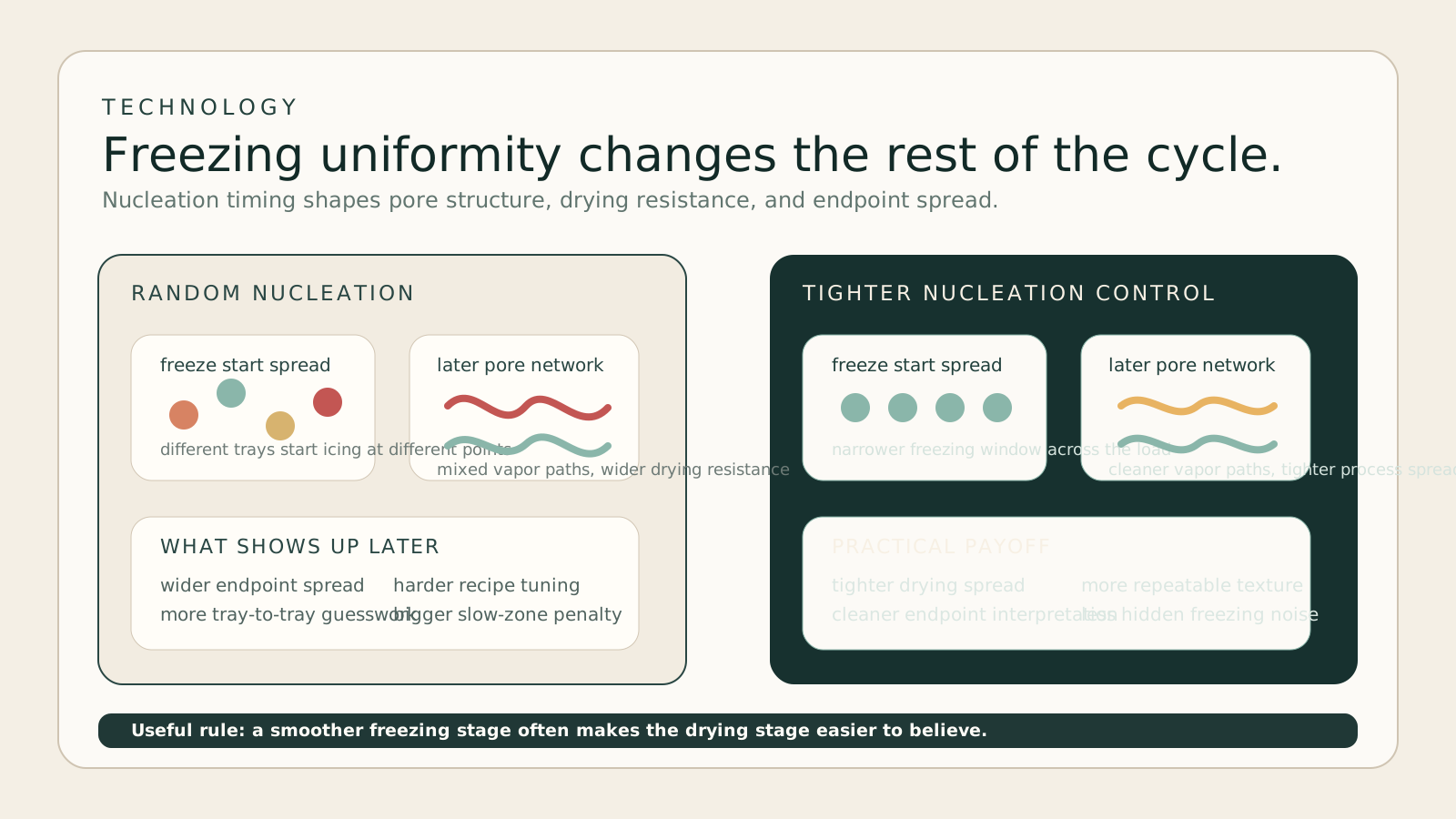
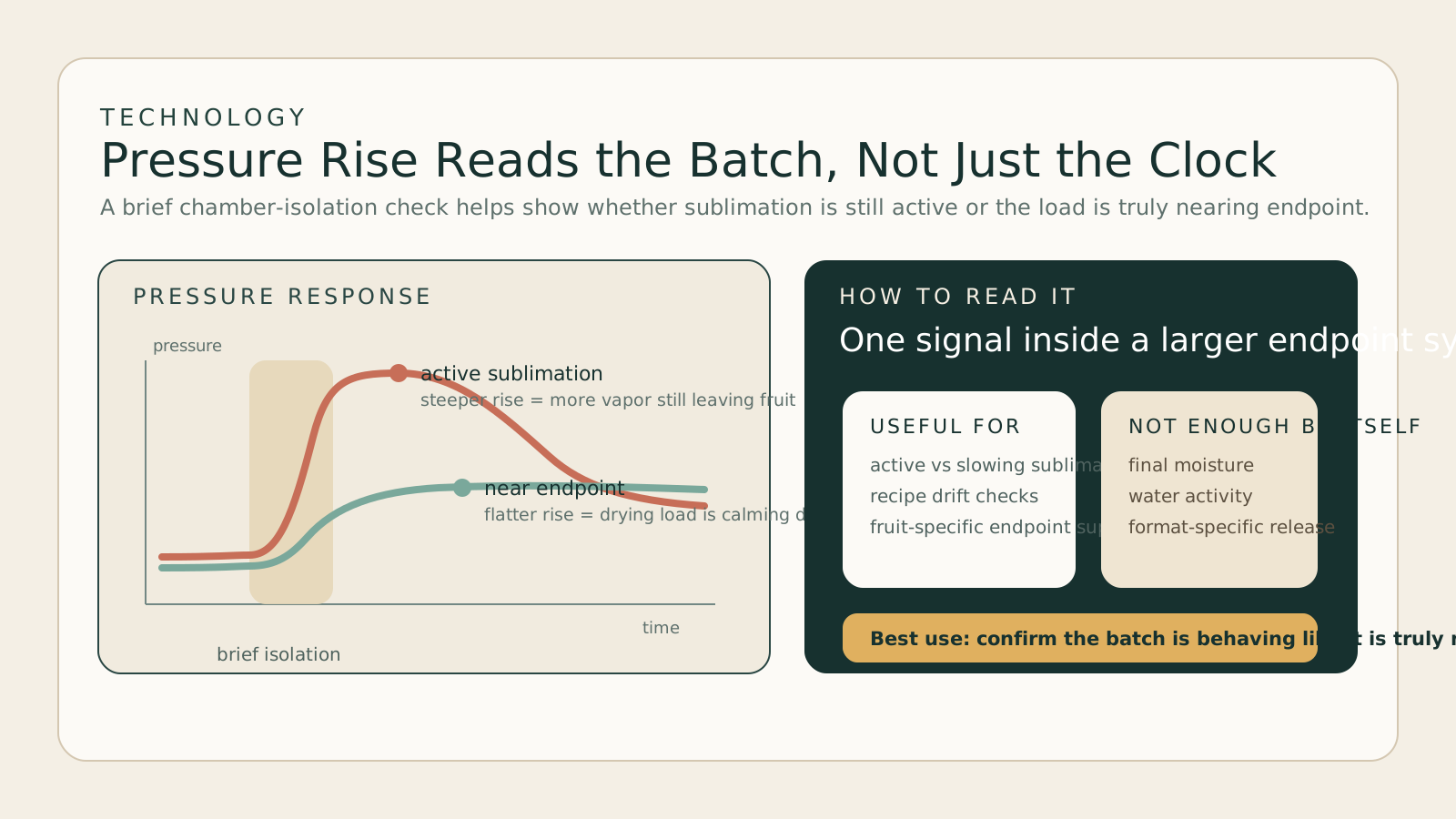
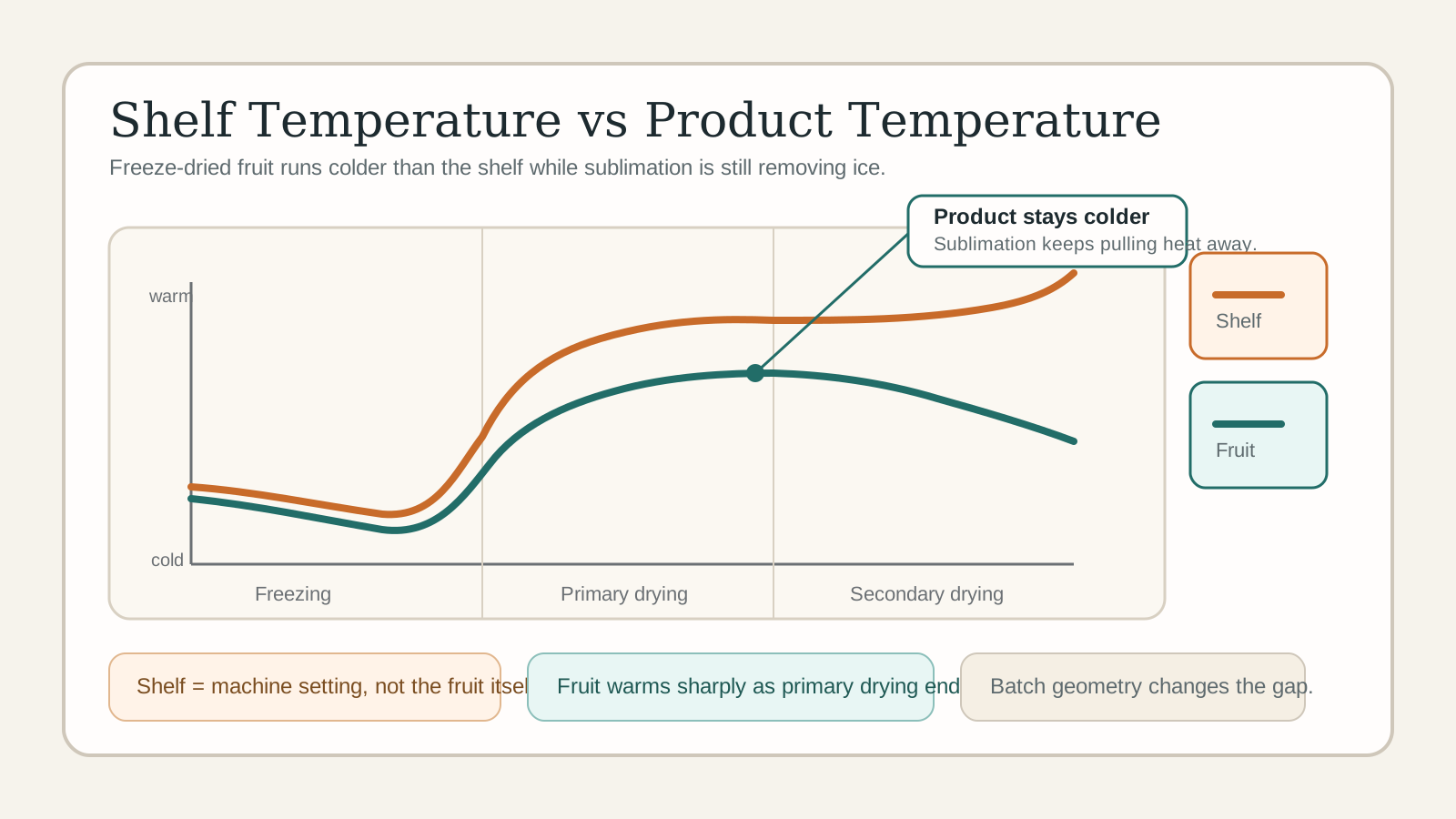
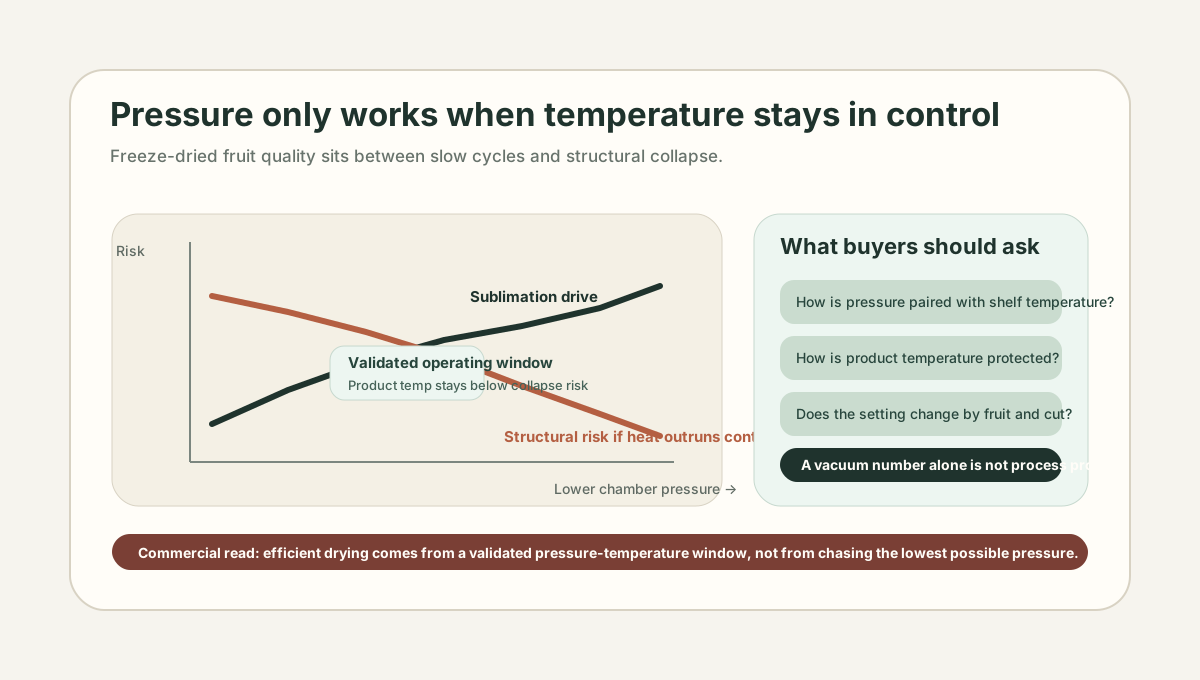
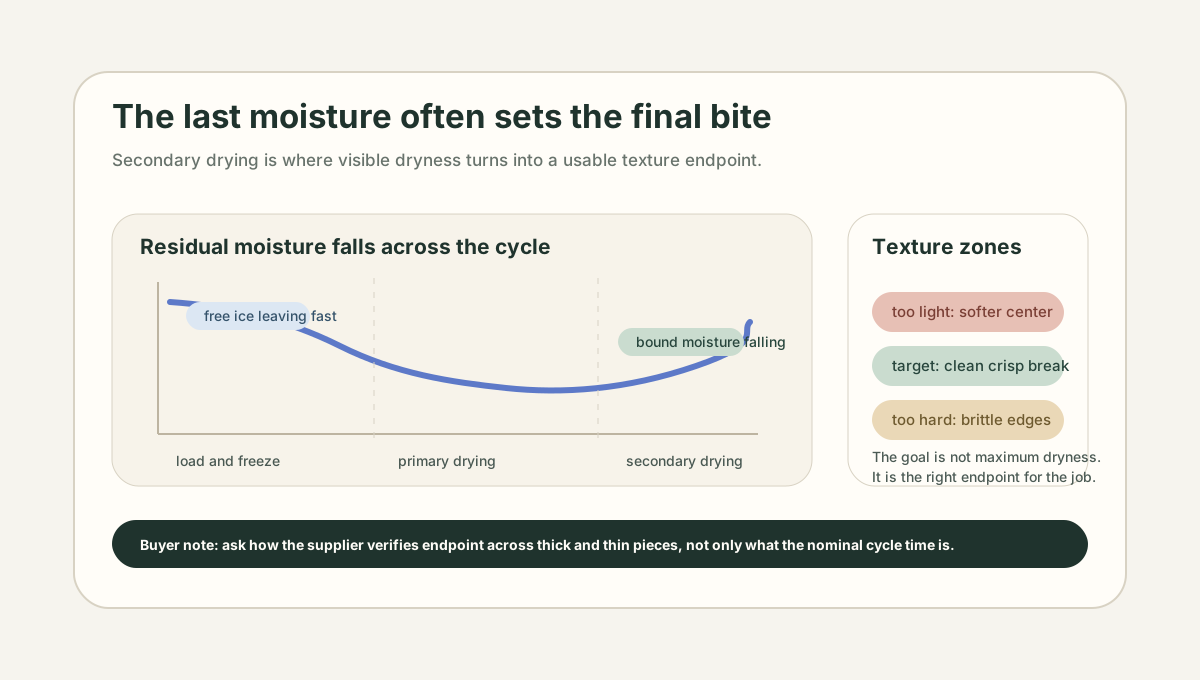
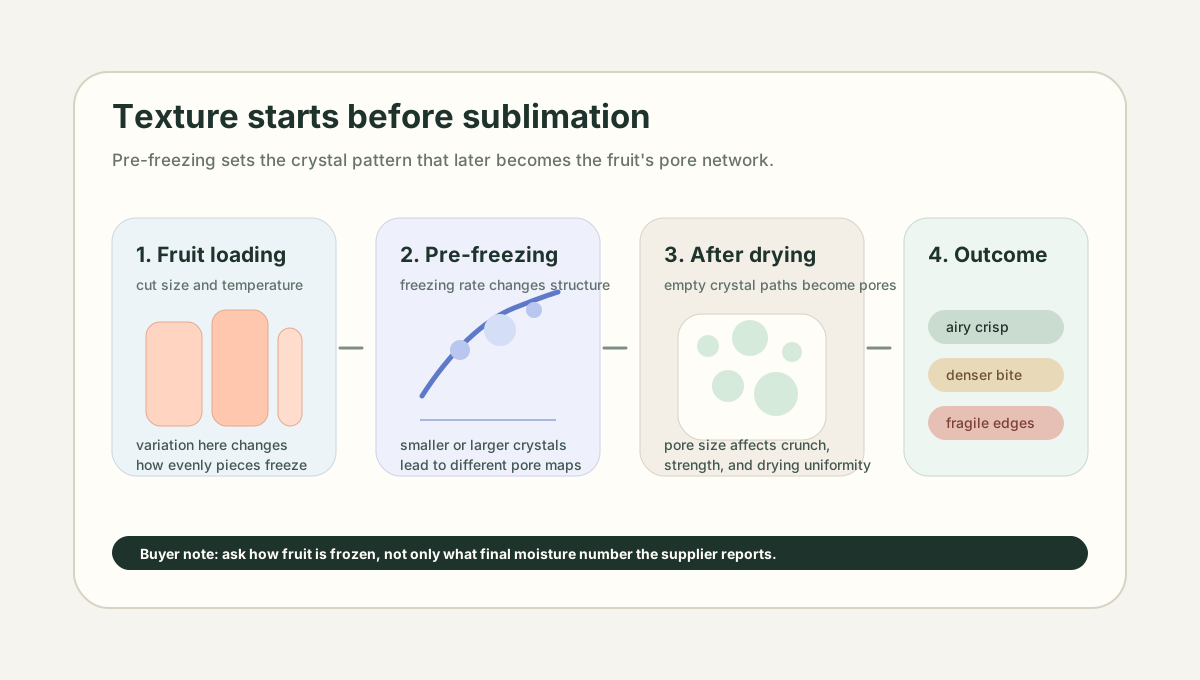
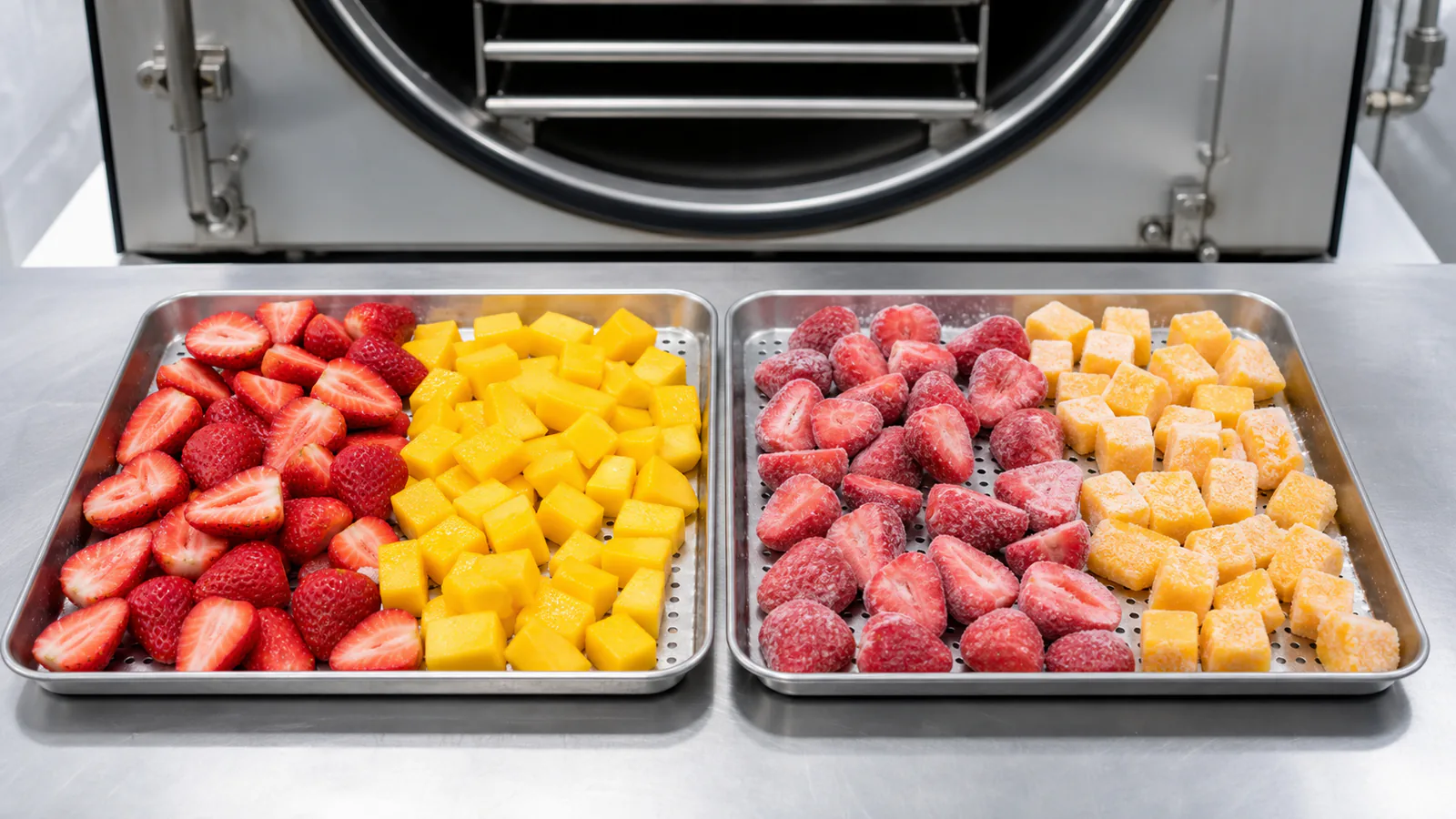
Freeze-drying — also called lyophilization — is a four-step process: fresh fruit is cut and frozen, the frozen fruit is placed in a vacuum chamber, gentle heat is applied to drive sublimation (the direct transition from ice to vapor), and the residual moisture is pulled out under continued vacuum. The fruit that comes out is light, porous, and crisp, with most of its original color, aroma, and shape intact.
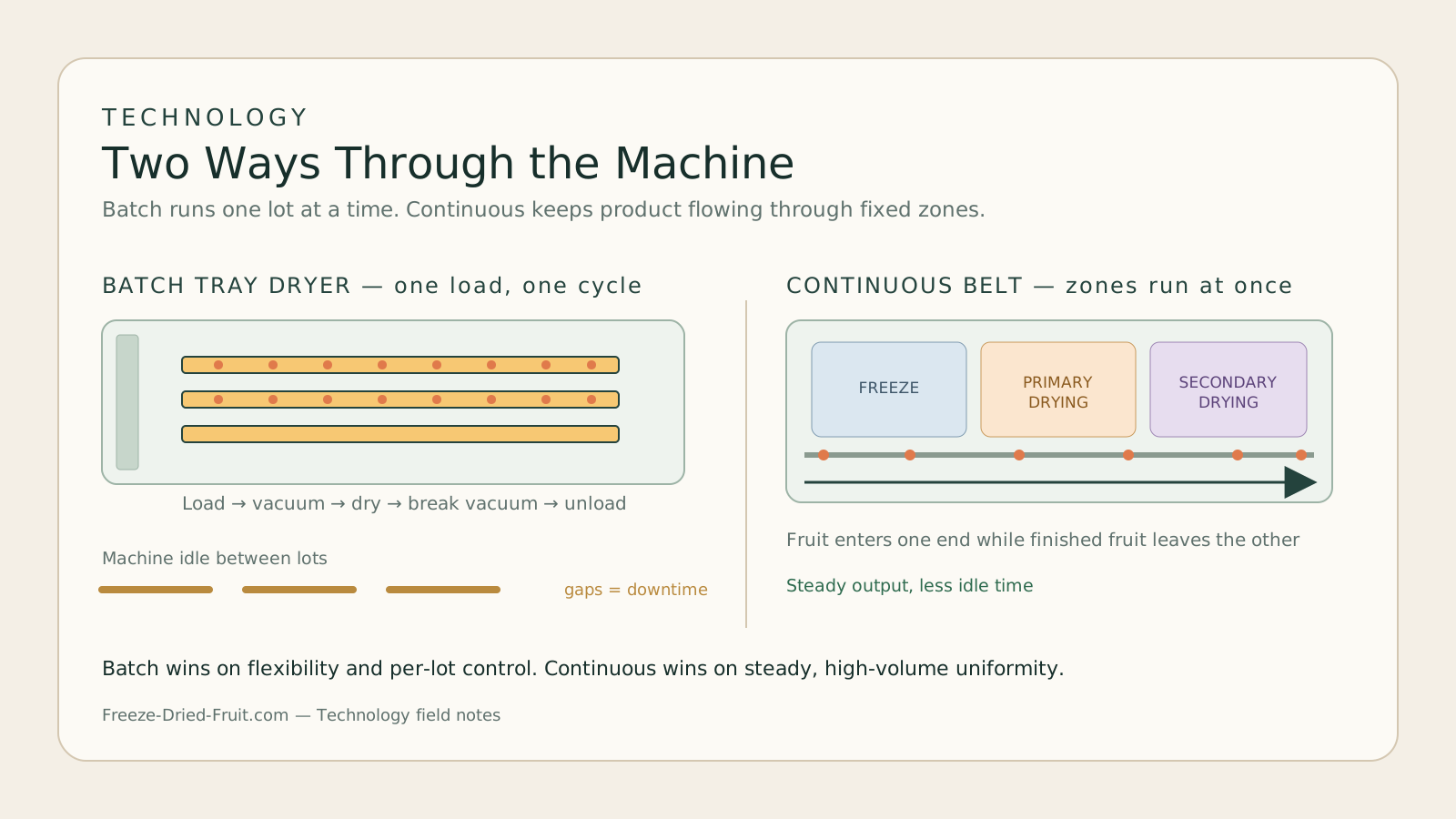
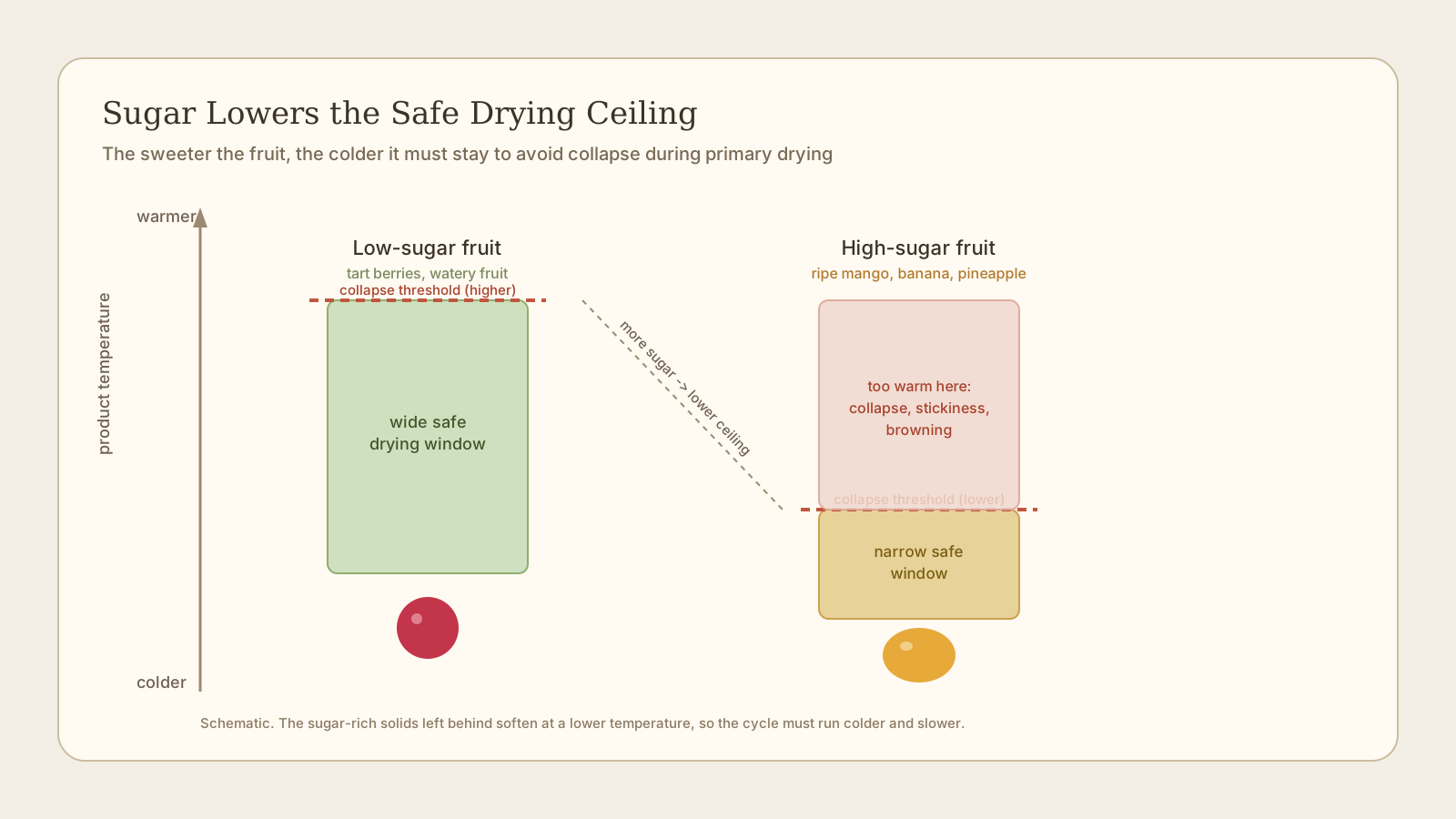
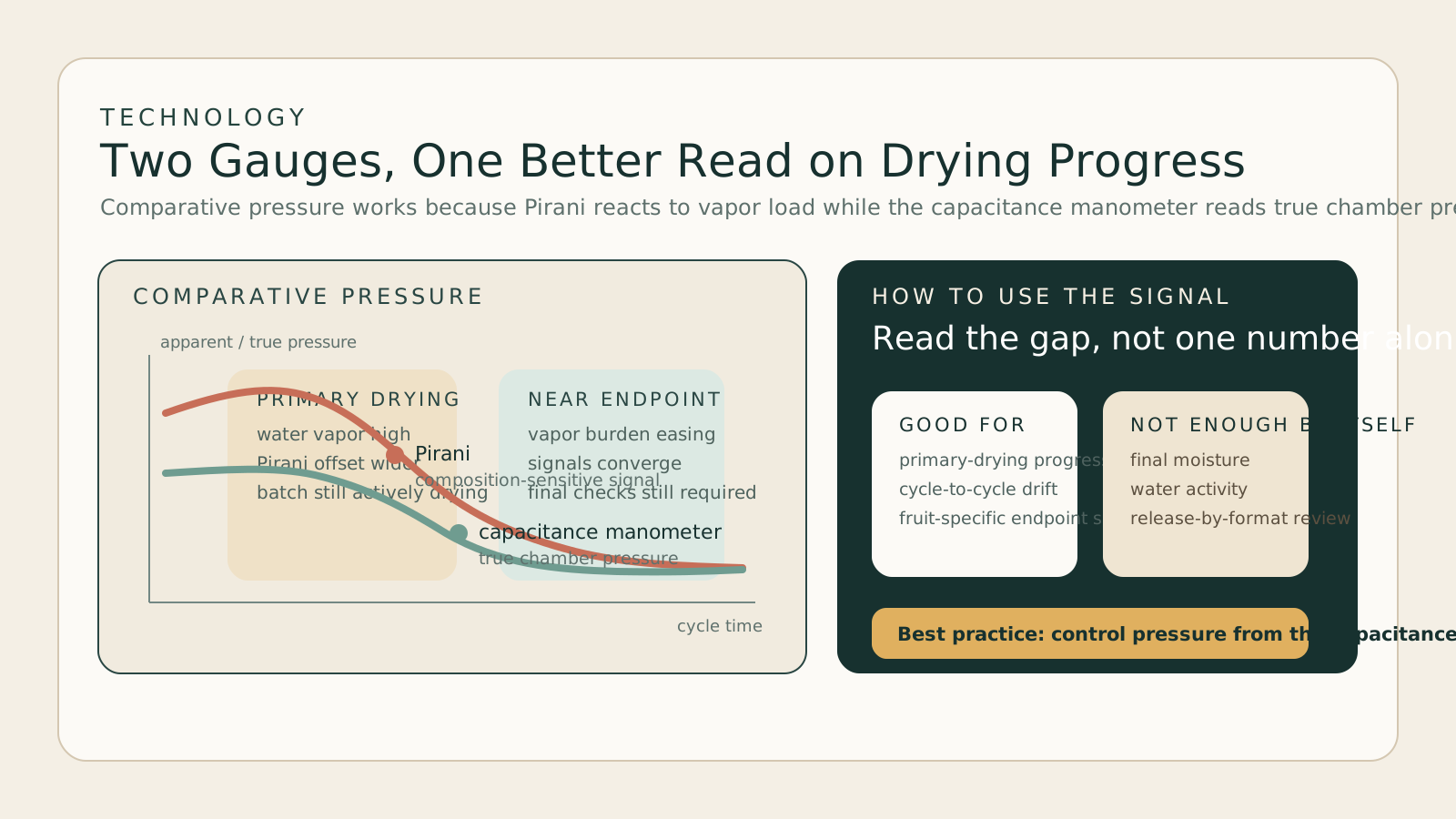
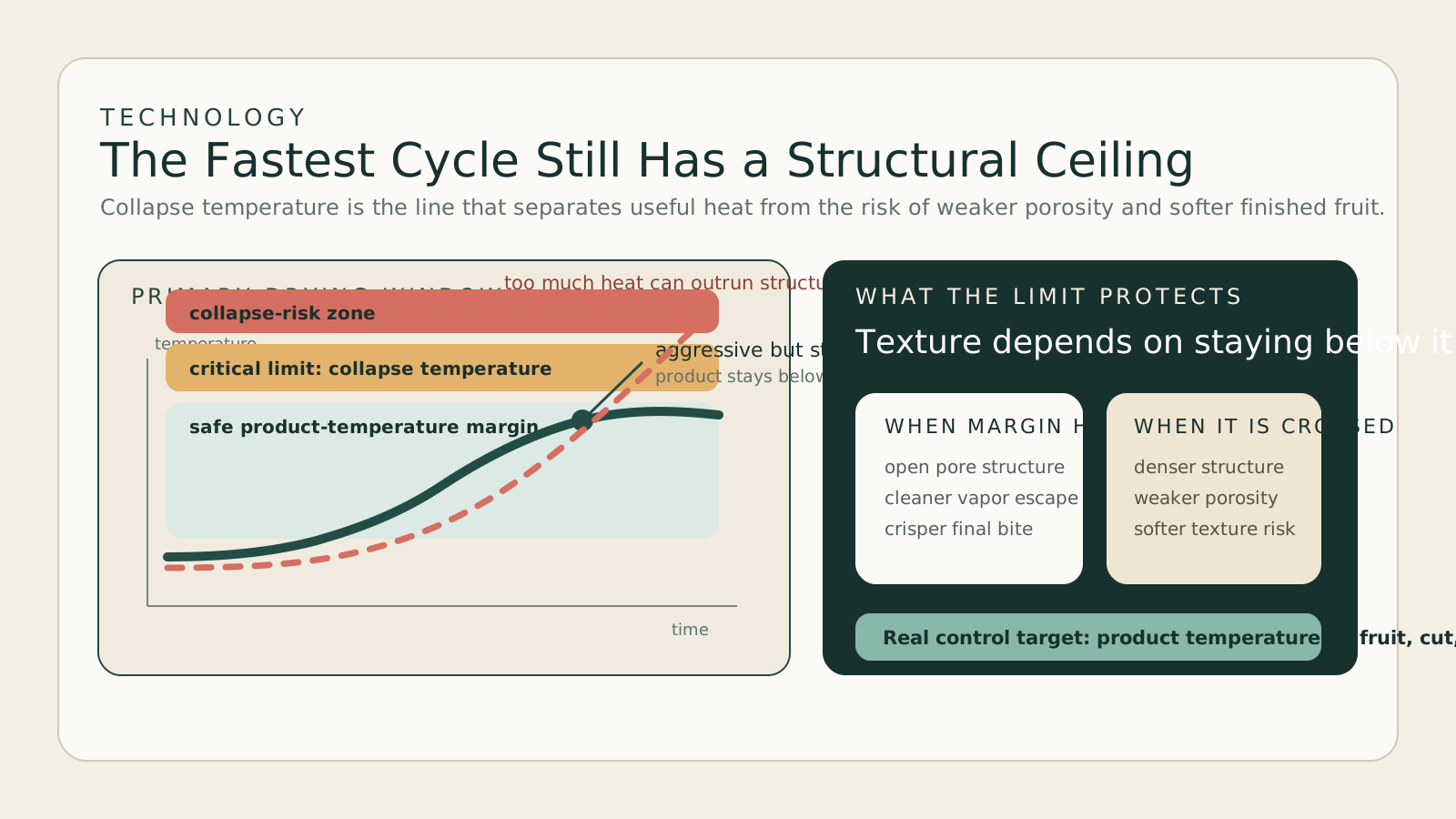
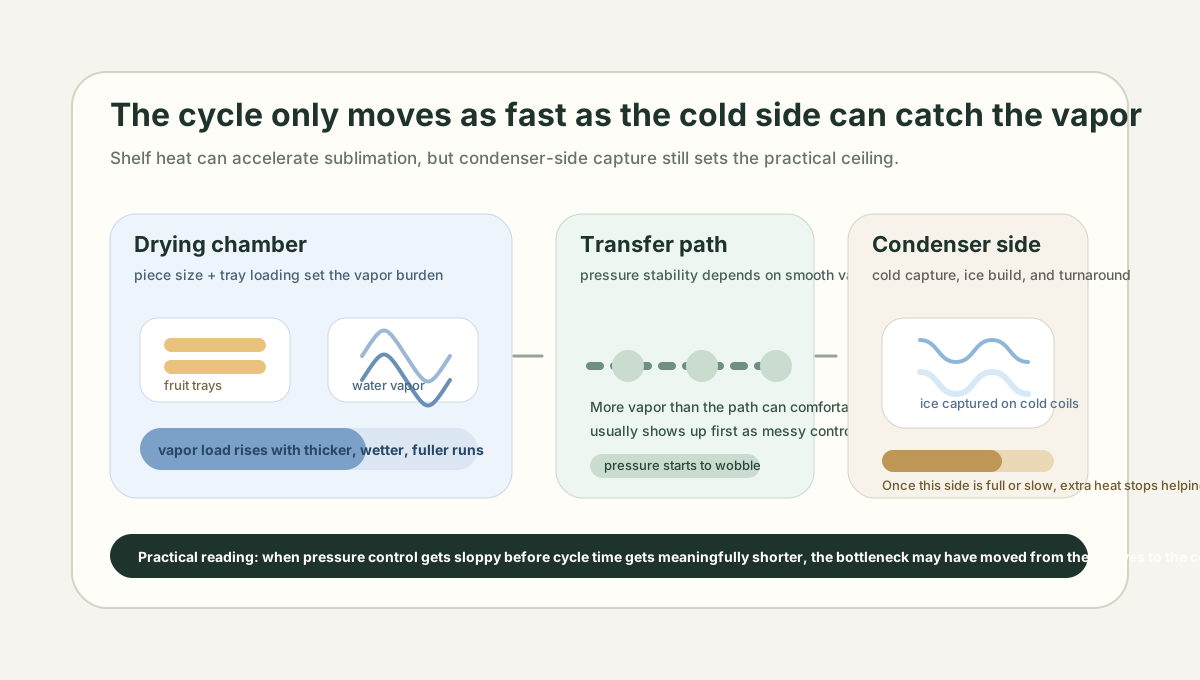
The thing freeze-drying does that hot-air drying does not is avoid heat damage. There is no caramelization, no Maillard browning, no aroma loss to evaporation. That is why a freeze-dried strawberry tastes recognizably like a strawberry and a freeze-dried mango can read almost like a dessert. The cost is time and equipment: a single cycle can take 16 to 30 hours, and the chambers, vacuum pumps, and shelf-heating systems are expensive to run.
The full mechanics — fresh, freeze, vacuum, crisp — are covered in the process explainer, and the cell-structure preservation that distinguishes freeze-drying from IQF-then-thaw drying is the reason this category exists.
Moisture and water activity: the two specs every buyer should ask for
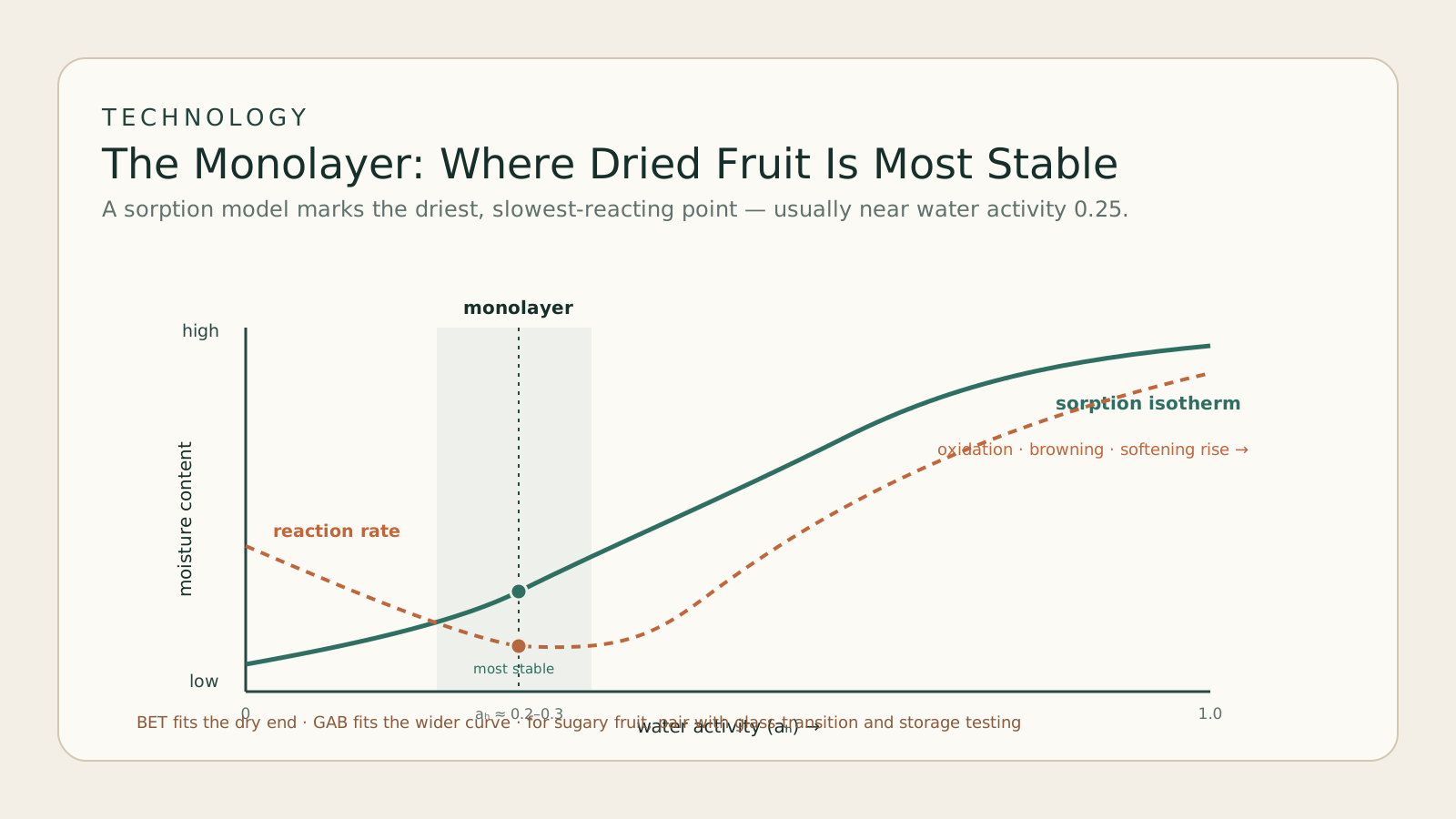
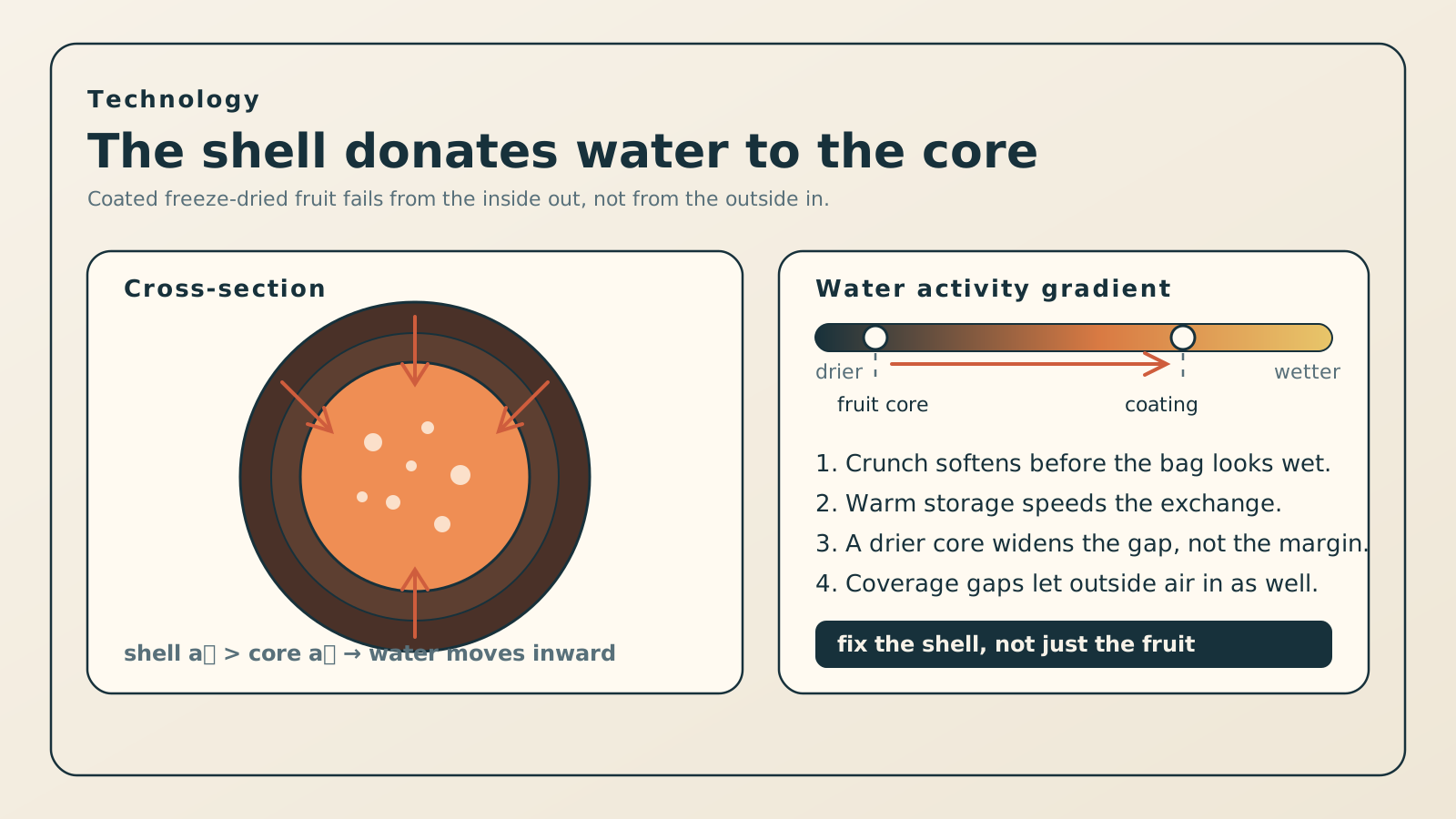
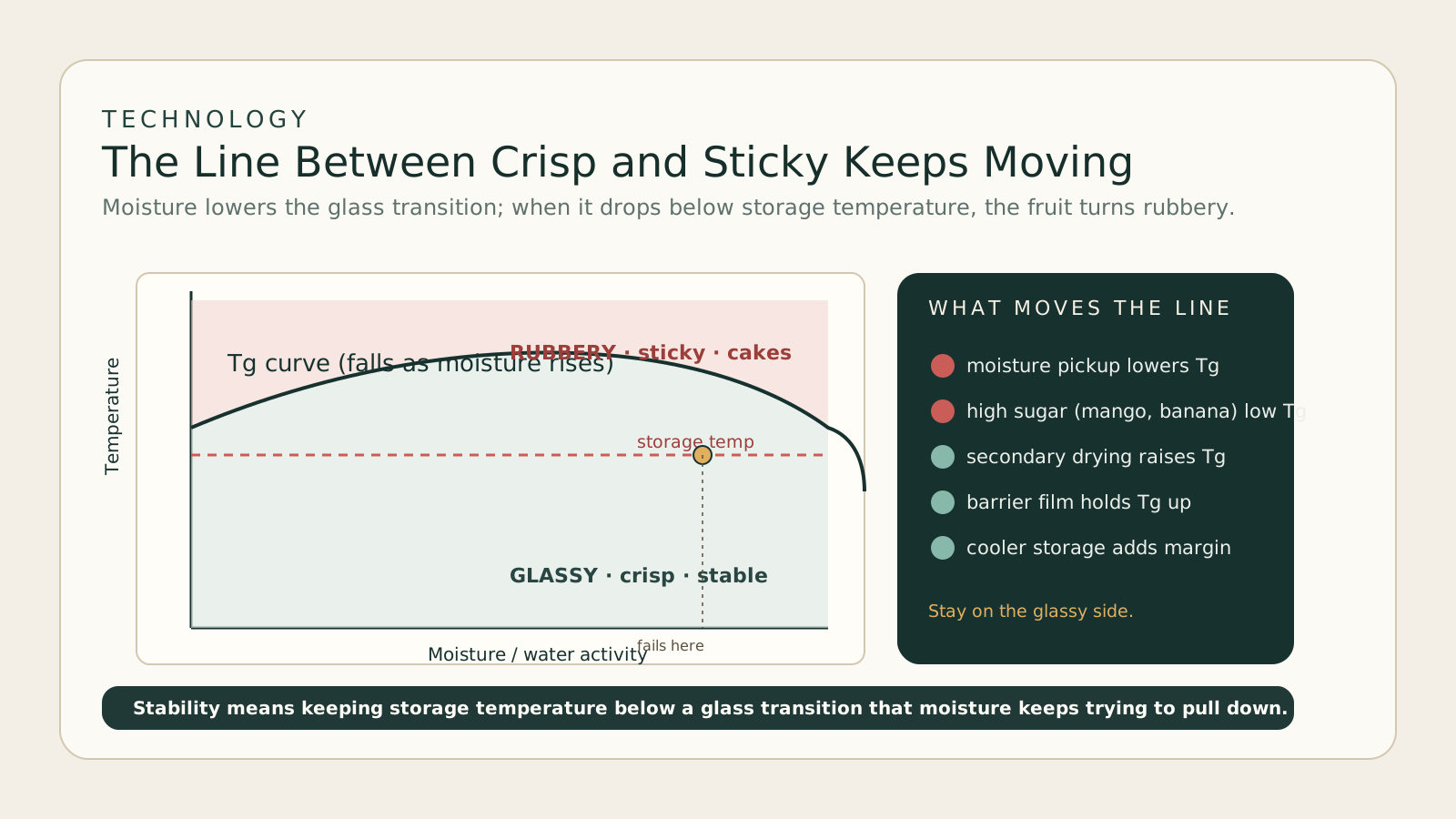
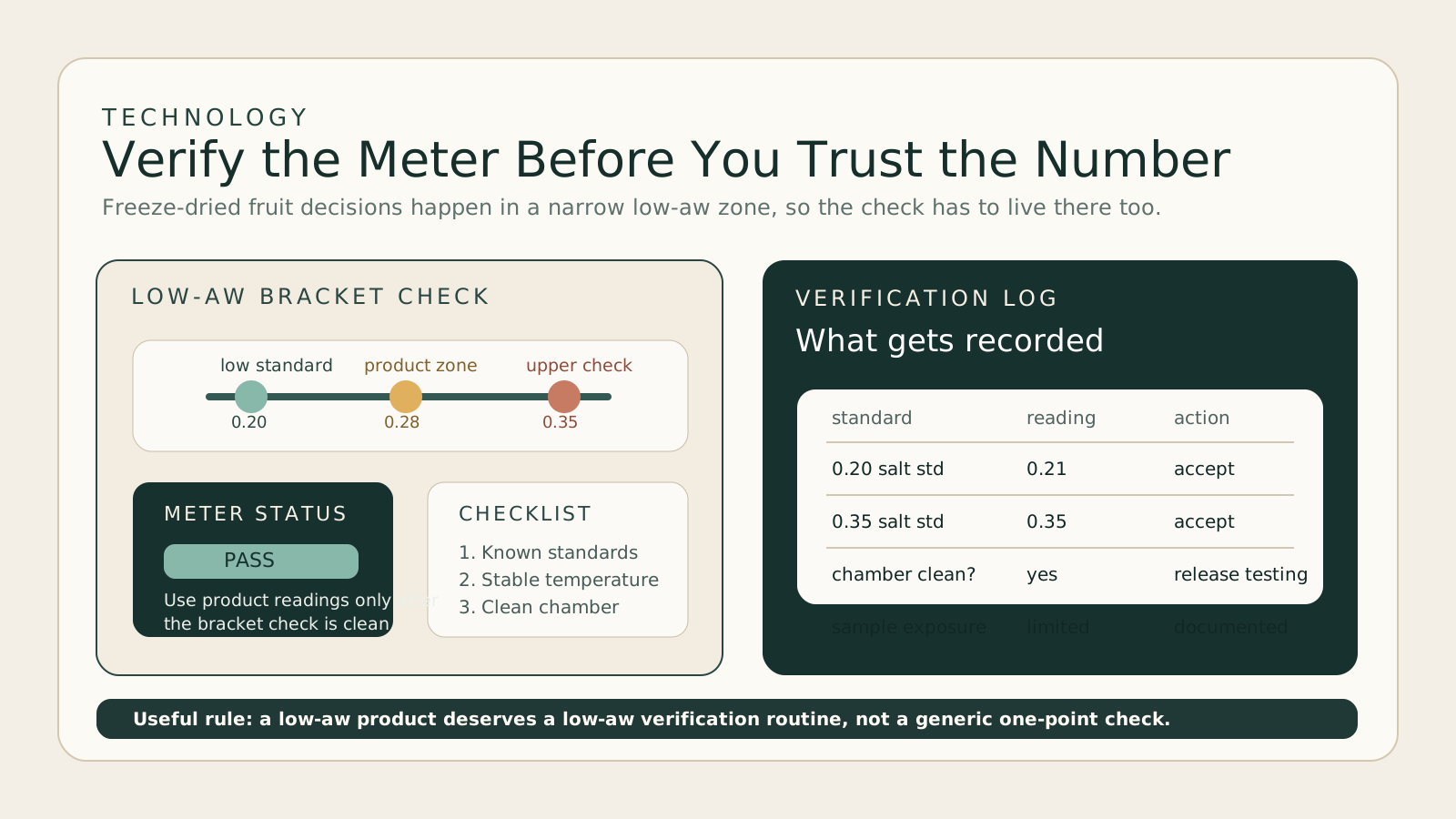
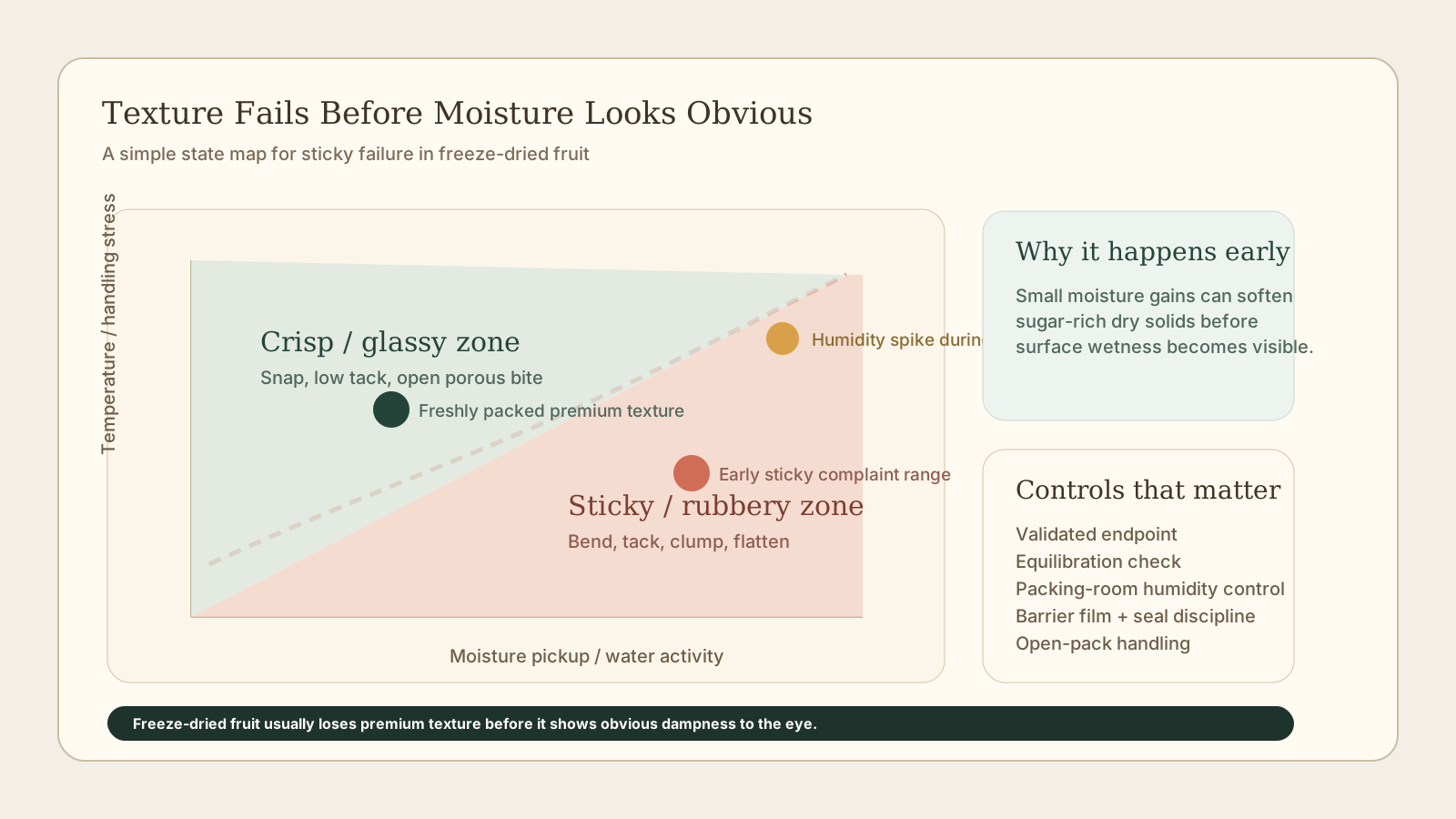
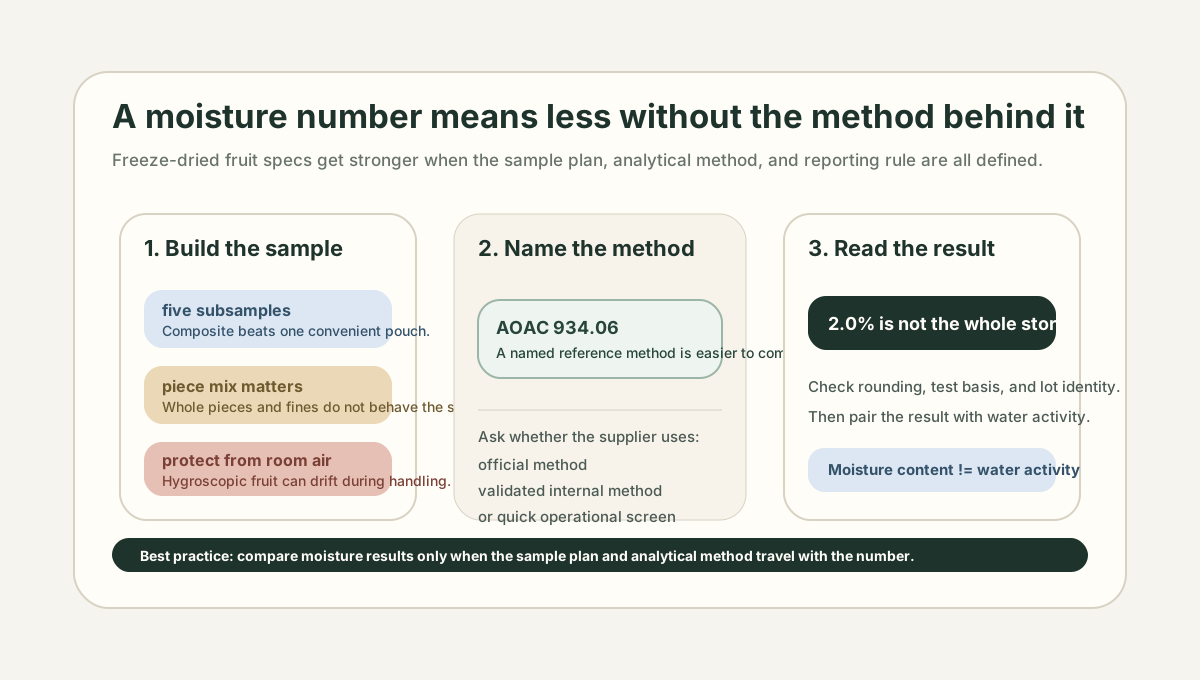
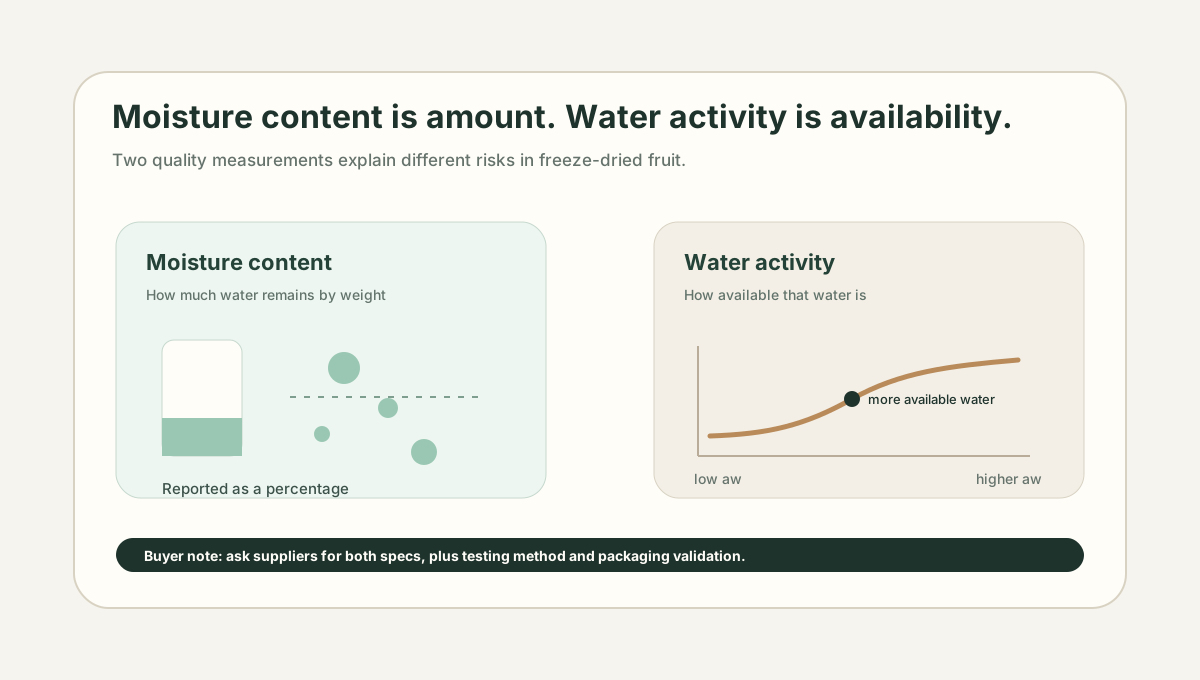
Freeze-dried fruit quality is often described with one word: dry. In practice, two measurements are needed. Moisture content describes how much water is in the product — usually a percentage. Water activity (aw, on a 0–1 scale) describes how available that water is to support microbial growth and texture change. The two numbers are related but not the same, and serious quality conversations need both.
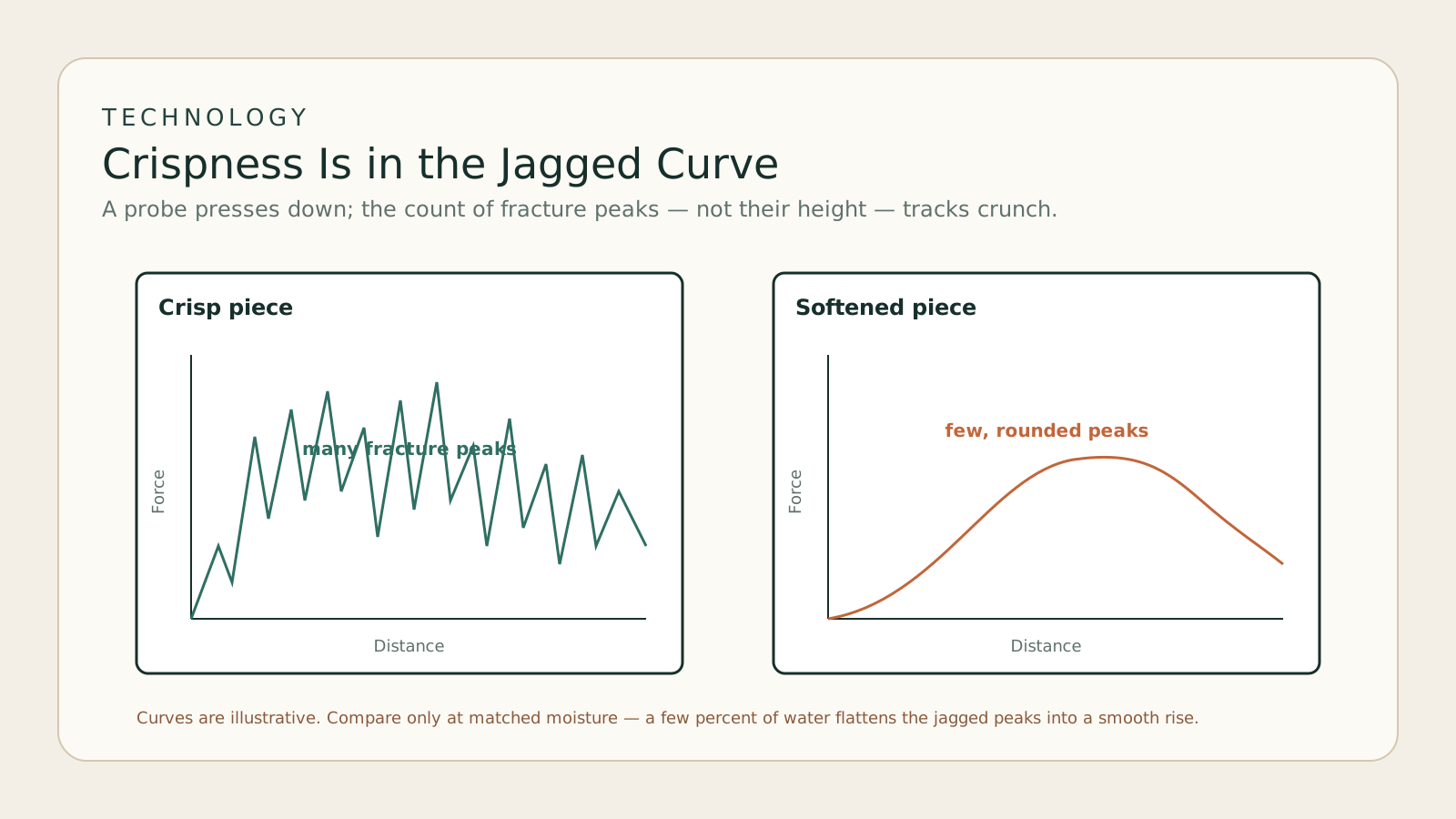
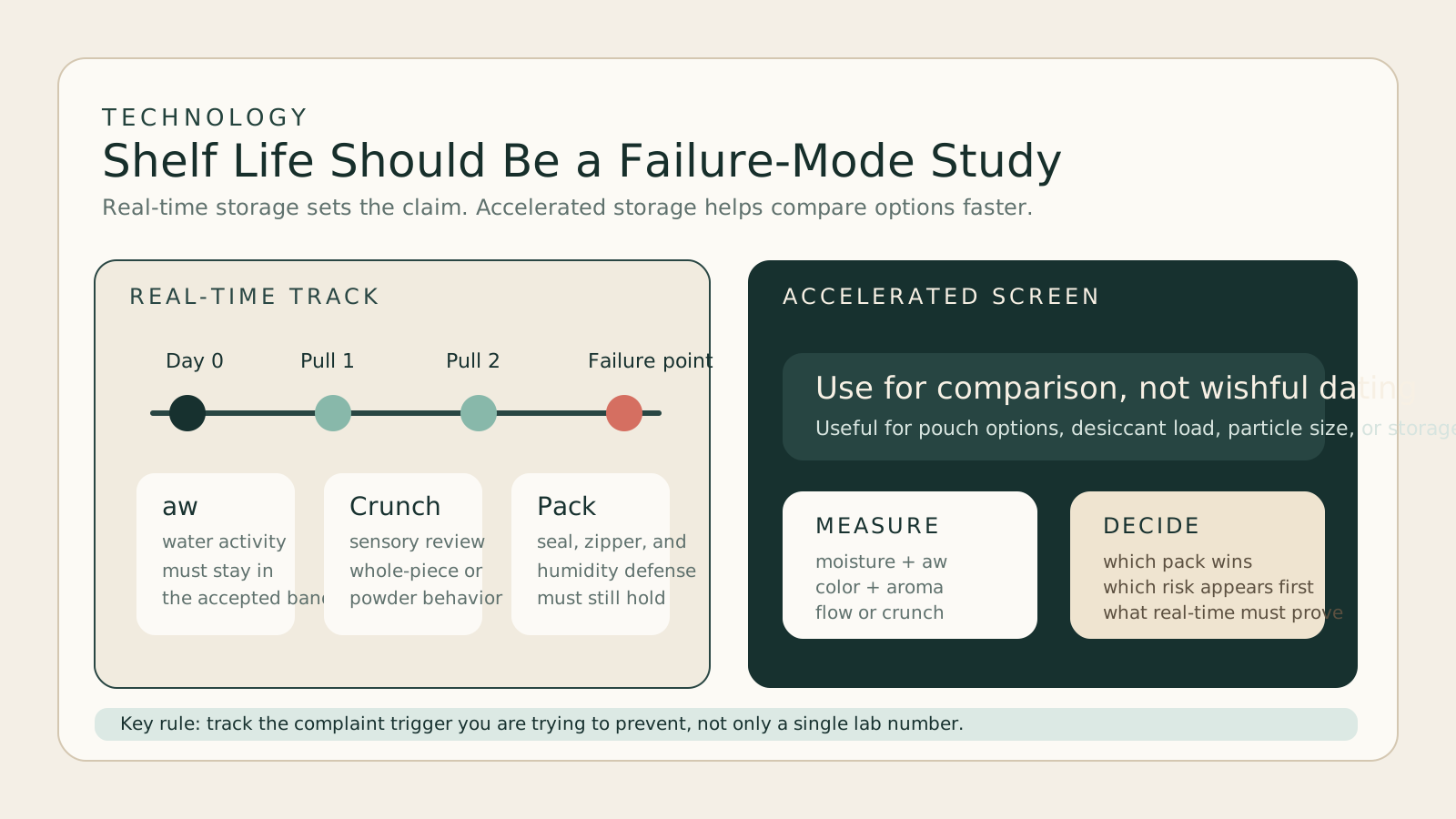
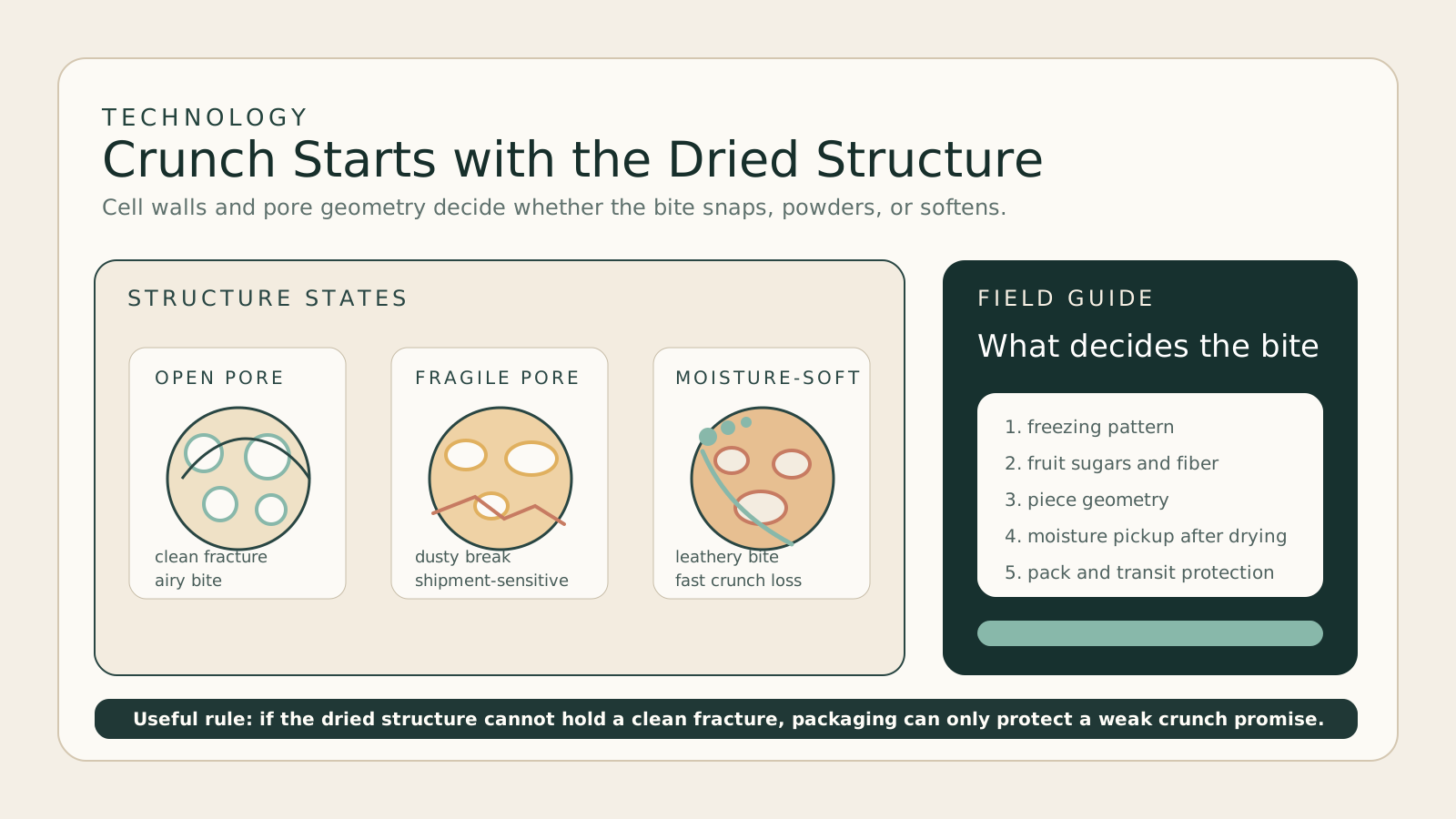
Most premium freeze-dried fruit targets 1–4% residual moisture content. Below that, fruit can become dusty or fragile. Above that, pieces feel leathery and lose crunch fast. Water activity is the better predictor of storage behavior — two strawberry slices with identical moisture content can behave very differently in a humid kitchen if their water activity differs.
When evaluating a supplier, ask for the target moisture range, the target water activity range, the test method, and whether shelf-life testing includes texture checks. Suppliers who can answer those questions cleanly usually have the rest of their process under control. Suppliers who deflect them often do not.
Packaging and barrier films
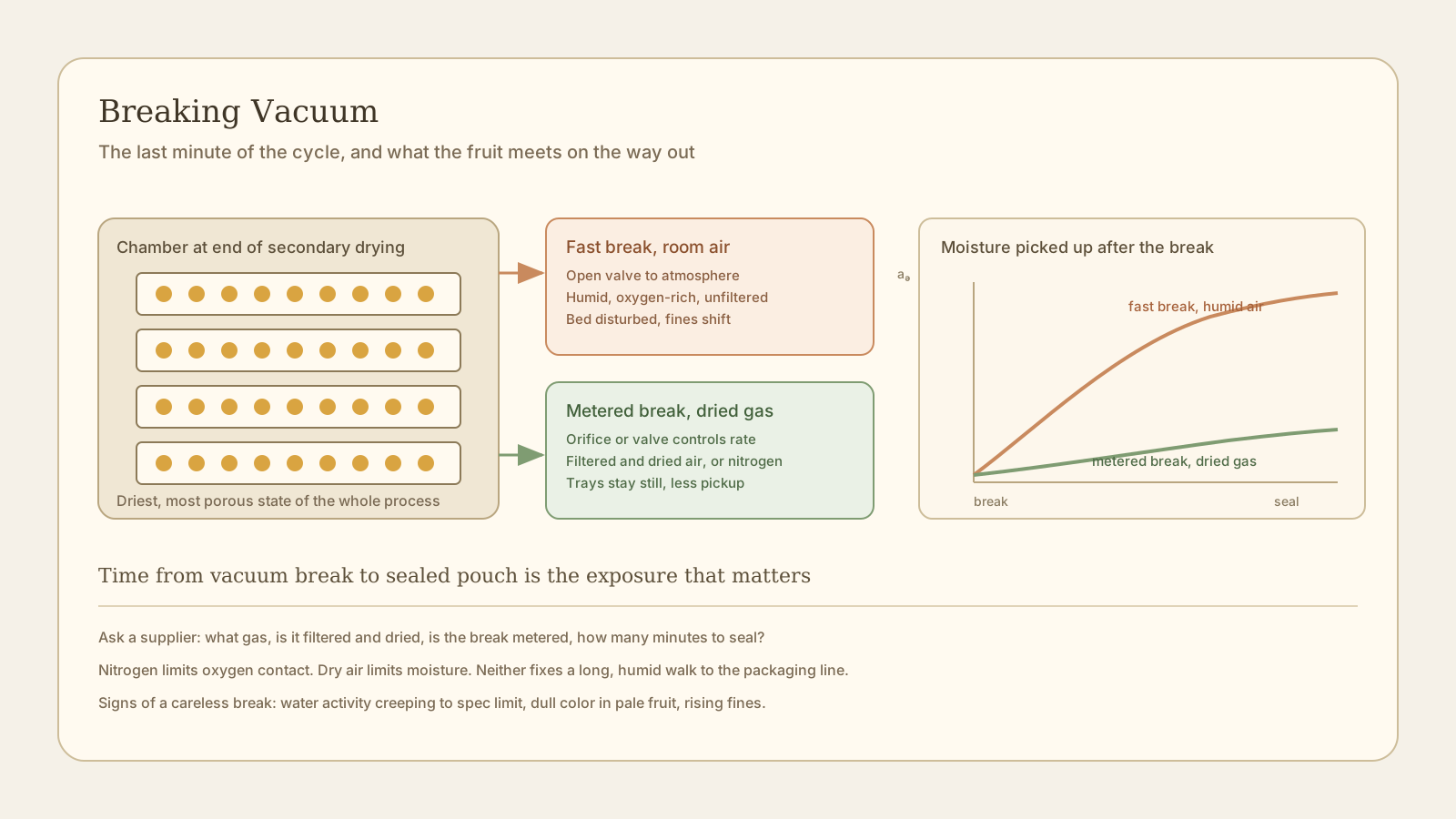
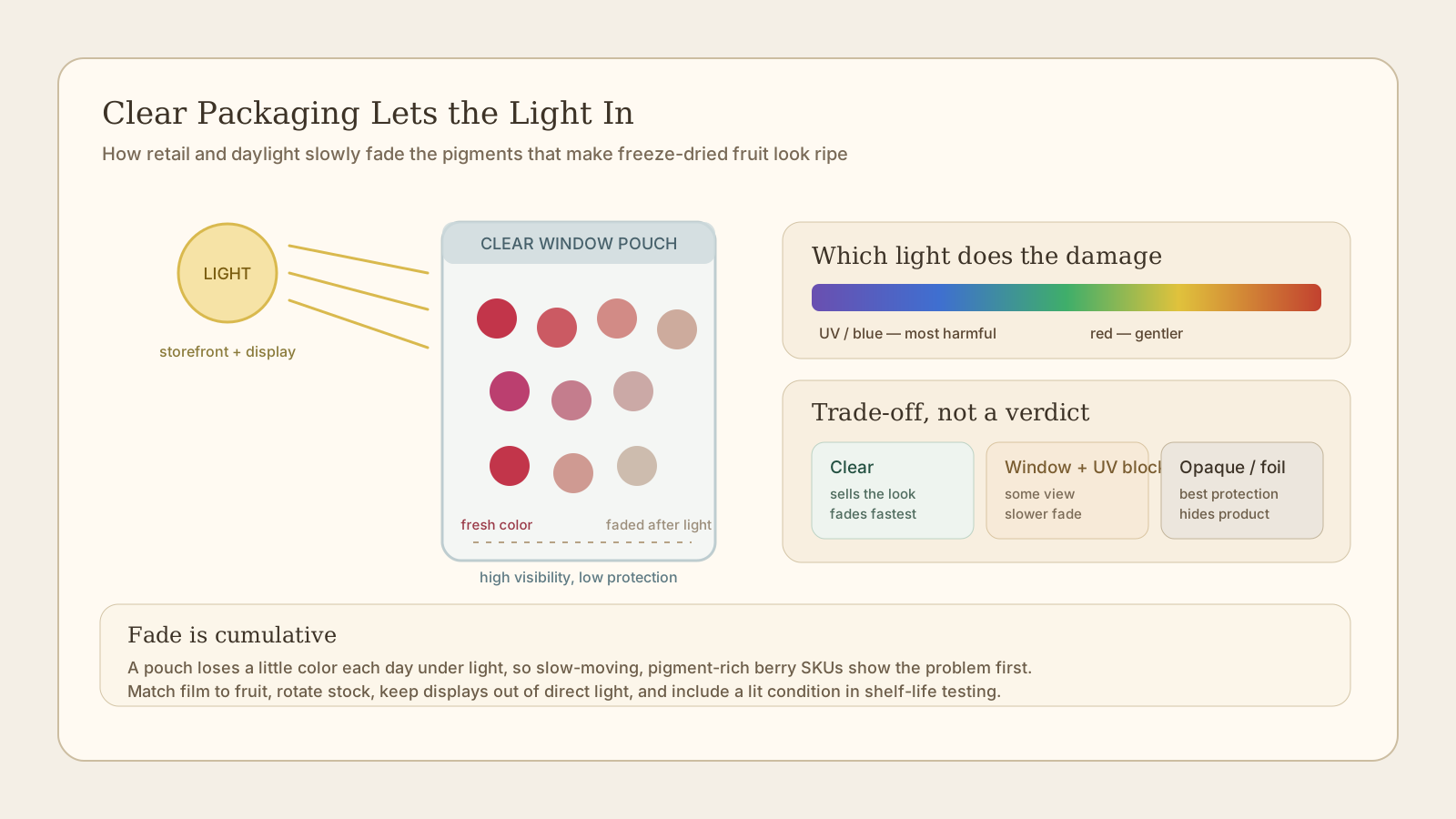
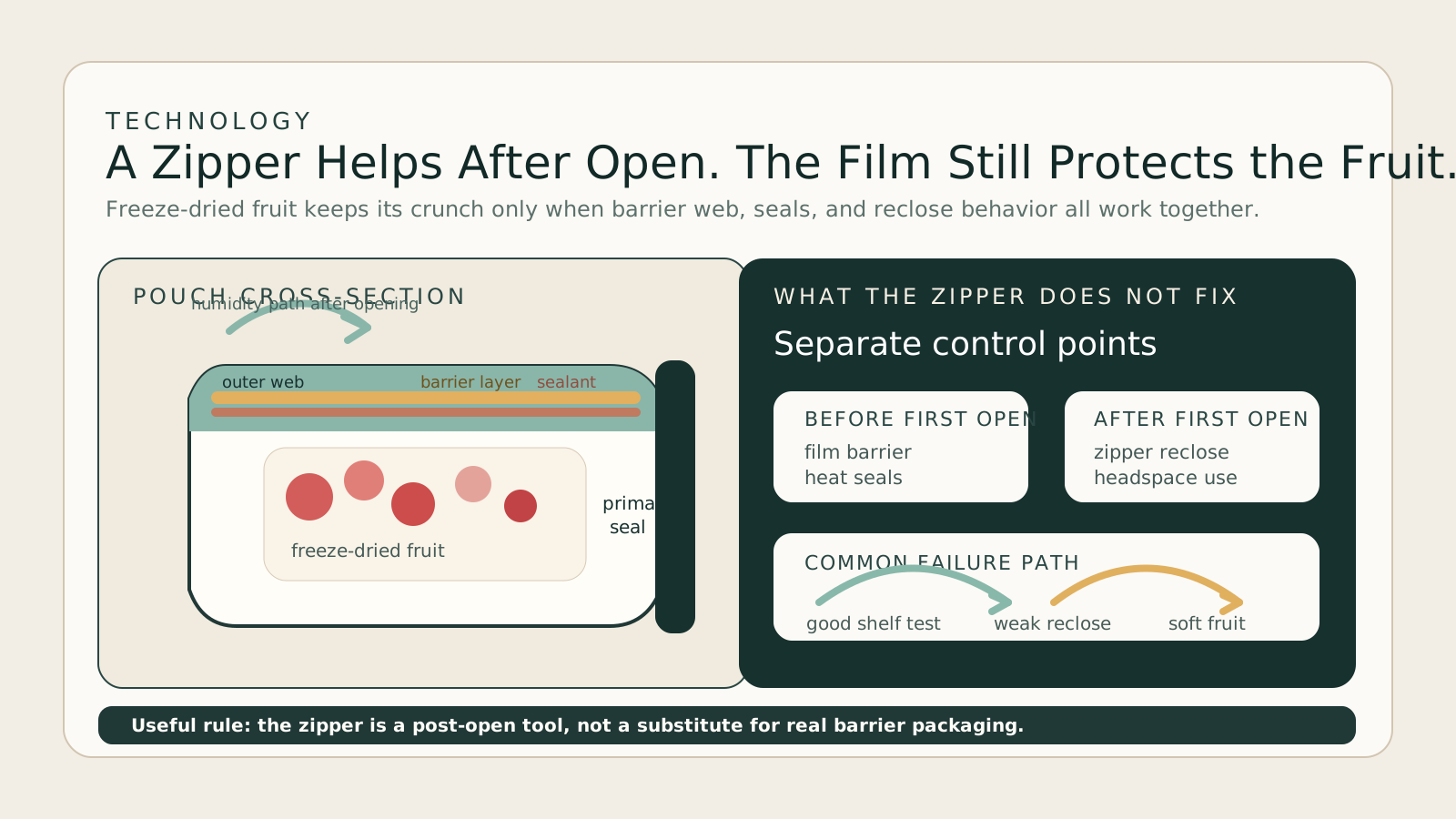
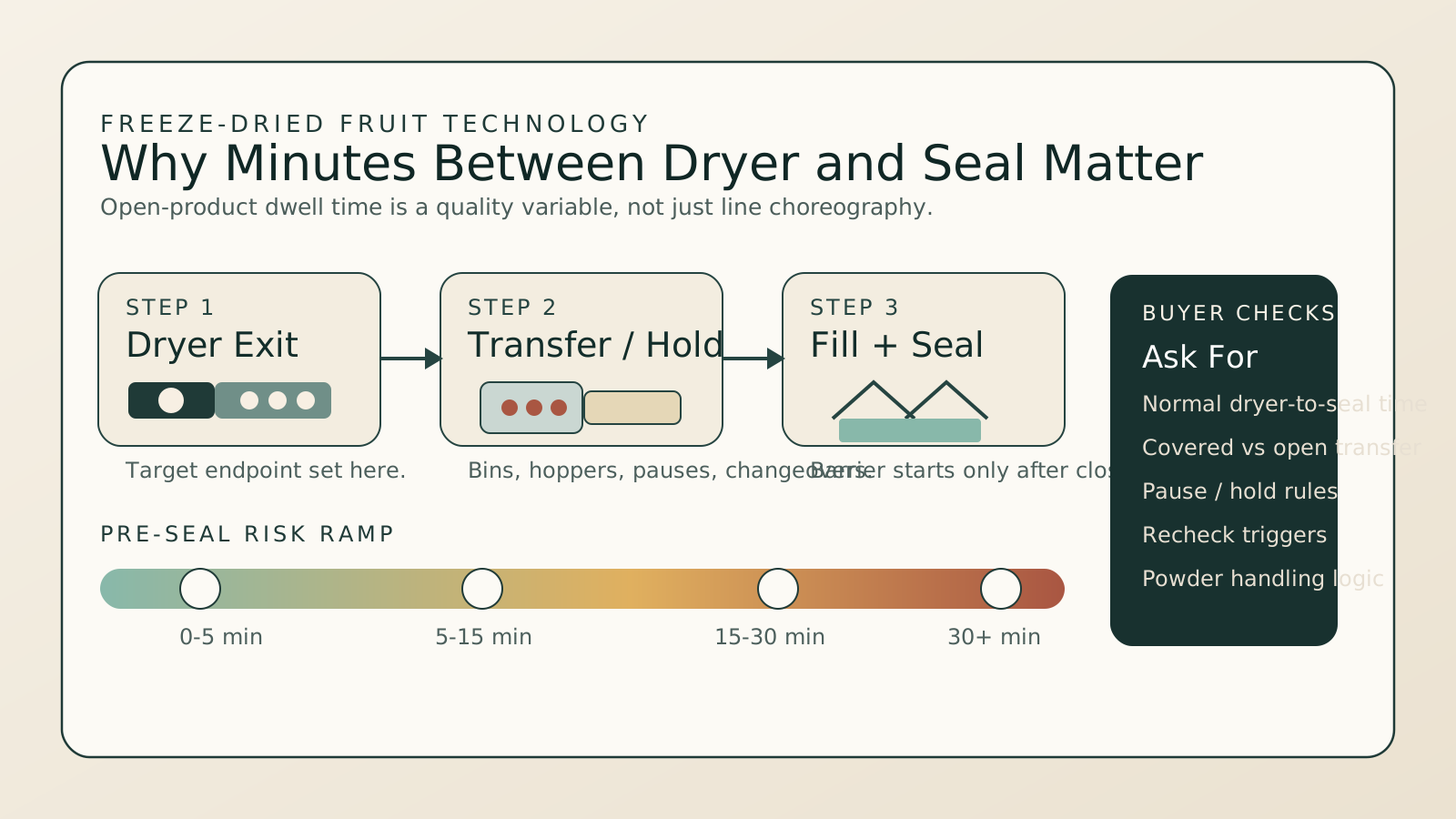
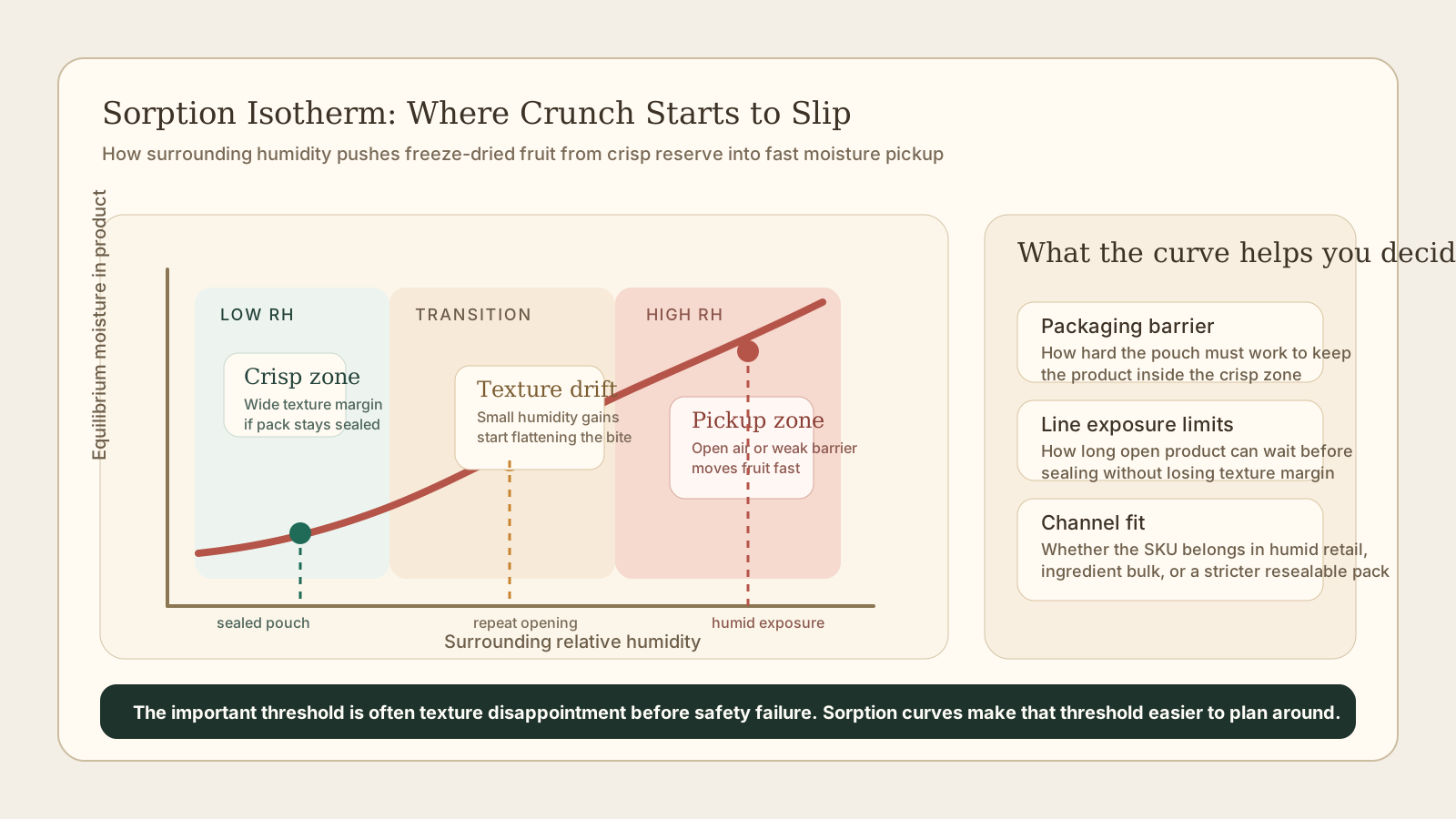
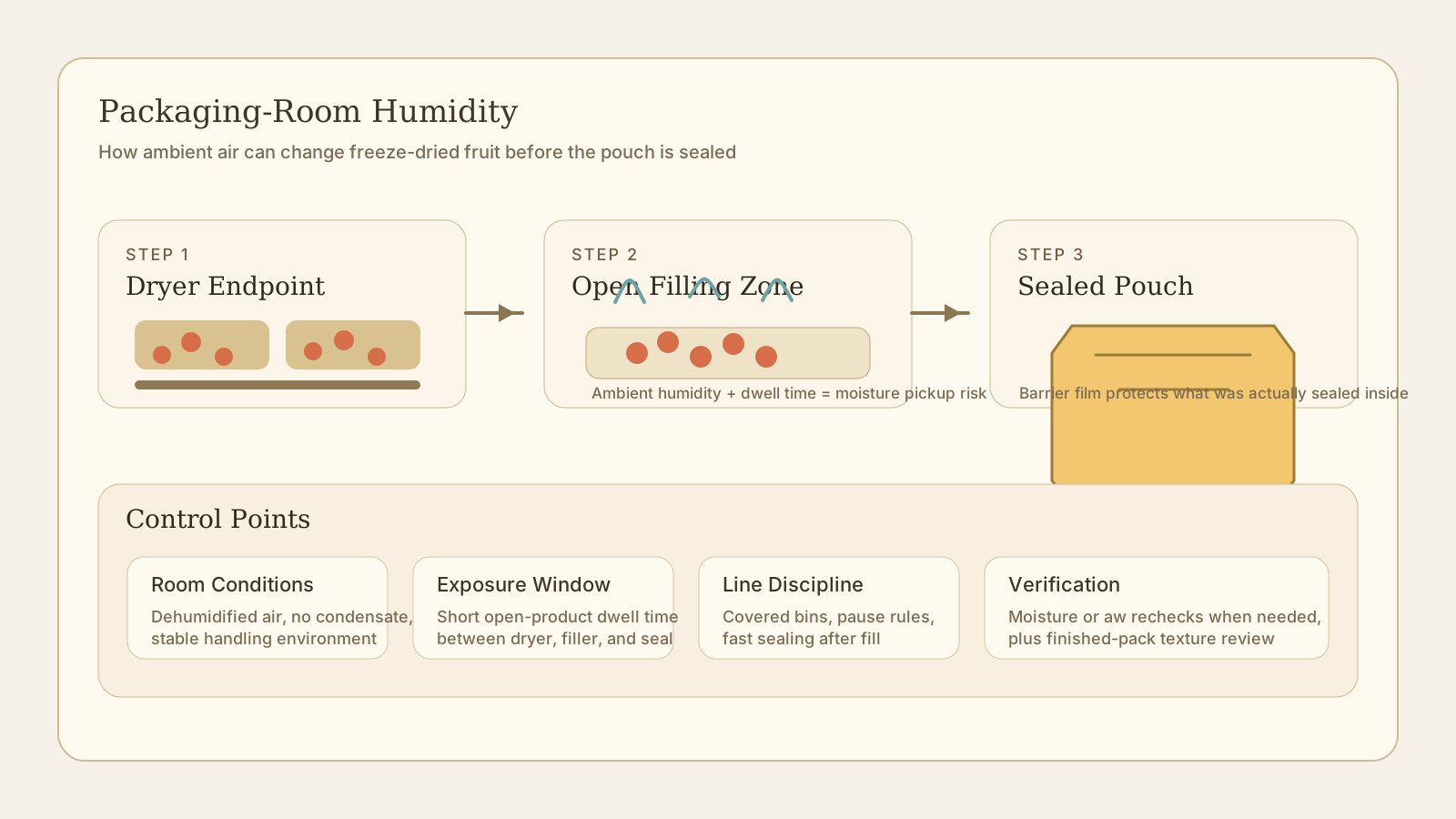
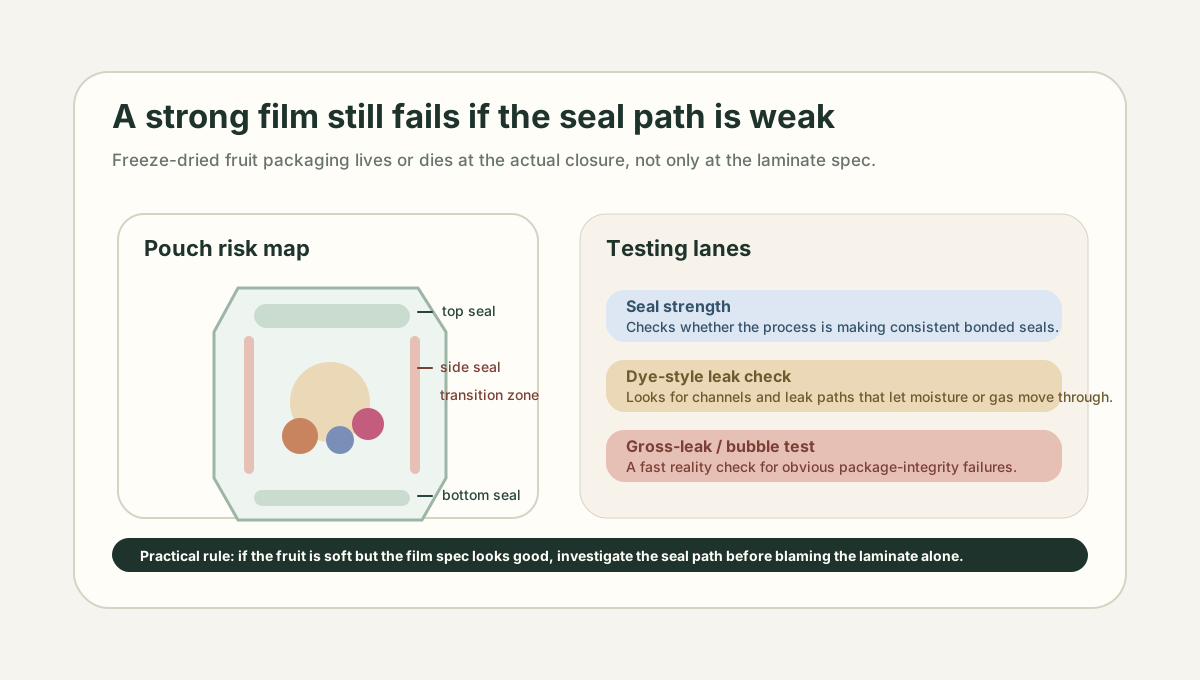
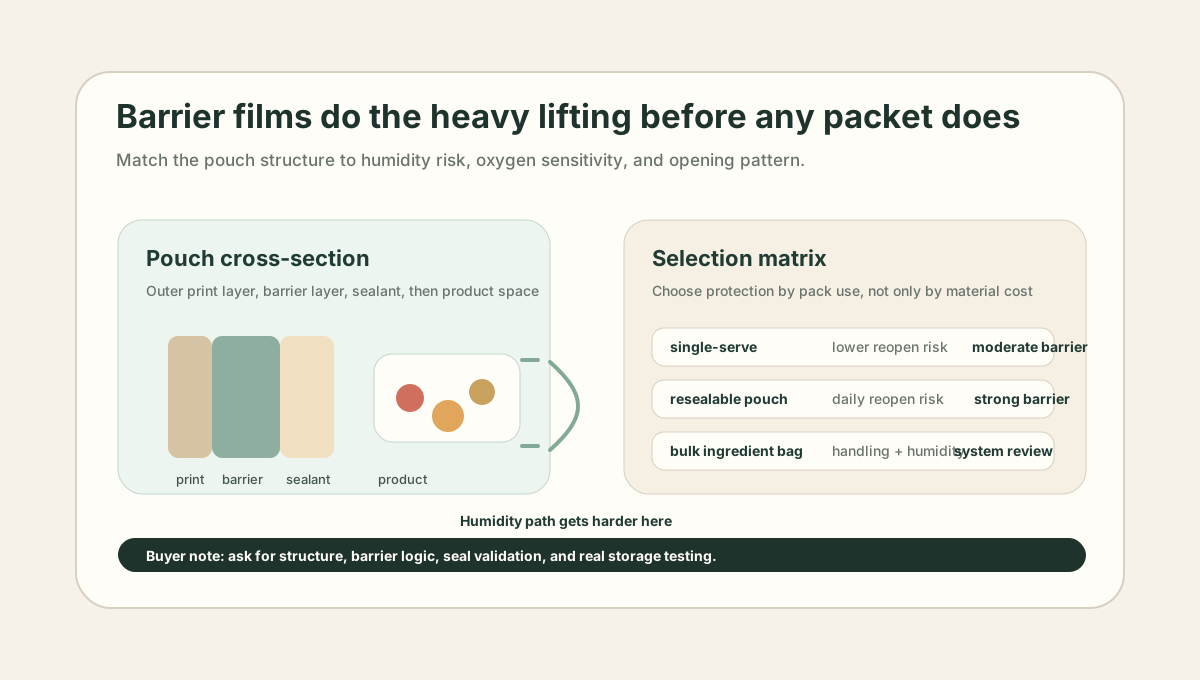
The pouch is not just a container — it is part of the quality system. Freeze-dried fruit is unusually sensitive to ambient humidity, and the film does most of the protective work between the production line and the consumer's spoon. When freeze-dried fruit turns soft within weeks of opening, the conversation should not stop at the desiccant. The film is usually the bigger variable.
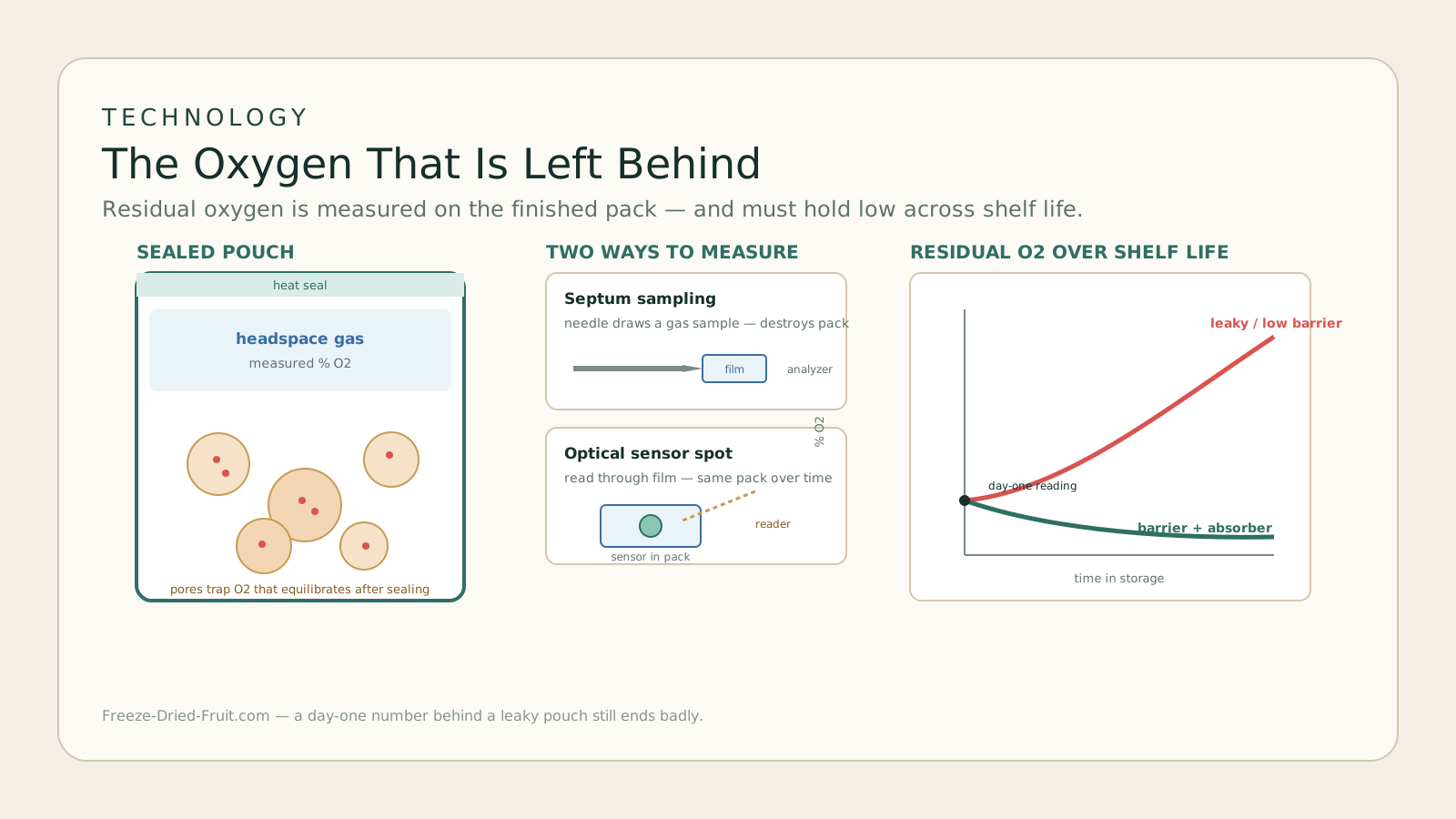
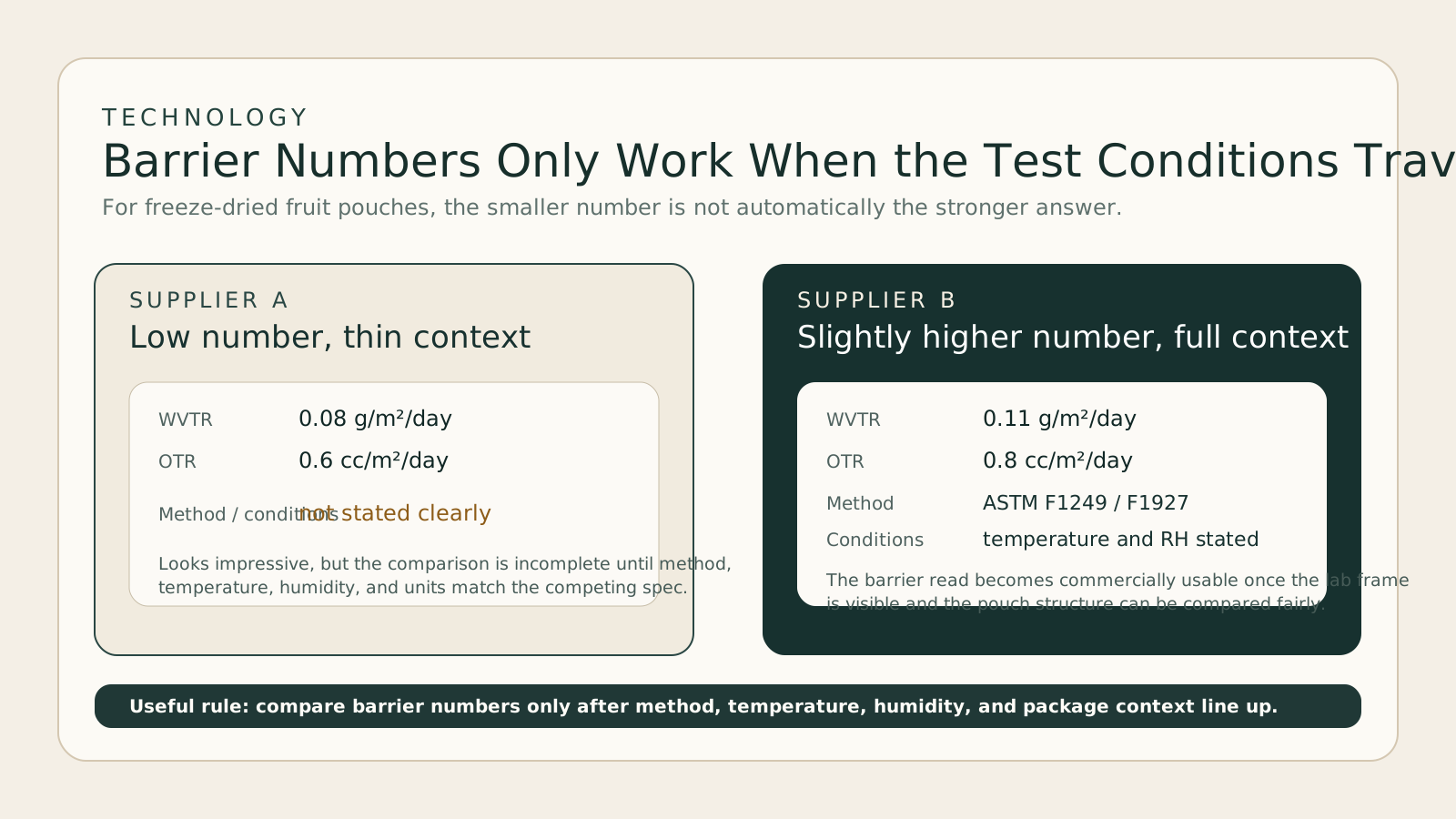
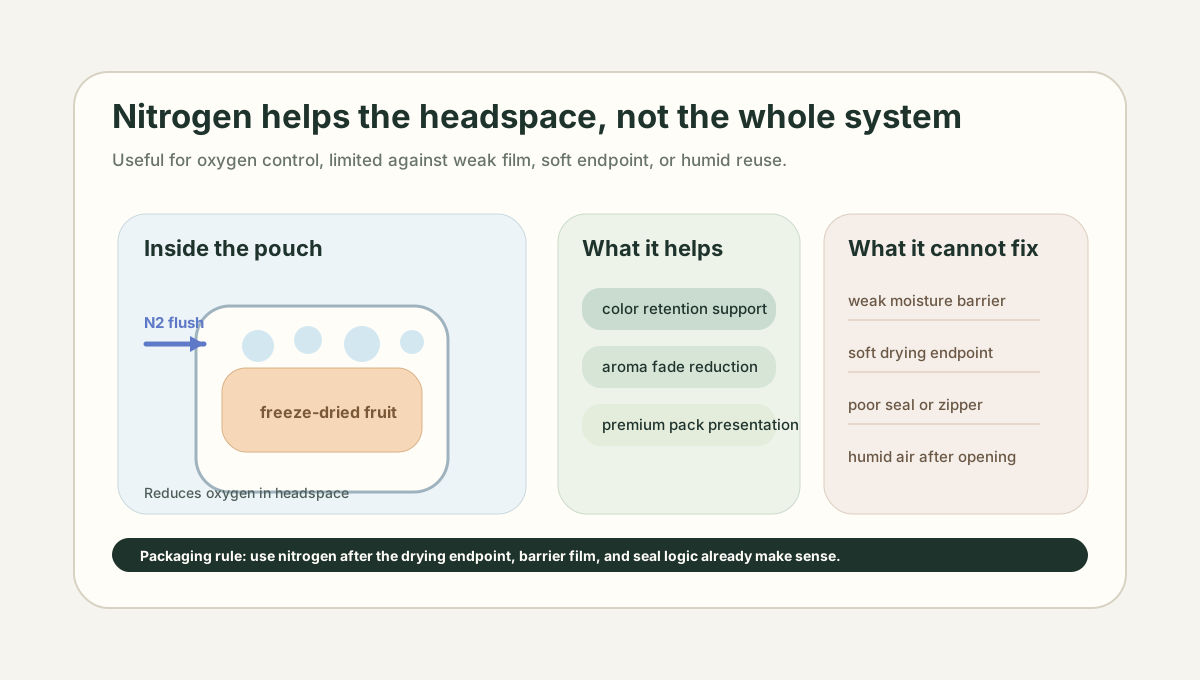
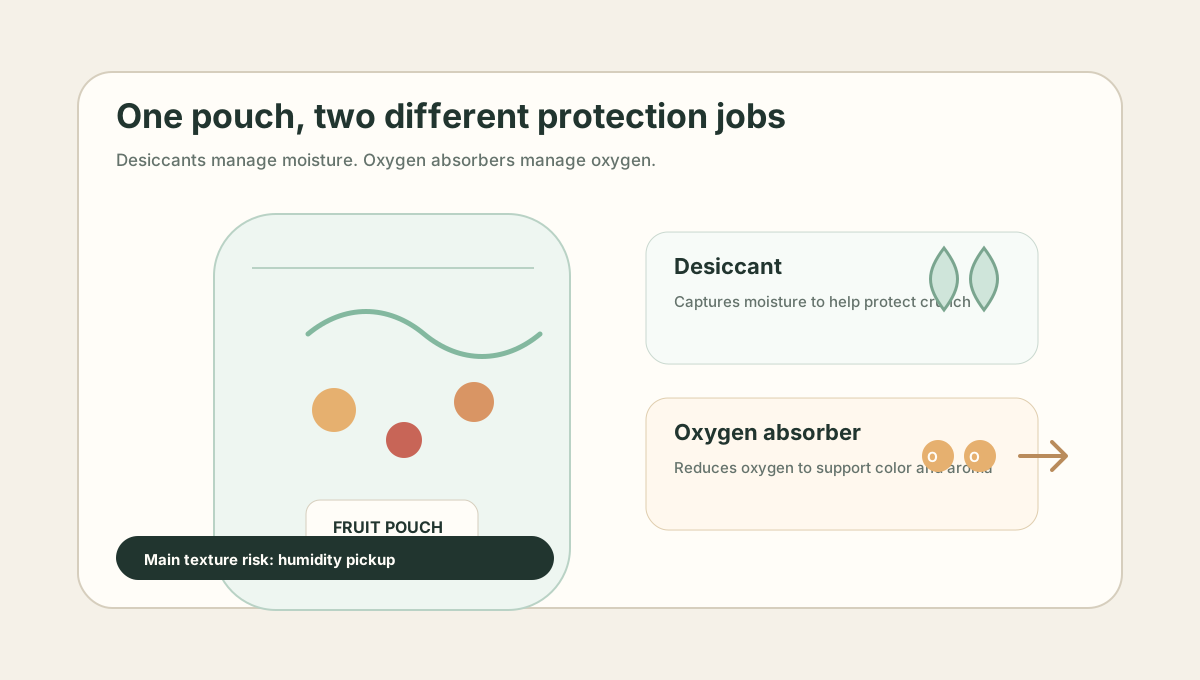
Buyers evaluating a pouch should ask two separate questions. How well does the structure block water vapor (the WVTR)? How well does it block oxygen (the OTR)? For freeze-dried fruit, water vapor protection comes first because texture loss is the most visible complaint. Oxygen protection becomes more important when color, aroma, or fat-containing blend ingredients are at stake.
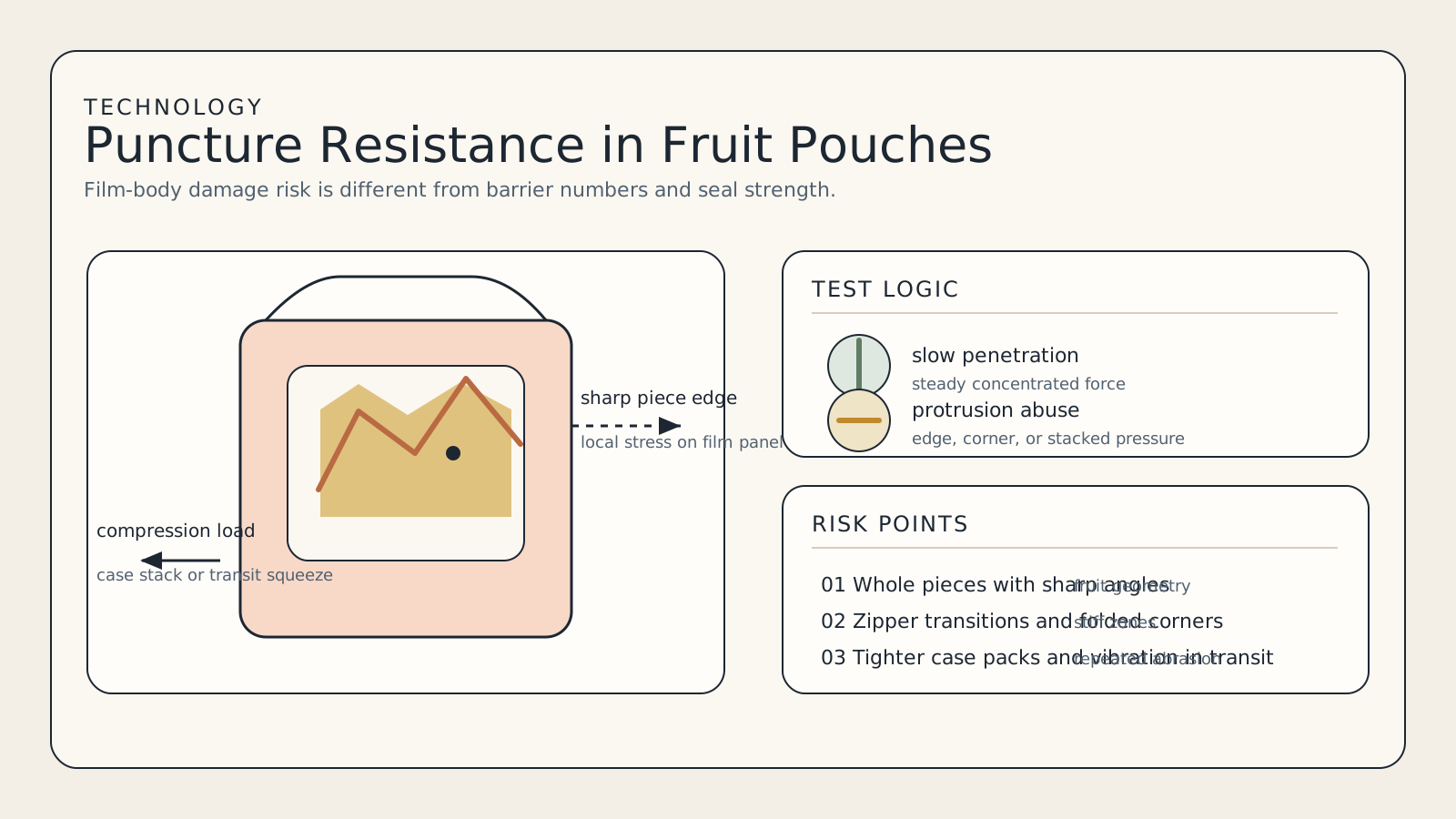
"High barrier" alone is not a usable spec. Buyers need the film structure (clear, metallized, or foil), the seal validation, the zipper integrity, the headspace plan, and the desiccant or oxygen-absorber strategy. A pouch sold as premium that fails any of those points is not premium in practice.
Quality control: color, oxidation, and the defects that signal weak process
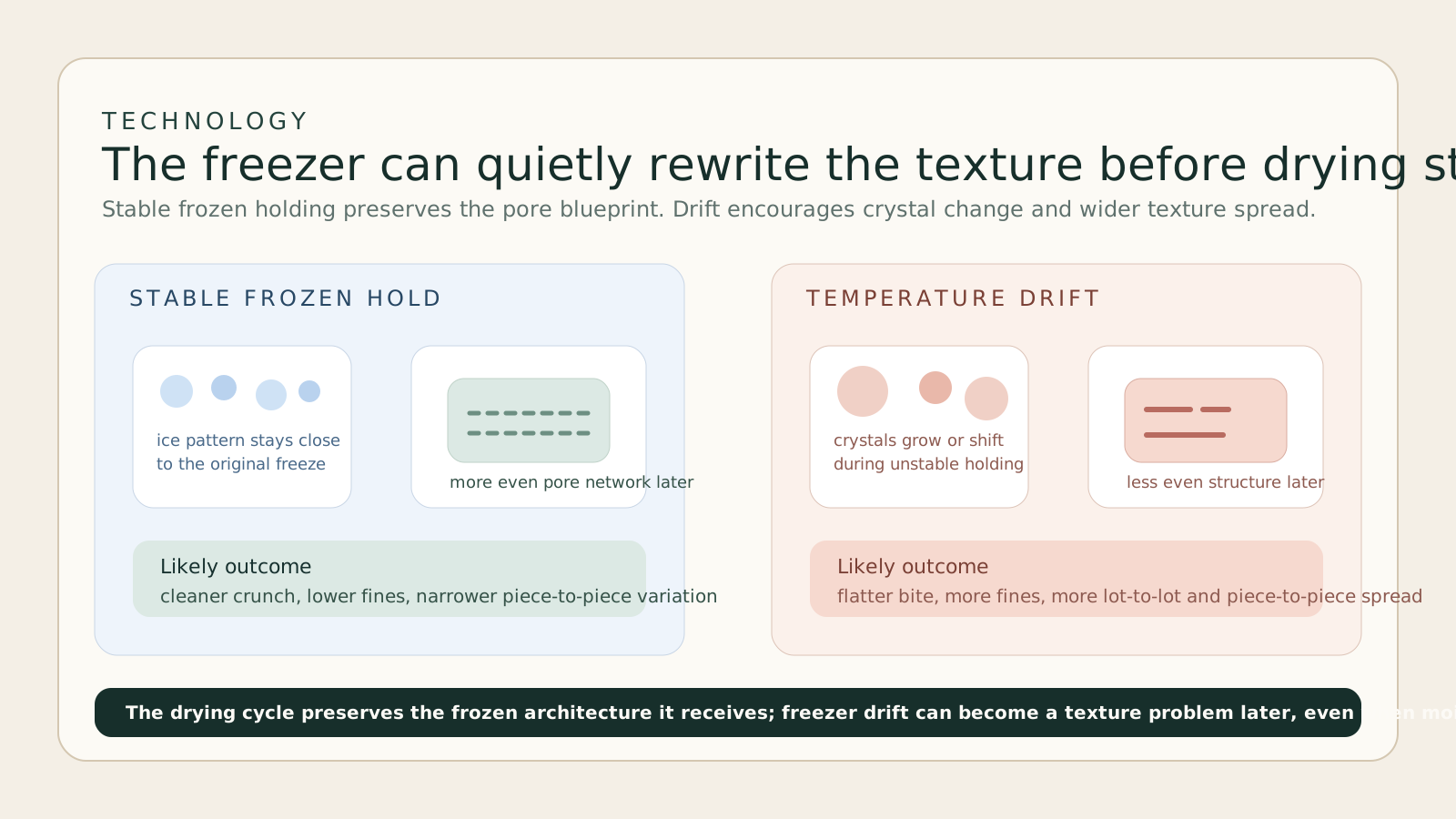
Freeze-drying preserves what is already in the fruit — including the defects. Three quality failures recur often enough across the category that buyers should treat them as separate diagnostics.
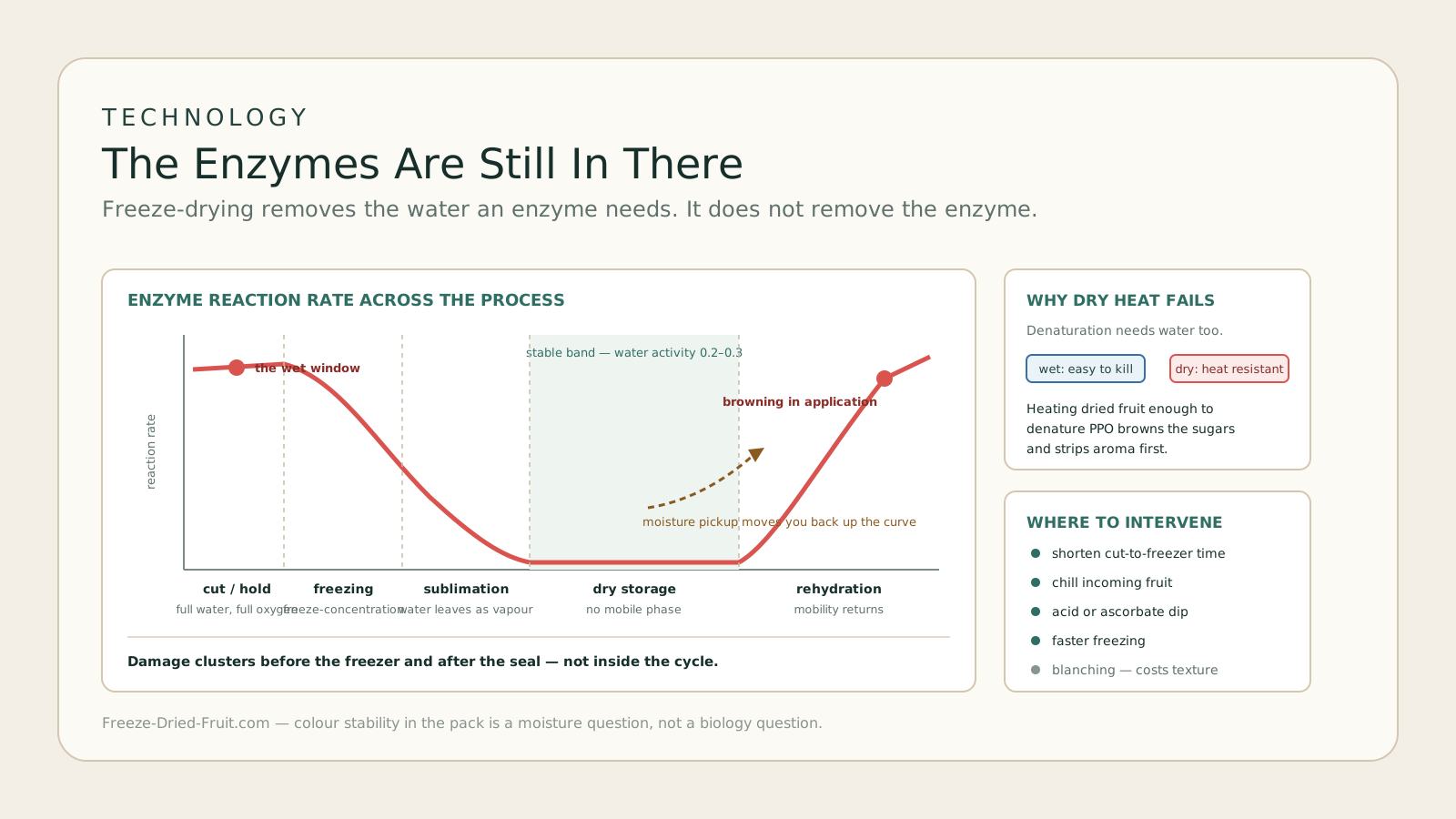
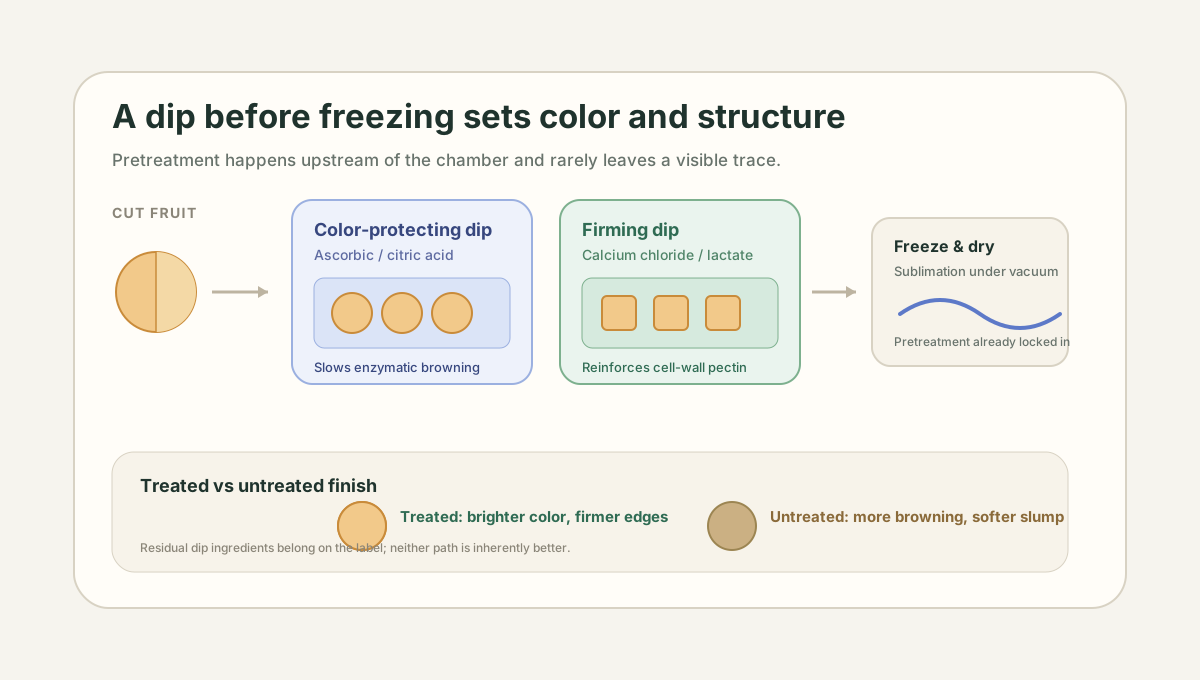
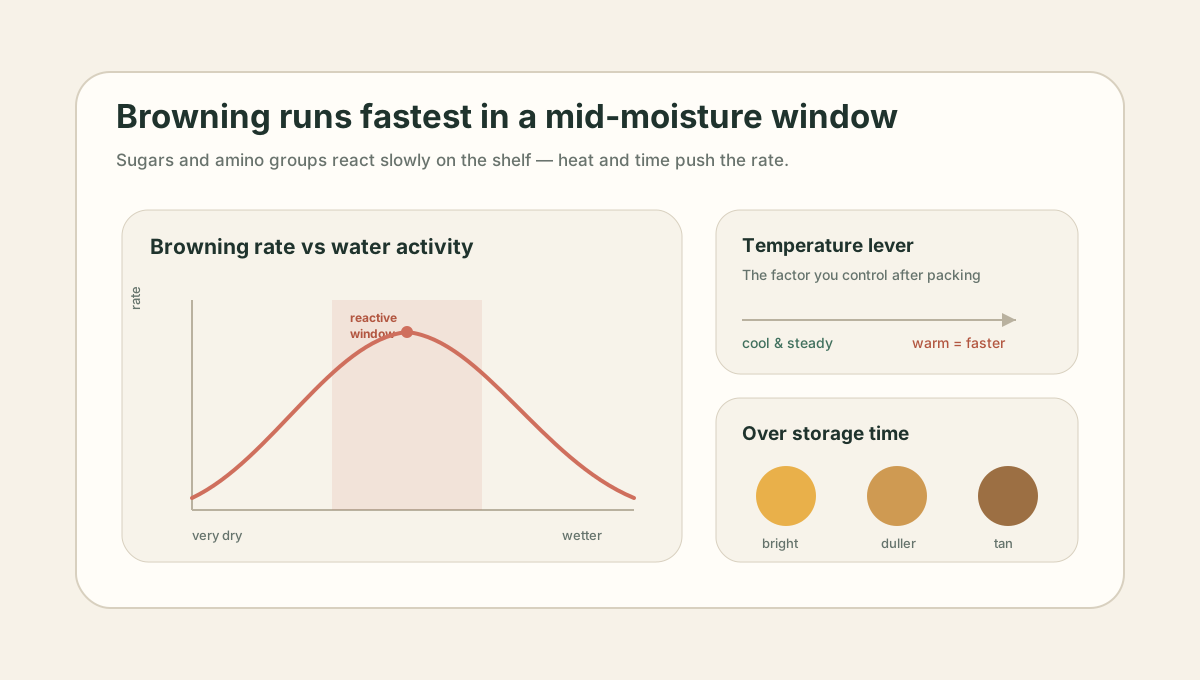
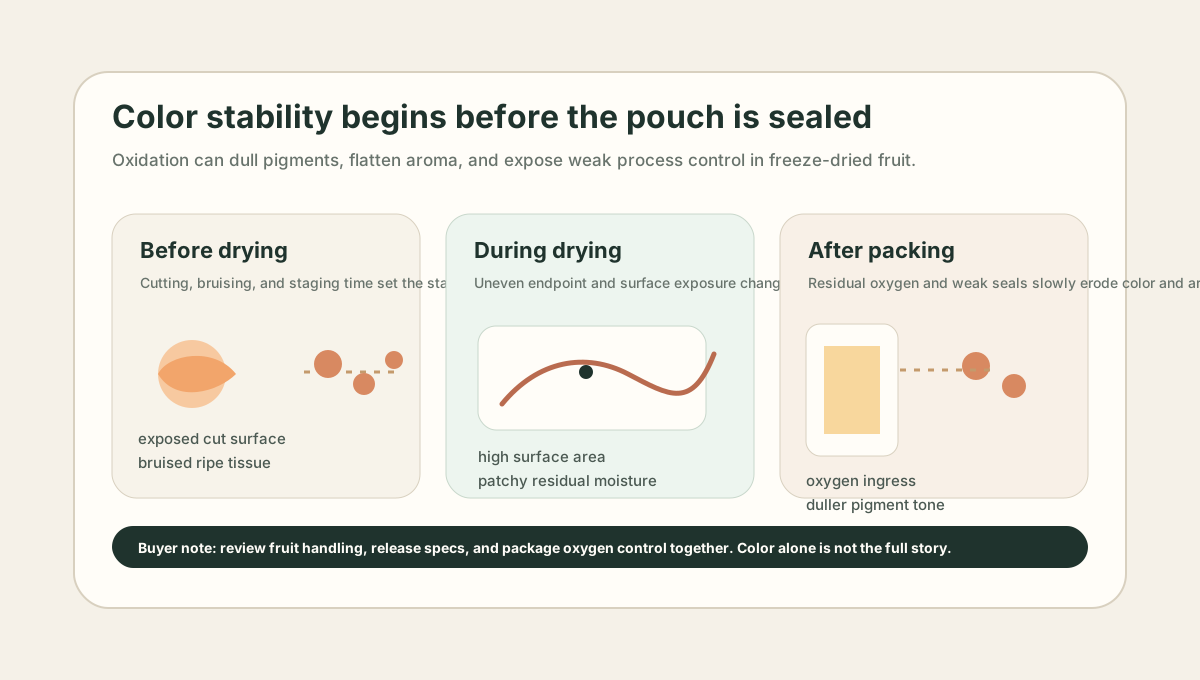
Color loss rarely points to one cause. Enzymatic browning in apple, banana, and pear starts at the cut surface and accelerates with slow handling between cutting and freezing. Pigment fade in strawberry, raspberry, blueberry, cherry, and dragon fruit looks washed-out or dusty rather than browned and usually traces to oxygen exposure or weak packaging barrier. Post-pack pickup affects every fruit and shows up later in the storage window when the package system is underspecified.
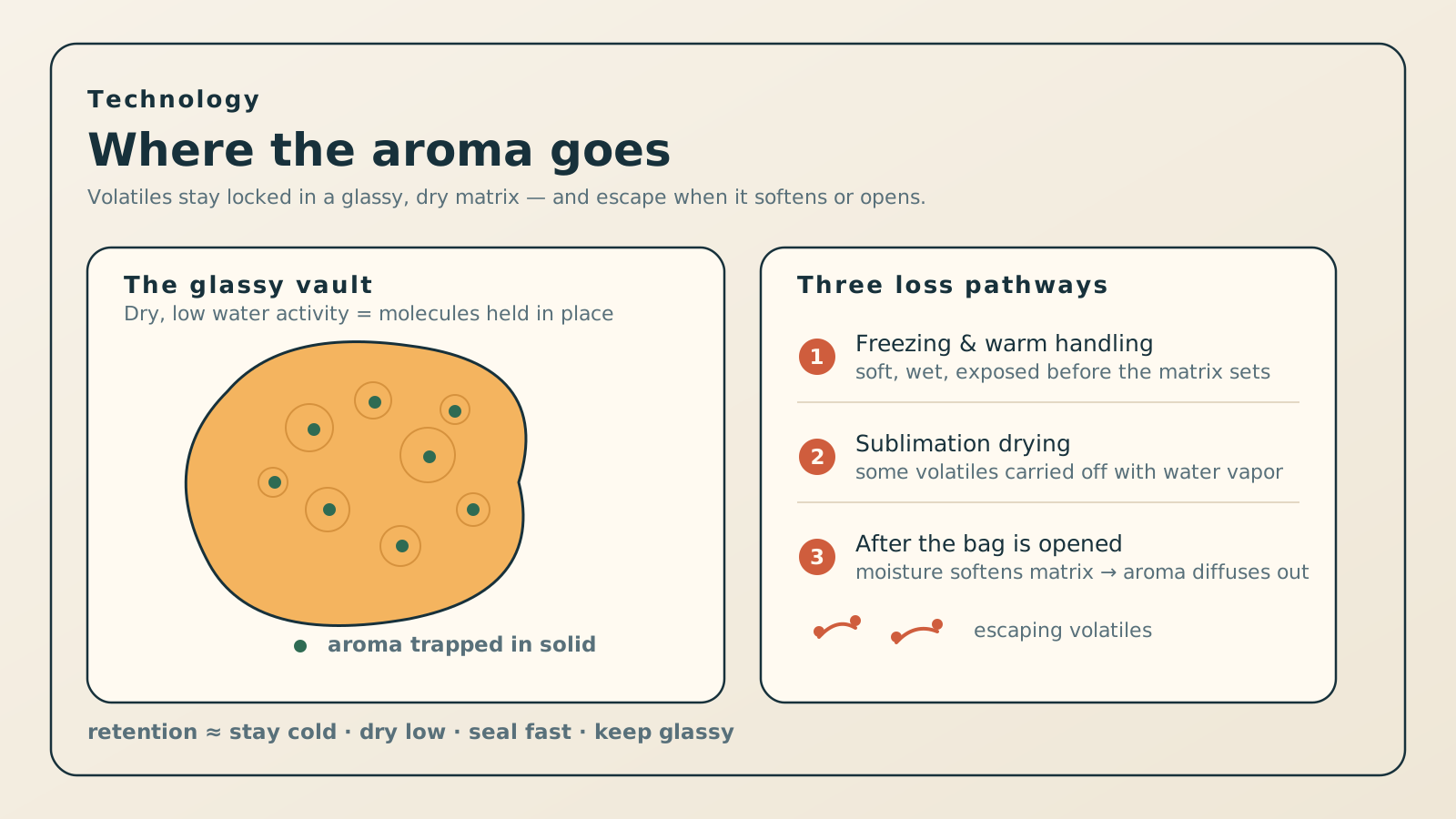
Aroma loss travels with color loss more often than buyers expect. The same oxygen and humidity exposure that dulls visible pigment flattens the volatile compounds that make fruit smell like itself. A bag that opens with no smell is rarely a bag with good color.
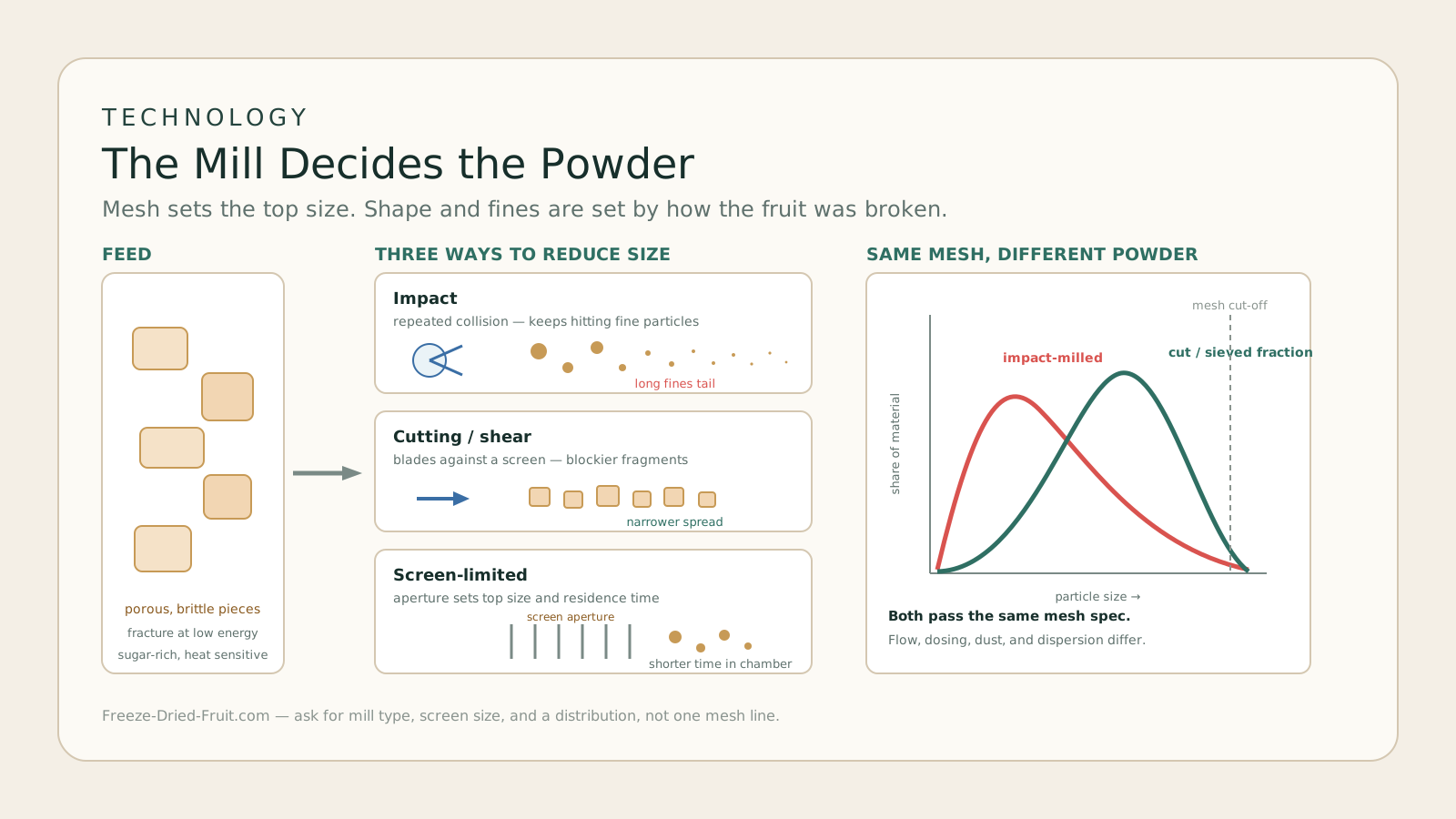
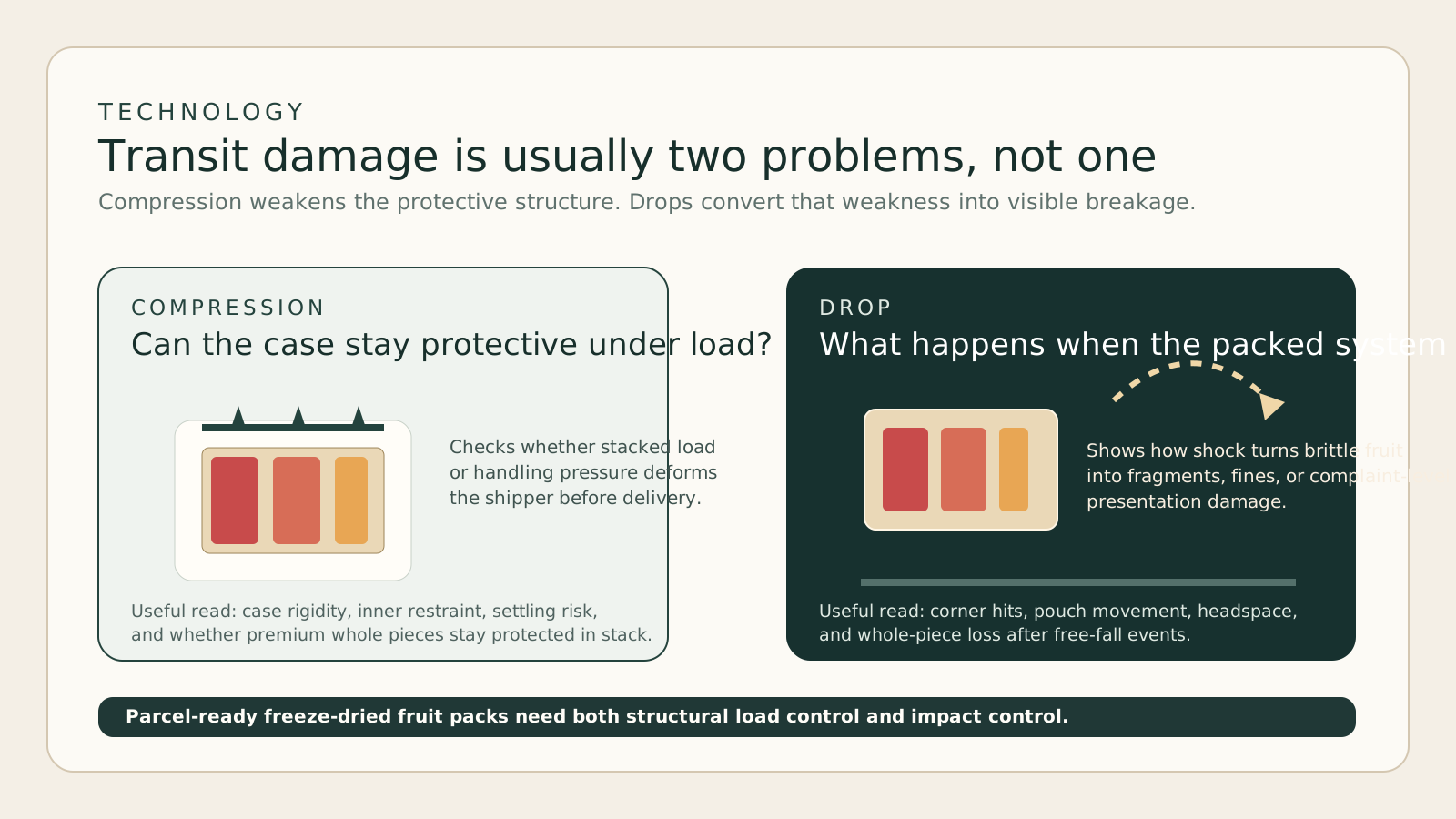
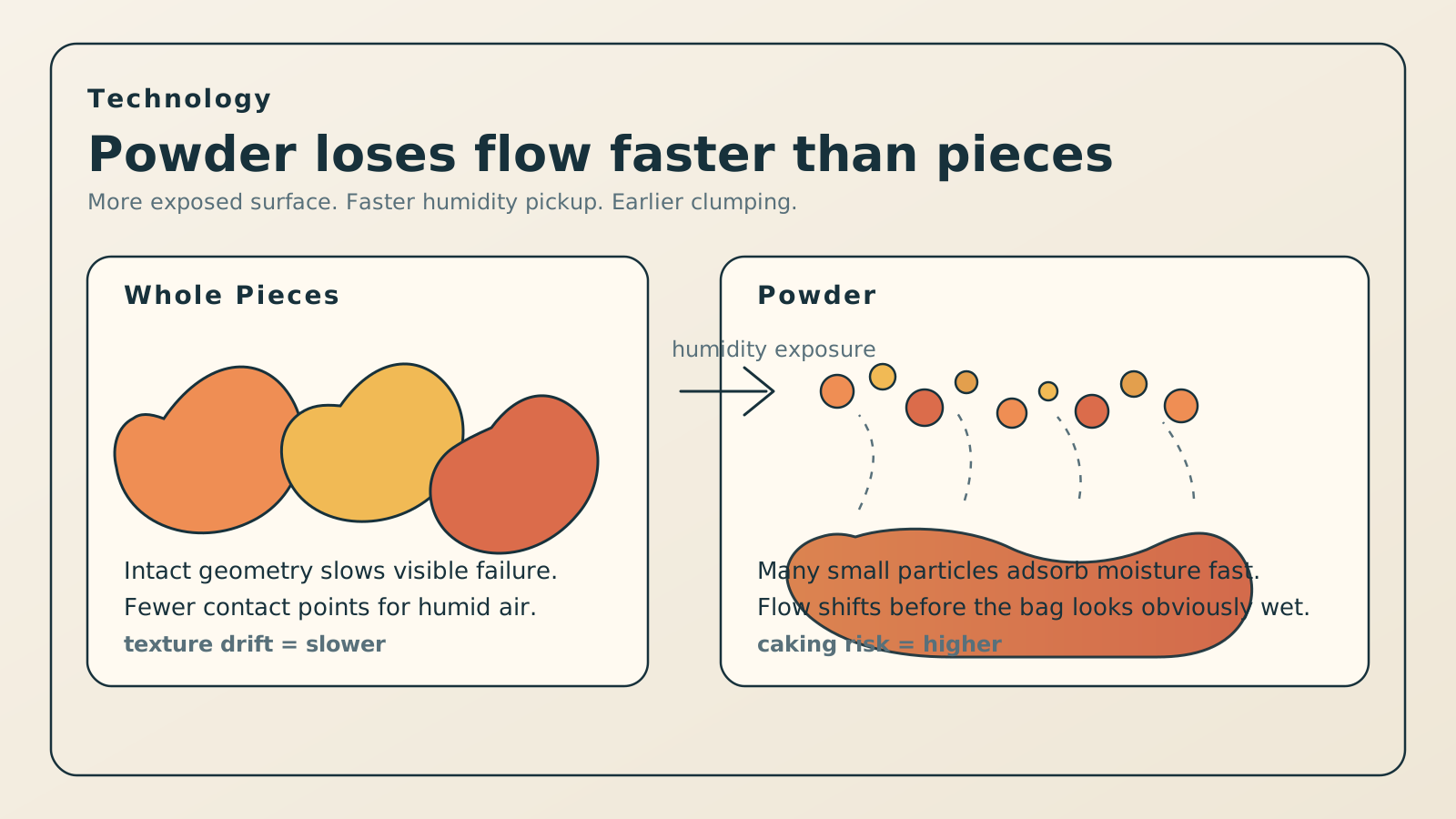
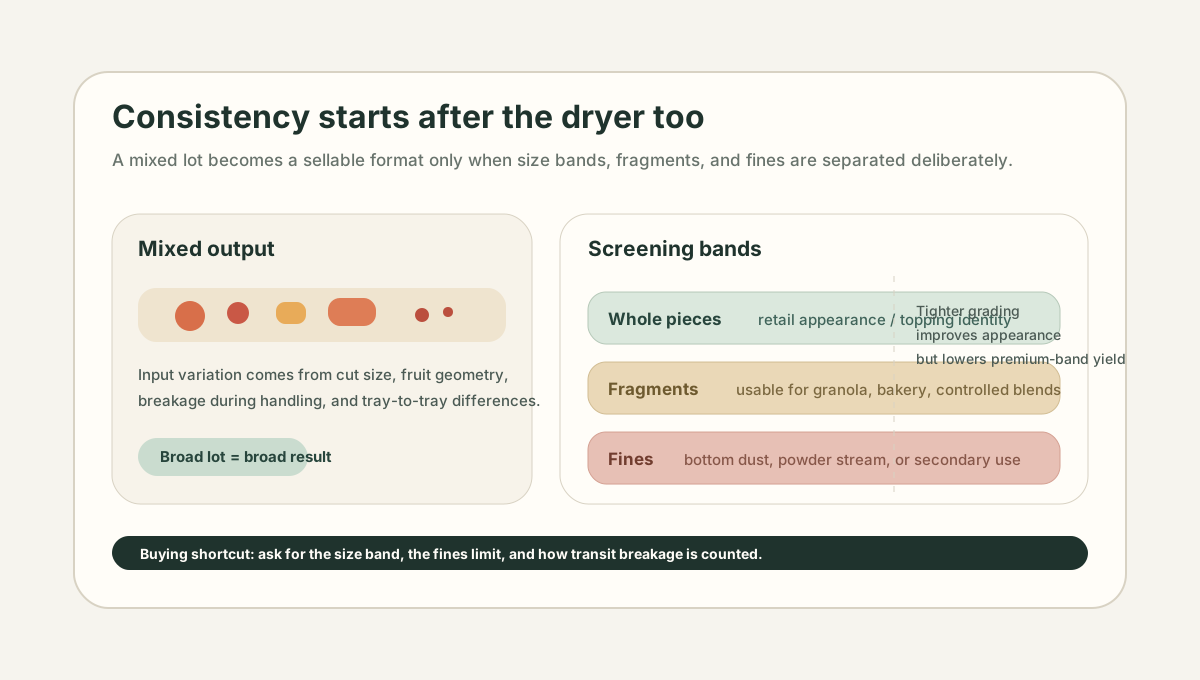
Breakage is a spec, not a vibe. Define whole pieces, acceptable small fragments, and unacceptable powder separately, and match the tolerance to the use case — a premium snack pouch needs tighter control than a granola inclusion or a bakery ingredient.
Piece thickness, cycle time, and the economics of process control
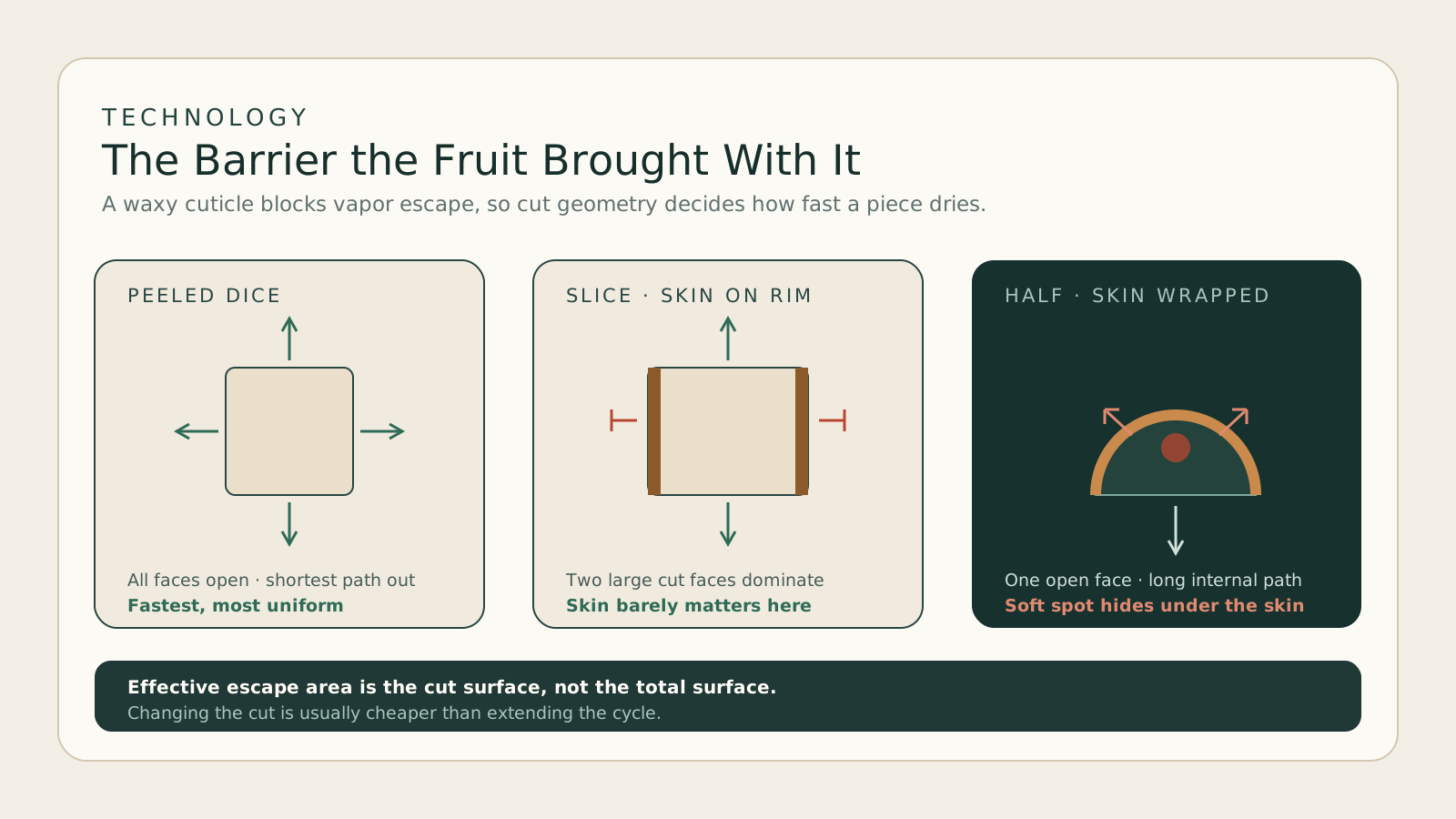
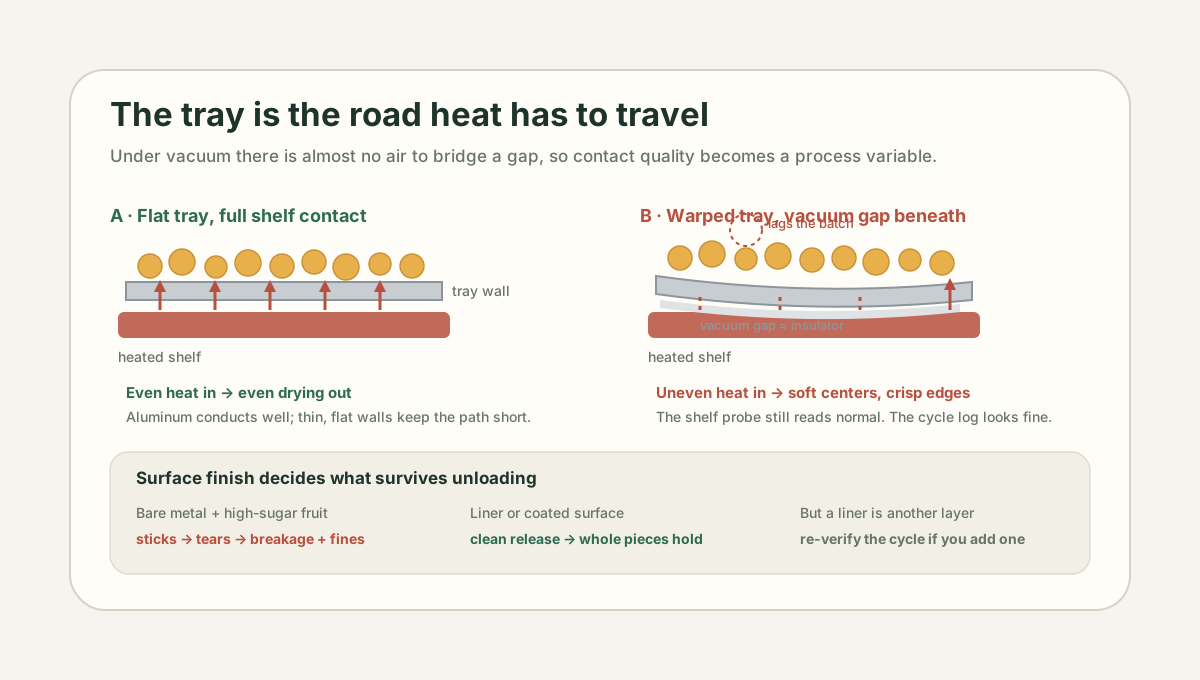
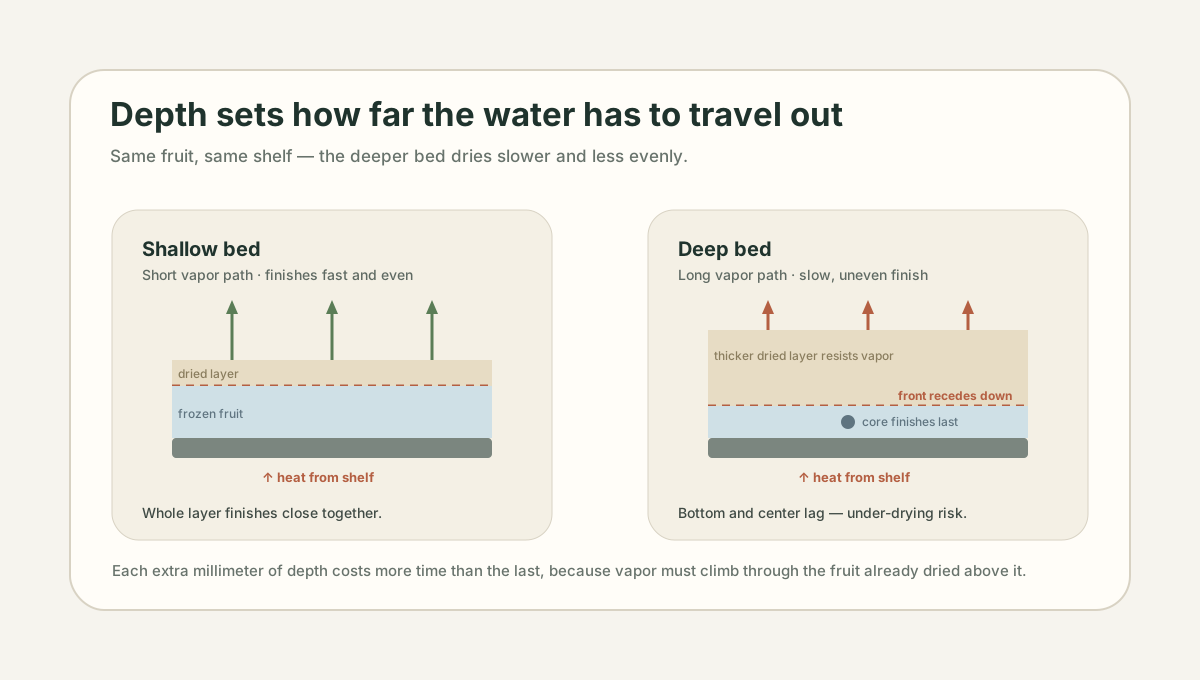
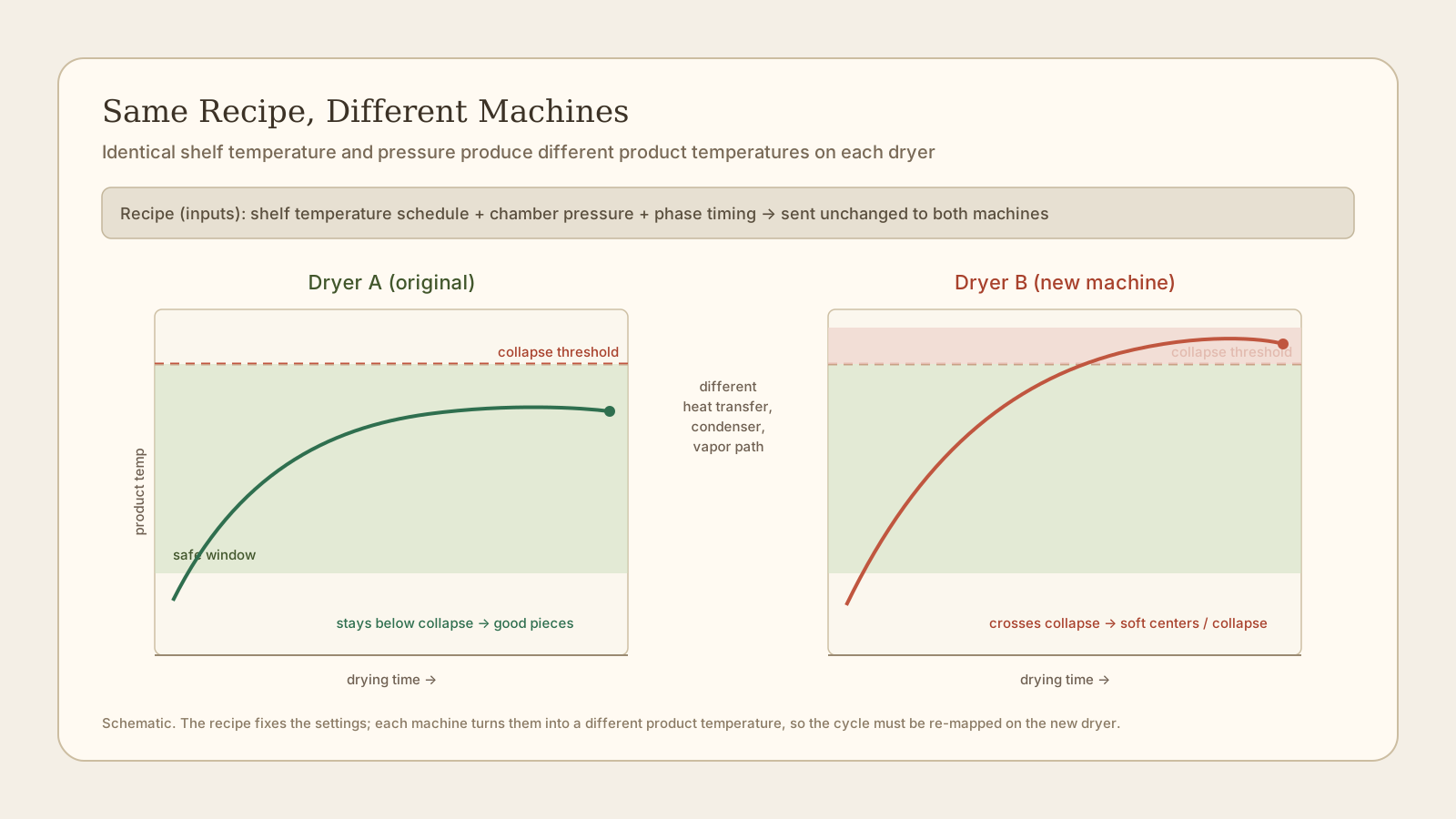
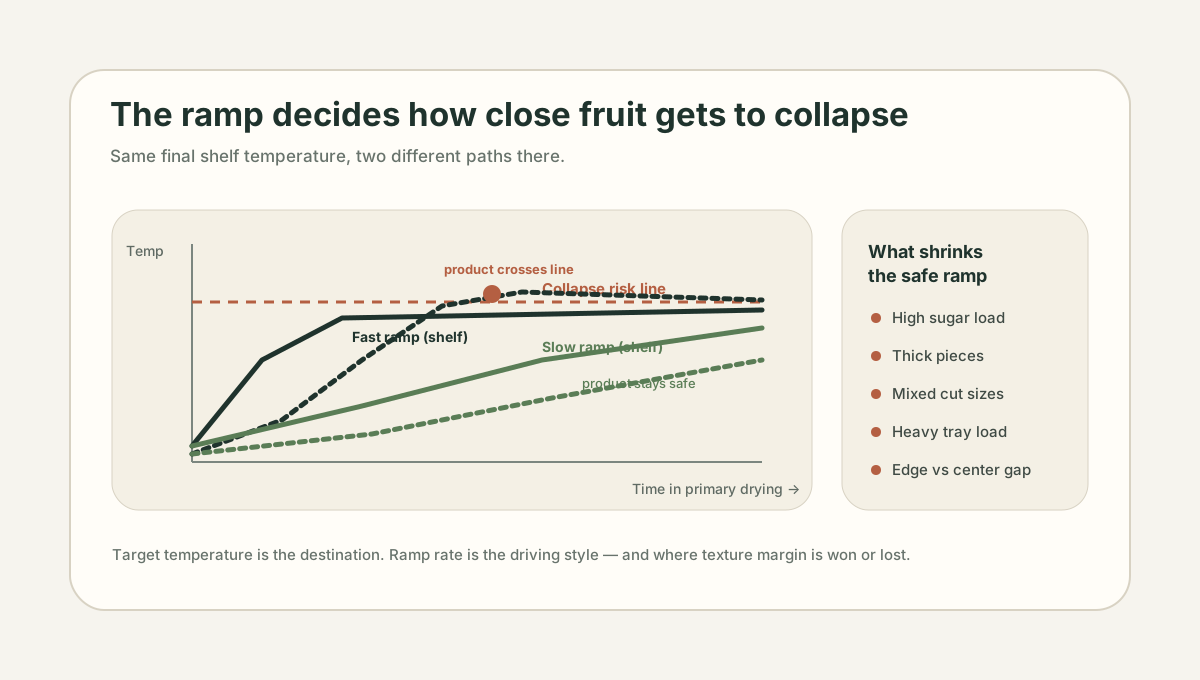
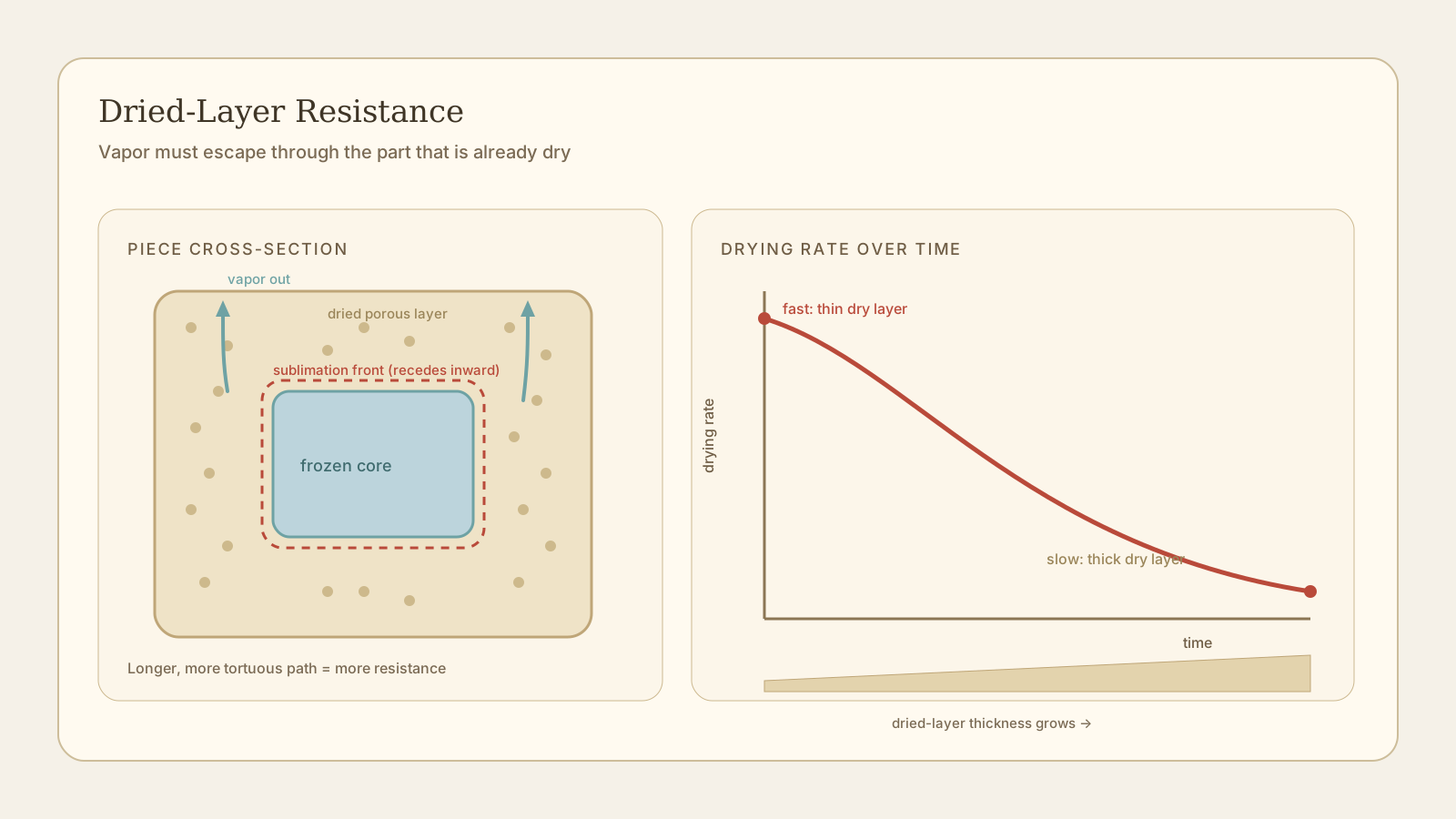
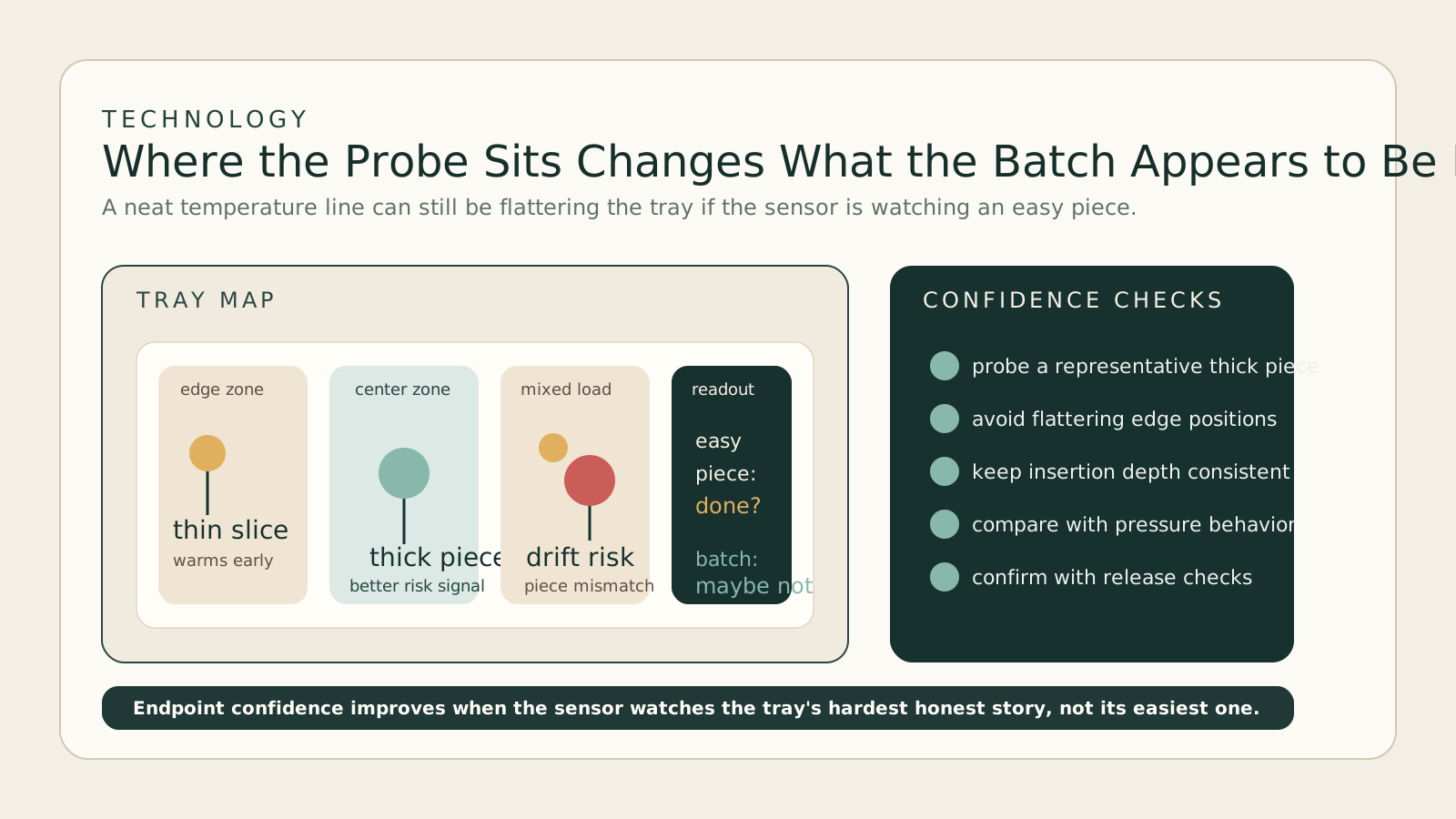
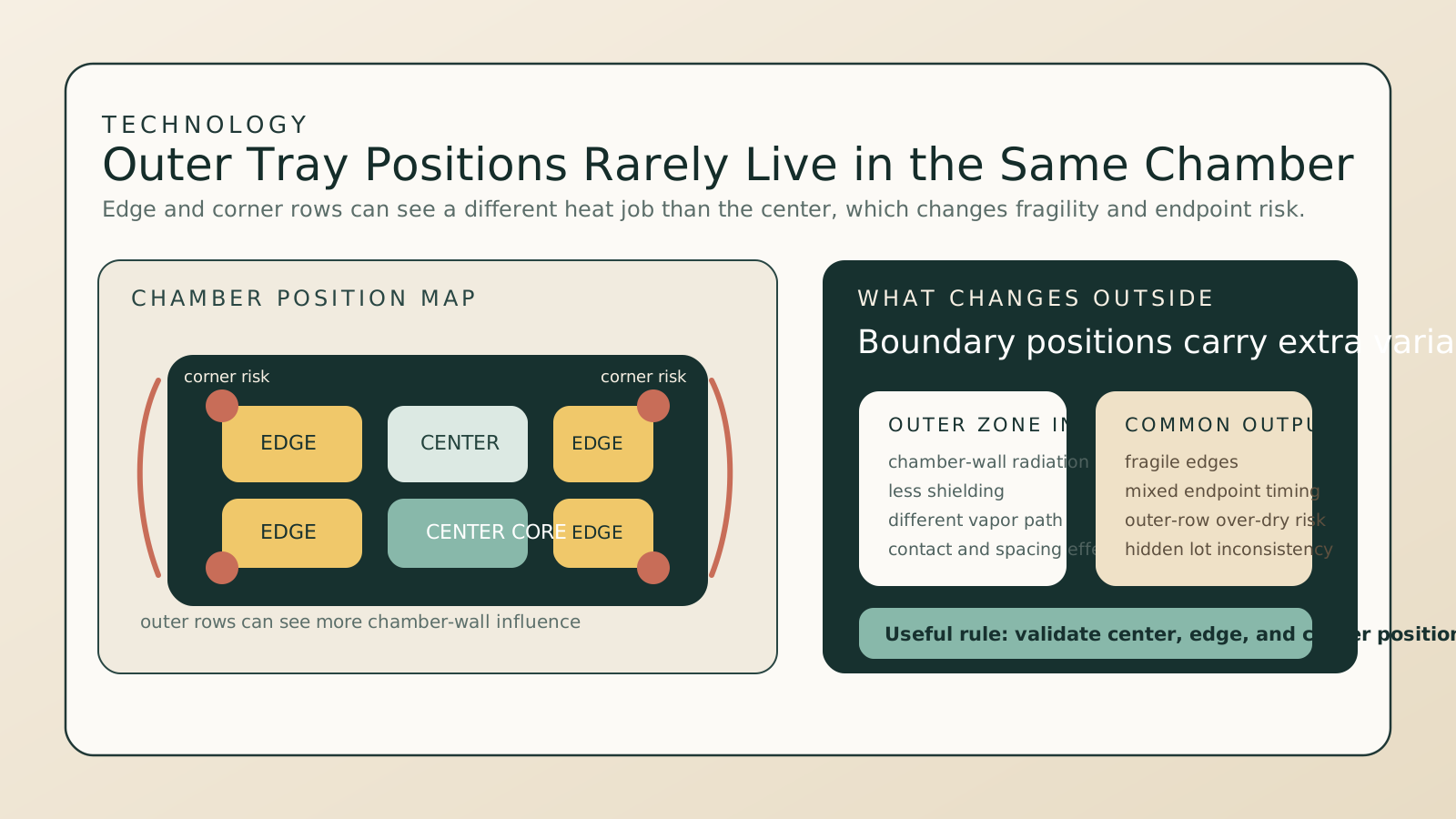
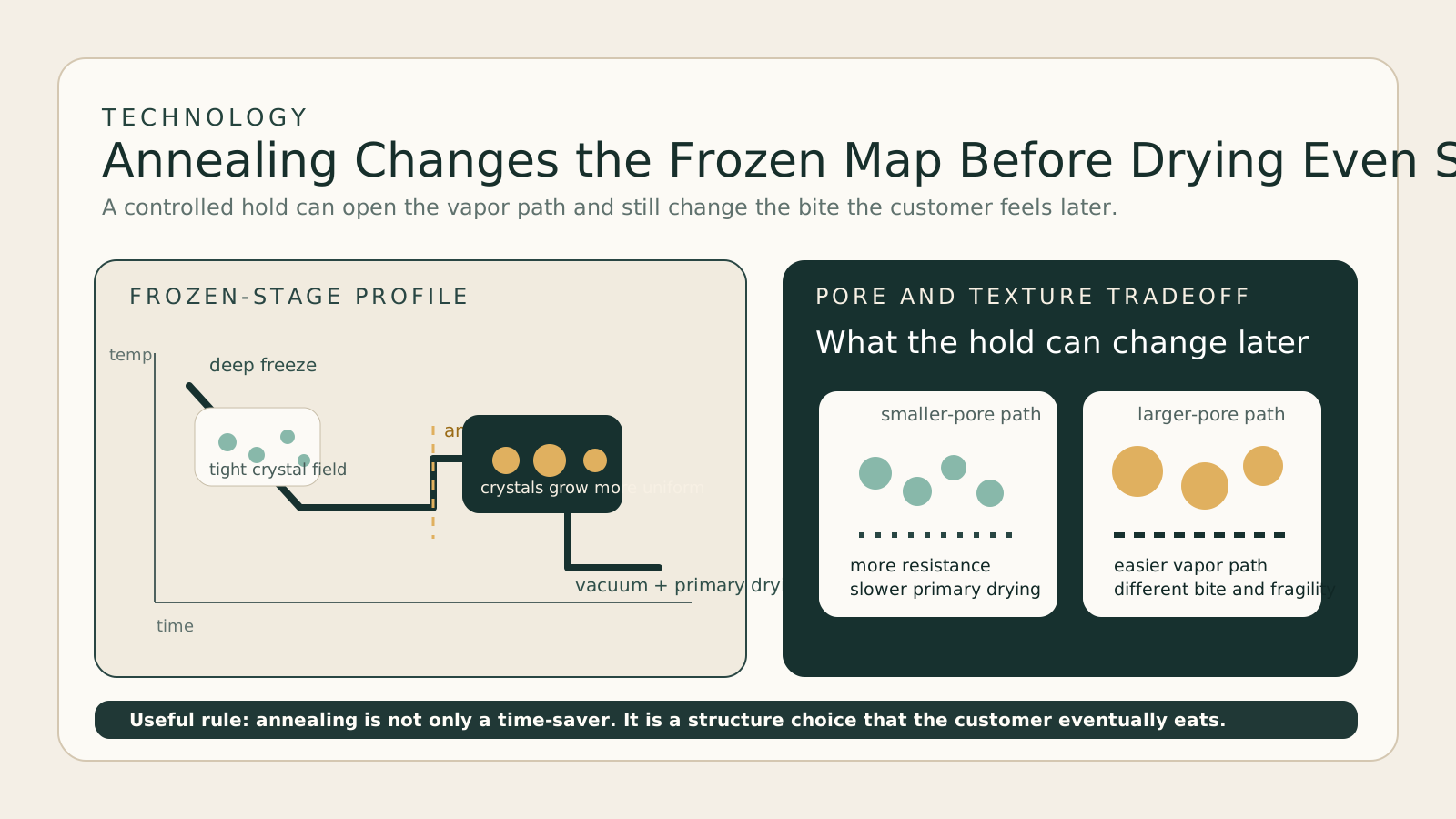
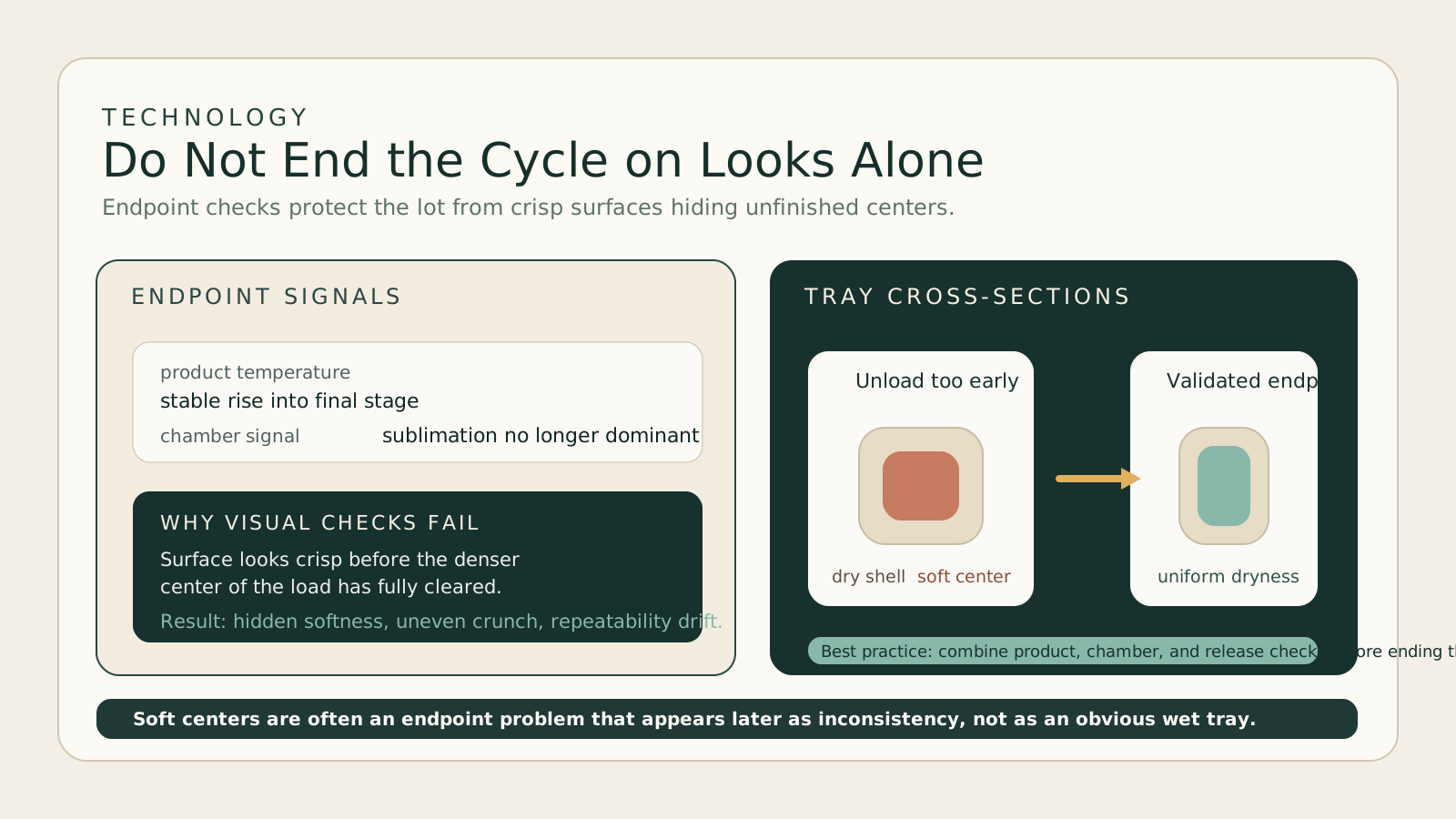
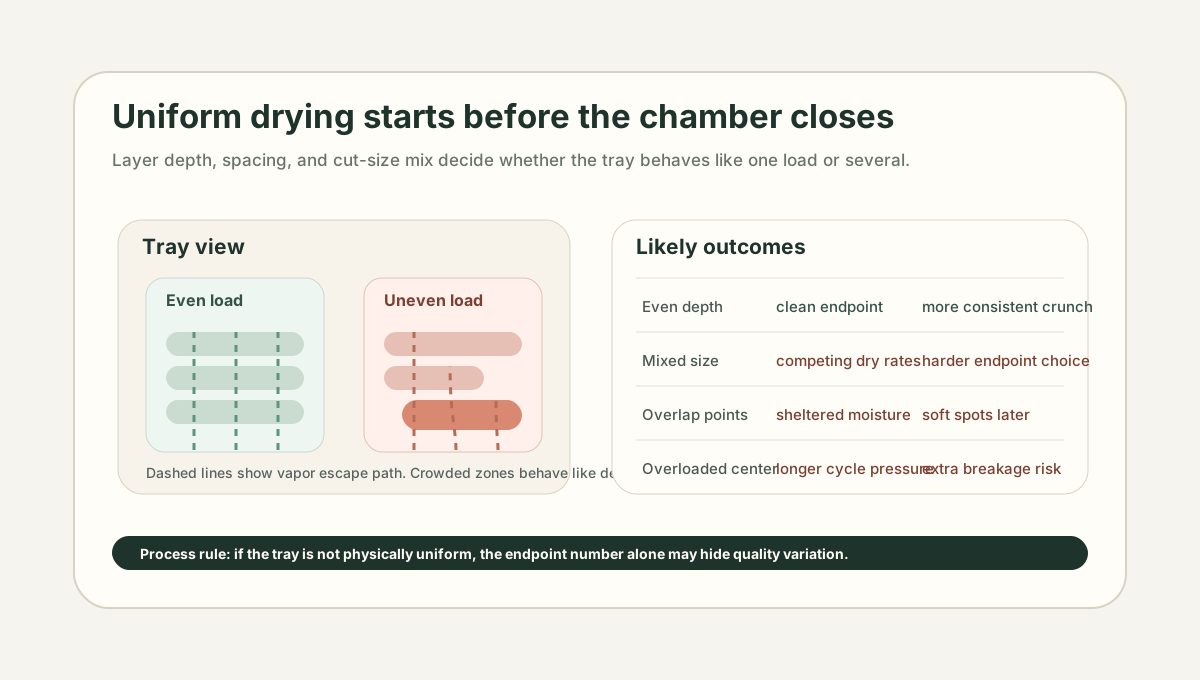
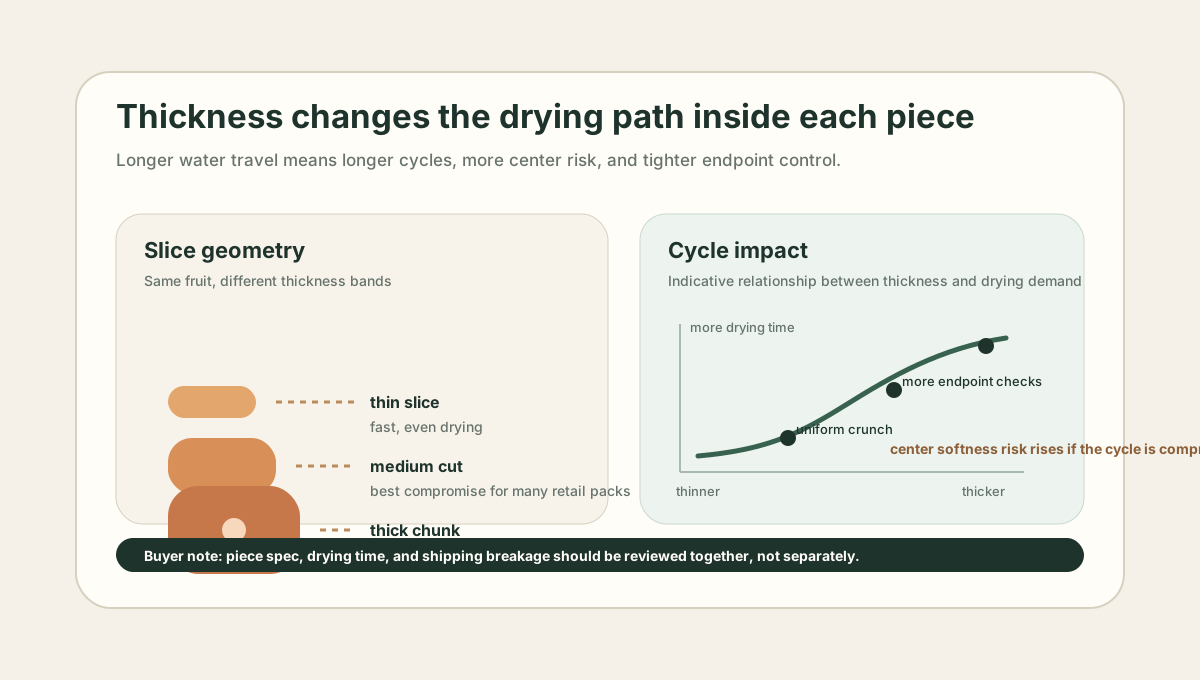
Cut size is not a cosmetic decision. Thickness sets how far water must travel during sublimation, which decides how long the cycle takes, how evenly the batch dries, how fragile the final pieces are, and how much energy the dryer consumes. A cycle that works for 4 mm strawberry slices will not produce a clean center on 9 mm mango chunks in the same run.
Thinner pieces dry faster, more evenly, and at a lower per-unit energy cost — but they are fragile in transit. Thicker pieces feel premium and survive better in a pouch, but they demand longer cycles and tighter endpoint validation. When suppliers promise oversized premium pieces and unusually low processing cost in the same conversation, the two claims usually conflict.
The same logic shapes the broader landed-cost picture. Dry yield, usable yield after breakage and screening, packaging, freight, and the spec itself all interact. A cheap ex-works quote that hides loose specs often costs more once the bag reaches the warehouse.