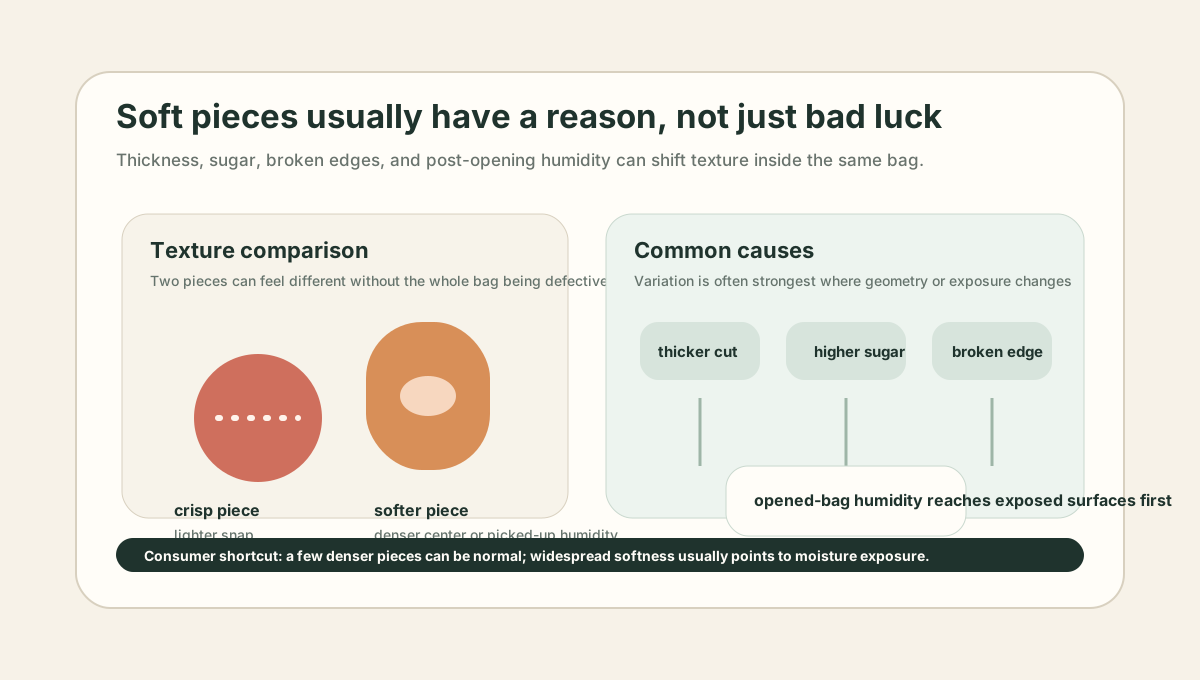
- Piece-to-piece texture variation can come from size, sugar level, and how evenly the fruit dried.
- Opened bags pick up humidity fast, so softer pieces often appear first in broken or exposed areas.
- A little variation is normal, but widespread softness may point to moisture exposure or weak process control.
- Consumers should judge the whole bag pattern, not one unusual piece.
Open a bag of freeze-dried fruit and you may notice that one piece snaps sharply while another feels a little denser or softer.
That can be confusing because freeze-dried fruit is often described as if every piece should behave exactly the same way. In real products, some variation is normal. The better question is whether the softness looks occasional and understandable, or widespread enough to suggest a quality problem.
The direct answer
Some freeze-dried fruit pieces are softer than others because the fruit may vary in thickness, sugar content, internal structure, or exposure to humidity after drying. Broken surfaces also pick up moisture faster once the bag has been opened.
One softer piece does not automatically mean the product is bad. But if many pieces feel leathery, sticky, or dense, the bag may have absorbed moisture or the product may have been dried or packed inconsistently.
Not every piece starts identical
Fruit is not manufactured like a uniform cereal puff. Even within one bag, pieces can differ in:
- thickness
- ripeness
- sugar concentration
- seed or fiber structure
- surface area after cutting
Those differences influence how the fruit freezes, dries, and later behaves in the bag.
For example, a thinner strawberry slice may turn very crisp, while a thicker slice from the same lot can feel slightly denser. A mango piece from a sweeter section of the fruit may also feel different from one cut from a firmer zone.
Sugar and fruit structure affect texture
Some fruits naturally create more variation because of how they are built.
High-sugar fruits can feel a little less airy than sharply acidic or lower-sugar fruits. Seeds, skins, and fibrous sections can also change how a piece breaks when you bite it.
That is why "softer" does not always mean "wet." Sometimes it means the structure is simply different.
Thickness is one of the biggest reasons
If the pieces inside a bag are not all cut to the same size, they do not dry at the same pace. The thicker pieces have more interior distance to dry out.
That can create a bag where:
- small pieces feel very crisp
- larger pieces feel denser
- edges seem lighter than the center
- a few pieces feel more substantial than the rest
This kind of variation is usually easier to notice in fruits sold as larger slices or chunks.
Broken pieces change faster after opening
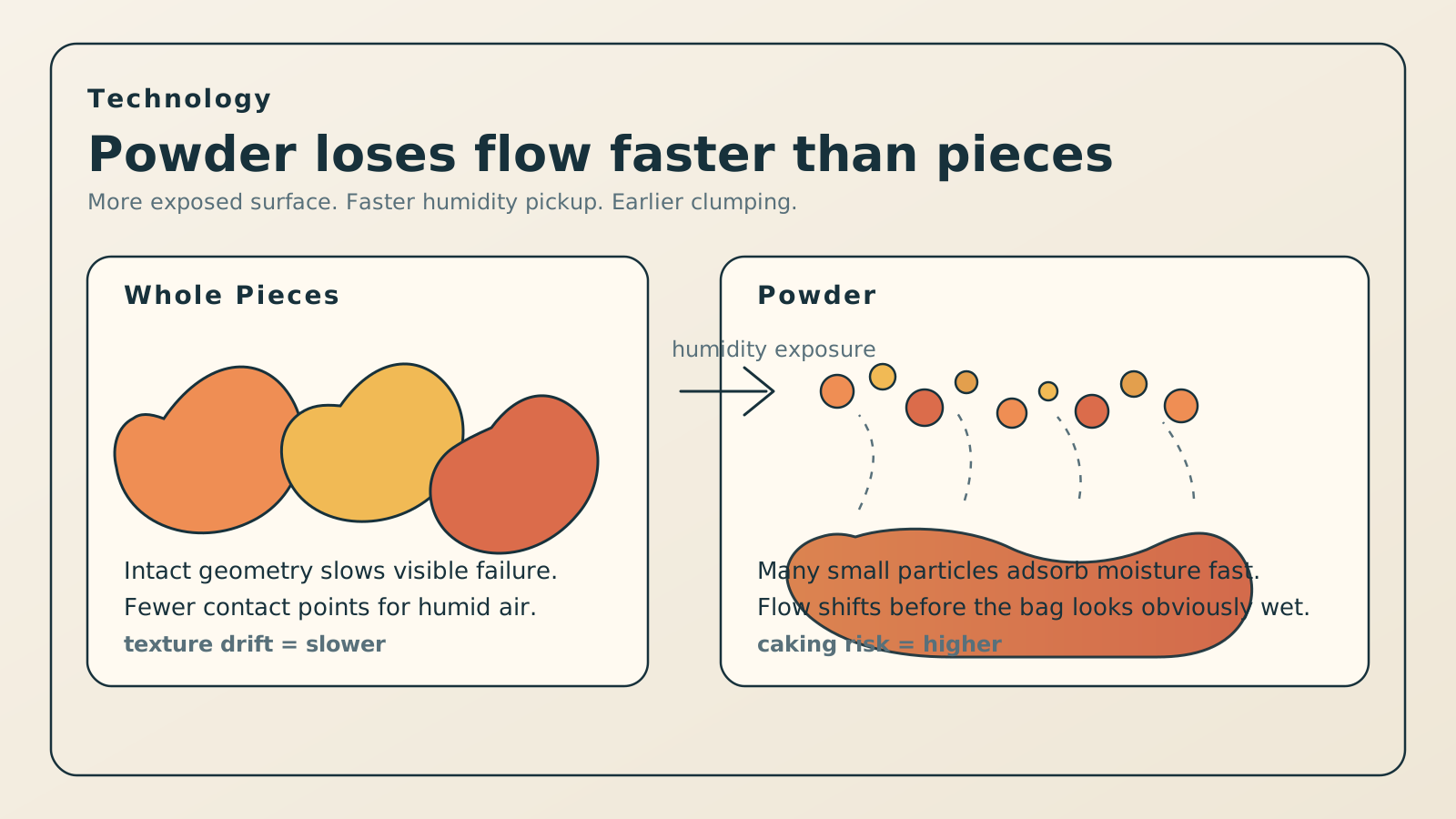
Once the bag is opened, humidity becomes part of the story. Freeze-dried fruit is porous, and broken surfaces often absorb moisture first.
That means crumbs, fractured edges, and small exposed fragments may soften before the larger intact pieces do. If you snack from the same pouch across several days, the difference can become more obvious.
This is one reason the bottom of the bag sometimes feels softer or more uneven than the top.
When softness is normal
A little texture variation can be normal when:
- the bag still smells fresh and fruity
- most pieces are still crisp
- only the thickest or largest pieces feel slightly denser
- the product has been open for a while in ordinary household conditions
That kind of variation is not ideal in every premium product, but it is not automatically a sign of spoilage or a bad bag.
When softness suggests a problem
Be more cautious if the pattern is broader:
- many pieces feel chewy rather than crisp
- the fruit seems sticky or clumped
- the aroma feels flat
- the bag was not well sealed
- the softness appears immediately after opening a new pouch
Those signs can point to moisture pickup, poor packaging protection, or inconsistent drying.
What consumers can do
If you want the best texture consistency:
- reseal the pouch quickly after each use
- keep the product away from steam and humid kitchens
- transfer weak resealable pouches to an airtight container
- use larger bags faster once they are opened
If a product includes a desiccant packet, leave it in the pouch unless the label says otherwise.
How to judge the bag fairly
Do not let one unusual piece define the whole product. Instead, look for the overall pattern.
Ask:
- Are most pieces crisp?
- Is the bag mostly intact or mostly dusty?
- Did the softness appear only after repeated opening?
- Are the softer pieces also the thickest ones?
Those questions give a more accurate read than focusing on a single bite.
Why different fruits feel different anyway
Consumers often compare apples to mangoes or strawberries to bananas as if they should crunch the same way. They should not. Different fruits have different sugar levels, cell structures, and slice styles. Some naturally produce a lighter airy crunch. Others produce a slightly denser bite even when the product is well made.
So the most useful comparison is usually within the same fruit and format, not across the entire category.
Bottom line
Some freeze-dried fruit pieces are softer than others because fruit pieces vary, and opened bags start interacting with humidity right away. Thickness, sugar, structure, and broken surfaces all play a role.
If most of the bag is crisp, a few softer pieces are not unusual. If the whole bag feels dull, sticky, or broadly soft, the issue is more likely moisture exposure or weak quality control.
Frequently Asked Questions
Why are some freeze-dried fruit pieces softer than others in the same bag?
Pieces can vary in thickness, ripeness, sugar concentration, seed or fiber structure, and surface area after cutting. Those differences influence how the fruit freezes, dries, and later interacts with humidity inside the bag. A thinner slice can turn very crisp while a thicker slice from the same lot feels slightly denser.
Does one softer piece mean the whole bag is bad?
No. A little texture variation is normal when the bag still smells fresh, most pieces are crisp, only the thickest pieces feel slightly denser, and the product has been open for a while in ordinary household conditions. Judge the overall pattern, not a single bite.
When does softness suggest a real quality problem?
Be cautious if many pieces feel chewy rather than crisp, the fruit is sticky or clumped, the aroma is flat, the bag was not well sealed, or the softness appears immediately after opening a new pouch. Those signs point to moisture pickup, poor packaging protection, or inconsistent drying.
How does piece thickness create texture variation?
If pieces inside a bag are not all cut to the same size, they do not dry at the same pace. Thicker pieces have more interior distance to dry out, so small pieces feel very crisp while larger pieces feel denser. This kind of variation is easier to notice in fruits sold as larger slices or chunks.
Why do broken pieces in a bag often feel softer first?
Once the bag is opened, broken surfaces absorb moisture faster than intact pieces. Crumbs, fractured edges, and small exposed fragments soften before the larger whole pieces do — which is why the bottom of the bag sometimes feels softer or more uneven than the top.
What can consumers do to keep texture consistent after opening?
Reseal the pouch quickly after each use, keep the product away from steam and humid kitchens, transfer weak-zipper pouches to an airtight container, and use large bags faster once opened. If the package included a desiccant packet, leave it inside unless the label says otherwise.
Should I compare crunch across different freeze-dried fruits?
Not usefully. Different fruits have different sugar levels, cell structures, and slice styles. Some naturally produce a lighter airy crunch; others a denser bite even when well made. Compare within the same fruit and format rather than across the whole category.