How freeze-dried fruit actually gets used
Freeze-dried fruit is a category that rewards matching the format to the moment. The same fruit can be a snack, a topping, a baking ingredient, an oatmeal mix-in, a smoothie booster, or a powder for coatings — and the version that works best in each case is usually a different format, not just the same bag used differently.
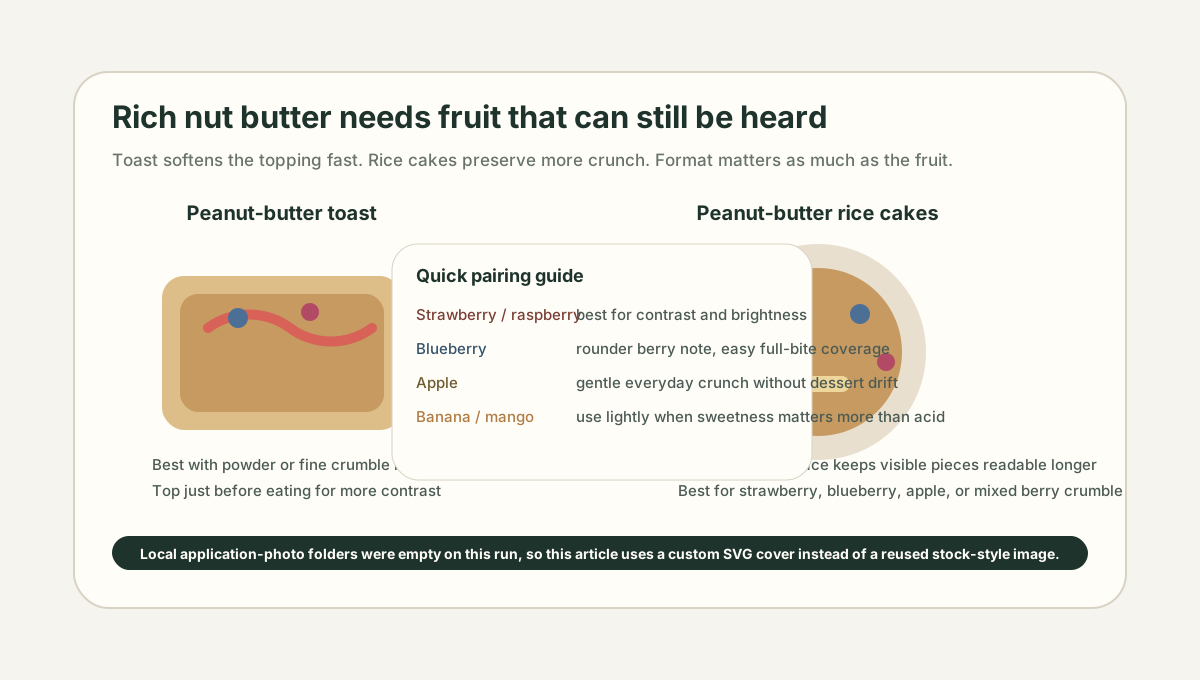
That is the practical lens this guide takes. Rather than ranking every fruit, the question worth asking is: what is the fruit's job in the finished bowl, the pouch, or the recipe? A premium whole strawberry is dramatic on top of yogurt and overkill in oatmeal. A fine raspberry powder is invisible on a snack board and exactly right in a smoothie.
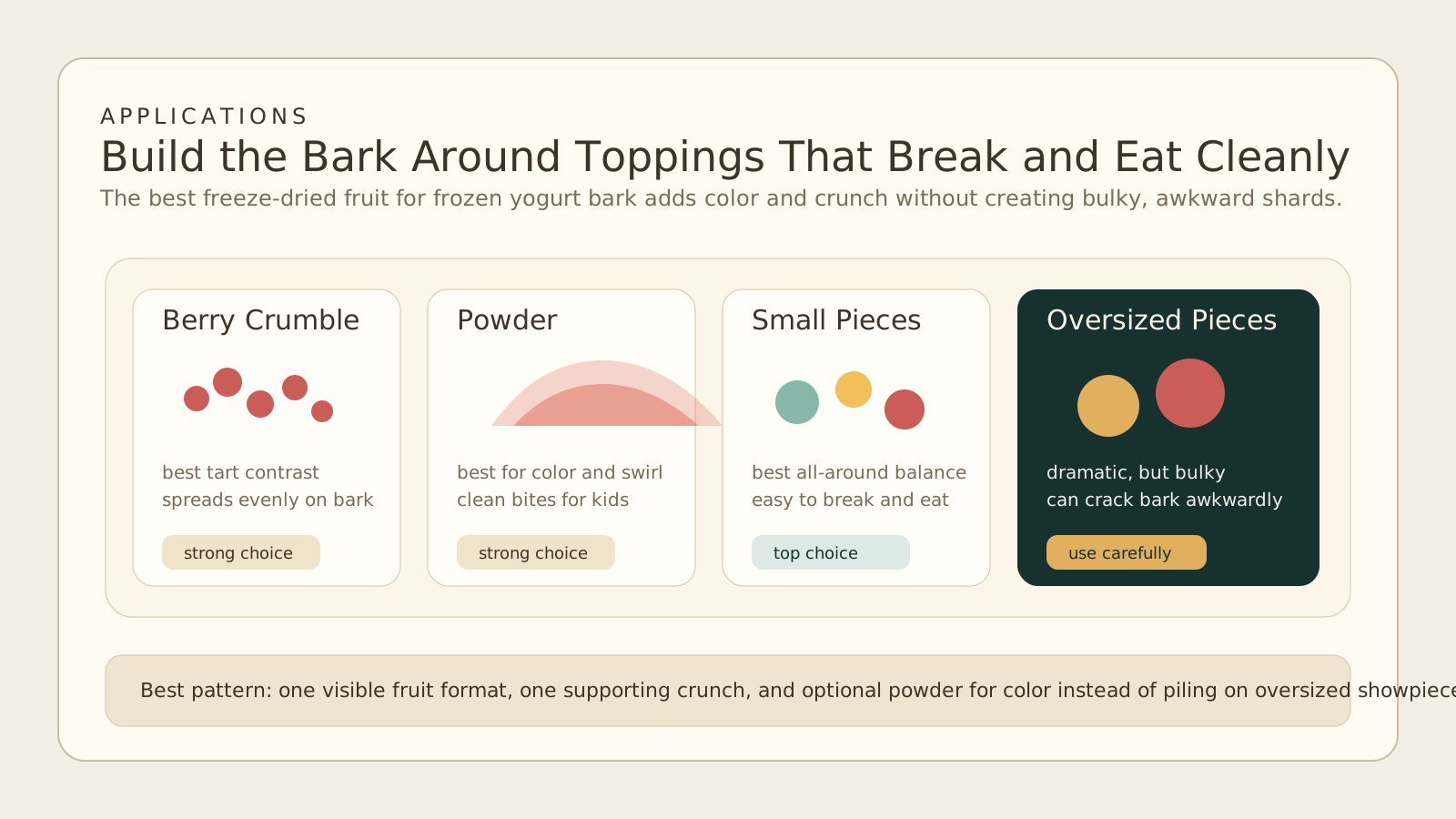
Match format to application first, then choose the variety. That order saves the most disappointment.
Yogurt bowls, oatmeal, and breakfast
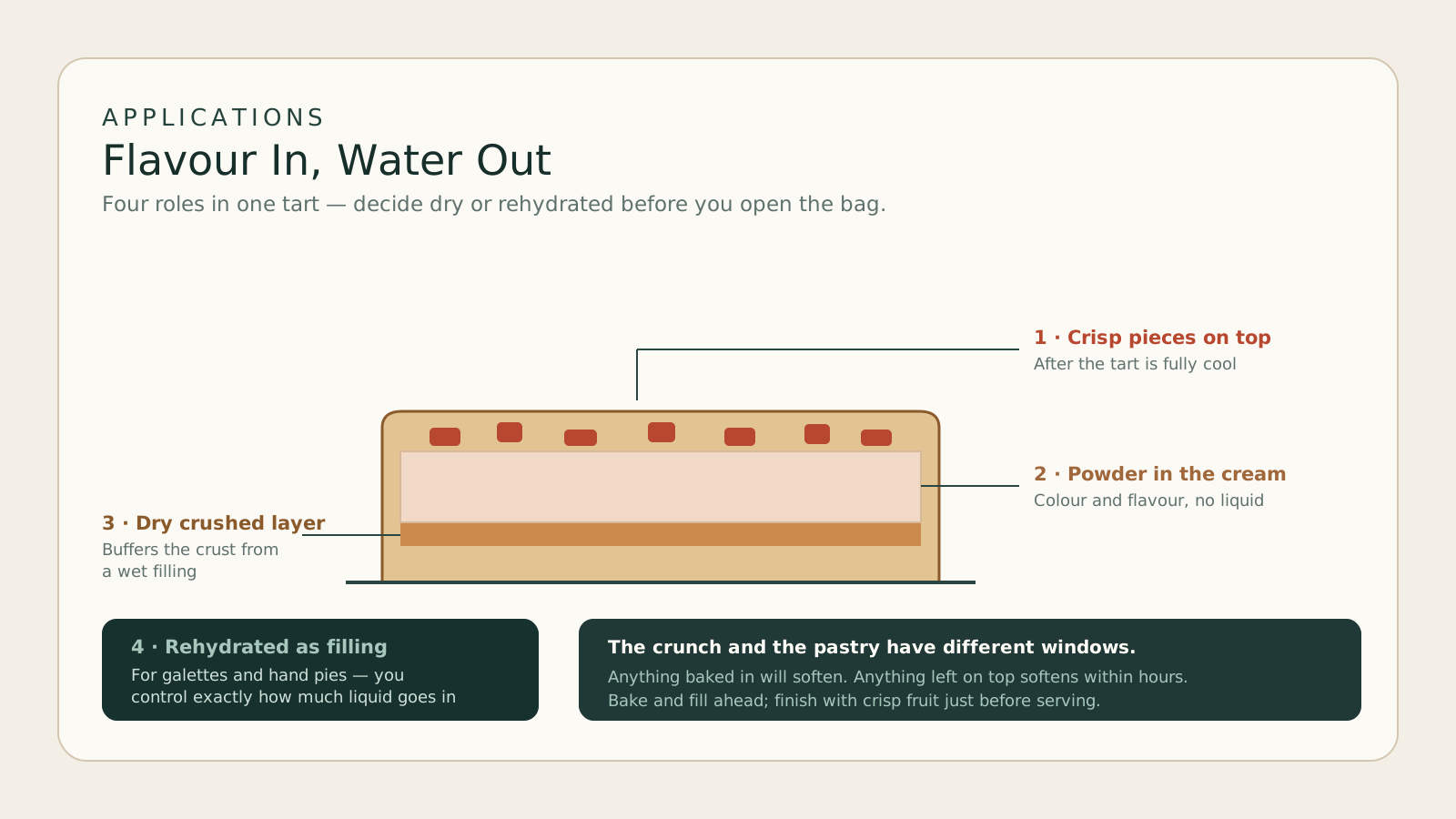
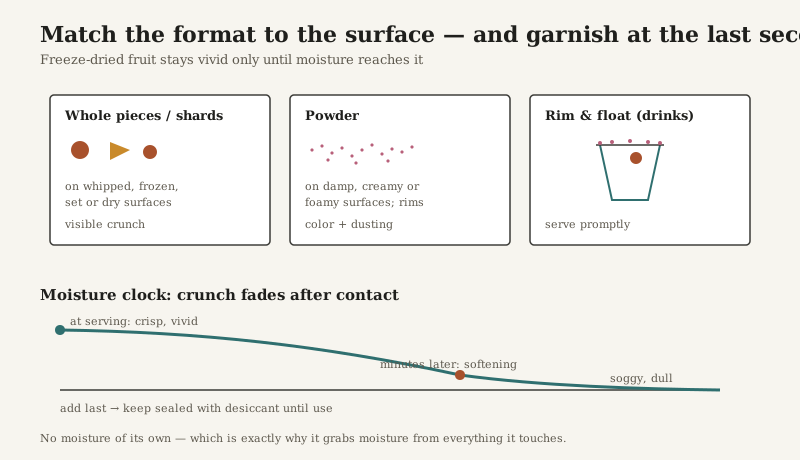
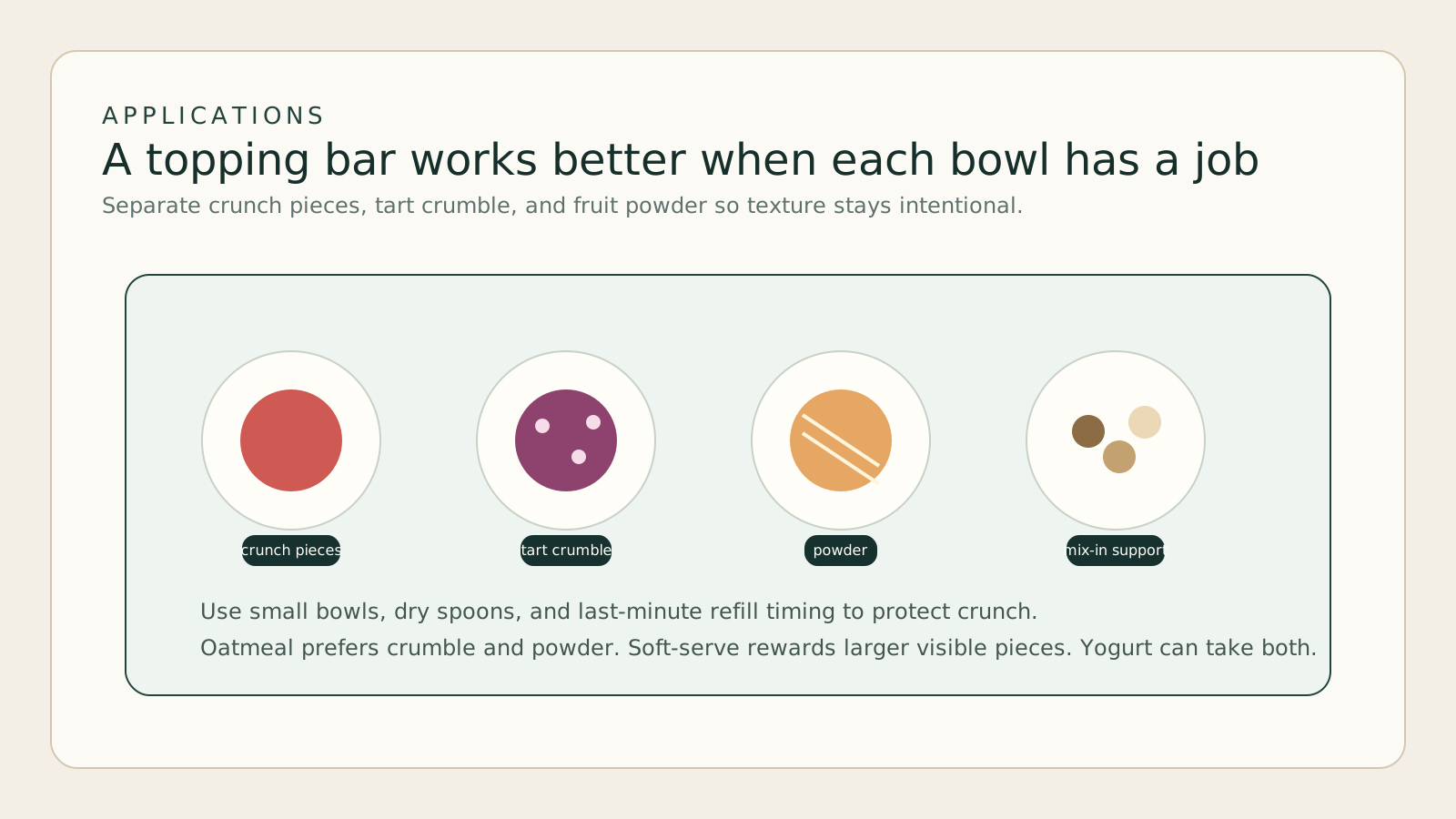
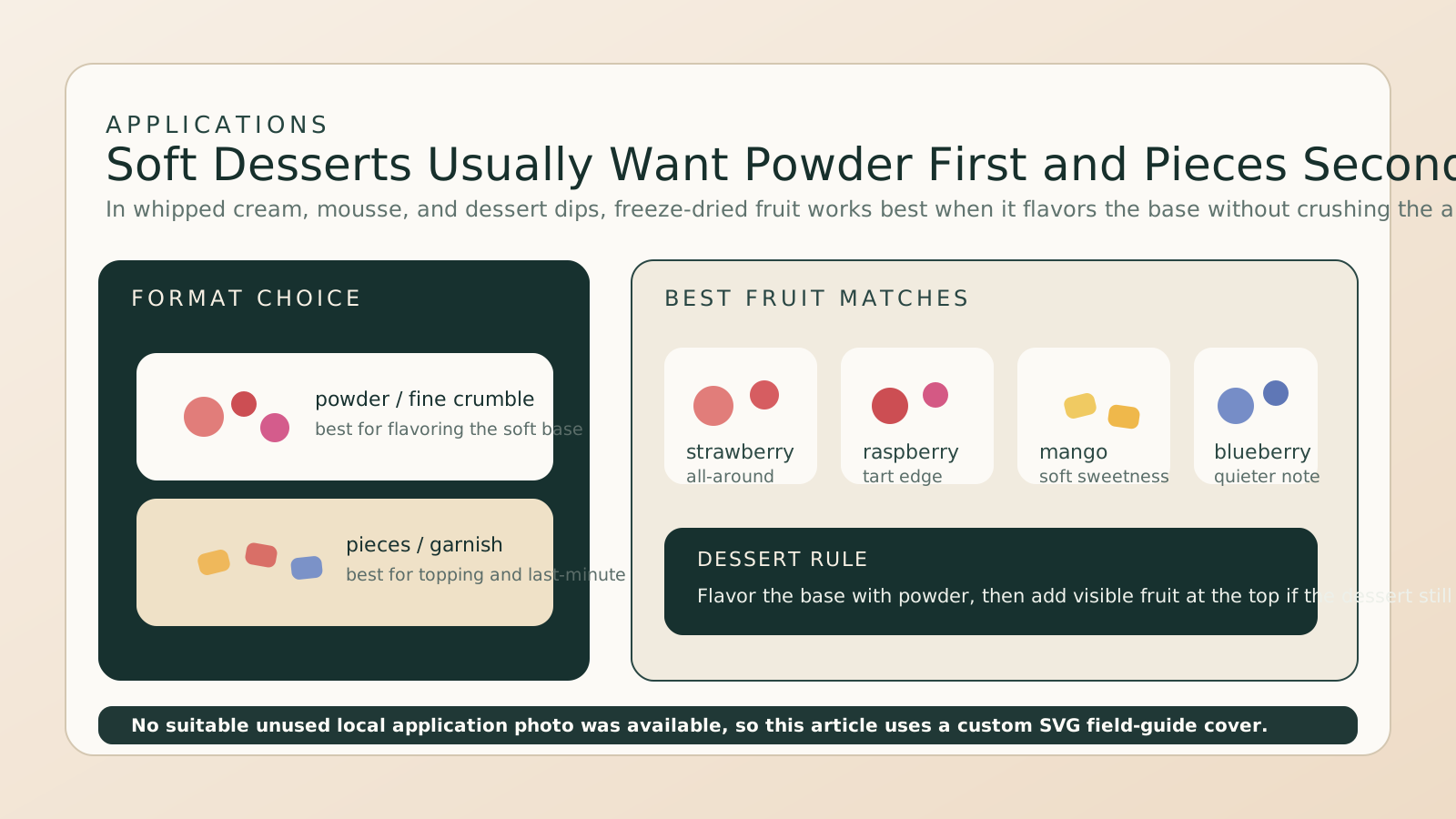
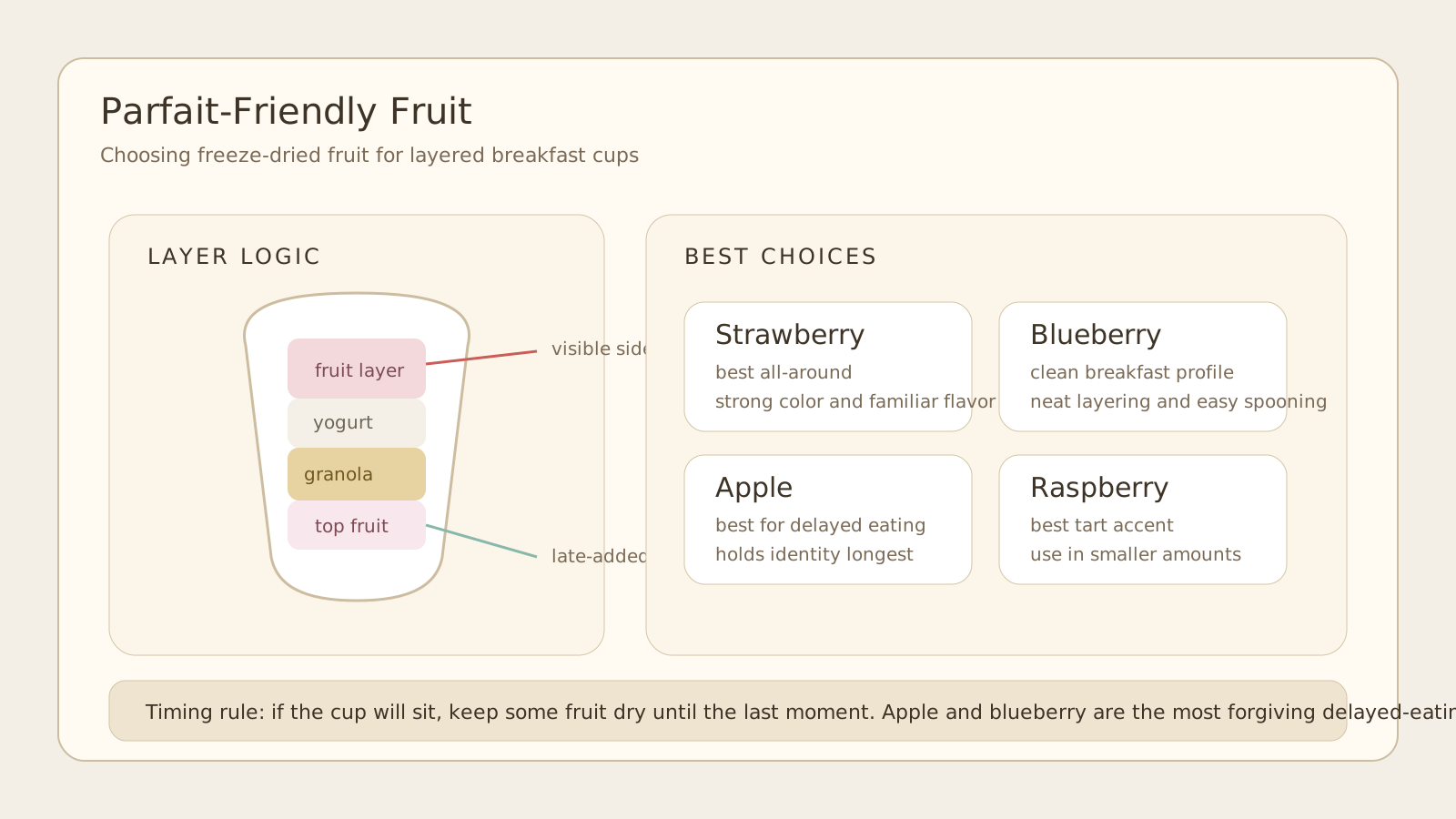
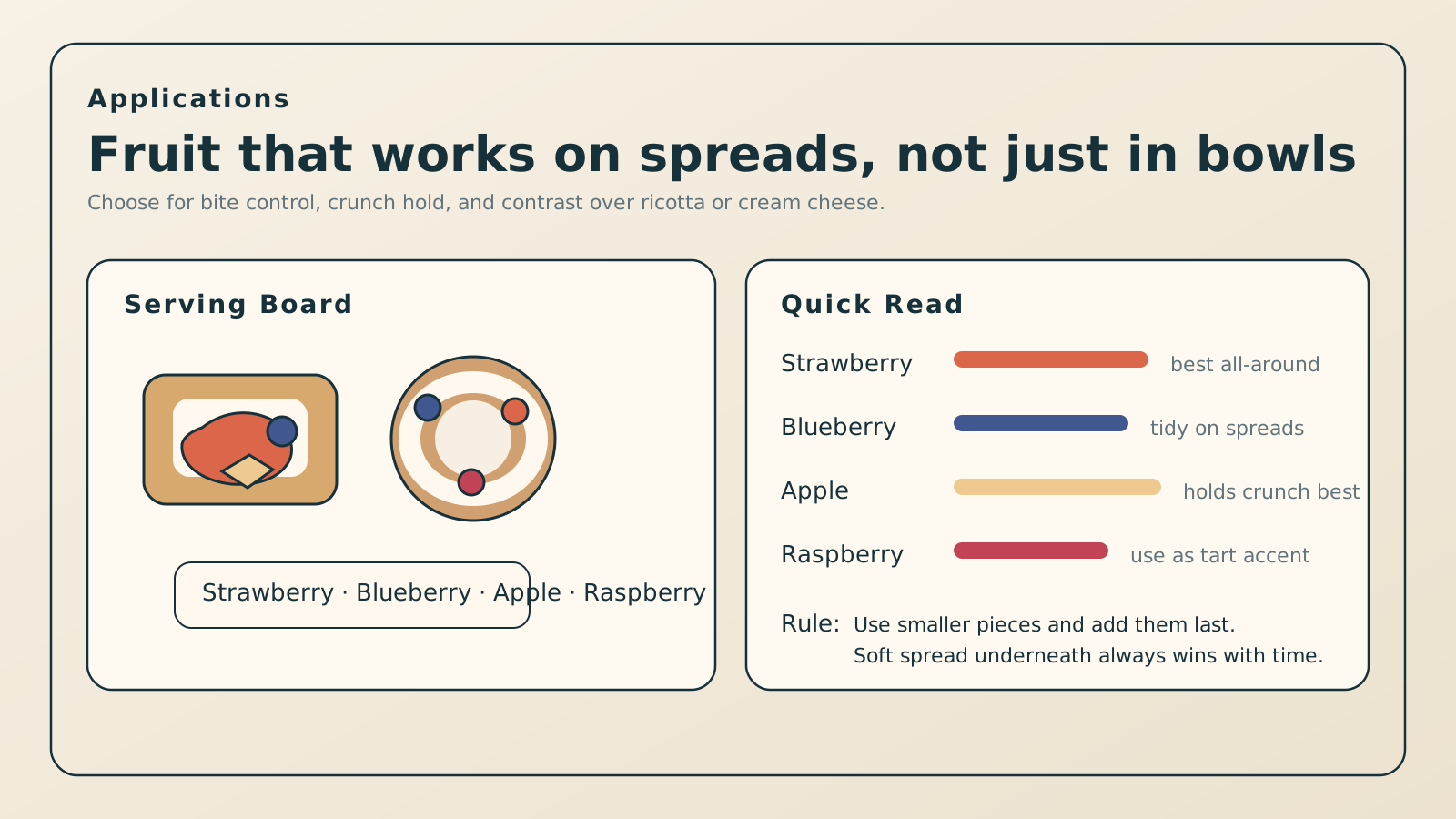
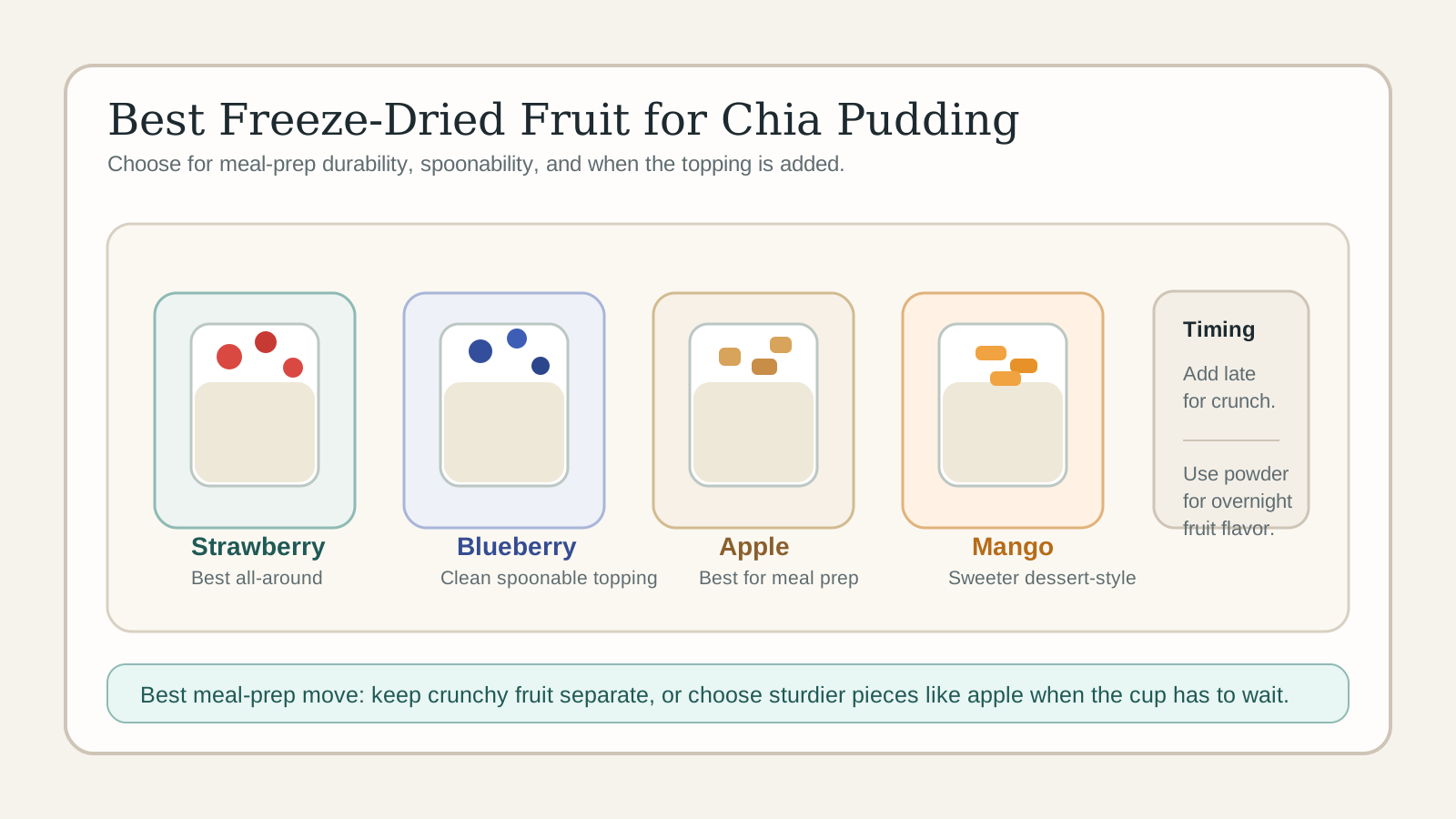
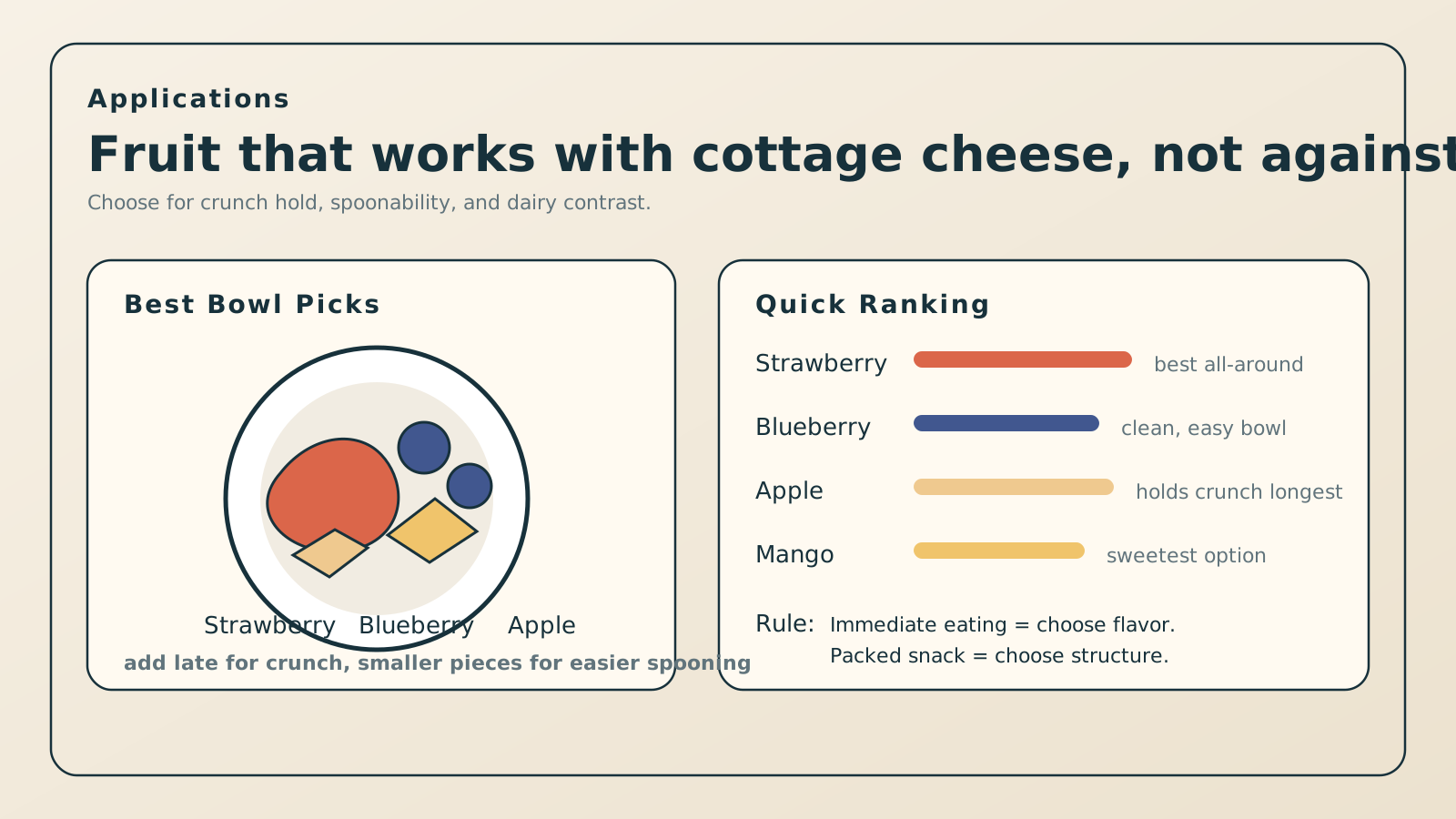
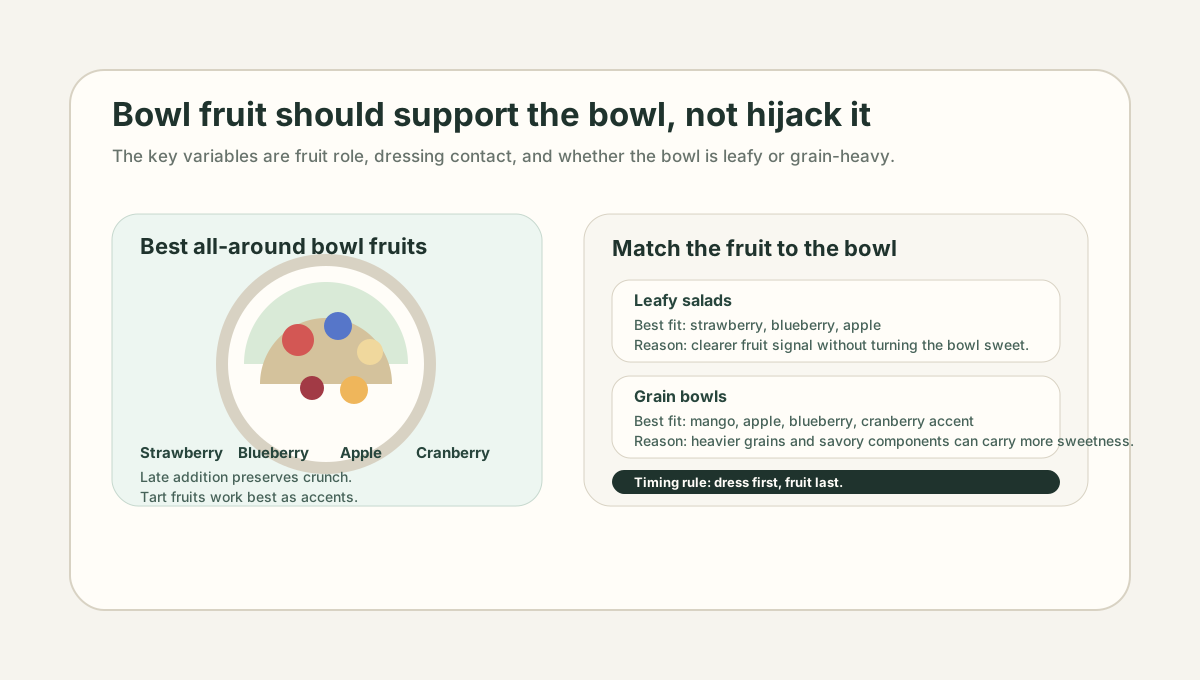
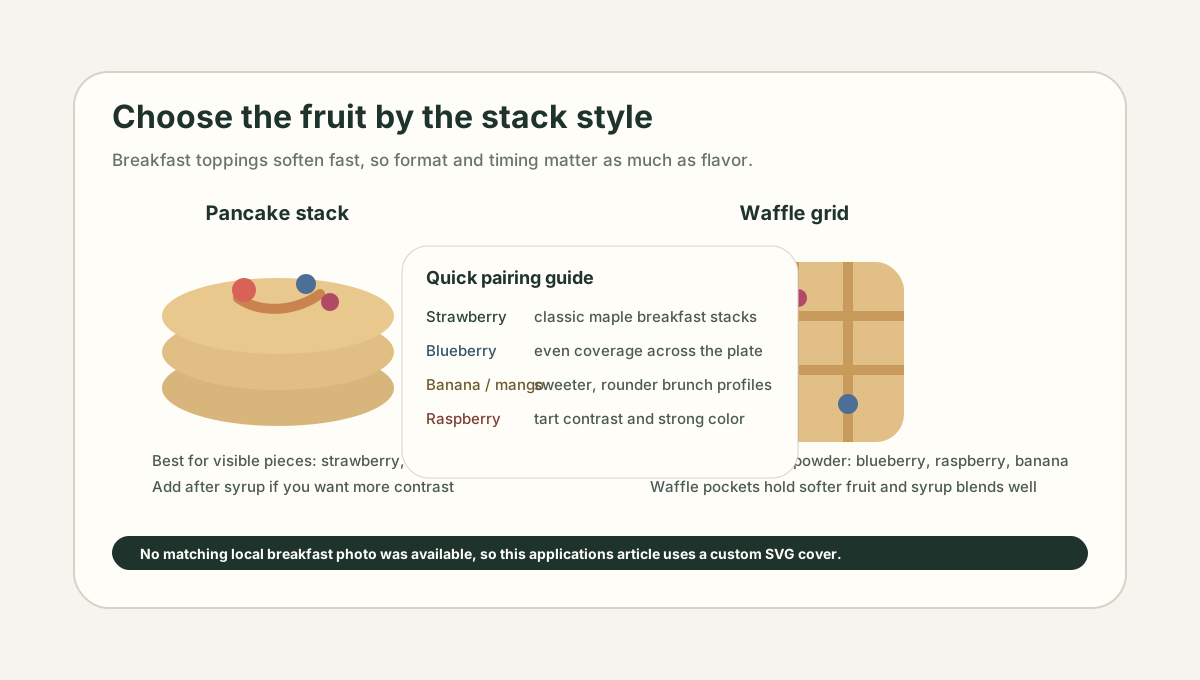
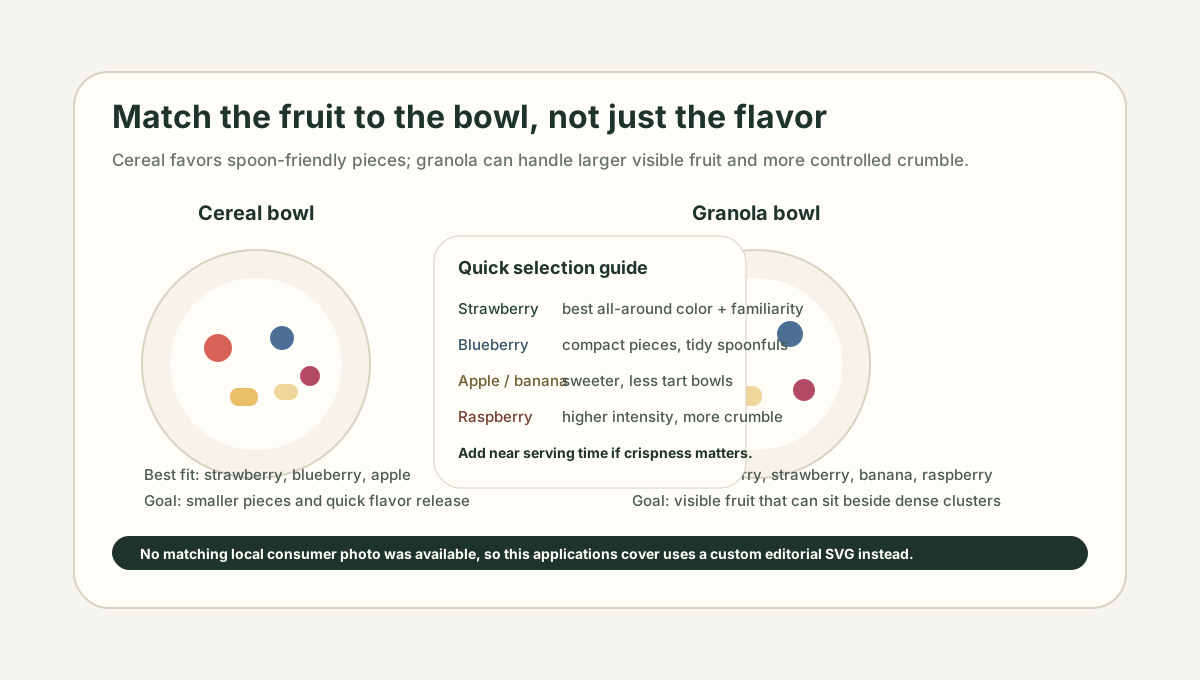
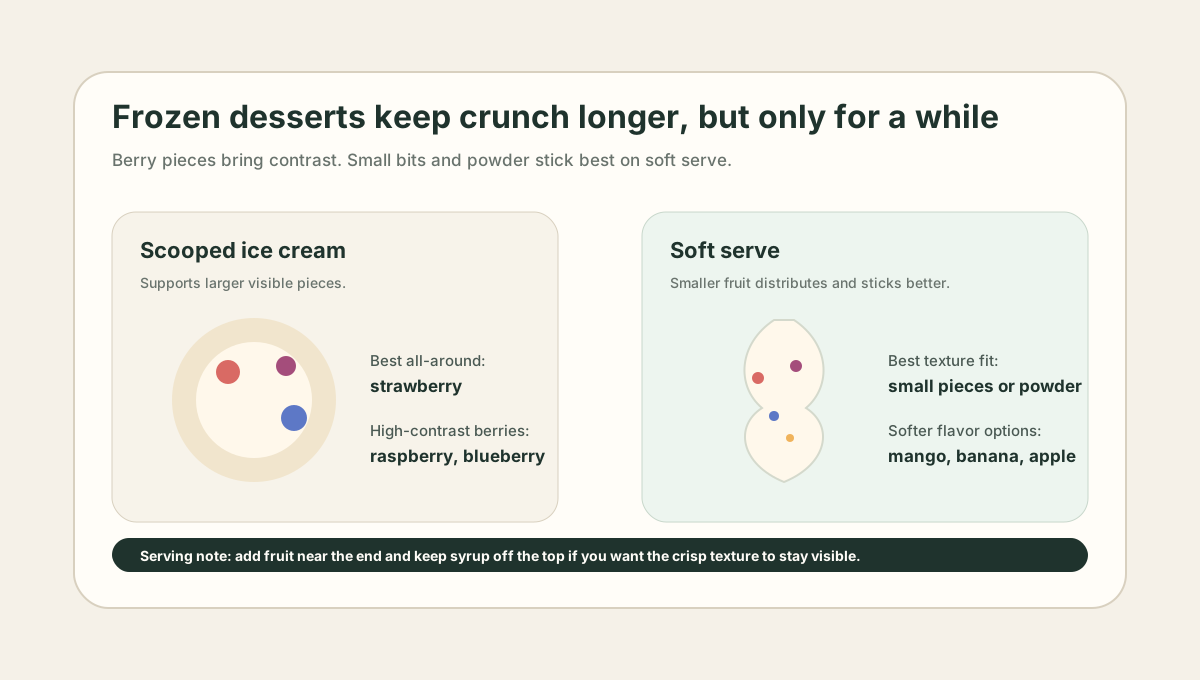
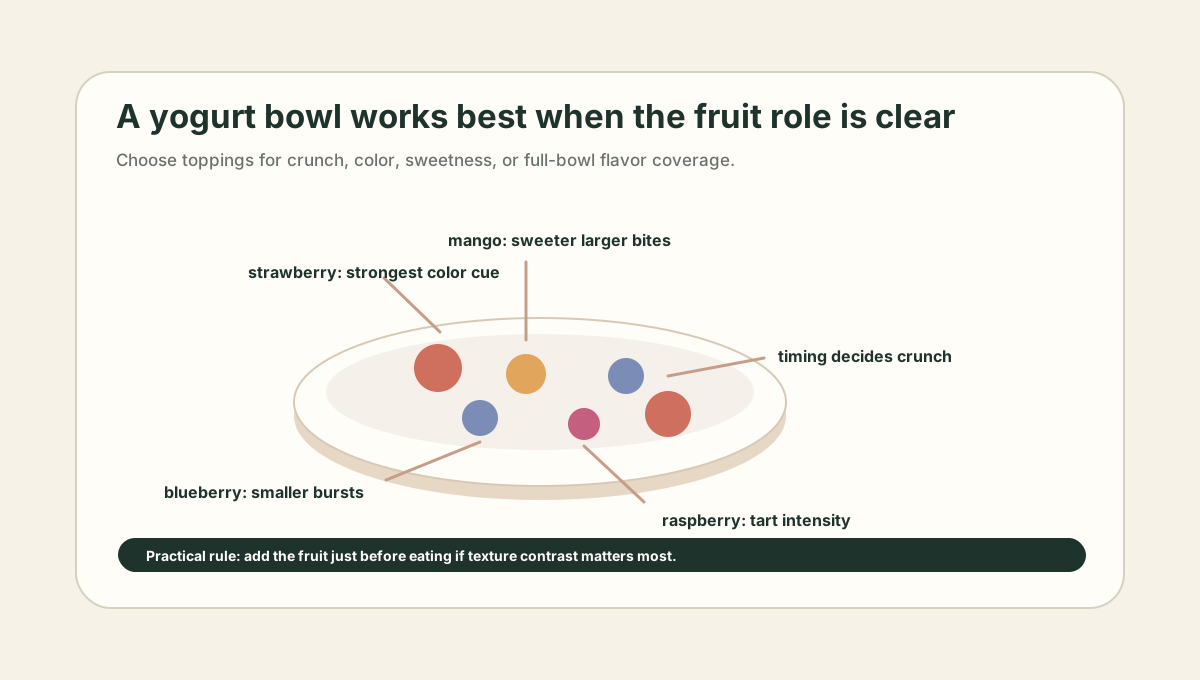
The two breakfast applications reward different fruit choices. Yogurt bowls are surface contact: the fruit hits a wet base and starts absorbing moisture immediately. The eating window decides which fruit shines. For strong crunch, add fruit at the last second; for a softer fruit-on-yogurt effect, let the bowl sit briefly. Strawberry and blueberry are the safe defaults for color, flavor recognition, and visual contrast. Mango works for sweeter tropical bowls; raspberry for tart, dessert-style ones.
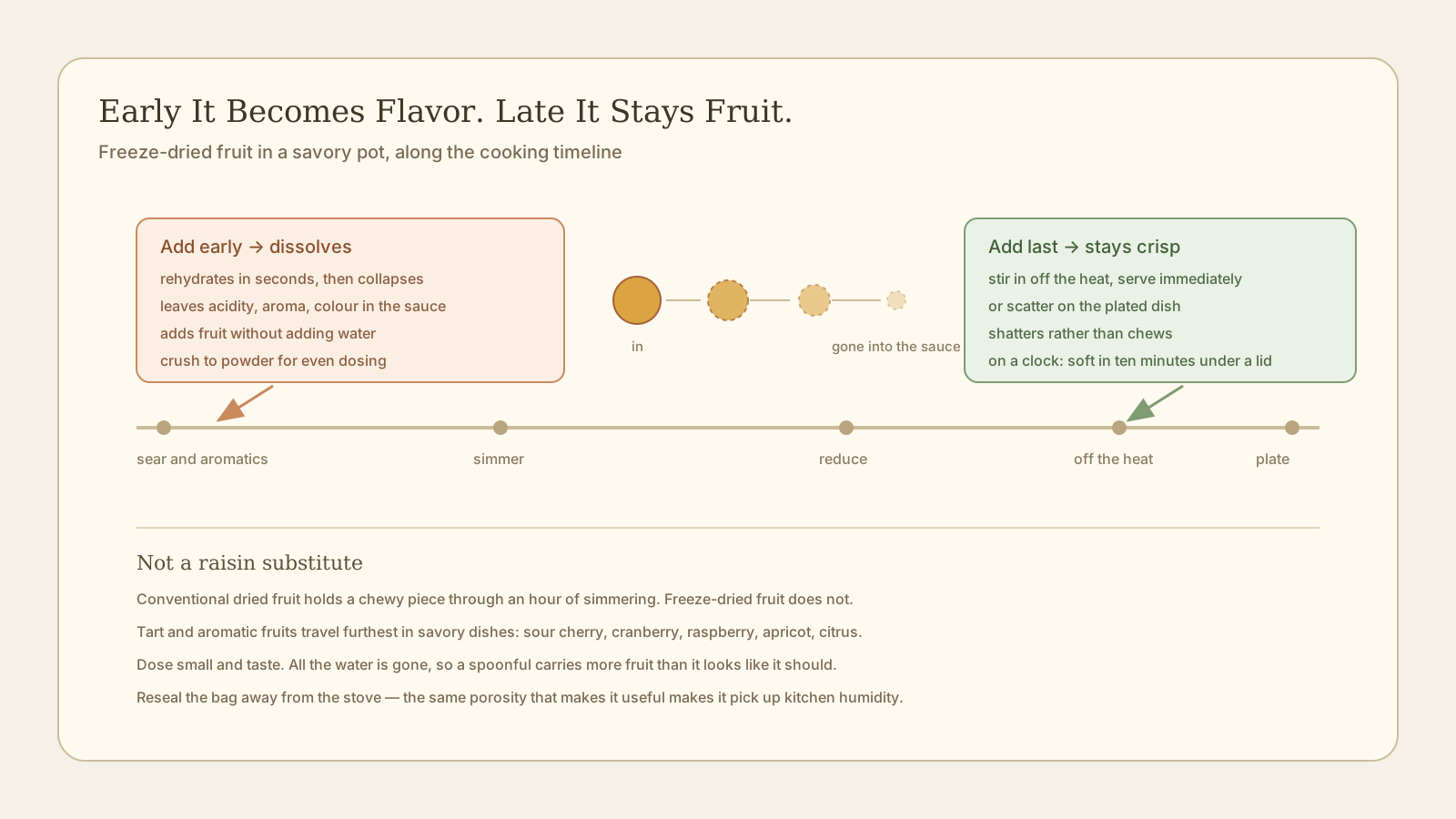
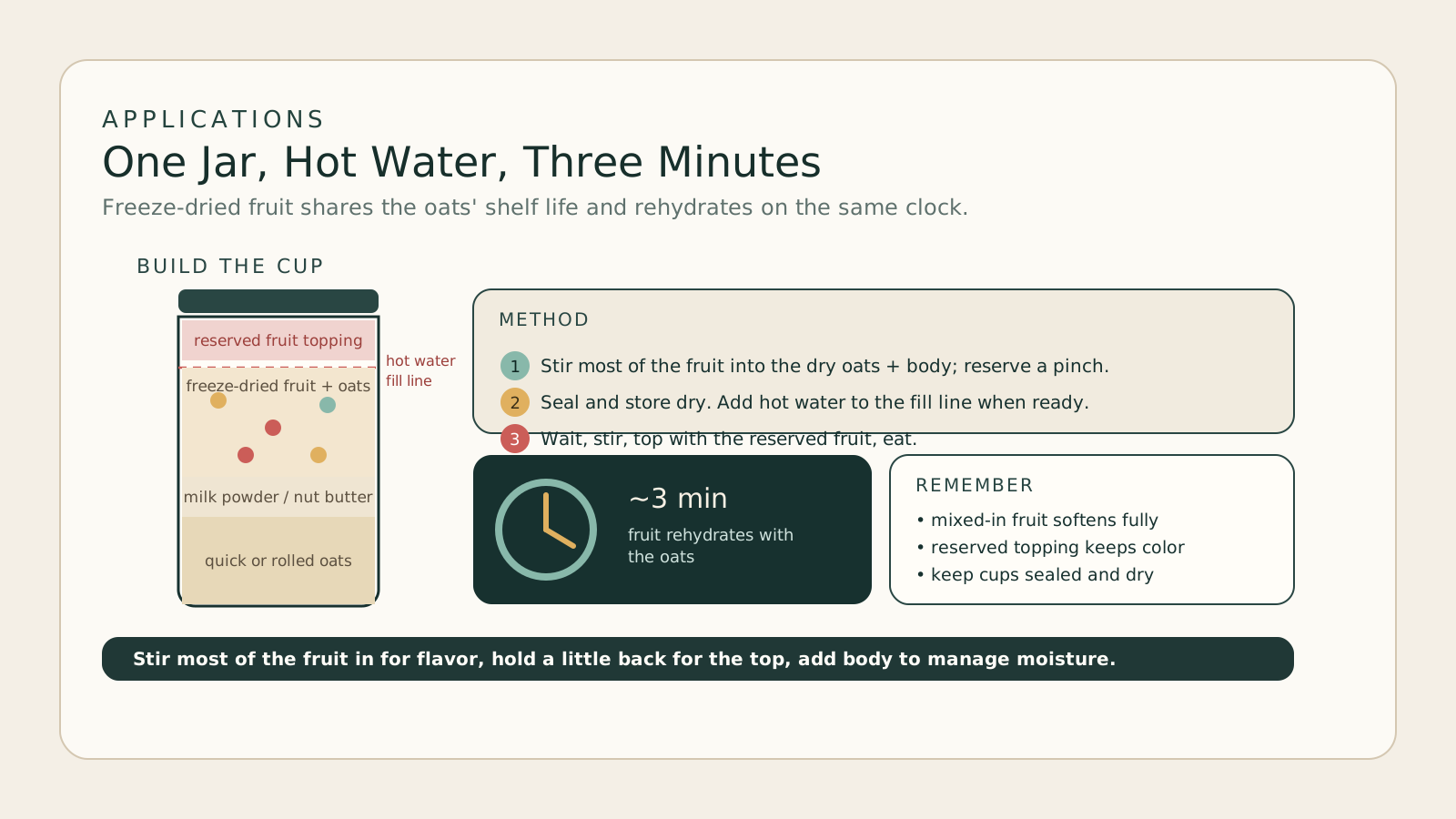
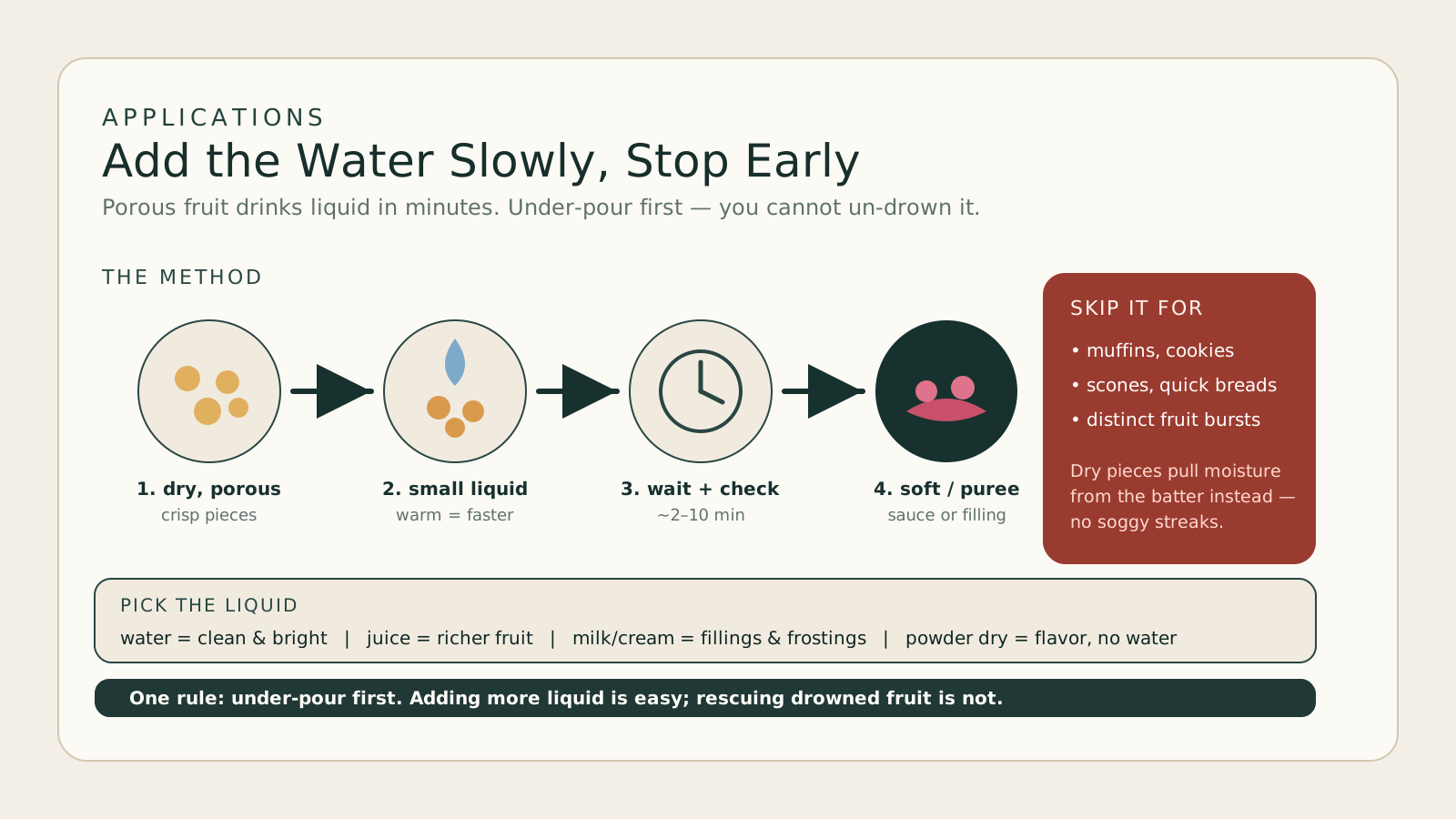
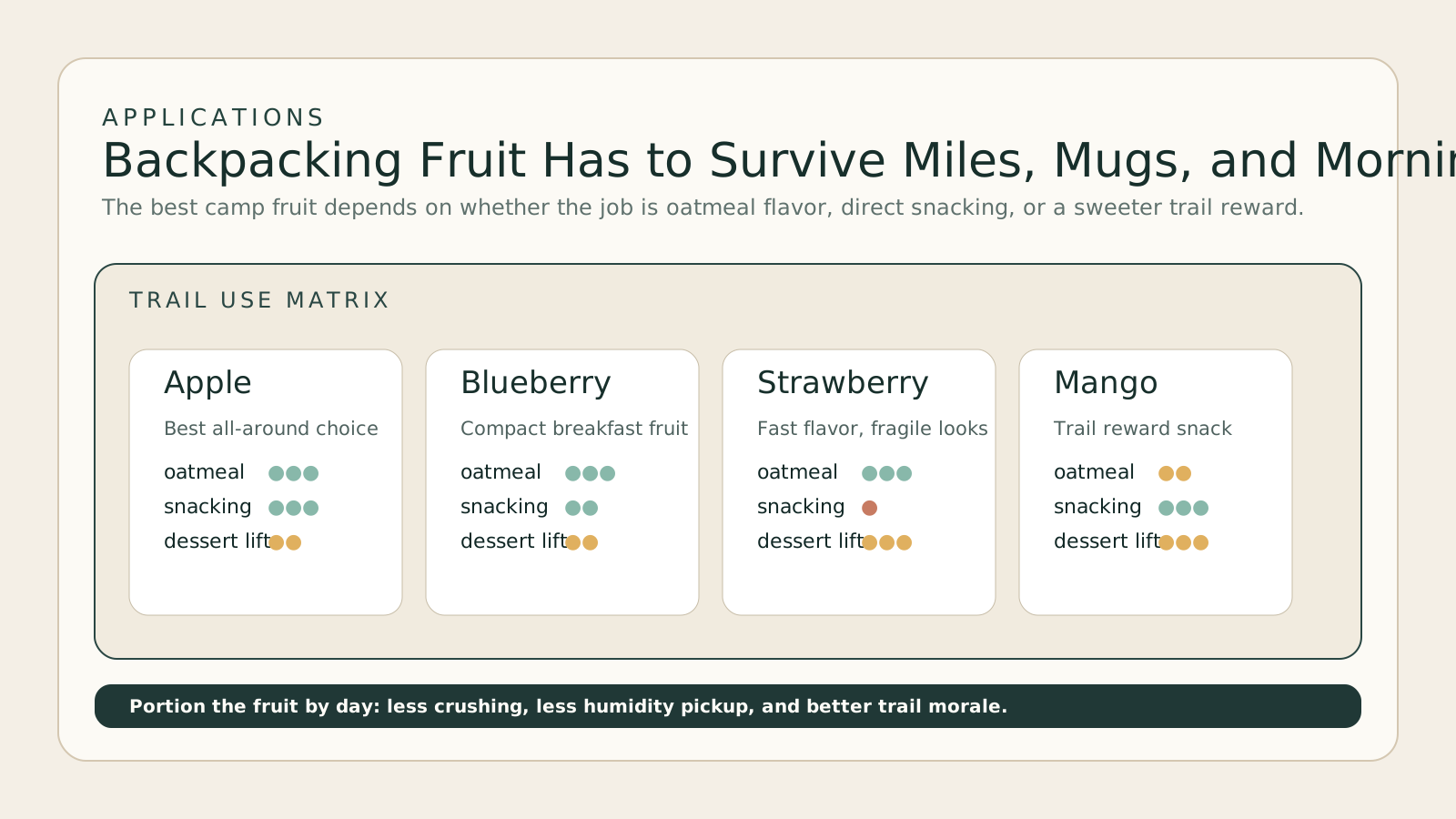
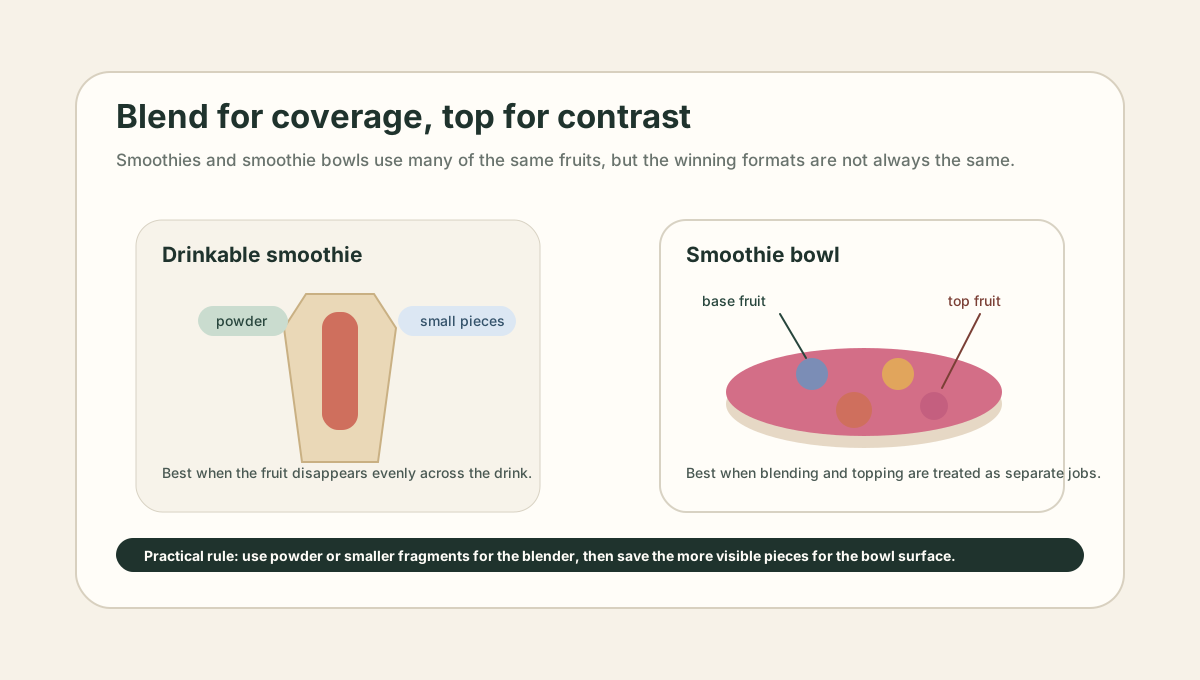
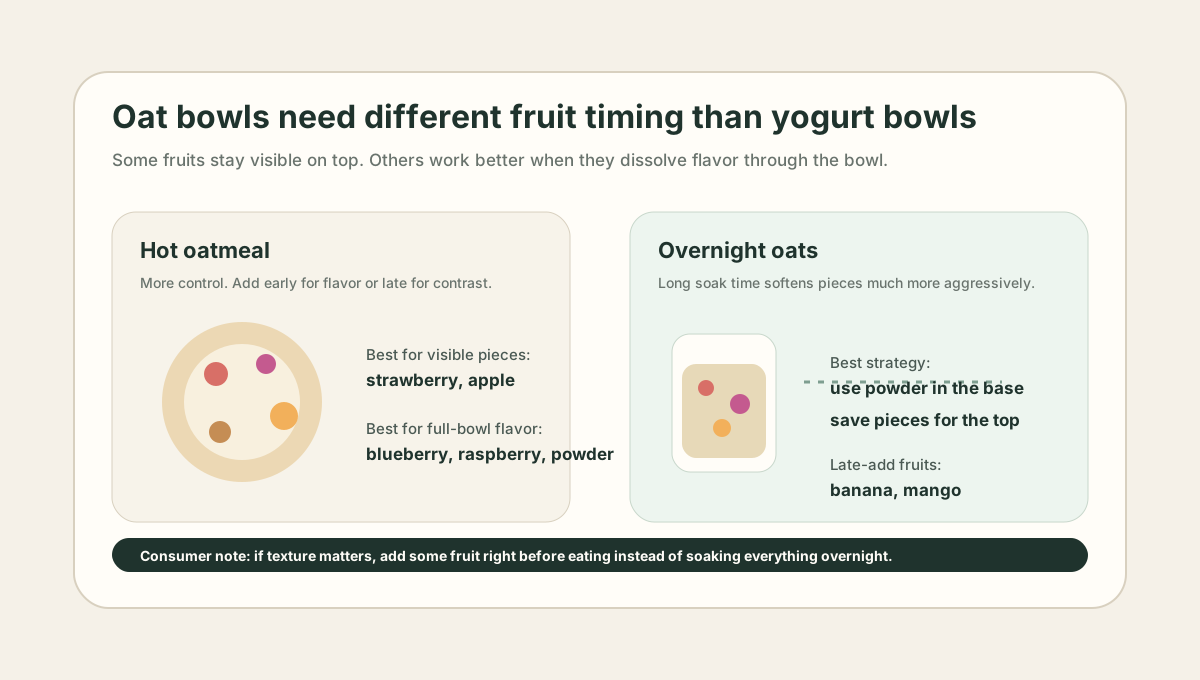
Oatmeal is different — heat, steam, milk or water, stirring pressure, and long contact time all reshape the fruit fast. Strawberry and apple hold their identity better than softer tropical fruits. Blueberry, raspberry, and fruit powders spread flavor through the whole bowl rather than staying on top. Banana and mango usually work best added late, because they soften nearly to invisibility if cooked or soaked.
Overnight oats are the least forgiving format. The fruit sits in moisture for hours, not minutes. Powders become especially useful, and a small extra portion of pieces added just before eating preserves the topping look.
Storage after opening: the only thing that protects the crunch
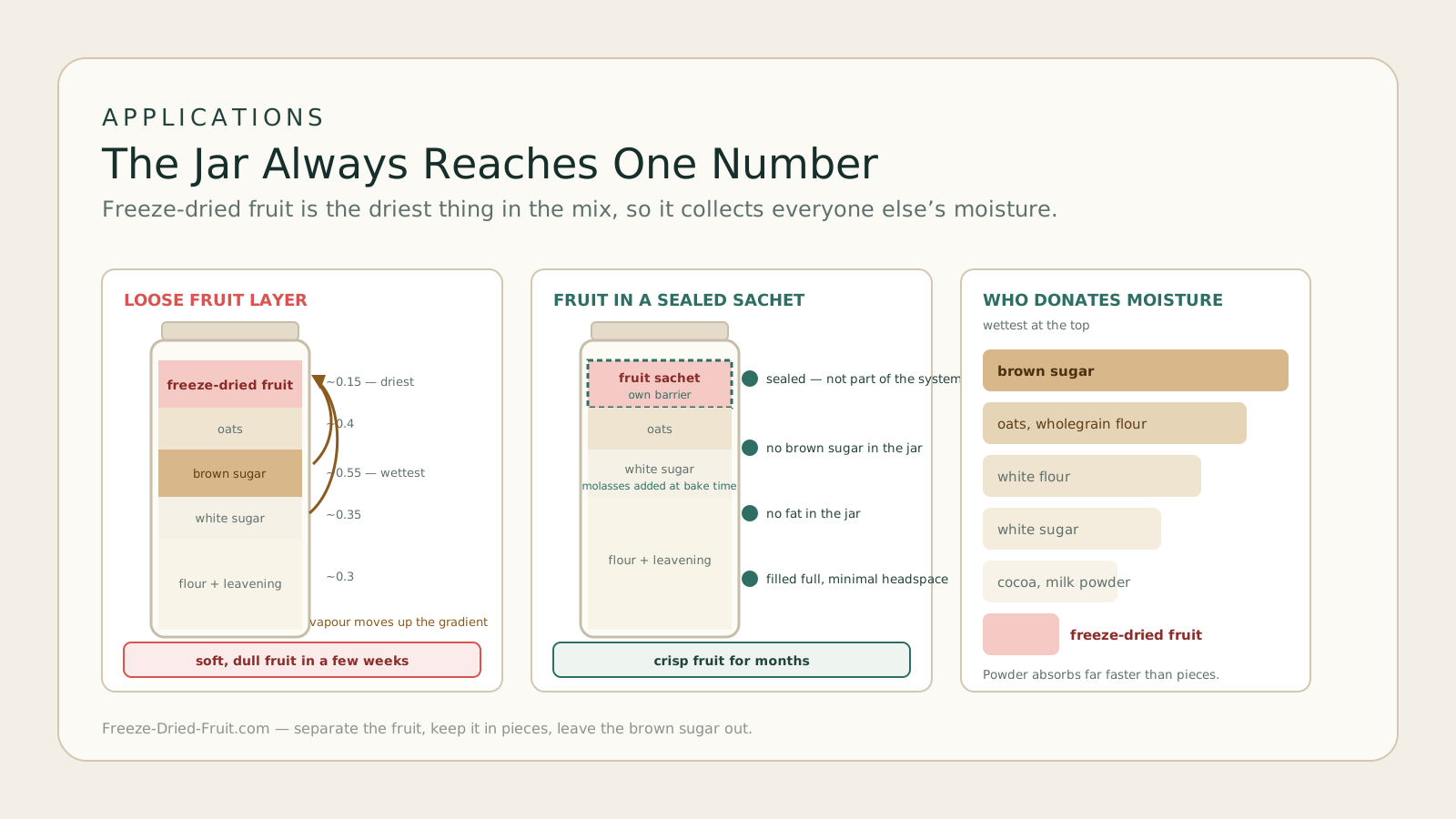
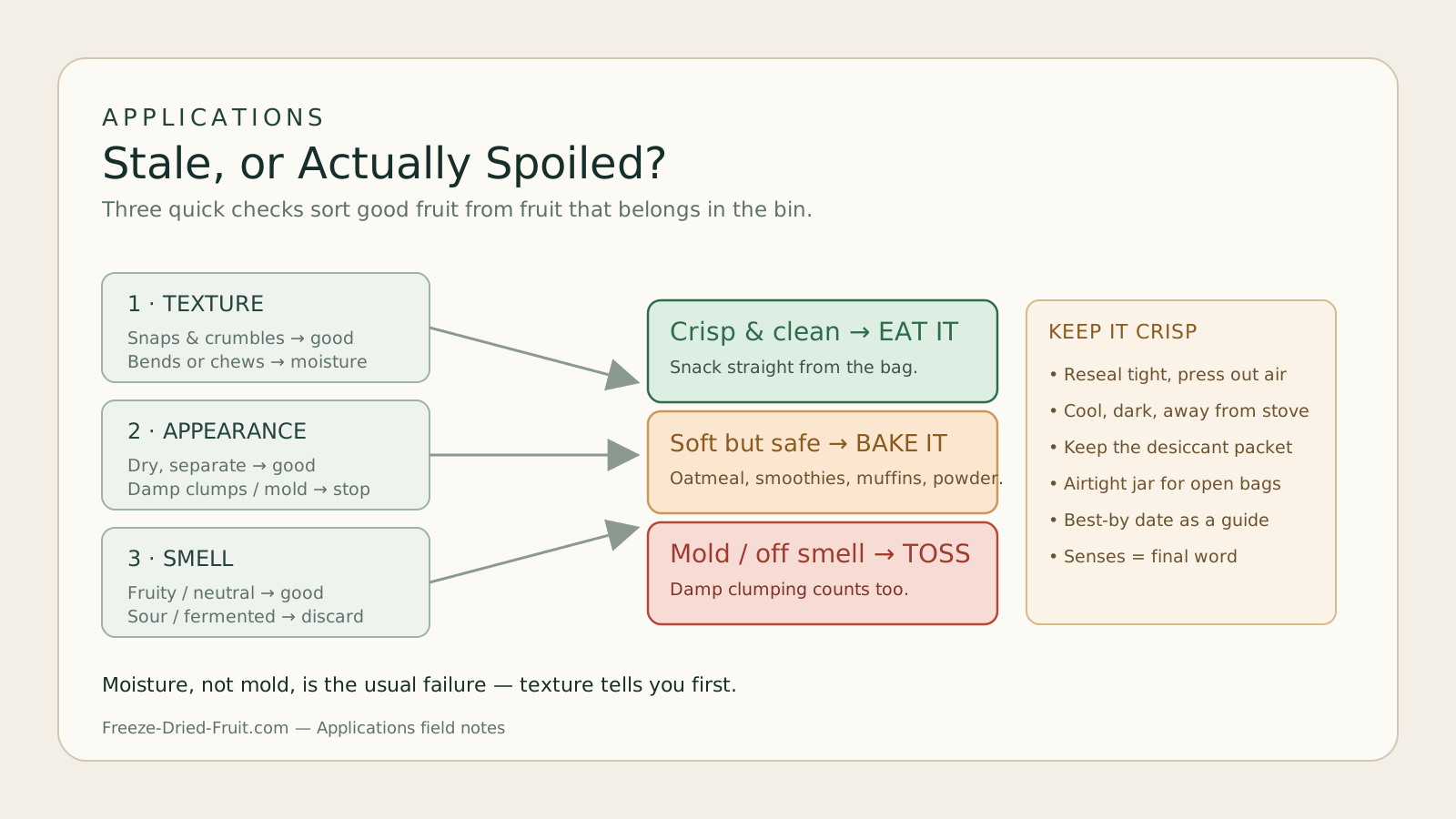
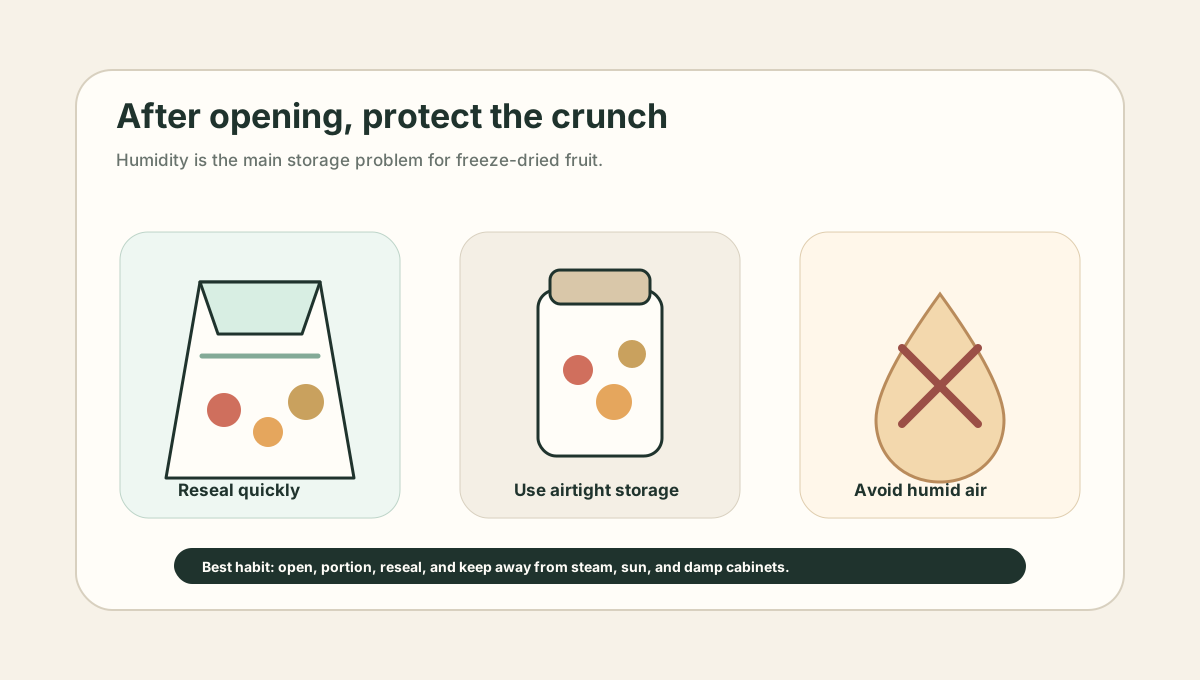
Freeze-dried fruit is porous and hygroscopic. The moment the seal is broken, the fruit starts pulling moisture from the surrounding air. In a humid kitchen, near a kettle, above a stove, or in a loose bowl on the counter, residual moisture can rise enough to dull the crunch within hours.
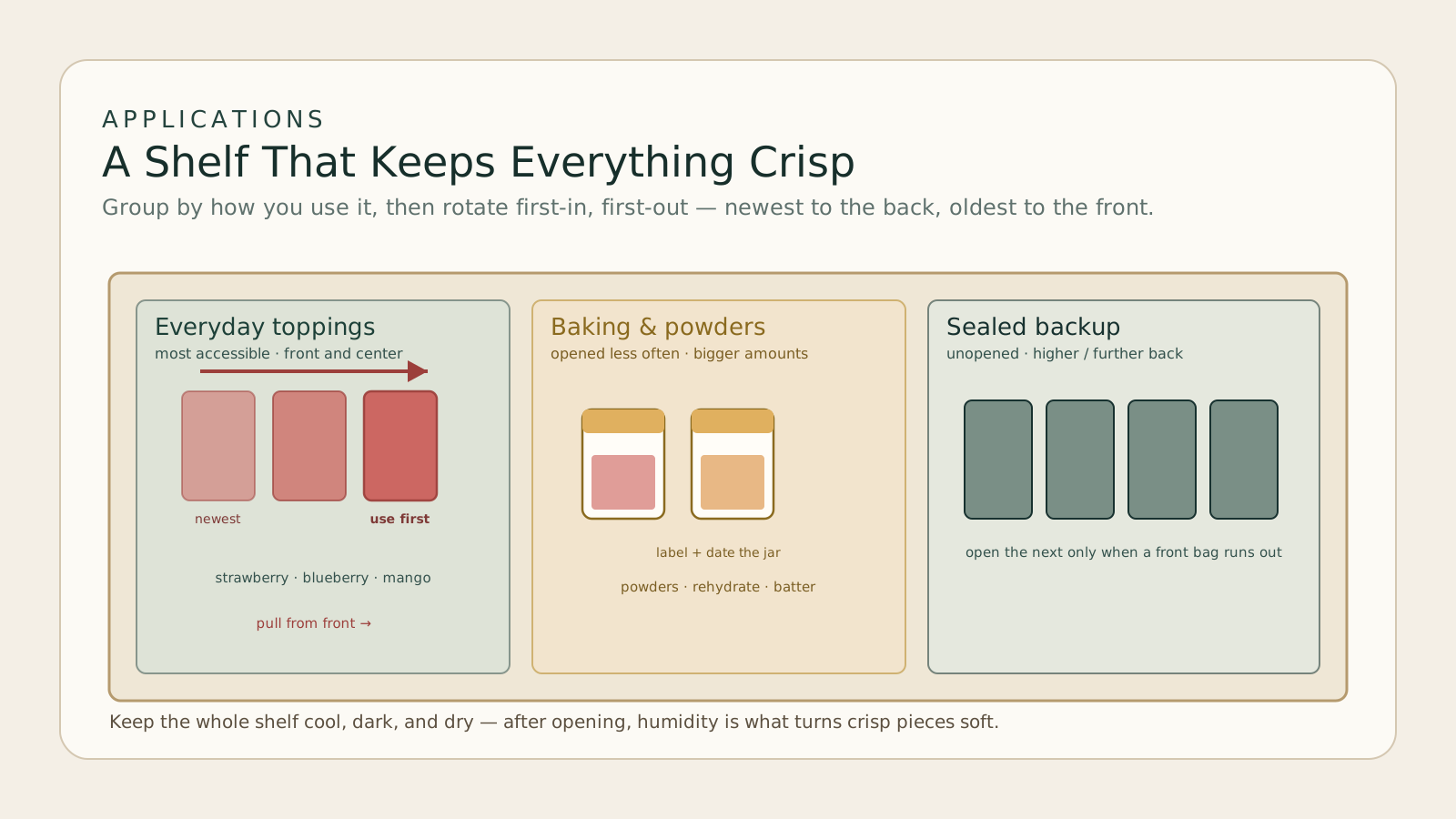
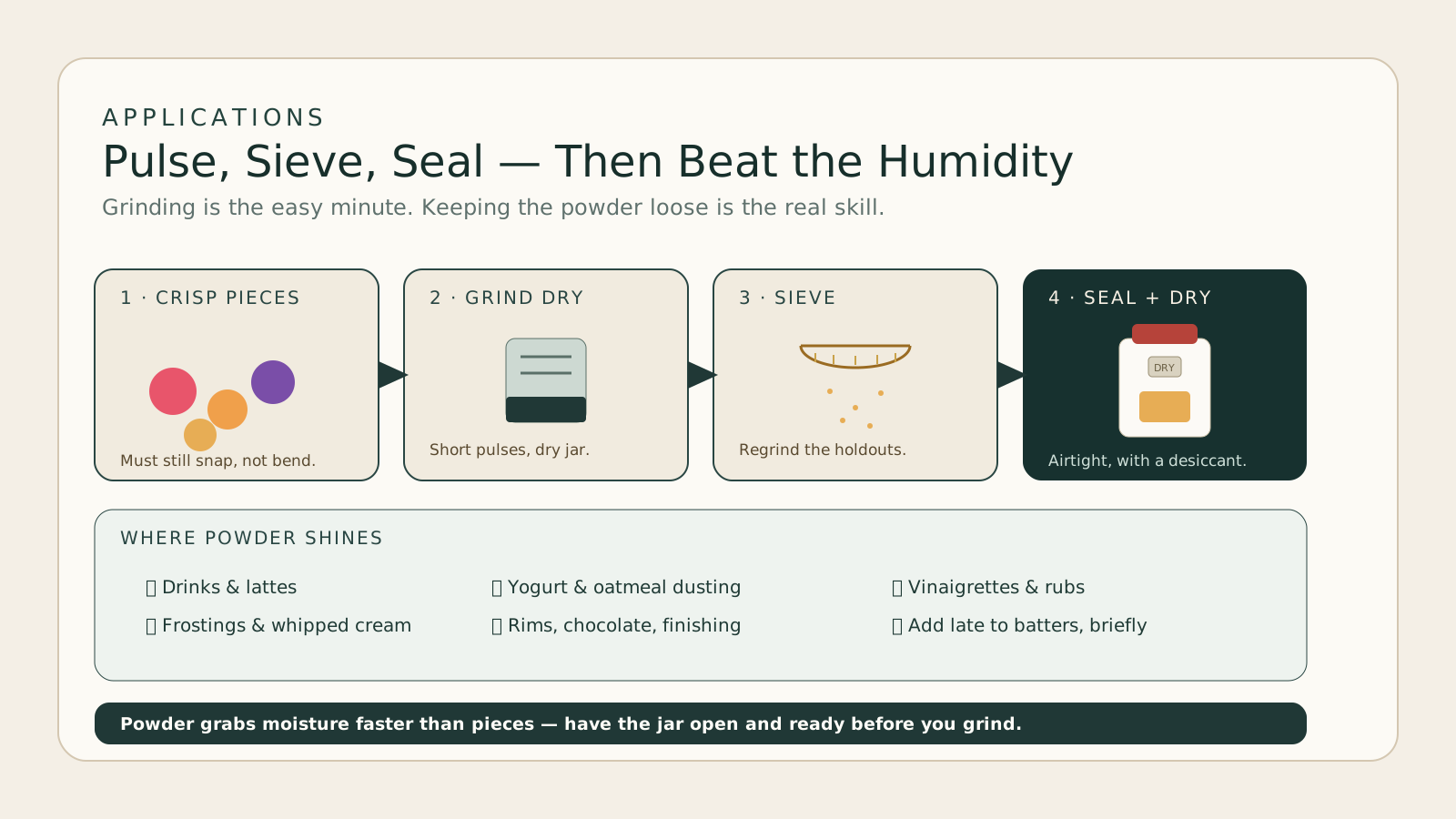
The defense is simple: reseal the pouch tightly, or transfer the fruit to a clean airtight jar. Keep it cool, dry, and away from steam and direct sunlight. If the package included a desiccant packet, leave it inside unless the label says otherwise. Refrigeration is rarely necessary and often does more harm than good — condensation each time the container is opened in a warm room can shorten texture life rather than extend it.
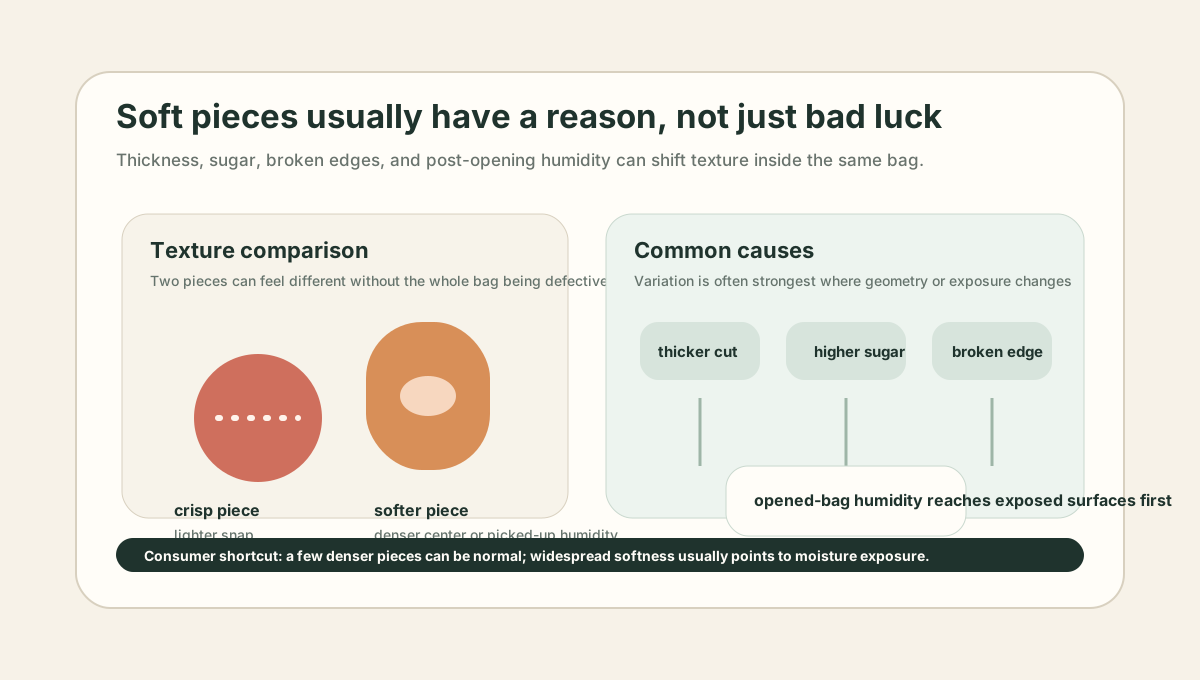
The practical habit for larger bags is to divide them. A daily-use jar with a smaller portion plus a sealed bulk supply protects the texture far better than reaching into the same family-size bag every morning. Softer pieces showing up first at the bottom of an open pouch usually means humidity is winning.
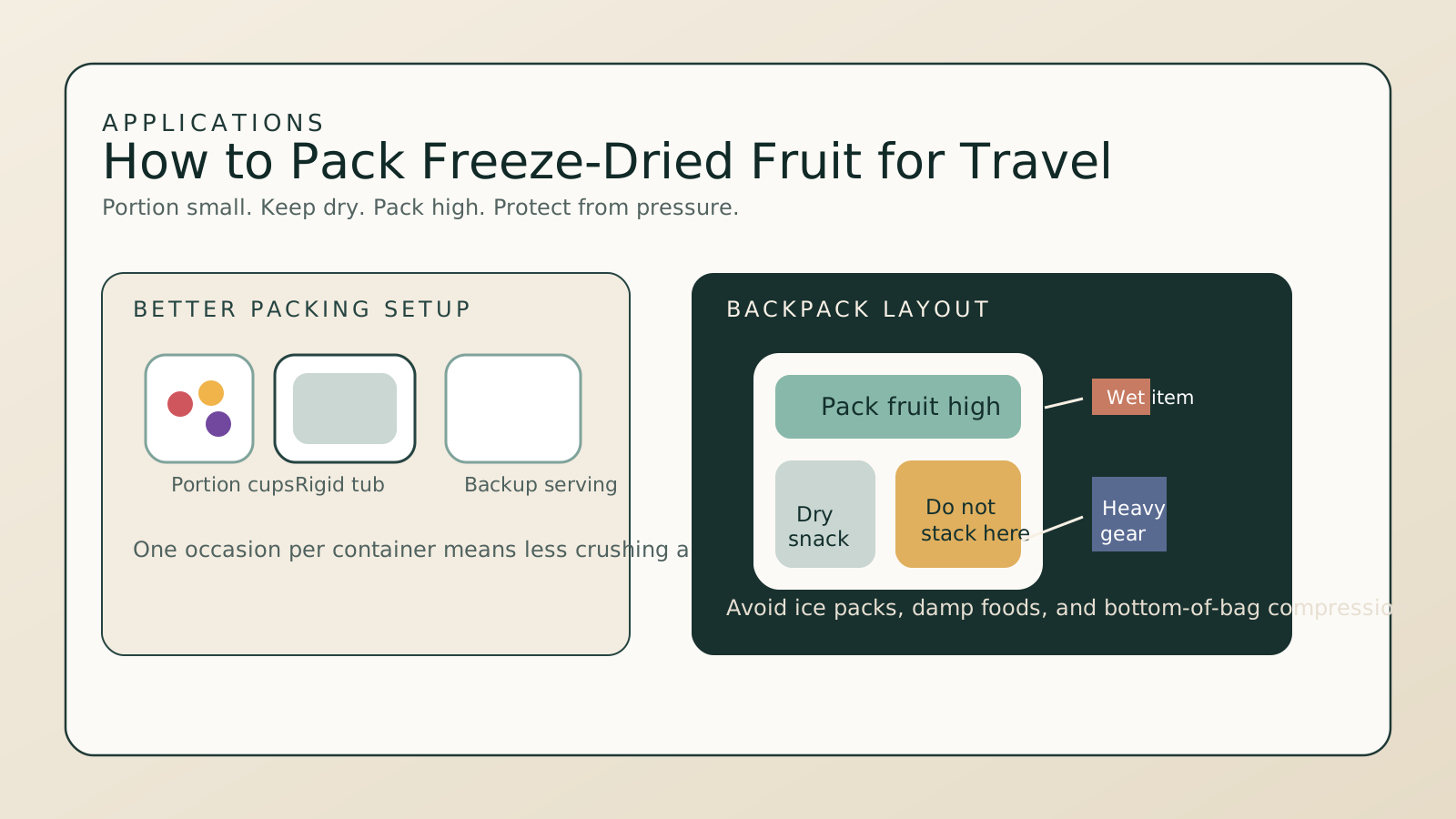
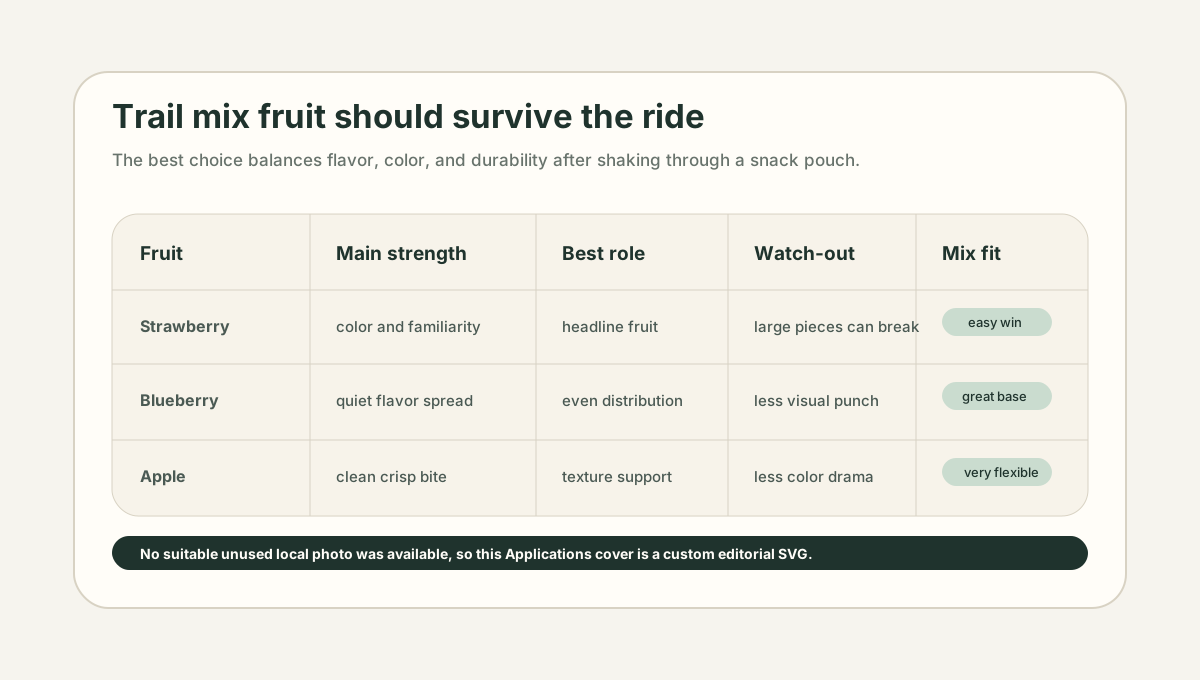
For direct snacking, freeze-dried fruit competes with chips, crackers, and dried fruit. Its advantages are clean ingredient lists, fruit recognizability, lightness, and the surprising crunch that distinguishes the category from chewy traditional dried fruit. Its disadvantages are price (the process costs more) and fragility (the pieces break easily in a backpack or jacket pocket).
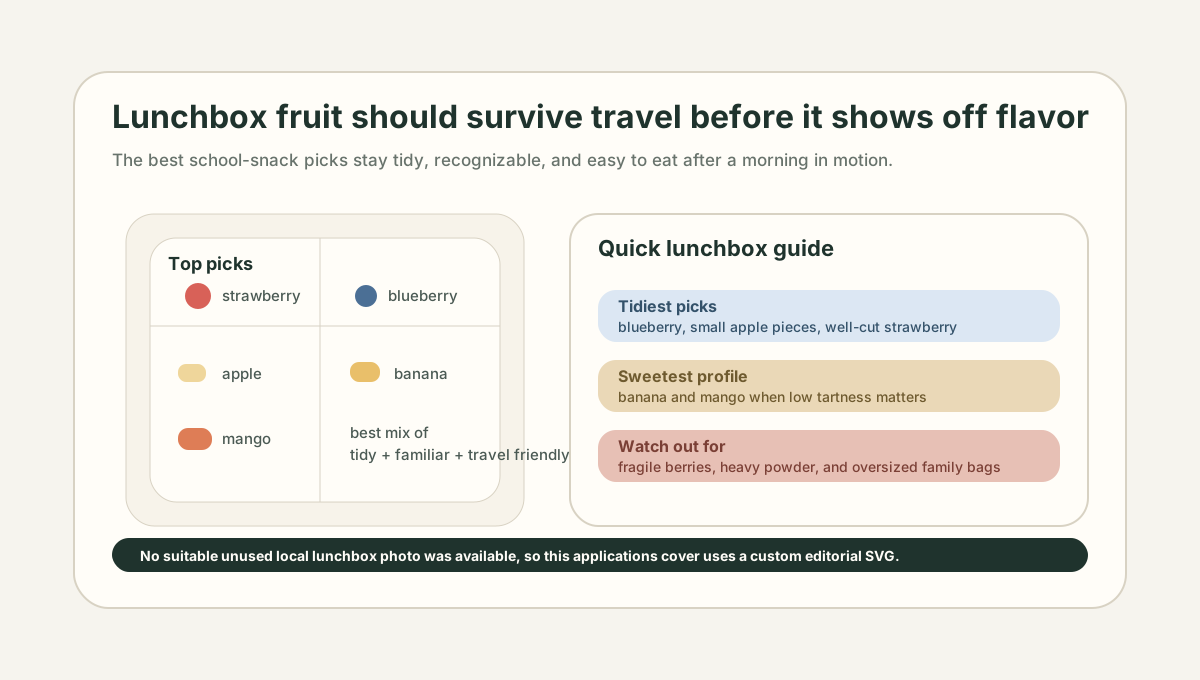
The format that travels best is usually a sealed single-serve or resealable pouch with adequate barrier film — not loose pieces in a plastic baggie. For lunchboxes, a small airtight container protects the fruit from condensation against cold drinks or wet sandwiches. The eating experience is also better when the fruit is consumed within a short open window rather than nibbled from an open container across an afternoon.
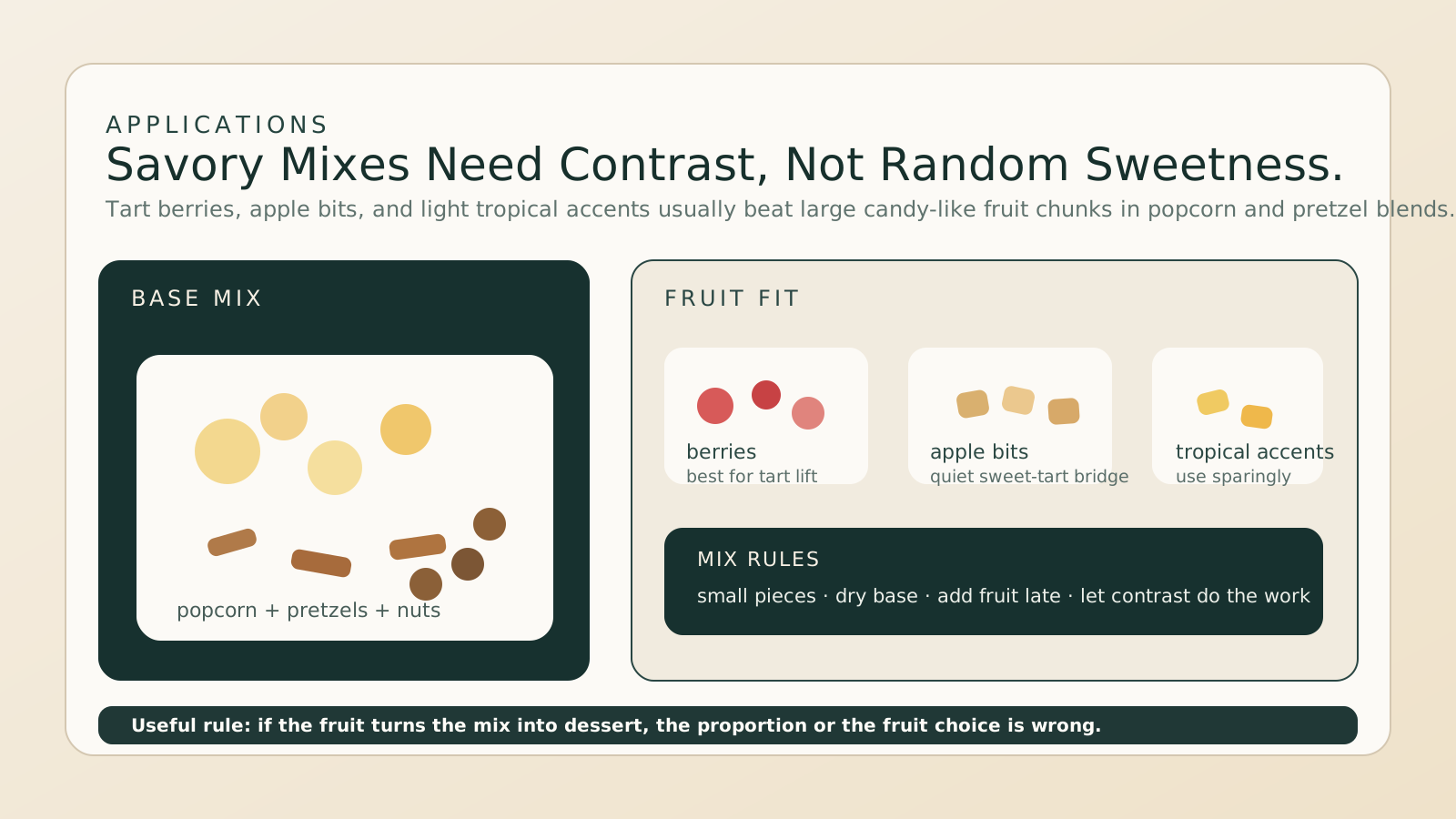
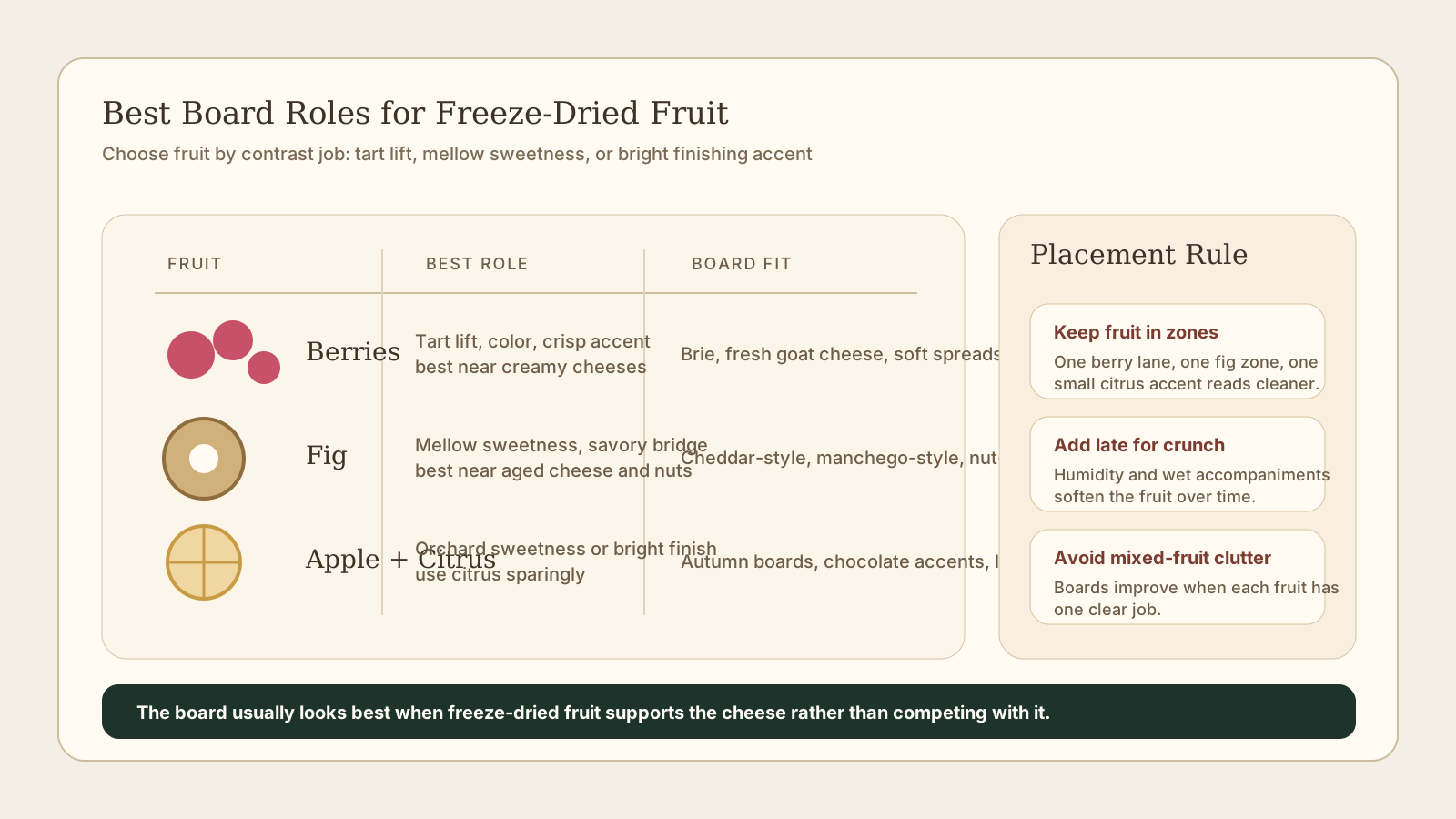
Mixed-fruit blends can work well in snack-bag form, but each fruit should have a clear job — color, aroma, sweetness, acidity, or texture contrast. A blend where every fruit is trying to be the lead reads as mush; a blend where one or two fruits anchor and the others support reads as designed.
Ingredient and bakery uses: when fragments are a feature
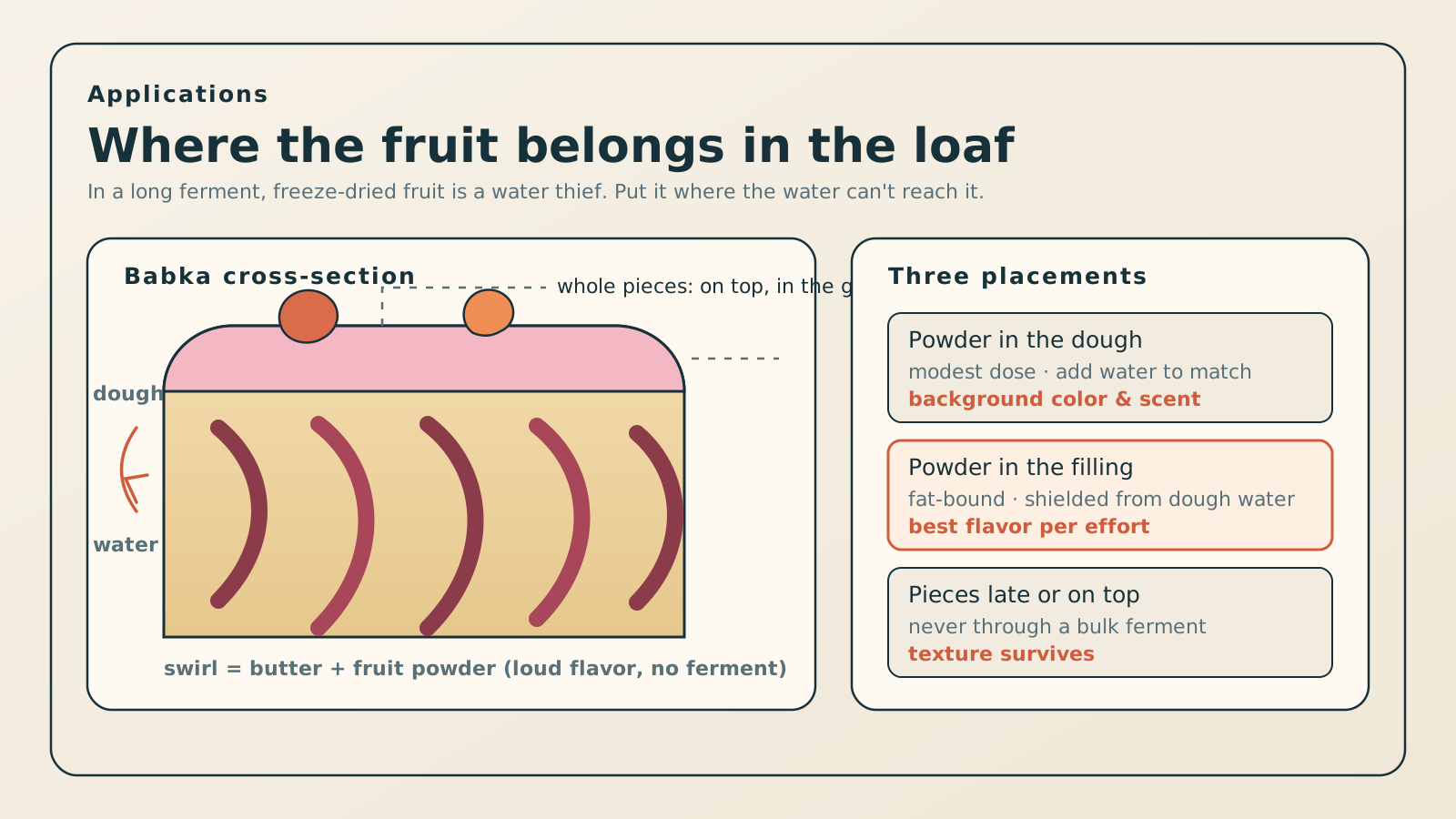
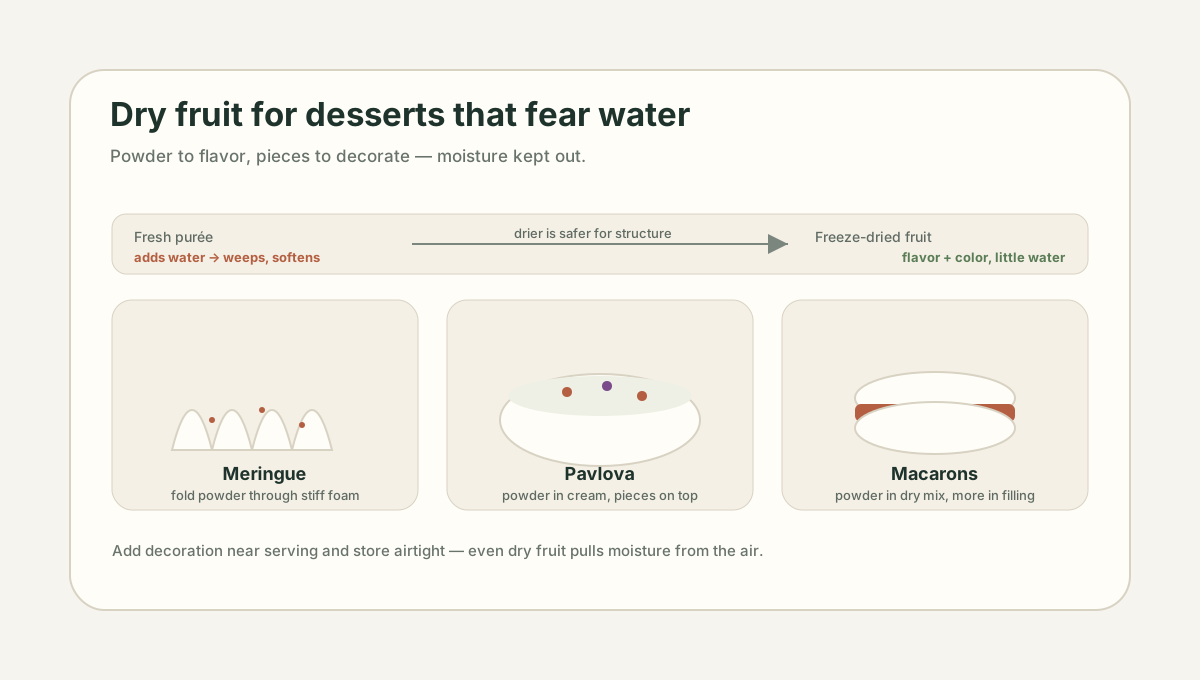
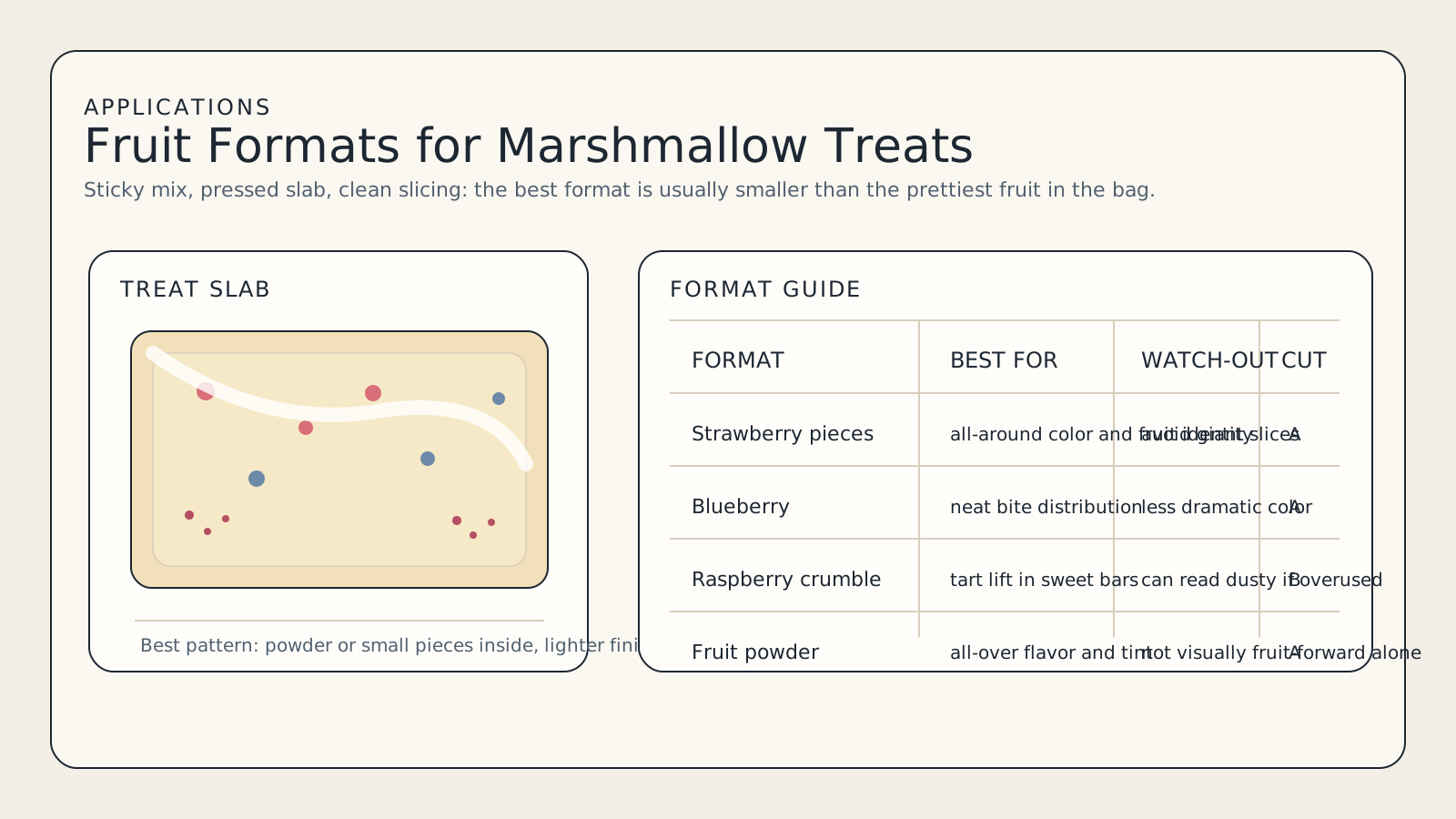
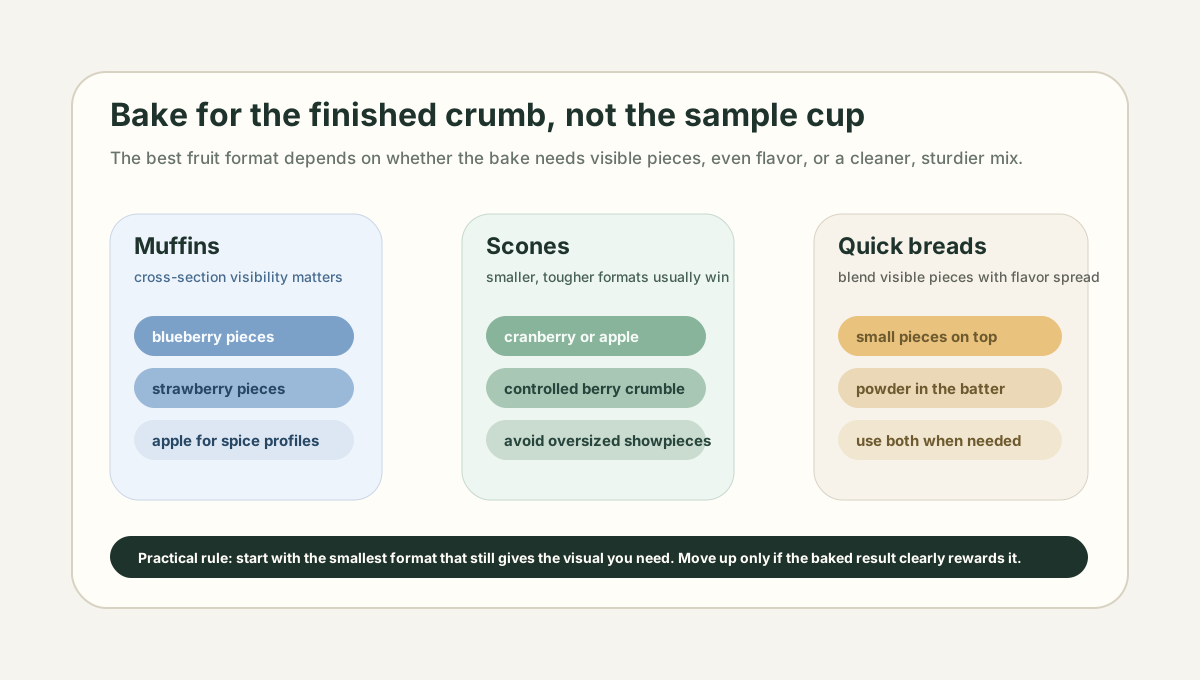
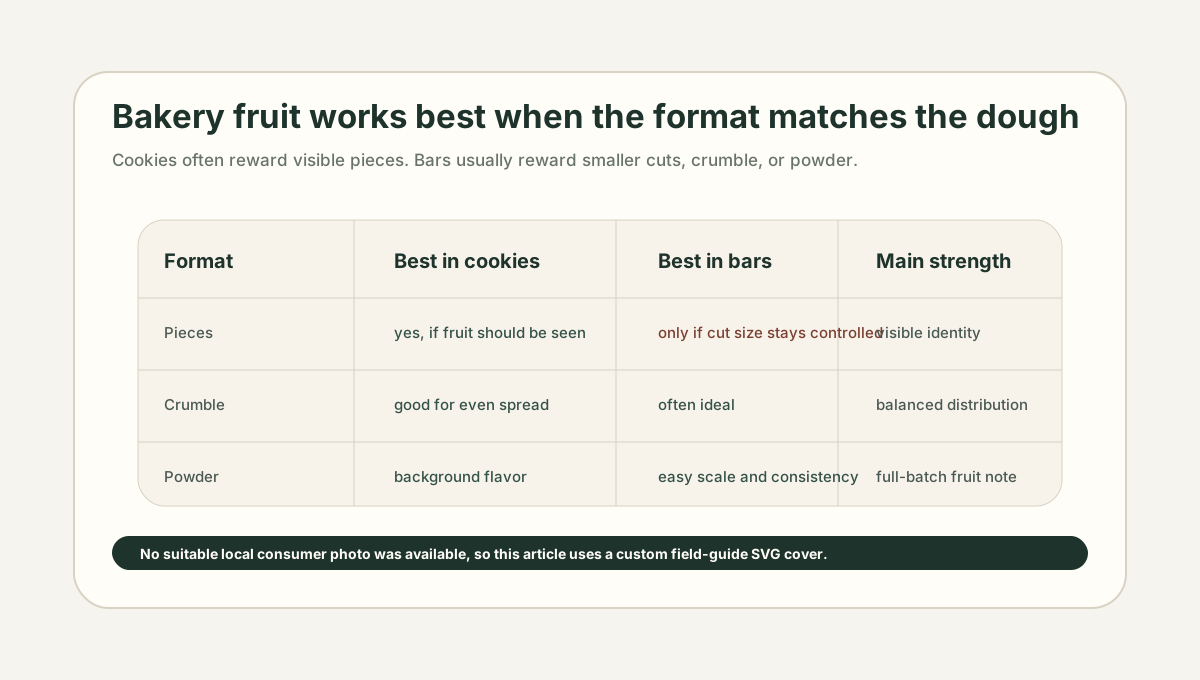
Freeze-dried fruit also serves an entirely different customer set: bakers, cereal manufacturers, beverage formulators, confectionery makers, dessert producers. In these applications, the rules invert. Visual whole pieces matter less; consistent flavor, color, and free-flowing format matter more.
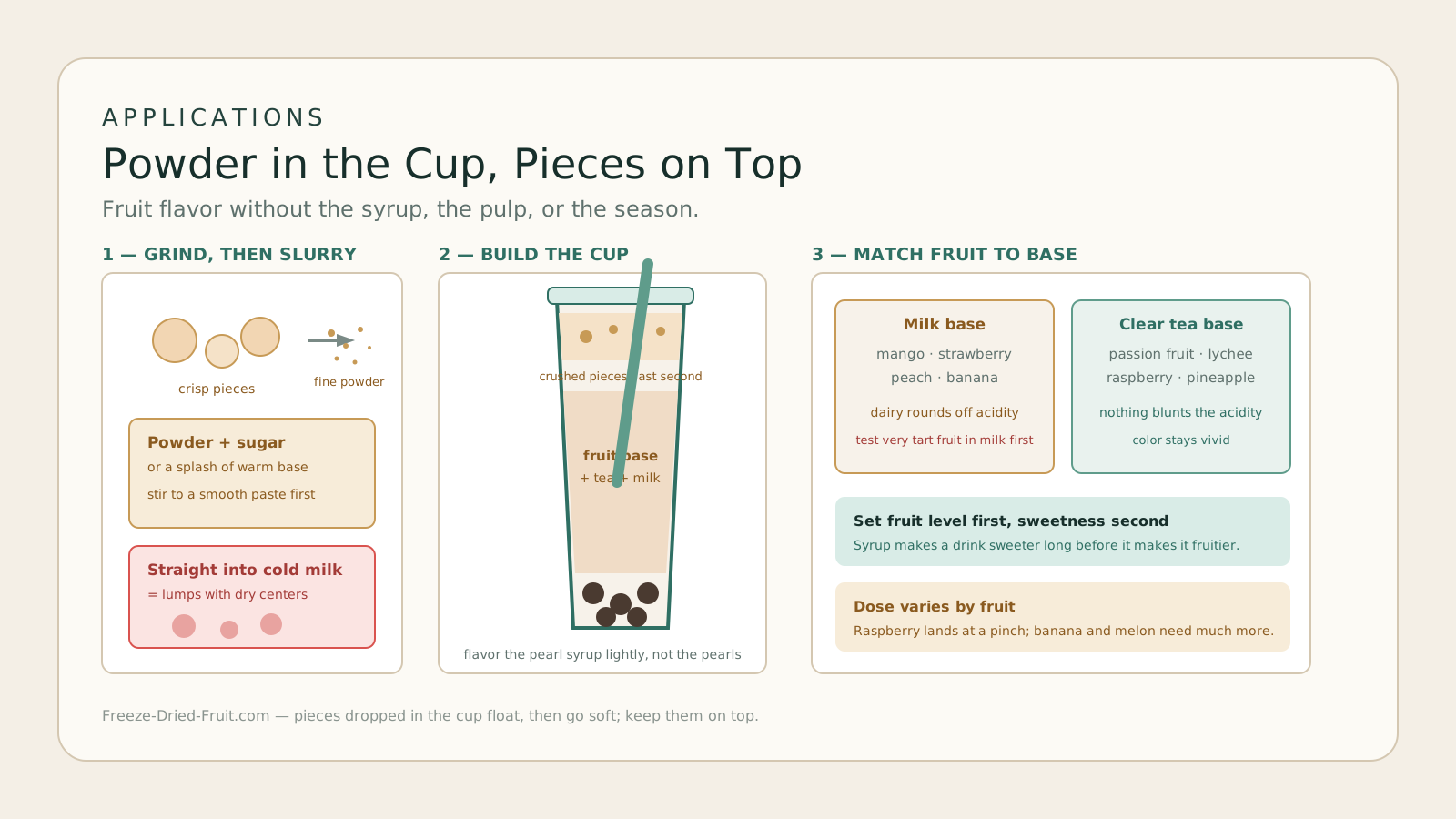
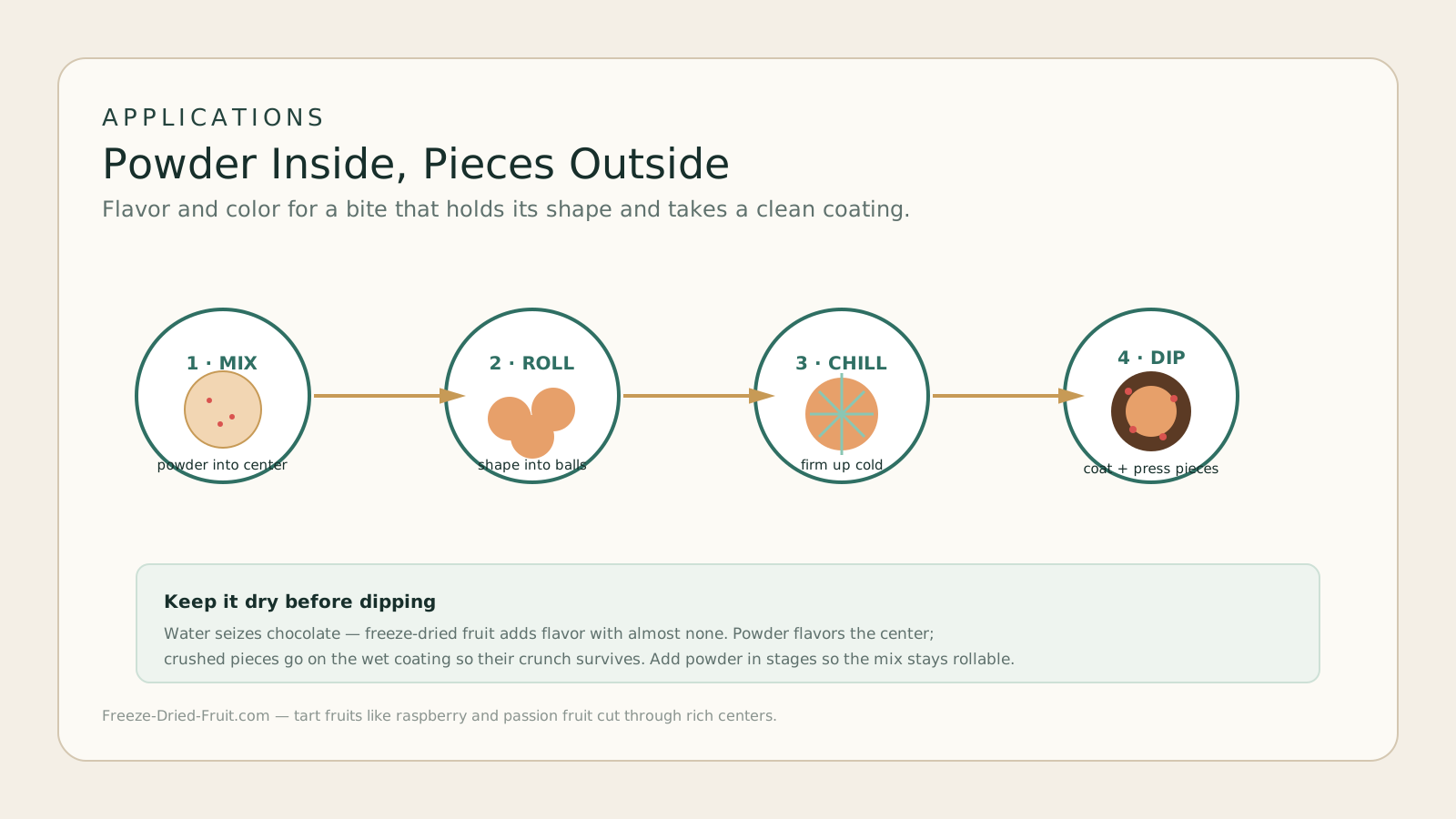
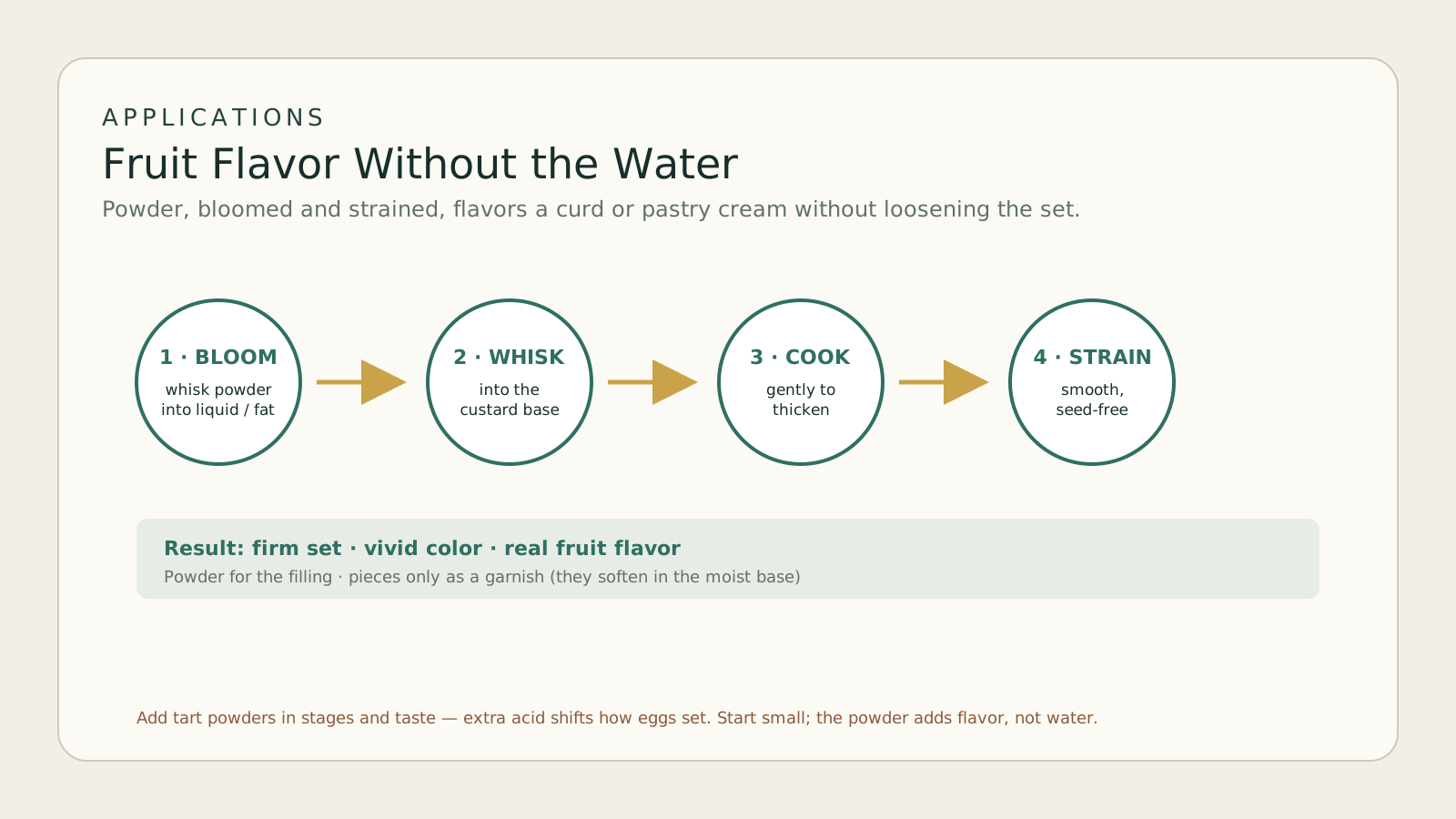
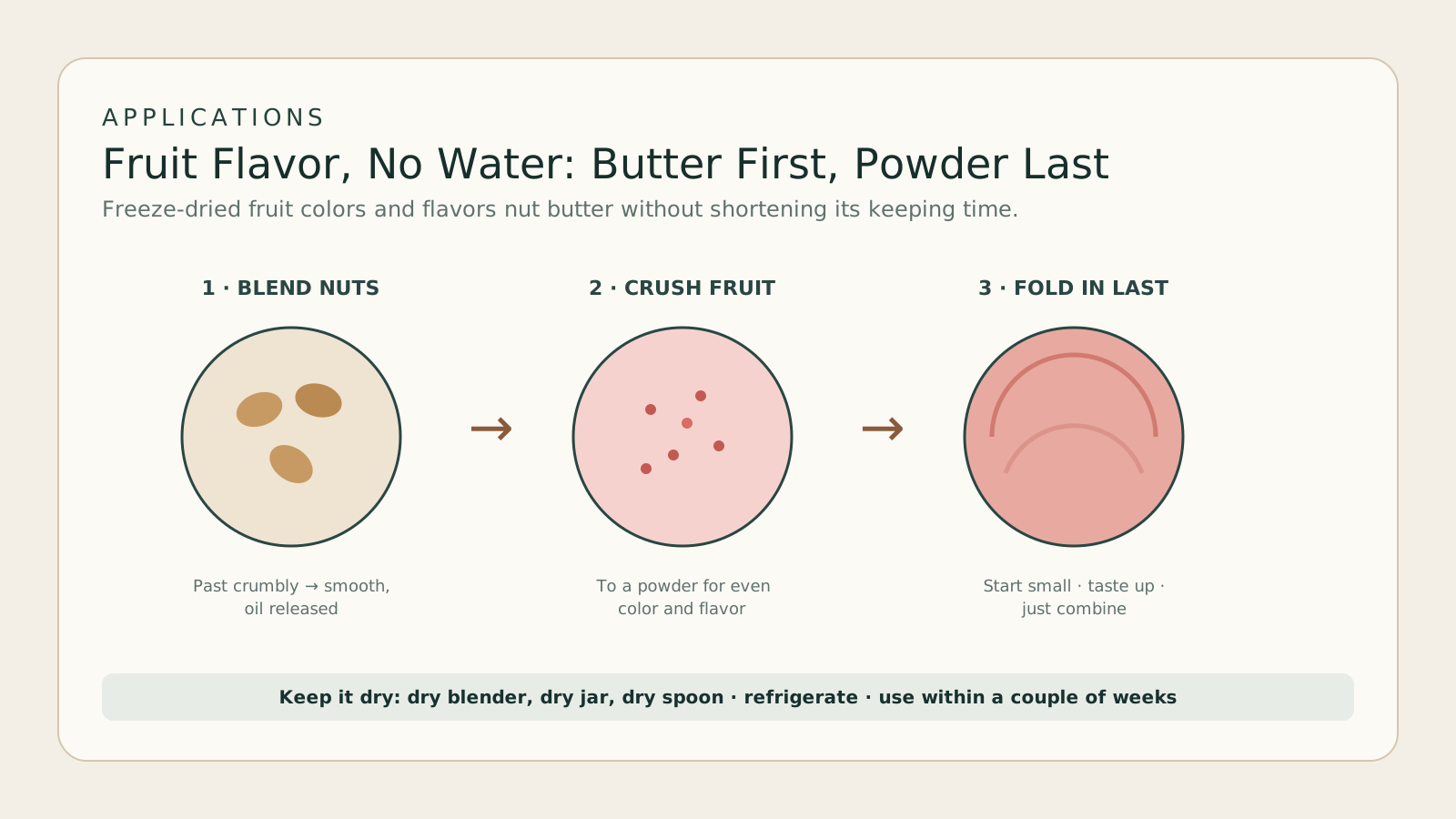
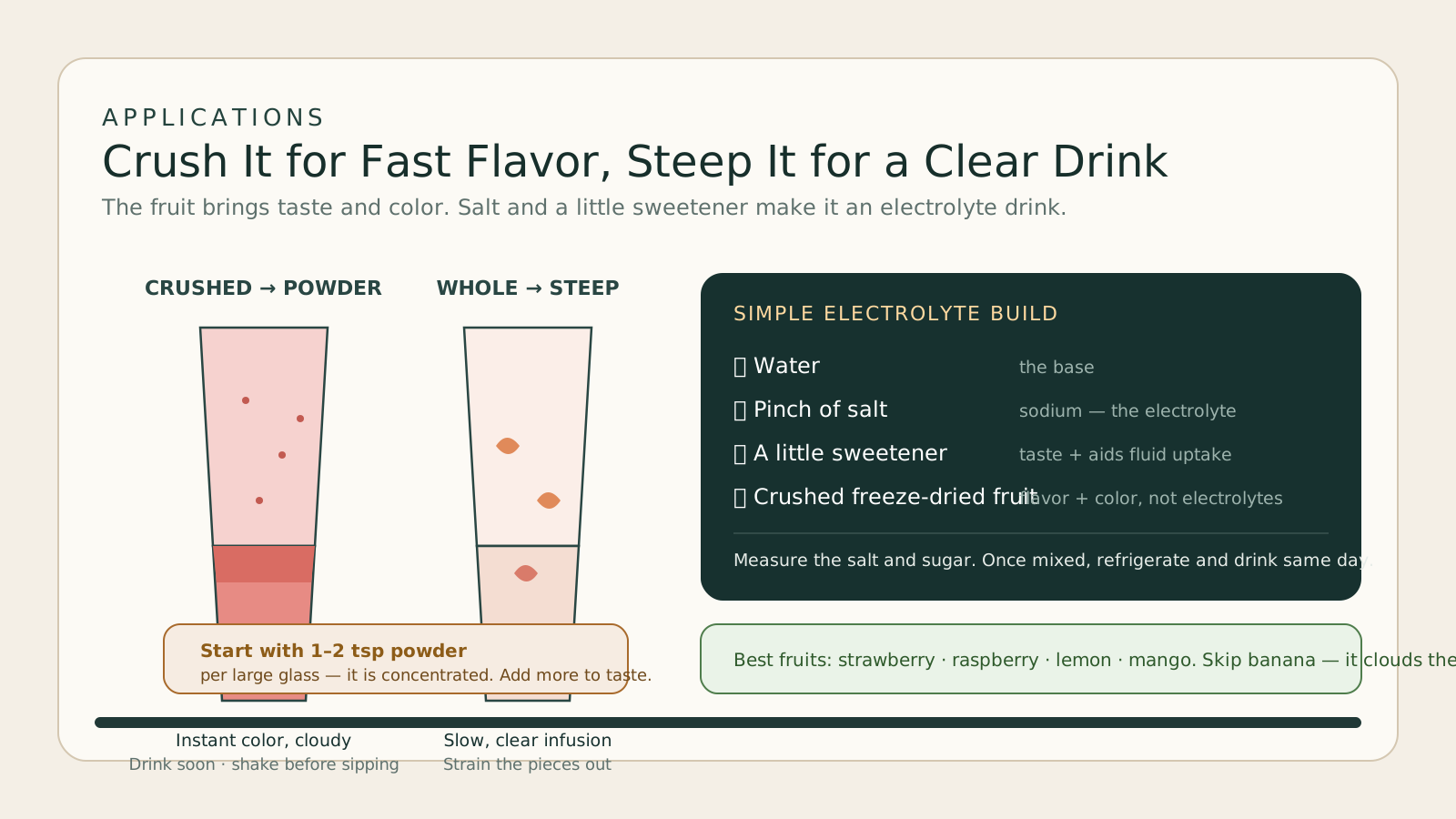
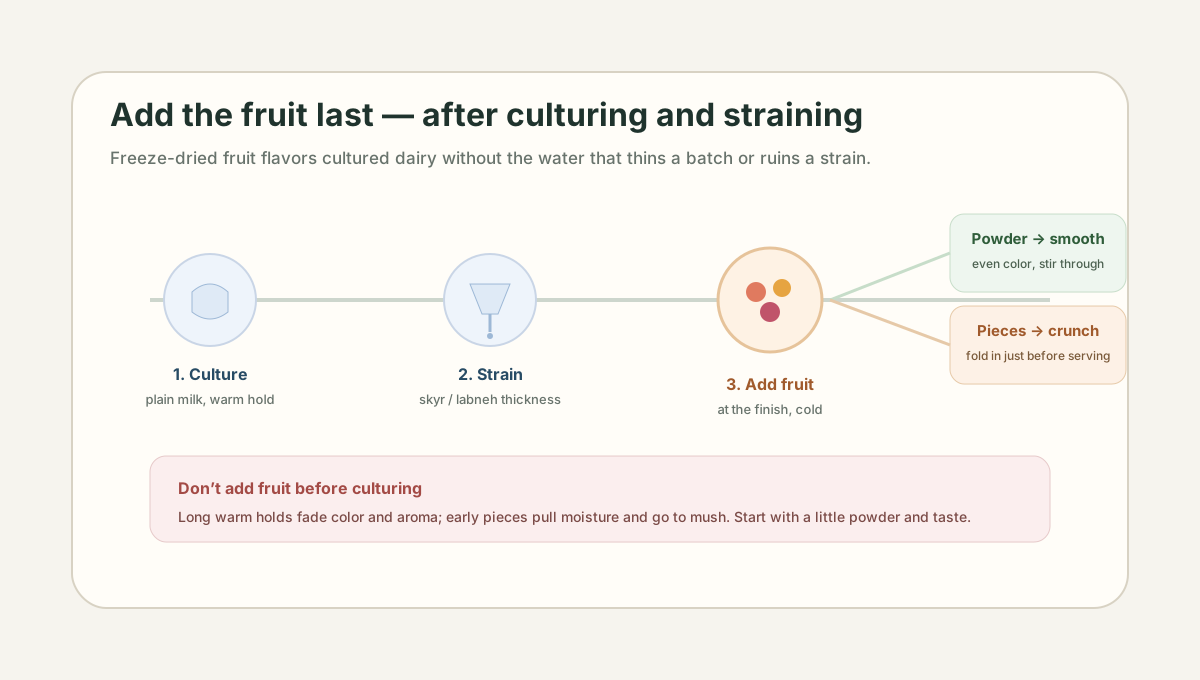
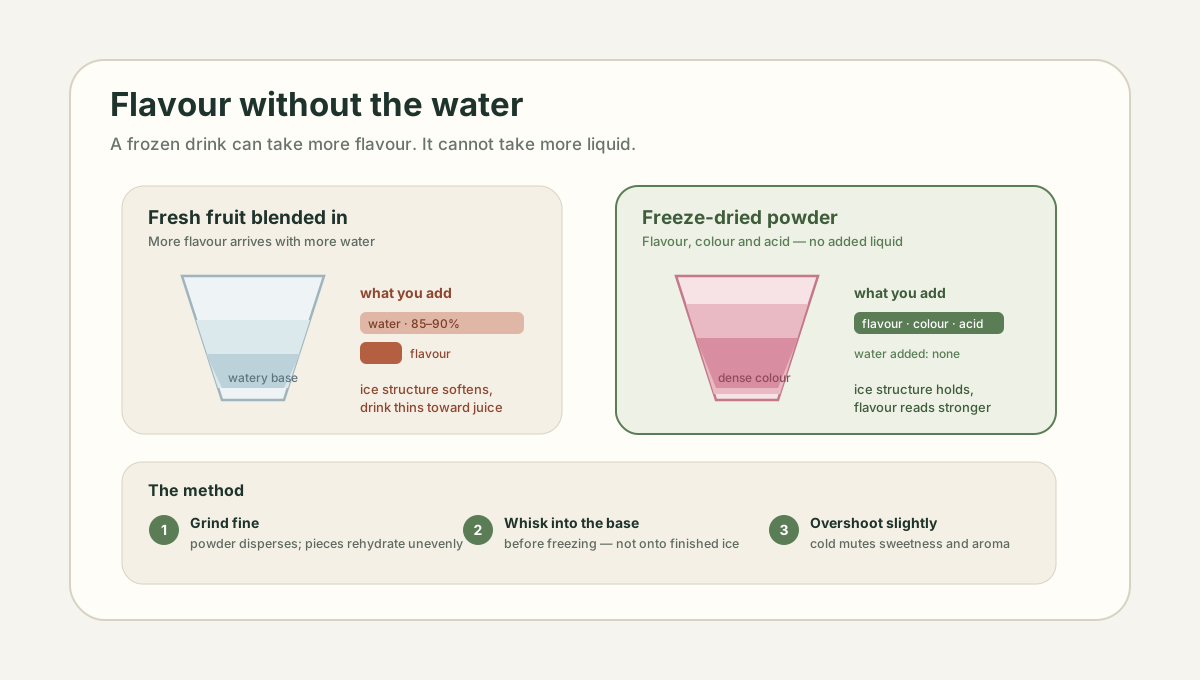
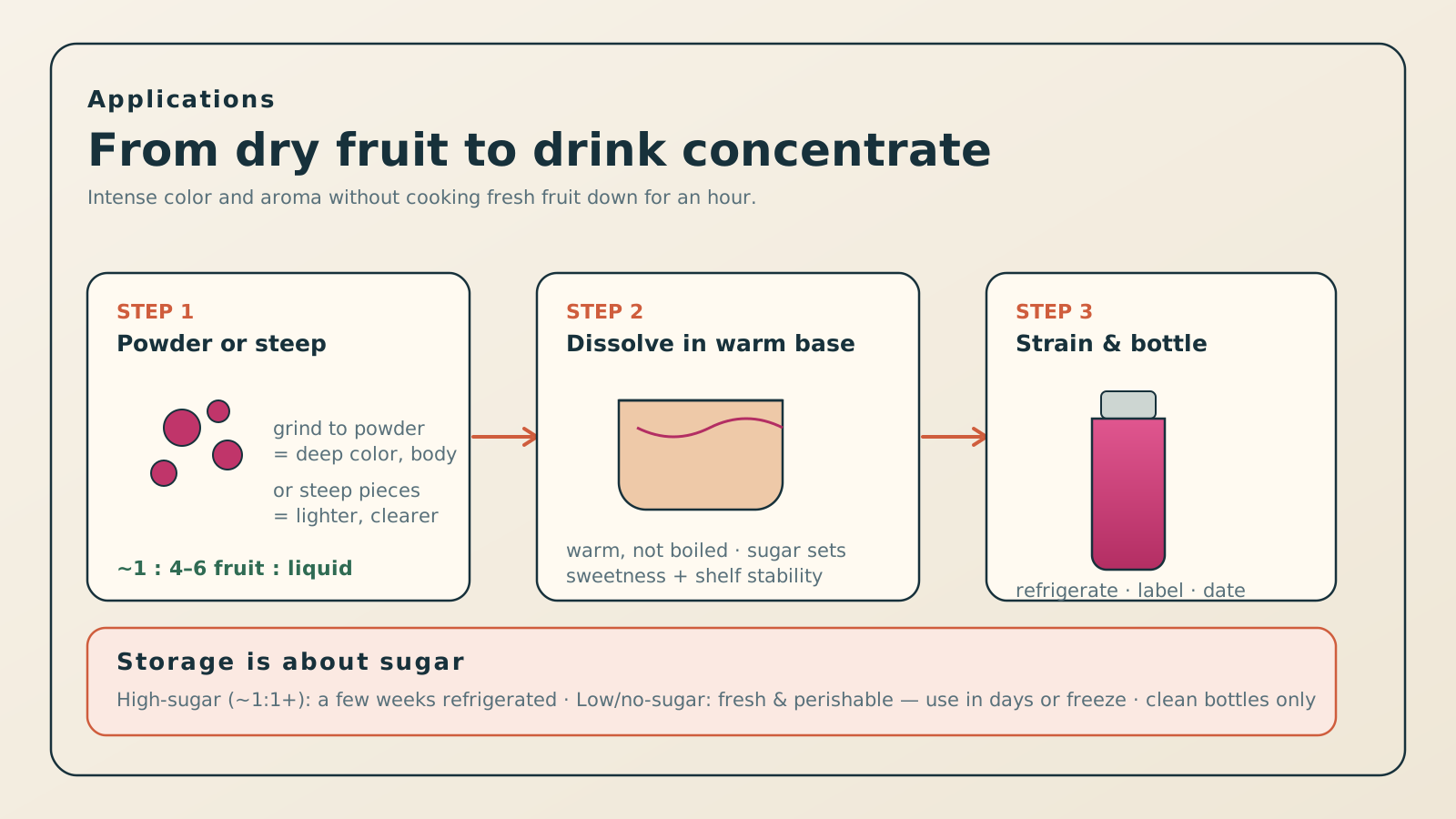
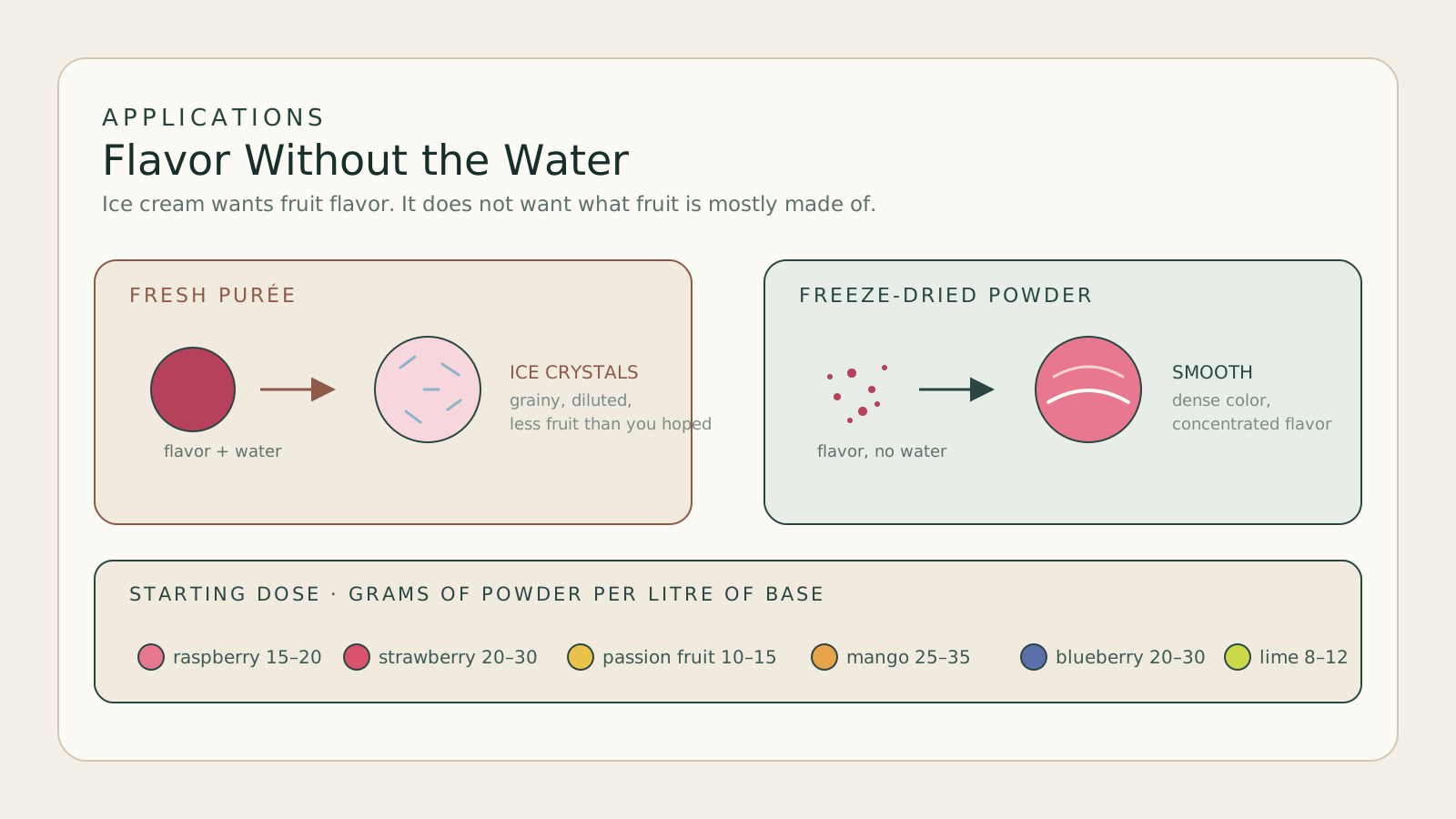
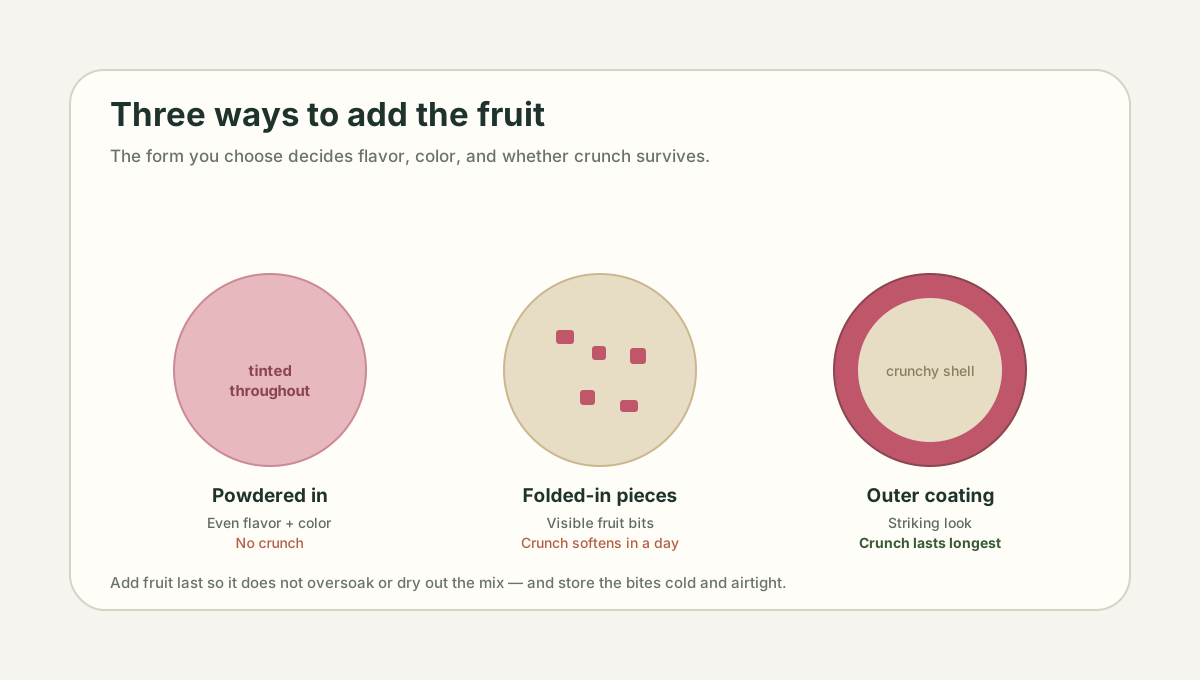
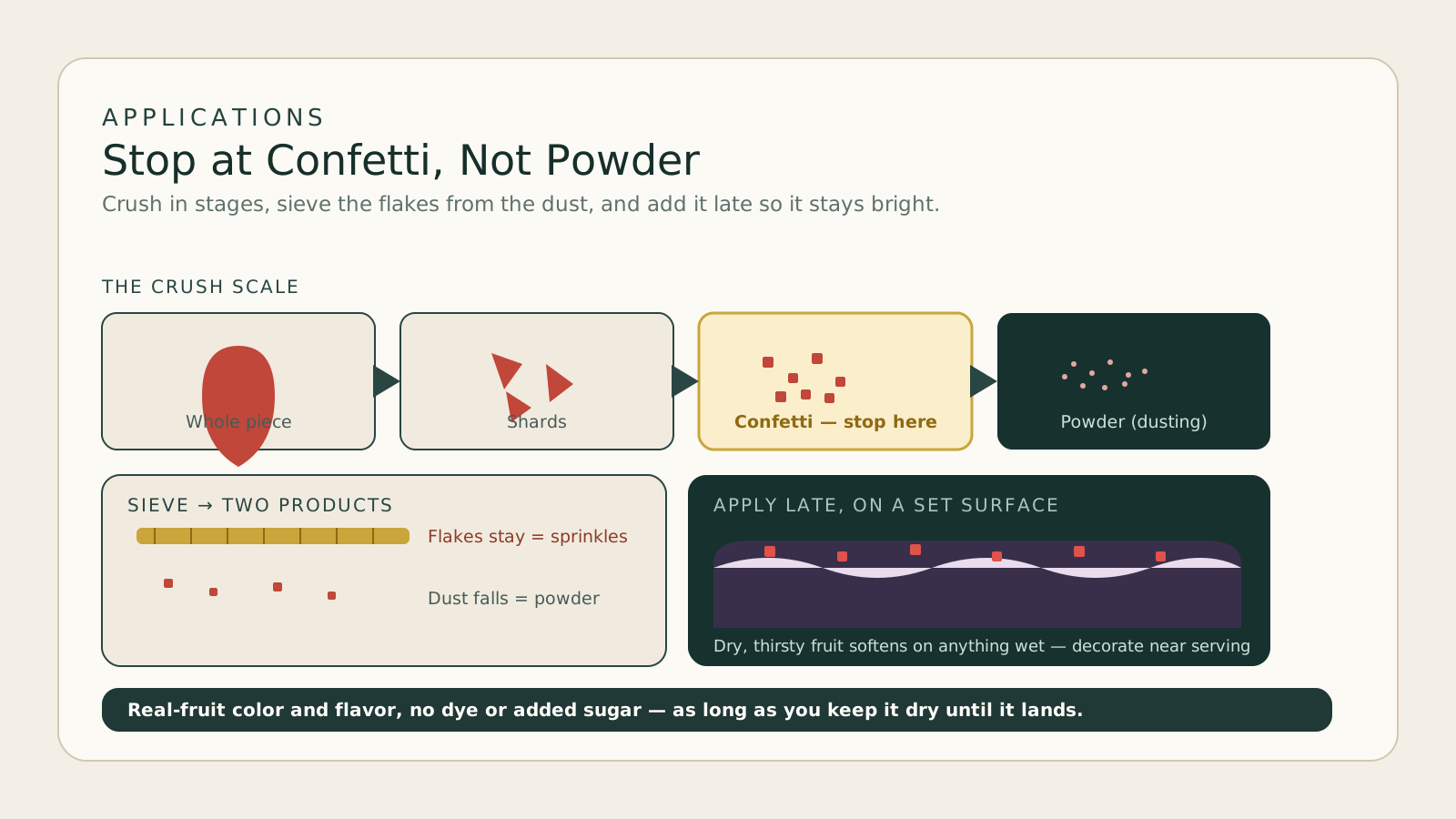
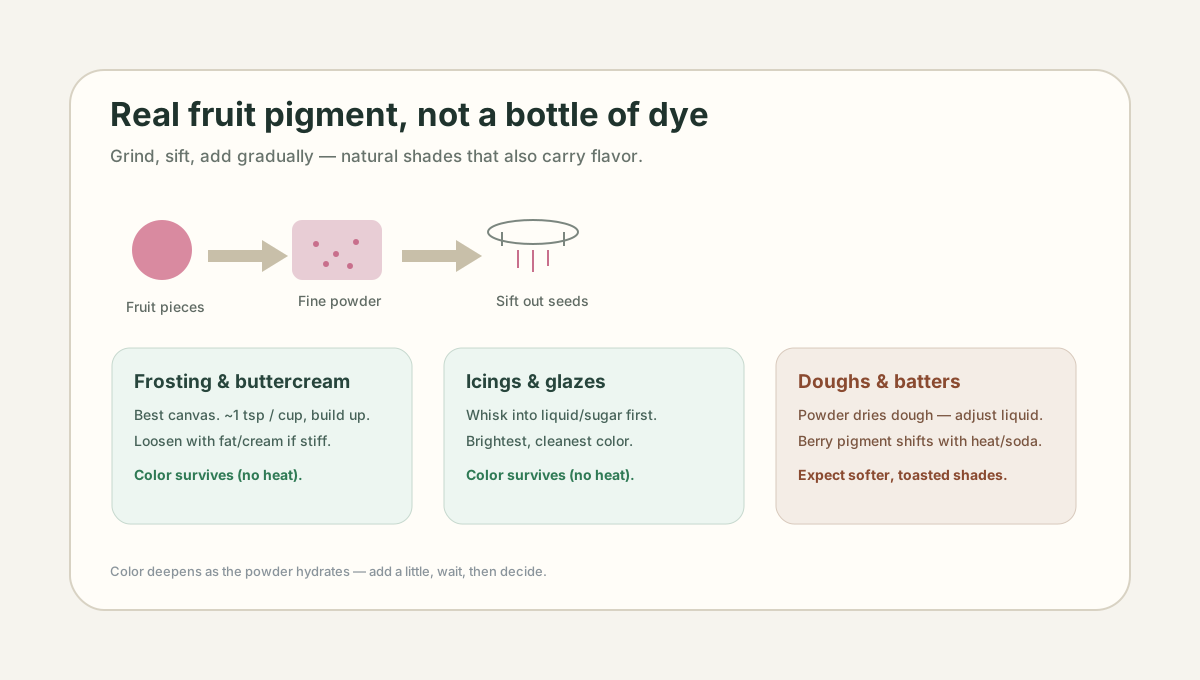
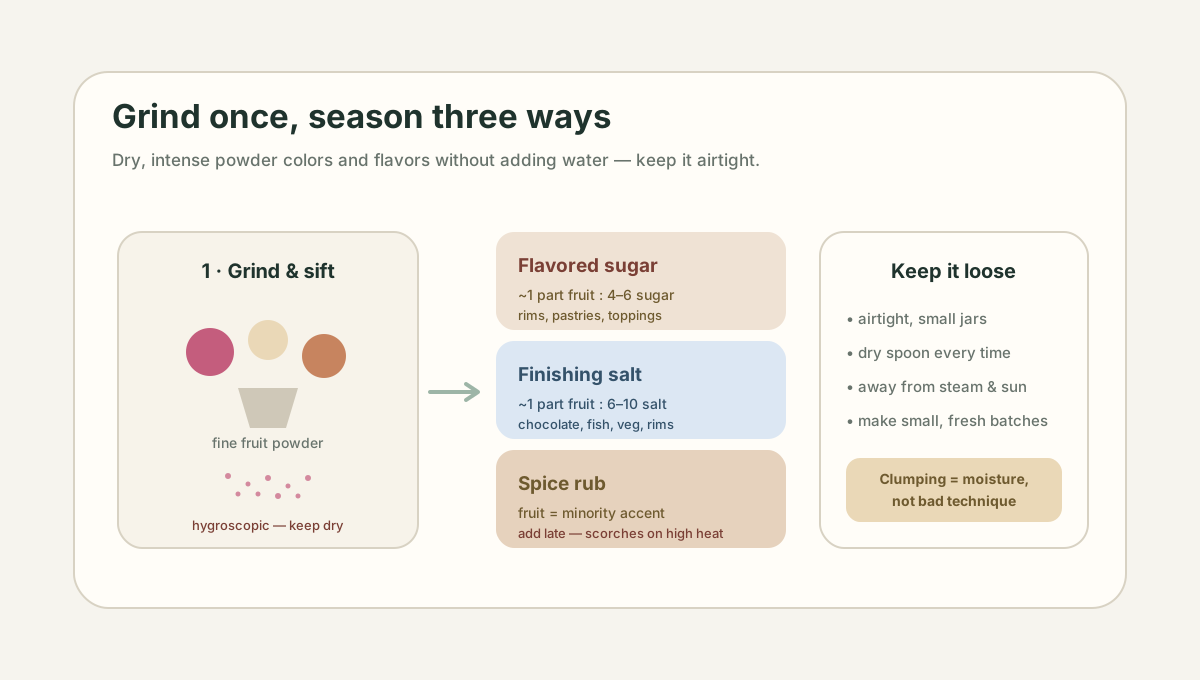
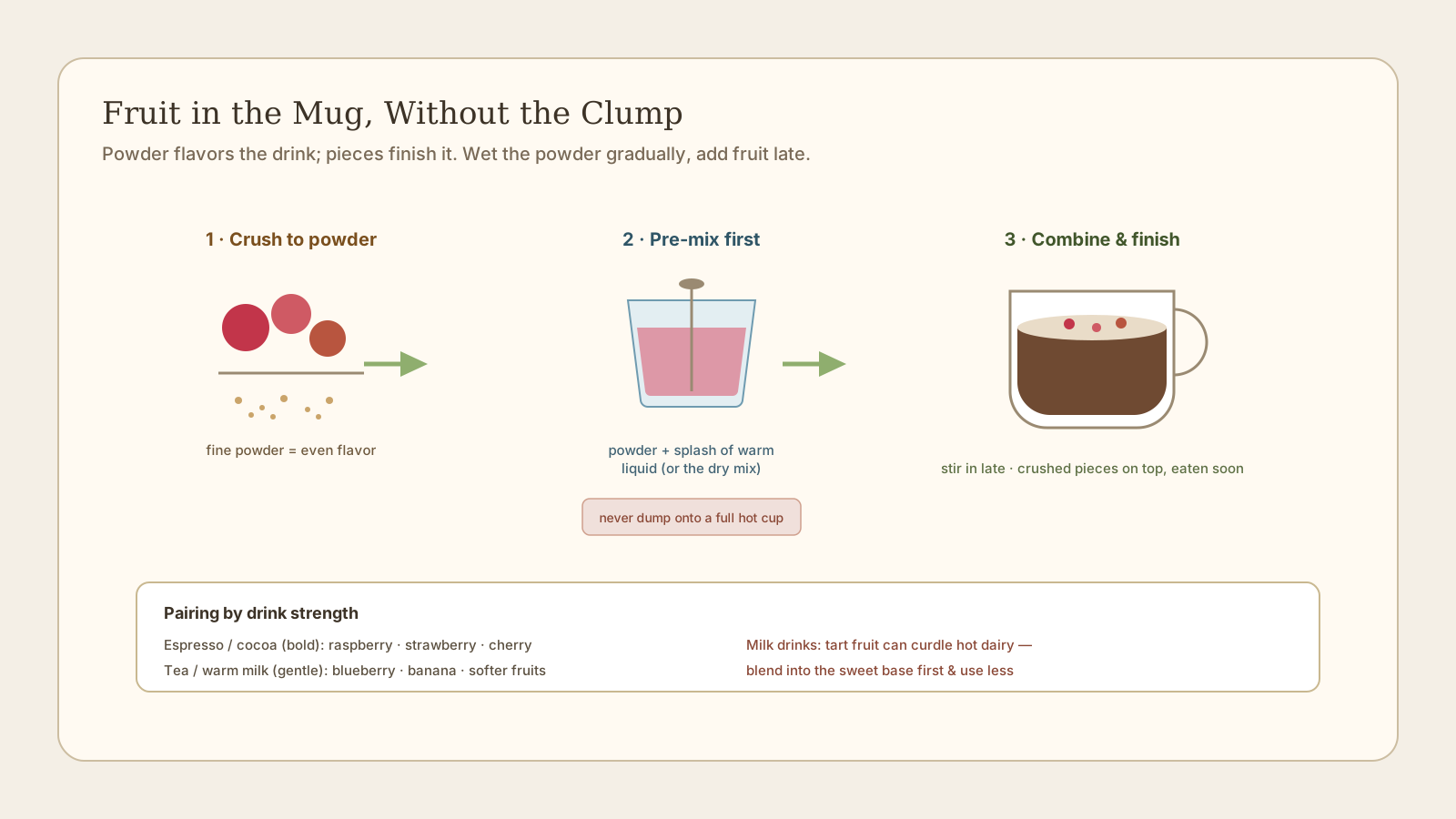
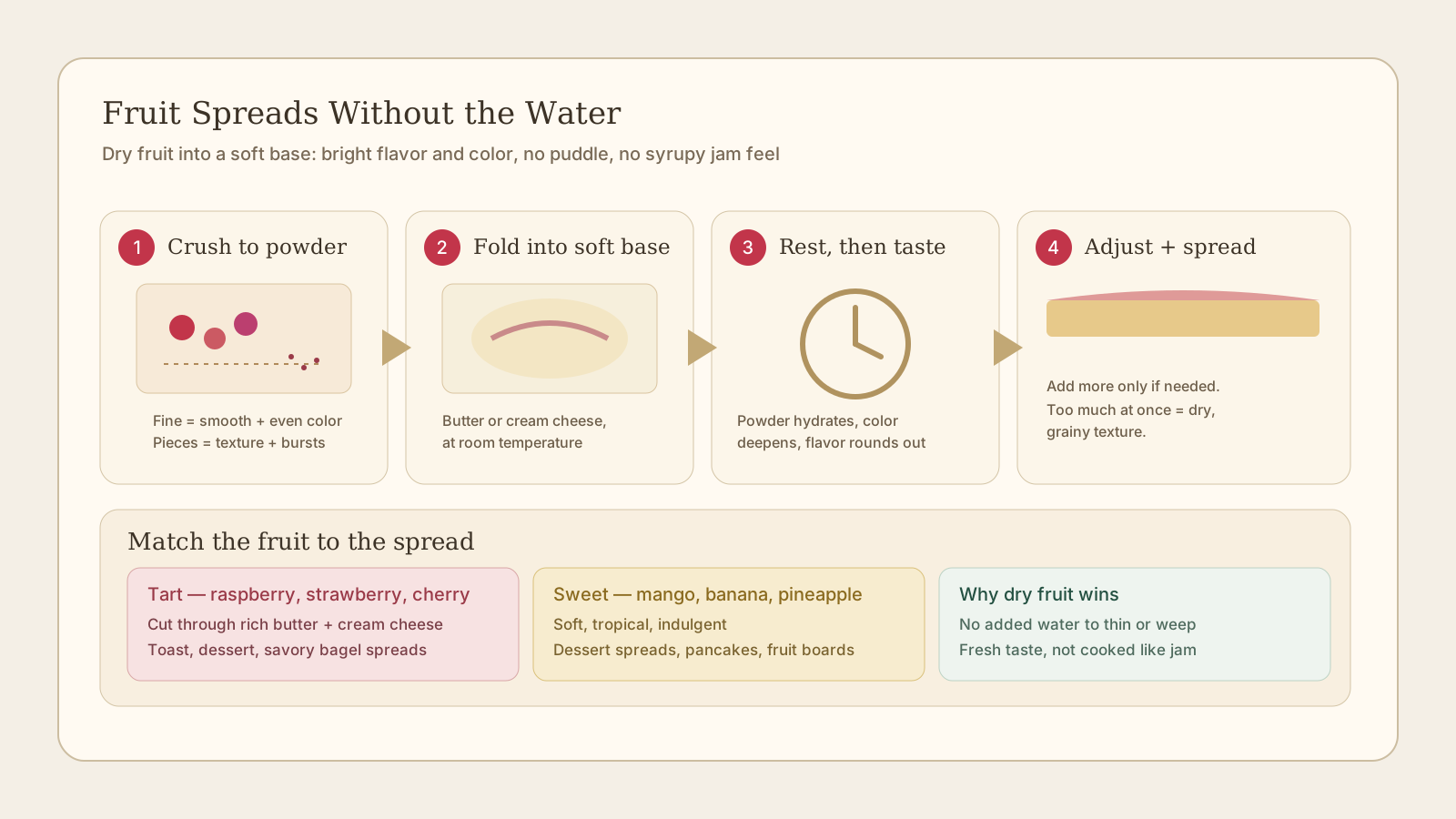
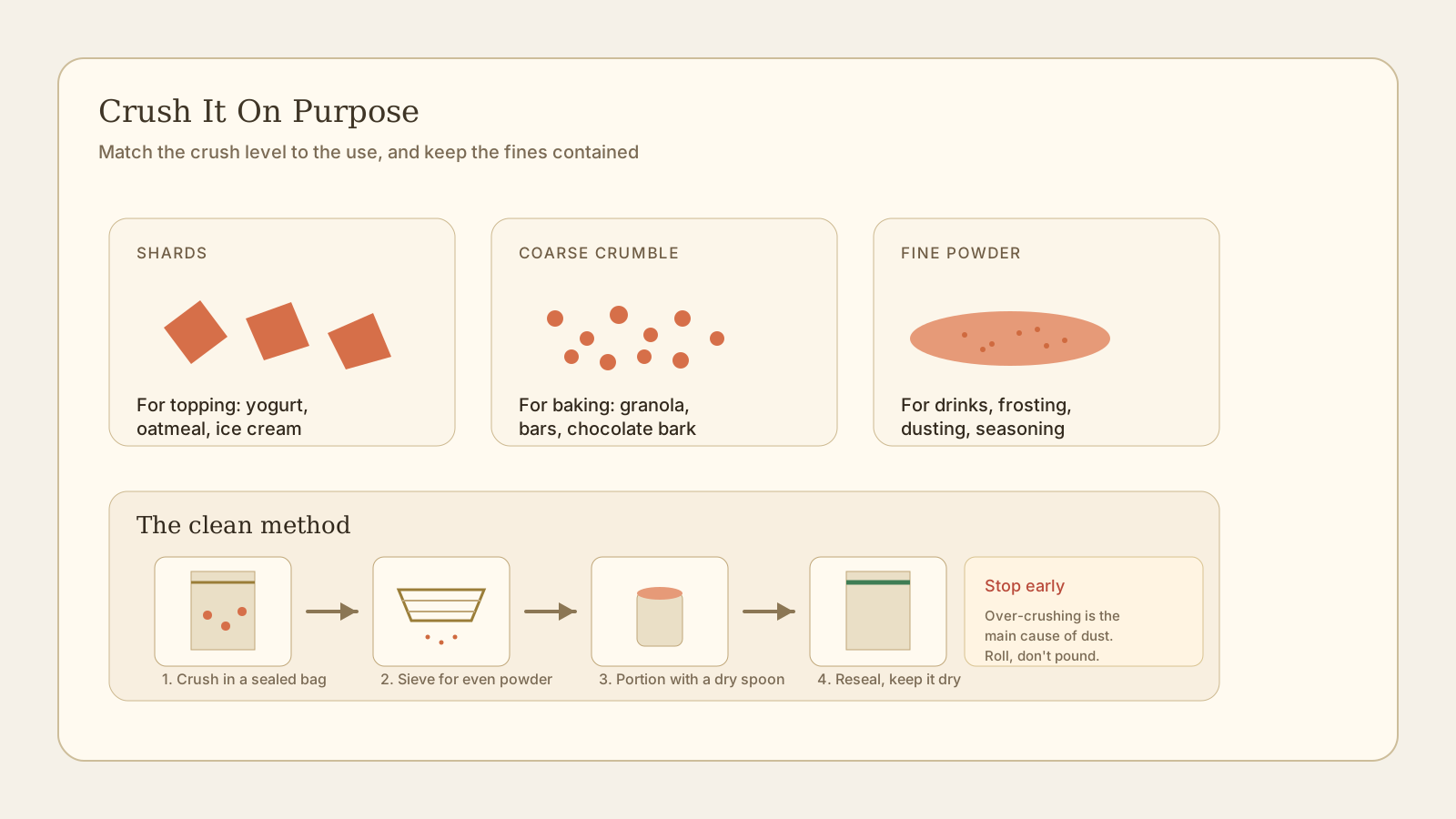
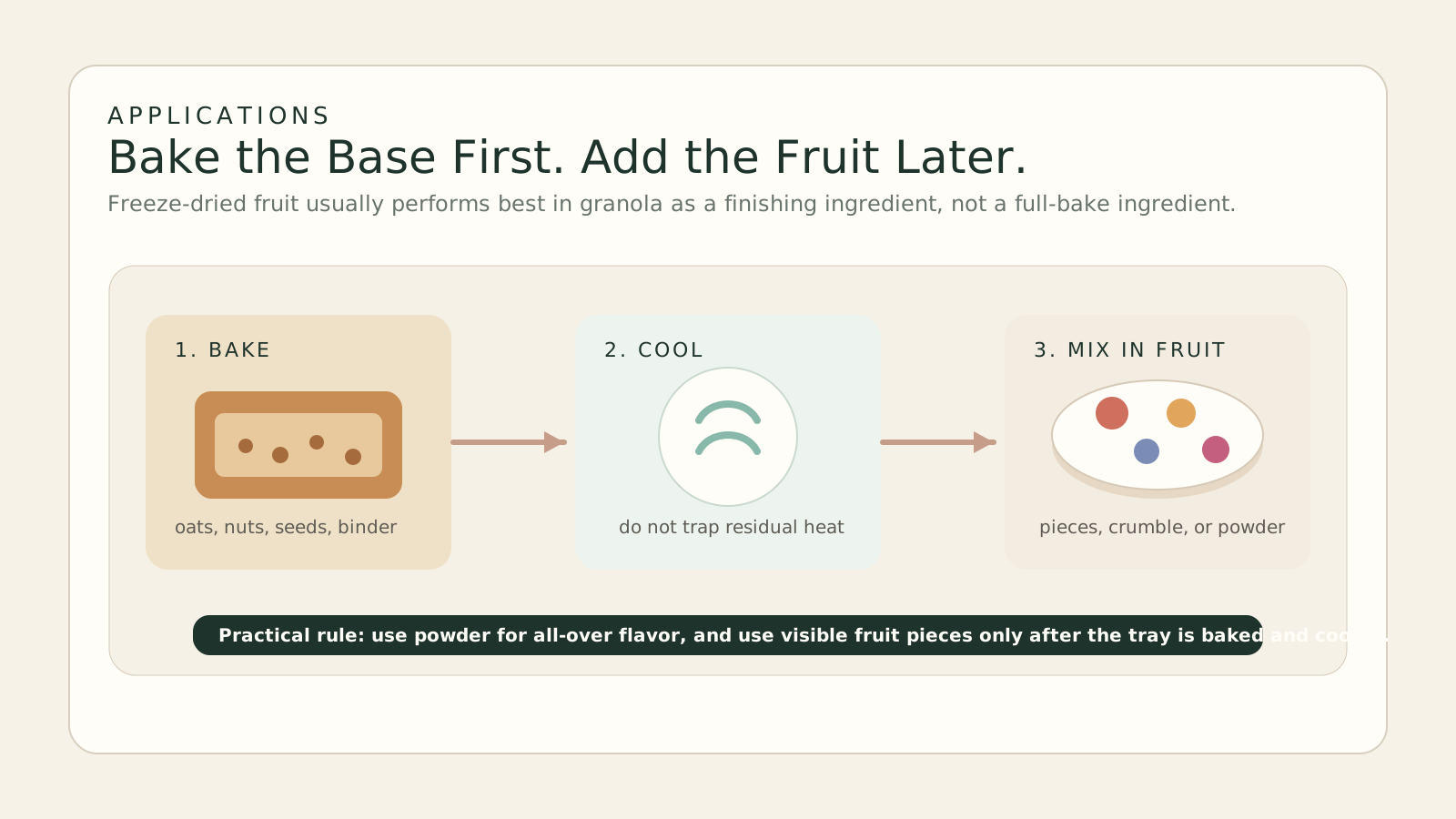
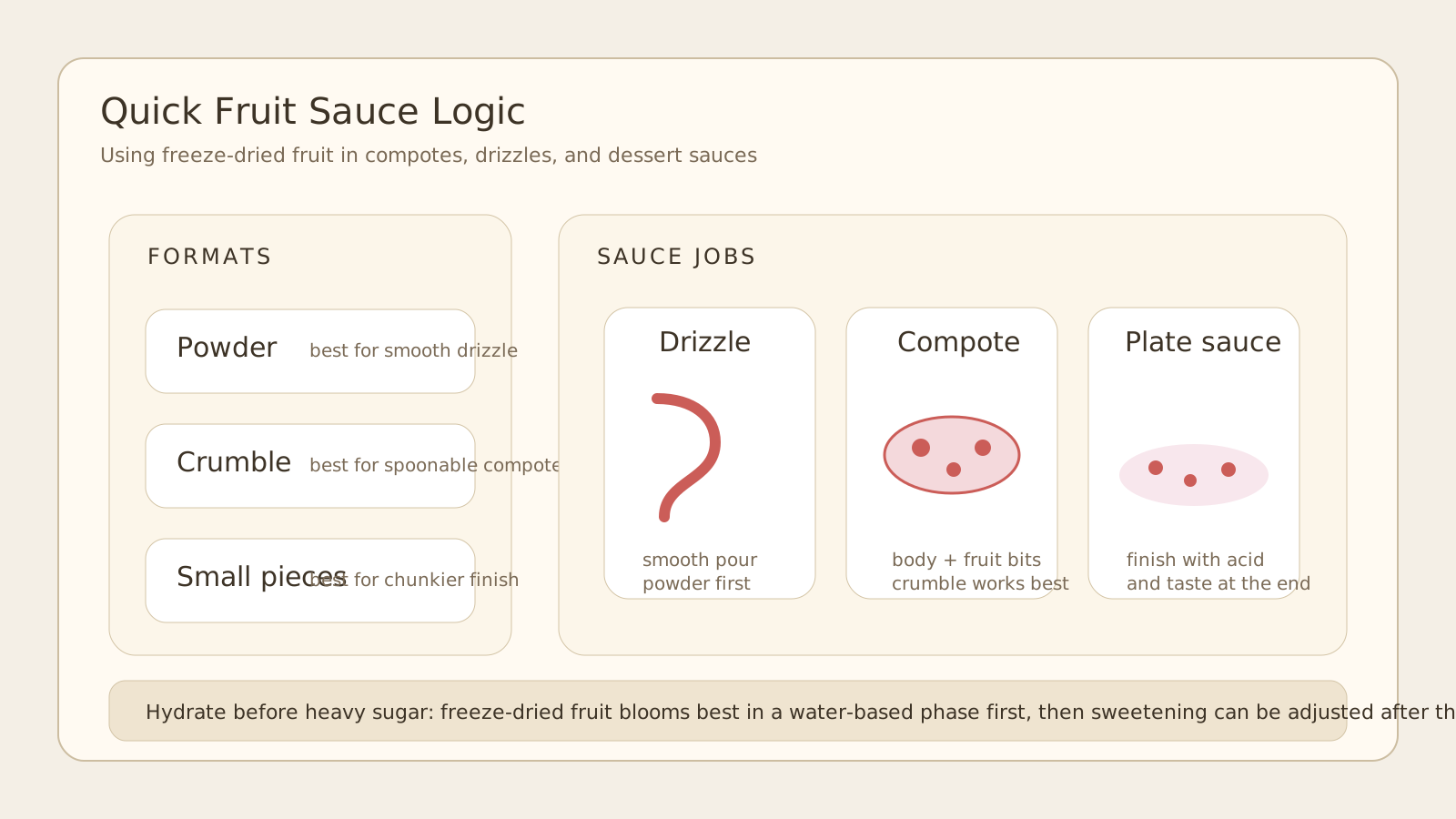
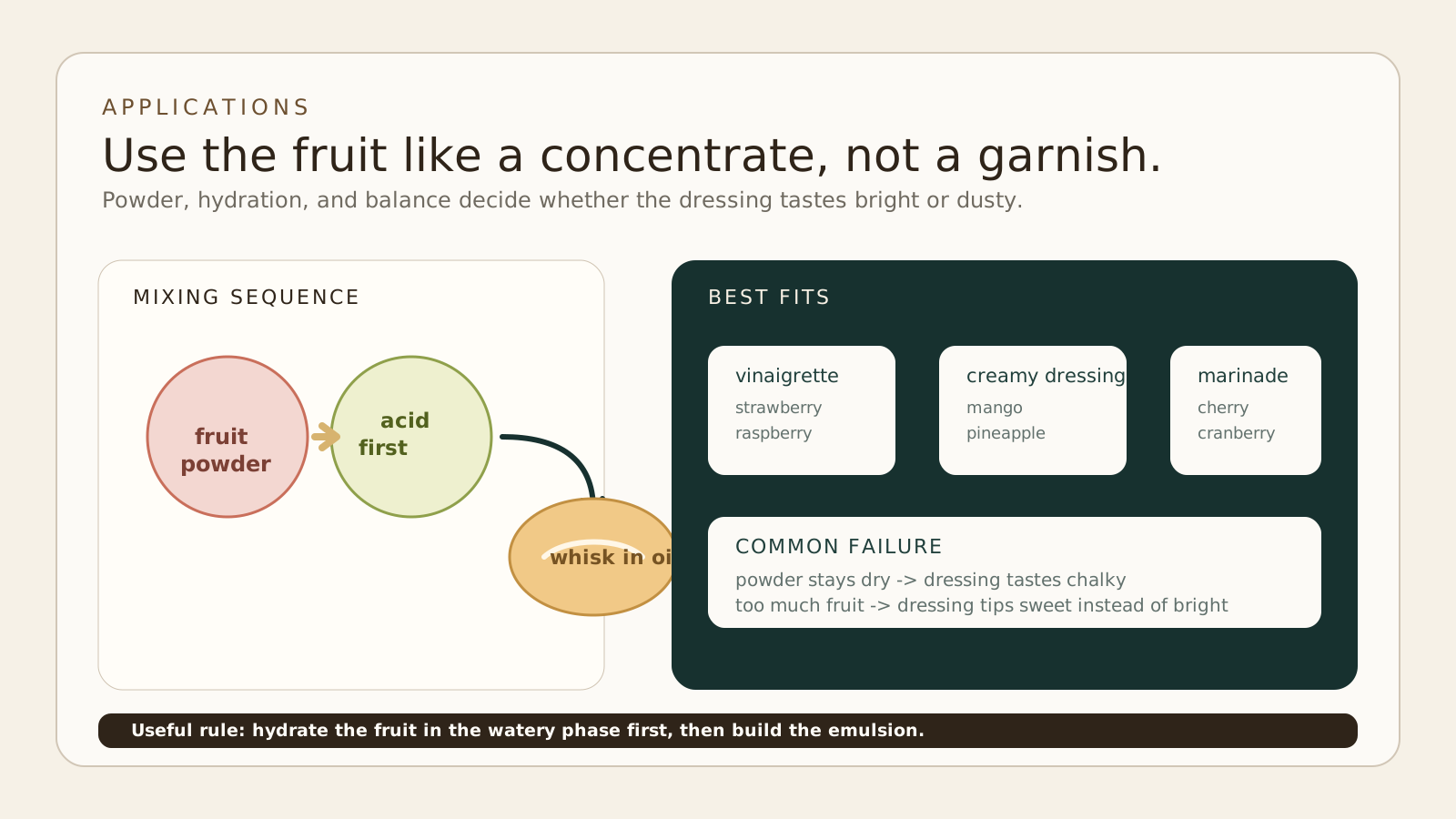
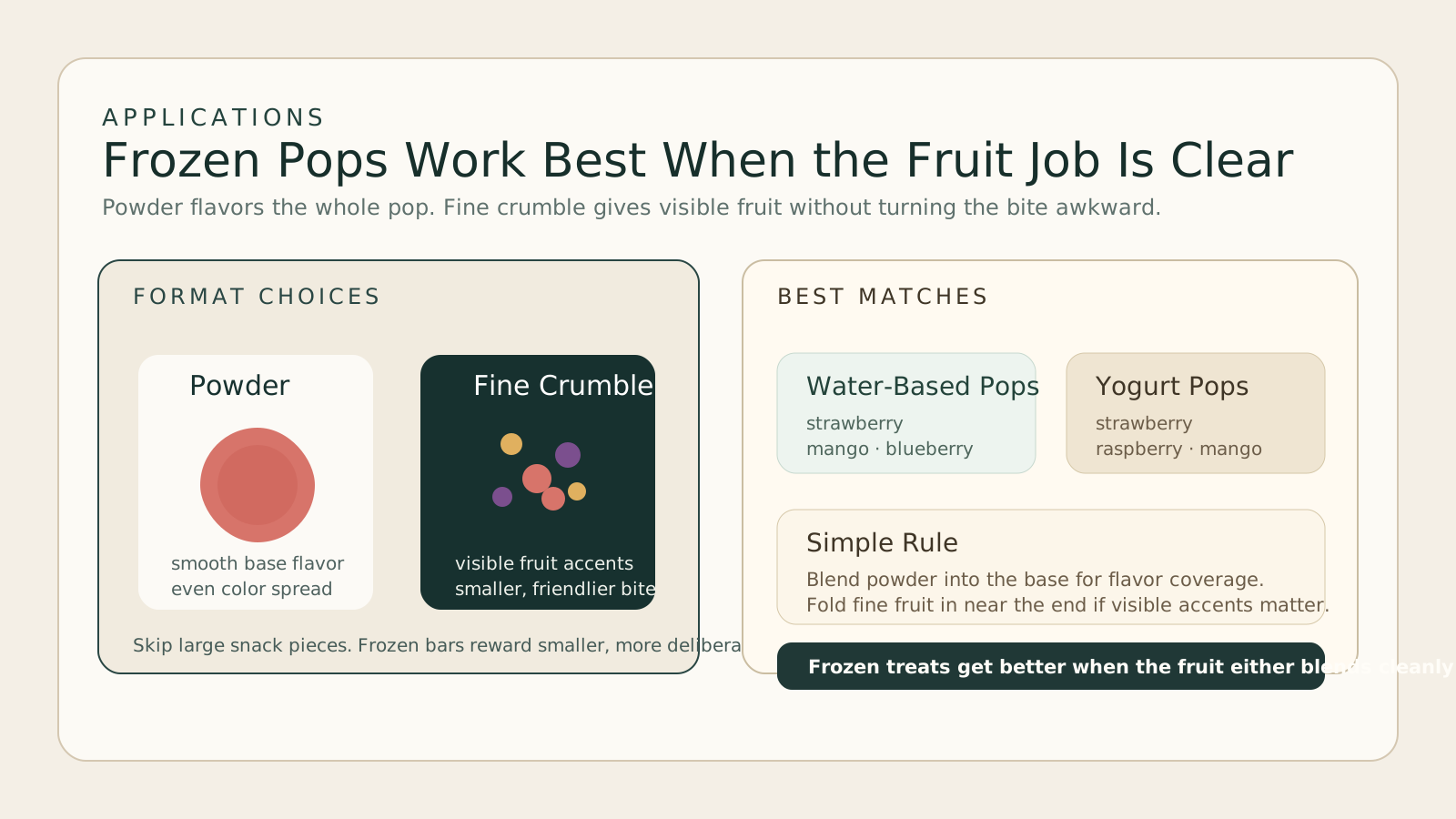
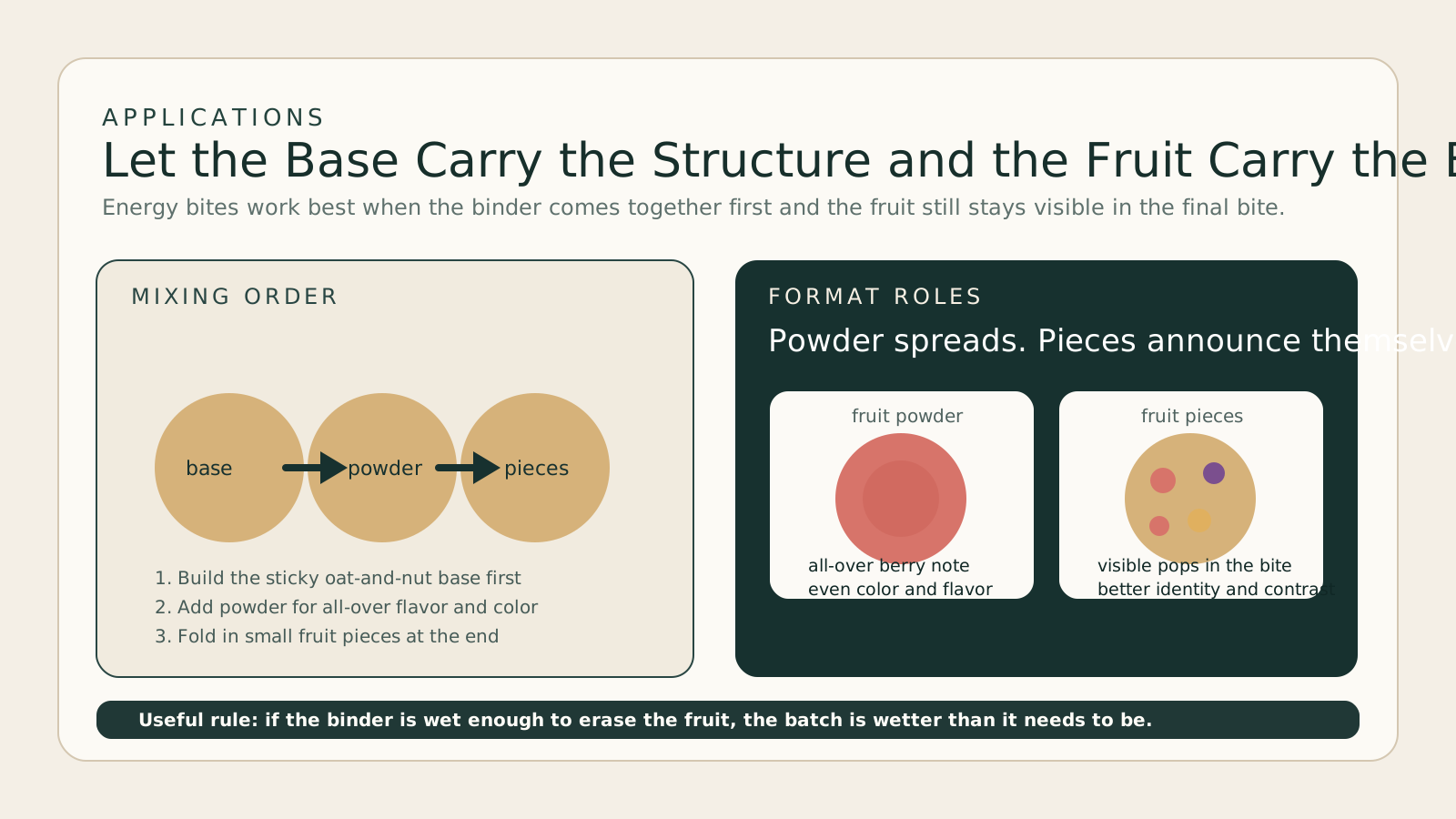
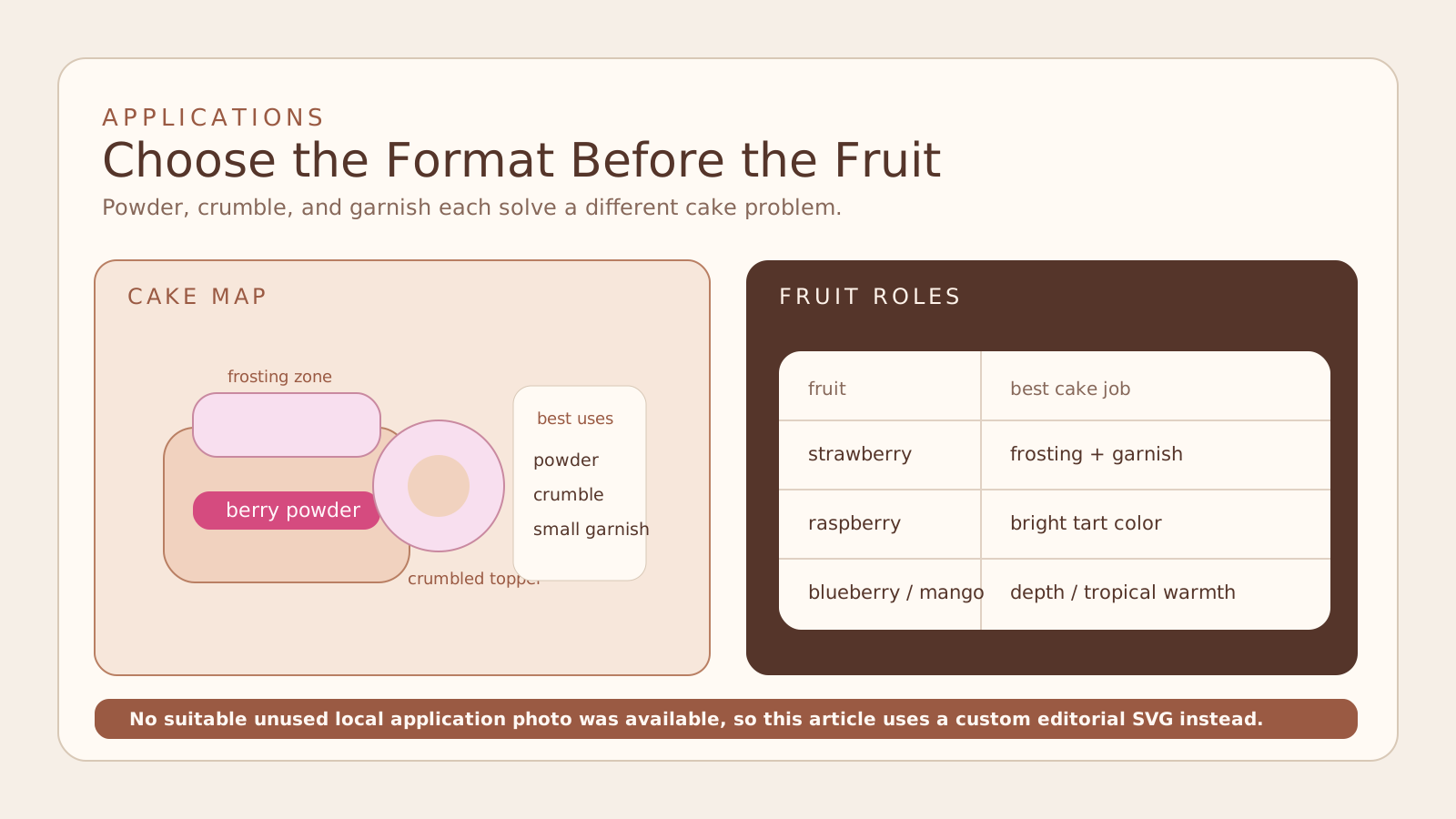
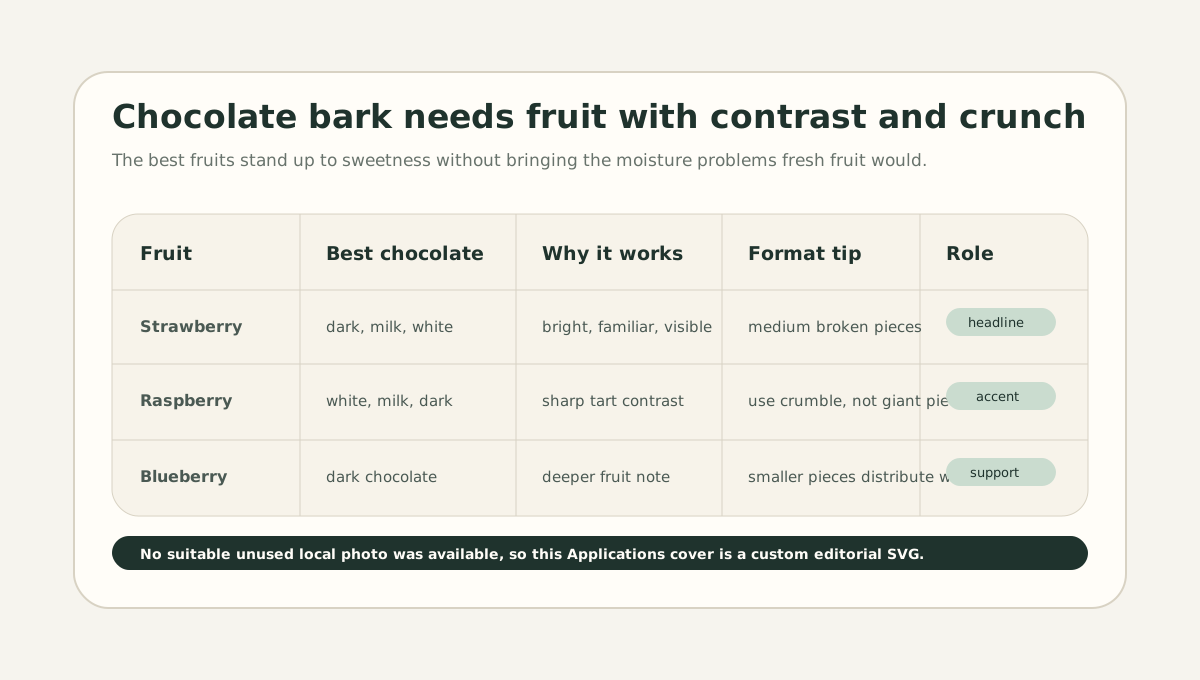
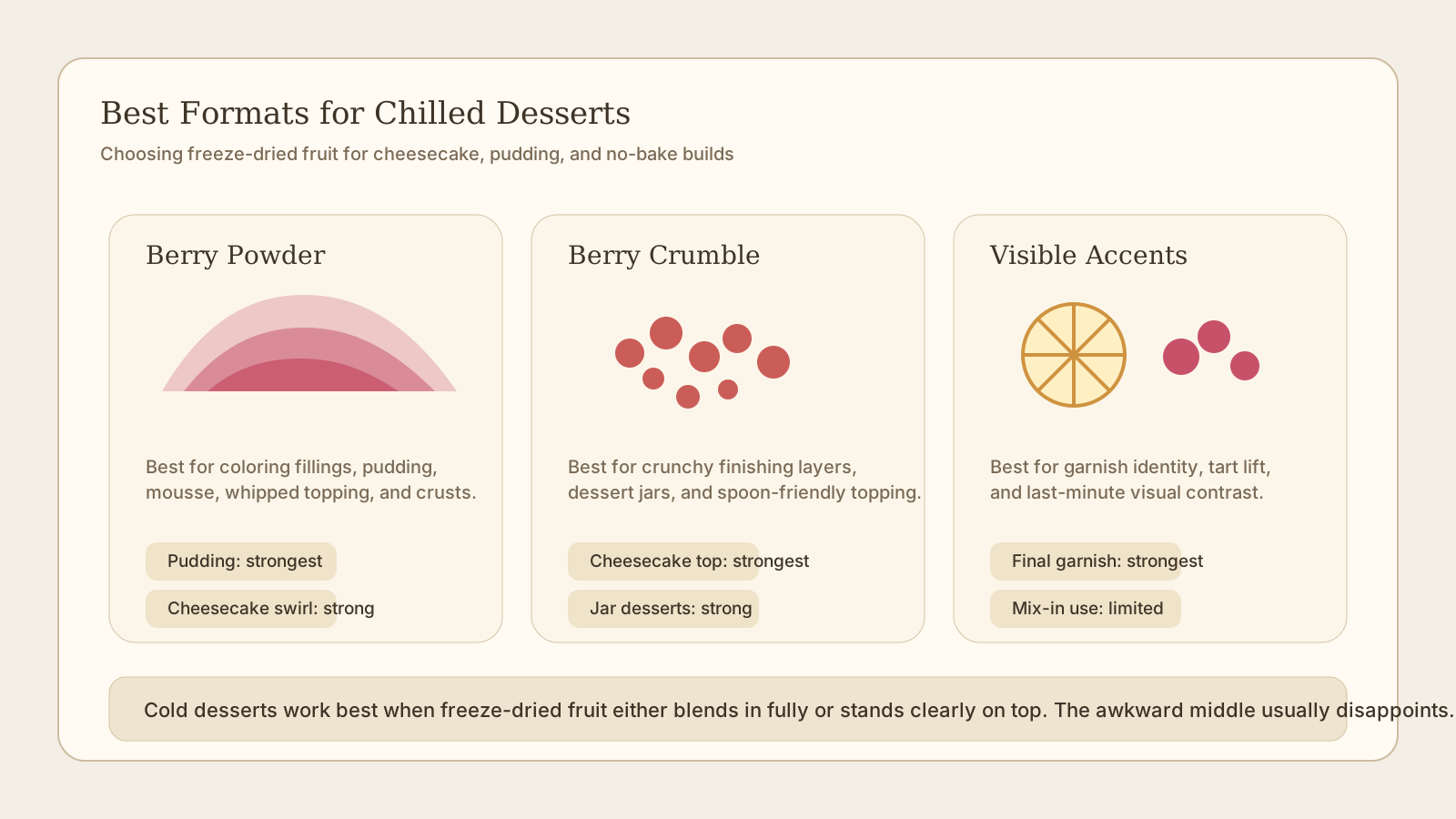
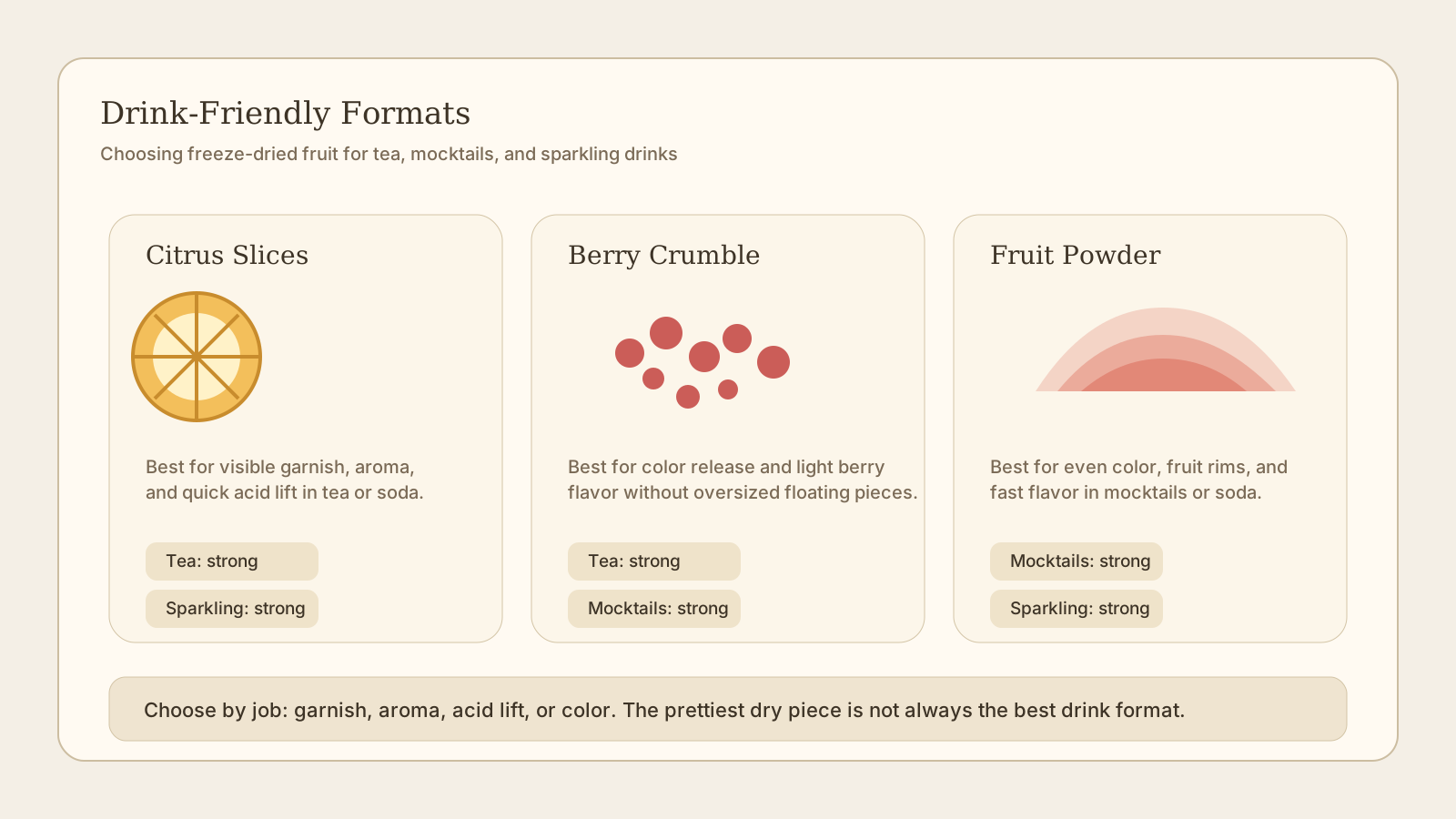
Fruit powders excel here. Color, sweetness, and acid distributed evenly across a bar, a frosting, a drink mix, or a chocolate coating do work that whole pieces cannot. Crumble, fines, and broken fragments — penalized in retail snack packs — are often preferred for ingredient blends because they distribute cleanly and survive mixing without further damage. The most expensive whole-piece spec is the wrong spec when the fruit is going through a mixer or a depositor anyway.
For buyers sourcing freeze-dried fruit as an ingredient, the smart move is to match the spec to the manufacturing step that comes after the bag is opened. That single decision often does more for landed cost than supplier negotiation.