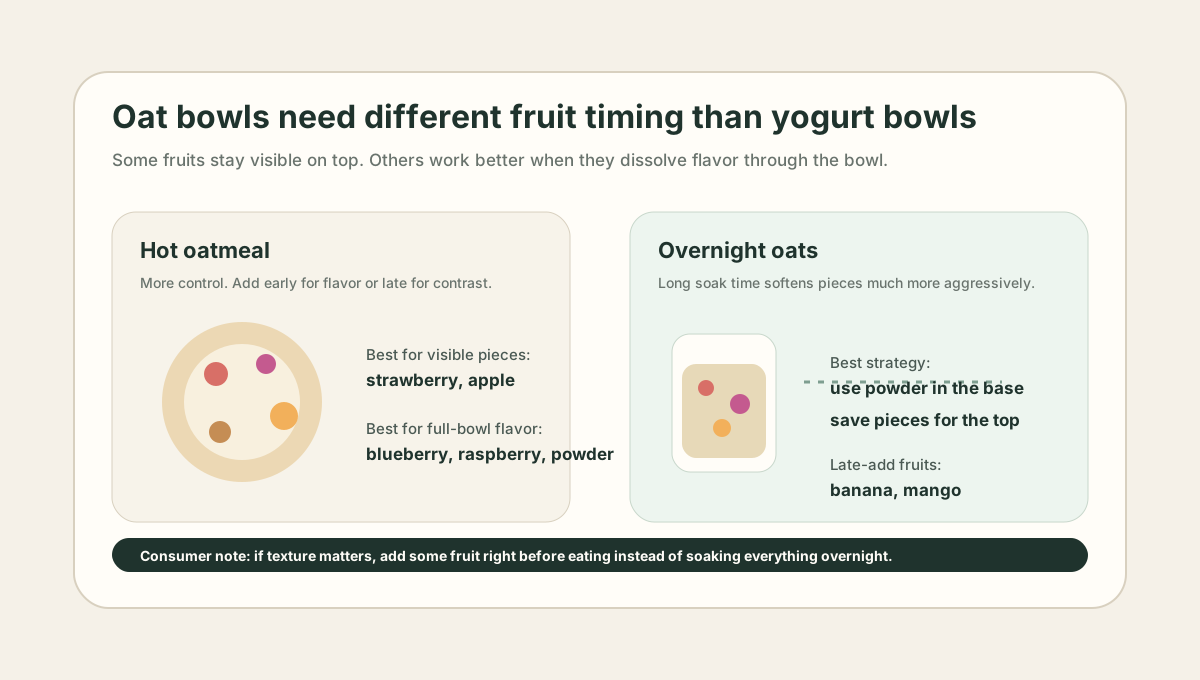
- Strawberry and apple pieces usually hold their identity better in oatmeal than softer tropical fruits.
- Blueberry, raspberry, and powders spread flavor quickly when you want fruit throughout the bowl instead of only on top.
- Banana and mango are usually better added late if you want contrast rather than fully softened pieces.
- Overnight oats need more caution because the fruit can absorb liquid for hours instead of minutes.
Oatmeal rewards different freeze-dried fruits than yogurt does. Heat, soak time, and stirring change texture fast. A fruit that looks excellent on a dry spoonful can become jammy, soft, or nearly invisible once it sits in hot oats or soaks overnight.
That is not a flaw. It just means the best freeze-dried fruit depends on how you want the bowl to eat.
The direct answer
For visible fruit pieces in oatmeal, strawberry and apple are usually the safest choices. For quick flavor release through the whole bowl, blueberry, raspberry, and fruit powders work especially well. Banana and mango can be excellent too, but they usually perform best when added near serving time rather than cooked or soaked for long periods.
If you make overnight oats, timing matters even more because the fruit has hours to absorb liquid.
What oatmeal does to freeze-dried fruit
Freeze-dried fruit is porous. That is why it feels light and crisp straight from the bag. Oatmeal changes that quickly because it brings:
- heat
- steam
- milk or water
- stirring pressure
- long contact time
As the fruit rehydrates, texture shifts. Some pieces stay pleasantly defined. Others soften into the oats and become more like a concentrated fruit layer.
That is why the question is not only "Which fruit tastes best?" It is also "Do I want pieces, bursts, or full fruit flavor throughout the bowl?"
Best choices for visible pieces
If you want the fruit to stay noticeable as pieces rather than melt into the oats, start here.
Strawberry
Freeze-dried strawberry is the easiest default for many bowls. It brings bright flavor, clear visual contrast, and pieces that usually remain recognizable even after some softening.
It works especially well when:
- you want obvious fruit on top
- the oats are fairly thick
- the bowl includes yogurt, nuts, or seeds
Apple
Apple is quieter but practical. It tends to fit warm spice profiles well, especially cinnamon, maple, oat, and nut combinations.
Apple is a strong option when:
- you want a milder fruit note
- the bowl already has a lot of sweetness
- you want pieces that soften without tasting sharp
Best choices for full-bowl flavor
Some fruits are better when the goal is not visible chunks but fast fruit distribution.
Blueberry
Freeze-dried blueberry often collapses into the bowl more quickly than people expect, especially if the berries are small or broken. That can be useful. The color and flavor spread nicely through oatmeal without needing much stirring.
Raspberry
Raspberry has more tartness and usually makes the bowl taste fruitier with a smaller amount. It is especially useful in crumbled or powdered form when you want an oat bowl to feel brighter without adding large wet fruit pieces.
Powder or fine crumble
If the goal is an evenly flavored bowl, powder can outperform pieces. It dissolves or disperses quickly and can create:
- a stronger fruit aroma
- more even flavor in every bite
- a light pink, red, or purple tint
This is often the easiest route for overnight oats too.
Fruits that work best when added late
Some freeze-dried fruits are excellent in oatmeal, but the timing matters more.
Banana
Banana brings familiar sweetness, but it softens fast. If you stir it into very hot oats early, it may lose the contrast many people want.
Add it late when:
- you want small soft chips rather than full rehydration
- the bowl already contains warm spices
- you want banana aroma on the surface
Mango
Mango can be attractive in oatmeal, especially with coconut, chia, or vanilla flavors. But it often benefits from late addition because softer mango pieces can turn dense if soaked too long.
Think of mango as more of a finishing fruit than a cooking fruit in this context.
Hot oatmeal and overnight oats are different
Hot oatmeal usually gives you more control. You can add freeze-dried fruit at the end, on top, or in stages.
Overnight oats are less forgiving because the fruit sits in moisture for hours. That means:
- pieces soften more completely
- color can spread through the jar
- powders become especially useful
- delicate visual contrast may disappear by morning
If you want attractive visible fruit in overnight oats, add some fruit the night before for flavor and another small amount just before eating for texture and appearance.
Pieces versus powders
There is no single winner here. The better choice depends on the job.
Choose pieces when you want:
- visible fruit identity
- topping contrast
- bite-to-bite variation
Choose powder or crumble when you want:
- even fruit flavor
- color throughout the bowl
- easier mixing in overnight oats
Many people get the best result by combining both: powder for base flavor, pieces for finish.
What to check when buying
If you are shopping specifically for oatmeal use, look for:
- fruit pieces that are not overly dusty if you want topping contrast
- clean ingredient lists if you want straightforward fruit flavor
- pack sizes that can be resealed well after opening
- fruit formats matched to your bowl style rather than generic "snacking" claims
The bag that works best for dry snacking is not always the best one for a spoon-and-bowl use case.
Bottom line
The best freeze-dried fruit for oatmeal depends on whether you want visible pieces, blended fruit flavor, or a topping that still feels distinct at serving time. Strawberry and apple are strong choices for recognizable pieces. Blueberry, raspberry, and powders are better when you want flavor through the full bowl. Banana and mango usually work best when added late.
For overnight oats, assume the fruit will soften more than it would in hot oatmeal. If texture matters, keep some fruit back for the final topping.
Choose a fruit topping for your next bowl
Classic Mix offers several fruits in one bag; a whole banana lets you add one fruit at a time. Add pieces just before eating when you want topping contrast. These are product examples, not results from a comparative recipe test.
Freeze-Dried-Fruit.com is published by the team behind OhCrisp. These links lead to our own products.

Classic Fruit Mix
Seven fruits in one bag, including strawberry, mango, apple and banana. Add a few pieces just before serving for a fruit topping.
View at OhCrisp
Individually Wrapped Whole Bananas
Whole freeze-dried bananas in individual wrappers. Open one for a snack, or break a portion into pieces for your bowl.
View at OhCrispFrequently Asked Questions
What's the best freeze-dried fruit for oatmeal?
For visible pieces in oatmeal, strawberry and apple are the safest choices. For quick flavor release across the whole bowl, blueberry, raspberry, and fruit powders work especially well. Banana and mango can be excellent too, but they usually perform best when added near serving time rather than cooked or soaked for long periods.
Should I add freeze-dried fruit before or after cooking the oats?
Hot oatmeal gives you control — you can add fruit at the end, on top, or in stages. Adding fruit late protects piece identity; adding early lets flavor distribute through the bowl. Overnight oats are less forgiving because the fruit sits in moisture for hours.
How is overnight oats different from hot oatmeal for freeze-dried fruit?
Overnight oats expose the fruit to liquid for hours instead of minutes. Pieces soften more completely, color spreads through the jar, and delicate visual contrast may disappear by morning. Powders become especially useful, and adding a small extra portion just before eating preserves the topping look.
What freeze-dried fruit holds its shape best in oatmeal?
Freeze-dried strawberry and apple usually hold their identity better than softer tropical fruits. Strawberry brings bright flavor and visible contrast even after some softening; apple fits warm spice profiles and softens without tasting sharp.
When is powder or fine crumble better than pieces?
Choose powder or crumble when you want even fruit flavor across every bite, a color swirl effect throughout the bowl, or easier mixing in overnight oats. Many people get the best result by combining both: powder for base flavor, pieces for finish.
Why do banana and mango soften so fast in oatmeal?
Both are higher in sugar and have softer structures, so they rehydrate quickly under heat and steam. Add them late — banana when you want small soft chips with banana aroma on the surface, mango as a finishing fruit rather than a cooking fruit.
What should I look for when buying freeze-dried fruit specifically for oatmeal?
Look for pieces that are not overly dusty if you want topping contrast, clean fruit-only ingredient lists if you want straightforward flavor, pack sizes that reseal well after opening, and fruit formats matched to your bowl style rather than generic snacking claims. The bag that works best for dry snacking is not always the best for a spoon-and-bowl use case.