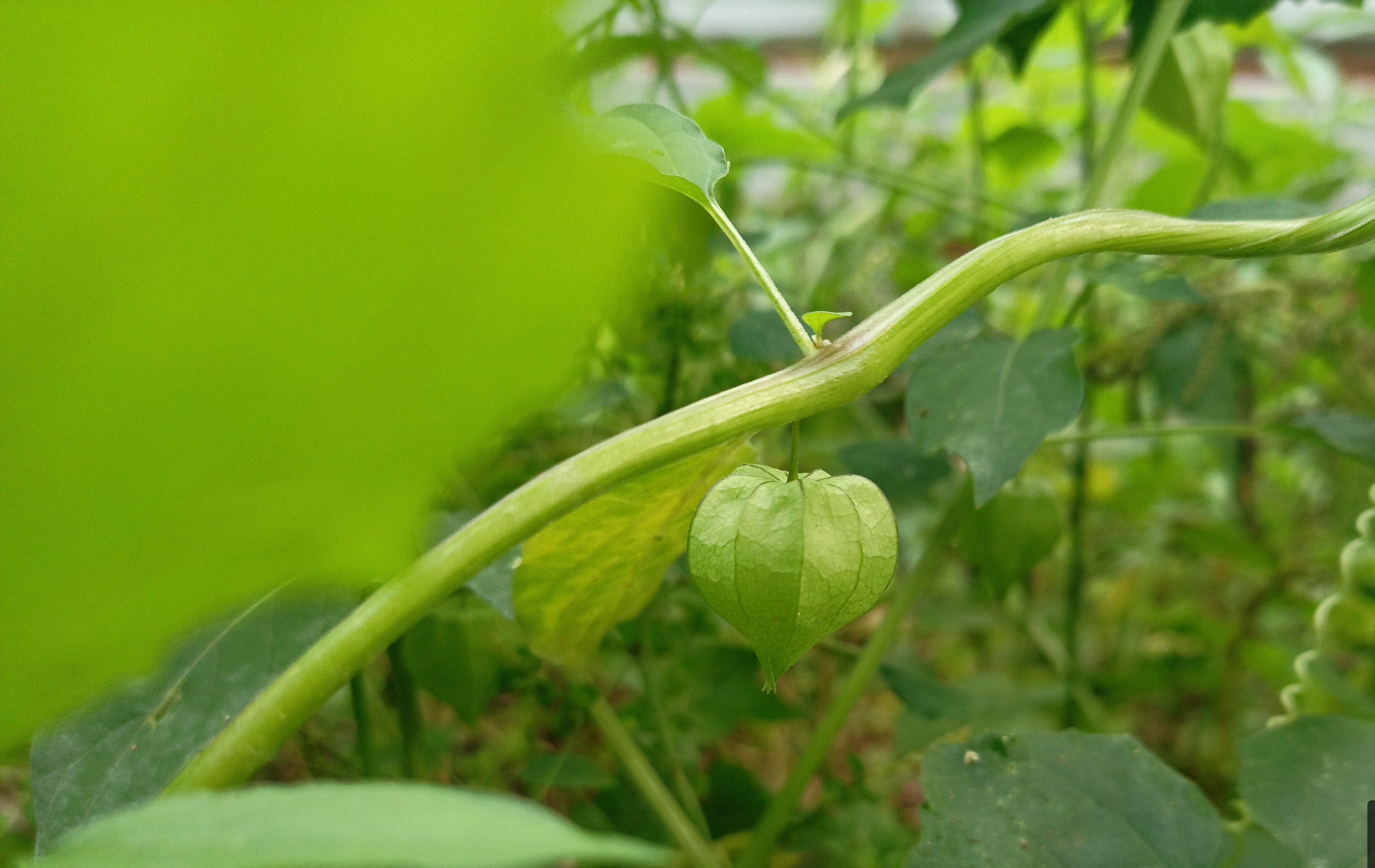
- Aguaymanto / goldenberry / Cape gooseberry are three names for the same fruit (Physalis peruviana).
- Holds shape and bright orange color well through freeze-drying — one of the best whole-piece premium options in the category.
- Origin is concentrated in the Andean highlands of Peru, Colombia, and Ecuador, with growing supply from South Africa.
- Buyer differentiation is mostly about brightness, size uniformity, breakage level, and whole-piece percentage.
Aguaymanto sits at the unusual intersection of being a premium specialty fruit and a perfect freeze-drying candidate — small enough to ship as whole pieces, structured enough to hold shape, and aromatic enough to carry a snack pack on its own. For buyers building premium snack SKUs or differentiated ingredient blends, aguaymanto is one of the strongest emerging entries in the freeze-dried category.
Quick reference: aguaymanto in freeze-drying
| Attribute | Notes |
|---|---|
| Other names | Goldenberry, Cape gooseberry, uchuva, Inca berry, physalis |
| Origin | Peru, Colombia, Ecuador (dominant); South Africa, Kenya, India (growing) |
| Berry size | 8–15mm (small but visible whole) |
| Brix | 13–18° |
| Aroma | Bright citrus-tropical, distinctive |
| Color stability | Strong (bright orange holds well) |
| Breakage risk | Low (firm structure) |
| Typical freeze-dried format | Whole (dominant), halves, occasional powder |
| Cost tier | Premium |
Three names, one fruit
Confusion about names is one of the first practical issues for buyers. Aguaymanto, goldenberry, Cape gooseberry, uchuva, Inca berry, and physalis are all names for the same species — Physalis peruviana. The variation is regional:
- Aguaymanto — the dominant name in Peru
- Uchuva — the Colombian commercial name (Colombia is one of the world's largest exporters)
- Goldenberry or Cape gooseberry — the English-language export names
- Physalis — the European market name
- Inca berry — a marketing variant emphasizing the Andean heritage
All refer to the same small orange berry. Buyers should expect to see different names from different suppliers and recognize them as the same product.
Why aguaymanto is well-suited to freeze-drying
Aguaymanto has structural advantages that few other premium fruits share:
- Uniform small size. The 8–15mm berry size lets it ship as whole pieces with clean visual identity, similar to blueberry but with a more distinctive color and shape.
- Firm flesh structure. The fruit holds shape through freeze-drying with minimal collapse and low breakage — much better than raspberry or blackberry.
- Bright orange color survives. Color stability through freeze-drying is strong; the dried fruit reads visibly orange-gold on shelf.
- Aroma intensifies pleasantly. The bright citrus-tropical aroma is preserved and often perceived as more concentrated after freeze-drying.
- Natural sweetness-tartness balance. The fruit doesn't need added sugar to be pleasant as a snack — clean-label-friendly positioning is straightforward.
The supply story
Commercial aguaymanto production is concentrated in the Andean highlands of Peru and Colombia, with Ecuador and growing supply from South Africa and Kenya. Most premium-tier freeze-dried aguaymanto still ships from the Peruvian and Colombian Andes, where the climate and altitude produce the brightest color and most concentrated flavor.
For U.S. buyers, FSVP compliance for Peruvian and Colombian imports is the standard framework — verify with your importer's preventive controls plan.
Pricing dynamics for freeze-dried aguaymanto:
- Premium whole-piece tier: priced near the top of the freeze-dried category, comparable to freeze-dried raspberry or premium freeze-dried blueberry
- Mid-tier (broken/mixed): priced closer to commodity berry powder
- Organic premium: typically 25–40% above conventional at parity quality
Common use cases
Freeze-dried aguaymanto works particularly well in:
- Premium snack pouches — whole berries as a stand-alone snack or hero ingredient
- Granola and trail mix inclusions — distinctive color and flavor differentiate the blend
- Yogurt and breakfast bowl toppings — small enough to scatter, sweet enough to pair, distinctive enough to be noticed
- Restaurant garnish — chef-driven premium dessert and cocktail applications
- Gourmet baking — muffin, cookie, and pastry inclusions
It is less common in beverage or supplement applications (where powders of higher-anthocyanin fruits like maqui or açaí have a stronger functional positioning).
Quality signals on the spec sheet
When evaluating freeze-dried aguaymanto, look for:
- Origin documentation. Peru / Colombia / Ecuador region-level disclosure is the premium standard.
- Size distribution. A tight range (e.g., 8–12mm or 10–15mm) signals controlled grading; wide ranges with mixed small and large pieces signal less discipline.
- Whole-piece percentage. Premium product should be 90%+ whole; commodity tier may be 70% whole with 30% halves or fragments.
- Color brightness. Bright orange is the target; dull or brown-tinged pieces indicate process or storage problems.
- Plain vs. sweetened. Some products add sugar; verify the ingredient line if clean-label positioning is the goal.
- Organic certification when applicable (USDA Organic, EU Organic, JAS).
- Microbiological standards — Andean origin requires the standard yeast/mold and pathogen controls.
Aguaymanto vs. similar fruits
Buyers often compare aguaymanto against other small whole-piece fruits:
- Versus blueberry: More distinctive flavor and color, but lower volume availability and higher unit cost. Better for differentiation; blueberry wins on price and recognition.
- Versus cranberry: Less sour, more aromatic, brighter color. Aguaymanto is sweeter-leaning; cranberry is tart-leaning.
- Versus raspberry: Much less fragile, holds shape better, more distinctive color. Raspberry has stronger flavor intensity; aguaymanto has stronger structural integrity.
Buyer red flags
Be cautious when:
- Different names (goldenberry vs. uchuva vs. aguaymanto) are used to suggest different products at different prices — they are the same fruit
- Whole-piece percentage is not disclosed
- Color is described as "natural variation" rather than a controlled spec
- Organic claims are not backed by current certification documents
- The supplier cannot name the growing region or harvest cycle
How aguaymanto (goldenberry) compares
A quick reference for how aguaymanto (goldenberry) sits alongside the freeze-drying personalities of its closest siblings.
| Fruit | Brix | Fiber | Aroma | Color stability | Breakage risk | Typical format |
|---|---|---|---|---|---|---|
| Aguaymanto (Goldenberry)this report | 13–18° | Medium | Strong (citrus-tropical) | Strong | Low | Whole · halves |
| Lucuma | 20–25° | High | Distinctive (maple-caramel) | Strong | Low | Powder · dice · slice |
| Maqui | 12–18° | Medium | Mild | Very strong | Medium | Whole · powder |
Values are typical industry ranges. Variety, origin, harvest window, and process all shift them.
Bottom line
Freeze-dried aguaymanto is one of the most underappreciated premium fruits in the category. Its structural and aromatic properties make it well suited to freeze-drying, and its distinctive identity gives brands a real differentiation lever in premium snack and ingredient applications. The supply chain is narrow but mature; buyers willing to spec carefully — whole-piece percentage, color brightness, origin documentation — can build durable premium positioning around it.
Frequently Asked Questions
What is aguaymanto?
Aguaymanto (Physalis peruviana) is a small orange berry that grows inside a papery husk, native to the Andean highlands of Peru, Colombia, and Ecuador. It is the same fruit sold internationally as goldenberry, Cape gooseberry, Inca berry, uchuva (in Colombia), or physalis.
Why does aguaymanto have so many names?
Each major growing region developed its own commercial name: 'aguaymanto' in Peru, 'uchuva' in Colombia, 'goldenberry' or 'Cape gooseberry' in English-speaking export markets, and simply 'physalis' in much of Europe. They all refer to Physalis peruviana — the same species.
What does freeze-dried aguaymanto taste like?
Bright, tart, citrus-tropical — often described as a cross between tomato, pineapple, and citrus, with a slight sweetness. The aroma is distinctive and lifts noticeably after freeze-drying. The flavor concentration makes a small portion of aguaymanto stand out in a trail mix or topping blend.
Why is aguaymanto well suited to freeze-drying?
Three reasons: small uniform size makes for clean whole-piece packing, firm flesh structure holds shape through processing, and the bright orange color survives freeze-drying with minimal fade. The natural sweetness-tartness balance also makes the dried fruit pleasant on its own without additives.
Where is aguaymanto grown commercially?
The dominant origins are Peru (Andean highlands), Colombia (where it is the country's largest non-traditional fruit export), and Ecuador. South Africa, Kenya, and India have growing production. Most premium-tier supply still comes from the Peruvian and Colombian Andes.
Is freeze-dried aguaymanto usually whole or halved?
Whole pieces dominate at the premium tier — the small size (typically 8–15mm) makes the whole berry the natural snack format. Halved or sliced aguaymanto appears in ingredient applications, granola, and inclusion blends where smaller, more distributed pieces work better.
What should buyers ask suppliers about freeze-dried aguaymanto?
Confirm origin (Peru, Colombia, Ecuador, etc.), size distribution, breakage tolerance, color brightness expectations, whether the product is plain fruit or sweetened, organic certification status when applicable, and microbiological standards. For premium snack positioning, ask about whole-piece percentage vs. broken pieces.
Primary sources & further reading
- Physalis peruviana — Botanical and Compositional Reference Feedipedia (CIRAD / INRAE / AFZ / FAO) Reference for botanical, agronomic, and compositional data on aguaymanto / goldenberry.
- Colombian Agricultural Exports — Uchuva Ministerio de Agricultura y Desarrollo Rural (Colombia) Colombia is one of the world's largest uchuva (aguaymanto / goldenberry) exporters; this is the official agricultural reference.
- Peru Agricultural Exports — Aguaymanto Ministerio de Desarrollo Agrario y Riego (Peru) Official Peruvian agricultural reference for aguaymanto production and export.
- Foreign Supplier Verification Programs (FSVP) U.S. Food & Drug Administration FSVP framework directly relevant for U.S. buyers importing aguaymanto from Peruvian and Colombian origins.
External links open in a new tab. We do not receive compensation from any organization listed; sources are referenced because they are primary, current, and publicly verifiable.