- There are hundreds to thousands of named mango cultivars, but global trade usually concentrates around a few dozen.
- Mango varieties are strongly regional: India, Pakistan, Thailand, the Philippines, Mexico, Florida, Australia, Brazil, Peru, and Ecuador all have different mango cultures.
- Some mangoes are loved for perfume and sweetness; others are grown because they ship well, crop reliably, or process efficiently.
- For freeze-dried mango, the useful question is not just how many mango varieties exist, but which ones have low fiber, strong aroma, good color, and stable sourcing.
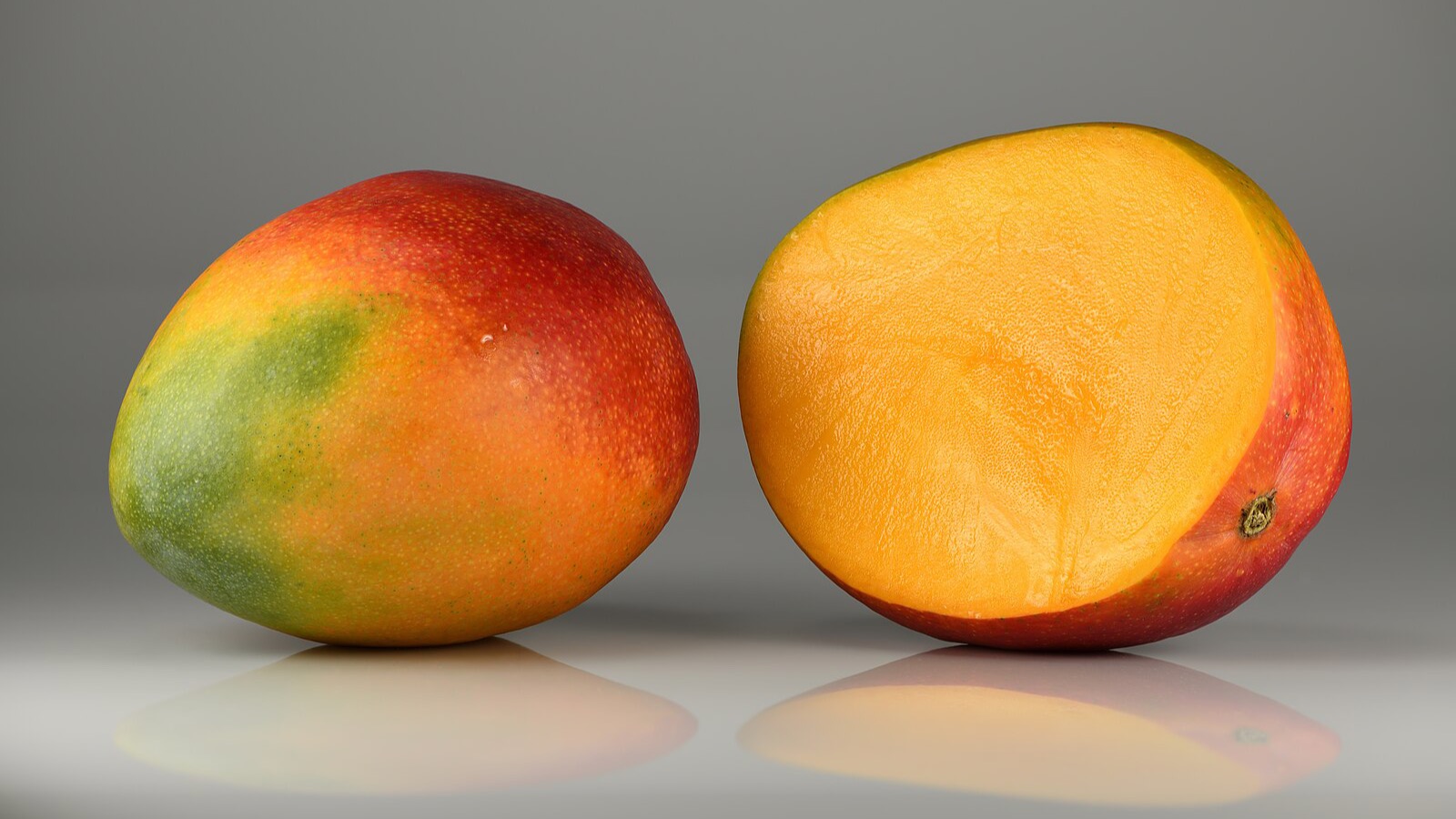
Ask ten people what a mango tastes like and you may hear ten different answers: honey, peach, citrus, pine, flowers, caramel, melon, orange sherbet, or the green edge of something still ripening on a kitchen counter. That is not because mango is vague. It is because "mango" is not one fruit in the practical sense. It is a whole family of cultivars, regional traditions, harvest windows, and supply chains.
So how many types of mangoes are there? The honest answer is: hundreds, and likely thousands, of named mango varieties exist around the world. India alone is often described as having more than a thousand named mango cultivars. But in global commerce, most consumers and buyers meet a much smaller group: the mangoes that ship well, process well, freeze well, or carry enough reputation to justify their price.
This guide is written as a global mango map, not a botanical catalog. It is for curious eaters, snack founders, ingredient buyers, and anyone trying to understand why Alphonso, Ataulfo, Kent, Carabao, Nam Dok Mai, Keitt, Kesar, and Tommy Atkins can all be called mango while behaving like completely different ingredients.
Quick answer: how many mango varieties are there?
There is no single official number because mango cultivars are counted differently by country, research institution, farm tradition, and local naming system. A practical way to think about it:
| Scale | What it means |
|---|---|
| Hundreds to thousands | Named mango cultivars and local selections worldwide |
| Dozens | Varieties with meaningful regional or commercial importance |
| 15 to 30 | Varieties most likely to appear in export, retail, processing, or ingredient supply |
| 5 to 10 | Varieties a typical U.S. shopper is most likely to recognize |
The number matters less than the split between heritage mango culture and commercial mango trade. Heritage mango culture is huge, local, emotional, and seasonal. Commercial mango trade is narrower, more standardized, and shaped by shipping, disease resistance, yield, price, and processing behavior.
Why mango variety is more complicated than it looks
Mangoes are not distributed evenly across the world. A mango name can be a cultivar, a regional nickname, a marketing label, a seedling selection, or a trade term that changes meaning depending on where you are standing.
In Mumbai, a mango conversation may become an Alphonso conversation quickly. In Gujarat, Kesar has its own loyal following. In Pakistan, Sindhri and Chaunsa carry seasonal anticipation. In Thailand, Nam Dok Mai is a dessert mango with a floral identity. In the Philippines, Carabao is a national reference point for sweetness. In American supermarkets, Tommy Atkins, Kent, Keitt, Haden, and Ataulfo do most of the work.
That is what makes mango fascinating: the same fruit category can be a commodity box, a luxury gift, a family argument, a regional pride object, and a freeze-dried snack ingredient.
The global mango map
India: the deepest mango culture
India is the most important country to understand if you want to understand mango variety. It has immense cultivar diversity and a strong cultural attachment to named mangoes.
Alphonso is the famous one: saffron-orange flesh, very high aroma, rich sweetness, and a short season. It is often described as the king of mangoes, though that title starts arguments in the best possible way.
Kesar is another premium Indian mango, especially associated with Gujarat. It is aromatic, sweet, and slightly brighter than Alphonso, with a saffron-yellow identity that works beautifully in dairy, desserts, and premium mango products.
Dasheri and Langra are North Indian classics. They are less common in Western retail, but they matter deeply in regional mango culture. Dasheri can be sweet and fragrant; Langra often has a green skin even when ripe and a distinctive flavor that fans recognize immediately.
Banganapalli is large, yellow, and widely grown in South India. Totapuri has a pointed shape and is often used in processing, pulp, and ingredient streams because it is abundant and more functional than luxury-coded.
India's mango world is not just about which variety tastes best. It is about season, region, memory, and the moment when a specific cultivar appears for only a few weeks.
Pakistan: Sindhri, Chaunsa, and seasonal intensity
Pakistan has one of the strongest mango cultures in the world, especially around Sindhri, Chaunsa, Anwar Ratol, and Pakistani Dussehri.
Sindhri is large, sweet, and smooth, often one of the first major mangoes of the season. It is widely loved for its clean sweetness and soft texture.
Chaunsa is often more intense, with a rich sweetness and a later-season reputation. For many mango lovers, Chaunsa is the mango that makes the season feel serious.
Anwar Ratol is smaller and highly aromatic, with a short season and a devoted following. It is a reminder that market importance and fruit size are not the same thing.
For freeze-dried mango buyers, Pakistani mangoes are interesting because the best fruit can have strong aroma and sweetness, but availability, processing infrastructure, and export consistency decide whether that quality can become a stable ingredient.
Thailand: floral dessert mangoes
Thailand's most famous mango is Nam Dok Mai, a long, golden mango known for sweetness, low fiber, and a floral aroma. It is closely tied to mango sticky rice, which tells you a lot about its personality: soft, fragrant, dessert-friendly, and elegant.
Maha Chanok is another Thai mango with a more complex aromatic profile, sometimes described as floral and richly tropical. It is less globally common than Nam Dok Mai but highly regarded among mango enthusiasts.
Thai mangoes are useful for understanding the difference between a mango that is simply sweet and a mango that feels perfumed. That floral quality can be powerful in premium snacks, desserts, powders, and freeze-dried pieces if the supply chain protects it.
The Philippines: Carabao and Manila-type mangoes
The Philippine Carabao mango, also associated with Manila-type mangoes, is famous for sweetness, low fiber, and a clean tropical flavor. It is one of the mangoes most often praised when people talk about the world's sweetest mangoes.
Carabao mangoes can be excellent for snacking and processing because the flesh is smooth and the flavor is immediately recognizable. In dried and freeze-dried mango products, Philippine-origin mango often carries a premium or giftable association, especially in Asian markets.
Mexico and Latin America: the export workhorses
If you buy mangoes in the United States, Mexico is one of the most important origins. The varieties are shaped by export needs as much as flavor preference.
Tommy Atkins is common because it ships well, looks colorful, resists handling damage, and has a long commercial history. It is not usually the best-tasting mango, but it is one of the most durable.
Kent and Keitt are more processor-friendly from an eating-quality perspective. They tend to have lower fiber than Tommy Atkins and can deliver better sweetness and texture when ripe.
Ataulfo, sometimes marketed as honey mango or Champagne mango, is smaller, yellow, very low in fiber, and loved for its creamy sweetness. It is one of the best-known mangoes for consumers who want a dessert-like eating experience.
Latin America also includes Haden, Palmer, and regional processing streams across Mexico, Brazil, Peru, Ecuador, and other origins. For commercial buyers, these mangoes matter because supply can be timed across seasons and regions.
Florida and the United States: cultivar experimentation
Florida has had an outsized influence on mango breeding and U.S. mango history. Haden, developed in Florida, became a parent of many later commercial varieties. Kent and Keitt also trace important commercial history through Florida selections.
Florida mango culture also includes varieties that are beloved locally but not broadly commercial: Carrie, Valencia Pride, Glenn, Nam Doc Mai plantings, and many backyard or collector cultivars.
This is a different kind of mango world: not always export-scale, but rich in variety, flavor experimentation, and enthusiast knowledge.
Australia: Kensington Pride and R2E2
Australia's mango identity often starts with Kensington Pride, also known as Bowen mango. It is aromatic, sweet, and culturally important in Australian mango season.
R2E2 is large, attractive, and commercially useful, especially in export contexts. It may not have the same emotional reputation as Kensington Pride, but it matters because it can move through supply chains reliably.
Australia shows a recurring mango truth: the best-loved local mango and the most export-friendly mango are not always the same.
Mango varieties by flavor personality
A global list is useful, but flavor grouping is often easier to remember.
| Flavor personality | Varieties to know | Why it matters |
|---|---|---|
| Honey-sweet and creamy | Ataulfo, Alphonso, Kesar | Premium snacking, dessert-like products |
| Floral and elegant | Nam Dok Mai, Maha Chanok | Desserts, powders, premium freeze-dried pieces |
| Classic supermarket mango | Tommy Atkins, Haden | Familiar appearance, broad retail recognition |
| Smooth processing mango | Kent, Keitt, Palmer | Cubes, chunks, ingredient streams |
| Intensely regional | Chaunsa, Sindhri, Anwar Ratol, Langra | Strong identity but more origin-locked |
| Very sweet tropical | Carabao | Premium Asian-market snacks and gifts |
| Functional processing | Totapuri, Tommy Atkins, Palmer | Pulp, powder, lower-cost blends |
This is where mango becomes more interesting than a simple ranking. "Best" depends on the job. The best mango for a gift box may not be the best mango for year-round cube production. The best mango for pulp may not be the best mango for a clean freeze-dried slice.
Which mango varieties are best for freeze-drying?
For freeze-dried mango, variety matters because water removal concentrates both strengths and flaws. A fibrous mango becomes more obviously fibrous. A bland mango becomes a crisp version of bland. A fragrant, low-fiber mango can become almost candy-like without needing to pretend it is candy.
The strongest freeze-dried mango candidates usually have:
- low fiber
- strong aroma
- good color
- high natural sweetness
- enough acidity to avoid tasting flat
- reliable seasonal sourcing
- flesh that cuts cleanly into slices, chunks, or cubes
For premium freeze-dried snacking, the names to watch are Ataulfo, Alphonso, Kesar, Carabao, and Nam Dok Mai. For reliable cubes and broader ingredient use, Kent and Keitt are often more practical. For powders, pulp-derived ingredients, and lower-cost blends, Tommy Atkins, Totapuri, and Palmer may appear more often.
That does not mean one group is morally better than another. It means each variety has a job. Mango's versatility also shows up in composed snacks — a mango-and-cashew crisp is a recent example of the fruit carrying a whole format.
Why packaging often just says "mango"
If mango varieties matter so much, why do most packages just say "mango"?
Because naming the variety creates a promise. If a brand prints "Alphonso mango" on the package, buyers may expect Alphonso every season. That is hard to maintain when harvest windows are short, prices move, and processors may need to switch origins or blend varieties to keep production stable.
There are also practical reasons:
- Seasonality: many premium mangoes are available only for a short window.
- Cost: named premium cultivars can be much more expensive.
- Blending: processors may combine varieties to balance flavor, color, and price.
- Supply risk: weather, harvest timing, disease pressure, and export limits can change availability.
- Consumer awareness: not every market recognizes cultivar names yet.
For everyday snacks, "mango" may be enough. For premium freeze-dried mango, ingredient buyers should ask more.
Ask: Which cultivar? Which origin? Single variety or blend? Fresh, IQF, puree, or pulp stream? Typical Brix range? Fiber level? Harvest window? Does the variety stay stable year-round? If it changes, how is the label handled?
A practical short list of mango varieties to know
If you do not want to memorize hundreds of names, start here:
- Alphonso — intensely aromatic Indian premium mango.
- Kesar — sweet, saffron-toned Indian mango with strong dessert use.
- Ataulfo — creamy, honey-sweet Mexican mango common in U.S. retail.
- Carabao — very sweet Philippine mango with premium snack potential.
- Nam Dok Mai — floral Thai dessert mango.
- Sindhri — sweet Pakistani mango with strong seasonal identity.
- Chaunsa — rich, sweet Pakistani mango with a devoted following.
- Kent — smooth, reliable commercial mango for fresh and processed use.
- Keitt — large, late-season, lower-fiber commercial mango.
- Tommy Atkins — durable export workhorse, colorful but often less aromatic.
- Haden — historic Florida mango and parent of many commercial lines.
- Totapuri — processing-oriented Indian mango, often used in pulp and ingredients.
- Palmer — commercial mango used in Latin American supply.
- Kensington Pride — Australia's classic aromatic mango.
- R2E2 — large Australian export mango.
This list is not complete, but it is enough to make most mango labels and sourcing conversations more meaningful.
How mango compares
A quick reference for how mango sits alongside the freeze-drying personalities of its closest siblings.
| Fruit | Brix | Fiber | Aroma | Color stability | Breakage risk | Typical format |
|---|---|---|---|---|---|---|
| Mangothis report | 10–22° | Low → High (cultivar) | Very strong | Strong | Medium | Slices · cubes · powder |
| Pineapple | 11–15° | High | Strong | Moderate | Medium | Chunks · tidbits · powder |
| Banana | 15–22° | Medium | Strong (ripe) | Poor | Low | Slices · powder |
| Papaya | 8–12° | Low | Mild | Moderate | Medium | Cubes · slices · powder |
| Passion fruit | 13–18° | Low (seeds present) | Very strong | Moderate | n/a (pulp) | Powder · flakes |
| Guava | 8–13° | High | Very strong | Moderate | Medium | Slices · cubes · powder |
Values are typical industry ranges. Variety, origin, harvest window, and process all shift them.
Conclusion: mango is a category, not a specification
There may be hundreds or thousands of mango varieties in the world, but the useful answer depends on context. A fruit historian, a backyard grower, a supermarket buyer, a pulp processor, and a freeze-dried snack founder are all counting different things.
For consumers, mango variety explains why one mango tastes floral and another tastes flat. For buyers, it explains why two "mango" samples can have completely different color, fiber, aroma, sweetness, and price. For freeze-dried fruit, it explains why variety is not a decorative detail. It is part of the product spec.
"Mango" is a beautiful word, but it is only the beginning of the conversation.
Frequently Asked Questions
How many types of mangoes are there?
Hundreds, and likely thousands, of named mango varieties exist around the world. India alone is often described as having more than a thousand named cultivars. In global commerce most consumers meet a much smaller group — roughly 15 to 30 varieties carry meaningful export, retail, processing, or ingredient supply weight.
Which mango varieties are best for freeze-drying?
Strong freeze-dried mango candidates usually have low fiber, strong aroma, good color, high natural sweetness, and enough acidity to avoid tasting flat. For premium snacking, watch for Ataulfo, Alphonso, Kesar, Carabao, and Nam Dok Mai. For reliable cubes and broader ingredient use, Kent and Keitt are often more practical. For powders, pulp-derived ingredients, and lower-cost blends, Tommy Atkins, Totapuri, and Palmer appear more often.
What's special about Alphonso mango?
Alphonso is an Indian premium cultivar with saffron-orange flesh, very high aroma, rich sweetness, and a short season. It is often called the king of mangoes, though that title starts arguments in the best possible way. Strong aroma and clean sweetness make it especially valuable in premium snacks, desserts, and freeze-dried products.
Why is Tommy Atkins so common in U.S. supermarkets?
Tommy Atkins ships well, looks colorful, resists handling damage, and has a long commercial history. It is not usually the best-tasting mango, but it is one of the most durable — which is why it dominates American retail despite less aromatic varieties existing in other markets.
What's the difference between Carabao and Ataulfo mangoes?
Carabao is a Philippine mango famous for sweetness, low fiber, and clean tropical flavor — often praised among the sweetest mangoes globally. Ataulfo, sometimes marketed as honey or Champagne mango, is a smaller Mexican variety, very low in fiber, with creamy honey-sweet flesh. Both are dessert-friendly, but they come from different regions and supply chains.
Why do most mango products just say "mango" instead of the variety?
Naming the cultivar creates a promise that buyers expect every season. Many premium mangoes have short harvest windows, prices that move sharply, and weather or disease risk that forces processors to switch origins or blend varieties to maintain availability. For premium freeze-dried mango or ingredient work, the cultivar should still be specified.
What should ingredient buyers ask about mango variety?
Which cultivar, which origin, single variety or blend, starting form (fresh, IQF, puree, or pulp stream), typical Brix range, fiber level, harvest window, whether the variety stays stable year-round, and — if it changes — how the label is handled.