- Lucuma is an Andean specialty fruit grown almost entirely in Peru, Chile, and Ecuador.
- Its low water content and high carbohydrate density make freeze-drying technically easier than for berries — but the supply chain is narrower.
- Most freeze-dried lucuma sells as powder for premium ingredient applications, not as a snack piece.
- The distinctive maple-caramel flavor and high natural sweetness are the main reasons buyers specify lucuma over more common fruits.
Lucuma is one of the most distinctive fruits in the freeze-dried category — and one of the least understood outside its Andean home market. For buyers exploring premium ingredient sourcing, lucuma represents a real opportunity, but the supply chain is narrow and the use cases are specific.
This guide covers what lucuma is, why it matters in the freeze-dried category, and what buyers should verify before specifying it.
Quick reference: lucuma in freeze-drying
| Attribute | Notes |
|---|---|
| Origin | Peru (dominant), Chile, Ecuador |
| Water content (fresh) | ~72% — much lower than most fruits |
| Brix | 20–25° (high) |
| Aroma | Maple-caramel, butterscotch, pumpkin-vanilla |
| Color stability | Strong (natural yellow-orange holds well) |
| Breakage risk | Low (dense flesh) |
| Typical freeze-dried format | Powder (dominant), dice, slice |
| Cost tier | Premium |
The supply story
Lucuma cultivation is heavily concentrated in the Peruvian Andes, with smaller production from Chile and Ecuador. Unlike mango or banana, there is no industrial-scale lucuma growing operation in Asia or Africa — the fruit's specific climate requirements and historical cultivation patterns keep the global supply pool small.
That concentration has commercial consequences:
- Pricing reflects scarcity. Freeze-dried lucuma powder typically trades 3–5x freeze-dried banana powder.
- Origin verification matters. Most buyers can confirm the country of origin and often the cooperative or growing region.
- Organic supply is common. A meaningful share of commercial lucuma is organically certified — partly because many growing regions never adopted heavy industrial agricultural inputs in the first place.
Why lucuma is well suited to freeze-drying
Lucuma's relatively low fresh-water content (~72%, compared to ~85–92% for berries) means each kilogram of fresh fruit yields more freeze-dried mass than typical. The dense flesh also means lower breakage risk during processing, packaging, and shipping.
For freeze-drying operations, lucuma is straightforward technically — but small batch sizes and seasonal raw-material supply make scheduling harder than for commodity fruits.
Why it sells mostly as powder
Lucuma's mealy, dense texture and distinctive maple-caramel flavor don't translate to mass snacking. You can freeze-dry lucuma as dice or slice, and a few specialty brands do, but the volume use case is powder.
Common applications for freeze-dried lucuma powder:
- premium plant-based ice cream bases
- smoothie powder blends positioned around natural sweetness
- supplement and superfood formulations
- premium dessert ingredients (cookies, granola, energy bars)
- baby food blends in Latin American markets
The natural sweetness without added sugar is the single most-marketed feature.
Quality signals on the spec sheet
When evaluating a freeze-dried lucuma powder spec sheet, look for:
- Variety identity. Commercial cultivars include "Seda" (most common, sweeter) and "Beltrán" (denser, more structured). The variety should be named or at least confirmed.
- Pure powder vs. carrier-blended. Some lucuma powders include maltodextrin or other carriers to prevent caking. Pure-fruit powder is usually preferred for premium and organic positioning.
- Moisture and water activity. Lucuma powder is hygroscopic; target moisture is typically below 5% and water activity below 0.4 for shelf stability.
- Particle size distribution. Fine powders (under 200 microns) blend better in liquid; coarser grinds work better in baked applications.
- Certifications. USDA Organic, EU Organic, JAS, and Peruvian SENASA certifications are common at the premium tier.
Lucuma vs. other premium powders
Buyers often compare freeze-dried lucuma against other premium fruit powders. A practical distinction:
- Versus banana powder: Lucuma is sweeter, denser, more distinctive in flavor — but several times more expensive.
- Versus mango powder: Lucuma is less acidic, more caramel-toned, and works better in dairy and dessert applications.
- Versus maqui or açaí powder: Lucuma is sweetness-driven, not antioxidant-driven. Different positioning entirely.
Buyer red flags
Be cautious when:
- The "lucuma powder" label hides a high carrier ratio (50%+ maltodextrin is common in commodity-tier blends)
- The price is dramatically below the typical range — true single-origin Peruvian lucuma carries an unavoidable cost floor
- The supplier cannot name the harvest year, region, or variety
- Organic claims are not backed by current valid certification documents
How lucuma compares
A quick reference for how lucuma sits alongside the freeze-drying personalities of its closest siblings.
| Fruit | Brix | Fiber | Aroma | Color stability | Breakage risk | Typical format |
|---|---|---|---|---|---|---|
| Lucumathis report | 20–25° | High | Distinctive (maple-caramel) | Strong | Low | Powder · dice · slice |
| Maqui | 12–18° | Medium | Mild | Very strong | Medium | Whole · powder |
| Aguaymanto (Goldenberry) | 13–18° | Medium | Strong (citrus-tropical) | Strong | Low | Whole · halves |
Values are typical industry ranges. Variety, origin, harvest window, and process all shift them.
Bottom line
Freeze-dried lucuma is a premium ingredient with a narrow but durable use case. The right buyer for lucuma is one who values the distinctive flavor, the natural-sweetness positioning, and the Andean-origin story enough to pay several times the price of commodity fruit powders. For mass snacking applications, lucuma is rarely the right answer; for premium ingredient and supplement applications, it can be exactly the right answer.
Frequently Asked Questions
What is lucuma and where does it come from?
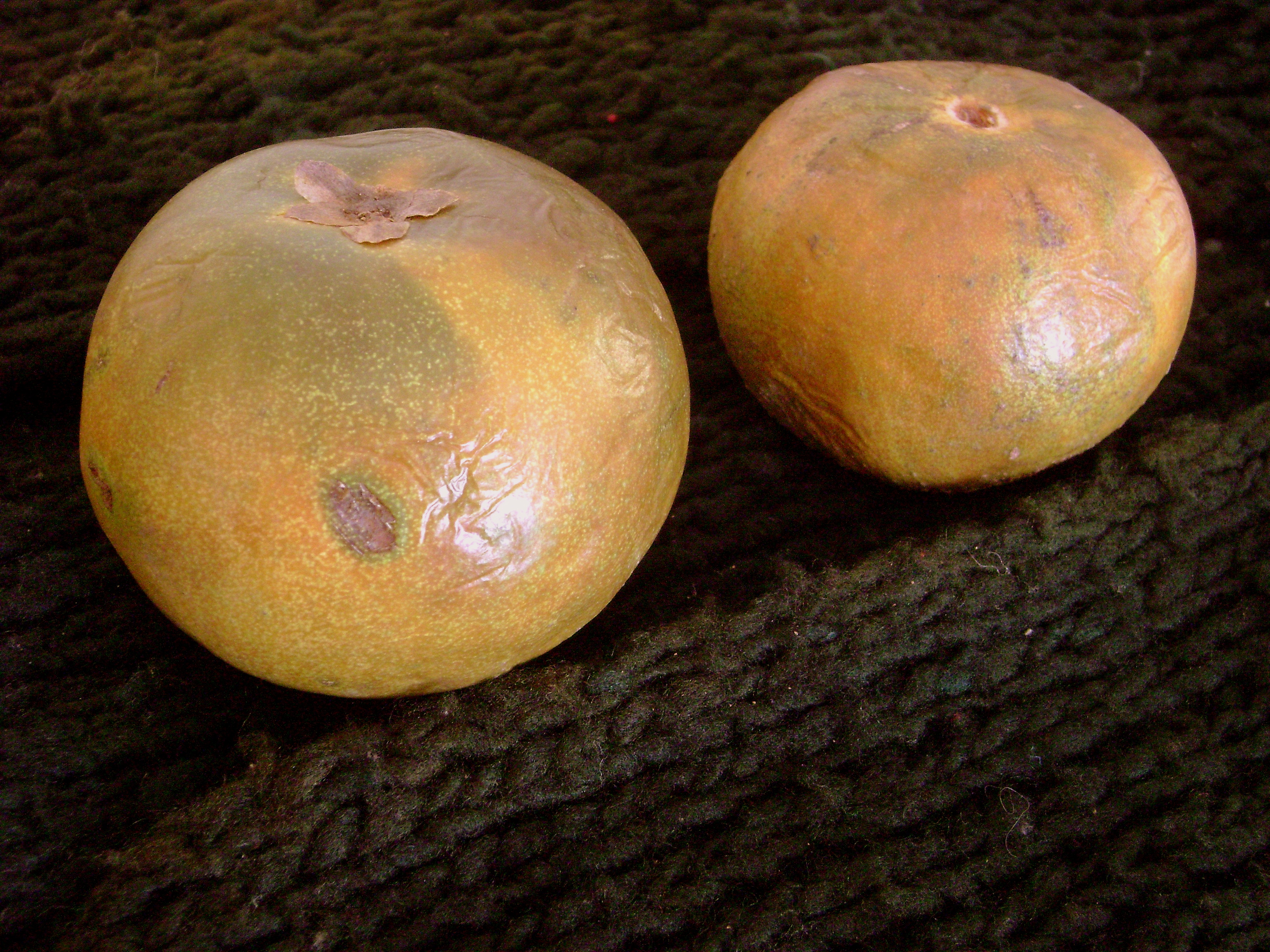
Lucuma (Pouteria lucuma) is a subtropical fruit native to the Andean highlands of Peru, Chile, and Ecuador. The fruit is roughly the size of an avocado with bright yellow-orange dry flesh and a single large seed. Almost all commercial supply is from the same three countries.
What does lucuma taste like?
Lucuma's flavor is unusual and distinctive — most often described as maple-caramel, butterscotch-sweet potato, or pumpkin-vanilla. The texture is dense, mealy, and notably dry compared to most tropical fruits. This makes it well suited to powder and dessert applications, less suited to fresh-style snacking.
Why is freeze-dried lucuma usually sold as powder?
Lucuma's natural dryness, dense flesh, and distinctive flavor profile match ingredient and powder use much more than snack-piece use. Most freeze-dried lucuma ships as powder into smoothie blends, premium ice cream bases, plant-based desserts, and supplement formulations.
Is freeze-dried lucuma a superfood?
Lucuma is widely marketed in the natural-products category as a superfood for its beta-carotene, niacin, iron, and natural sweetness without added sugar. The exact health claims allowed vary by market and regulator — verify against your local labeling rules before using superfood positioning.
Why does lucuma cost more than common freeze-dried fruits?
Three reasons: concentrated origin geography (Peru / Chile / Ecuador), small tree populations relative to industrial-scale fruits like banana or strawberry, and growing global demand for premium and natural-sweetener ingredients. Expect freeze-dried lucuma powder to price at 3–5x freeze-dried banana powder.
What should buyers ask suppliers about freeze-dried lucuma?
Confirm the variety (commonly 'Seda' or 'Beltrán'), the origin and harvest year, whether the powder is pure lucuma or carrier-blended, target moisture and water activity, particle size distribution, and certifications (organic certification is common and often expected at the premium tier).
Can freeze-dried lucuma be sold as a snack piece?
Technically yes — lucuma can be freeze-dried as dice or slice — but the market is small. The fruit's mealy texture and distinctive flavor don't translate well to mass snacking the way mango or pineapple do. Most successful lucuma SKUs lean into ingredient or premium-powder positioning.
Primary sources & further reading
- Pouteria lucuma — Crops & Tropics database Feedipedia (CIRAD / INRAE / AFZ / FAO) Botanical, agronomic, and compositional reference data for lucuma.
- Peru Agricultural Exports — Lucuma Ministerio de Desarrollo Agrario y Riego (Peru) Official Peruvian agricultural export data — Peru is the dominant global supplier of commercial lucuma.
- Andean Crops Research USDA Agricultural Research Service U.S. government research on Andean and underutilized fruit crops, including lucuma.
External links open in a new tab. We do not receive compensation from any organization listed; sources are referenced because they are primary, current, and publicly verifiable.