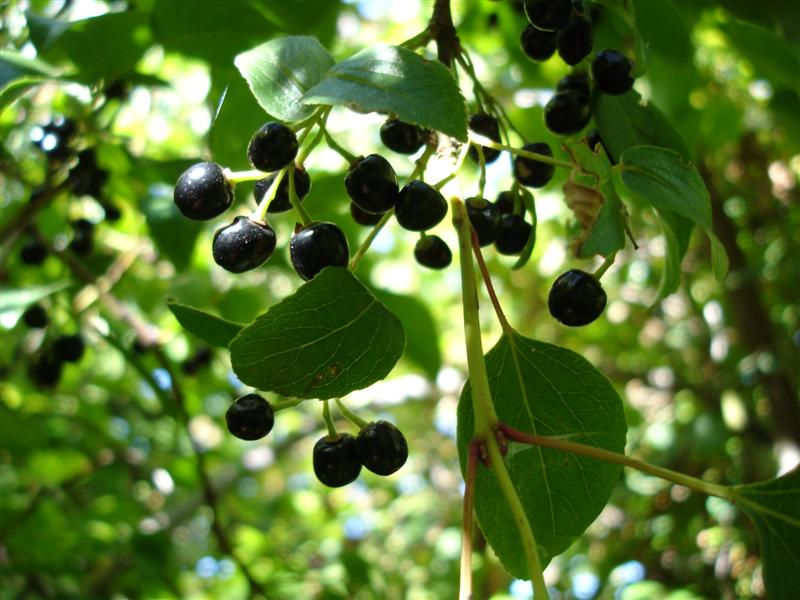
- Maqui (Aristotelia chilensis) is a small wild-harvested Patagonian berry with one of the highest anthocyanin densities in any commercial fruit.
- Most commercial maqui is freeze-dried as powder for supplement, antioxidant-positioning, and natural-color ingredient use.
- The supply chain is small and geographically narrow — primarily wild harvest from Chilean Patagonia.
- Buyers should verify whether the powder is pure maqui or a carrier-blended ingredient, and confirm origin documentation.
Maqui is one of the most pigment-dense fruits in the freeze-dried category — tiny, dark-purple, and almost entirely sourced from a single region at the southern end of South America. For buyers building antioxidant-positioned or natural-color ingredient formulations, maqui is a strategic ingredient with a narrow supply chain.
Quick reference: maqui in freeze-drying
| Attribute | Notes |
|---|---|
| Origin | Chilean Patagonia (dominant), Argentina |
| Harvest type | Wild harvest, some semi-cultivation |
| Berry size | Tiny — 4–6mm |
| Brix | 12–18° |
| Aroma | Mild, slightly tart |
| Color stability | Very strong (extreme anthocyanin density) |
| Breakage risk | Medium |
| Typical freeze-dried format | Powder (dominant), whole berry |
| Cost tier | Premium |
What makes maqui distinctive
Maqui's commercial profile is built on a single dominant feature: anthocyanin density. The berries contain some of the highest concentrations of anthocyanin pigments measured in any commercial fruit, typically several times more than blueberry by weight. That density is the reason maqui exists as a global ingredient at all — without it, the fruit would be just another small dark berry.
The freeze-dried form preserves the pigment exceptionally well because the low-temperature sublimation process avoids the heat that degrades anthocyanins in conventional drying.
The wild-harvest supply story
Almost all commercial maqui is wild-harvested from native trees in the temperate rainforests of southern Chile, particularly in the Araucanía and Los Lagos regions. The Mapuche people have used maqui for food and medicine for centuries; commercial export only began at meaningful scale in the last two decades.
Wild-harvest sourcing creates important commercial dynamics:
- Yields vary year to year based on weather, forest health, and access conditions
- Community sourcing partnerships are increasingly common, with some buyers requiring fair-trade or community-benefit documentation
- Semi-cultivation is emerging — a few operations are attempting orchard-style maqui growing, which may stabilize supply over the next decade
- Origin verification is expected at the premium tier; buyers should be able to confirm the harvest region and partnership structure
Why maqui is freeze-dried as powder
The dominant commercial format for freeze-dried maqui is powder. Three reasons:
- The berries are tiny. At 4–6mm, individual whole maqui berries don't read as a distinct snack piece the way blueberry does.
- The value is functional, not flavor. Maqui's commercial value is in its pigment and antioxidant content, not its taste — both of which translate directly into powder form.
- Powder works in the dominant use cases. Supplement formulation, smoothie packs, natural color blends, and beverage ingredient applications all consume powder, not pieces.
Some specialty brands do sell whole freeze-dried maqui for premium gourmet positioning, but this is a small fraction of total volume.
Quality signals on the spec sheet
When evaluating freeze-dried maqui, look for:
- Origin documentation. Specifically the region in Chilean Patagonia and the harvest cooperative or community partner.
- Anthocyanin content. Premium maqui lots are increasingly sold with measured anthocyanin or ORAC values on the spec sheet.
- Pure powder vs. carrier-blended. Some commodity-tier maqui powders include significant carrier (maltodextrin, rice flour) to manage cost; pure maqui powder is preferred for premium positioning.
- Microbiological standards. Wild-harvested material requires extra microbiological control; the spec should specify yeast/mold and coliform limits.
- Particle size. Fine powders (under 200 microns) blend best in liquid applications.
Maqui vs. other antioxidant-positioned ingredients
Buyers often compare freeze-dried maqui against other antioxidant ingredients:
- Versus blueberry powder: Several times higher anthocyanin density by weight, but several times higher cost per kilogram. Maqui wins on positioning; blueberry wins on price-per-use.
- Versus açaí powder: Comparable antioxidant positioning. Açaí has more developed mainstream brand recognition; maqui has stronger functional density per gram.
- Versus elderberry powder: Different flavor profile (elderberry is more recognizable in flavor); maqui is more concentrated in color and antioxidant capacity.
Buyer red flags
Be cautious when:
- The "maqui powder" label hides a high carrier ratio without disclosure
- The price is dramatically below typical premium-tier rates — wild-harvest economics put a floor under real maqui pricing
- The supplier cannot confirm the harvest region or community partnership
- Health and antioxidant claims are made without supporting analytical documentation
- The supplier conflates maqui with açaí or other dark berries on the spec sheet
How maqui compares
A quick reference for how maqui sits alongside the freeze-drying personalities of its closest siblings.
| Fruit | Brix | Fiber | Aroma | Color stability | Breakage risk | Typical format |
|---|---|---|---|---|---|---|
| Maquithis report | 12–18° | Medium | Mild | Very strong | Medium | Whole · powder |
| Lucuma | 20–25° | High | Distinctive (maple-caramel) | Strong | Low | Powder · dice · slice |
| Aguaymanto (Goldenberry) | 13–18° | Medium | Strong (citrus-tropical) | Strong | Low | Whole · halves |
Values are typical industry ranges. Variety, origin, harvest window, and process all shift them.
Bottom line
Freeze-dried maqui is a high-value ingredient with a small, geographically concentrated supply chain. The right buyer for maqui is one building antioxidant-positioned formulations, natural-color blends, or supplement products where the fruit's exceptional anthocyanin density justifies the premium price. For general snack-fruit applications, maqui is rarely the right answer; for specialized functional ingredient work, it can be a defining choice.
Frequently Asked Questions
What is maqui?
Maqui (Aristotelia chilensis) is a small dark-purple berry from a wild evergreen tree native to the temperate rainforests of southern Chile and parts of Argentina. The Mapuche people have used maqui as food and medicine for centuries; commercial export only began at meaningful scale in the last 20 years.
Why is maqui marketed as a superfruit?
Maqui has one of the highest measured anthocyanin and ORAC (antioxidant capacity) values of any commercial fruit — typically several times that of blueberry. This makes it a popular ingredient in supplement and antioxidant-positioned products. Specific health claims are regulated and vary by market; verify against your jurisdiction's labeling rules.
Where is maqui grown?
Almost all commercial maqui is wild-harvested or semi-cultivated in the temperate rainforests of southern Chile, particularly in the Araucanía and Los Lagos regions of Patagonia. Argentina has small additional production. There is no industrial-scale maqui cultivation outside this region.
Why is freeze-dried maqui mostly sold as powder?
The berries are tiny — typically 4–6mm — and their value is concentrated in pigment and antioxidant content rather than visible piece identity. Freeze-dried whole maqui exists, but the dominant commercial format is powder for supplement formulation, smoothie blends, and natural-color applications.
What does freeze-dried maqui taste like?
Mild, mildly tart, slightly astringent. Maqui has a much less intense flavor than its color suggests — most consumers describe it as a quiet berry note rather than a bold flavor. This is why maqui is usually a functional or color ingredient rather than a flavor ingredient.
How is wild-harvested maqui different from cultivated berries?
Wild harvest creates supply variability — harvest yields depend on weather, forest access, and Mapuche community-based gathering practices. This affects pricing and lot-to-lot consistency. Some growing operations are now attempting semi-cultivation, which may stabilize supply over time.
What should buyers ask suppliers about freeze-dried maqui?
Confirm origin (specifically the region in Chilean Patagonia), wild-harvest vs. cultivated status, fair-trade or community-sourcing certifications when applicable, whether the powder is pure maqui or carrier-blended, target anthocyanin content (some lots are sold with measured anthocyanin specifications), and microbiological standards.
Primary sources & further reading
- Aristotelia chilensis — Botanical and Compositional Reference Feedipedia (CIRAD / INRAE / AFZ / FAO) Reference for botanical, agronomic, and compositional data on maqui.
- Anthocyanin and Antioxidant Capacity of Maqui Berry Institute of Food Technologists — Comprehensive Reviews in Food Science Peer-reviewed analysis of anthocyanin chemistry in maqui and related berries.
- Chile Forestry Service — Wild Harvest Standards CONAF (Corporación Nacional Forestal de Chile) Chilean government agency that oversees wild harvest of native species, including maqui in Patagonian forests.
External links open in a new tab. We do not receive compensation from any organization listed; sources are referenced because they are primary, current, and publicly verifiable.