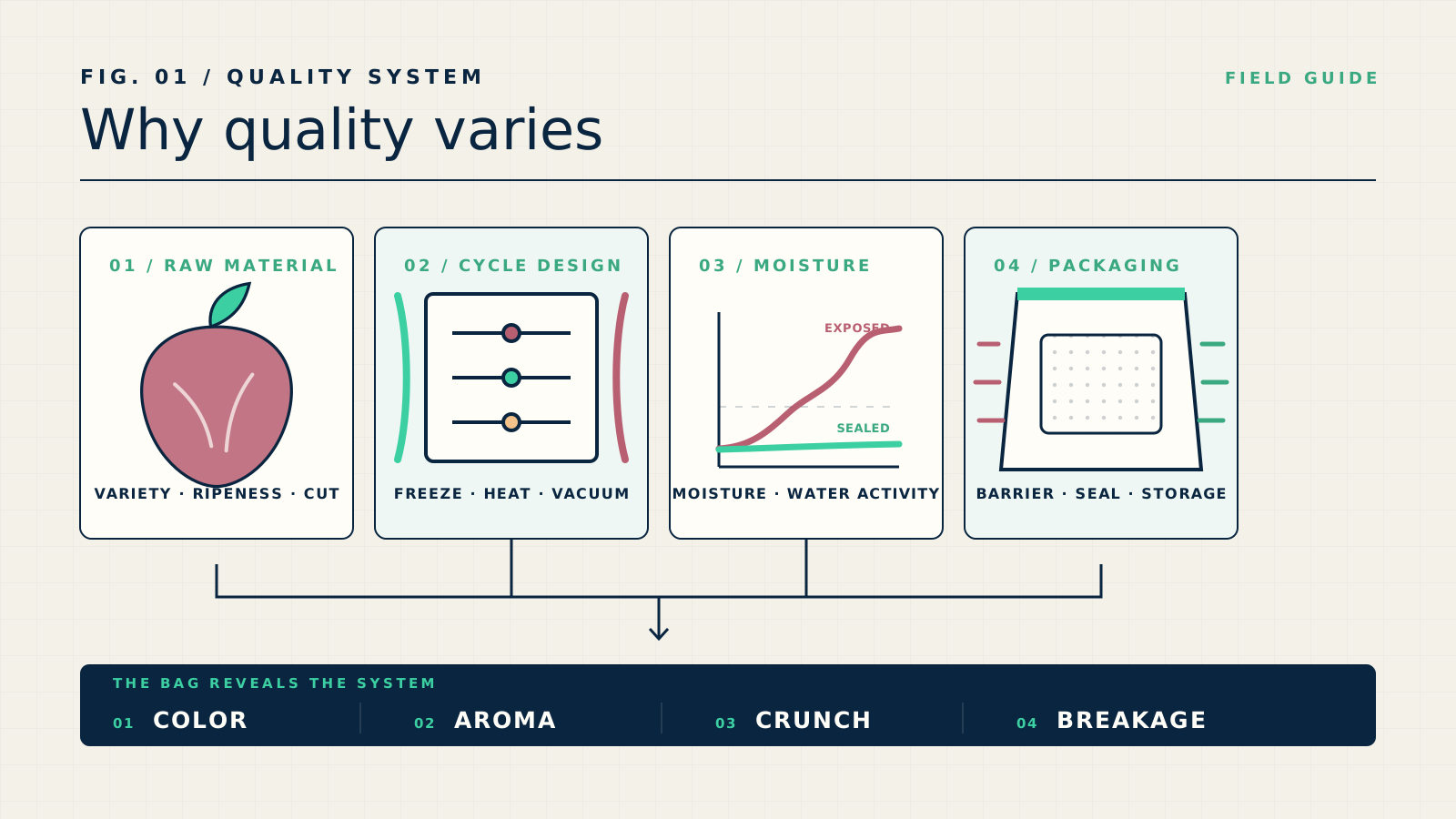
Freeze-dried fruit is highly sensitive to moisture. Once exposed to humid air, the fruit can begin absorbing water and lose its crisp texture. This is why packaging matters so much. Barrier films, seals, desiccants, oxygen absorbers, and pouch size can all affect how long the product stays crunchy.
What "low moisture" actually means
Most premium freeze-dried fruit targets 1–4% residual moisture. At those levels the fruit feels dry, snaps cleanly, and stores well. Even small increases — a few percent — show up as softer, leathery pieces.
The crunch you feel is essentially a moisture spec. Lose the spec, lose the crunch.
Where moisture sneaks in
- A bag seal that wasn't fully closed at the factory
- A pouch with thin barrier film that lets humidity creep in
- Headspace too large, allowing moist air with each open
- Storage in a humid kitchen or warm shelf
- Resealing too slowly after each serving
What buyers can ask suppliers
Ask for the target moisture and water activity, the packaging film spec, the desiccant or oxygen absorber strategy, and shelf-life testing data. The answer tells you whether the supplier treats moisture as a casual concern or a controlled spec.
Frequently Asked Questions
What residual moisture target does premium freeze-dried fruit hit?
Most premium freeze-dried fruit targets 1–4% residual moisture. At those levels the fruit feels dry, snaps cleanly, and stores well. Even small increases — a few percent — show up as softer, leathery pieces.
Why does moisture control affect crunch so much?
The crunch you feel is essentially a moisture spec. Lose the spec, lose the crunch. Freeze-dried fruit is porous, so it picks up humidity from air quickly — and texture shifts within hours when the residual moisture rises.
Where does moisture sneak into freeze-dried fruit packaging?
A bag seal that was not fully closed at the factory; a pouch with thin barrier film that lets humidity creep in; oversized headspace that pulls in moist air with each open; storage in a humid kitchen or warm shelf; and resealing too slowly after each serving.
How important is the pouch versus the desiccant?
The pouch film, seal, and zipper usually matter more. A desiccant is a support tool — it helps inside a well-built system but cannot rescue a thin pouch or a bad seal. Buyers should evaluate the whole package, not just whether a packet is present.
What should I ask a supplier about moisture control?
Ask for the target moisture and water activity range, the packaging film specification, the desiccant or oxygen absorber strategy, and the shelf-life testing data. The answer tells you whether the supplier treats moisture as a casual concern or as a controlled spec.
Why do some bags stay crisp longer than others on the same shelf?
Different bags often have different barrier films, seal quality, zipper performance, headspace, and desiccant strategy. Two freeze-dried strawberry products from different suppliers can sit in the same kitchen and lose crunch on very different timelines.
Primary sources & further reading
- Water Activity (aw) in Foods — Inspection Technical Guide U.S. Food & Drug Administration FDA's primary reference linking residual moisture to shelf stability in finished foods.
- Complete Guide to Home Canning — Drying Foods USDA National Institute of Food & Agriculture USDA reference on moisture endpoints for dried fruit storage stability.
- Moisture Sorption Isotherms of Food Materials Institute of Food Technologists — Journal of Food Science Peer-reviewed reference for how dried products pick up moisture from ambient humidity — the physics behind crunch loss.
External links open in a new tab. We do not receive compensation from any organization listed; sources are referenced because they are primary, current, and publicly verifiable.