- Breakage should be defined in writing, not judged only from one top-of-bag sample.
- Whole-piece snack packs need tighter fragment and powder tolerances than ingredient or topping formats.
- Transit damage, fill weight, and pack geometry can make the same fruit perform very differently.
- A useful breakage spec separates acceptable small pieces from true powder and handling damage.
Every freeze-dried fruit bag sheds some fragments. The real question is whether the breakage level still fits the product you are trying to sell or use.
This is where many buying conversations become too subjective. One person says the product looks premium. Another says the bag is dusty. A better system is to turn breakage into a written spec with clear definitions, inspection points, and use-case logic.
The direct answer
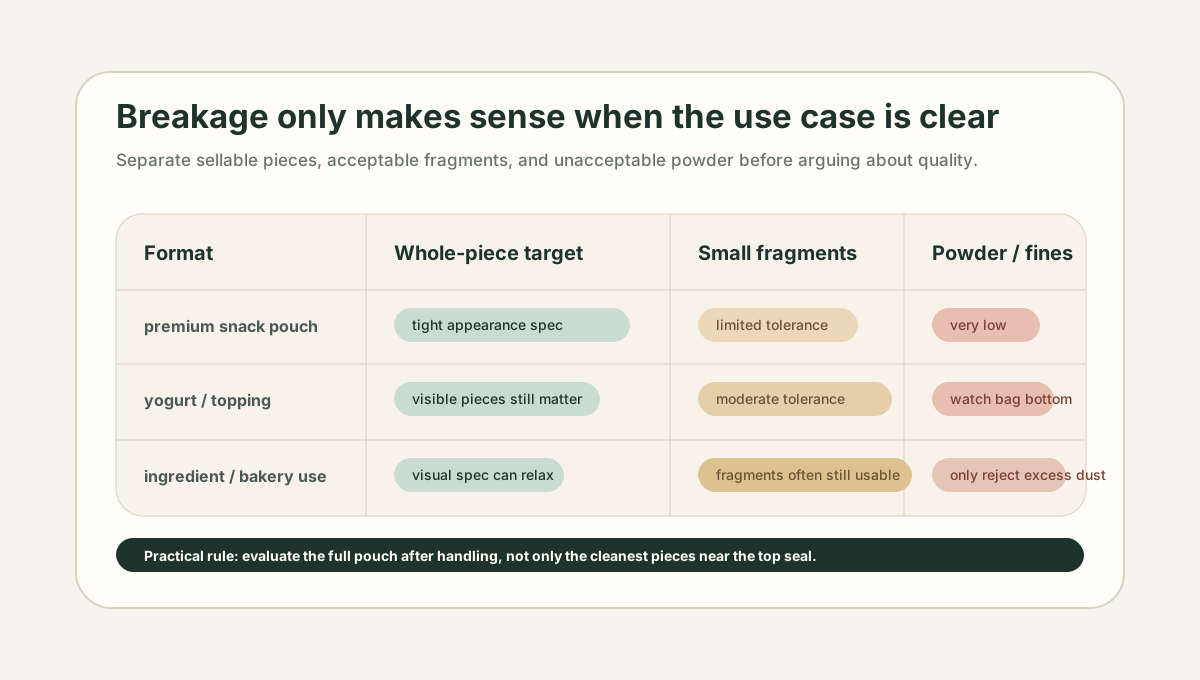
Buyers should set breakage specs by separating the product into at least three categories: usable whole pieces, acceptable small fragments, and unacceptable powder or fines. The right tolerance depends on the format and channel.
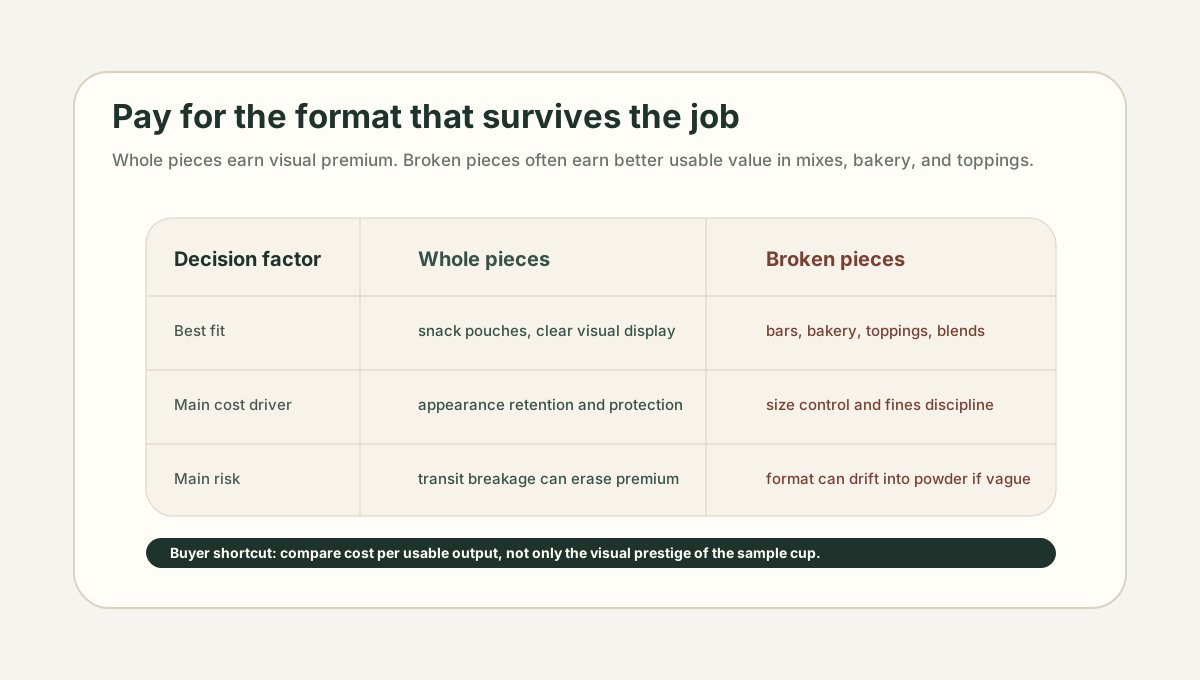
A retail pouch built around large visible fruit pieces should use a tighter breakage standard than a smoothie topper, cereal inclusion, or bakery ingredient.
Why breakage deserves its own spec
Breakage is often treated as a side note under general quality. That is too loose for freeze-dried fruit because the product is inherently brittle and lightweight. Small handling differences can change the consumer impression quickly.
Breakage affects:
- perceived premium quality
- portion appearance
- flavor distribution
- dust at the bottom of the bag
- fill presentation on shelf
- complaint risk after shipping
When the product is sold as a premium snack, consumers often judge the bag before the first bite. A pouch full of powder can undermine the product even if the flavor is strong.
Define the categories first
The easiest mistake is using only one phrase such as "minimal breakage." That is not a usable spec.
Instead, define what counts as:
1. Whole or target pieces
These are the pieces that match the sold format. The exact definition will vary by fruit and cut style.
2. Small but usable fragments
These are below the target visual size but still usable for eating, topping, or inclusion. They should not automatically be treated as waste.
3. Powder or fines
This is the lowest band: dust, crumbs, and tiny fragments that visibly collect at the bottom of the bag or change the experience away from the intended format.
Without those definitions, the supplier and buyer may both say the product met expectations while picturing different outcomes.
Match the spec to the use case
Breakage tolerance should reflect how the fruit will actually be used.
For premium retail snacking
Expect the tightest standard. Large visible pieces are doing the sales work here, so powder and small fragments should be limited.
For yogurt, oatmeal, and topping use
Moderate breakage can be acceptable because some smaller pieces still perform well in the bowl. The tolerance can be looser than a premium snack pouch, but the bag should still avoid a dusty bottom.
For baking, blending, and ingredient use
Smaller pieces may be acceptable or even preferred. In these cases, paying for an extremely tight whole-piece spec may not be rational.
The same fruit can therefore be "good" for one application and off-spec for another.
Sampling matters as much as the number
A breakage percentage on paper is only useful if the sampling method is clear.
Ask:
- Is the sample pulled before shipping or after transit simulation?
- Is the product evaluated from the top only or across the full pouch?
- Are multiple bags reviewed from the same lot?
- Is the product screened by weight or judged visually?
- Are fragments created mostly in production or during freight?
These details matter because the pouch that looks cleanest is often the one that has not yet experienced normal handling.
Transit can defeat a good production result
Some suppliers produce strong-looking fruit and still disappoint after delivery because the pack system does not protect it.
Breakage can increase through:
- low headspace control
- oversized pouches
- poor case packing
- long parcel routes
- repeated repacking
- thin fruit geometry with weak structural strength
That means the breakage spec should not end at the factory door. A serious buyer should care about in-plant quality and delivered quality.
A practical way to write the spec
A strong breakage spec usually includes:
- product format definition
- target size band for sellable pieces
- maximum small-fragment tolerance
- maximum powder or fines tolerance
- sampling method
- whether the rule applies at packing, receipt, or both
- who owns transit-related exceptions
This does not require exaggerated precision. It requires enough structure to prevent vague disputes later.
What to ask suppliers before approval
If breakage is commercially important, ask suppliers:
- What percentage is typically whole pieces versus fragments?
- How do you define powder?
- What does the bottom of the pouch usually look like?
- Does the breakage profile change by fruit type or season?
- Can you send bags after normal shipping, not only fresh line samples?
- What package format protects the fruit best for this channel?
The answers will often reveal whether the supplier has measured the issue or only learned to talk around it.
When a tighter spec is not worth it
Some buyers over-specify breakage and then complain about price. That can be self-inflicted.
Tighter whole-piece standards may require:
- more sorting
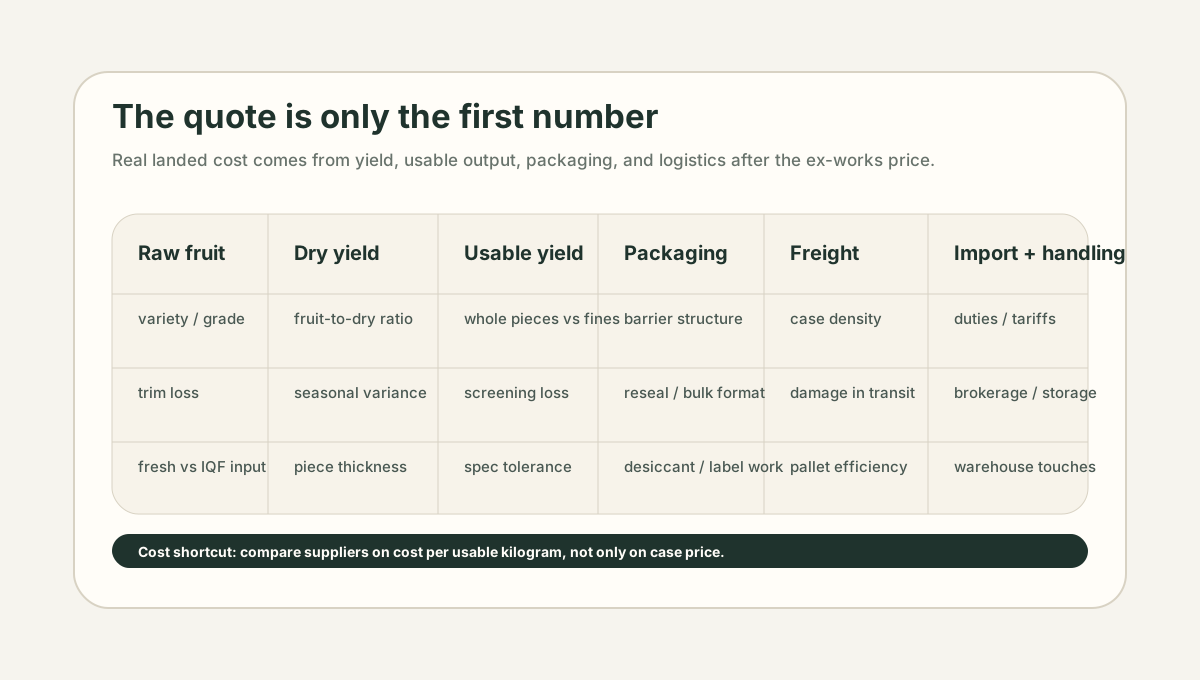
- lower yield
- slower handling
- more protective packaging
- more rejected lots
If the fruit is being mixed into cereal clusters or blended into a topping system, that cost may not generate meaningful value. The spec should protect the use case, not flatter the buyer.
A better approval habit
Review breakage after gently emptying the full pouch onto a tray. Do not decide from the first visible layer alone. The bottom of the bag usually tells the more honest story.
Then connect what you see to the intended use:
- Does the bag still look premium?
- Are the smaller pieces still functional?
- Is the powder level distracting?
- Would a customer perceive the format as damaged or normal?
Those are the right questions. "Does this look perfect?" is not.
Bottom line
Breakage specs for freeze-dried fruit should be written around the actual use case. Define whole pieces, usable fragments, and powder separately. Check the product after real handling, not only at the factory.
The best breakage standard is not the strictest one. It is the one that matches the format being sold and avoids predictable disputes later.
Frequently Asked Questions
How should buyers define breakage in freeze-dried fruit?
Separate the product into at least three categories: usable whole pieces that match the sold format, acceptable small fragments below target size but still usable, and unacceptable powder or fines. Without those definitions, supplier and buyer can both say the spec was met while picturing different outcomes.
What's the difference between fragments and powder?
Fragments are below target visual size but still usable for eating, topping, or inclusion — they should not automatically be treated as waste. Powder and fines are the lowest band: dust and tiny crumbs that visibly collect at the bottom of the bag and change the experience away from the intended format.
Does breakage tolerance change by use case?
Yes. A premium retail snack pouch built around large visible pieces needs the tightest standard. Yogurt and oatmeal topping use can accept moderate breakage. Baking, blending, and ingredient use may accept or even prefer smaller pieces — paying for an extreme whole-piece spec there may not be rational.
Should breakage be measured before shipping or after?
Both matter. A breakage percentage on paper is only useful if the sampling method is clear: is the sample pulled before shipping or after transit simulation, top of the pouch only or across the full pouch, one bag or multiple lots? The pouch that looks cleanest is often the one that has not yet experienced normal handling.
Why does the bottom of the bag often look different from the top?
Powder, fines, and small fragments settle during transport. A good-looking top layer can hide a weak bottom half. Review breakage after gently emptying the full pouch onto a tray — do not decide from the first visible layer alone.
When is a tighter breakage spec not worth the cost?
Tighter whole-piece standards usually require more sorting, lower yield, slower handling, more protective packaging, and more rejected lots. If the fruit will be blended into cereal clusters or processed into a topping system, that extra cost may not generate meaningful end-product value. The spec should protect the use case, not flatter the buyer.
What should buyers ask suppliers about breakage?
Ask what percentage is typically whole pieces versus fragments, how powder is defined, what the bottom of the pouch usually looks like, whether breakage changes by fruit type or season, whether they can send bags after normal shipping rather than fresh line samples, and what package format protects the fruit best for the channel.
Primary sources & further reading
- FRUITS, FREEZE DRIED (A-A-20365) U.S. Department of Agriculture Agricultural Marketing Service Uses concrete style and size requirements for freeze-dried fruit and describes composite testing from five randomly selected subsamples when analytical verification is specified.
- Customer Assisted Inspection Program Manual U.S. Department of Agriculture Agricultural Marketing Service Explains the inspection importance of lot identification, documented sampling, and the specific defects, sizes, and tolerances in the applicable specification.
External links open in a new tab. We do not receive compensation from any organization listed; sources are referenced because they are primary, current, and publicly verifiable.