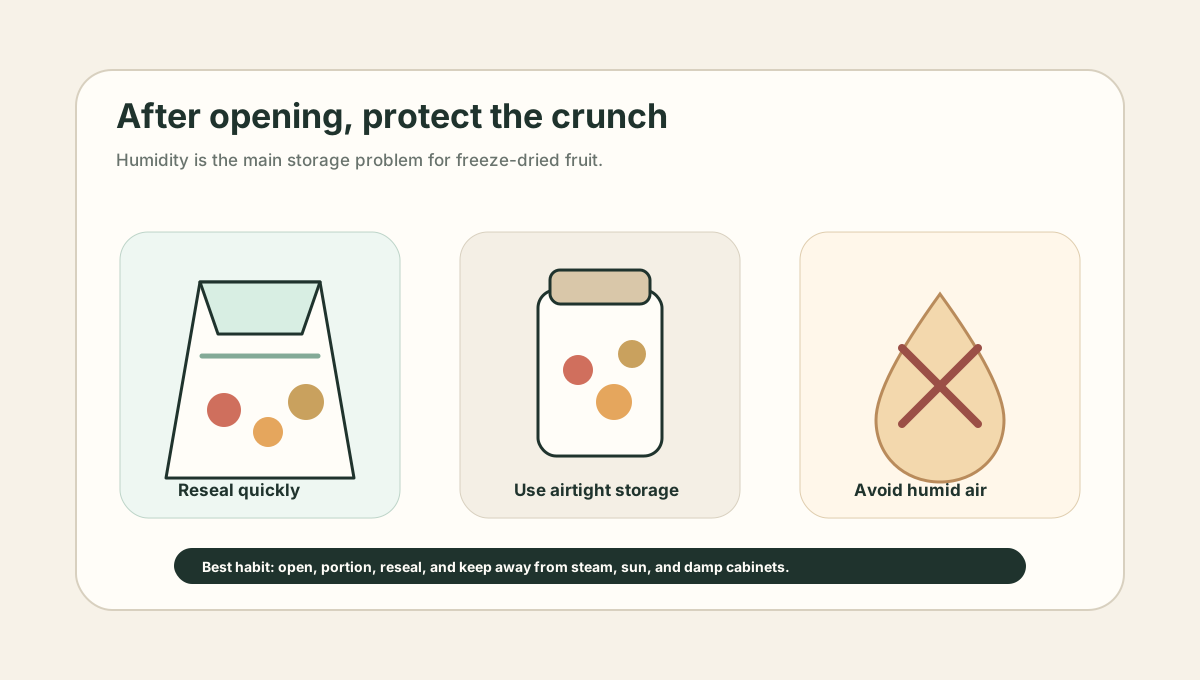
- Humidity is the main reason freeze-dried fruit loses crunch after opening.
- Reseal the pouch quickly or move the fruit to an airtight container.
- Store opened fruit in a cool, dry place away from steam and sunlight.
- Texture changes are often about storage, not necessarily bad fruit.
The first serving of freeze-dried fruit is usually the easiest. The real test is what happens after the pouch has been opened.
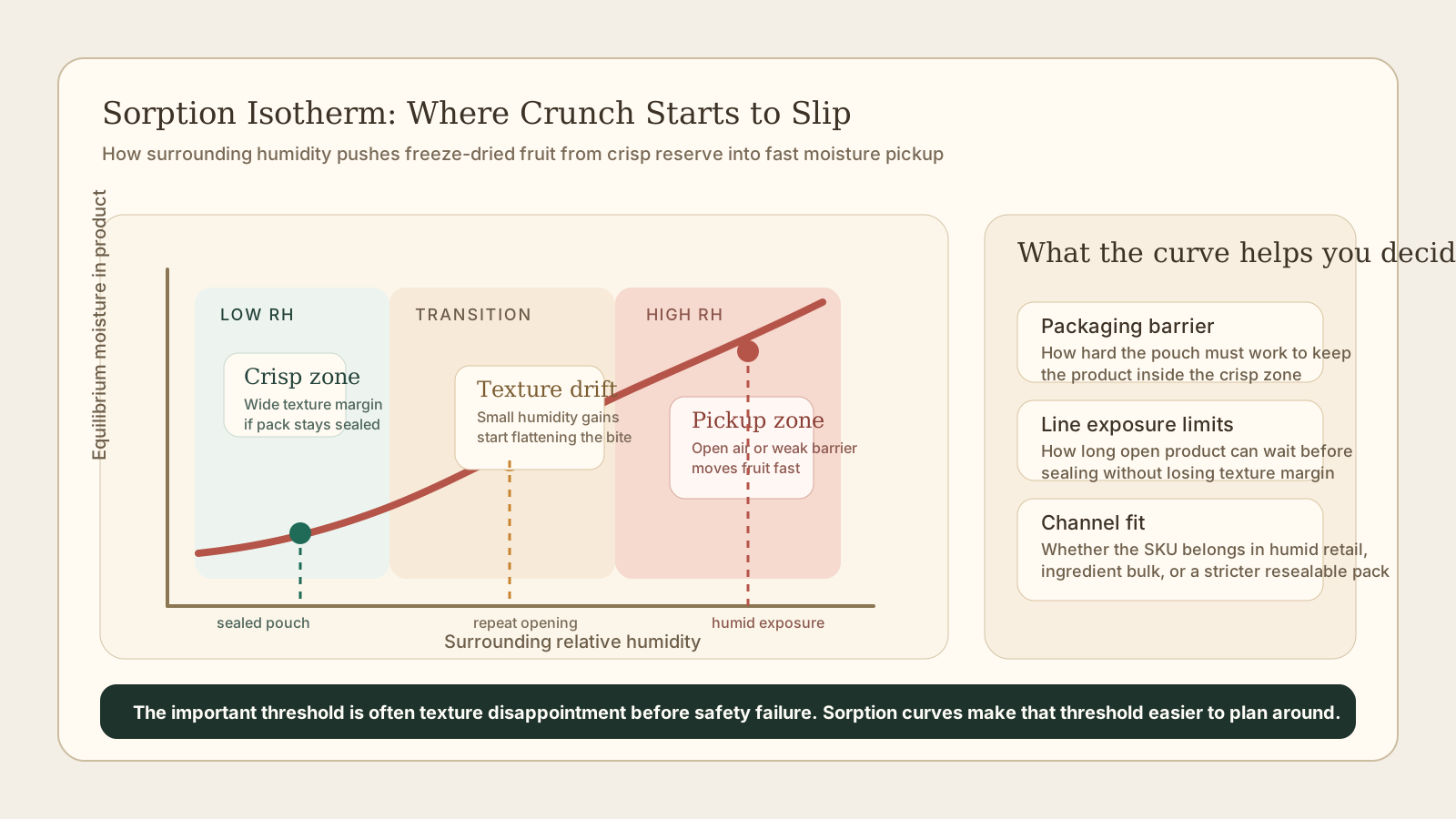
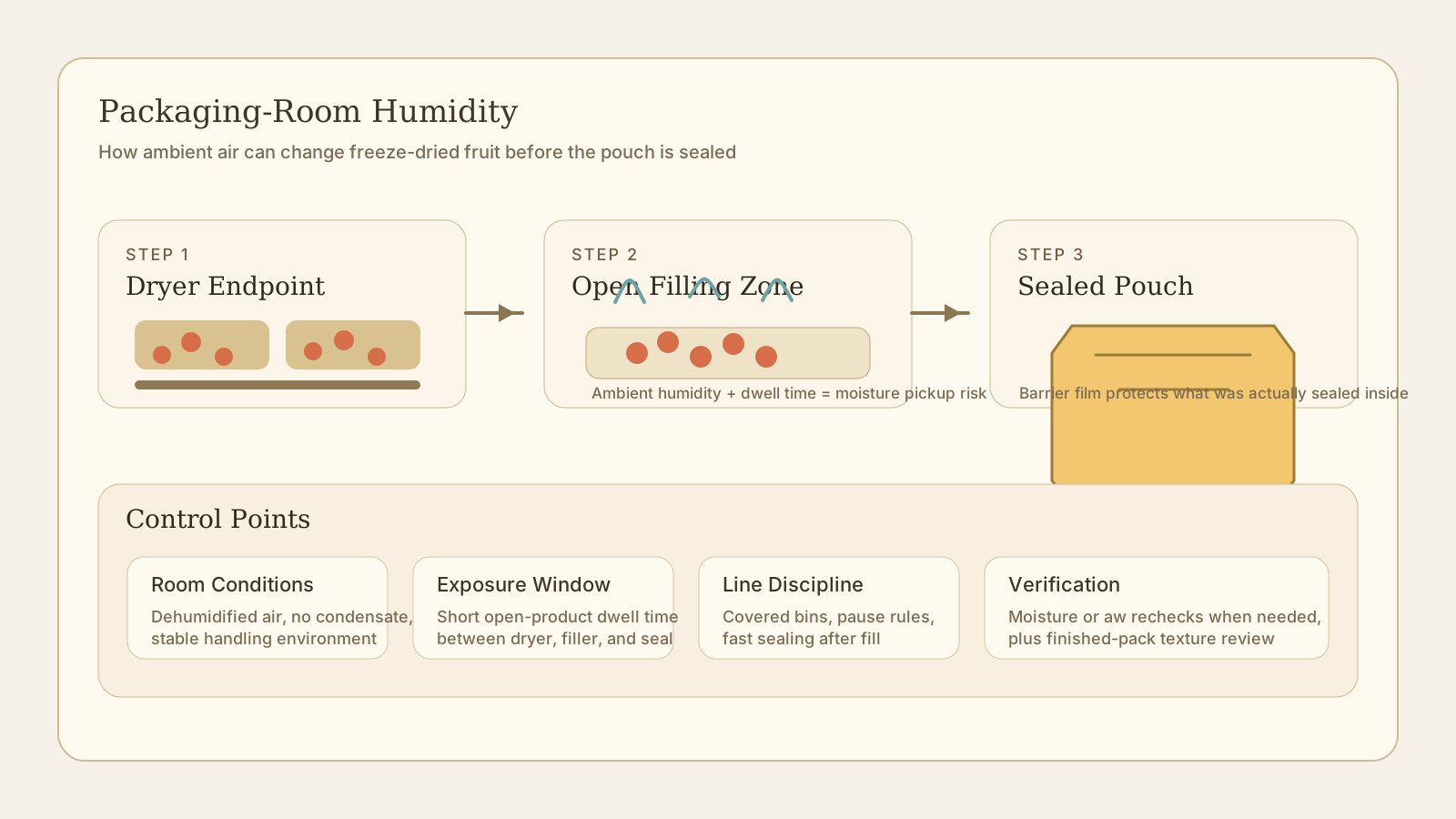
Freeze-dried fruit is crisp because most of its water has been removed. That same structure also makes it sensitive to humidity. Once the pouch is open, the fruit can begin pulling moisture from the surrounding air, especially in kitchens, humid climates, or near steam.
The direct answer
After opening, store freeze-dried fruit in a tightly sealed pouch or airtight container in a cool, dry place. Keep it away from steam, sunlight, damp cabinets, and repeated open-air exposure. If the product came with a desiccant packet, keep it in the package unless the label says otherwise.
The goal is not complicated: reduce humidity contact and keep the pieces crisp.
Why freeze-dried fruit softens after opening
Freeze-dried fruit has a porous structure. That is part of why it feels light and crunchy. But those tiny spaces can also pick up moisture from air.
When moisture enters the fruit, the texture changes. Pieces may become:
- softer
- sticky
- chewy
- clumpy
- less aromatic
- more fragile at the surface
This does not always mean the fruit was low quality. Sometimes it means the opened package spent too much time exposed to humid air.
Best storage method for everyday use
For most households, the best method is simple:
- Open the pouch only when ready to eat.
- Pour out the amount you need.
- Press out extra air gently.
- Reseal the zipper fully.
- Put the pouch back in a dry cabinet.
If the pouch does not reseal well, transfer the fruit to a clean airtight jar or food container.
Where not to store it
Avoid keeping opened freeze-dried fruit:
- next to a kettle
- above a stove
- near a dishwasher vent
- in a warm sunny window
- in a refrigerator without airtight protection
- in a loose bowl on the counter
Refrigerators can be tricky. They feel dry in some cases, but condensation and repeated temperature changes can create moisture problems. Unless the product label recommends refrigeration, a sealed container in a cool, dry pantry is usually more practical.
Should you keep the desiccant packet?
If the package includes a small desiccant packet, it is usually there to help manage moisture inside the pouch. Keep it in the package after opening, as long as it stays intact and away from children or pets.
Do not eat it. Do not cut it open. Do not assume it can rescue fruit that has already been exposed to humid air for a long time.
A desiccant is helpful support, not a magic reset button.
What to do if the fruit loses crunch
If freeze-dried fruit becomes soft, first check how it was stored. Was the pouch fully sealed? Was it left open during breakfast? Was it stored near steam?
Some people try to crisp pieces again with low heat, but results vary and can change flavor, color, or texture. For most consumers, prevention is more reliable than rescue.
The better habit is to divide large bags into smaller airtight containers. That way, the whole supply is not exposed every time someone wants a handful.
Storage tips by use case
For yogurt bowls, open the pouch at the last moment so the fruit stays crisp on top.
For lunchboxes, pack freeze-dried fruit in a small sealed container instead of placing it directly next to wet foods.
For dessert boards, add the fruit close to serving time. It will hold texture better than if it sits out in humid air for an hour.
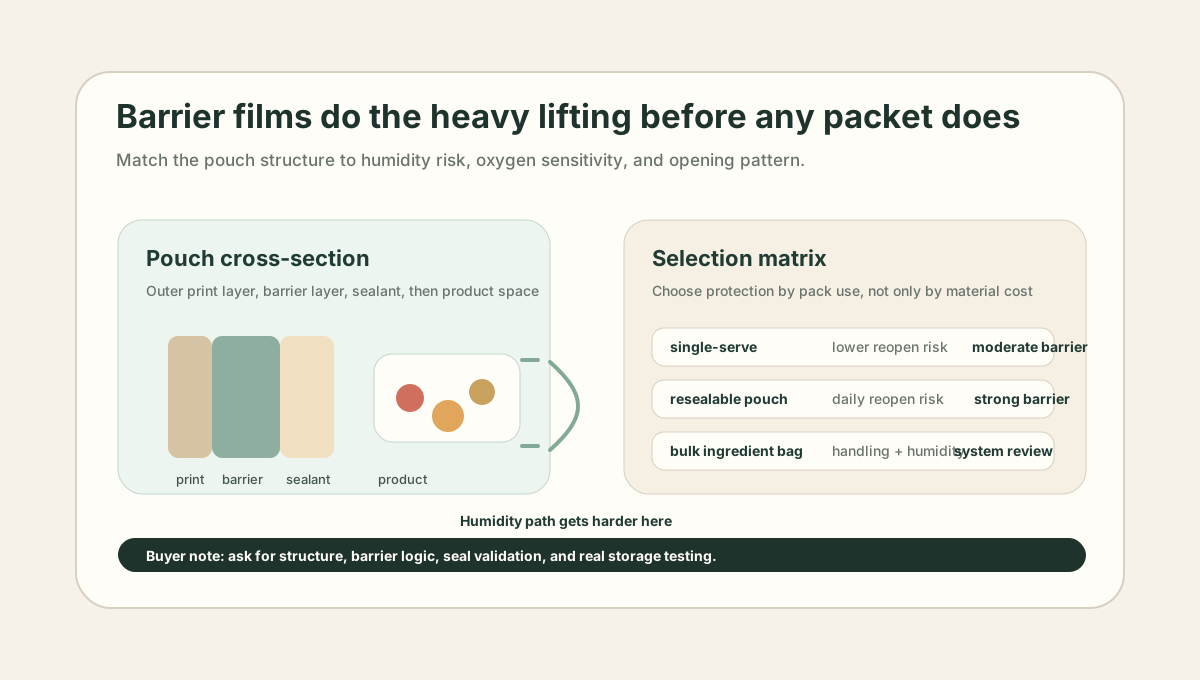
For bulk bags, consider keeping most of the fruit sealed and refilling a smaller everyday container.
Bottom line
Freeze-dried fruit stores best after opening when it is protected from humidity. Reseal it quickly, use airtight containers when needed, and keep it away from steam and warm storage.
If you want the fruit to stay light and crunchy, treat air exposure like an ingredient. The less humid air gets in, the better the texture stays.
Frequently Asked Questions
How should I store freeze-dried fruit after opening?
Store it in a tightly sealed pouch or airtight container in a cool, dry place, away from steam, sunlight, damp cabinets, and repeated open-air exposure. If the package came with a desiccant packet, keep it inside unless the label says otherwise.
Why does freeze-dried fruit go soft after opening?
Freeze-dried fruit has a porous structure that picks up moisture from air. Once the pouch is open, ambient humidity slowly enters the pieces, making them softer, sticky, chewy, clumpy, or less aromatic. Soft pieces are usually a storage symptom, not necessarily low-quality fruit.
Can I store opened freeze-dried fruit in the refrigerator?
Refrigerators can be tricky. They feel dry in some cases, but condensation and repeated temperature changes can create moisture problems. Unless the product label recommends refrigeration, a sealed container in a cool, dry pantry is usually more practical.
Should I keep the desiccant packet that came in the bag?
Yes — it is there to help manage moisture inside the pouch. Keep it in the package after opening, as long as it stays intact and away from children or pets. Do not eat it, cut it open, or expect it to rescue fruit that has already been exposed to humid air for a long time.
Can I make soft freeze-dried fruit crispy again?
Some people try low-heat re-crisping, but results vary and the process can change flavor, color, or texture. Prevention is more reliable than rescue. Dividing large bags into smaller airtight containers keeps the whole supply from being exposed every time you reach for a handful.
Where in the kitchen is worst for opened freeze-dried fruit?
Avoid storing it next to a kettle, above a stove, near a dishwasher vent, in a warm sunny window, in a loose bowl on the counter, or in a refrigerator without airtight protection. Steam, heat, and repeated air exposure all shorten crunch life.
Should I keep the original pouch or transfer the fruit to a jar?
If the pouch reseals well, press the air out gently and reseal the zipper fully. If the zipper is weak or already loose, transfer the fruit to a clean airtight jar or food container. For lunchboxes, use a small sealed container away from wet foods.
Primary sources & further reading
- Packaging and Storing Dried Foods University of Georgia — National Center for Home Food Preservation Extension guidance for packaging dried foods in clean, dry, tight-fitting containers and limiting repeated exposure to air and moisture.
- The Freeze-Drying of Foods—The Characteristic of the Process Course and the Effect of Its Parameters on the Physical Properties of Food Materials Foods Peer-reviewed review of freeze-dried food structure, texture, and water activity considerations.
External links open in a new tab. We do not receive compensation from any organization listed; sources are referenced because they are primary, current, and publicly verifiable.