- Strawberry, blueberry, mango, and raspberry each bring a different balance of color, crunch, and sweetness to yogurt bowls.
- Thin pieces soften faster than dense pieces, so topping timing changes the eating experience.
- Powder and crumbs can be useful when you want flavor coverage rather than visible whole pieces.
- The best yogurt-bowl fruit is the one matched to how quickly you plan to eat and what texture contrast you want.
Not every freeze-dried fruit behaves the same way once it lands on a spoonful of yogurt. Some pieces stay crisp long enough to create real contrast. Others soften almost immediately and turn into a jammy topping effect.
That does not make one fruit better than another. It means the best freeze-dried fruit for yogurt bowls depends on what you want the bowl to do.
The direct answer
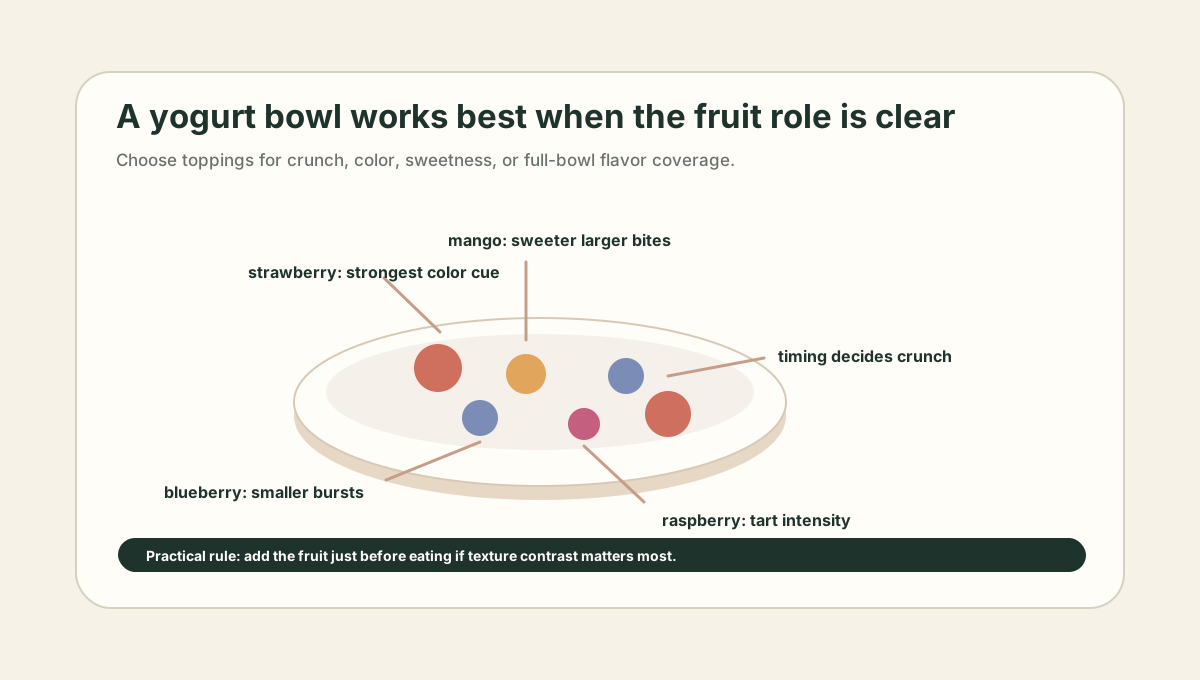
For most yogurt bowls, freeze-dried strawberries and blueberries are the easiest all-around choices because they bring recognizable fruit flavor, bright color, and strong visual appeal. Mango is often the best choice when you want sweeter, larger pieces. Raspberry works best when you want intensity, tartness, and a more dramatic color effect.
The real decision comes down to three variables:
- how much crunch you want
- how quickly you plan to eat
- whether you want visible pieces or more complete fruit coverage
What makes a freeze-dried fruit good on yogurt
Yogurt bowls create a different environment than snacking from a pouch. The fruit is suddenly exposed to moisture at the surface. That means the topping has to do two jobs at once:
- add flavor and color
- manage the texture change gracefully
The best options usually have a clean fruit identity, a manageable piece size, and a texture that either stays crisp briefly or softens in a pleasant way rather than becoming leathery.
Strawberry: the safest default
Freeze-dried strawberry is popular for a reason. It is familiar, bright, and visually easy to read in a bowl. Slices and pieces scatter well, and the flavor usually shows up quickly.
Best for:
- strong color contrast
- recognizable berry flavor
- bowls that need visible fruit without much effort
Watch for:
- fragile slices that crush into powder
- products with too much bottom-of-bag dust if you want whole-piece presentation
If you like the fruit to soften slightly into the yogurt after a minute or two, strawberry is usually a good fit.
Blueberry: better when you want smaller bursts
Freeze-dried blueberry behaves differently because the pieces are more compact. Whole berries or halves can hold shape a bit better than thin strawberry slices, while still adding clear fruit flavor.
Best for:
- tidy spoonfuls
- smaller, more even topping distribution
- bowls where you want visible fruit without covering the surface entirely
Blueberry can feel more subtle visually than strawberry, but it often performs well when the bowl already contains granola, seeds, or nut butter and does not need oversized fruit pieces competing for attention.
Mango: the sweeter, softer contrast
Freeze-dried mango works well when you want a sweeter bowl with a more tropical profile. It usually brings larger pieces and a softer flavor shape than tart berries.
Best for:
- vanilla or coconut yogurt
- bowls built around sweetness rather than acidity
- larger topping pieces with a more snack-like bite
Mango is especially good for people who find freeze-dried berry toppings too sharp or seedy. The trade-off is that mango can be less visually dramatic unless the color is strong and the pieces are cut well.
Raspberry: intense, tart, and visually loud
Freeze-dried raspberry is often the most dramatic topping in a bowl. The flavor is concentrated, the color is vivid, and the pieces can spread flavor quickly as they soften.
Best for:
- tart yogurt bowls
- dessert-style bowls
- situations where a little fruit needs to go a long way
Because raspberries are fragile, they often create more crumble and dust than denser fruits. That can actually be useful if you want a strong fruit effect across the full bowl rather than neat individual pieces.
Pieces versus powder
A useful shortcut is to choose the format before the fruit.
Choose pieces if you want:
- visible fruit identity
- a short-lived crunch contrast
- a more premium-looking bowl
Choose powder or fine crumble if you want:
- fruit flavor across every bite
- a color swirl effect
- less concern about pieces softening unevenly
The same fruit can behave very differently depending on whether it is sold as slices, whole pieces, crumbles, or powder.
Timing matters more than people expect
If you build a yogurt bowl and leave it sitting, the fruit will start absorbing moisture. That is not a defect. It is the natural result of dry fruit meeting a wet base.
If you want the strongest crunch:
- add the fruit just before eating
- keep larger pieces intact
- avoid overmixing
If you want a softer fruit-on-yogurt effect:
- crush some pieces lightly
- let the bowl sit briefly before eating
This is one reason there is no single "best" freeze-dried fruit for every bowl.
The best matches by bowl style
Here is a practical way to choose:
- For a classic berry bowl: strawberry
- For smaller, cleaner topping distribution: blueberry
- For sweeter tropical bowls: mango
- For punchy tart flavor and color: raspberry
If the bowl already has many textures, smaller fruits often work better. If the bowl is simple and minimal, larger mango or strawberry pieces can do more visual work.
What to check when buying
Not all bags perform equally well on yogurt. Look for:
- clean fruit-only ingredient lists if you want a straightforward topping
- low breakage if visible pieces matter
- strong color and aroma when you open the pouch
- a format that matches how you build bowls
A bag full of powder can be disappointing if you expected premium pieces. The same bag can be useful if your goal is flavor coverage.
Bottom line
The best freeze-dried fruit for yogurt bowls depends on the role you want the fruit to play. Strawberry and blueberry are the easiest all-around choices. Mango is strong for sweeter bowls. Raspberry is best when you want intensity and color.
The practical rule is simple: match the fruit and format to the texture contrast you want at the moment you plan to eat.
Frequently Asked Questions
What's the best freeze-dried fruit for yogurt bowls?
Freeze-dried strawberries and blueberries are the easiest all-around choices because they bring recognizable flavor, bright color, and strong visual appeal. Mango is often best when you want sweeter, larger pieces. Raspberry works best when you want intensity, tartness, and a more dramatic color effect.
When should I add freeze-dried fruit to my yogurt bowl?
Add the fruit just before eating if you want the strongest crunch. Once freeze-dried fruit lands on yogurt, it begins absorbing moisture from the surface. Letting the bowl sit briefly produces a softer fruit-on-yogurt effect; eating immediately preserves the crisp contrast.
Why does freeze-dried fruit soften on yogurt?
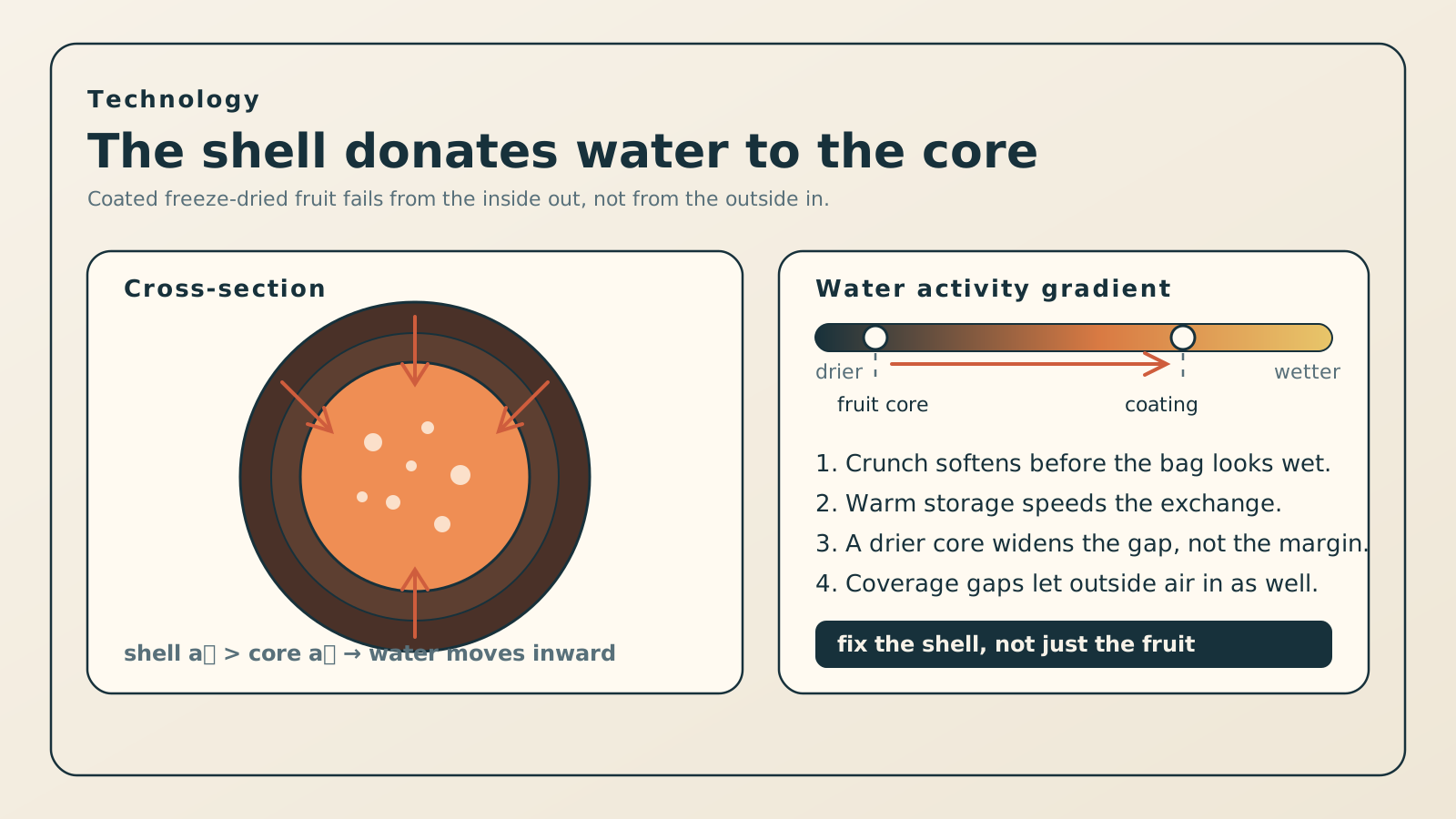
Freeze-dried fruit is dry and porous, and yogurt is wet. When the two meet, water vapor and surface moisture migrate into the fruit. That softening is a natural result, not a defect.
Are whole pieces or powder better for yogurt bowls?
Pieces give visible fruit identity, short-lived crunch contrast, and a more premium-looking bowl. Powder or fine crumble gives fruit flavor across every bite, a color swirl effect, and avoids uneven softening. The same fruit can behave very differently depending on the format.
Which freeze-dried fruit works best for sweeter yogurt bowls?
Mango is the strongest choice for sweeter, tropical bowls — vanilla or coconut yogurt especially. It brings larger pieces and a softer flavor shape than tart berries, which makes it easier for people who find freeze-dried berry toppings too sharp or seedy.
Which freeze-dried fruit is best for dessert-style or tart bowls?
Raspberry is the most dramatic option. The flavor is concentrated, the color is vivid, and the pieces spread flavor quickly as they soften. Raspberries are fragile, so they often create more crumble — which can be useful if you want fruit effect across the whole bowl rather than neat pieces.
What should I look for when buying freeze-dried fruit for yogurt bowls?
Look for a clean fruit-only ingredient list if you want a straightforward topping, low breakage if visible pieces matter, strong color and aroma when you open the pouch, and a format that matches how you build bowls. A bag full of powder can disappoint if you expected whole pieces.