- Moisture content and water activity measure different things.
- A low moisture number does not automatically mean a product is stable or crunchy.
- Water activity is especially useful for comparing quality, packaging risk, and shelf-life claims.
- Serious suppliers should be able to explain their target ranges and testing method.
Freeze-dried fruit quality is often described with one word: dry. In practice, buyers need a more precise vocabulary. A product can feel dry, test low in moisture, and still perform poorly if the remaining water is available enough to soften texture, support quality loss, or react with sensitive ingredients.
That is why two measurements matter: moisture content and water activity. They are related, but they are not the same.
The direct answer
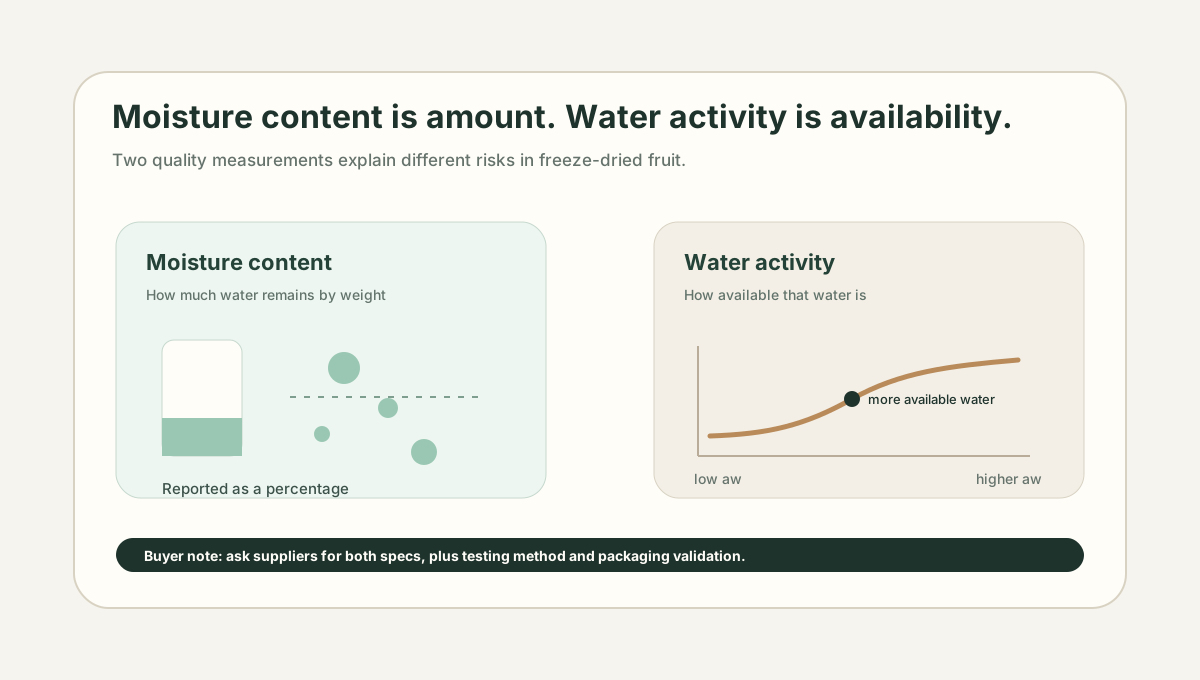
Moisture content measures how much water is in the product. Water activity measures how available that water is. In freeze-dried fruit, moisture content helps describe the drying result, while water activity helps describe how the fruit may behave during storage.
For buyers, the best freeze-dried fruit quality conversations include both numbers.
What moisture content tells you
Moisture content is usually reported as a percentage. If a freeze-dried strawberry sample has 3% moisture, that means roughly 3% of the product weight is water.
This number is useful because freeze-dried fruit should have very little residual water compared with fresh fruit. It helps buyers understand whether the drying process reached an expected endpoint.
Moisture content can also explain texture. A product with too much residual water may feel leathery instead of crisp. Pieces may bend, clump, or lose the clean snap people expect from freeze-dried fruit.
But moisture content has limits. It does not tell you how tightly that water is held inside the food structure.
What water activity tells you
Water activity, often written as aw, measures how available water is inside the product. It is reported on a scale from 0 to 1. Pure water is close to 1. Very dry foods are much lower.
For freeze-dried fruit, water activity is important because it is more connected to storage behavior than total water alone. It can help predict whether a product may lose crunch, absorb humidity faster, or become more vulnerable to quality changes over time.
This does not mean water activity is the only spec that matters. It means it gives a different kind of information than moisture content.
Why two products with the same moisture can behave differently
Imagine two freeze-dried fruit samples that both test at 3% moisture. One stays crisp in a pouch. The other softens faster after opening.
Several factors can explain the difference:
- fruit variety and structure
- sugar and acid composition
- piece thickness
- drying cycle and endpoint
- packaging barrier
- desiccant strategy
- storage humidity before testing
Moisture content tells you the amount of water. Water activity helps show whether that water is more or less available.
Why buyers should ask for both
If you are sourcing freeze-dried fruit, ask suppliers for both moisture content and water activity targets. Then ask how they test them.
A useful supplier answer may include:
- target moisture range
- target water activity range
- test method or instrument type
- when samples are tested after production
- how packaging is validated
- whether shelf-life testing includes texture checks
The goal is not to chase the lowest possible number. Extremely dry products can become fragile, dusty, or costly to produce. The goal is to understand the controlled range that matches the fruit, format, packaging, and intended use.
What this means for crunch
Crunch is not just a sensory detail. It is a visible sign of process control. When freeze-dried fruit loses crunch, the issue is often moisture pickup or water availability changing after production.
This is why a good quality spec should connect the lab result to the eating experience. A buyer should not only ask, "Is it dry?" The better question is, "What moisture and water activity range protects the texture we are buying?"
Practical buyer checklist
Before approving a freeze-dried fruit supplier, ask:
- What is the finished moisture target?
- What is the finished water activity target?
- Are the numbers measured on every batch or by sampling plan?
- Is the product tested before or after final packaging?
- What packaging barrier is used for humid environments?
- Is desiccant used, and if so, why?
- What texture changes are expected after opening?
The strongest suppliers will not treat these questions as unusual. They will already have a way to explain them.
Bottom line
Moisture content tells you how much water remains in freeze-dried fruit. Water activity tells you how available that water is. For freeze-dried fruit quality, shelf life, and crunch, both measurements matter.
If a product is being sold as premium, shelf-stable, and consistently crisp, the supplier should be able to explain both specs clearly.
Frequently Asked Questions
What's the difference between moisture content and water activity?
Moisture content measures how much water is in the product. Water activity measures how available that water is. Moisture content helps describe the drying result; water activity helps describe how the fruit may behave during storage.
Why can two freeze-dried fruit samples with the same moisture behave differently?
Several factors can change behavior at the same moisture reading: fruit variety and structure, sugar and acid composition, piece thickness, drying cycle and endpoint, packaging barrier, desiccant strategy, and storage humidity before testing. Water activity helps explain whether the remaining water is more or less available.
Which matters more — moisture content or water activity?
Neither is enough on its own. Moisture content describes the drying result. Water activity is more connected to storage behavior. Serious freeze-dried fruit quality conversations include both numbers.
What does water activity (aw) actually mean?
Water activity is reported on a scale from 0 to 1. Pure water sits near 1, and very dry foods sit much lower. The number indicates how available the water inside the food structure is — not how much water there is.
Is the lowest possible moisture always best?
No. Extremely dry products can become fragile, dusty, or costly to produce. The goal is a controlled range that matches the fruit, format, packaging, and intended use — not the lowest number for its own sake.
How does water activity relate to freeze-dried fruit crunch?
Crunch is a visible sign of process control. When freeze-dried fruit loses crunch, the issue is often moisture pickup or water availability changing after production. The right question is not is it dry, but what moisture and water activity range protects the texture we are buying?
What should buyers ask a supplier about moisture and water activity?
Ask for the target moisture range, the target water activity range, the test method or instrument, when samples are tested after production, how packaging is validated, and whether shelf-life testing includes texture checks.
Primary sources & further reading
- Water Activity (aw) in Foods U.S. Food & Drug Administration — Inspection Technical Guide FDA's primary reference for how water activity controls microbial and chemical stability in finished foods.
- Bad Bug Book — Approximate Water Activity Values of Selected Foods U.S. Food & Drug Administration Aw thresholds for pathogen growth — the basis for why shelf-stable dried fruit targets aw below 0.6.
- Compliance Guidelines for Shelf-Stable Dried Meat & Poultry Products USDA Food Safety & Inspection Service Although focused on meat, the moisture/aw control framework is the reference USDA cites for shelf-stable dried foods broadly.
- AOAC Official Method 925.45 — Moisture in Sugars AOAC International The lab method most freeze-dried fruit suppliers reference when reporting finished moisture content.
External links open in a new tab. We do not receive compensation from any organization listed; sources are referenced because they are primary, current, and publicly verifiable.