- Color loss in freeze-dried fruit can come from browning, pigment fade, or aroma loss rather than one single defect.
- Fruit maturity, cut geometry, pre-treatment, and oxygen exposure all affect how stable the finished color will be.
- A strong-looking sample can still be unstable if packaging barrier and residual oxygen control are weak.
- Buyers should review color expectations together with water activity, packaging, and storage-test conditions.
Bright color sells freeze-dried fruit quickly, but color stability depends on what happens before drying, during drying, and after sealing. A bag can open with beautiful red strawberry slices or pale yellow banana coins and still disappoint later if oxygen exposure, fruit chemistry, or handling were not controlled well.
That is why color should be treated as a process outcome, not just a visual preference.
The direct answer
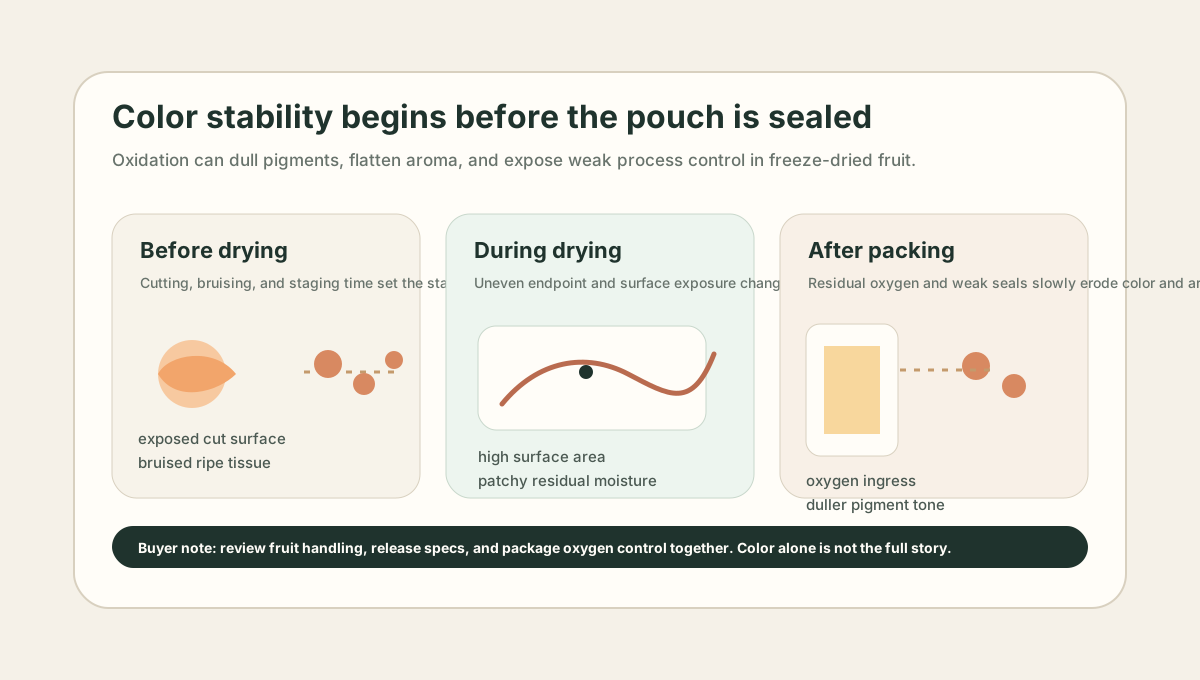
Oxidation changes freeze-dried fruit color when pigments, enzymes, and aroma compounds react with oxygen before or after drying. The biggest risk points are fruit preparation, drying endpoint, and packaging exposure after the product leaves the chamber.
The practical lesson is simple: a bright color at release does not prove the product is well protected. Buyers should ask how the supplier manages color stability across processing, packaging, and storage.
Where color loss usually starts
Many people assume oxidation begins only after the pouch is opened. In practice, the vulnerability often starts earlier.
Common triggers include:
- cut surfaces exposed during slicing
- fruit that arrived too ripe or bruised
- long staging time before freezing
- uneven loading or incomplete drying
- packaging with weak oxygen and moisture protection
- repeated warm handling after packing
Some of these problems create visible browning. Others flatten aroma first and make the fruit feel dull before the color change becomes obvious.
Not every color defect is the same
Color loss in freeze-dried fruit usually falls into three broad patterns.
1. Enzymatic browning
This is common in fruits such as apple, banana, and pear. Once the flesh is cut, enzymes can react with oxygen and darken the surface if the fruit is not handled quickly or protected through pre-treatment.
The defect often looks like:
- tan or brown edges
- uneven patching across slices
- faster darkening in thinner or bruised areas
This type of browning may start before the fruit is fully frozen, which means the freeze dryer is not necessarily the original cause.
2. Pigment fade
Red, purple, and pink fruits often depend on pigments that are visually strong but still sensitive. Strawberry, raspberry, blueberry, cherry, and dragon fruit can lose brightness when process exposure or packaging protection is weak.
The product may not turn brown. Instead, it can look:
- washed out
- dusty
- less saturated
- grayish at the edges
For premium snack formats, this can be a serious commercial problem even if the fruit still tastes acceptable.
3. Post-pack oxygen pickup
A product can leave the dryer looking excellent and still lose visual quality later if the package system is underspecified. Residual oxygen, weak seals, or high-permeability film can slowly undermine color and aroma together.
This is one reason buyers should avoid treating color as a purely sensory issue. It is often a packaging and storage issue too.
Why different fruits fail differently
Freeze-dried fruit is not one chemistry system. Different fruits carry different sugars, acids, enzymes, and pigments, so the visible defect pattern changes from one fruit to another.
- Apple and banana often show browning first.
- Strawberry and raspberry often show pigment fade and surface dulling.
- Blueberry may keep a dark shell while losing freshness inside.
- Mango can shift from vivid yellow-orange to a flatter muted tone if exposure control is weak.
That is why a supplier should not promise one universal color standard across every fruit. The better approach is to define what an acceptable range looks like for each fruit and format.
Process decisions matter before packaging does
Packaging is critical, but it cannot rescue weak upstream control.
Process details that influence color stability include:
- intake ripeness and bruising level
- time between cutting and freezing
- use of anti-browning or acidifying pre-treatments when appropriate
- slice thickness and exposed surface area
- chamber loading consistency
- endpoint control for residual moisture and water activity
These factors shape whether the fruit enters packaging with stable structure or with hidden risk already built in.
One warning sign is a supplier who talks confidently about pouch film but vaguely about fruit staging, cut geometry, or release specs. Good packaging helps, but it should be the last protective layer, not the only one.
What buyers should ask when color matters
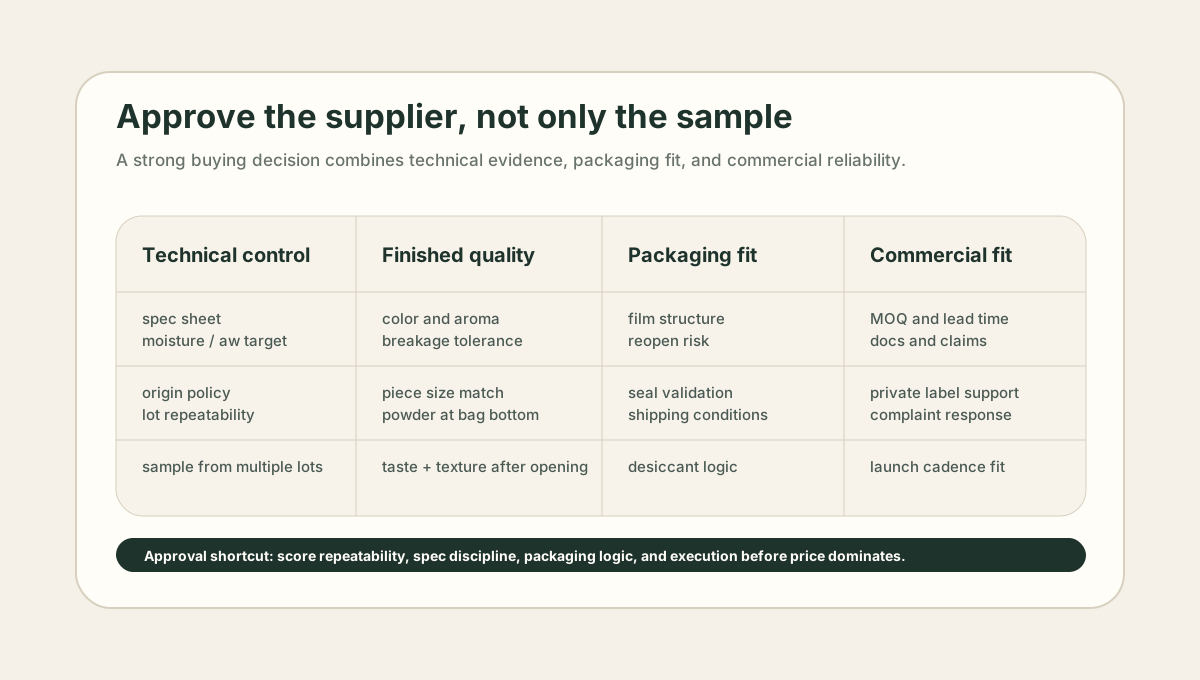
If color is commercially important, the approval conversation should go beyond "Does this sample look good?"
Useful questions include:
- How is the fruit handled between cutting and freezing?
- Are anti-browning steps used for oxidation-prone fruits?
- What moisture and water activity range is targeted at release?
- How is residual oxygen managed in the package?
- What package structure and seal validation are used?
- How are storage tests performed, and under what conditions?
- What color variation is considered normal across lots and seasons?
These questions do not require a laboratory lecture. They simply force the supplier to connect appearance with process discipline.
How to judge samples more realistically
A one-time sample on arrival can flatter almost any product. A better approval habit is to view the fruit through a short stress sequence:
- Open the pack and record first appearance.
- Check aroma, not only color.
- Look for edge darkening, patchiness, or faded dust on the tray or pouch.
- Reseal and recheck after ordinary handling, especially if the product is meant for consumer pouches.
This does not replace formal shelf-life validation. It does, however, help buyers spot whether the product has only release-day beauty or whether it appears structurally stable.
Why color and aroma belong in the same discussion
Oxidation rarely affects color alone. The same exposure that makes fruit look dull can also flatten top-note aroma and make the product feel older than its date code suggests.
That matters because consumers usually interpret visual fade and aroma weakness as a single quality problem. They may not describe it technically, but they notice it fast.
For that reason, a serious color standard should be tied to sensory review, packaging logic, and release specs rather than to a marketing phrase such as "premium grade."
Bottom line
Oxidation changes freeze-dried fruit color through several different routes: browning on cut surfaces, pigment fade in sensitive fruits, and post-pack exposure from weak packaging control. The defect is not only cosmetic. It often travels with aroma loss and weaker perceived freshness.
The best buyers treat color as evidence of process discipline. Ask how the supplier controls fruit preparation, drying endpoint, and package protection together. That is where stable color usually begins.
Frequently Asked Questions
What causes freeze-dried fruit to lose its bright color?
Oxidation changes freeze-dried fruit color when pigments, enzymes, and aroma compounds react with oxygen. The main risk points are fruit preparation, drying endpoint, and packaging exposure after the product leaves the chamber.
Which freeze-dried fruits are most prone to enzymatic browning?
Apple, banana, and pear are especially prone. Once the flesh is cut, enzymes can react with oxygen and darken the surface unless the fruit is handled quickly or protected through pre-treatment. The browning can start before the fruit is fully frozen.
Which freeze-dried fruits are most prone to pigment fade?
Strawberry, raspberry, blueberry, cherry, and dragon fruit can lose brightness when process exposure or packaging protection is weak. The product may not turn brown — instead it can look washed out, dusty, less saturated, or grayish at the edges.
Can good packaging fix color problems caused upstream?
No. Packaging is critical, but it cannot rescue weak upstream control. Intake ripeness, time between cutting and freezing, slice thickness, chamber loading, and endpoint moisture all shape whether the fruit enters packaging with hidden risk already built in.
Does color loss in freeze-dried fruit also affect aroma?
Yes. Oxidation rarely affects color alone. The same exposure that makes fruit look dull can also flatten top-note aroma, so consumers often perceive the two changes as a single quality problem.
Why does a bright sample sometimes still fade later?
A product can leave the dryer looking excellent and still lose visual quality later if the package system is underspecified. Residual oxygen, weak seals, or high-permeability film can slowly undermine color and aroma over time.
What should a buyer ask a supplier when color matters commercially?
Ask how the fruit is handled between cutting and freezing, whether anti-browning steps are used, what moisture and water activity range is targeted at release, how residual oxygen is managed, what storage tests are run and under what conditions, and what color variation is considered normal across lots and seasons.
Primary sources & further reading
- Anthocyanin Pigments: Beyond the Numbers Institute of Food Technologists — Comprehensive Reviews in Food Science Peer-reviewed analysis of anthocyanin degradation kinetics — the chemistry behind berry color fade in dried products.
- Enzymatic Browning in Fruits and Vegetables Institute of Food Technologists — Journal of Food Science Reference for the polyphenol oxidase (PPO) reaction that drives browning in apple, banana, and pear.
- Ascorbic Acid as Indirect Food Additive U.S. Food & Drug Administration FDA's reference for ascorbic acid use — the most common anti-browning pre-treatment in freeze-dried fruit processing.
- USDA Agricultural Research Service — Phytochemicals Research USDA Agricultural Research Service USDA's ongoing research program on pigment chemistry and post-harvest stability in fruit.
External links open in a new tab. We do not receive compensation from any organization listed; sources are referenced because they are primary, current, and publicly verifiable.