- A supplier should be judged on repeatability, not one unusually strong sample.
- Specification discipline matters as much as sensory quality in freeze-dried fruit buying.
- Breakage, moisture control, origin consistency, and packaging logic should be discussed before price negotiations dominate.
- A useful approval checklist combines technical evidence, commercial fit, and realistic trial runs.
A crisp sample is a start, not an approval system. Freeze-dried fruit suppliers are often evaluated too quickly: one bag arrives, the fruit tastes good, the price seems workable, and the buyer moves forward before checking whether that result is repeatable.
That is risky. Freeze-dried fruit quality can drift through raw material changes, drying targets, breakage handling, packaging choices, and lot-to-lot inconsistency. A supplier approval process should be built to catch that before the first large order.
The direct answer
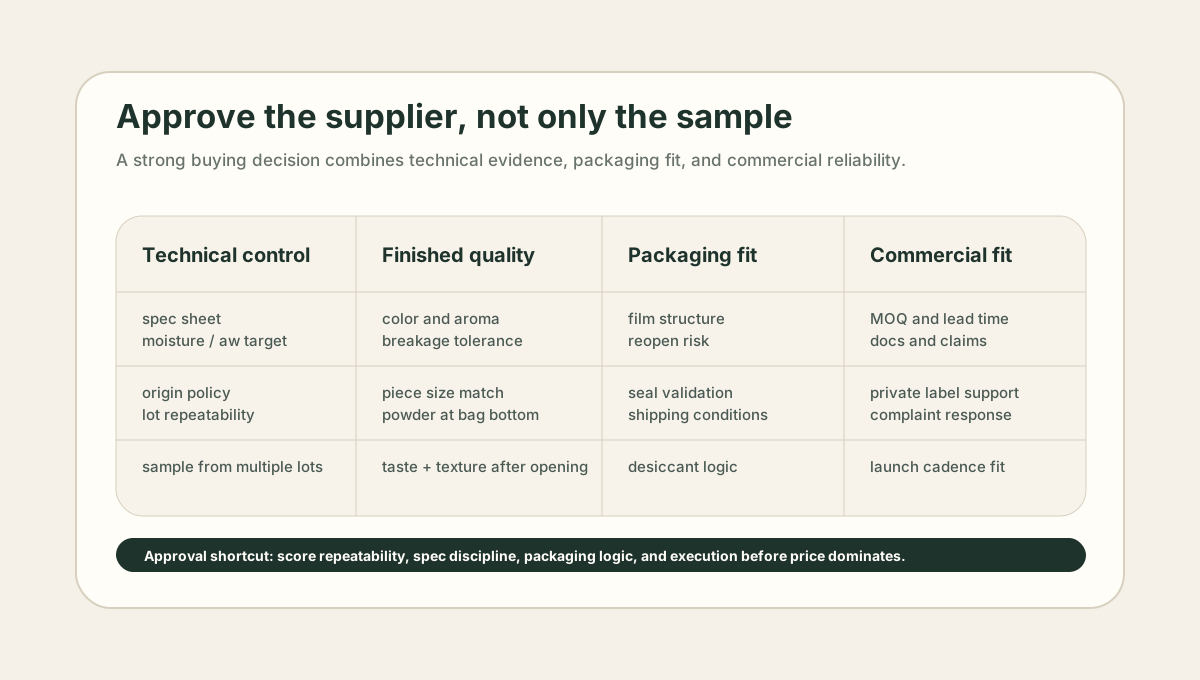
The best way to approve a freeze-dried fruit supplier is to evaluate four things together:
- technical control
- finished-product quality
- packaging and logistics fit
- commercial reliability
If one of those categories is weak, the relationship may still fail even if the fruit tastes good on day one.
Start with the specification sheet
Before debating flavor notes or pack design, ask for the written specification. This is the fastest way to see whether the supplier manages the product as a controlled item or as a loosely defined snack ingredient.
A useful freeze-dried fruit spec should cover:
- fruit identity and format
- origin or origin policy
- whether the product is plain fruit or includes added ingredients
- target moisture or water activity
- broken-piece tolerance
- particle size or piece-size distribution
- packaging format
- storage conditions
- microbiological and foreign-material standards
When a supplier cannot provide a clean spec, the conversation usually becomes subjective. That makes approvals harder and disputes more likely later.
Ask for more than one lot
One strong sample can be a lucky batch. Two or three lots show whether the supplier can actually repeat the result.
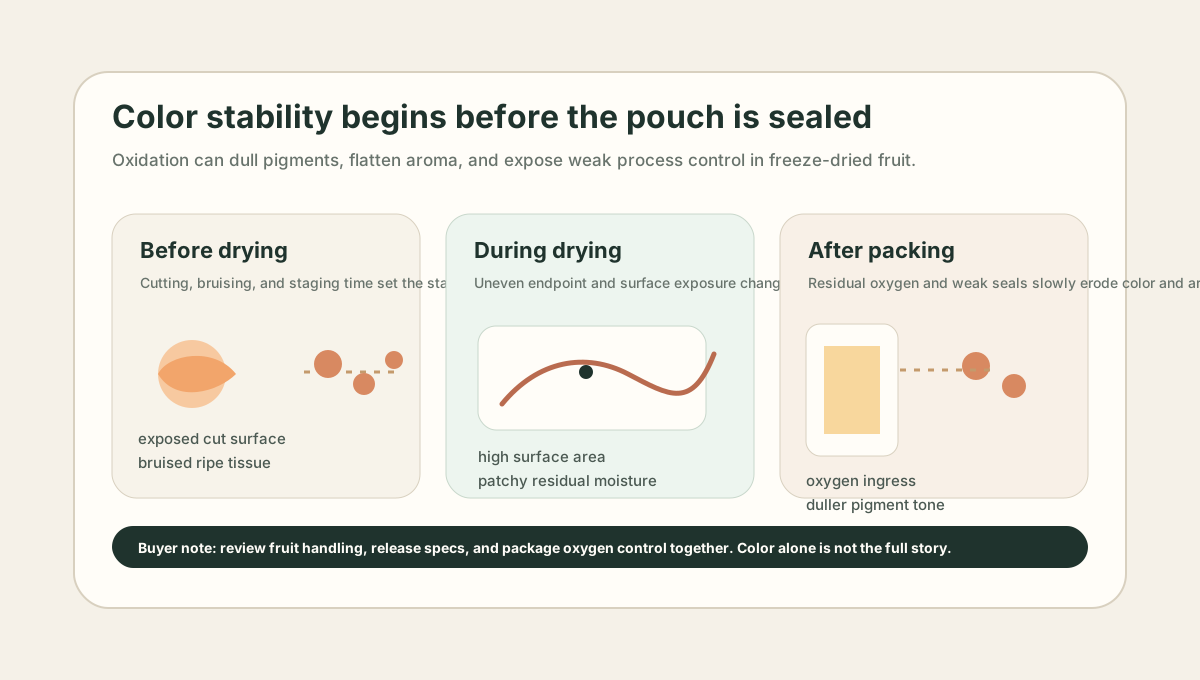
That matters because freeze-dried fruit variability can come from:
- fruit season and variety changes
- intake ripeness
- cut thickness
- dryer loading
- cycle endpoint decisions
- post-drying handling
- packaging variation
A buyer evaluating only one lot may accidentally approve the peak version of the product rather than the normal version.
Review breakage like a buyer, not a marketer
Freeze-dried fruit is fragile. Some breakage is expected. The question is how much breakage is normal, how it is defined, and whether the supplier treats it as a controlled spec.
Check for:
- powder at the bottom of the bag
- percentage of small fragments versus whole pieces
- consistency across multiple samples
- whether transit damage is already built into the expected outcome
This is especially important when the product is sold as premium whole pieces. A good-looking top layer can hide a weak bottom half of the pouch.
Confirm the moisture-control logic
Many supplier conversations stay vague here, even though texture loss is one of the most common quality complaints.
Ask:
- What moisture range is targeted at release?
- Is water activity measured?
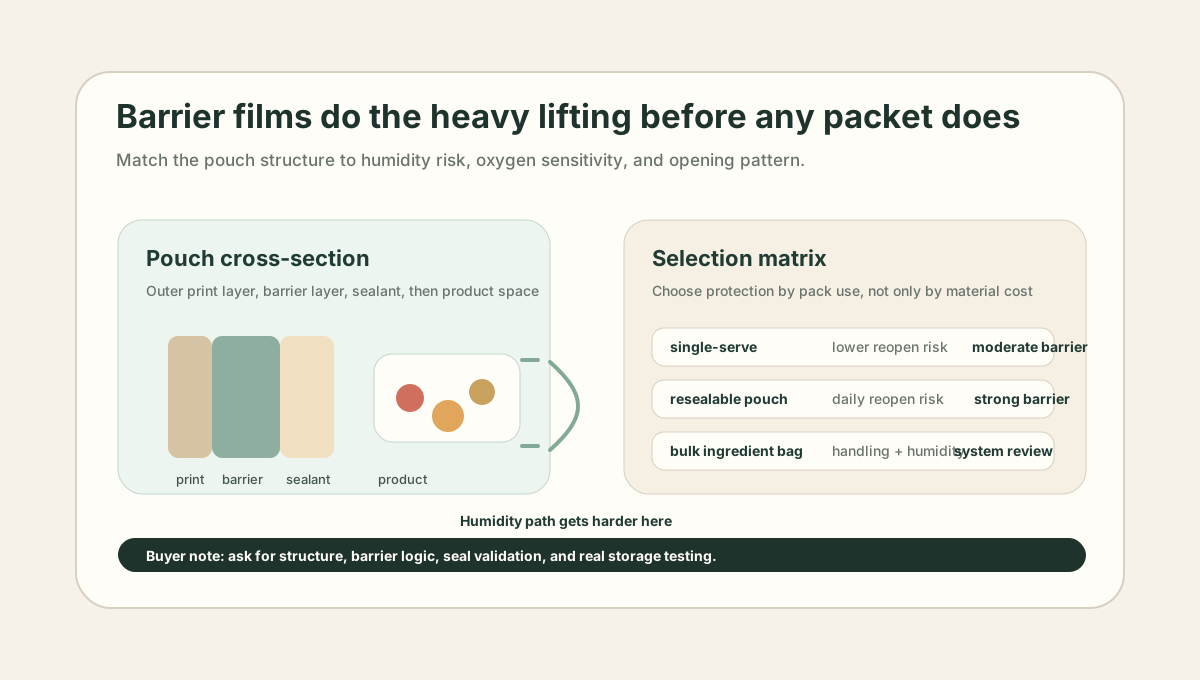
- What package structure is used?
- Why that structure?
- Is a desiccant used?
- What happens after the pack is first opened?
Strong suppliers can explain how drying, packaging, and storage fit together. Weak suppliers tend to answer each topic separately and never connect them back to the eating experience.
Match origin policy to your brand promise
Not every buyer needs single-origin fruit. But every buyer should know whether the supply model is fixed-origin, seasonal-origin, or blended across multiple sources.
That affects:
- flavor consistency
- color consistency
- texture
- seasonal pricing
- label language
- marketing claims
If your brand positioning depends on premium fruit identity, variety, or origin, this part cannot be left ambiguous.
Do not skip the commercial questions
Technical quality matters, but approvals can still fail on execution.
Review the commercial side with the same seriousness:
- minimum order quantities
- lead times
- production scheduling
- private-label capabilities
- artwork and packaging support
- documentation turnaround
- claim support and certification availability
- complaint handling
A technically strong supplier who cannot support your cadence or paperwork burden may still be the wrong fit.
Build a scorecard before samples arrive
One practical mistake is deciding the criteria after tasting the product. That usually makes approvals too emotional.
A better system is to score the supplier across defined categories:
1. Technical control
Can they explain raw material, drying target, and finished specs clearly?
2. Product quality
Do the samples show the color, aroma, texture, and breakage level your use case needs?
3. Packaging fit
Does the packaging logic match your channel, climate risk, and pack format?
4. Commercial fit
Can they supply the volume, documentation, and timing your business actually requires?
When those buckets are scored consistently, supplier comparison gets much cleaner.
If a supplier performs well only when the conversation stays sensory and struggles when the discussion moves to specs, packaging, and lot consistency, slow the approval down.
Run a small real-world trial
Before a full launch, run the product through the conditions it will actually face:
- inbound shipping
- shelf storage
- first open
- repeated use
- handling by your team or your customer
This step often exposes issues that a bench-top tasting misses. A sample can taste excellent on arrival and still underperform after a week of ordinary use.
Questions that reveal seriousness fast
If time is short, these questions are especially useful:
- Can you send samples from more than one lot?
- What are your targets for moisture, water activity, and breakage?
- What is the packaging structure, and why was it chosen?
- How does the origin mix change through the year?
- What complaints do customers raise most often, and how do you address them?
- Which parts of the spec are guaranteed and which are typical?
The answers will usually tell you whether the supplier is organized enough for a serious buying process.
Bottom line
Freeze-dried fruit supplier approval should not depend on a single strong sample or a low quoted price. The better approval process tests repeatability, specification discipline, packaging logic, and commercial fit together.
A buyer is not only choosing fruit. They are choosing a system that has to keep working after the first order.
Frequently Asked Questions
How should a buyer approve a freeze-dried fruit supplier?
Evaluate four things together: technical control, finished-product quality, packaging and logistics fit, and commercial reliability. If one of those categories is weak, the relationship may still fail even when the fruit tastes good on day one.
Is one strong sample enough to approve a supplier?
No. A single bag can be a lucky batch. Two or three lots show whether the supplier can actually repeat the result, and freeze-dried fruit variability comes from many sources — season, intake ripeness, cut thickness, dryer loading, cycle endpoint, and post-drying handling.
What should be on a freeze-dried fruit specification sheet?
Fruit identity and format, origin or origin policy, whether the product is plain fruit or includes added ingredients, target moisture or water activity, broken-piece tolerance, particle size, packaging format, storage conditions, and microbiological and foreign-material standards.
How should breakage be evaluated during supplier approval?
Some breakage is expected — the question is how much is normal, how it is defined, and whether the supplier treats it as a controlled spec. Check for powder at the bottom of the bag, percentage of fragments versus whole pieces, and consistency across multiple samples.
What origin questions should a buyer ask?
Confirm whether the supply model is fixed-origin, seasonal-origin, or blended across multiple sources. This affects flavor and color consistency, texture, seasonal pricing, label language, and marketing claims — it cannot be left ambiguous when brand positioning depends on fruit identity, variety, or origin.
What commercial questions get missed during approval?
Minimum order quantities, lead times, production scheduling, private-label capabilities, artwork support, documentation turnaround, claim and certification availability, and complaint handling. A technically strong supplier who cannot support your cadence or paperwork burden may still be the wrong fit.
Which questions reveal supplier seriousness fastest?
Can you send samples from more than one lot? What are your targets for moisture, water activity, and breakage? What is the packaging structure and why was it chosen? How does the origin mix change through the year? Which parts of the spec are guaranteed and which are typical?
Primary sources & further reading
- Food Safety Modernization Act (FSMA) U.S. Food & Drug Administration The federal framework that defines preventive-controls expectations every food supplier should be able to articulate.
- FSMA Final Rule for Preventive Controls for Human Food U.S. Food & Drug Administration Spells out hazard analysis, supplier verification, and recall plan requirements relevant to fruit ingredient sourcing.
- Global Food Safety Initiative (GFSI) Recognized Programs Global Food Safety Initiative Defines the benchmark schemes (SQF, BRCGS, FSSC 22000) most large freeze-dried fruit buyers require their suppliers to hold.
- SQF Food Safety Code for Manufacturing Safe Quality Food Institute One of the most common GFSI-recognized certifications for U.S.-based freeze-dried fruit operations.
- Approved Suppliers Program — Guidance U.S. Food & Drug Administration Foreign Supplier Verification Program requirements — directly applicable to fruit imported from China, Chile, Peru, and other major origins.
External links open in a new tab. We do not receive compensation from any organization listed; sources are referenced because they are primary, current, and publicly verifiable.