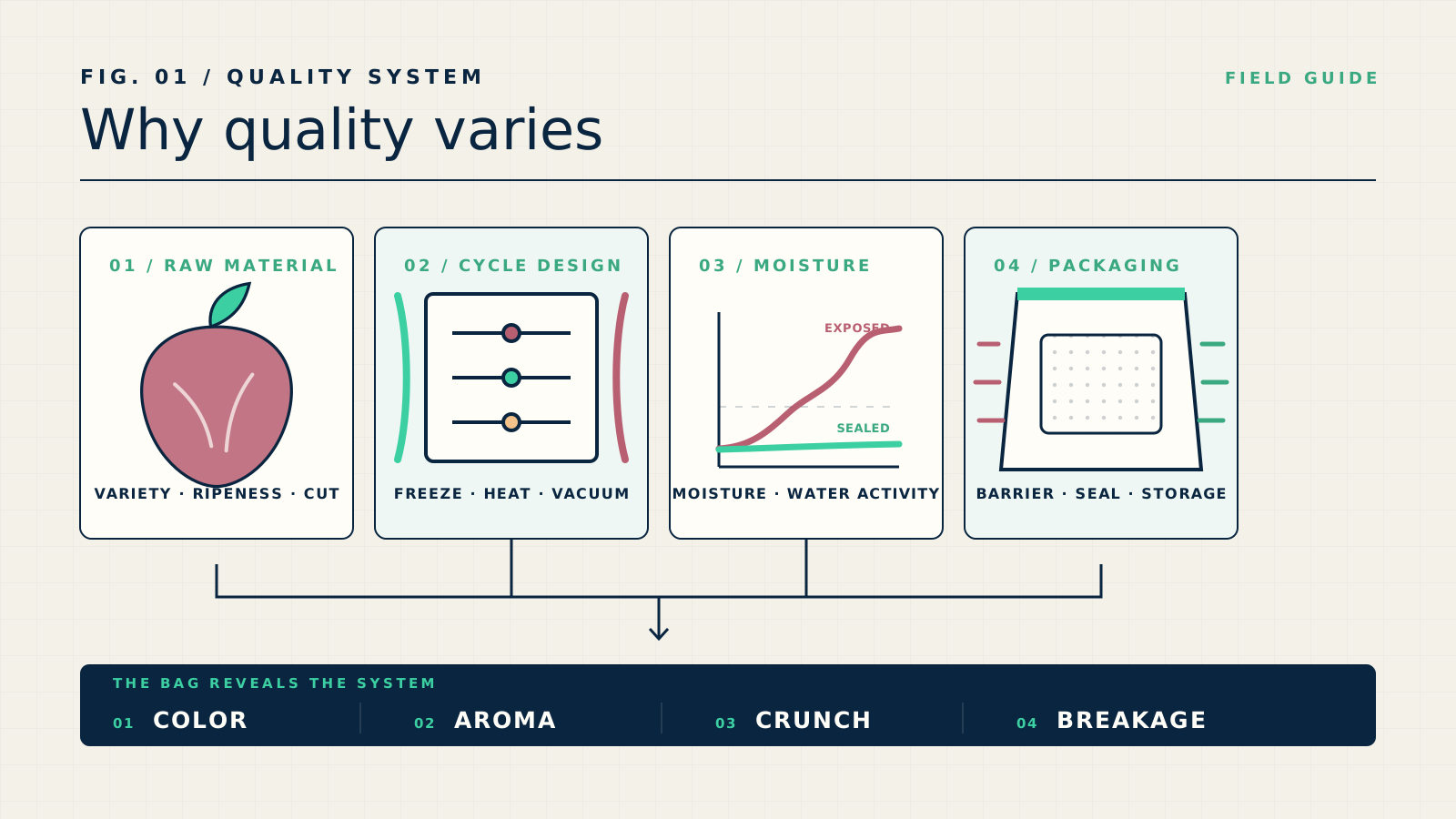
- Quality in freeze-dried fruit is a system: sourcing, processing, moisture, and packaging compound.
- Heavier bags don't always mean more real fruit — added sugar and starches add weight.
- Compare ingredient lists and piece size, not just price per ounce.
- Packaging and storage decide how long crunch survives after opening.
Freeze-dried fruit can look simple: fruit goes in, crunchy fruit comes out. But quality varies widely across the category. The difference often comes from fruit sourcing, ripeness, cut size, pre-treatment, freeze-drying settings, moisture control, and packaging.
For consumers, these differences show up as color, aroma, crunch, sweetness, stickiness, breakage, and how quickly the fruit turns soft after opening. For brands and buyers, quality is not just about taste. It affects cost, shelf life, repeat purchase, shipping damage, and whether the product can scale consistently.
What's actually inside the bag
Across a single retail aisle you can find products labeled "freeze-dried" that are produced very differently. Some are 100% fruit pieces. Others contain added sugars, fruit powders, starches, or natural flavorings. Both can have a place — but they should not be evaluated the same way.
Raw material
Fresh, frozen, or IQF fruit each behave differently inside a freeze-dryer. Ripeness, cut size, and pre-treatment all influence the final color, aroma, and structure.
A heavier bag may not always mean more real fruit. The label tells you more than the price tag.
Cycle design
Freezing rate, shelf temperature, vacuum level, and cycle length define how cleanly water leaves the fruit. Aggressive cycles save time but can affect texture and color. Conservative cycles preserve structure but cost more.
The crunchiness you feel when biting a piece of freeze-dried fruit is closely tied to moisture control. There is no universal moisture percentage for a "premium" product: fruit type, test method, water activity, and packaging all matter. A low moisture result should be read alongside water activity and a real texture check after storage.
Packaging & storage
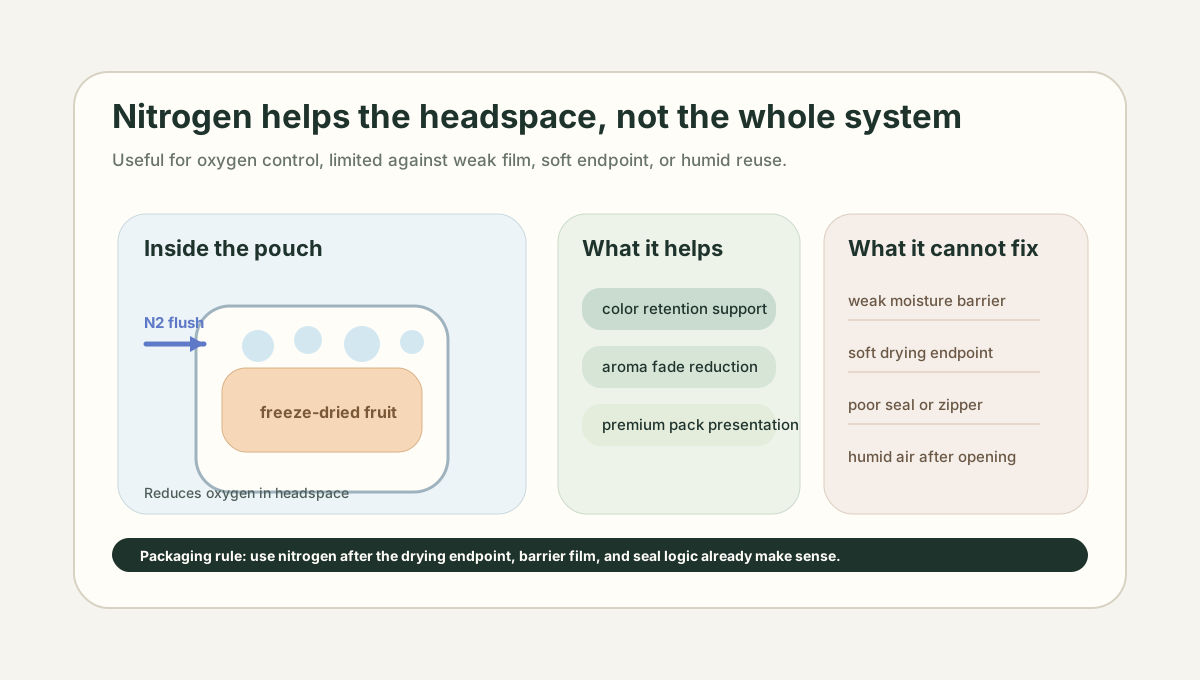
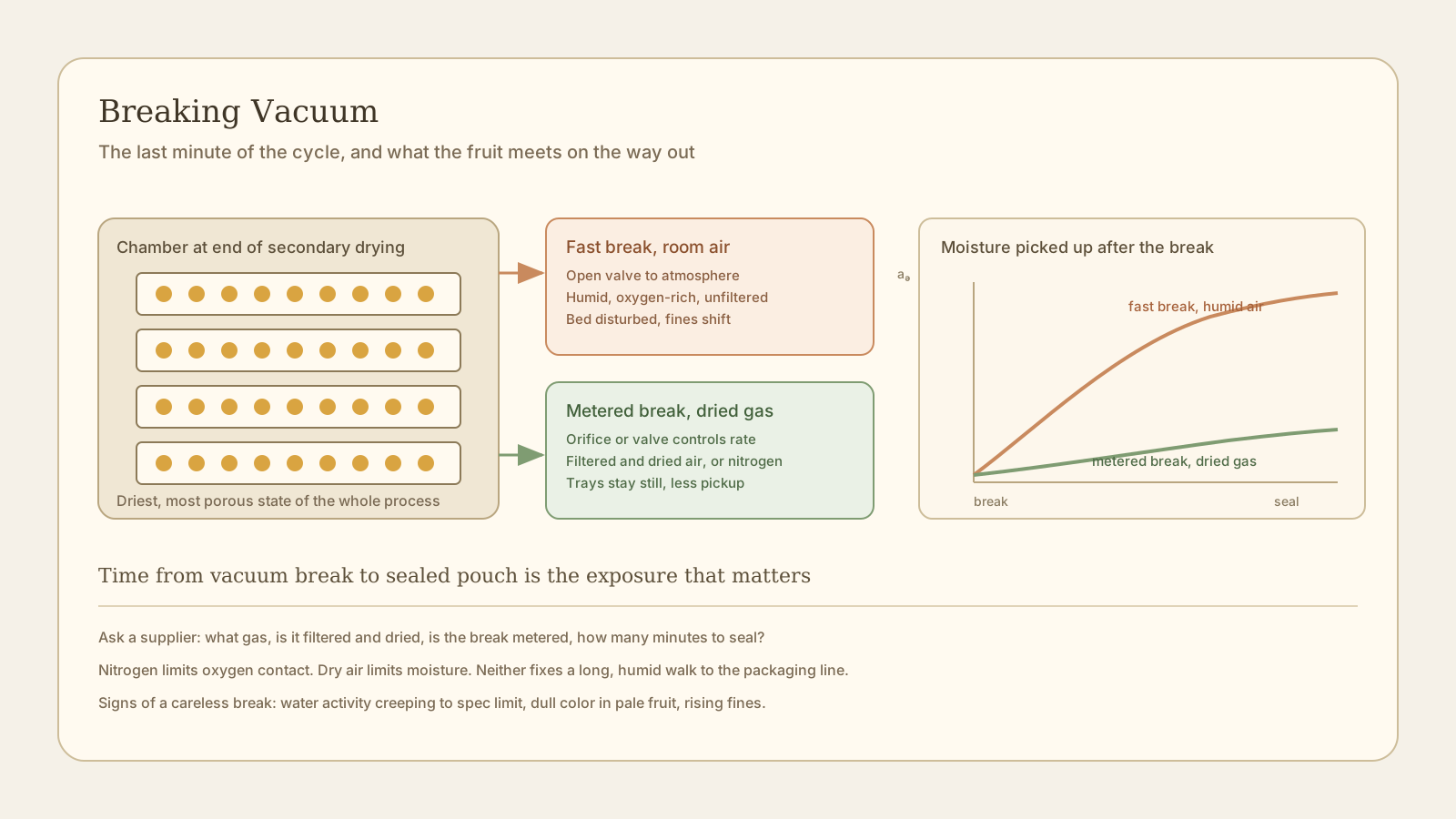
Once the cycle ends, the fruit is at its most fragile. Barrier films, oxygen absorbers, desiccants, pouch size, and even how quickly the consumer reseals the bag all impact final eating quality.
What buyers should ask
If you're sourcing freeze-dried fruit for a brand, retail program, or ingredient line, the questions that separate good suppliers from great ones aren't about price first. They're about consistency: lot-to-lot moisture variance, color spec, broken-piece percentage, and how the supplier handles seasonality.
Ask for a sample across two different production runs. The differences — or lack thereof — tell you everything.
Frequently Asked Questions
Why does freeze-dried fruit quality vary so much between bags?
Quality is shaped by fruit sourcing, ripeness, cut size, pre-treatment, cycle design, moisture control, and packaging. Each step compounds, so two bags labeled the same way can come from very different production realities.
Does a heavier bag of freeze-dried fruit mean more real fruit?
Not necessarily. Added sugar, syrups, starches, and higher residual moisture all add weight. A 100% fruit product and a sweetened fruit crisp can sit on the same shelf and feel similar in the hand, but they are different products.
What residual moisture target should premium freeze-dried fruit hit?
There is no single moisture percentage that defines premium freeze-dried fruit. The right limit depends on the fruit, format, test method, water-activity target, and packaging. A low moisture result alone is not enough; buyers should review it alongside water activity and the product's actual texture after storage.
Can two products labeled "freeze-dried" be made completely differently?
Yes. Across a single retail aisle you can find products labeled freeze-dried that are 100% fruit and others that include added sugars, fruit powders, starches, or natural flavorings. Both can be valid products — they just should not be compared as if they were the same.
What's the most important thing to ask a freeze-dried fruit supplier?
Ask about consistency: lot-to-lot moisture variance, color spec, broken-piece percentage, and how seasonality is handled. Then request samples from two different production runs. The differences — or lack of them — tell you most of what you need to know.
How do freeze-drying cycle settings affect the finished product?
Freezing rate, shelf temperature, vacuum level, and cycle length determine how cleanly water leaves the fruit. Aggressive cycles save time but can affect texture and color; conservative cycles preserve structure but cost more.
Why does the same product sometimes lose crunch faster than expected?
Crunch is largely a function of residual moisture, and freeze-dried fruit picks up humidity quickly once exposed. Barrier film quality, oxygen absorbers, desiccants, pouch size, and how soon the consumer reseals the bag all influence how long crisp texture survives.
Primary sources & further reading
- Water Activity (aw) in Foods U.S. Food & Drug Administration Explains water activity, its temperature sensitivity, and why available water—not total moisture alone—matters for food stability.
- How to Understand and Use the Nutrition Facts Label U.S. Food & Drug Administration Referenced for how added sugars, including sugars from concentrated fruit juices, are presented on packaged-food labels.
- Preserving Locally Harvested Produce in School Meals USDA Food and Nutrition Service Explains how freezing, ice-crystal size, and product handling affect fruit and vegetable structure.
External links open in a new tab. We do not receive compensation from any organization listed; sources are referenced because they are primary, current, and publicly verifiable.