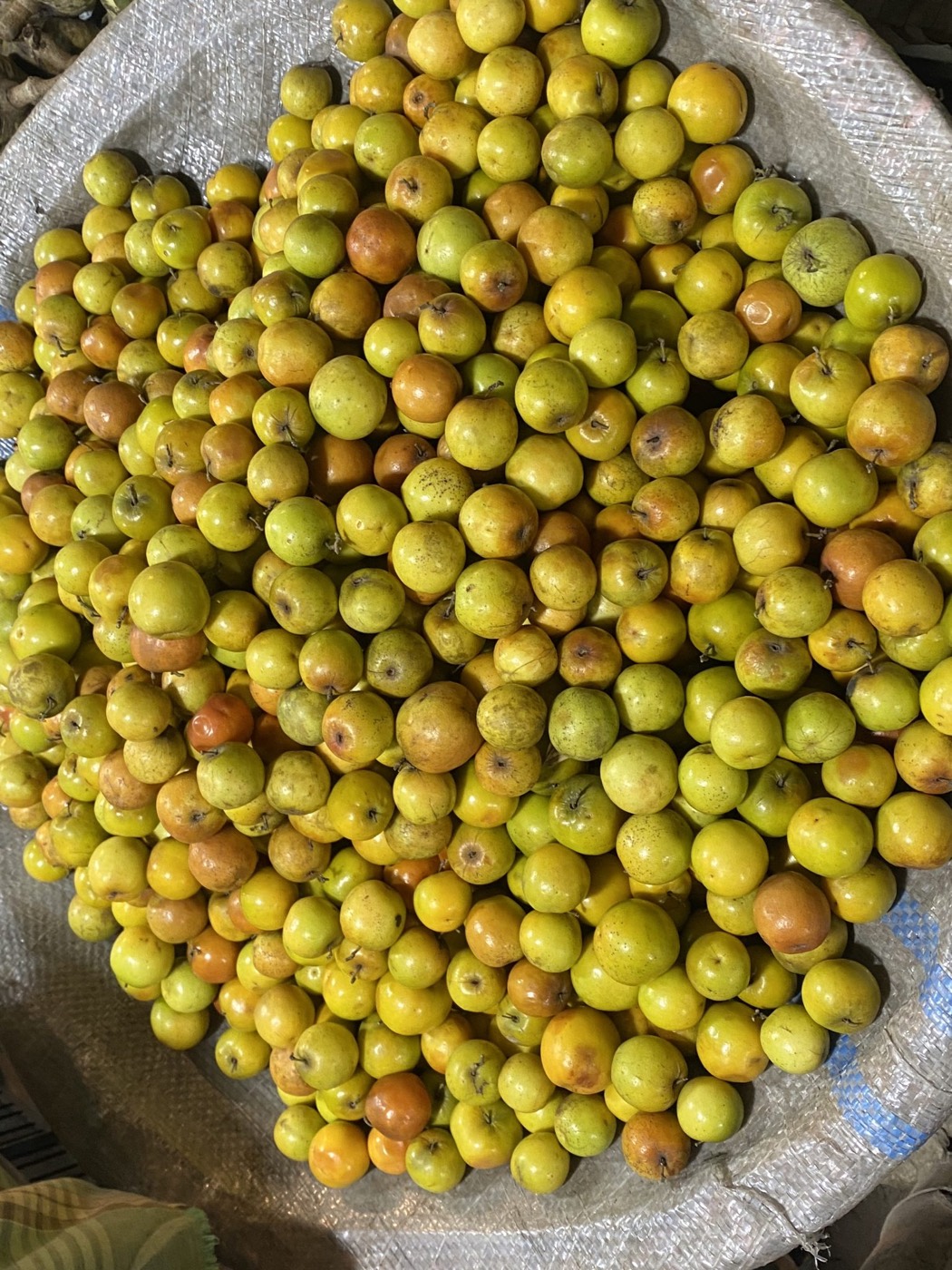
- Fresh jujube and dried red date are related but not the same eating experience.
- Freeze-dried jujube can lean crisp-apple-like or warm-date-like depending on maturity.
- Seed removal and slice format are key practical questions.
- The fruit has strong cultural context in Chinese and Asian food markets.
Jujube is one of those fruits where the market name matters as much as the fruit itself. For freeze-dried fruit buyers, jujube is not just a flavor name. It is a set of decisions about raw material, cutting, drying behavior, sensory quality, packaging, and where the finished fruit actually belongs.
Use this guide as a working field note for buyers, product developers, snack founders, and curious consumers. The goal is not to rank every fruit in a vacuum. It is to understand how jujube behaves after water is removed, what quality looks like in the bag, and which questions make a supplier conversation more useful.
Quick comparison: jujube formats for freeze-drying
| Format | Freeze-dried personality | Risk | Best use |
|---|---|---|---|
| Fresh jujube slices | Apple-like, crisp, clean | Mild flavor if immature | Snacks, tea, toppings |
| Red-date style slices | Warm, sweet, traditional | Chewier raw base | Tea, soup, wellness-adjacent foods |
| Jujube powder | Sweet, earthy, brown-red | Caking, flavor fade | Drinks, bakery, fillings |
| Seeded whole fruit | Traditional visual | Eating inconvenience | Specialty packs |
Why jujube behaves the way it does
Jujube changes character dramatically as it matures and dries. Fresh jujube can taste like a small apple; mature red date forms are sweeter, denser, and more caramel-like. Freeze-drying preserves whichever starting point is chosen. That makes raw material definition especially important. Winter jujube's apple-crisp texture translates directly — freeze-dried winter jujubes read closer to a light apple chip than to a date.
Freeze-drying protects a fruit's original structure more than many consumers realize. It does not add aroma, fix weak ripeness, hide tough skin, or make low-flavor raw material suddenly taste premium. A good process can preserve quality; it cannot invent it from poor input.
What quality looks like in the finished bag
A strong freeze-dried jujube product usually shows these signals:
- Color that matches fresh or red-date positioning.
- No seed fragments.
- Crispness without woody hardness.
- Clean sweet aroma.
- Slice size that supports the intended use.
These signals should always be judged against the format. Whole pieces, slices, dices, crumbles, powders, and puree-derived pieces all have different expectations. The problem is not breakage or powder by itself; the problem is promising one format and delivering another.
Sourcing reality
Ask whether the product is made from fresh green/yellow jujube, mature red date, or another processed input. Also ask about seed removal, variety, origin, and whether the product is sliced, powdered, or whole.
Ask for variety or type, origin, raw material state, cut format, added ingredients, moisture or water activity target, expected breakage rate, and the best-use application the supplier designed the product for.
Best-use formats
Jujube is useful in tea blends, breakfast toppings, culturally specific snacks, bakery, and functional-feeling foods. It is not a generic berry substitute; its value comes from its story, sweetness, and established food tradition.
The best format is the one that gives jujube a clear job: add color, acid, aroma, crunch, sweetness, visual identity, or a more premium seasonal story. When the format and use case are aligned, freeze-dried jujube can feel intentional rather than simply unusual.
How to read a jujube label
A jujube label should consider both English-language clarity and Asian-market familiarity. “Jujube,” “red date,” and “Chinese date” may point consumers toward different expectations.
For buyers, the practical question is not simply whether freeze-dried jujube is good. It is whether this version of jujube fits the claim, price, and use case. That is what turns a fruit report into a sourcing tool.
How jujube compares
A quick reference for how jujube sits alongside the freeze-drying personalities of its closest siblings.
| Fruit | Brix | Fiber | Aroma | Color stability | Breakage risk | Typical format |
|---|---|---|---|---|---|---|
| Jujubethis report | 18–28° | Medium | Moderate | Strong | Low | Halves · slices · powder |
| Lychee | 16–20° | Low | Strong | Poor | Medium | Halves · whole · pieces |
| Longan | 15–22° | Low | Moderate | Poor | Medium | Halves · whole |
| Rambutan | 16–21° | Medium | Moderate | Poor | Medium | Halves · pieces |
| Mangosteen | 15–20° | Low | Strong | Moderate | Medium | Segments · powder |
| Durian | 20–28° | Medium | Very strong | Moderate | Low | Pieces · powder |
| Jackfruit | 15–24° | Medium | Strong | Moderate | Medium | Pieces · slices · powder |
| Soursop | 10–18° | Medium | Strong | Moderate | Medium | Pieces · powder |
| Sapodilla | 14–22° | Medium | Moderate | Moderate | Medium | Pieces · powder |
| Starfruit | 5–11° | Medium | Mild | Moderate | Medium | Slices · powder |
Values are typical industry ranges. Variety, origin, harvest window, and process all shift them.
Conclusion
Freeze-dried jujube is most successful when the product respects the fruit's limits instead of forcing it into a generic snack template. Start with the fruit's structure, choose the format from the use case, and judge the finished bag by aroma, texture, color, and honesty of claim. That is the difference between a novelty sample and a product someone can buy with confidence.
Frequently Asked Questions
What's the difference between jujube and red date?
They are the same fruit at different maturity and processing stages. Fresh green-yellow jujube tastes apple-like, crisp, and clean. Mature red date (the dried fully-ripe form, often heat-dried) is sweeter, denser, and more caramel-like. Freeze-drying preserves whichever starting point is chosen — so buyers must specify which one they want.
What does freeze-dried jujube actually taste like?
Depends on the raw material. Fresh jujube freeze-dries into something crisp and apple-like with light sweetness. Red-date-style freeze-dried jujube is warmer, sweeter, more caramelized — closer to a date or fig profile. Two products both labeled freeze-dried jujube can be substantially different eating experiences.
Which format works best for freeze-dried jujube?
Fresh jujube slices suit snacks, tea, and toppings — mild flavor if the fruit is immature. Red-date-style slices fit tea, soup, and wellness-adjacent foods — chewier raw base requires attention. Jujube powder concentrates sweet earthy character for drinks, bakery, and fillings. Seeded whole fruit is traditional but inconvenient to eat.
Why is freeze-dried jujube popular in Chinese and Asian markets?
Jujube (often called red date or Chinese date) has deep cultural roots in Chinese cuisine and traditional medicine — soup, tea, congee, and tonic preparations. Freeze-dried jujube extends those traditional use cases into convenient modern formats without losing the warm-sweet character that defines the fruit's cultural identity.
Should freeze-dried jujube be seeded or seedless?
For modern snack formats, seed removal is the cleaner approach — the single hard seed is unpleasant to bite. For traditional applications (tea, soup, wellness products), whole seeded fruit is sometimes preferred for the visual and the gentle seed contribution to long-steeped preparations. Format follows use case.
What quality signals matter in freeze-dried jujube?
Color that matches fresh or red-date positioning (pale yellow-green for fresh, deep red-brown for red date); no seed fragments; crispness without woody hardness; clean sweet aroma; and slice size that supports the intended use. Woody chew usually means weak raw material or over-aggressive drying.
What should buyers ask freeze-dried jujube suppliers?
Ask whether the input is fresh green/yellow jujube, mature red date, or another processed form; variety; origin (China, Korea, Japan, Central Asia); seed removal; cut format (sliced, whole, powdered); cultural-market positioning (snack vs traditional/wellness); target moisture or water activity; and labeling language (jujube, red date, or Chinese date).