- Blackberries include many species, hybrids, and cultivars, often grouped by cane habit and processing use
- Wild, cultivated, trailing, erect, thornless, fresh-market, processing, hybrid berries
- Variety names matter because fresh-market, processing, culinary, and regional fruits are often selected for different jobs.
- For freeze-dried fruit buyers, the useful question is which variety fits the product use case, not which variety is abstractly best.
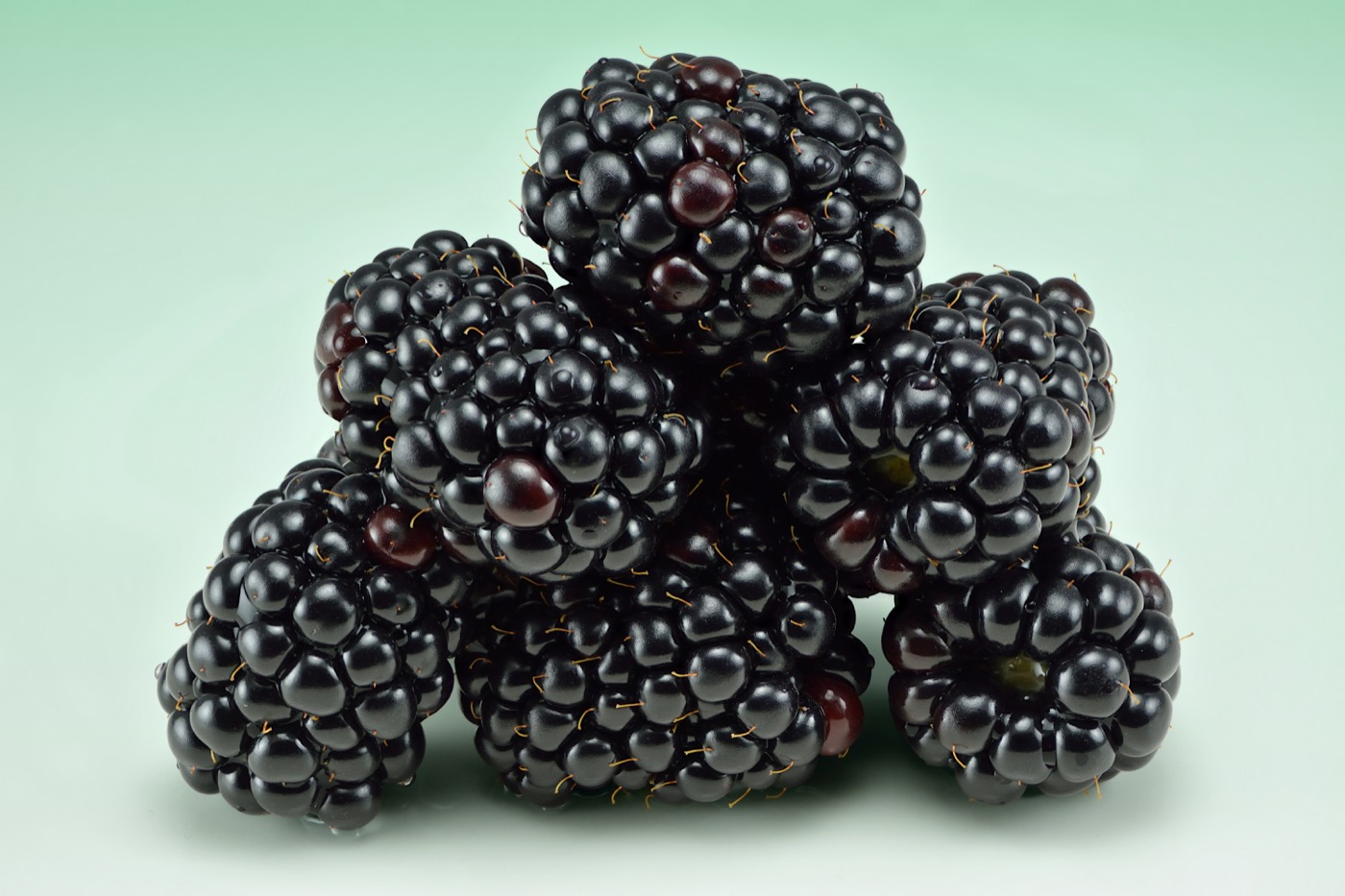
Blackberry variety is tangled in the best way: wild berries, cultivated berries, thornless canes, trailing types, hybrids, and regional names all overlap. The search question sounds like it should have one clean number, but fruit variety is rarely that tidy. Some names describe cultivars. Some describe color groups, trade groups, regional selections, or related fruit types that consumers place in the same category.
This guide is written for curious consumers, snack founders, ingredient buyers, and anyone trying to understand why two products with the same fruit name can behave like different ingredients.
Quick answer: how many types of blackberries are there?
| Question | Practical answer |
|---|---|
| Global picture | Blackberries include many species, hybrids, and cultivars, often grouped by cane habit and processing use |
| Common names | Marionberry, boysenberry, loganberry, Triple Crown, Chester, Natchez, Ouachita, blackberry hybrids |
| Main split | Wild, cultivated, trailing, erect, thornless, fresh-market, processing, hybrid berries |
| Best buying question | Do you need aroma, dark color, low seediness, firmness, tartness, or processing yield? |
The practical answer depends on whether you are counting botanical groups, named cultivars, commercial varieties, regional names, or the smaller group that appears in retail and ingredient supply.
Why blackberry variety is more complicated than it looks
Blackberry variety matters because the fruit has to balance flavor intensity with seed texture and firmness. Processing berries can be dark, aromatic, and fragile. Fresh-market berries need shelf life and shape. Hybrids may taste wonderful but may not fit standardized supply chains.
That is why variety names are not just a collector detail. They tell you what the fruit was selected to do: look good, ship well, taste intense, process efficiently, carry color, provide acid, produce juice, or fit a local food tradition.
The global blackberry map
Pacific Northwest
Marionberry, boysenberry, loganberry, trailing blackberries and processing fruit.
U.S. fresh market
Thornless erect types such as Chester, Natchez, Ouachita and related cultivars.
Europe
Wild blackberry traditions and cultivated Rubus types.
Hybrid berry markets
Boysenberry, loganberry, tayberry, and specialty cane fruit.
A global variety map helps separate local food culture from export trade. The fruit most loved in a growing region is not always the fruit most likely to dominate international supply.
Blackberry varieties by flavor and use
| Personality | Examples | Why it matters |
|---|---|---|
| Deep processing flavor | Marionberry and trailing types | undefined |
| Fresh-market firmness | Chester, Natchez, Ouachita | undefined |
| Hybrid tart-sweet | Boysenberry, loganberry, tayberry | undefined |
| Wild blackberry | Small, seedy, aromatic, variable | undefined |
| Thornless commercial | Easier cultivation and fresh-market handling | undefined |
This is often more useful than asking for one best type. A variety can be perfect for fresh eating and weak for processing, or ordinary as a fresh fruit but excellent in powder, juice, or dried form.
What this means for freeze-dried fruit
For freeze-dried blackberries, seed texture and breakage are major quality issues. Flavor-dense berries can make excellent powders and inclusions, while large fresh-market berries may look better but taste milder. Buyers should ask cultivar or type, whole-piece percentage, seediness, Brix, acidity, and whether the product is whole, broken, crumble, or powder.
Freeze-drying concentrates both strengths and flaws. Strong aroma can become more vivid. Weak flavor can become more obvious. Tough skin, large seeds, excess fiber, low acidity, or high water content may require a different cut format, blend partner, or use case.
Why labels often hide variety
Most packaged fruit products do not name the cultivar because a named variety creates a promise. If a label names a specific variety, buyers expect that variety to remain stable across seasons. That can be difficult when harvest windows shift, crop quality changes, prices move, or processors blend fruit to keep supply consistent.
For everyday products, a broad fruit name may be enough. For premium products, ingredient sourcing, or serious product development, variety is part of the specification.
Ask: Which variety or type? Which origin? Single variety or blend? Fresh, IQF, puree, juice, pulp, or processing stream? Typical Brix or acidity target? What format is the product designed for? Does the variety stay stable year-round?
How blackberry compares
A quick reference for how blackberry sits alongside the freeze-drying personalities of its closest siblings.
| Fruit | Brix | Fiber | Aroma | Color stability | Breakage risk | Typical format |
|---|---|---|---|---|---|---|
| Blackberrythis report | 8–13° | Medium | Strong | Moderate | High | Whole · broken · powder |
| Strawberry | 7–12° | Low | Strong | Moderate | Medium | Slices · whole · powder |
| Blueberry | 10–15° | Low | Moderate | Strong | Low | Whole · halves · powder |
| Raspberry | 8–12° | Low | Strong | Moderate | High | Whole · broken · powder |
| Cranberry | 6–9° | Medium | Sharp | Strong | Low | Slices · pieces · powder |
| Mulberry | 9–15° | Low | Moderate | Strong | Medium | Whole · broken · powder |
| Gooseberry | 8–12° | Medium | Moderate | Moderate | Medium | Halves · powder |
Values are typical industry ranges. Variety, origin, harvest window, and process all shift them.
Conclusion
The best way to answer “how many types of blackberries are there?” is to start with a count, then move quickly to purpose. There may be many named types, but the more useful question is what each one does well.
For consumers, variety explains why one blackberry tastes exciting and another tastes ordinary. For buyers, it explains why two samples with the same fruit name can carry different color, aroma, texture, price, and processing behavior. Variety is not a footnote. It is part of the product.
Frequently Asked Questions
How many types of blackberries are there?
Blackberries include many species, hybrids, and cultivars, often grouped by cane habit and processing use. Familiar names include Marionberry, boysenberry, loganberry, Triple Crown, Chester, Natchez, and Ouachita — split into wild, cultivated, trailing, erect, thornless, fresh-market, processing, and hybrid berries.
What's the difference between Marionberry and a regular blackberry?
Marionberry is a specific trailing blackberry cultivar developed in Oregon, prized for deep flavor and dark color in processing. It tends to taste more intense and less mild than mainstream fresh-market blackberries like Chester or Natchez. Marionberry dominates Pacific Northwest jam, pie, and ingredient streams; eastern U.S. retail sees more Chester-style erect cultivars.
What is a boysenberry?
Boysenberry is a hybrid in the blackberry family — a cross involving raspberry, blackberry, and loganberry parents. The result is a larger, darker, more aromatic berry with hints of all three parent fruits. It is grown commercially in New Zealand and Oregon, mostly for jam, juice, and processing rather than mass fresh-market sale.
Which blackberry varieties freeze-dry best?
Flavor-dense processing berries (Marionberry, boysenberry, loganberry) often outperform large fresh-market berries in freeze-dried form because intensity matters more than visual size after drying. Buyers should ask cultivar or type, whole-piece percentage, seediness, Brix, acidity, and whether the product is whole, broken, crumble, or powder.
What's the difference between trailing and erect blackberries?
Trailing blackberries (Marionberry, boysenberry) grow on long flexible canes that need support — they tend to be more flavorful but harder to harvest mechanically. Erect blackberries (Chester, Natchez, Ouachita) grow on stiffer self-supporting canes, are easier for commercial harvest, and dominate fresh-market retail despite milder flavor than trailing types.
Are wild blackberries different from cultivated ones?
Yes — wild blackberries are typically smaller, seedier, more variable in flavor, and more aromatic than cultivated cultivars. They are foraged or grown at small scale rather than mass-produced. For freeze-drying, wild blackberry input can deliver striking flavor density when handled well, but supply is less standardized than commercial fruit.
What should buyers ask freeze-dried blackberry suppliers?
Ask cultivar (Marionberry, Chester, boysenberry, etc.), wild vs cultivated, origin, raw material state (fresh, IQF, ingredient-grade), cut format (whole, halves, crumble, powder), seediness tolerance, Brix and acidity, target moisture or water activity, and the intended use case (snack pack, ingredient, or color/aroma blend component).