- Carryover in a freeze-drying plant is mostly physical: fines, powder, and colored dust lodged in trays, gaskets, ducts, and conveyors, not liquid residue like in a wet process.
- Aroma transfer is the most common complaint and the hardest to detect on paper — a strawberry lot can pick up a faint mango note without failing a single lab test.
- Dry cleaning methods dominate because water is the enemy of a dry line; wet cleaning demands a full dry-down before the next run, which costs hours of capacity.
- Buyers should ask about run sequencing and allergen changeover validation, not just 'do you clean between lots' — the answer to that question is always yes.
Ask a freeze-drying plant manager what the hardest part of the schedule is and the answer is rarely the drying cycle. It is the gap between cycles — the hour or three when trays come out, the chamber is opened, and the next fruit is waiting to go in. That gap is where flavor carryover is either prevented or quietly created.
Carryover is a subtle failure. It almost never triggers a lab result. It shows up as a customer note that the raspberries "taste a little like something else," or as a faint orange tint in a bag of white pineapple. By the time anyone notices, the lot has shipped.
The direct answer
Flavor carryover between freeze-dried fruit runs is primarily a physical residue problem. Fines, powder, and colored dust from one fruit remain on trays, chamber surfaces, door gaskets, conveying equipment, sieves, and hoppers. When the next fruit passes through, some of that residue joins it.
Changeover cleaning exists to remove that residue. Run sequencing exists to make the residue that inevitably escapes cleaning less damaging. Together they determine whether a lot tastes like the fruit on the label.
Where residue actually hides
The obvious surfaces get cleaned. The problem is the ones that do not look dirty.
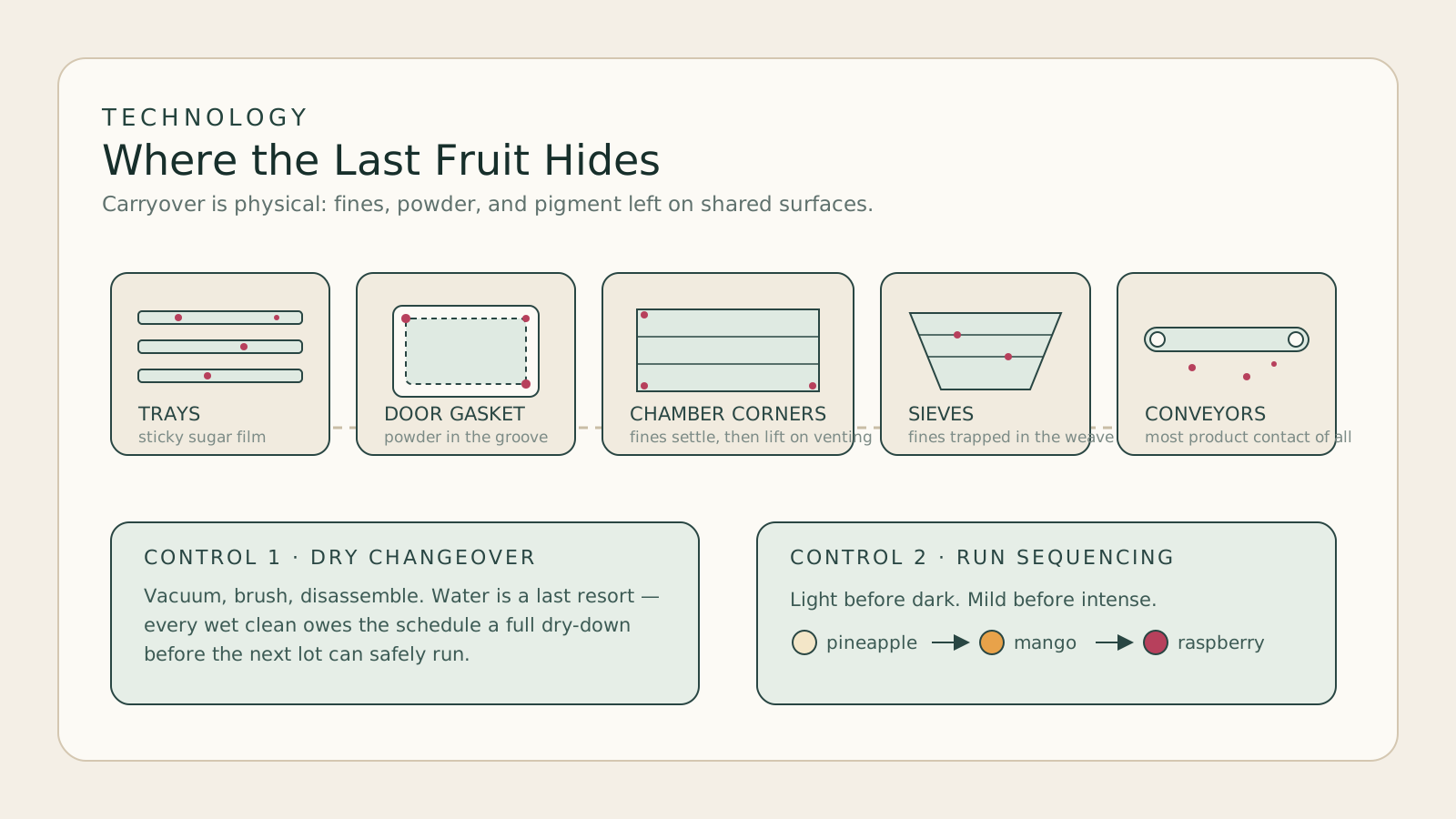
- Tray surfaces and edges. Fruit sticks slightly during drying, especially high-sugar fruit. The residue is thin, dry, and easy to miss under plant lighting.
- Door gaskets and seals. Powder works into the compression groove. It is out of the sightline and inconvenient to reach, so it accumulates over many runs.
- Chamber interior corners and shelf supports. Fines settle and stay, and they redistribute when the chamber is vented back to atmospheric pressure.
- Post-dryer handling equipment. Conveyors, sieves, screens, and hoppers see far more product contact than the dryer itself. Sieve mesh in particular traps fines in the weave.
- Vacuum and venting paths. Fine powder can be pulled toward the condenser or drawn along vent lines, then loosened later.
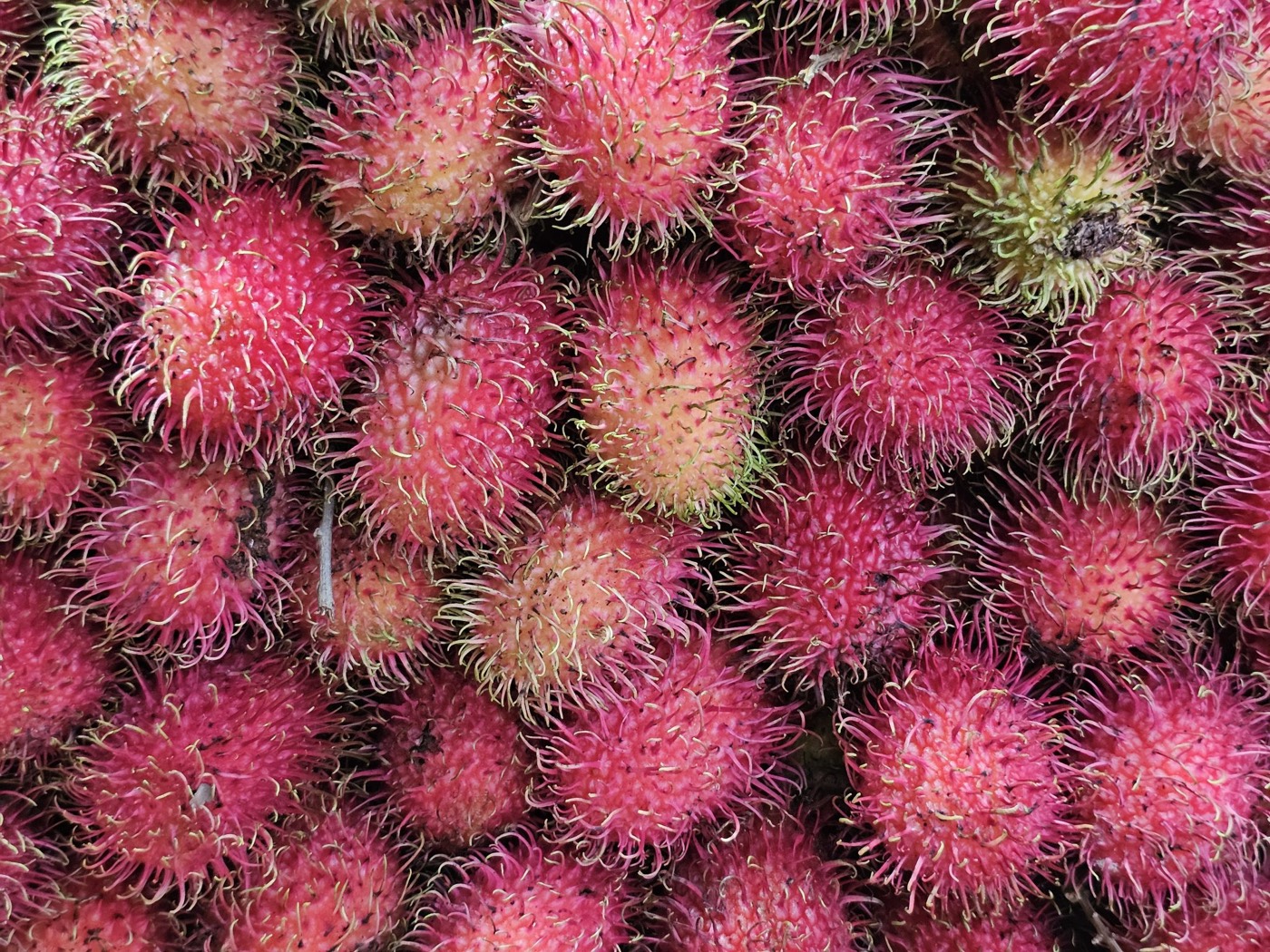
Pigmented fruits — raspberry, dragon fruit, strawberry, blueberry, maqui — leave visible evidence. A pale fruit run after a red one will show pink specks long before anyone can taste a difference. That visibility is useful: color is a free, real-time indicator of how well the changeover worked.
Why dry cleaning dominates
In a wet processing plant, changeover means washing everything down. In a freeze-drying plant, water is a hazard.
Two reasons. First, residual moisture is product risk. A line built to deliver product at very low water activity cannot tolerate damp trays or a humid chamber. Even small amounts of reintroduced moisture can be picked up by the next lot before packaging, softening texture. Second, damp surfaces are microbial risk. Dry environments are hostile to microbial growth; a wet one is not. Introducing water into a normally dry facility creates conditions that did not previously exist.
So the default toolkit is dry: vacuuming with HEPA-filtered units, brushing, compressed-air blowdown into controlled capture, wiping with dry or alcohol-dampened cloths, and disassembly of the parts that hold the most residue.
Wet cleaning is still used — for stubborn sugar residue, for allergen changeovers, and on a periodic deep-clean schedule. When it is used, it must be followed by a documented dry-down. That dry-down is the hidden cost: it can consume more schedule time than the cleaning itself.
Run sequencing: the cheaper half of the answer
No changeover is perfect. Sequencing accepts that and arranges the schedule so that residual carryover moves in the least harmful direction.
The general logic:
- Light before dark. Pineapple, apple, and banana before raspberry, blueberry, and dragon fruit. Pigment moving onto a dark fruit is invisible; pigment moving onto a pale fruit is a defect.
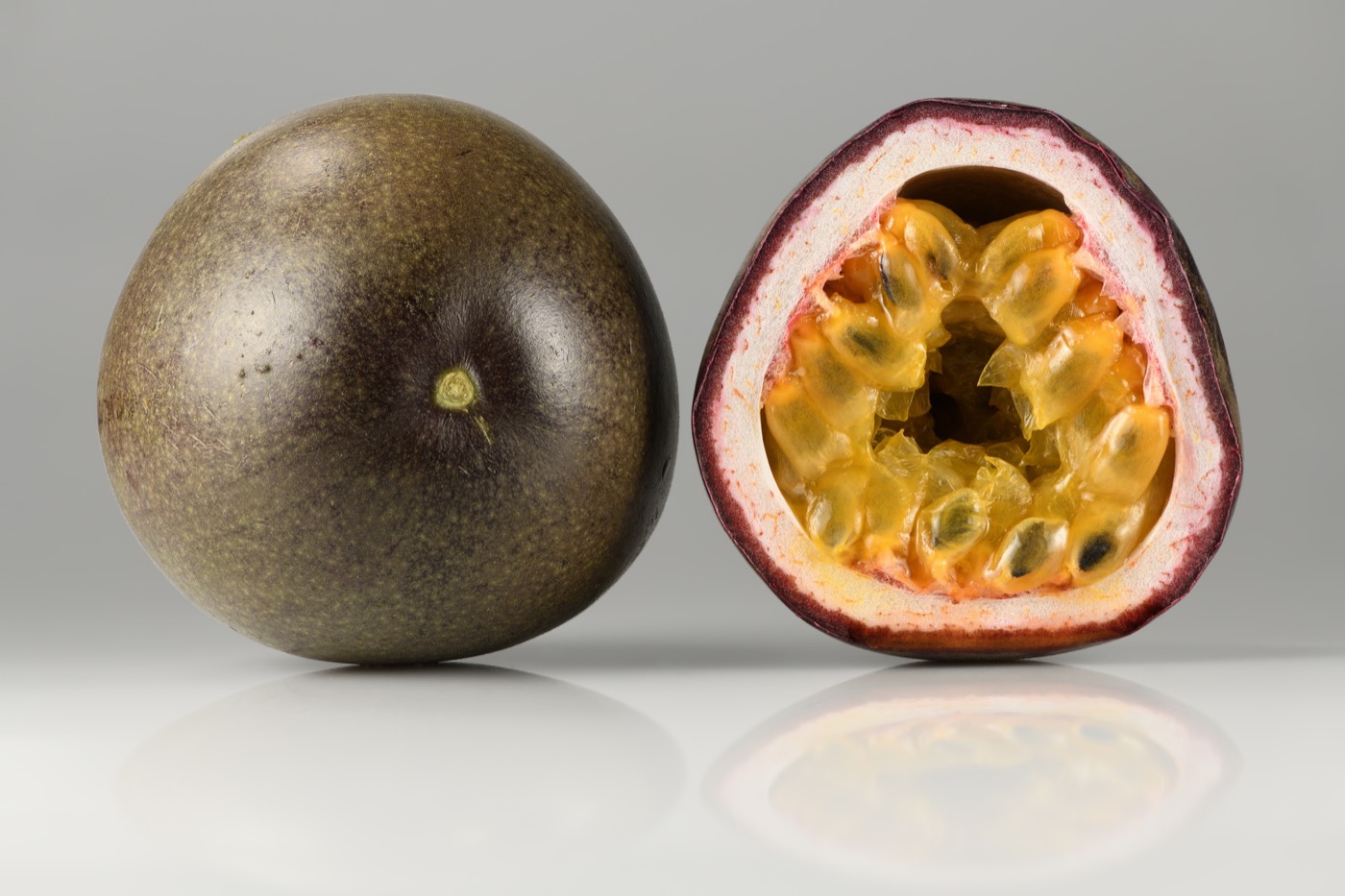
- Mild before intense. Pear or melon before mango, passion fruit, or durian. Strong aromatics are the ones that transfer noticeably.
- Non-allergen before allergen — or, better, physical separation. Where a facility handles allergen-bearing products at all, allergen runs are ideally isolated by line or scheduled last, before a full validated clean.
- Longest campaigns first. Running many lots of the same fruit back-to-back minimizes the number of changeovers in total, which is the simplest way to reduce carryover risk.
Sequencing is free. It costs only scheduling discipline, and it is the first thing to ask about when a supplier's carryover story sounds thin.
What "clean" is verified against
"We clean between every run" is a statement no supplier will deny. The useful questions go one layer deeper.
- Is the changeover procedure written and fruit-specific? A generic SOP suggests it has not been thought through. A procedure that treats a raspberry-to-pineapple changeover differently from a pineapple-to-apple one has been.
- What is the verification step? Visual inspection against a defined standard is the minimum. Some plants run a small flush quantity of the next fruit and discard it. Allergen changeovers should have a documented verification method — swab tests or validated visual checks — not just a signature.
- Who signs off, and can they stop the line? If the person verifying the clean reports to the person who owns throughput, the incentive is misaligned.
- Is there a record per changeover? Retrievable changeover records are what turn an investigation from guesswork into a timeline.
Not "do you clean between lots," but: "Show me your changeover record for the run immediately before my last lot, and tell me what fruit ran before mine." A supplier who can answer that quickly has a real system. A supplier who cannot is running on memory.
The economics behind the corner-cutting
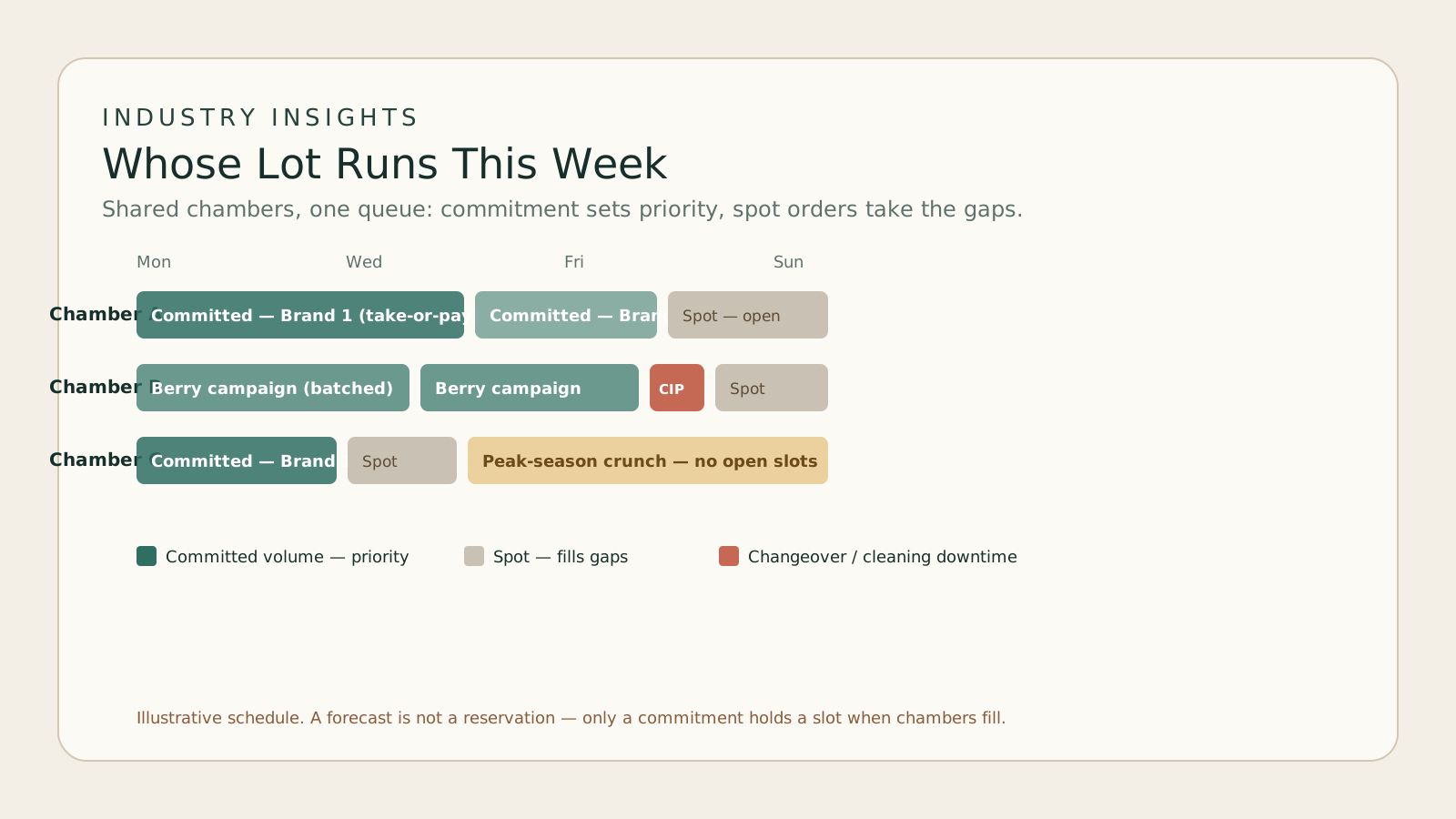
Changeover time is unproductive dryer time, and freeze-dryer capacity is the most expensive asset in the plant. Every hour spent cleaning is an hour the chamber is not sublimating water. That pressure is real and it is why changeovers get compressed when a plant is running full.
This is worth understanding as a buyer, because it tells you when carryover risk is highest: during peak season, when the plant is running many fruits across many customers and the schedule is tight. A lot produced in a slow month and a lot produced during a capacity crunch are not the same risk, even from the same supplier.
It also explains why toll processors and multi-customer co-packers face this more acutely than a vertically integrated producer running one or two fruits. More SKUs means more changeovers per unit of output.
What this means in the bag
For most buyers, carryover shows up in three ways.
Off-notes. A faint flavor that does not belong. Usually detected by a sensory panel or a long-standing customer, rarely by a lab.
Visible foreign fruit. Specks or fragments of a different color. This is the version that generates complaints, because it is unambiguous and photographable.
Allergen cross-contact. The version with legal consequences. If the facility handles tree nuts, dairy, or other allergens on shared equipment, changeover controls are the barrier between a "may contain" statement being a precaution and being an understatement.
The first two are quality issues and are managed with sequencing, cleaning, and honest specs. The third is a safety issue and deserves a different level of scrutiny — dedicated lines, or validated cleaning with verification, not a promise.
The practical read
Carryover is not evidence of a bad supplier. It is a normal consequence of running multiple fruits through shared equipment, and every multi-fruit plant manages it somewhere on a spectrum from careless to rigorous.
What separates the two ends is not the cleaning equipment. It is whether the plant treats changeover as a scheduled, documented, verified process with authority to hold the line — or as the thing that happens in the gap while everyone waits for the next run to start.
Frequently Asked Questions
Can a freeze-dried strawberry lot really pick up flavor from a previous mango run?
Faintly, yes. The mechanism is usually physical rather than chemical: mango fines and aromatic powder left on trays, in gaskets, or in conveying equipment mix into the next lot in small amounts. It rarely shows up as a lab failure, but a trained sensory panel or an attentive customer can notice it.
Why do freeze-drying plants prefer dry cleaning over washing everything down?
Because introducing water into a facility built around very dry product creates two problems: residual moisture that the next lot can pick up, and damp surfaces where microbial growth can start. Wet cleaning is used where it is necessary, but it requires a validated dry-down before production restarts.
Does run sequencing actually reduce the need for cleaning?
It reduces the consequences of imperfect cleaning. Running light, delicate flavors before strong or heavily pigmented ones means any residual carryover moves in the less damaging direction. It is a risk-reduction tool, not a substitute for changeover procedures.
How is allergen changeover different from flavor changeover?
Flavor carryover is a quality issue; allergen carryover is a safety issue with a legal dimension. Allergen changeovers need documented cleaning procedures and verification — swabs, protein tests, or validated visual inspection — rather than the judgment-based checks that may be acceptable for flavor.
Primary sources & further reading
- Current Good Manufacturing Practice, Hazard Analysis, and Risk-Based Preventive Controls for Human Food (21 CFR Part 117) U.S. Electronic Code of Federal Regulations Referenced for sanitation preventive controls and the requirement that equipment be cleaned and maintained to prevent contamination and cross-contact.
- Food Allergen Labeling and Consumer Protection Act Questions and Answers U.S. Food and Drug Administration Referenced for the distinction between deliberate ingredients and unintentional cross-contact, which is what changeover cleaning is designed to prevent.
External links open in a new tab. We do not receive compensation from any organization listed; sources are referenced because they are primary, current, and publicly verifiable.