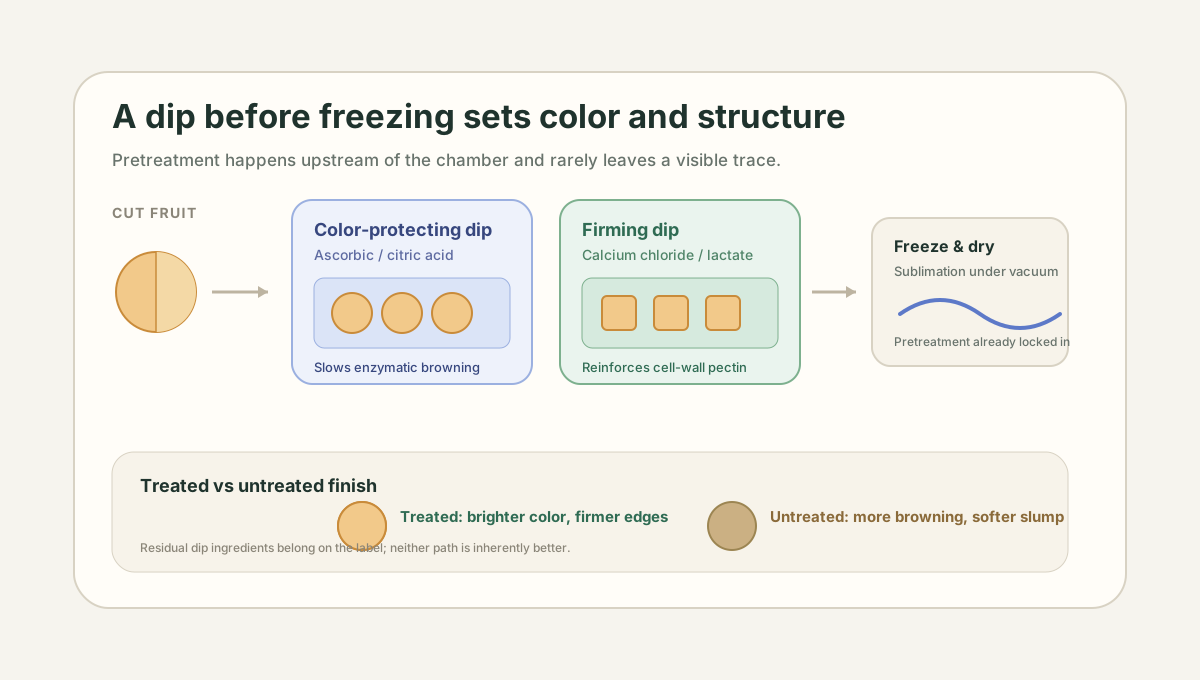
- Pretreatment dips are applied before freezing and mainly target color stability, enzymatic browning, and structural firmness rather than moisture removal.
- Ascorbic and citric acid dips slow browning in cut, oxidation-prone fruits, while calcium dips can firm tissue that would otherwise collapse.
- Pretreatment is a processing choice, not a hidden additive scheme, but it does show up on labels and should be disclosed on specs.
Most of the attention in freeze-drying goes to the chamber: the vacuum, the shelf temperature, the endpoint. But some of the most visible quality differences in finished fruit are decided minutes earlier, at a shallow tank of solution the fruit passes through before it is ever frozen.
Pretreatment dips are easy to overlook because they happen upstream and leave little visible trace. Yet they often explain why one apple slice finishes bright and another finishes tan, or why one peach cube holds its shape while another slumps.
The direct answer
Pretreatment dips change freeze-dried fruit mainly by protecting color and reinforcing structure before the freezing step, not by removing water. The two most common goals are slowing enzymatic browning and firming tissue that would otherwise collapse.
A dip does not replace good drying. It sets up the raw material so that the drying it receives produces a cleaner, more stable finished piece.
What the dip is actually doing
When fruit is cut, its cells are damaged and its interior is exposed to oxygen. In many fruits, that triggers two problems long before the freeze dryer gets involved.
The first is enzymatic browning. Enzymes in the fruit react with oxygen and natural phenolic compounds, producing brown pigments. This is the same reaction that turns a cut apple tan on the counter. Freezing slows it but does not stop the discoloration that already started, and browning can continue at the surfaces during handling.
The second is structural softening. Some fruits have delicate cell walls that lose rigidity once cut and chilled. If the tissue is already weak going into freezing, the finished freeze-dried piece is more likely to slump, fracture unevenly, or lose its intended shape.
A pretreatment dip addresses these before freezing rather than trying to fix them afterward.
The common dip chemistries
Most pretreatment falls into a few recognizable categories, and each targets a different failure mode.
Ascorbic acid dips, using vitamin C, act as an antioxidant. They preferentially react with oxygen and interrupt the browning pathway, helping cut fruit hold a fresher color. Because ascorbic acid is also a nutrient, a residual amount raises the vitamin C listed on the label.
Citric acid dips lower the surface pH. Many browning enzymes work slowly in more acidic conditions, so a mild citric dip can reduce discoloration while adding a faint tartness. Citric acid is often combined with ascorbic acid rather than used alone.
Calcium dips, typically calcium chloride or calcium lactate, are about texture rather than color. Calcium ions interact with pectin in the cell walls and can firm the tissue, helping soft fruits keep their structure through freezing and drying.
It helps to read pretreatment by purpose. Ascorbic and citric dips are mostly color protection. Calcium dips are mostly structure. A processor may use one, both, or neither depending on the fruit and the target.
Why the same fruit can be treated differently
Pretreatment is not a universal step. Whether a fruit needs it depends on its own chemistry.
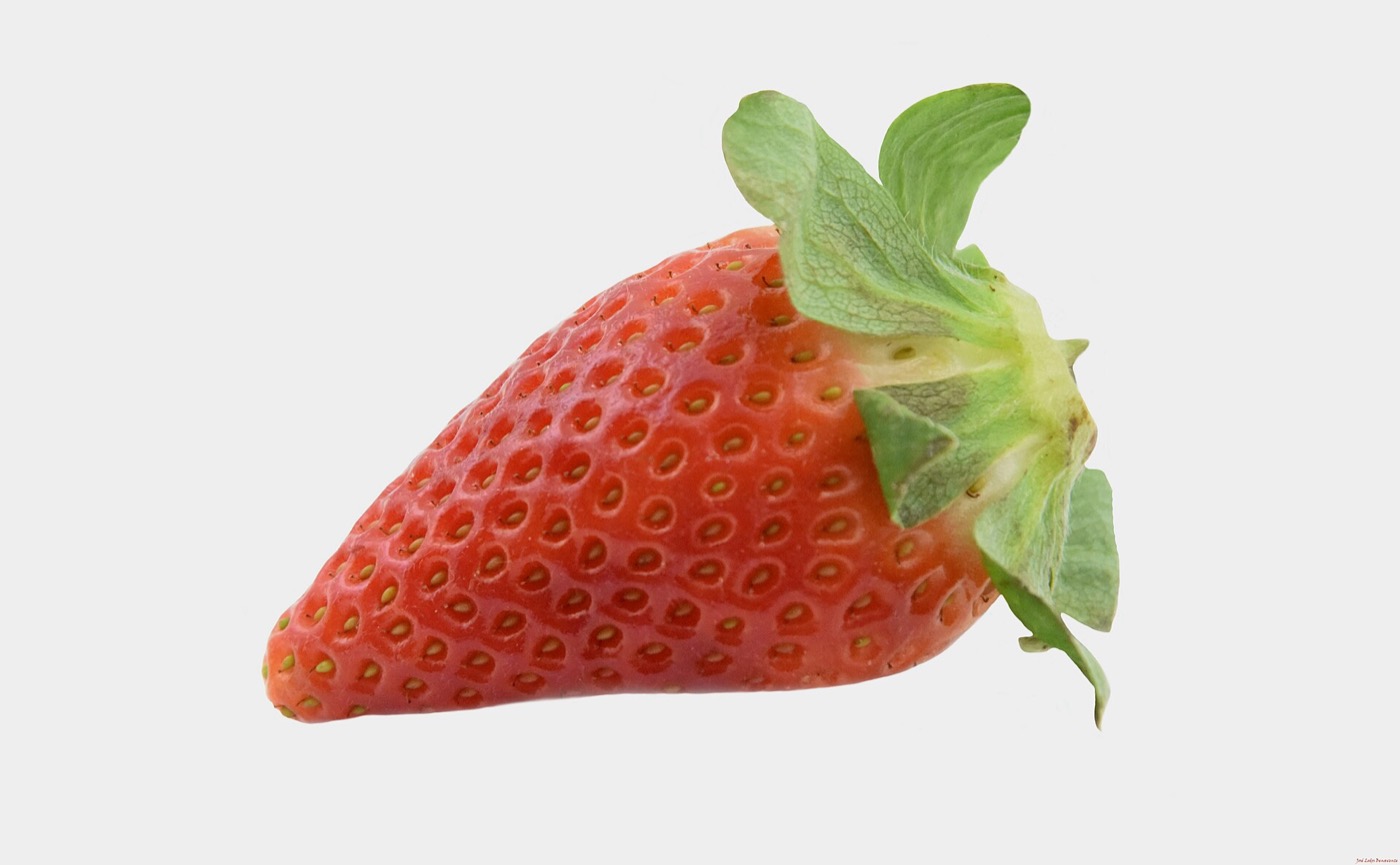
Naturally acidic, pigment-stable fruits often need little help. Strawberries and pineapple, for example, tend to hold color reasonably well because their acidity and pigments work in their favor. Aggressive dipping there can be unnecessary and can even dull the flavor.
Browning-prone fruits are the classic candidates. Apple and pear slices, banana, and some peach and tropical cuts discolor quickly, so a color-protecting dip is common when a bright finished appearance matters.
Structurally delicate fruits benefit from firming. Very soft or high-moisture pieces that would otherwise slump can hold their geometry better after a calcium dip.
This is why two suppliers can offer "freeze-dried apple" that looks noticeably different. One may run a color-protecting dip and the other may not, and both can be legitimate depending on what the buyer wants.
The tradeoffs buyers should understand
Pretreatment is a tool, not a free upgrade, and it carries real tradeoffs.
The first is label impact. If a dip leaves residual ascorbic acid, citric acid, or a calcium salt in the product, those ingredients belong in the ingredient statement. That can move a product from single-ingredient fruit to fruit plus processing aids. Neither is wrong, but a buyer selling on a "just fruit" promise needs to know which one they are getting.
The second is flavor. Heavy acid dips can add a tartness that changes the eating experience, especially on mild fruits. Good processors calibrate concentration to protect color without overwhelming the fruit.
The third is consistency. A dip only helps if it is applied evenly and controlled. Inconsistent dip time, concentration, or drainage can create piece-to-piece variation, which shows up later as uneven color or texture in the bag.
What to ask a supplier
Because pretreatment happens upstream and leaves little obvious signal, the practical path for a buyer is to ask directly.
Useful questions include whether the fruit is pretreated at all, what solution is used, and why. If a dip is used, ask whether residual ingredients appear on the label and how the supplier controls dip concentration and contact time across a run. For color-sensitive products, ask how the supplier measures and holds color targets from lot to lot.
A credible answer connects the dip to a specific purpose. "We use a light ascorbic dip on apple to hold color, and it appears on the ingredient statement" is a stronger answer than a vague reassurance that nothing is added.
What this means for product developers
For anyone building a product around freeze-dried fruit, pretreatment is a spec decision worth making on purpose rather than inheriting by accident.
If the product sells on a clean, single-ingredient story, confirm that the fruit is either untreated or treated only in ways that fit that claim. If the product sells on vivid color or intact whole pieces, a modest pretreatment may be exactly what protects the look and structure the shelf presence depends on.
Either way, the point is to specify the outcome you want and understand the upstream step that delivers it, rather than being surprised by browning or slumping after the fruit is already dried.
Bottom line
Pretreatment dips shape freeze-dried fruit before the freeze dryer ever runs. Acid dips protect color by slowing enzymatic browning, and calcium dips reinforce structure so delicate fruit holds its shape. The dip is not a hidden trick, but it does change the label, the flavor balance, and the finished look, so it belongs in any serious conversation about why two versions of the same fruit turn out differently.
Frequently Asked Questions
What is a pretreatment dip in freeze-dried fruit?
A pretreatment dip is a short soak or spray applied to cut fruit before freezing. Common dips use ascorbic acid, citric acid, or calcium salts to slow browning, protect color, or firm the tissue so the piece holds its structure through freeze-drying.
Does pretreatment change the nutrition or flavor of freeze-dried fruit?
Pretreatment is usually light and functional rather than flavor-driven. Acid dips can add a faint tartness at high concentration, and added ascorbic acid raises vitamin C content, but the main goal is color and texture protection, not sweetening or seasoning.
Is pretreated freeze-dried fruit still 100 percent fruit?
Not necessarily. If a dip adds ascorbic acid, citric acid, or a calcium salt that remains in the product, those ingredients belong on the label, so the product would be fruit plus a processing aid rather than single-ingredient fruit. Read the ingredient statement to confirm.
Which fruits are most likely to be pretreated before freeze-drying?
Cut fruits that brown quickly or slump easily are the most common candidates: apple and pear slices, banana, peach, and some tropical fruits. Naturally acidic or pigment-stable fruits like strawberry and pineapple often need less intervention.
How can a buyer tell whether fruit was pretreated?
Ask for the ingredient statement and the process specification. A dip that leaves residual ascorbic acid, citric acid, or calcium should appear on the label, and a good supplier can describe whether pretreatment is used and why.