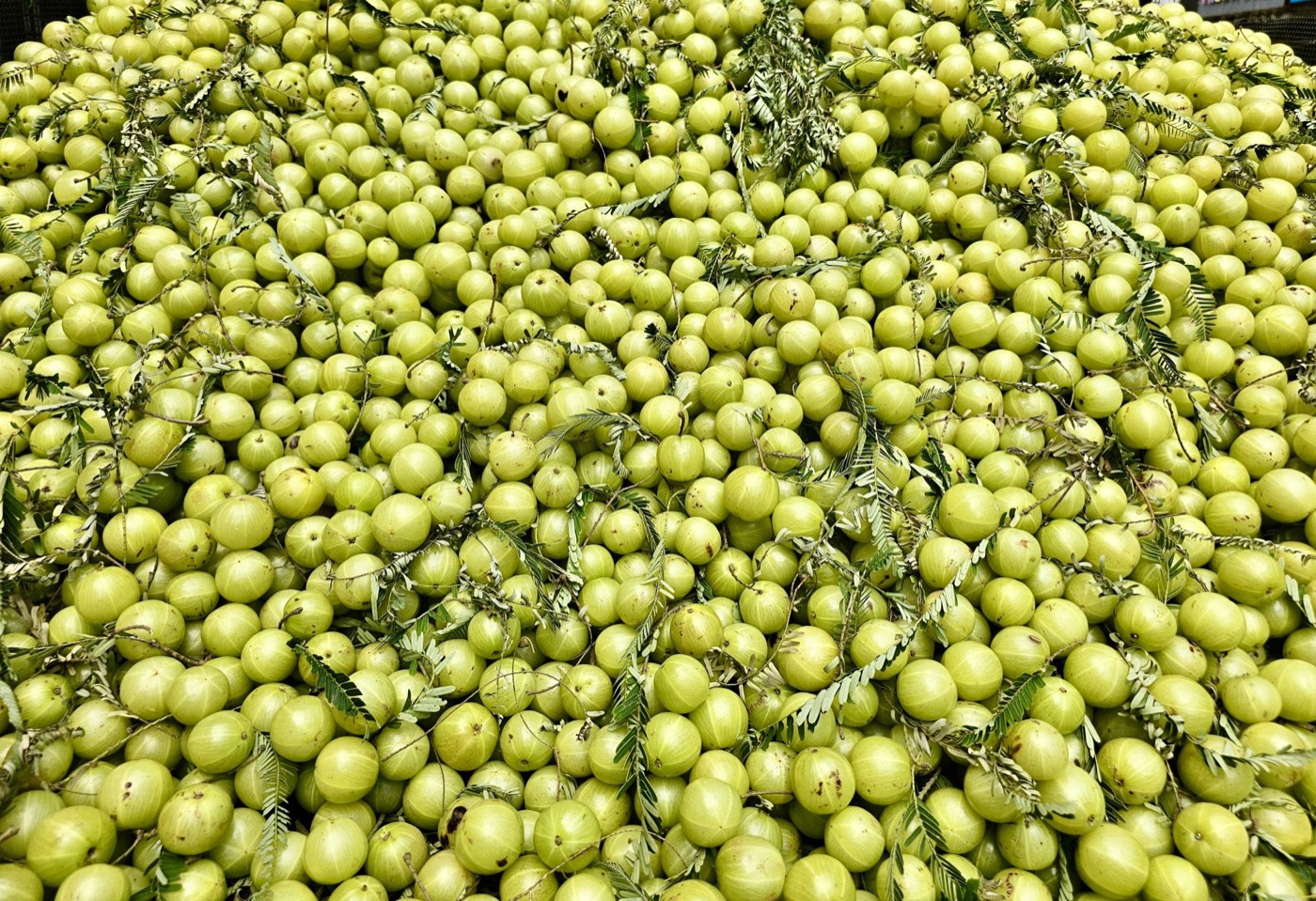
- Gooseberry is a naming trap: European gooseberry, Indian gooseberry or amla, and Cape gooseberry are different fruit ideas.
- The main variety question is often not cultivar but identity: which gooseberry are we actually talking about?
- Acidity, bitterness, tannin, seed structure, and intended use vary dramatically across gooseberry types.
- Freeze-dried gooseberry is often more useful as powder, small pieces, or functional-style ingredient than as a casual sweet snack.
Gooseberry is one of the easiest fruit names to misunderstand. Depending on the market, it can mean a tart dessert berry, Indian amla, Cape gooseberry, or something else entirely.
So how many types of gooseberries are there? The useful answer depends on how you count: by cultivar, by species, by regional market name, by commercial grade, or by processing behavior. For consumers, the question is usually about flavor. For buyers and processors, the question is about repeatability.
This guide treats gooseberry variety as a practical map: what names matter, what differences change the eating experience, and what those differences mean for freeze-dried fruit, powders, toppings, and ingredient sourcing.
Quick answer: how many gooseberry varieties are there?
There is no single clean number that works across every country and market. A better way to think about it is by commercial layers.
| Layer | What it means |
|---|---|
| Major meanings | European gooseberry, Indian gooseberry or amla, Cape gooseberry or goldenberry |
| Key differences | Acidity, bitterness, sweetness, seed structure, color, and culinary use |
| Label risk | High, because the same word can describe very different fruits |
| Freeze-dried relevance | Best for tart powders, blends, functional-style ingredients, and sharp flavor accents |
The most important point is that variety is not trivia. It changes flavor, texture, cost, yield, and how confidently a brand can describe what is inside the package.
Why gooseberry variety is complicated
Most fruit variety guides start with cultivars. Gooseberry has to start one step earlier: what fruit are we naming? European gooseberry belongs to a different consumer expectation than Indian amla. Cape gooseberry, often sold as goldenberry or physalis, is different again. If the identity is wrong, the specification is wrong before processing begins.
That is why variety guides can be more useful than simple lists. A list may tell you names. A good sourcing guide tells you which differences actually change the product.
Types and market groups to know
European gooseberries
Small, tart berries used fresh, cooked, or in desserts. They can be green, red, yellow, or purple depending on cultivar and ripeness.
Indian gooseberry or amla
Highly sour, tannic, and culturally important in Indian food and wellness contexts. It is often used in powders, preserves, candies, and functional ingredients.
Cape gooseberry or goldenberry
A husked Physalis fruit with sweet-tart tropical flavor. It is commonly confused with gooseberry by name but belongs to a different market lane.
Regional sour fruits called gooseberry
Some local names use gooseberry loosely, which makes origin and botanical identity important for trade.
What this means for freeze-dried fruit
Freeze-dried gooseberry can be excellent when the product is honest about intensity. European gooseberry can bring sharp berry acidity. Amla can be powerful, bitter-sour, and functional-coded. Goldenberry can be more snackable and tropical. These are not interchangeable.
For freeze-dried fruit, variety affects more than flavor. It can change cut yield, drying time, breakage, color stability, aroma retention, and whether the final product feels like a premium snack or a generic ingredient.
A practical buyer should evaluate:
- raw fruit identity and origin
- ripeness at processing
- seed, pit, peel, or membrane management
- piece format and size tolerance
- sweetness and acidity range
- color after drying
- breakage and powder percentage
- whether the product will be eaten directly or used as an ingredient
Why labels often hide the variety
This is one of the clearest cases where labels need more than a common name. Buyers should ask for botanical identity, origin, cultivar or type, acidity, bitterness, seed content, cut format, and whether the product is intended for direct snacking, tea, powder, or blend use.
There is also a commercial reason for broad labels: flexibility. A brand that prints a specific variety name has to keep that promise across seasons. A brand that prints only the fruit name can adjust sourcing more easily. Neither choice is automatically wrong, but the level of detail should match the price and positioning.
Ask what the fruit really is, where it comes from, whether the lot is single-origin or blended, how the edible portion is prepared, and which quality traits are guaranteed in writing. Variety only helps if it survives into the finished product.
How gooseberry compares
A quick reference for how gooseberry sits alongside the freeze-drying personalities of its closest siblings.
| Fruit | Brix | Fiber | Aroma | Color stability | Breakage risk | Typical format |
|---|---|---|---|---|---|---|
| Gooseberrythis report | 8–12° | Medium | Moderate | Moderate | Medium | Halves · powder |
| Strawberry | 7–12° | Low | Strong | Moderate | Medium | Slices · whole · powder |
| Blueberry | 10–15° | Low | Moderate | Strong | Low | Whole · halves · powder |
| Raspberry | 8–12° | Low | Strong | Moderate | High | Whole · broken · powder |
| Blackberry | 8–13° | Medium | Strong | Moderate | High | Whole · broken · powder |
| Cranberry | 6–9° | Medium | Sharp | Strong | Low | Slices · pieces · powder |
| Mulberry | 9–15° | Low | Moderate | Strong | Medium | Whole · broken · powder |
Values are typical industry ranges. Variety, origin, harvest window, and process all shift them.
Conclusion
Gooseberry variety begins with language. Before asking how many types exist, ask which gooseberry is in the room. That one question can prevent a lot of bad sourcing decisions.
For consumers, variety explains why two products with the same fruit name can taste surprisingly different. For the freeze-dried fruit industry, it explains something even more important: a fruit name is not a finished specification. It is the start of one.
Frequently Asked Questions
How many types of gooseberries are there?
Gooseberry is a naming trap rather than a clean variety count. The main commercial layers are European gooseberry (the tart dessert berry), Indian gooseberry (amla), and Cape gooseberry (also called goldenberry or physalis) — three different fruit ideas sharing the gooseberry name. Each then has its own internal cultivar diversity.
What's the difference between European gooseberry, amla, and Cape gooseberry?
European gooseberry (Ribes uva-crispa) is the small tart dessert berry used in pies, jams, and snacks — green, red, yellow, or purple by cultivar. Indian gooseberry or amla (Phyllanthus emblica) is firmer, tannic, intensely sour, culturally important in Ayurveda. Cape gooseberry (Physalis peruviana) is a husked tropical fruit with sweet-tart character — closer to a tomatillo relative than to true gooseberry.
Why is gooseberry such a confusing name?
Three botanically unrelated fruits share the gooseberry label. European gooseberry belongs to the currant family. Indian gooseberry (amla) belongs to a completely different genus. Cape gooseberry (goldenberry, physalis) is a nightshade relative. If a buyer assumes one and gets another, the entire spec is wrong before processing starts.
Which gooseberry is best for freeze-drying?
Depends on the use case. European gooseberry brings sharp berry acidity for toppings and blends. Amla brings powerful bitter-sour functional character for powders, teas, and wellness products. Goldenberry brings sweet-tart tropical flavor for more snackable formats. They are not interchangeable raw materials — choose the species first, the cultivar second.
What is amla used for?
Amla has deep cultural and Ayurvedic associations in India and South Asia — used in powders, supplements, candies, preserves, and wellness products. Freeze-dried amla preserves more of its naturally high vitamin C and tannin content than heat-dried alternatives, which is why it appears in functional product lines rather than as a casual fruit snack.
Is goldenberry the same as Cape gooseberry?
Yes — same fruit (Physalis peruviana), different marketing names. Cape gooseberry is the older common name (Cape referring to the Cape of Good Hope where the fruit was historically traded). Goldenberry is the modern wellness-positioned marketing name. Inca berry and physalis also refer to the same fruit. Confirm with botanical name when sourcing.
What should buyers ask freeze-dried gooseberry suppliers?
Start with which gooseberry — European (Ribes), amla (Phyllanthus emblica), or Cape gooseberry/goldenberry (Physalis peruviana). Then ask cultivar where available, origin, maturity, seed or pit structure, cut format, added sugar or carrier, anti-caking strategy for powder, target moisture or water activity, and intended use case.