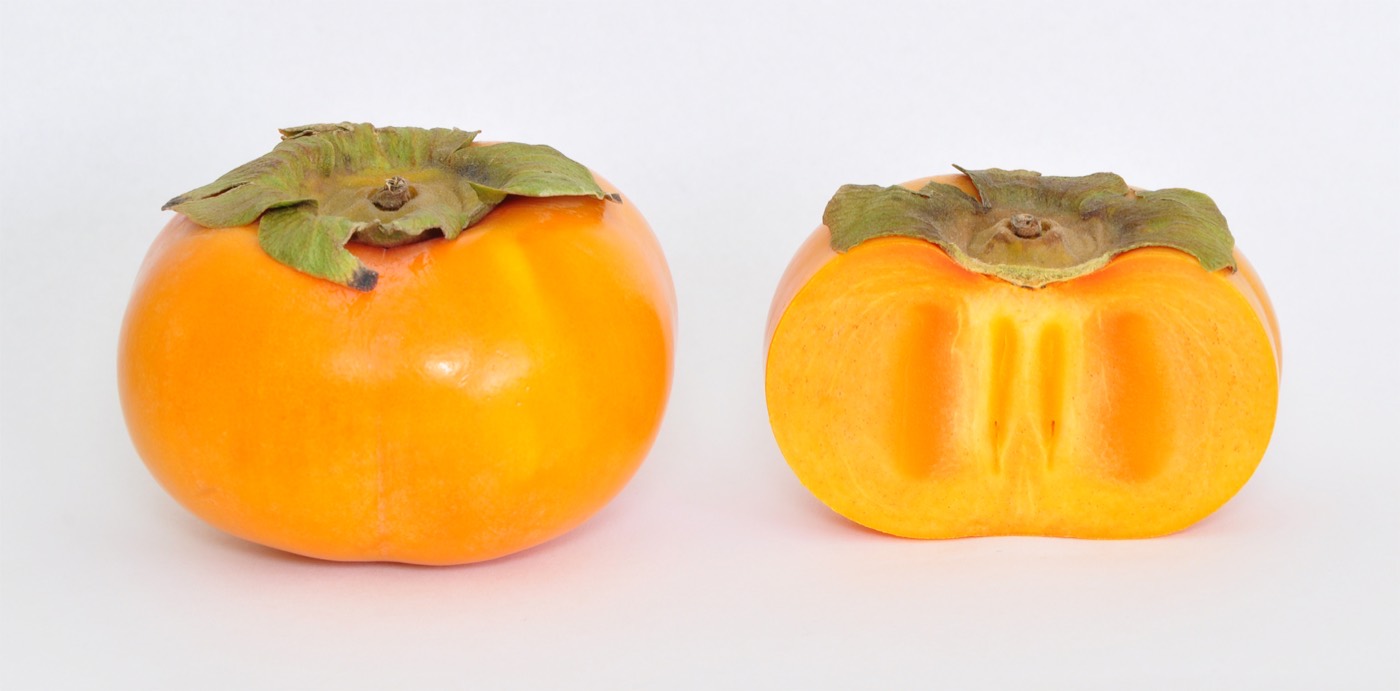
- Fuyu and Hachiya persimmons behave very differently and should not be treated as interchangeable.
- Astringency control is the central quality risk.
- Ripe persimmon offers high sweetness and a soft, autumnal flavor profile.
- Slices and chips usually communicate persimmon better than anonymous cubes.
Persimmon can freeze-dry into something honeyed and elegant, but the variety and ripeness must be right. For freeze-dried fruit buyers, persimmon is not just a flavor name. It is a set of decisions about raw material, cutting, drying behavior, sensory quality, packaging, and where the finished fruit actually belongs.
Use this guide as a working field note for buyers, product developers, snack founders, and curious consumers. The goal is not to rank every fruit in a vacuum. It is to understand how persimmons behave after water is removed, what quality looks like in the bag, and which questions make a supplier conversation more useful.
Quick comparison: persimmon formats for freeze-drying
| Format | Freeze-dried personality | Risk | Best use |
|---|---|---|---|
| Fuyu slices | Sweet, firm, easy to handle | Mild aroma if underripe | Premium snacks, toppings |
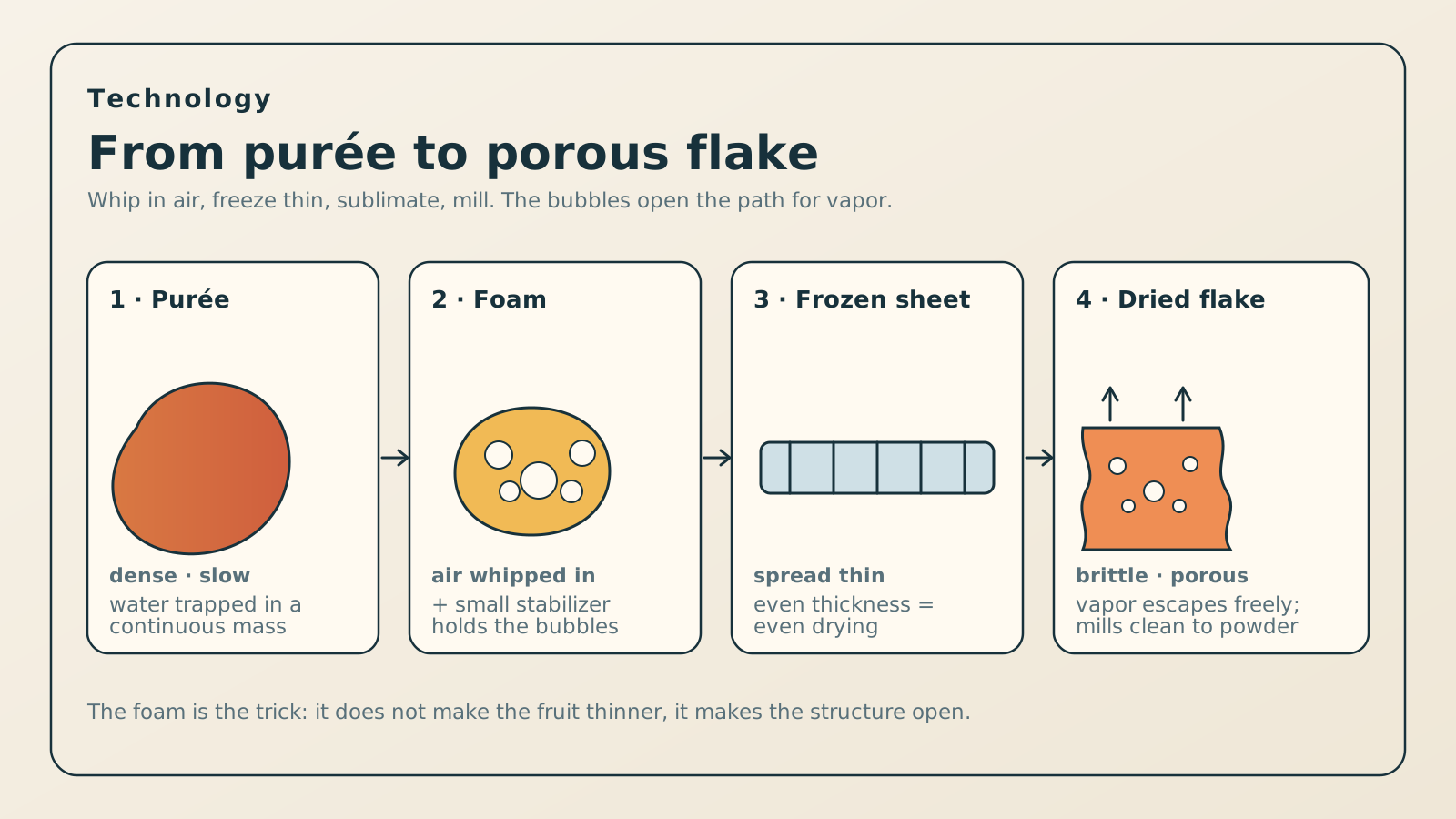
| Hachiya puree/slices | Rich, honeyed, intense | Astringency if mishandled | Specialty products, powders |
| Persimmon powder | Warm color and sweetness | Caking and oxidation | Bakery, drinks, coatings |
| Mixed autumn blend | Seasonal story | Needs acid balance | Apple, pear, cranberry blends |
Why persimmons behave the way they do
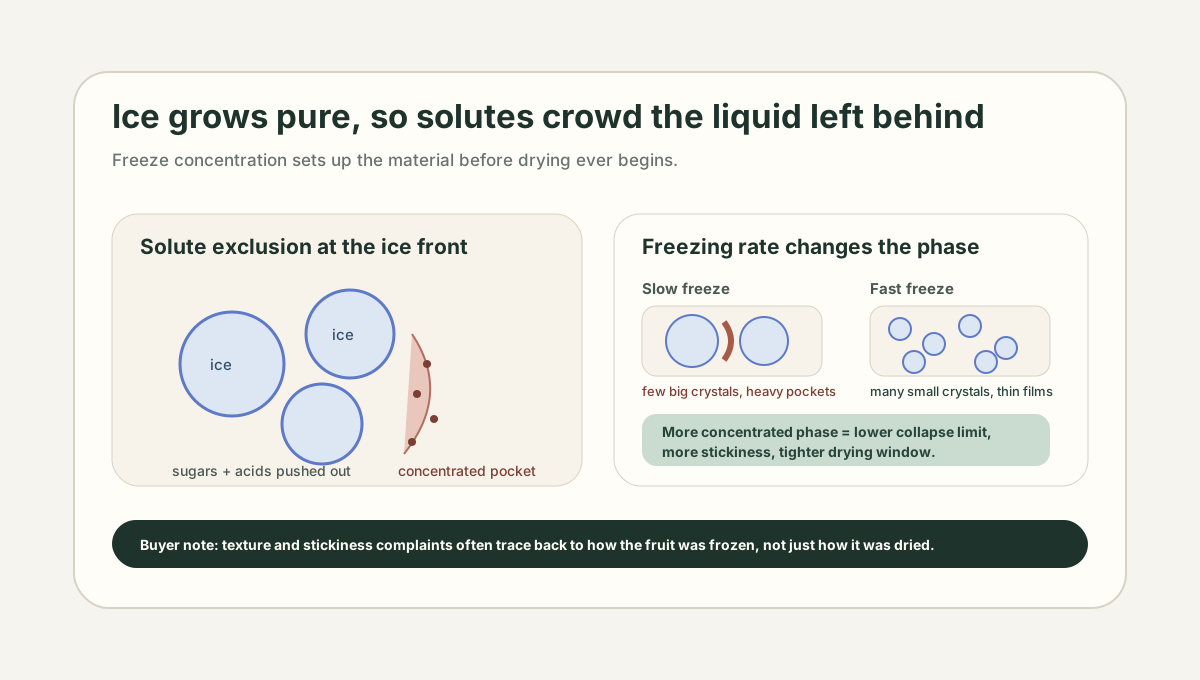
Persimmon quality revolves around tannins and ripeness. Fuyu types can be eaten firm and are easier to slice, while Hachiya types need full soft ripeness to avoid astringency. Freeze-drying concentrates the experience: a good persimmon becomes sweet, delicate, and almost honeylike; a bad one becomes chalky or mouth-drying.
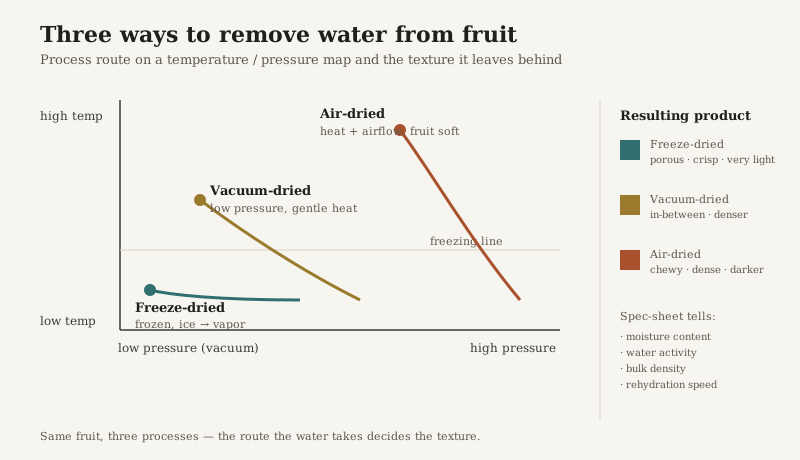
Freeze-drying protects a fruit's original structure more than many consumers realize. It does not add aroma, fix weak ripeness, hide tough skin, or make low-flavor raw material suddenly taste premium. A good process can preserve quality; it cannot invent it from poor input.
What quality looks like in the finished bag
A strong freeze-dried persimmon product usually shows these signals:
- Orange color with no gray cast.
- No mouth-drying astringency.
- Clean sweetness with light spice or honey notes.
- Slice structure that does not collapse.
- Low browning at cut edges.
These signals should always be judged against the format. Whole pieces, slices, dices, crumbles, powders, and puree-derived pieces all have different expectations. The problem is not breakage or powder by itself; the problem is promising one format and delivering another.
Sourcing reality
Persimmon is seasonal and often origin-specific. Buyers should ask the type, ripeness standard, de-astringency treatment if any, cut format, and whether the product is made from firm fruit, soft fruit, or puree. The answer changes everything.
Ask for variety or type, origin, raw material state, cut format, added ingredients, moisture or water activity target, expected breakage rate, and the best-use application the supplier designed the product for.
Best-use formats
Persimmon is strongest in slices, chips, powders, and autumn-style blends. It pairs well with apple, pear, cranberry, cinnamon, yogurt, and tea. Its quiet profile works better when the product design lets it feel seasonal rather than generic.
The best format is the one that gives persimmon a clear job: add color, acid, aroma, crunch, sweetness, visual identity, or a more premium seasonal story. When the format and use case are aligned, freeze-dried persimmon can feel intentional rather than simply unusual.
How to read a persimmon label
A persimmon label should ideally name the type or at least describe the format honestly. If a product is a puree-derived sheet or powder, it should not pretend to be intact fruit slices.
For buyers, the practical question is not simply whether freeze-dried persimmon is good. It is whether this version of persimmon fits the claim, price, and use case. That is what turns a fruit report into a sourcing tool.
How persimmon compares
A quick reference for how persimmon sits alongside the freeze-drying personalities of its closest siblings.
| Fruit | Brix | Fiber | Aroma | Color stability | Breakage risk | Typical format |
|---|---|---|---|---|---|---|
| Persimmonthis report | 14–20° | Low | Mild | Moderate | Low | Slices · dices · powder |
| Dragon fruit | 8–13° | Low | Mild | Very strong (red) | Low | Pieces · powder |
| Pomegranate | 14–18° | Low (seed core) | Moderate | Strong | Low | Arils · powder |
| Kiwi | 9–15° | Low | Moderate | Moderate | Medium | Slices · dices · powder |
| Fig | 16–24° | High (seeds) | Moderate | Moderate | Medium | Halves · slices · powder |
| Grape | 15–22° | Low (skin issue) | Moderate | Strong | High | Halves · powder |
Values are typical industry ranges. Variety, origin, harvest window, and process all shift them.
Conclusion
Freeze-dried persimmon is most successful when the product respects the fruit's limits instead of forcing it into a generic snack template. Start with the fruit's structure, choose the format from the use case, and judge the finished bag by aroma, texture, color, and honesty of claim. That is the difference between a novelty sample and a product someone can buy with confidence.
Frequently Asked Questions
What's the difference between Fuyu and Hachiya persimmon for freeze-drying?
Fuyu types can be eaten and processed firm — they slice cleanly, hold shape, and produce premium snack pieces and toppings. Hachiya types must reach full soft ripeness to lose their astringency; below that ripeness they are mouth-puckering. Hachiya tends to be processed as puree or soft slices for specialty products and powders.
Why is astringency such a quality risk for freeze-dried persimmon?
Persimmon contains tannins that read as astringency — a chalky, mouth-drying sensation. Fuyu varieties are non-astringent (or low-astringent) at firm ripeness; Hachiya and similar varieties are heavily astringent until fully soft. Freeze-drying preserves whatever astringency was in the raw fruit, so picking the right variety at the right ripeness is essential.
Which persimmon variety is better for freeze-drying — Fuyu or Hachiya?
For predictable freeze-dried slices and chips, Fuyu is usually the safer choice — easier to handle firm, lower astringency risk. Hachiya can deliver a richer, honey-like flavor but only when fully soft-ripe. Each suits different formats: Fuyu for snacks and toppings, Hachiya for puree-derived products and powders.
What's the best format for freeze-dried persimmon?
Fuyu slices are sweet, firm, easy to handle — best for premium snacks and toppings. Hachiya puree or slices deliver rich honeyed intensity for specialty products. Persimmon powder concentrates warm color and sweetness for bakery, drinks, and coatings. Mixed autumn blends with apple, pear, or cranberry give persimmon a seasonal context.
What does freeze-dried persimmon taste like?
Honeyed, gently sweet, with light spice notes — almost autumnal. Good Fuyu freeze-dries into clean approachable slices; well-handled Hachiya produces something richer and more dessert-like. The flavor is quieter than mango or strawberry but more distinctive than apple — works best when the product design lets persimmon feel seasonal rather than generic.
What quality signals matter in freeze-dried persimmon?
Orange color with no gray cast; no mouth-drying astringency; clean sweetness with light spice or honey notes; slice structure that does not collapse; and low browning at cut edges. Astringency is the single biggest defect to watch for — taste a small piece before approving any sample.
What should buyers ask freeze-dried persimmon suppliers?
Ask the type (Fuyu, Hachiya, or hybrid), ripeness standard at processing, de-astringency treatment if any (carbon dioxide or alcohol exposure are standard methods), cut format, raw material state (firm fruit, soft fruit, or puree-derived), target moisture or water activity, and expected breakage rate.