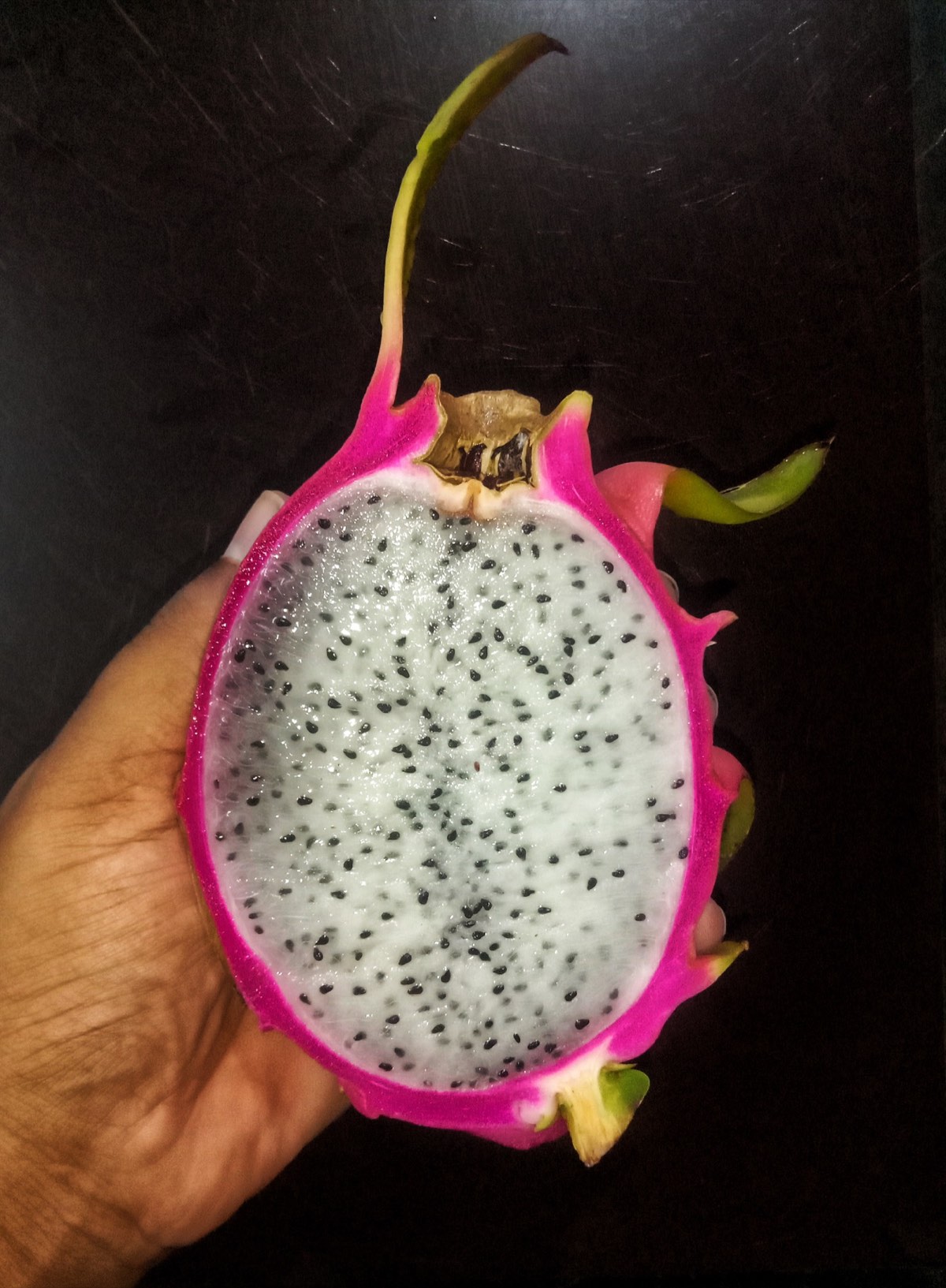
- Red dragon fruit delivers stronger visual impact than white dragon fruit.
- The flavor is usually mild, so application value often comes from color, crunch, and novelty.
- Seeds add texture and visual identity but can feel distracting if the flesh is bland.
- Buyers should separate snack appeal from topping, powder, and bowl-use appeal.
Dragon fruit is often bought with the eyes first. In freeze-dried form, color may matter as much as flavor. For freeze-dried fruit buyers, dragon fruit is not just a flavor. It is a set of processing choices: raw material quality, cut format, moisture control, aroma retention, breakage, and how clearly the finished piece still communicates the fruit.
Use this guide as a practical sourcing tool. The goal is not to rank every possible dragon fruit product. It is to understand what usually separates a strong freeze-dried dragon fruit sample from one that looks good on a sell sheet but disappoints in the bag.
Quick comparison: dragon fruit formats for freeze-drying
| Type | Freeze-dried personality | Flavor | Best use |
|---|---|---|---|
| White-flesh dragon fruit | Clean, pale, mild | Very mild | Blends, novelty snacks |
| Red-flesh dragon fruit | Bright, dramatic, visual | Mild to lightly berry-like | Bowls, powders, premium mixes |
| Yellow dragon fruit | Sweeter, less common | Sweeter, tropical | Specialty packs |
| Powder | High color impact | Mild flavor | Smoothie bowls, drinks, coatings |
Why dragon fruit behaves the way it does
Dragon fruit has a high water content, delicate flesh, and many tiny seeds. The red-flesh types are valuable because their color survives as a strong visual signal. The flavor is often subtle, so freeze-dried dragon fruit should not be judged only against mango or pineapple. Its strength is different: color, seed-speckled texture, and the way it makes bowls or mixes look more exciting. Thin pieces can become crisp and vivid, while thicker cubes may be more fragile or airy. In snack format, freeze-dried dragon fruit is bought for its magenta color as much as its flavor.
The technical question is always the same: does the finished piece preserve the best part of the fruit, or does the process amplify the weaknesses? Freeze-drying removes water, but it does not create better raw material. If the fruit begins with weak aroma, poor maturity, too much fiber, or inconsistent sizing, the final product will usually show it.
What quality looks like in the finished bag
A strong freeze-dried dragon fruit sample usually has these signals:
- Bright color that matches the flesh type.
- Light crisp texture, not damp or leathery.
- Visible seed pattern without excessive grit.
- Clean mild aroma without stale notes.
- Low color bleed or clumping in the package.
These signals matter because consumers judge freeze-dried fruit quickly. They see the color first, smell the product when the pouch opens, and then decide whether the texture feels worth buying again.
Sourcing reality
Dragon fruit sourcing depends heavily on flesh color, origin, and whether buyers are paying for visual impact. Red-flesh fruit generally commands more interest for smoothie bowls, toppings, and colorful mixes. Buyers should ask whether the material is red, white, or yellow flesh, whether it is sliced, diced, or powdered, and how color is protected during storage.
Ask for the fruit type or variety when available, origin, harvest or processing window, raw material state, cut format, moisture or water activity target, added ingredients, and expected breakage rate after shipping.
Best-use formats
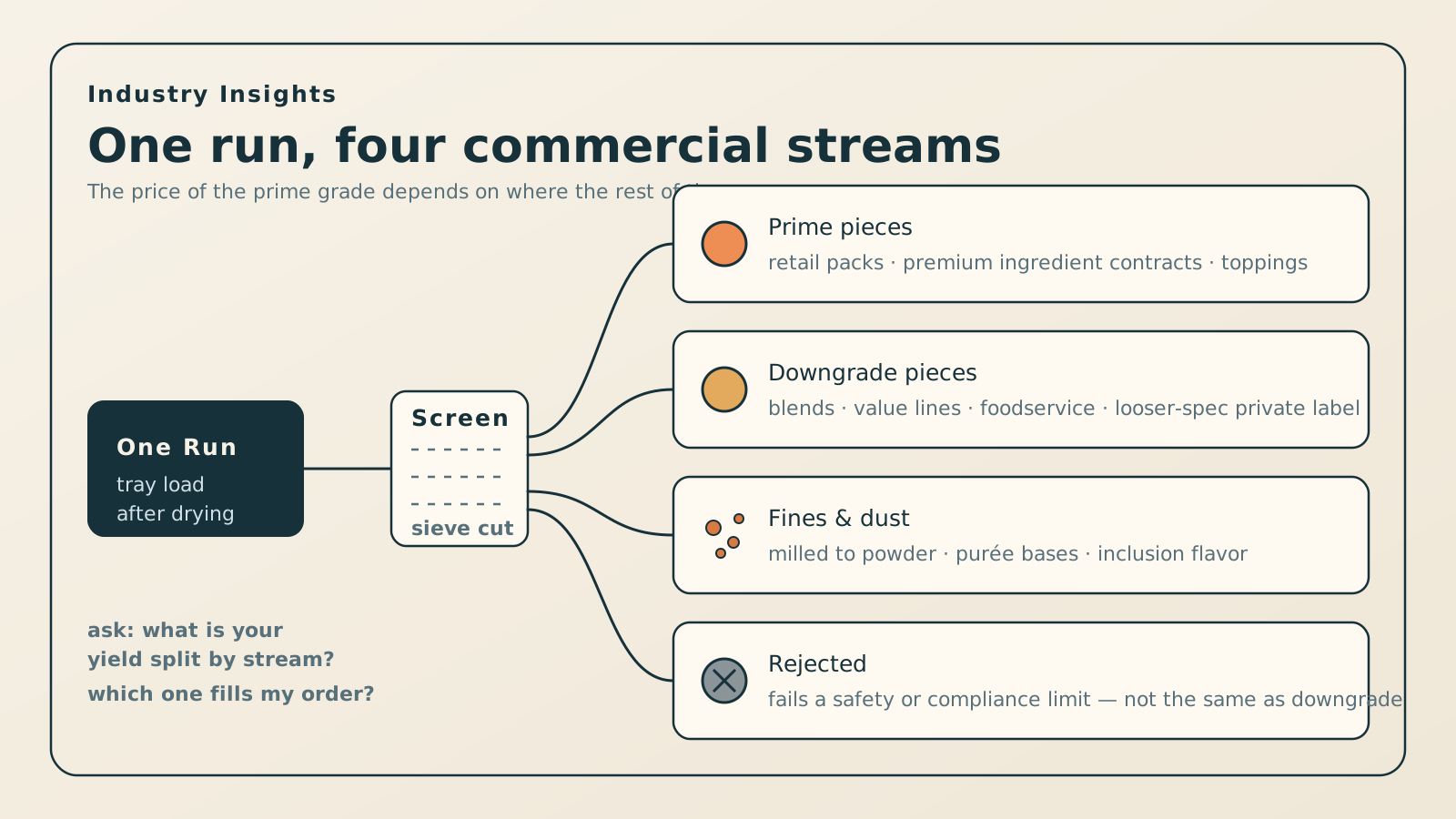
For premium snack positioning, use the format that lets the fruit remain recognizable. For ingredient use, consistency may matter more than beauty. Smaller pieces, powders, and broken formats can be excellent when they are sold honestly for toppings, bakery, cereals, bars, fillings, or blends.
For mixed fruit snacks, dragon fruit should have a clear job. It can provide color, aroma, acidity, sweetness, novelty, or texture. If it does not play one of those roles clearly, it may disappear behind louder fruits like mango, pineapple, or strawberry.
How to read a dragon fruit label
A useful label should tell you whether the product is plain fruit or sweetened, what format is inside, and sometimes the origin or variety. If the label only says "dragon fruit" but the price is premium, the sample itself needs to justify that price through color, aroma, texture, and piece integrity.
For buyers, the better question is not "is this freeze-dried dragon fruit good?" It is "does this dragon fruit format match the claim, the price, and the way the customer will actually use it?"
How dragon fruit compares
A quick reference for how dragon fruit sits alongside the freeze-drying personalities of its closest siblings.
| Fruit | Brix | Fiber | Aroma | Color stability | Breakage risk | Typical format |
|---|---|---|---|---|---|---|
| Dragon fruitthis report | 8–13° | Low | Mild | Very strong (red) | Low | Pieces · powder |
| Pomegranate | 14–18° | Low (seed core) | Moderate | Strong | Low | Arils · powder |
| Kiwi | 9–15° | Low | Moderate | Moderate | Medium | Slices · dices · powder |
| Fig | 16–24° | High (seeds) | Moderate | Moderate | Medium | Halves · slices · powder |
| Persimmon | 14–20° | Low | Mild | Moderate | Low | Slices · dices · powder |
| Grape | 15–22° | Low (skin issue) | Moderate | Strong | High | Halves · powder |
Values are typical industry ranges. Variety, origin, harvest window, and process all shift them.
Conclusion
Freeze-dried dragon fruit works best when sourcing, format, and processing are aligned. The best products do not simply remove water from fruit. They protect the fruit's strongest signal, whether that is aroma, color, acidity, sweetness, crunch, or visual identity.
That is the difference between a novelty item and a product that earns a permanent place in a snack mix, topping lineup, or ingredient spec.
Frequently Asked Questions
Which dragon fruit type works best for freeze-drying?
Flesh color is the first decision. Red and magenta-fleshed dragon fruit deliver dramatic visual impact in powders, smoothie bowls, and snack mixes — they earn the premium most products are positioned for. White-fleshed dragon fruit looks clean but is visually mild. Yellow dragon fruit is often sweeter and more aromatic but less commercially common.
Why is freeze-dried dragon fruit valued for color more than flavor?
Dragon fruit flavor is naturally subtle compared to mango, pineapple, or strawberry. Its real value in finished products is visual — vivid pink-magenta pieces or powders that signal premium novelty in bowls, mixes, and coatings. Trying to position it on flavor alone usually disappoints; positioning it on color usually works.
Do the seeds in freeze-dried dragon fruit affect texture?
The tiny dragon fruit seeds add a light crunch and visual identity that consumers recognize. In good product, they read as a feature. In poor product — where the flesh has lost aroma and structure — the same seeds can feel gritty or distracting. Seed pattern is part of how dragon fruit communicates the fruit.
Why does freeze-dried dragon fruit sometimes taste so mild?
It often is mild — that is the fruit, not a process failure. White-fleshed types especially can be quietly sweet at best. Red-fleshed and yellow varieties carry slightly more flavor density. For freeze-dried products, blending with aromatic partners or relying on color positioning is common when working with milder lots.
What's the difference between freeze-dried dragon fruit pieces and powder?
Pieces give visible identity, seed-speckled texture, and snack-ready bite. Powder concentrates color into a coating, drink, or smoothie-bowl ingredient where visual impact is the main job. Same fruit, very different commercial use.
What quality signals matter in freeze-dried dragon fruit?
Bright color matching the flesh type (magenta for red, clean white for white); light crisp texture, not damp or leathery; visible seed pattern without excessive grit; clean mild aroma without stale notes; and low color bleed or clumping in the package.
What should buyers ask suppliers about freeze-dried dragon fruit?
Ask species or flesh color (red, white, yellow), origin, raw material state, cut format (slices, dices, powder), Brix, seed load, target moisture or water activity, color stability during storage, and the intended product positioning — snack, topping, or color ingredient.