- Starfruit varieties are often grouped as sweet or tart carambola types rather than by consumer-facing cultivar names.
- Shape gives starfruit a strong visual advantage, but flavor varies widely from watery-mild to bright and aromatic.
- Ripeness, oxalic acidity, slice thickness, and browning control are important quality points.
- Freeze-dried starfruit is often strongest as a garnish, blend accent, or visual ingredient rather than a bulk snack base.
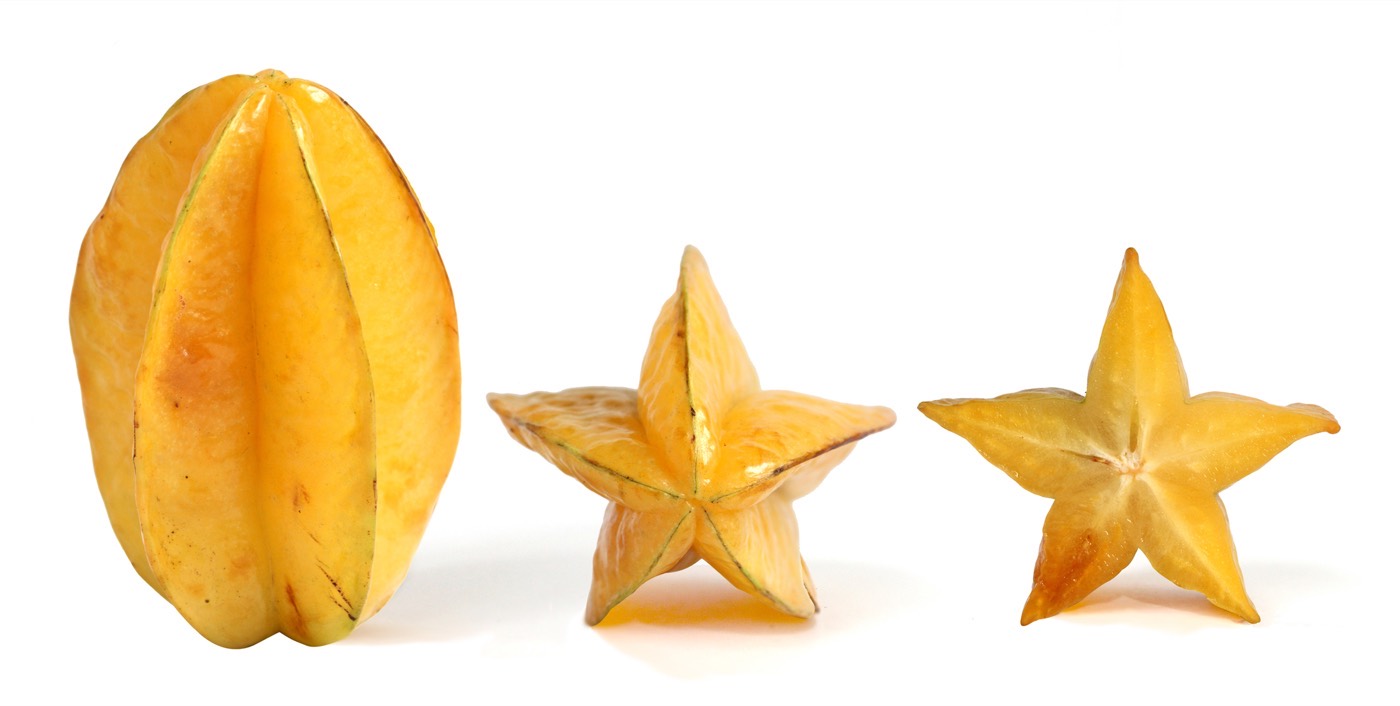
Starfruit is one of the few fruits whose shape does half the marketing work. But a star-shaped slice can still be bland if the variety, ripeness, and acid balance are wrong.
So how many types of starfruit are there? The useful answer depends on how you count: by cultivar, by species, by regional market name, by commercial grade, or by processing behavior. For consumers, the question is usually about flavor. For buyers and processors, the question is about repeatability.
This guide treats starfruit variety as a practical map: what names matter, what differences change the eating experience, and what those differences mean for freeze-dried fruit, powders, toppings, and ingredient sourcing.
Quick answer: how many starfruit varieties are there?
There is no single clean number that works across every country and market. A better way to think about it is by commercial layers.
| Layer | What it means |
|---|---|
| Common groups | Sweet carambola types, tart carambola types, yellow ripe fruit, greener acidic fruit |
| Key differences | Acidity, aroma, juiciness, rib shape, slice size, and color |
| Consumer hook | The natural star-shaped cross-section |
| Freeze-dried relevance | Excellent visual accent when flavor and slice quality are controlled |
The most important point is that variety is not trivia. It changes flavor, texture, cost, yield, and how confidently a brand can describe what is inside the package.
Why starfruit variety is complicated
Starfruit variety is often hidden behind the word carambola. In growing regions, selections can differ in sweetness, acidity, fruit size, rib shape, and color. In retail, those differences usually collapse into one label: starfruit. That creates a gap between visual expectation and eating reality.
That is why variety guides can be more useful than simple lists. A list may tell you names. A good sourcing guide tells you which differences actually change the product.
Types and market groups to know
Sweet carambola types
Lower in sharp acidity, better for fresh eating, and more approachable for snack formats. They can still be mild, so aroma matters.
Tart carambola types
Brighter and more acidic, useful in culinary contexts but potentially too sharp for straight snacking unless balanced.
Large yellow fruit
Often more attractive for slicing and garnish, especially when the star shape is clean and the color is even.
Greener fruit
Can be firmer and more acidic, sometimes useful for processing control but less dessert-like in flavor.
What this means for freeze-dried fruit
Freeze-dried starfruit lives or dies by slice quality. Thin cross-sections preserve the star idea, while thick uneven cuts can become awkward. The fruit also needs enough flavor to justify the visual. A beautiful star that tastes like almost nothing is a decoration, not a snack.
For freeze-dried fruit, variety affects more than flavor. It can change cut yield, drying time, breakage, color stability, aroma retention, and whether the final product feels like a premium snack or a generic ingredient.
A practical buyer should evaluate:
- raw fruit identity and origin
- ripeness at processing
- seed, pit, peel, or membrane management
- piece format and size tolerance
- sweetness and acidity range
- color after drying
- breakage and powder percentage
- whether the product will be eaten directly or used as an ingredient
Why labels often hide the variety
Labels rarely name starfruit varieties, so buyers should ask whether the raw material is sweet or tart type, how ripe it is at slicing, target thickness, color range, and whether browning control is used. For export-sensitive markets, also pay attention to food-safety and regulatory context around carambola.
There is also a commercial reason for broad labels: flexibility. A brand that prints a specific variety name has to keep that promise across seasons. A brand that prints only the fruit name can adjust sourcing more easily. Neither choice is automatically wrong, but the level of detail should match the price and positioning.
Ask what the fruit really is, where it comes from, whether the lot is single-origin or blended, how the edible portion is prepared, and which quality traits are guaranteed in writing. Variety only helps if it survives into the finished product.
How starfruit compares
A quick reference for how starfruit sits alongside the freeze-drying personalities of its closest siblings.
| Fruit | Brix | Fiber | Aroma | Color stability | Breakage risk | Typical format |
|---|---|---|---|---|---|---|
| Starfruitthis report | 5–11° | Medium | Mild | Moderate | Medium | Slices · powder |
| Lychee | 16–20° | Low | Strong | Poor | Medium | Halves · whole · pieces |
| Longan | 15–22° | Low | Moderate | Poor | Medium | Halves · whole |
| Rambutan | 16–21° | Medium | Moderate | Poor | Medium | Halves · pieces |
| Mangosteen | 15–20° | Low | Strong | Moderate | Medium | Segments · powder |
| Durian | 20–28° | Medium | Very strong | Moderate | Low | Pieces · powder |
| Jackfruit | 15–24° | Medium | Strong | Moderate | Medium | Pieces · slices · powder |
| Jujube | 18–28° | Medium | Moderate | Strong | Low | Halves · slices · powder |
| Soursop | 10–18° | Medium | Strong | Moderate | Medium | Pieces · powder |
| Sapodilla | 14–22° | Medium | Moderate | Moderate | Medium | Pieces · powder |
Values are typical industry ranges. Variety, origin, harvest window, and process all shift them.
Conclusion
Starfruit variety is a reminder that beauty is not enough. The best lots combine shape, brightness, and clean acidity so the fruit earns its place after the first glance.
For consumers, variety explains why two products with the same fruit name can taste surprisingly different. For the freeze-dried fruit industry, it explains something even more important: a fruit name is not a finished specification. It is the start of one.
Frequently Asked Questions
How many types of starfruit are there?
Starfruit varieties are often grouped as sweet or tart carambola types rather than by consumer-facing cultivar names. The main commercial layers are sweet carambola, tart carambola, large yellow fruit (the premium visual), and greener acidic fruit (more processing-oriented). Cultivar names exist in growing regions but rarely reach Western retail.
Is starfruit and carambola the same thing?
Yes — same fruit (Averrhoa carambola). Carambola is the standard horticultural name; starfruit is the consumer-friendly English name derived from the star-shaped cross-section. Tropical Asian markets often use carambola or local names. Either word is correct, but most product labels in English-speaking retail use starfruit.
What's the difference between sweet and tart carambola?
Sweet carambola types are lower in sharp acidity, better for fresh eating, more approachable for snack formats — though they can still be mild, so aroma matters. Tart carambola types are brighter and more acidic, useful in culinary contexts but potentially too sharp for straight snacking unless balanced with other fruits or sweeteners.
Which starfruit variety freeze-dries best?
Sweet carambola types are the safer choice for snack and garnish use. Slice quality matters more than cultivar — thin cross-sections preserve the star shape with crisp edges, while thick uneven cuts become awkward. Buyers should ask sweet or tart type, ripeness, thickness, color range, and whether browning control is used.
Why is freeze-dried starfruit often used as garnish rather than as a main snack?
The fruit's value is visual — the star-shaped cross-section is unmistakable. Flavor is naturally mild even in sweet varieties. A beautiful star that tastes like almost nothing reads as decoration rather than as a snack base. Garnish, cocktail kits, dessert toppings, and tropical blend accents all work well; trying to position starfruit as a volume snack rarely does.
Is there a health concern with starfruit?
Starfruit contains oxalates that can be a health concern for people with kidney disease — some markets require advisory labeling. Healthy consumers eating starfruit as part of a varied diet face no concern. Premium brands disclose this honestly rather than burying it, particularly in functional or wellness-positioned products.
What should buyers ask freeze-dried starfruit suppliers?
Ask sweet or tart variety, ripeness standard, slice thickness, browning control, slice integrity (broken-tip tolerance), origin, target moisture or water activity, oxalate disclosure plan if relevant for the market, added sugar status, and the intended product positioning (garnish, dessert, cocktail kit, tropical blend accent).