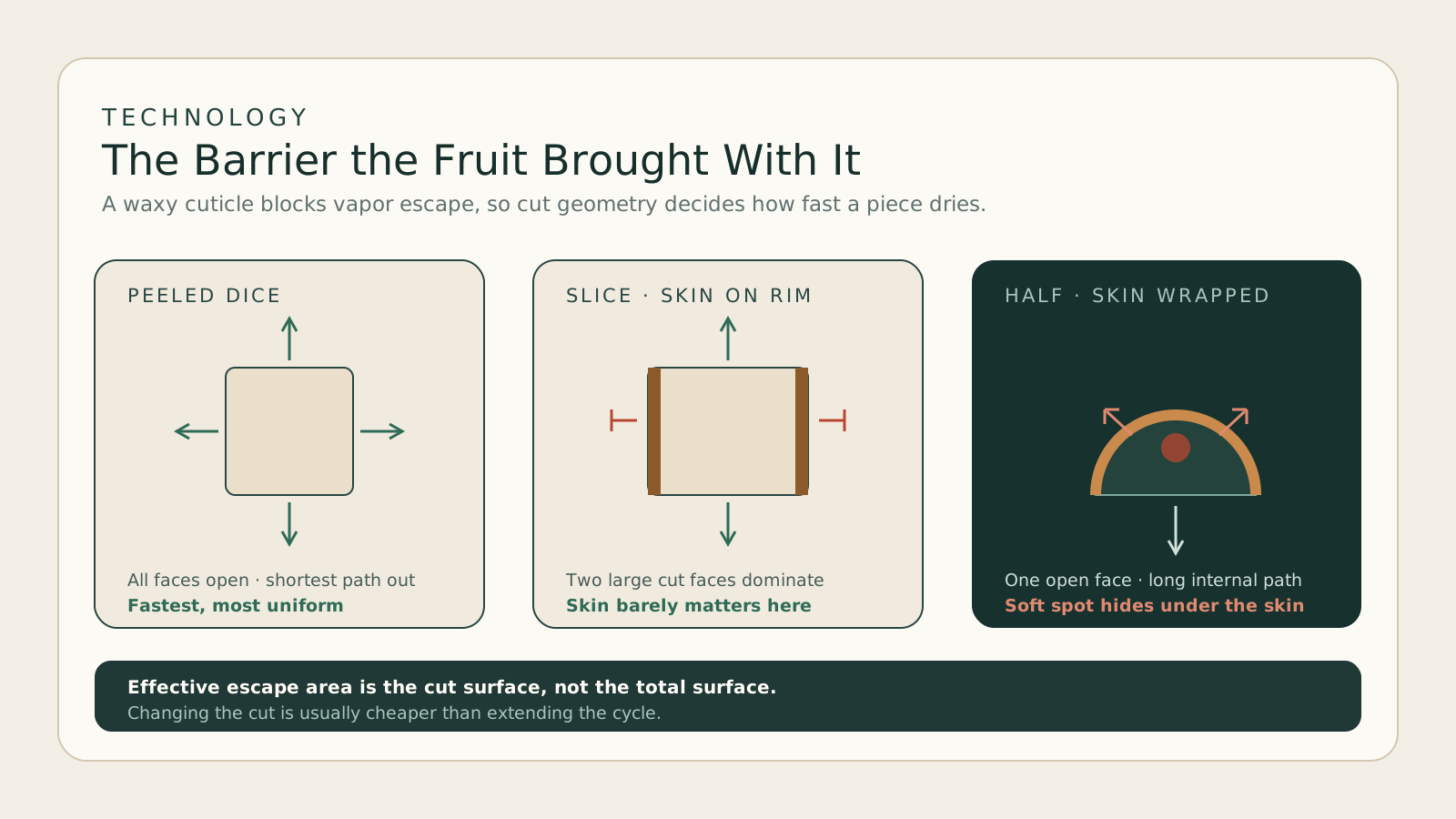
- Grape skin slows drying and can create chewy shells around crisp interiors.
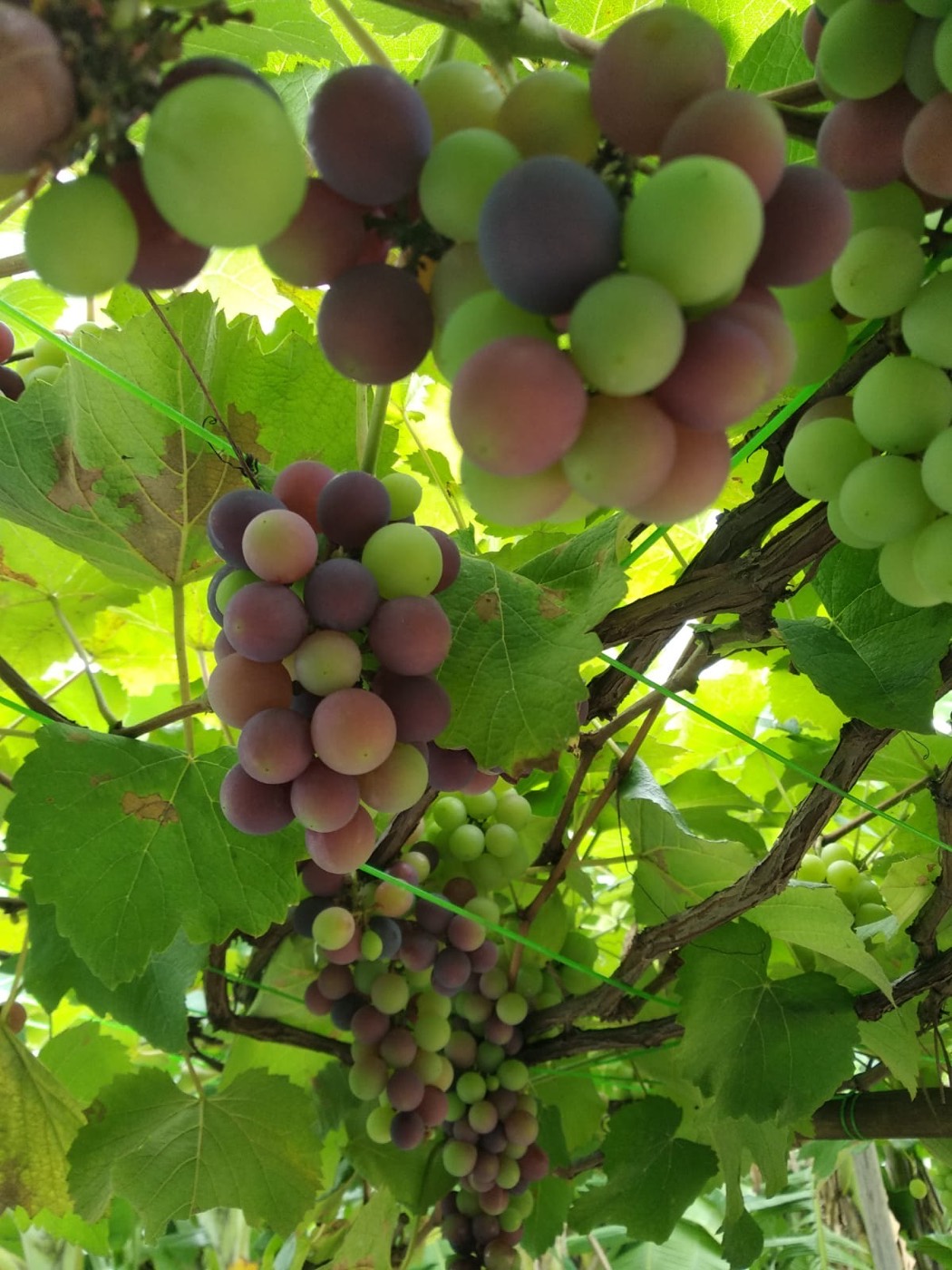
- Seedless table grapes are easier to market than seeded varieties, but variety still matters.
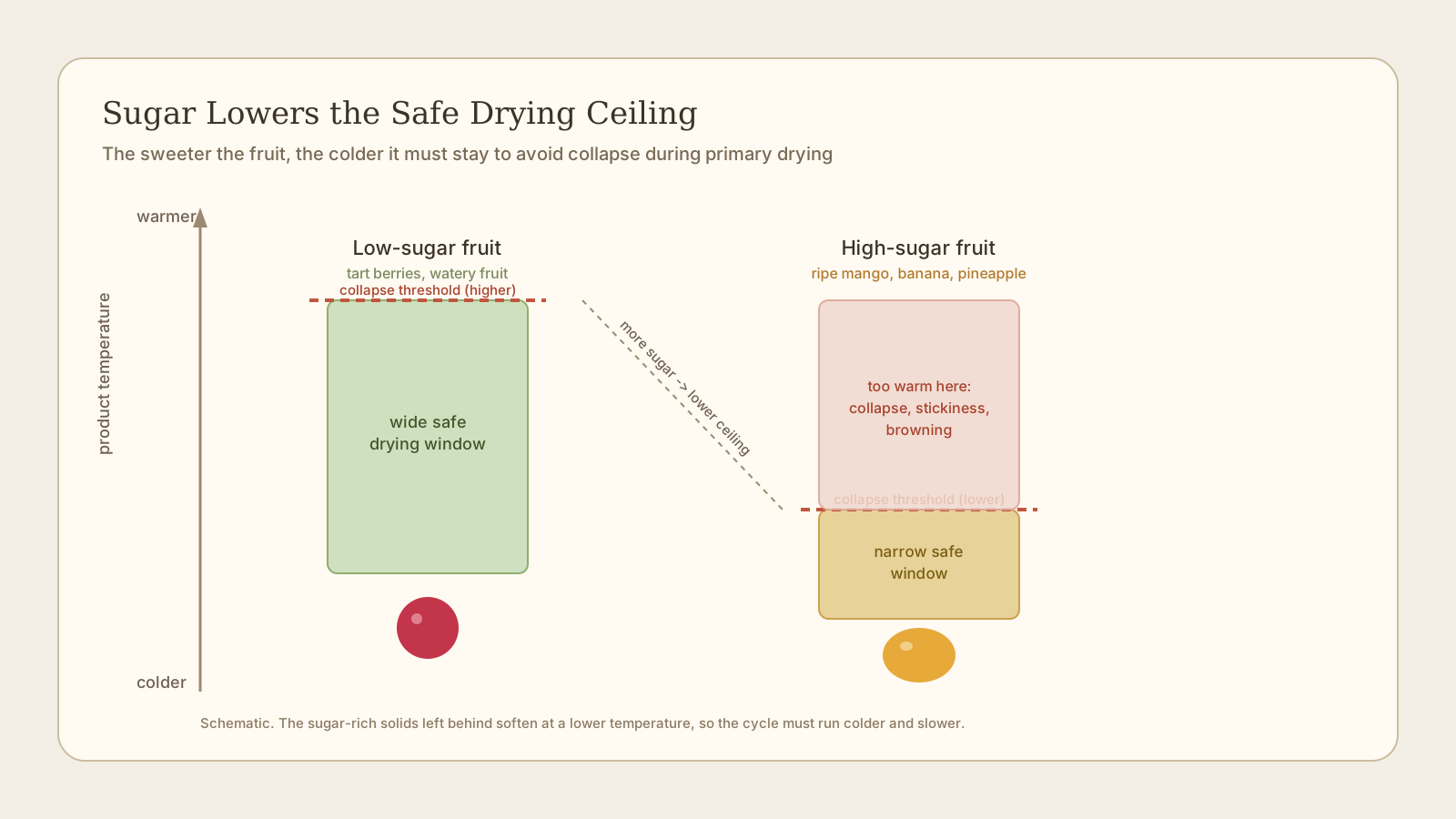
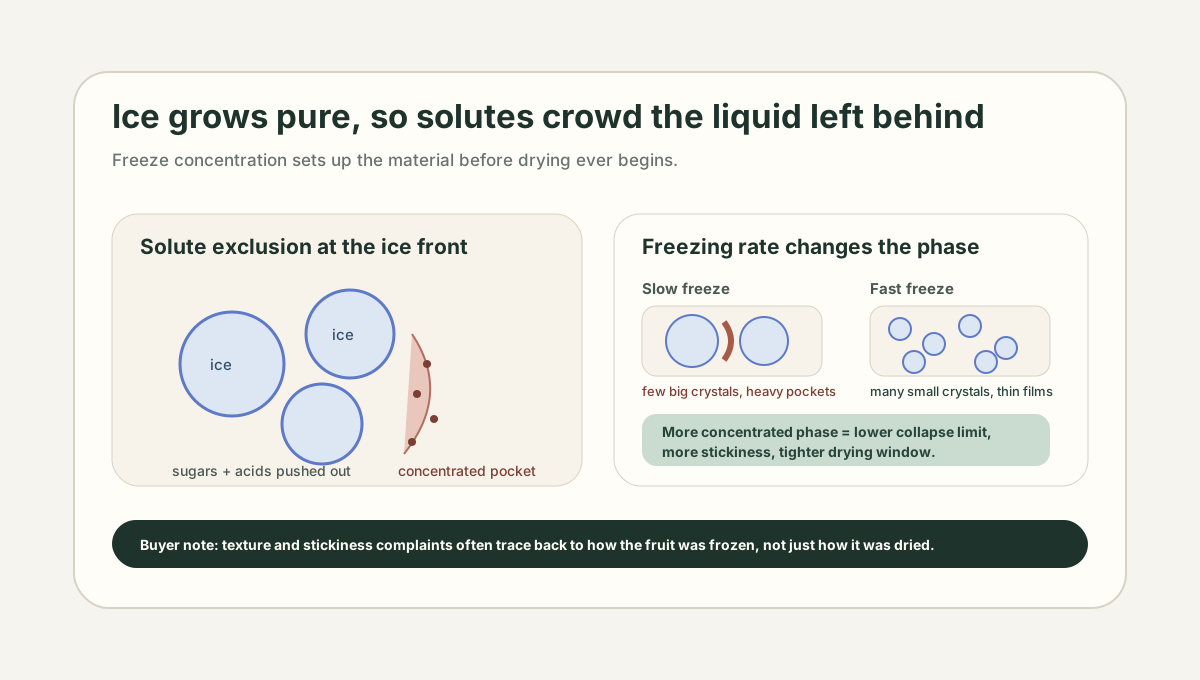
- High sugar helps flavor but can make finished pieces sticky if moisture control is weak.
- Many grape applications make more sense as pieces, powders, or inclusions than as whole fruit snacks.
Grape sounds simple because everyone knows the fruit, but freeze-dried grape is technically awkward. For freeze-dried fruit buyers, grape is not just a flavor name. It is a set of decisions about raw material, cutting, drying behavior, sensory quality, packaging, and where the finished fruit actually belongs.
Use this guide as a working field note for buyers, product developers, snack founders, and curious consumers. The goal is not to rank every fruit in a vacuum. It is to understand how grapes behave after water is removed, what quality looks like in the bag, and which questions make a supplier conversation more useful.
Quick comparison: grape formats for freeze-drying
| Format | Freeze-dried personality | Risk | Best use |
|---|---|---|---|
| Whole seedless grape | Novel and visually clear | Slow drying, skin toughness | Premium novelty snacks |
| Halved grape | Better drying and easier bite | More labor and cut-surface stickiness | Snack blends, toppings |
| Grape powder | Color and sweetness | Caking, oxidation | Confectionery, drink bases |
| Raisin-to-freeze-dried comparison | Useful consumer education | Not the same product | Buyer guides, labels |
Why grapes behave the way they do
Grapes are high-water, high-sugar berries wrapped in a relatively resilient skin. That skin is useful in fresh distribution, but it becomes a processing challenge in freeze-drying. Whole grapes can dry unevenly, while cut grapes expose sugars that may become tacky if water activity creeps up. The best products usually solve the problem through size control, halving, puncturing, or using grape as an ingredient rather than pretending it behaves like strawberry.
Freeze-drying protects a fruit's original structure more than many consumers realize. It does not add aroma, fix weak ripeness, hide tough skin, or make low-flavor raw material suddenly taste premium. A good process can preserve quality; it cannot invent it from poor input.
What quality looks like in the finished bag
A strong freeze-dried grape product usually shows these signals:
- Recognizable grape aroma rather than generic sweetness.
- Skin that breaks cleanly instead of turning leathery.
- Low stickiness in the pouch.
- Consistent size and moisture across the lot.
- No fermented or wine-like off-notes unless intended.
These signals should always be judged against the format. Whole pieces, slices, dices, crumbles, powders, and puree-derived pieces all have different expectations. The problem is not breakage or powder by itself; the problem is promising one format and delivering another.
Sourcing reality
Most commercial grape supply is built around table grapes, raisins, juice, wine, and concentrate streams. Freeze-dried grape buyers should ask about seedless status, variety, cut format, Brix, pre-treatment, and whether the raw material came from fresh, IQF, or concentrate-derived ingredient streams.
Ask for variety or type, origin, raw material state, cut format, added ingredients, moisture or water activity target, expected breakage rate, and the best-use application the supplier designed the product for.
Best-use formats
For direct snacking, halved seedless grapes are usually more practical than whole grapes. For ingredient use, grape powder or small pieces can add sweetness and color, but the flavor needs support from acidity or other fruit notes. Grape can be excellent in blends when it is not forced to carry the whole product alone.
The best format is the one that gives grape a clear job: add color, acid, aroma, crunch, sweetness, visual identity, or a more premium seasonal story. When the format and use case are aligned, freeze-dried grape can feel intentional rather than simply unusual.
How to read a grape label
A grape label should be clear about whether the product is freeze-dried grape, raisin-style dried grape, or a formulated grape ingredient. Consumers know grapes well, so any mismatch in texture or sweetness is easy to notice.
For buyers, the practical question is not simply whether freeze-dried grape is good. It is whether this version of grape fits the claim, price, and use case. That is what turns a fruit report into a sourcing tool.
How grape compares
A quick reference for how grape sits alongside the freeze-drying personalities of its closest siblings.
| Fruit | Brix | Fiber | Aroma | Color stability | Breakage risk | Typical format |
|---|---|---|---|---|---|---|
| Grapethis report | 15–22° | Low (skin issue) | Moderate | Strong | High | Halves · powder |
| Dragon fruit | 8–13° | Low | Mild | Very strong (red) | Low | Pieces · powder |
| Pomegranate | 14–18° | Low (seed core) | Moderate | Strong | Low | Arils · powder |
| Kiwi | 9–15° | Low | Moderate | Moderate | Medium | Slices · dices · powder |
| Fig | 16–24° | High (seeds) | Moderate | Moderate | Medium | Halves · slices · powder |
| Persimmon | 14–20° | Low | Mild | Moderate | Low | Slices · dices · powder |
Values are typical industry ranges. Variety, origin, harvest window, and process all shift them.
Conclusion
Freeze-dried grape is most successful when the product respects the fruit's limits instead of forcing it into a generic snack template. Start with the fruit's structure, choose the format from the use case, and judge the finished bag by aroma, texture, color, and honesty of claim. That is the difference between a novelty sample and a product someone can buy with confidence.
Frequently Asked Questions
Why is freeze-drying grapes harder than it looks?
Grape skin is built to protect the fresh fruit, which is exactly the problem in freeze-drying — it slows water vapor escape and can leave a chewy shell around a crisp interior. Whole grapes dry unevenly; halved or punctured grapes finish more cleanly. The skin is the fruit's logistics asset and the processor's drying problem at the same time.
What's the difference between freeze-dried grape and raisin?
Raisins are dried under heat or air, retaining a chewy concentrated texture with browned color. Freeze-dried grapes are dried under vacuum at low temperature, producing a crisp, light, brighter-colored piece that snaps rather than chews. Same fruit, completely different finished product.
Should freeze-dried grapes be whole or halved?
For direct snacking, halved seedless grapes are usually more practical than whole grapes — they dry more evenly and bite cleaner. Whole grapes work for novelty premium presentations but demand tighter process control. Powder is the right answer when grape is supporting color or sweetness in an ingredient blend.
Why do some freeze-dried grapes get sticky?
Grape is high in sugar. Cut surfaces expose those sugars, which can become tacky if water activity creeps up after packaging — a sign the moisture target was loose or the pouch barrier is weak. Stickiness is a packaging and process signal, not a sugar problem the fruit can solve on its own.
Which grape varieties freeze-dry well?
Seedless table grapes are the most practical commercial input — Thompson Seedless, Flame Seedless, and similar cultivars dry predictably and read clearly to consumers. Concord-type grapes deliver stronger color and the distinctive grape aroma familiar from juice and jelly, but they behave differently from supermarket grapes. Cotton Candy and other flavor-branded grapes add novelty positioning.
Is freeze-dried grape better as pieces or powder?
Pieces give a novel snack format with visible fruit identity, but grape is rarely a leading snack ingredient — it usually plays a supporting role. Powder lets grape contribute sweetness and color in blends, drinks, and confectionery without forcing it to carry the whole product alone. Match format to job.
What should buyers ask freeze-dried grape suppliers?
Ask seedless status, variety, origin, Brix, cut format (whole, halved, powder), pre-treatment or skin scoring, raw material state (fresh, IQF, or concentrate-derived), target moisture or water activity, and the intended application — snack, ingredient, or blend.