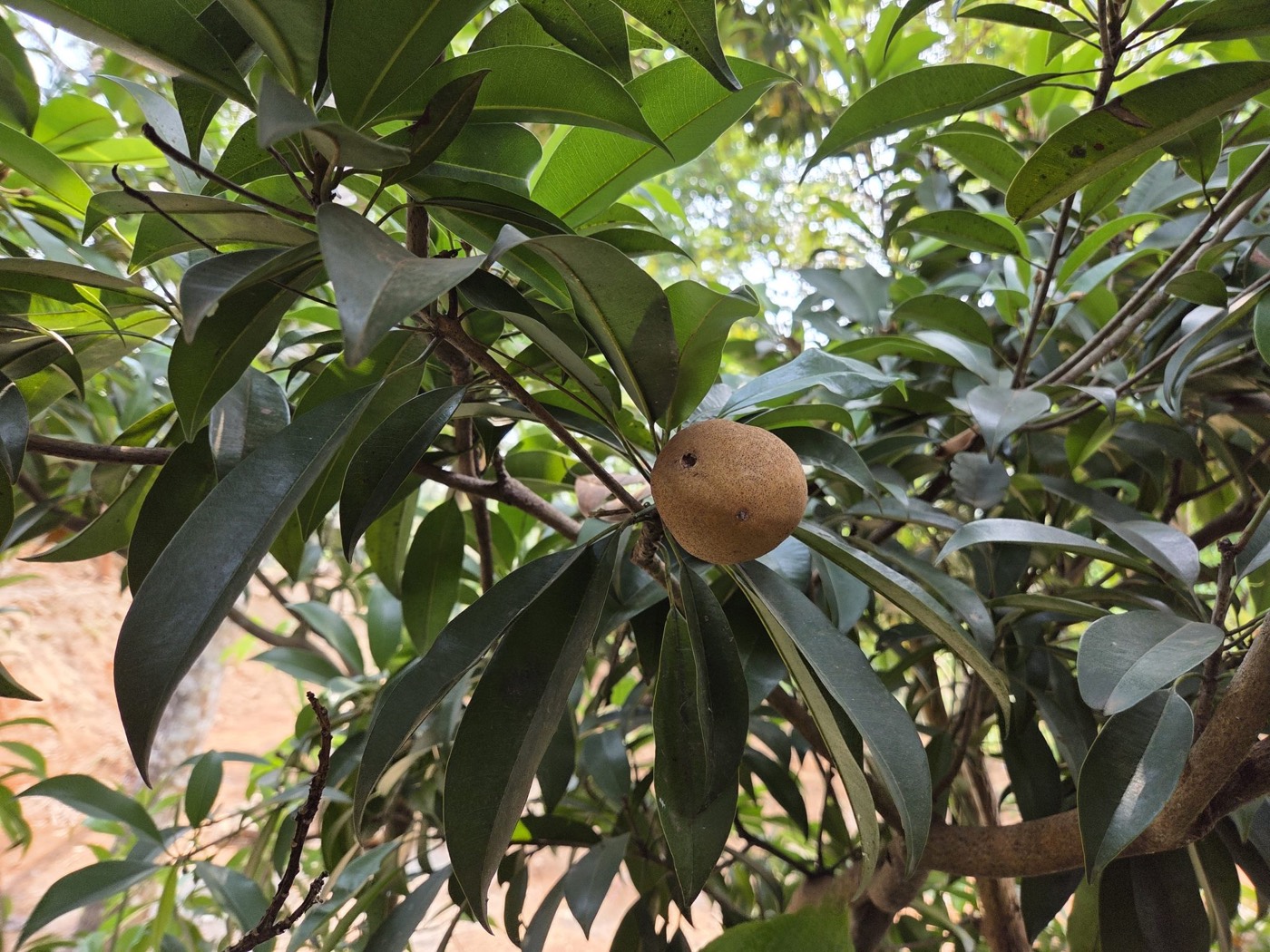
- Sapodilla is known by several names, including chikoo, chico, sapota, and naseberry, depending on region.
- Variety differences often appear through fruit size, shape, graininess, sweetness, latex, and seed count rather than famous global cultivar names.
- Ripeness is the central quality issue because underripe sapodilla can be astringent and latex-heavy.
- Freeze-dried sapodilla works best when positioned as a caramel-like specialty fruit rather than a bright tropical fruit.
Sapodilla is one of the few fruits that can taste like brown sugar without trying to become dessert. But only when it is properly ripe.
So how many types of sapodillas are there? The useful answer depends on how you count: by cultivar, by species, by regional market name, by commercial grade, or by processing behavior. For consumers, the question is usually about flavor. For buyers and processors, the question is about repeatability.
This guide treats sapodilla variety as a practical map: what names matter, what differences change the eating experience, and what those differences mean for freeze-dried fruit, powders, toppings, and ingredient sourcing.
Quick answer: how many sapodilla varieties are there?
There is no single clean number that works across every country and market. A better way to think about it is by commercial layers.
| Layer | What it means |
|---|---|
| Common names | Sapodilla, chikoo, chico, sapota, naseberry |
| Main differences | Fruit size, shape, sweetness, grain, seed count, latex, and aroma |
| Flavor lane | Brown sugar, pear, malt, caramel, and soft tropical sweetness |
| Freeze-dried relevance | Specialty dessert-like snack or powder when ripeness is controlled |
The most important point is that variety is not trivia. It changes flavor, texture, cost, yield, and how confidently a brand can describe what is inside the package.
Why sapodilla variety is complicated
Sapodilla variety is less famous than mango variety because cultivar names rarely travel with the fruit. In producing regions, selections may be recognized by shape, size, productivity, sweetness, and local name. In export or processing, those differences often disappear into one word: sapodilla.
That is why variety guides can be more useful than simple lists. A list may tell you names. A good sourcing guide tells you which differences actually change the product.
Types and market groups to know
Round and oval market types
Common visual groupings that affect trimming, seed removal, and slice format more than consumer storytelling.
Chikoo or sapota market fruit
Important in South Asian contexts, where the fruit is familiar and often used fresh, in milkshakes, desserts, or processed forms.
Naseberry identity
A Caribbean name and cultural context for the same fruit world, with its own food memories and local expectations.
High-sugar dessert selections
The most useful for premium snacks because the brown-sugar flavor becomes more obvious after drying.
What this means for freeze-dried fruit
Freeze-dried sapodilla can be lovely, but it is unforgiving. Underripe fruit brings latex and astringency. Overripe fruit can become messy. The natural graininess can feel charming, like pear, or distracting, depending on slice thickness and drying quality.
For freeze-dried fruit, variety affects more than flavor. It can change cut yield, drying time, breakage, color stability, aroma retention, and whether the final product feels like a premium snack or a generic ingredient.
A practical buyer should evaluate:
- raw fruit identity and origin
- ripeness at processing
- seed, pit, peel, or membrane management
- piece format and size tolerance
- sweetness and acidity range
- color after drying
- breakage and powder percentage
- whether the product will be eaten directly or used as an ingredient
Why labels often hide the variety
Labels may use sapodilla, chikoo, or sapota. Buyers should align naming with the target market and ask about maturity, seed removal, latex risk, graininess, origin, and whether the flavor is meant to read caramel-like or simply sweet.
There is also a commercial reason for broad labels: flexibility. A brand that prints a specific variety name has to keep that promise across seasons. A brand that prints only the fruit name can adjust sourcing more easily. Neither choice is automatically wrong, but the level of detail should match the price and positioning.
Ask what the fruit really is, where it comes from, whether the lot is single-origin or blended, how the edible portion is prepared, and which quality traits are guaranteed in writing. Variety only helps if it survives into the finished product.
How sapodilla compares
A quick reference for how sapodilla sits alongside the freeze-drying personalities of its closest siblings.
| Fruit | Brix | Fiber | Aroma | Color stability | Breakage risk | Typical format |
|---|---|---|---|---|---|---|
| Sapodillathis report | 14–22° | Medium | Moderate | Moderate | Medium | Pieces · powder |
| Lychee | 16–20° | Low | Strong | Poor | Medium | Halves · whole · pieces |
| Longan | 15–22° | Low | Moderate | Poor | Medium | Halves · whole |
| Rambutan | 16–21° | Medium | Moderate | Poor | Medium | Halves · pieces |
| Mangosteen | 15–20° | Low | Strong | Moderate | Medium | Segments · powder |
| Durian | 20–28° | Medium | Very strong | Moderate | Low | Pieces · powder |
| Jackfruit | 15–24° | Medium | Strong | Moderate | Medium | Pieces · slices · powder |
| Jujube | 18–28° | Medium | Moderate | Strong | Low | Halves · slices · powder |
| Soursop | 10–18° | Medium | Strong | Moderate | Medium | Pieces · powder |
| Starfruit | 5–11° | Medium | Mild | Moderate | Medium | Slices · powder |
Values are typical industry ranges. Variety, origin, harvest window, and process all shift them.
Conclusion
Sapodilla is a quiet fruit with a strong personality. It does not need loud acidity or neon color; it needs ripeness, clarity, and a format that lets its brown-sugar character show.
For consumers, variety explains why two products with the same fruit name can taste surprisingly different. For the freeze-dried fruit industry, it explains something even more important: a fruit name is not a finished specification. It is the start of one.
Frequently Asked Questions
How many types of sapodillas are there?
Sapodilla is known by several names depending on region — sapodilla, chikoo, chico, sapota, naseberry — all referring to the same fruit (Manilkara zapota) with regional cultivar variations. Variety differences usually appear through fruit size, shape, graininess, sweetness, latex content, and seed count rather than famous global cultivar names.
Is sapodilla the same as chikoo or naseberry?
Yes — all the same fruit. Chikoo (also sapota) is the common South Asian name. Chico is used in the Philippines. Naseberry is the Jamaican and Caribbean name. Sapodilla is the standard English horticultural name. Buyers should align the labeling word with the target market because consumer recognition varies sharply by region.
Why does sapodilla ripeness matter so much?
Underripe sapodilla contains latex — a sticky milky substance that produces astringency and unpleasant mouth-coating texture. Fully ripe fruit loses the latex character and develops the brown-sugar sweetness that makes the fruit valuable. Freeze-drying preserves whichever state was at intake, so ripeness control is the single biggest quality lever.
Which sapodilla variety freeze-dries best?
High-sugar dessert selections work best because the brown-sugar flavor concentrates after drying. Round and oval market types affect trimming, seed removal, and slice format more than consumer storytelling. Underripe fruit produces latex problems regardless of cultivar; overripe fruit becomes messy. Maturity matters more than variety name.
What does freeze-dried sapodilla taste like?
Brown sugar, pear, malt, and caramel — almost dessert-like without trying to become dessert. The natural graininess (similar to pear's stone cells) can feel charming or distracting depending on slice thickness and drying quality. Freeze-drying preserves both the sweetness and the grain — the trick is making the grain feel intentional rather than stale.
Where is sapodilla grown commercially?
Mexico and Central America (the fruit's native home), South Asia (especially India where it is called chikoo or sapota), Southeast Asia, the Caribbean, and parts of Florida and Hawaii. Commercial scale is much smaller than mango or pineapple, which is why sapodilla remains a specialty rather than a mainstream tropical fruit.
What should buyers ask freeze-dried sapodilla suppliers?
Ask the regional name preference (sapodilla, chikoo, sapota, naseberry), ripeness standard at intake, seed-removal completeness, peel removal, cut size, variety or local type, origin, raw material state (fresh, frozen, puree), target moisture or water activity, expected grit level, and the intended product positioning.