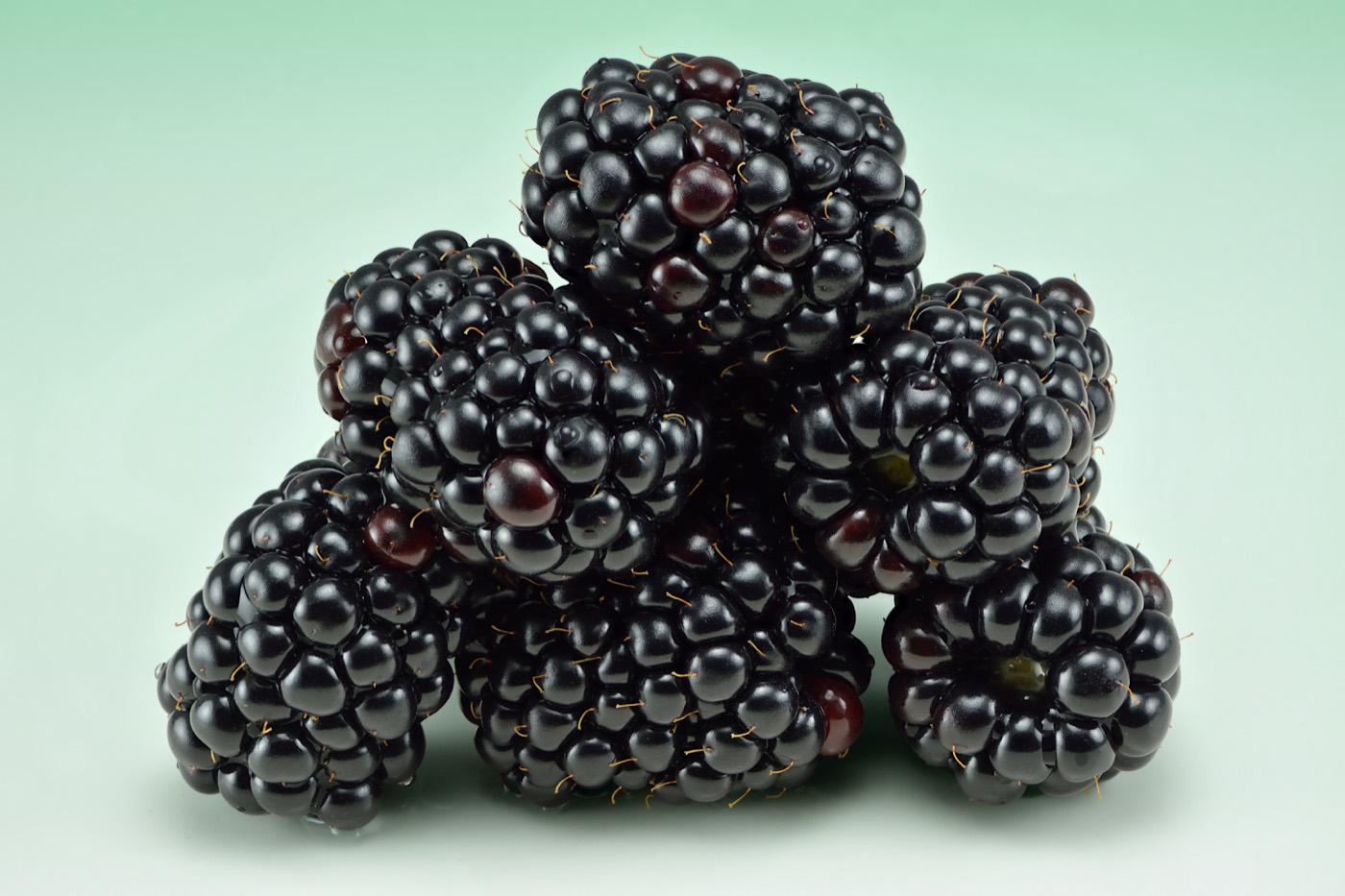
- Blackberries can deliver deep color and tart berry flavor in freeze-dried blends.
- Seed load is more noticeable than in many fruits and must match the product concept.
- Whole blackberries are fragile; pieces and crumbles are often more realistic.
- Buyers should evaluate color, seed texture, powder, and moisture pickup together.
Blackberry has the color and intensity buyers want, but its seed load and structure make quality control important. For freeze-dried fruit buyers, blackberry is not just a flavor name. It is a practical set of decisions about raw material, cut format, texture, aroma, moisture control, breakage, and where the fruit belongs in a finished product.
Use this guide as a working field note. It is written for buyers, snack founders, product developers, and curious consumers who want to understand why one freeze-dried blackberry sample can feel vivid and another can feel flat.
Quick comparison: blackberry formats for freeze-drying
| Format | Freeze-dried personality | Risk | Best use |
|---|---|---|---|
| Whole blackberry | Bold, dark, premium | Fragile, seed-heavy | Specialty packs |
| Halves or pieces | Practical, colorful | Less visual drama | Yogurt, granola, blends |
| Crumble | Strong color and tartness | Powder migration | Bakery, cereal, toppings |
| Powder | Deep berry color | Caking | Coatings, drinks, fillings |
Why blackberry behaves the way it does
Blackberry is an aggregate fruit like raspberry, but it is usually denser, darker, and more seed-forward. Freeze-drying can preserve a dramatic purple-black color, yet that color can also become muddy if raw material is weak or oxidized. The seed load is central. Some consumers like the natural berry crunch; others experience it as gritty. That makes format selection important. A whole blackberry snack has a different promise than a blackberry crumble for yogurt.
Freeze-drying removes water, but it does not erase the fruit's original structure. The strongest products begin with raw material that already has the right flavor, maturity, and texture for the intended format. A process can protect quality; it cannot invent it from weak fruit.
What quality looks like in the finished bag
A strong freeze-dried blackberry product usually shows these signals:
- Dark purple-black color with berry brightness, not dull brown.
- Tart-sweet aroma rather than only acidity.
- Crisp pieces without sticky centers.
- Seed texture that feels intentional.
- Limited powder unless sold as crumble.
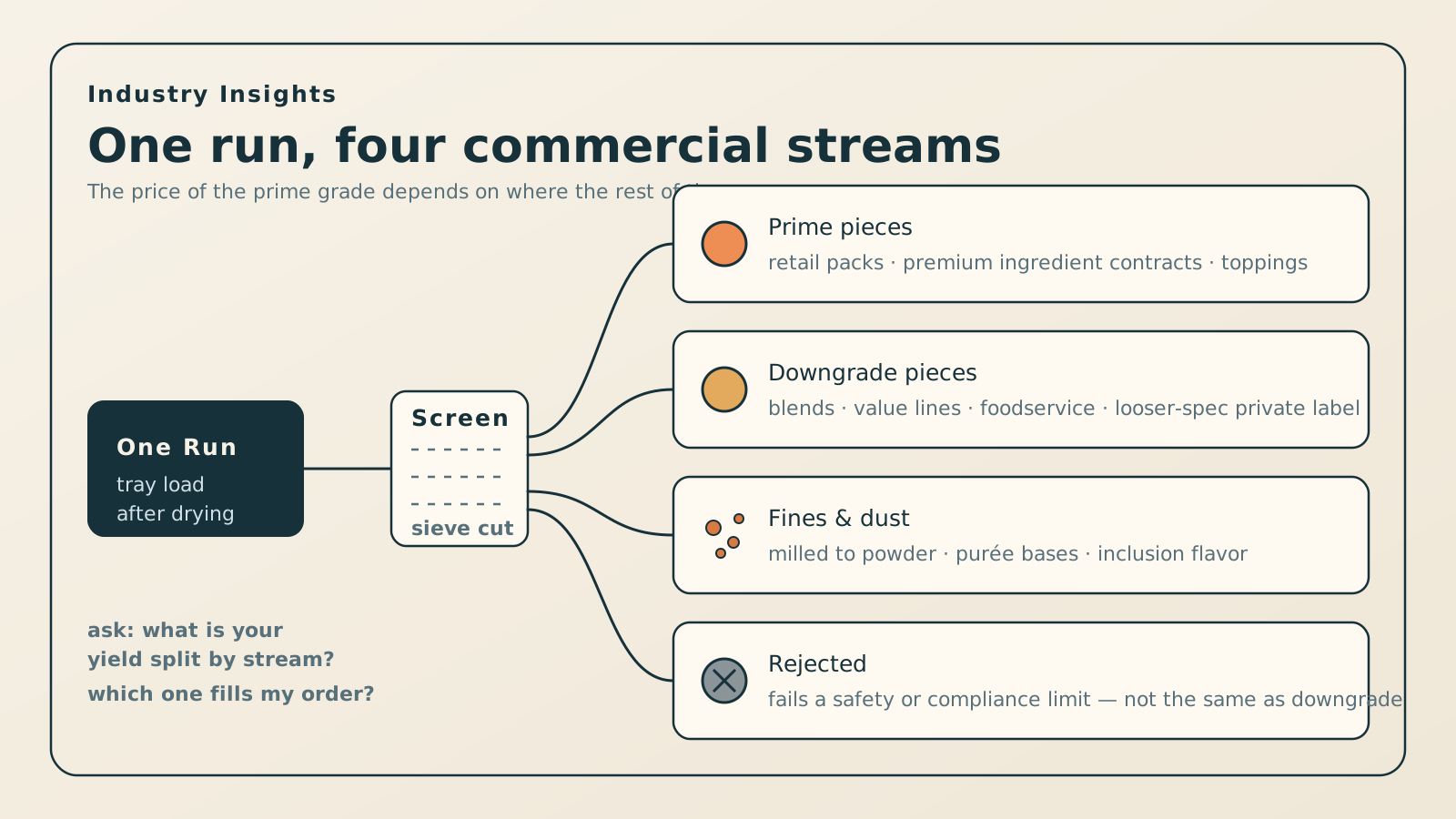
These signals should be judged against the format. Whole pieces, slices, dices, crumbles, powders, and flakes all have different expectations. The problem is not breakage by itself; the problem is promising one format and delivering another.
Sourcing reality
Blackberry supply varies by cultivar, origin, and whether fruit is fresh-market grade, IQF, or ingredient grade. Buyers should ask whether the material is whole, broken, or sorted after freezing. For premium retail, whole-piece integrity matters. For inclusions, flavor strength and color may matter more.
Ask for variety or type, origin, raw material state, cut format, added ingredients, moisture or water activity target, expected breakage rate, and the best-use application the supplier designed the product for.
Best-use formats
For snack bags, blackberry needs to be recognizable and pleasant on its own. For toppings and foodservice, color, aroma, and piece behavior may matter more. For ingredient use, powder flow, caking risk, flavor concentration, and labeling matter most.
The best format is the one that lets blackberry do a clear job: brighten, sweeten, add acid, add color, carry aroma, create crunch, or make a blend feel more premium.
How to read a blackberry label
A useful label should tell you whether the product is plain fruit or formulated, whether it is sweetened, and what format is inside. If the label makes a premium claim, the sample should support that claim through color, aroma, texture, and consistency.
For buyers, the practical question is not simply whether freeze-dried blackberry is good. It is whether this version of blackberry fits the claim, price, and use case.
How blackberry compares
A quick reference for how blackberry sits alongside the freeze-drying personalities of its closest siblings.
| Fruit | Brix | Fiber | Aroma | Color stability | Breakage risk | Typical format |
|---|---|---|---|---|---|---|
| Blackberrythis report | 8–13° | Medium | Strong | Moderate | High | Whole · broken · powder |
| Strawberry | 7–12° | Low | Strong | Moderate | Medium | Slices · whole · powder |
| Blueberry | 10–15° | Low | Moderate | Strong | Low | Whole · halves · powder |
| Raspberry | 8–12° | Low | Strong | Moderate | High | Whole · broken · powder |
| Cranberry | 6–9° | Medium | Sharp | Strong | Low | Slices · pieces · powder |
| Mulberry | 9–15° | Low | Moderate | Strong | Medium | Whole · broken · powder |
| Gooseberry | 8–12° | Medium | Moderate | Moderate | Medium | Halves · powder |
Values are typical industry ranges. Variety, origin, harvest window, and process all shift them.
Conclusion
Freeze-dried blackberry works best when the fruit's natural strengths survive the process. That might be color, aroma, acidity, sweetness, seed pattern, or a specific kind of crunch.
When sourcing, start with the fruit's job in the final product. Then choose the format, specification, and supplier that protect that job.
Frequently Asked Questions
How are freeze-dried blackberries different from raspberries?
Both are aggregate berries built from drupelets, but blackberries are usually denser, darker, and more seed-forward. Freeze-drying preserves a dramatic purple-black color in blackberries and a brighter red-pink in raspberries. Blackberries carry stronger seed presence; raspberries carry stronger aroma and a more hollow, fragile structure.
Are the seeds in freeze-dried blackberries a problem?
Seeds are central to blackberry identity — some consumers like the natural berry crunch, others experience it as gritty. Format choice helps. A whole blackberry snack delivers visible seeds intentionally; a blackberry powder or crumble distributes them so the texture reads as part of a blend rather than a focal point.
Should freeze-dried blackberries be whole or broken pieces?
Whole blackberries look bold, dark, and premium but are fragile and seed-heavy — best for specialty packs. Halves or pieces are more practical and colorful for yogurt, granola, and blends. Crumble carries strong color and tartness for bakery, cereal, and toppings. Powder works for coatings, drinks, and fillings.
Why does freeze-dried blackberry sometimes look muddy brown rather than purple-black?
Color fade usually points to weak raw material or oxidation during processing or storage. Good blackberry product shows dark purple-black with berry brightness. Dull brown tones suggest either old IQF input, weak packaging barrier, or extended exposure to oxygen — packaging discipline matters as much as the drying cycle.
What blackberry varieties are best for freeze-drying?
Cultivar affects color, sweetness, and seed load. Processing-grade IQF blackberries with strong color and flavor intensity often outperform large fresh-market berries. Buyers should ask the cultivar where available, origin, fresh / IQF / ingredient-grade source, and whether the material is whole, broken, or sorted after freezing.
What quality signals matter in freeze-dried blackberry?
Dark purple-black color with berry brightness — not dull brown; tart-sweet aroma rather than only acidity; crisp pieces without sticky centers; seed texture that feels intentional rather than gritty; and limited powder unless the product is sold as crumble.
What should buyers ask freeze-dried blackberry suppliers?
Ask cultivar, origin, raw material state (whole or broken before drying), cut format (whole, halves, crumble, powder), target moisture or water activity, added ingredients, expected breakage rate, color stability spec, and the intended use case (snack, topping, ingredient blend).