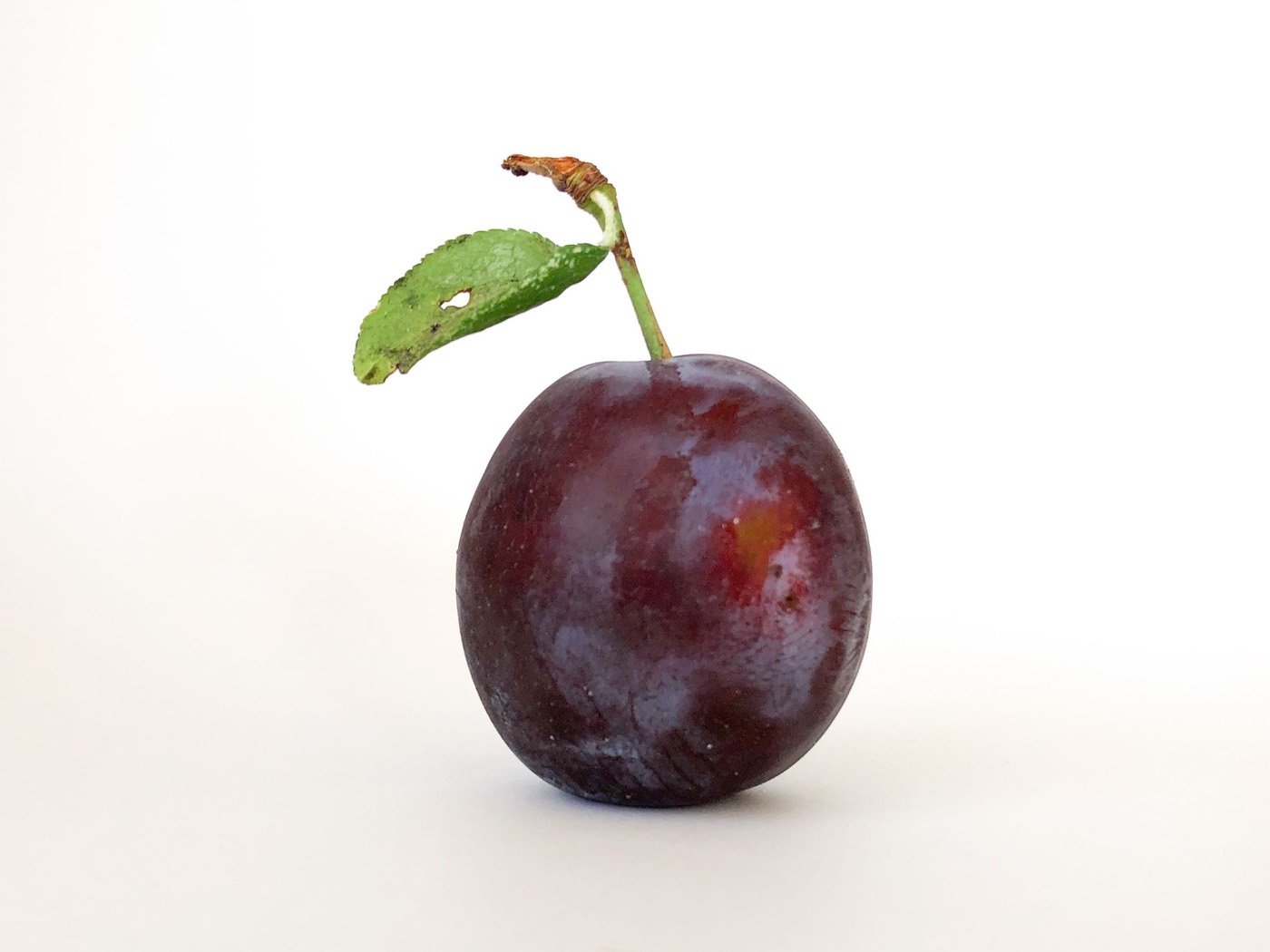
- Plum variety affects color, acidity, skin thickness, and aroma.
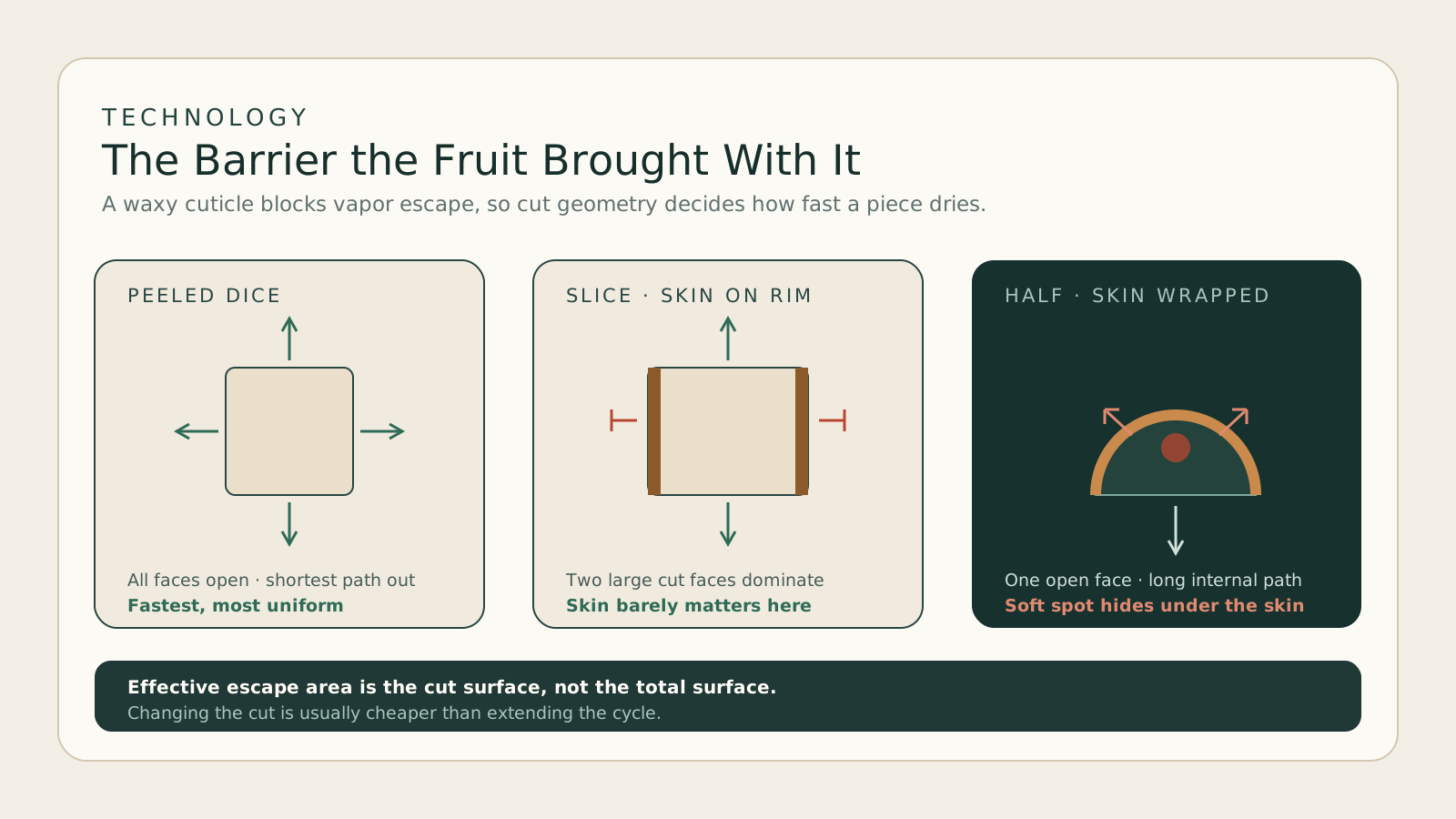
- Skin can add useful tartness or distracting toughness.
- Freeze-dried plum should not be confused with prune-style dried plum.
- Slices and powders often make more sense than large chunks.
Plum is a broad category, and freeze-drying exposes just how different one plum can be from another. For freeze-dried fruit buyers, plum is not just a flavor name. It is a set of decisions about raw material, cutting, drying behavior, sensory quality, packaging, and where the finished fruit actually belongs.
Use this guide as a working field note for buyers, product developers, snack founders, and curious consumers. The goal is not to rank every fruit in a vacuum. It is to understand how plums behave after water is removed, what quality looks like in the bag, and which questions make a supplier conversation more useful.
Quick comparison: plum formats for freeze-drying
| Format | Freeze-dried personality | Risk | Best use |
|---|---|---|---|
| Red/purple plum slices | Tart skin, sweet flesh | Skin toughness | Snack packs, toppings |
| Yellow plum pieces | Milder, honeyed | Lower visual impact | Blends, breakfast |
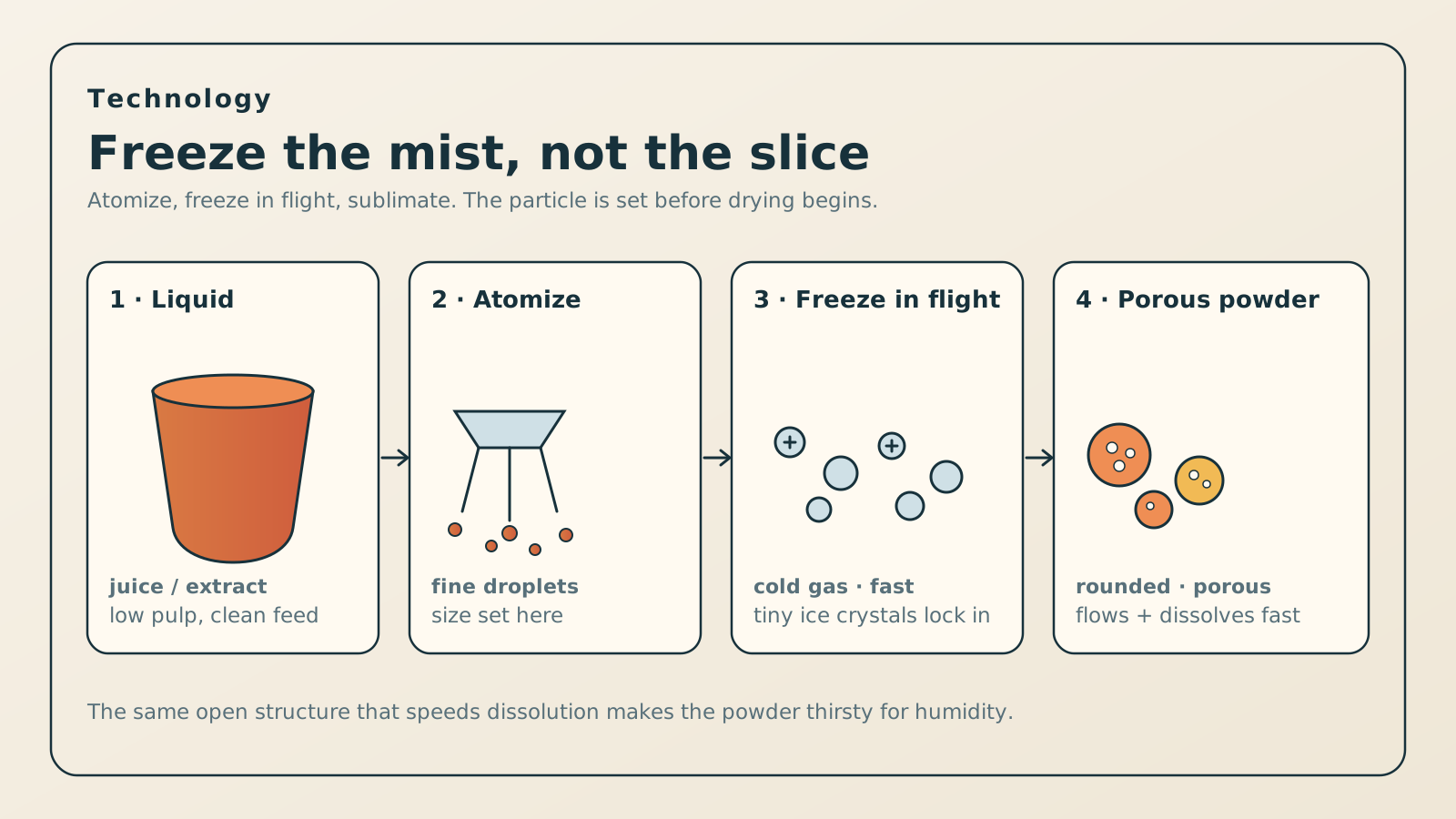
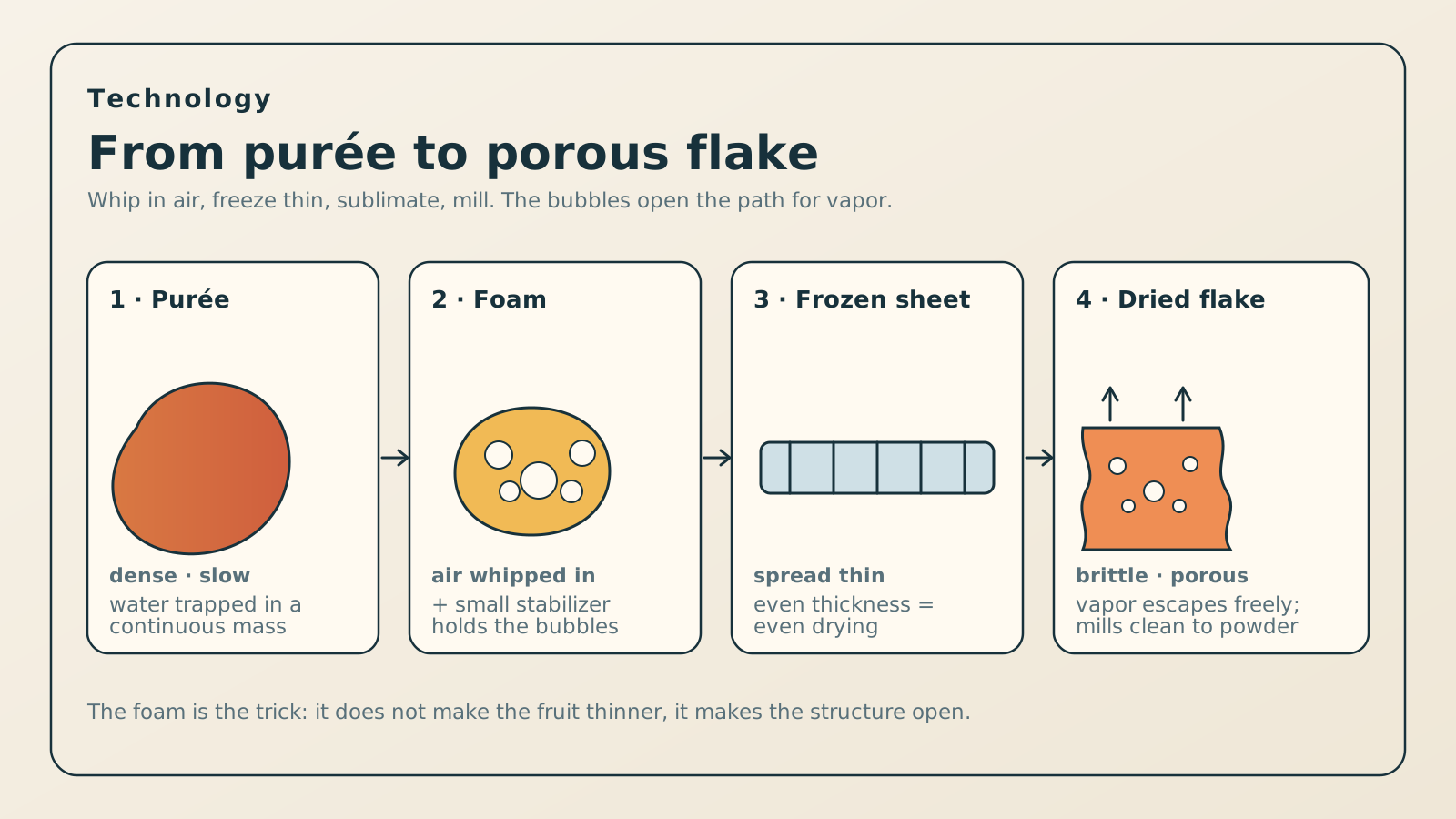
| Plum powder | Color and acidity | Caking, oxidation | Bakery, drinks, coatings |
| Prune comparison | Familiar dried category | Different texture and process | Consumer education |
Why plums behave the way they do
Plums bring a useful contrast between tart skin and sweet flesh. Freeze-drying can make that contrast vivid, but it can also emphasize skin toughness if the cut is too thick or the cultivar has dense skin. Unlike prunes, freeze-dried plums should read as crisp, bright, and fresh-fruit-like rather than chewy and caramelized.
Freeze-drying protects a fruit's original structure more than many consumers realize. It does not add aroma, fix weak ripeness, hide tough skin, or make low-flavor raw material suddenly taste premium. A good process can preserve quality; it cannot invent it from poor input.
What quality looks like in the finished bag
A strong freeze-dried plum product usually shows these signals:
- Color that matches the cultivar.
- Clean stone-fruit aroma.
- Skin texture that supports the bite.
- No fermented overripe notes.
- Crispness without leathery edges.
These signals should always be judged against the format. Whole pieces, slices, dices, crumbles, powders, and puree-derived pieces all have different expectations. The problem is not breakage or powder by itself; the problem is promising one format and delivering another.
Sourcing reality
Plum sourcing is highly cultivar-dependent. Buyers should ask whether the input is red, black, yellow, or prune-type plum; whether the stone is cleanly removed; how slices are cut; and whether skin-on or skin-off formats are offered.
Ask for variety or type, origin, raw material state, cut format, added ingredients, moisture or water activity target, expected breakage rate, and the best-use application the supplier designed the product for.
Best-use formats
Plum can work as slices, pieces, powders, and berry-stone-fruit blends. It pairs well with cherry, apricot, peach, apple, yogurt, and dark chocolate. Its best role is often as a tart-sweet bridge between berries and richer stone fruits.
The best format is the one that gives plum a clear job: add color, acid, aroma, crunch, sweetness, visual identity, or a more premium seasonal story. When the format and use case are aligned, freeze-dried plum can feel intentional rather than simply unusual.
How to read a plum label
A plum label should avoid confusion with prunes. If the intended experience is crisp freeze-dried plum, the product should look and taste closer to fresh fruit than to conventional dried plum.
For buyers, the practical question is not simply whether freeze-dried plum is good. It is whether this version of plum fits the claim, price, and use case. That is what turns a fruit report into a sourcing tool.
How plum compares
A quick reference for how plum sits alongside the freeze-drying personalities of its closest siblings.
| Fruit | Brix | Fiber | Aroma | Color stability | Breakage risk | Typical format |
|---|---|---|---|---|---|---|
| Plumthis report | 12–15° | Low | Moderate | Strong | Medium | Slices · dices · powder |
| Peach | 10–15° | Medium | Strong | Moderate | Medium | Slices · dices · halves |
| Apricot | 11–14° | Medium | Strong | Moderate | Medium | Halves · slices · dices |
| Cherry | 14–22° | Low | Strong | Strong | Medium | Halves · whole · powder |
Values are typical industry ranges. Variety, origin, harvest window, and process all shift them.
Conclusion
Freeze-dried plum is most successful when the product respects the fruit's limits instead of forcing it into a generic snack template. Start with the fruit's structure, choose the format from the use case, and judge the finished bag by aroma, texture, color, and honesty of claim. That is the difference between a novelty sample and a product someone can buy with confidence.
Frequently Asked Questions
What's the difference between freeze-dried plum and prune?
A prune is a plum that has been air-dried with heat, producing the familiar chewy, caramelized, deep-mahogany product. Freeze-dried plum is dried under vacuum at low temperature — the result is crisp, brighter, and reads closer to fresh fruit. A consumer expecting prune texture will be surprised by freeze-dried plum, and vice versa.
Should freeze-dried plums be skin-on or skin-off?
Skin-on preserves the tart-bright contrast between plum skin and sweet flesh, which is part of what makes plum distinctive. Some cultivars have skin thin enough to dry cleanly; others have thick skin that becomes tough or chewy. Skin-off slices feel cleaner but lose some of the fruit's natural flavor contrast. The right choice depends on cultivar and use case.
Which plum variety freeze-dries best?
Red and purple plums bring tart skin and sweet flesh — the most useful contrast in snack packs and toppings. Yellow plums (and Asian-style yellow plums) are milder and more honeyed, less visually dramatic but easier to eat. Prune-type plums (European plum) are denser and best for prune-style products, not freeze-dried slices.
Why is plum skin a quality concern?
Plum skin can be either an asset or a flaw. In good product the skin adds useful tartness and visual identity. In poor product — cultivar choice wrong, slice too thick — the skin becomes tough or chewy in a way that distracts from the flesh. Cut thickness and cultivar selection matter as much as drying.
What use cases fit freeze-dried plum?
Tart-sweet snack mixes, granola, yogurt toppings, dessert boards, and stone-fruit blends with cherry, apricot, and peach. Plum pairs especially well with dark chocolate and dairy. Powder is useful in bakery, drinks, and coatings where plum's color and acid can support a recipe without dominating it.
What quality signals matter in freeze-dried plum?
Color matching the cultivar (deep purple, bright red, or golden); clean stone-fruit aroma; skin texture that supports the bite; no fermented overripe notes; and crispness without leathery edges. The product should read crisp and fresh-fruit-like, not like a prune.
What should buyers ask freeze-dried plum suppliers?
Ask cultivar type (red, black, yellow, prune-type), origin, stone removal method, slice or piece format, skin-on or skin-off, target moisture or water activity, expected breakage rate, and the intended product positioning.