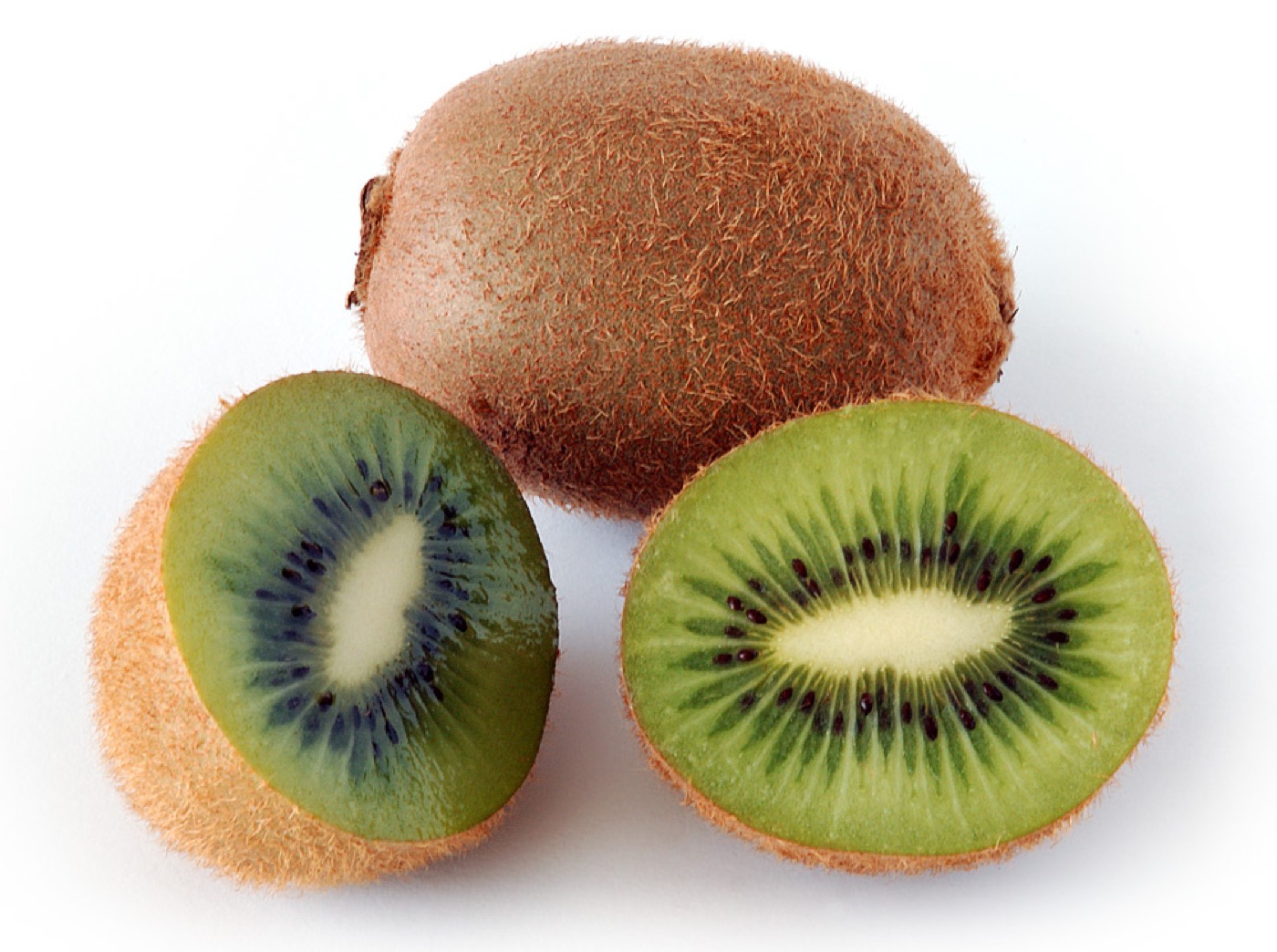
- Kiwi delivers strong visual identity through color and seed pattern.
- Green kiwi is usually brighter and more acidic; golden kiwi is sweeter and softer.
- Thin slices look beautiful but are fragile.
- Buyers should evaluate color retention, seed texture, and whether pieces remain crisp.
Kiwi is a visual fruit first: green flesh, black seeds, and a clean acid bite. For freeze-dried fruit buyers, kiwi is not just a flavor name. It is a practical set of decisions about raw material, cut format, texture, aroma, moisture control, breakage, and where the fruit belongs in a finished product.
Use this guide as a working field note. It is written for buyers, snack founders, product developers, and curious consumers who want to understand why one freeze-dried kiwi sample can feel vivid and another can feel flat.
Quick comparison: kiwi formats for freeze-drying
| Type | Freeze-dried personality | Risk | Best use |
|---|---|---|---|
| Green kiwi | Tart, vivid, classic | Sourness, fragility | Slices, toppings |
| Golden kiwi | Sweeter, softer, less sharp | Color variation | Premium snacks |
| Dices | Practical, less iconic | Less visual identity | Mixes, inclusions |
| Powder | Acid and color | Caking | Smoothies, coatings |
Why kiwi behaves the way it does
Kiwi has high water content, visible seeds, and a striking green or gold color. The seed ring gives freeze-dried slices their identity, but the slices are delicate. Green kiwi often brings more acidity, which can be refreshing in a mix but sharp as a standalone snack. Golden kiwi is usually sweeter and may be more approachable, though it can lose the iconic green look. Color retention is central because dull kiwi quickly looks tired.
Freeze-drying removes water, but it does not erase the fruit's original structure. The strongest products begin with raw material that already has the right flavor, maturity, and texture for the intended format. A process can protect quality; it cannot invent it from weak fruit.
What quality looks like in the finished bag
A strong freeze-dried kiwi product usually shows these signals:
- Bright green or gold color.
- Visible seed pattern without excessive seed bitterness.
- Crisp slice texture.
- Clean tart aroma, not fermented.
- Low breakage for premium slice claims.
These signals should be judged against the format. Whole pieces, slices, dices, crumbles, powders, and flakes all have different expectations. The problem is not breakage by itself; the problem is promising one format and delivering another.
Sourcing reality
Kiwi buyers should ask green versus golden, origin, slice thickness, peel status, and whether sugar is added. For snack bags, visual slice quality matters. For ingredient use, acidity and color may matter more than perfect rounds.
Ask for variety or type, origin, raw material state, cut format, added ingredients, moisture or water activity target, expected breakage rate, and the best-use application the supplier designed the product for.
Best-use formats
For snack bags, kiwi needs to be recognizable and pleasant on its own. For toppings and foodservice, color, aroma, and piece behavior may matter more. For ingredient use, powder flow, caking risk, flavor concentration, and labeling matter most.
The best format is the one that lets kiwi do a clear job: brighten, sweeten, add acid, add color, carry aroma, create crunch, or make a blend feel more premium.
How to read a kiwi label
A useful label should tell you whether the product is plain fruit or formulated, whether it is sweetened, and what format is inside. If the label makes a premium claim, the sample should support that claim through color, aroma, texture, and consistency.
For buyers, the practical question is not simply whether freeze-dried kiwi is good. It is whether this version of kiwi fits the claim, price, and use case.
How kiwi compares
A quick reference for how kiwi sits alongside the freeze-drying personalities of its closest siblings.
| Fruit | Brix | Fiber | Aroma | Color stability | Breakage risk | Typical format |
|---|---|---|---|---|---|---|
| Kiwithis report | 9–15° | Low | Moderate | Moderate | Medium | Slices · dices · powder |
| Dragon fruit | 8–13° | Low | Mild | Very strong (red) | Low | Pieces · powder |
| Pomegranate | 14–18° | Low (seed core) | Moderate | Strong | Low | Arils · powder |
| Fig | 16–24° | High (seeds) | Moderate | Moderate | Medium | Halves · slices · powder |
| Persimmon | 14–20° | Low | Mild | Moderate | Low | Slices · dices · powder |
| Grape | 15–22° | Low (skin issue) | Moderate | Strong | High | Halves · powder |
Values are typical industry ranges. Variety, origin, harvest window, and process all shift them.
Conclusion
Freeze-dried kiwi works best when the fruit's natural strengths survive the process. That might be color, aroma, acidity, sweetness, seed pattern, or a specific kind of crunch.
When sourcing, start with the fruit's job in the final product. Then choose the format, specification, and supplier that protect that job.
Frequently Asked Questions
What's the difference between green and golden kiwi for freeze-drying?
Green kiwi brings more acidity and the iconic green flesh that consumers expect — vivid in mixes but sometimes sharp as a standalone snack. Golden kiwi is sweeter and softer, more approachable for casual snacking, but loses the visual identity that makes green kiwi recognizable on sight. The choice is a balance between flavor approachability and visual drama.
Why are freeze-dried kiwi slices so visually distinctive?
The radiating seed ring around the pale center is unmistakable — it is one of the strongest visual signatures in the fruit category. Freeze-drying preserves that pattern cleanly, which is why kiwi appears in trail mixes and snack blends where it is meant to be seen, not just tasted.
Should freeze-dried kiwi be peeled?
Yes for almost all commercial products. The fuzzy skin is unpleasant in a freeze-dried slice and would dominate the eating experience. Some specialty applications include thin peel for visual identity, but the default is peeled flesh sliced for the seed pattern to be visible.
Do the seeds in freeze-dried kiwi cause bitterness?
In good product, no — the seeds add visual identity and a light crunch. Bitterness usually points to weak raw material or over-thin slicing exposing too much seed surface relative to flesh. The fruit should taste fresh and tart, not medicinal.
Why do some freeze-dried kiwi slices break easily?
Kiwi flesh is high in water with relatively low structural density. Thin slices look beautiful but are fragile — slight thickness changes the breakage rate significantly. Premium snack packs typically use slightly thicker slices to survive shipping; thinner slices are common in ingredient applications where breakage is acceptable.
What quality signals matter in a freeze-dried kiwi bag?
Bright green or gold color matching the variety; visible seed pattern without excessive seed bitterness; crisp slice texture; clean tart aroma rather than fermented notes; and low breakage when the bag is sold as premium slices.
What should buyers ask freeze-dried kiwi suppliers?
Ask green vs golden, variety, origin, slice thickness, peel status, expected whole-slice percentage, target moisture or water activity, added sugar status, and the intended product positioning (snack slices, mixed-fruit ingredient, or powder).