- Gooseberry products need clear naming because amla and dessert gooseberries are different raw materials.
- High acidity is the main value driver, but it must be balanced against bitterness and astringency.
- Powder, small pieces, and functional ingredient formats often make more sense than large snack pieces.
- Buyers should ask about variety, origin, seed or pit structure, and intended use before comparing samples.
Gooseberry is not one simple market idea: it can mean tart European dessert gooseberries, Indian amla, or other regional sour fruits. For freeze-dried fruit buyers, that ambiguity matters. The name alone does not tell you enough about flavor, texture, acidity, skin, seed behavior, or how the finished product should be used.
Use this guide as a working field note for buyers, product developers, snack founders, and curious consumers. Gooseberry is valuable because it brings acid, color or pale brightness, and a more adult sour-fruit profile, but it needs clear positioning.
Quick comparison: gooseberry formats for freeze-drying
| Format | Freeze-dried personality | Risk | Best use |
|---|---|---|---|
| Amla pieces | Very tart, firm, functional-feeling | Astringency and hardness | Powders, teas, specialty snacks |
| Dessert gooseberry pieces | Tart-sweet, berry-like | Skin toughness | Toppings, blends, preserves-style products |
| Gooseberry powder | High acid, useful in formulation | Caking and bitterness | Drinks, coatings, fillings |
| Gooseberry blend | Brightens sweeter fruits | Can dominate | Apple, mango, strawberry, yogurt blends |
Why gooseberries behave the way they do
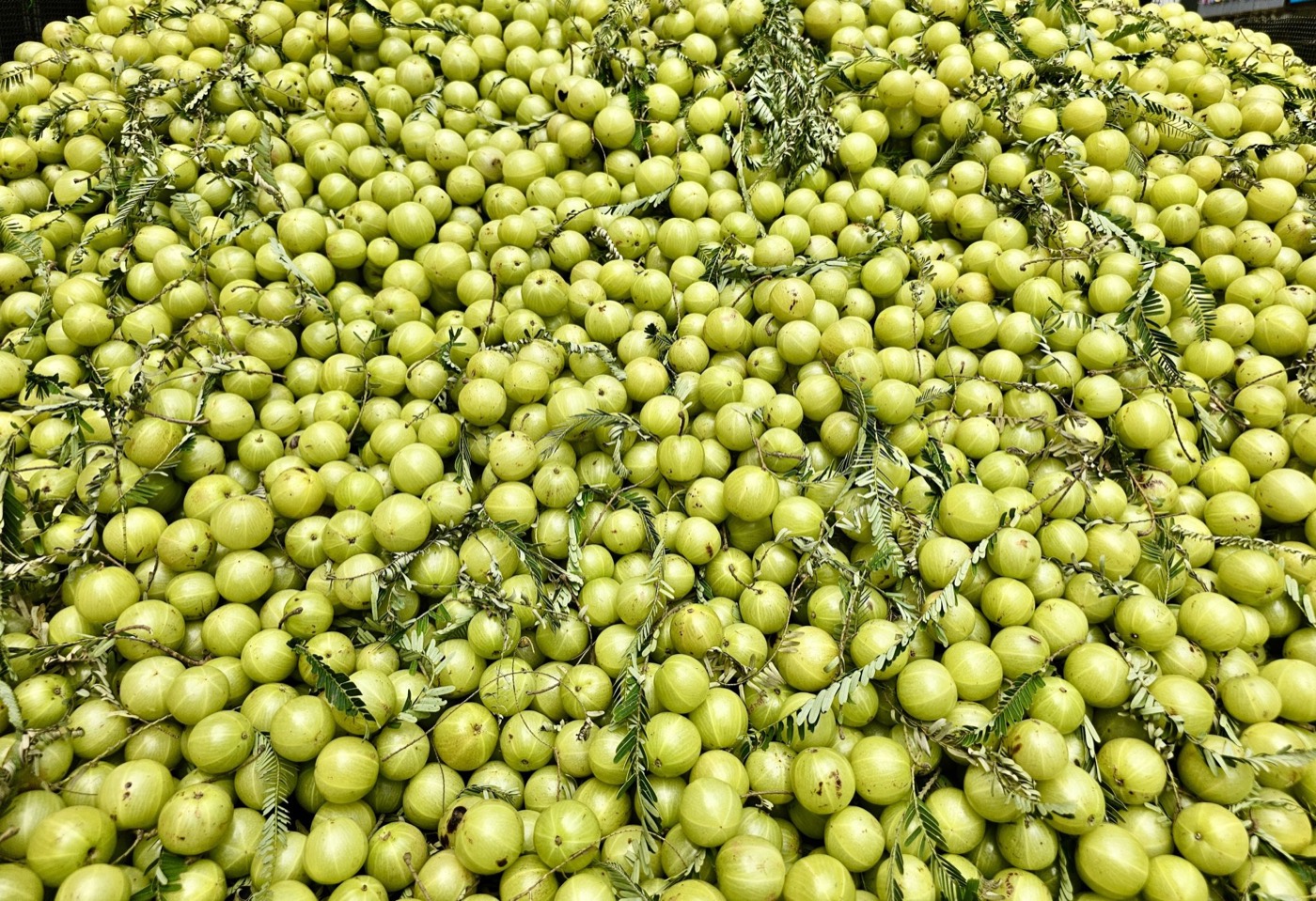
Gooseberries are usually valued for acidity before sweetness. In freeze-dried form, that acidity becomes more concentrated, which can be useful in small amounts and overwhelming in large ones. Indian gooseberry, or amla, is especially different from the soft dessert gooseberry image many Western consumers have. It can be firm, tannic, and intensely sour, which makes it powerful as an ingredient but less obvious as a casual snack.
Freeze-drying protects a fruit's original structure more than many consumers realize. It does not add aroma, fix weak ripeness, hide tough skin, or make astringency disappear. A good process can preserve quality; it cannot invent it from poor input.
What quality looks like in the finished bag
A strong freeze-dried gooseberry product usually shows these signals:
- Clean tart aroma without stale or medicinal notes.
- Acidity that feels bright rather than punishing.
- Texture matched to the use case, whether powder, piece, or inclusion.
- Controlled astringency.
- Clear naming of the fruit type or origin.
These signals should always be judged against the format. Whole pieces, slices, dices, crumbles, powders, and puree-derived pieces all have different expectations.
Sourcing reality
Gooseberry sourcing depends heavily on which gooseberry is meant. European-style gooseberries, Indian amla, cape gooseberry, and other regional fruits are not interchangeable. Buyers should ask for botanical name or local type, origin, maturity, cut format, added ingredients, moisture or water activity target, and whether the product is designed for snacking, tea, powder, or formulation.
Ask for variety or type, origin, raw material state, cut format, added ingredients, moisture or water activity target, expected breakage rate, and the best-use application the supplier designed the product for.
Best-use formats
Gooseberry is strongest when used as a brightening ingredient: powders, tea blends, yogurt toppings, sour fruit mixes, and functional-feeling products. It can make sweet fruits taste more structured, but it should be dosed carefully. A small amount can bring life to a blend; too much can make the product feel harsh.
How to read a gooseberry label
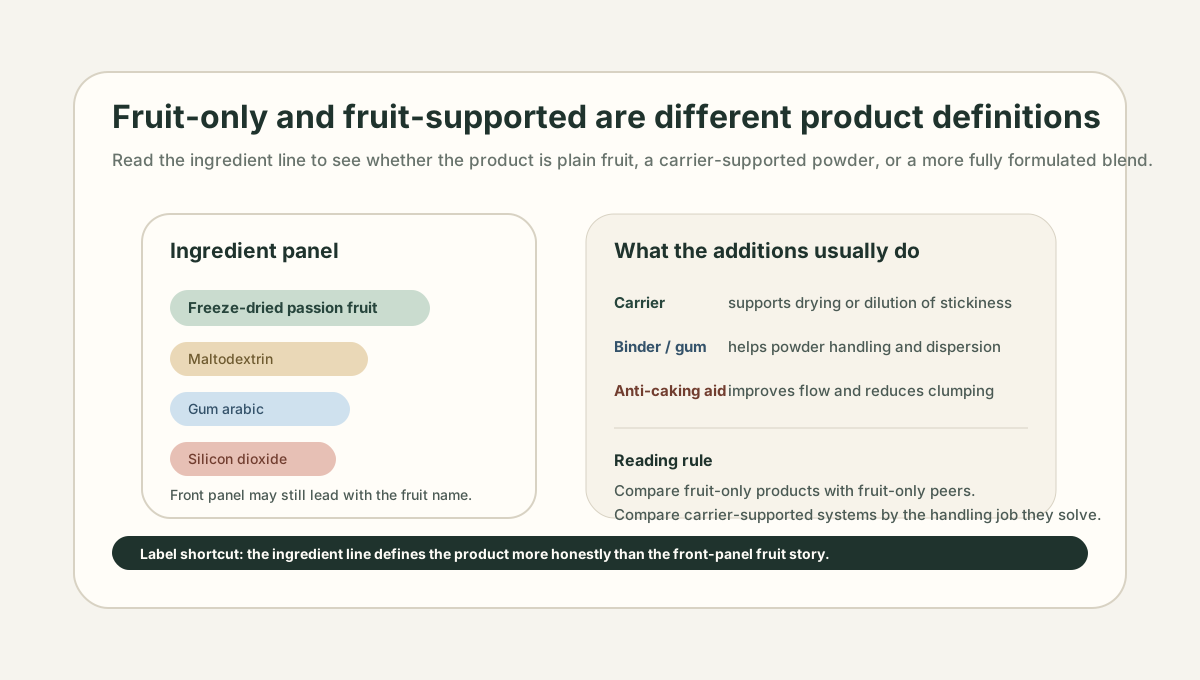
A useful gooseberry label should say more than “gooseberry” when the market might confuse amla, dessert gooseberry, and cape gooseberry. The product should also disclose sweeteners, carriers, or anti-caking agents when used. For buyers, the practical question is whether this version of gooseberry fits the claim, price, and use case.
How gooseberry compares
A quick reference for how gooseberry sits alongside the freeze-drying personalities of its closest siblings.
| Fruit | Brix | Fiber | Aroma | Color stability | Breakage risk | Typical format |
|---|---|---|---|---|---|---|
| Gooseberrythis report | 8–12° | Medium | Moderate | Moderate | Medium | Halves · powder |
| Strawberry | 7–12° | Low | Strong | Moderate | Medium | Slices · whole · powder |
| Blueberry | 10–15° | Low | Moderate | Strong | Low | Whole · halves · powder |
| Raspberry | 8–12° | Low | Strong | Moderate | High | Whole · broken · powder |
| Blackberry | 8–13° | Medium | Strong | Moderate | High | Whole · broken · powder |
| Cranberry | 6–9° | Medium | Sharp | Strong | Low | Slices · pieces · powder |
| Mulberry | 9–15° | Low | Moderate | Strong | Medium | Whole · broken · powder |
Values are typical industry ranges. Variety, origin, harvest window, and process all shift them.
Conclusion
Freeze-dried gooseberry is most successful when the product respects the fruit's acidity and naming complexity. Start with the exact fruit type, choose the format from the use case, and judge the finished bag by tartness, texture, aroma, and honesty of claim.
Frequently Asked Questions
What's the difference between dessert gooseberry and amla?
Dessert gooseberries (the European Ribes uva-crispa) are tart, soft, berry-like fruits used in pies, jams, and snacks. Amla (Indian gooseberry, Phyllanthus emblica) is an entirely different species — firmer, more tannic, intensely sour, and culturally tied to Ayurvedic tradition. The word gooseberry covers both, but they should not be treated as interchangeable raw materials.
Why is naming so important for freeze-dried gooseberry?
Gooseberry on a package can mean tart European dessert gooseberry, Indian amla, cape gooseberry (a tomatillo relative), or another regional sour fruit. Each has a different flavor, texture, and use case. Buyers and consumers both need explicit naming to set the right expectation.
What's the best format for freeze-dried gooseberry?
Amla pieces work for powders, teas, and specialty snacks — astringency and hardness are the cautions. Dessert gooseberry pieces suit toppings, blends, and preserves-style products. Gooseberry powder concentrates acid for drinks, coatings, and fillings — caking and bitterness must be managed. Blends use gooseberry to brighten sweeter fruits.
Why is freeze-dried amla often used in functional products?
Amla has strong cultural and traditional medicine associations, particularly in Ayurveda, where it is prized for high vitamin C and tannin content. Freeze-dried amla preserves more of those compounds than heat-dried alternatives, which is why it appears in functional powders, supplements, and wellness-adjacent snacks rather than as a casual fruit.
Can freeze-dried gooseberry work as a standalone snack?
Rarely. Both amla and dessert gooseberry concentrate acidity in freeze-dried form to levels most snack consumers find too intense. Small inclusion rates in blends, or wellness-positioned products where the sharpness is the point, work better than trying to position freeze-dried gooseberry as a casual snack.
What pairings work well with freeze-dried gooseberry?
Sweeter fruits that need brightening — apple, mango, strawberry — pair well because gooseberry's acidity gives those fruits more structure. Yogurt and dairy applications also benefit from the sharp citrus-like note. Pairing gooseberry with other sour fruits is usually too much.
What should buyers ask freeze-dried gooseberry suppliers?
First clarify which gooseberry — dessert (Ribes), amla (Phyllanthus emblica), or another. Then ask origin, maturity, seed or pit structure, cut format, added sugar or carrier, anti-caking strategy for powder, target moisture or water activity, and the intended product use case (snack, tea, powder, or formulation).