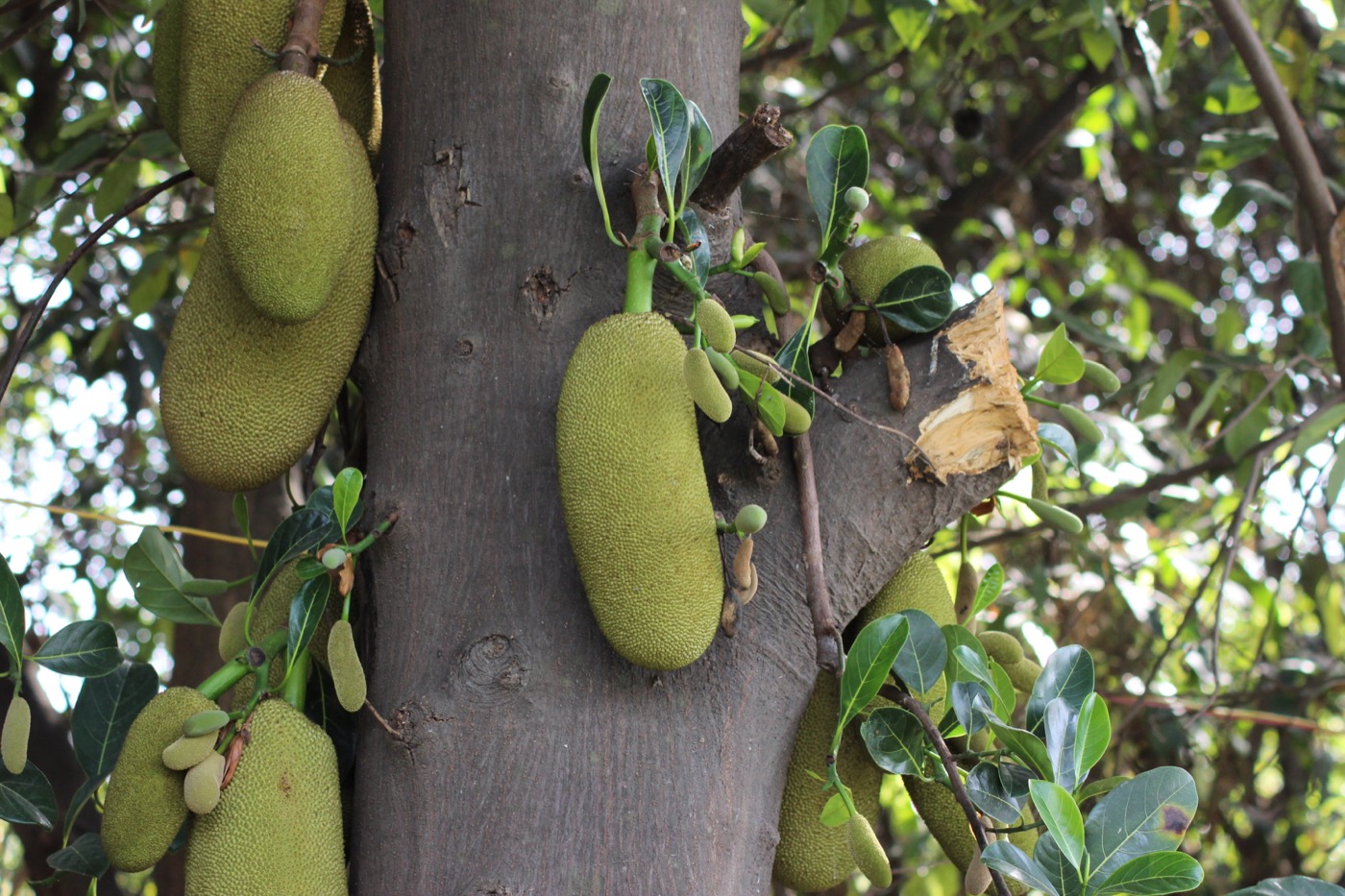
- Ripe jackfruit is sweet, aromatic, and fruit-snack oriented; young jackfruit is fibrous and more culinary.
- Freeze-dried jackfruit quality depends on pod selection, fiber control, aroma, and cut size.
- The fruit can be polarizing because aroma is strong and texture is fibrous.
- Buyers should clarify ripe versus young jackfruit before discussing price or quality.
Jackfruit is not one simple ingredient. Young jackfruit and ripe jackfruit behave like different products. For freeze-dried fruit buyers, jackfruit is not just a flavor. It is a set of processing choices: raw material quality, cut format, moisture control, aroma retention, breakage, and how clearly the finished piece still communicates the fruit.
Use this guide as a practical sourcing tool. The goal is not to rank every possible jackfruit product. It is to understand what usually separates a strong freeze-dried jackfruit sample from one that looks good on a sell sheet but disappoints in the bag.
Quick comparison: jackfruit formats for freeze-drying
| Material | Freeze-dried personality | Risk | Best use |
|---|---|---|---|
| Ripe pods | Sweet, tropical, aromatic | Strong aroma, fiber | Specialty snacks, tropical mixes |
| Young jackfruit | Mild, fibrous, savory-leaning | Chewy, less sweet | Culinary ingredients |
| Shreds | Texture-forward | Stringiness | Ingredient use, savory concepts |
| Powder | Aromatic, niche | Flavor intensity | Seasonings, fillings, blends |
Why jackfruit behaves the way it does
Ripe jackfruit pods contain sugar, aroma, and a distinctive fibrous structure. Freeze-drying concentrates the tropical aroma, which can be a strength or a liability depending on the audience. Fiber is the main technical issue. Large pieces can feel stringy if the raw material is not carefully selected. Smaller pieces or shreds can make the texture more manageable, but they also shift the product from premium snack to ingredient format. Young jackfruit is a different conversation because it is used more for texture than sweetness. Ripe-pod sweetness is the whole point of freeze-dried jackfruit chunks.
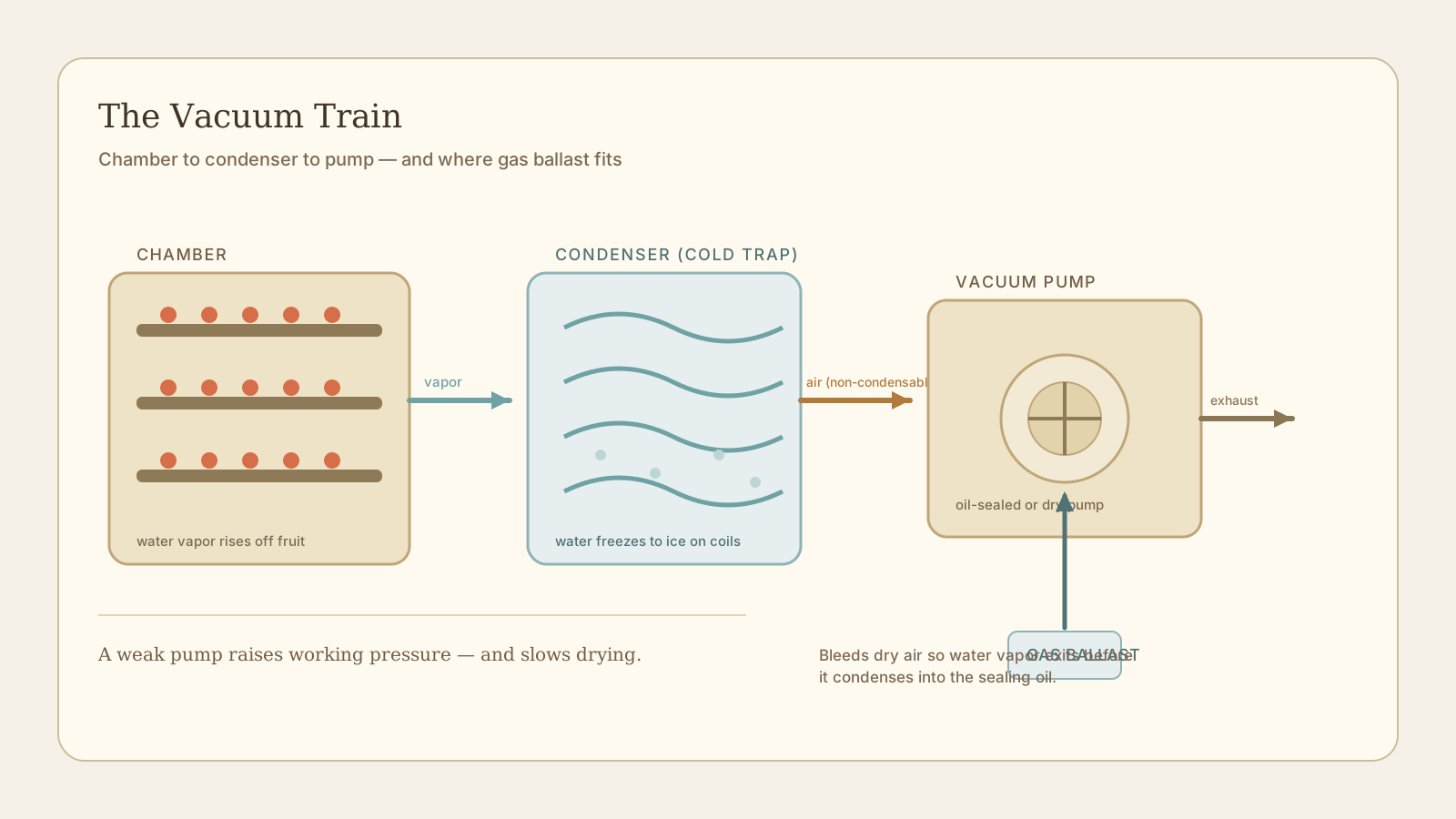
The technical question is always the same: does the finished piece preserve the best part of the fruit, or does the process amplify the weaknesses? Freeze-drying removes water, but it does not create better raw material. If the fruit begins with weak aroma, poor maturity, too much fiber, or inconsistent sizing, the final product will usually show it.
What quality looks like in the finished bag
A strong freeze-dried jackfruit sample usually has these signals:
- Clear ripe jackfruit aroma without fermented notes.
- Golden color in ripe pod pieces.
- Manageable fiber that does not dominate the bite.
- Crisp or airy texture rather than tough chew.
- Piece format that matches the product claim.
These signals matter because consumers judge freeze-dried fruit quickly. They see the color first, smell the product when the pouch opens, and then decide whether the texture feels worth buying again.
Sourcing reality
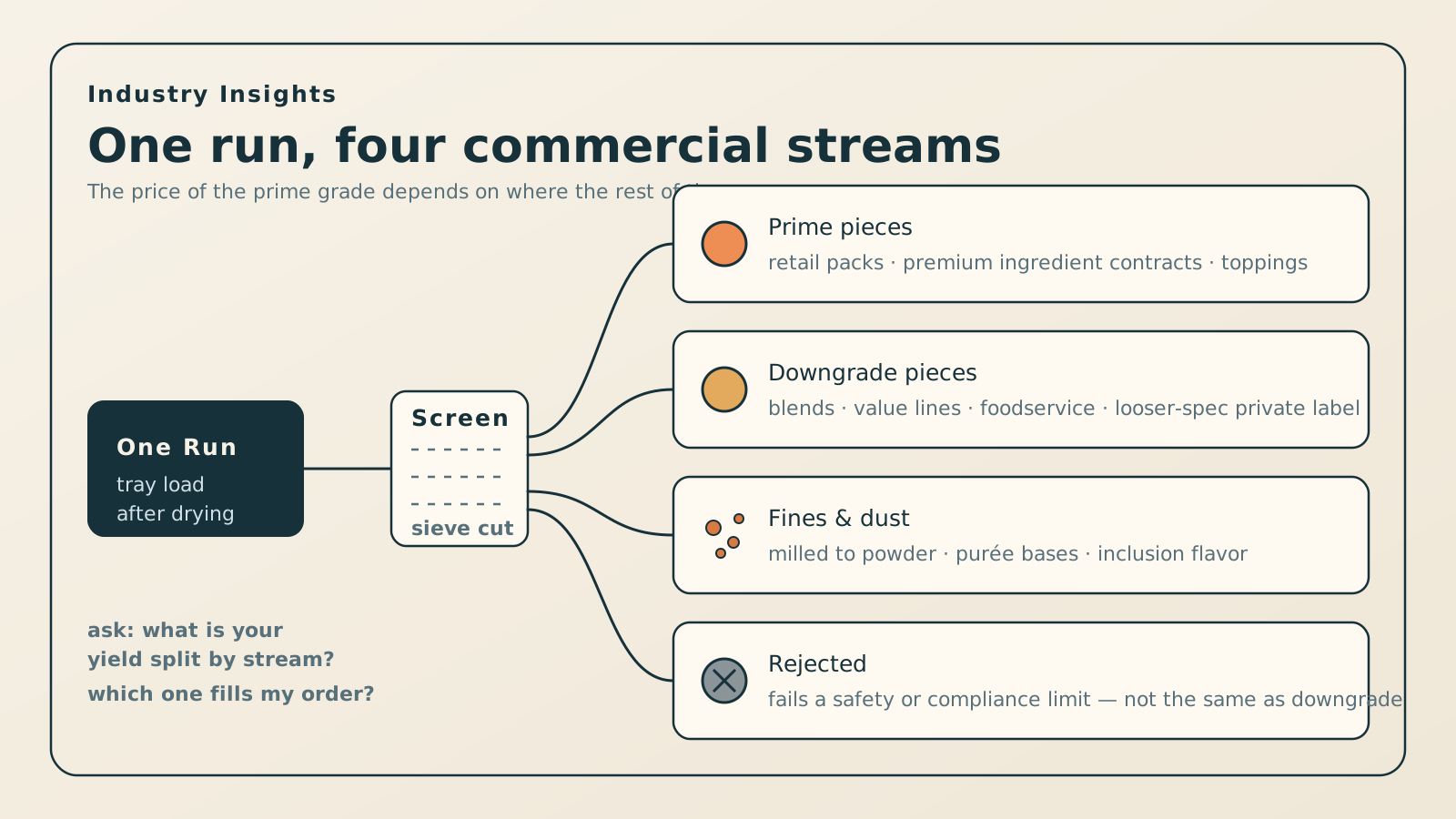
The first sourcing question is simple: young or ripe? After that, buyers should ask whether the material is pods, shreds, chunks, or mixed cuts. Ripe jackfruit can work beautifully in exploratory tropical snack mixes, but it is less universal than strawberry or mango. For Western retail, it may need careful positioning as a discovery fruit rather than a familiar pantry staple.
Ask for the fruit type or variety when available, origin, harvest or processing window, raw material state, cut format, moisture or water activity target, added ingredients, and expected breakage rate after shipping.
Best-use formats
For premium snack positioning, use the format that lets the fruit remain recognizable. For ingredient use, consistency may matter more than beauty. Smaller pieces, powders, and broken formats can be excellent when they are sold honestly for toppings, bakery, cereals, bars, fillings, or blends.
For mixed fruit snacks, jackfruit should have a clear job. It can provide color, aroma, acidity, sweetness, novelty, or texture. If it does not play one of those roles clearly, it may disappear behind louder fruits like mango, pineapple, or strawberry.
How to read a jackfruit label
A useful label should tell you whether the product is plain fruit or sweetened, what format is inside, and sometimes the origin or variety. If the label only says "jackfruit" but the price is premium, the sample itself needs to justify that price through color, aroma, texture, and piece integrity.
For buyers, the better question is not "is this freeze-dried jackfruit good?" It is "does this jackfruit format match the claim, the price, and the way the customer will actually use it?"
How jackfruit compares
A quick reference for how jackfruit sits alongside the freeze-drying personalities of its closest siblings.
| Fruit | Brix | Fiber | Aroma | Color stability | Breakage risk | Typical format |
|---|---|---|---|---|---|---|
| Jackfruitthis report | 15–24° | Medium | Strong | Moderate | Medium | Pieces · slices · powder |
| Lychee | 16–20° | Low | Strong | Poor | Medium | Halves · whole · pieces |
| Longan | 15–22° | Low | Moderate | Poor | Medium | Halves · whole |
| Rambutan | 16–21° | Medium | Moderate | Poor | Medium | Halves · pieces |
| Mangosteen | 15–20° | Low | Strong | Moderate | Medium | Segments · powder |
| Durian | 20–28° | Medium | Very strong | Moderate | Low | Pieces · powder |
| Jujube | 18–28° | Medium | Moderate | Strong | Low | Halves · slices · powder |
| Soursop | 10–18° | Medium | Strong | Moderate | Medium | Pieces · powder |
| Sapodilla | 14–22° | Medium | Moderate | Moderate | Medium | Pieces · powder |
| Starfruit | 5–11° | Medium | Mild | Moderate | Medium | Slices · powder |
Values are typical industry ranges. Variety, origin, harvest window, and process all shift them.
Conclusion
Freeze-dried jackfruit works best when sourcing, format, and processing are aligned. The best products do not simply remove water from fruit. They protect the fruit's strongest signal, whether that is aroma, color, acidity, sweetness, crunch, or visual identity.
That is the difference between a novelty item and a product that earns a permanent place in a snack mix, topping lineup, or ingredient spec.
Frequently Asked Questions
What's the difference between ripe and young jackfruit for freeze-drying?
Ripe jackfruit pods are sweet, aromatic, and snack-oriented — the freeze-dried version sits in fruit-snack territory. Young (green, unripe) jackfruit is fibrous, mild, and savory-leaning — used as a meat substitute in plant-based cooking, not as a sweet snack. Treat them as different products, not different ripeness stages of the same product.
Why is freeze-dried jackfruit polarizing?
The aroma is strong and the texture is fibrous in ways that polarize consumers — some find it delightfully tropical, others find the smell off-putting. Freeze-drying concentrates rather than mutes the aroma, so jackfruit usually works best when the audience already knows what to expect.
Should freeze-dried jackfruit be pods, shreds, chunks, or powder?
Ripe pods preserve the fruit identity for specialty snacks and tropical mixes — fiber is the main risk. Shreds emphasize texture for ingredient and savory concepts. Chunks need careful selection or the fiber dominates. Powder concentrates aroma for seasonings, fillings, and blends — flavor intensity becomes the question.
Why is fiber such a quality concern in freeze-dried jackfruit?
Jackfruit pods contain natural fibrous strands that are normal in fresh fruit but become more obvious after water is removed. Large pieces can feel stringy if raw material isn't carefully selected. Smaller pieces or shreds make the texture more manageable but shift the product from premium snack to ingredient format.
Can jackfruit work in mainstream Western retail?
It can, but typically as a discovery fruit rather than a familiar pantry staple. Strong aroma and fibrous texture make it less universal than strawberry or mango. Successful products usually position jackfruit explicitly — tropical mixes, exotic discovery snacks, or plant-based meat alternatives — rather than treating it as a mainstream fruit.
What quality signals matter in freeze-dried jackfruit?
Clear ripe jackfruit aroma without fermented notes; golden color in ripe pod pieces; manageable fiber that does not dominate the bite; crisp or airy texture rather than tough chew; and piece format matched to the product claim. Strong aroma is the asset, not the defect — but it should be clean and ripe, not stale.
What should buyers ask freeze-dried jackfruit suppliers?
Start with ripe vs young — that decides the rest of the conversation. Then ask cultivar where available, origin (Vietnam, Thailand, India, Bangladesh, etc.), pod selection vs mixed cuts, fiber control practice, target moisture or water activity, expected breakage rate, and the intended product positioning.