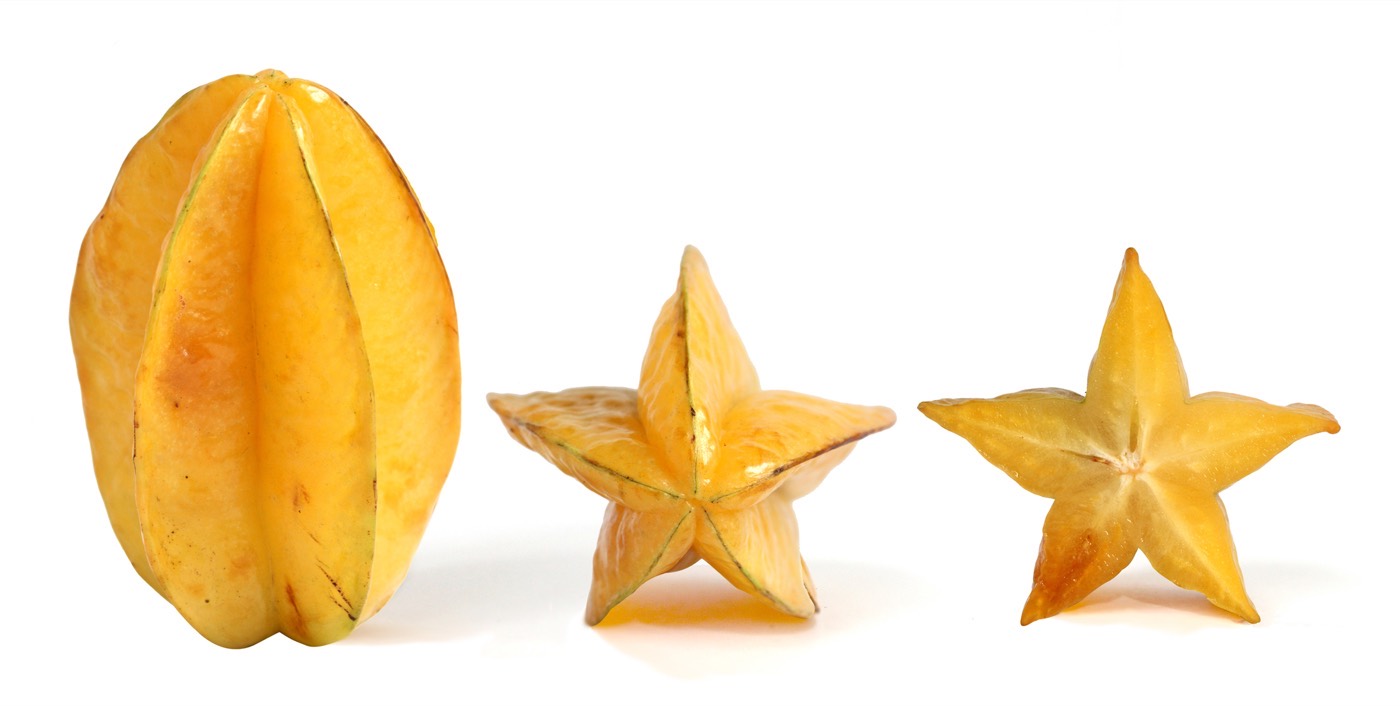
- Starfruit’s star-shaped cross-section is its strongest commercial asset.
- Flavor can be mild, so ripeness and acid balance matter.
- Thin slices dry better and preserve the visual story.
- It is often best as a garnish or blend accent rather than a volume snack.
Starfruit is often chosen with the eyes first. In freeze-dried form, that visual advantage is real, but flavor still has to earn its place. For freeze-dried fruit buyers, starfruit is not just a flavor name. It is a set of decisions about raw material, cutting, drying behavior, sensory quality, packaging, and where the finished fruit actually belongs.
Use this guide as a working field note for buyers, product developers, snack founders, and curious consumers. The goal is not to rank every fruit in a vacuum. It is to understand how starfruit behaves after water is removed, what quality looks like in the bag, and which questions make a supplier conversation more useful.
Quick comparison: starfruit formats for freeze-drying
| Format | Freeze-dried personality | Risk | Best use |
|---|---|---|---|
| Cross-section slices | Distinctive star shape | Fragile tips and browning | Desserts, cocktails, premium packs |
| Dices | Practical but less iconic | Weak identity | Blends, toppings |
| Powder | Light acid and color | Mild flavor | Seasonings, drinks |
| Tropical blend accent | Visual lift | Cost and breakage | Gift packs, snack boards |
Why starfruit behaves the way it does
Starfruit has crisp watery flesh, ridged geometry, and a flavor that can range from lightly sweet to sharply tart. Freeze-drying rewards the geometry but exposes any lack of flavor. Thin, even slices are usually the best expression because they preserve the star while allowing efficient moisture removal.
Freeze-drying protects a fruit's original structure more than many consumers realize. It does not add aroma, fix weak ripeness, hide tough skin, or make low-flavor raw material suddenly taste premium. A good process can preserve quality; it cannot invent it from poor input.
What quality looks like in the finished bag
A strong freeze-dried starfruit product usually shows these signals:
- Clean yellow color without brown cut edges.
- Visible star shape where promised.
- Light crisp bite.
- Fresh tart-sweet aroma.
- Low broken tips for premium slices.
These signals should always be judged against the format. Whole pieces, slices, dices, crumbles, powders, and puree-derived pieces all have different expectations. The problem is not breakage or powder by itself; the problem is promising one format and delivering another.
Sourcing reality
Starfruit supply is more specialty than commodity. Buyers should ask about ripeness, thickness, browning control, slice integrity, and whether the fruit is sweet or tart type. Oxalate-related consumer cautions may also matter depending on market and labeling context.
Ask for variety or type, origin, raw material state, cut format, added ingredients, moisture or water activity target, expected breakage rate, and the best-use application the supplier designed the product for.
Best-use formats
Starfruit is strongest as a visual accent: dessert toppings, cocktail kits, giftable fruit assortments, and premium tropical blends. It rarely provides enough flavor depth to carry a large bag alone.
The best format is the one that gives starfruit a clear job: add color, acid, aroma, crunch, sweetness, visual identity, or a more premium seasonal story. When the format and use case are aligned, freeze-dried starfruit can feel intentional rather than simply unusual.
How to read a starfruit label
A starfruit label should align with the visual promise. If the selling point is the star shape, excessive broken tips or anonymous dices weaken the product immediately.
For buyers, the practical question is not simply whether freeze-dried starfruit is good. It is whether this version of starfruit fits the claim, price, and use case. That is what turns a fruit report into a sourcing tool.
How starfruit compares
A quick reference for how starfruit sits alongside the freeze-drying personalities of its closest siblings.
| Fruit | Brix | Fiber | Aroma | Color stability | Breakage risk | Typical format |
|---|---|---|---|---|---|---|
| Starfruitthis report | 5–11° | Medium | Mild | Moderate | Medium | Slices · powder |
| Lychee | 16–20° | Low | Strong | Poor | Medium | Halves · whole · pieces |
| Longan | 15–22° | Low | Moderate | Poor | Medium | Halves · whole |
| Rambutan | 16–21° | Medium | Moderate | Poor | Medium | Halves · pieces |
| Mangosteen | 15–20° | Low | Strong | Moderate | Medium | Segments · powder |
| Durian | 20–28° | Medium | Very strong | Moderate | Low | Pieces · powder |
| Jackfruit | 15–24° | Medium | Strong | Moderate | Medium | Pieces · slices · powder |
| Jujube | 18–28° | Medium | Moderate | Strong | Low | Halves · slices · powder |
| Soursop | 10–18° | Medium | Strong | Moderate | Medium | Pieces · powder |
| Sapodilla | 14–22° | Medium | Moderate | Moderate | Medium | Pieces · powder |
Values are typical industry ranges. Variety, origin, harvest window, and process all shift them.
Conclusion
Freeze-dried starfruit is most successful when the product respects the fruit's limits instead of forcing it into a generic snack template. Start with the fruit's structure, choose the format from the use case, and judge the finished bag by aroma, texture, color, and honesty of claim. That is the difference between a novelty sample and a product someone can buy with confidence.
Frequently Asked Questions
What's special about freeze-dried starfruit?
The star-shaped cross-section is the fruit's signature commercial asset — instantly recognizable on a dessert, in a cocktail glass, or on a snack board. Freeze-drying preserves the geometry beautifully when thin slices are used. The visual is usually the headline value; flavor is a secondary consideration.
Why does freeze-dried starfruit taste mild?
Starfruit (carambola) has crisp watery flesh with relatively low sugar (Brix 5–11°) compared to most snack fruits, plus delicate aroma. Freeze-drying preserves rather than amplifies that mildness. Ripeness matters — sweet types deliver a gentle tropical sweetness, tart types add more acid bite but less crowd-pleasing flavor.
What's the best format for freeze-dried starfruit?
Cross-section slices preserve the distinctive star shape — best for desserts, cocktails, and premium packs. Dices are practical but lose the iconic identity. Powder concentrates light acid and color for seasonings and drinks. Tropical blend accents use starfruit for visual lift in gift packs and snack boards.
Why are thin slices better than thick slices for freeze-dried starfruit?
Thinner slices dry more evenly, preserve the star shape with crisper edges, and produce a lighter snap. Thicker slices can retain center moisture and risk leathery texture. Premium starfruit products typically settle in a narrow thickness range optimized for the visual and the bite.
Is there an oxalate concern with freeze-dried starfruit?
Starfruit contains oxalates that can be a health concern for people with kidney disease — and some markets require advisory labeling. Premium brands disclose this honestly rather than burying it. Healthy consumers eating starfruit as part of a varied diet face no concern, but the product should not be marketed as a high-volume snack.
Should freeze-dried starfruit be sweetened?
Not usually. Starfruit's value is visual and refreshing rather than candied. Adding sugar masks the natural tart-sweet character and undermines the elegant positioning that justifies the fruit's specialty pricing. Clean-label products keep starfruit plain.
What should buyers ask freeze-dried starfruit suppliers?
Ask ripeness standard, slice thickness, browning control practice, slice integrity (broken-tip tolerance), sweet vs tart variety, origin, target moisture or water activity, oxalate disclosure plan if relevant for the market, added sugar status, and the intended product positioning (garnish, dessert, cocktail kit, or tropical blend accent).