- Durian has strong aroma, high solids, and a creamy structure unlike most fruits.
- Cultivar identity matters because flavor intensity and price vary widely.
- Freeze-dried durian can be premium, but odor control and packaging are central.
- Powder, chunks, and whole pulp pieces should be treated as different products.
Durian is not a neutral fruit. In freeze-dried form, that is both the opportunity and the problem. For freeze-dried fruit buyers, durian is not just a flavor name. It is a set of decisions about raw material, cutting, drying behavior, sensory quality, packaging, and where the finished fruit actually belongs.
Use this guide as a working field note for buyers, product developers, snack founders, and curious consumers. The goal is not to rank every fruit in a vacuum. It is to understand how durian behaves after water is removed, what quality looks like in the bag, and which questions make a supplier conversation more useful.
Quick comparison: durian formats for freeze-drying
| Format | Freeze-dried personality | Risk | Best use |
|---|---|---|---|
| Pulp pieces | Creamy, intense, premium | Odor, cost, oxidation | Specialty snacks, gifts |
| Durian powder | Powerful flavor ingredient | Carrier and aroma control | Bakery, fillings, drinks |
| Mixed tropical blend | High-impact accent | Can overwhelm other fruits | Asian-market assortments |
| Cultivar-specific pack | Strong premium story | Sourcing complexity | Musang King, Monthong-style products |
Why durian behaves the way it does
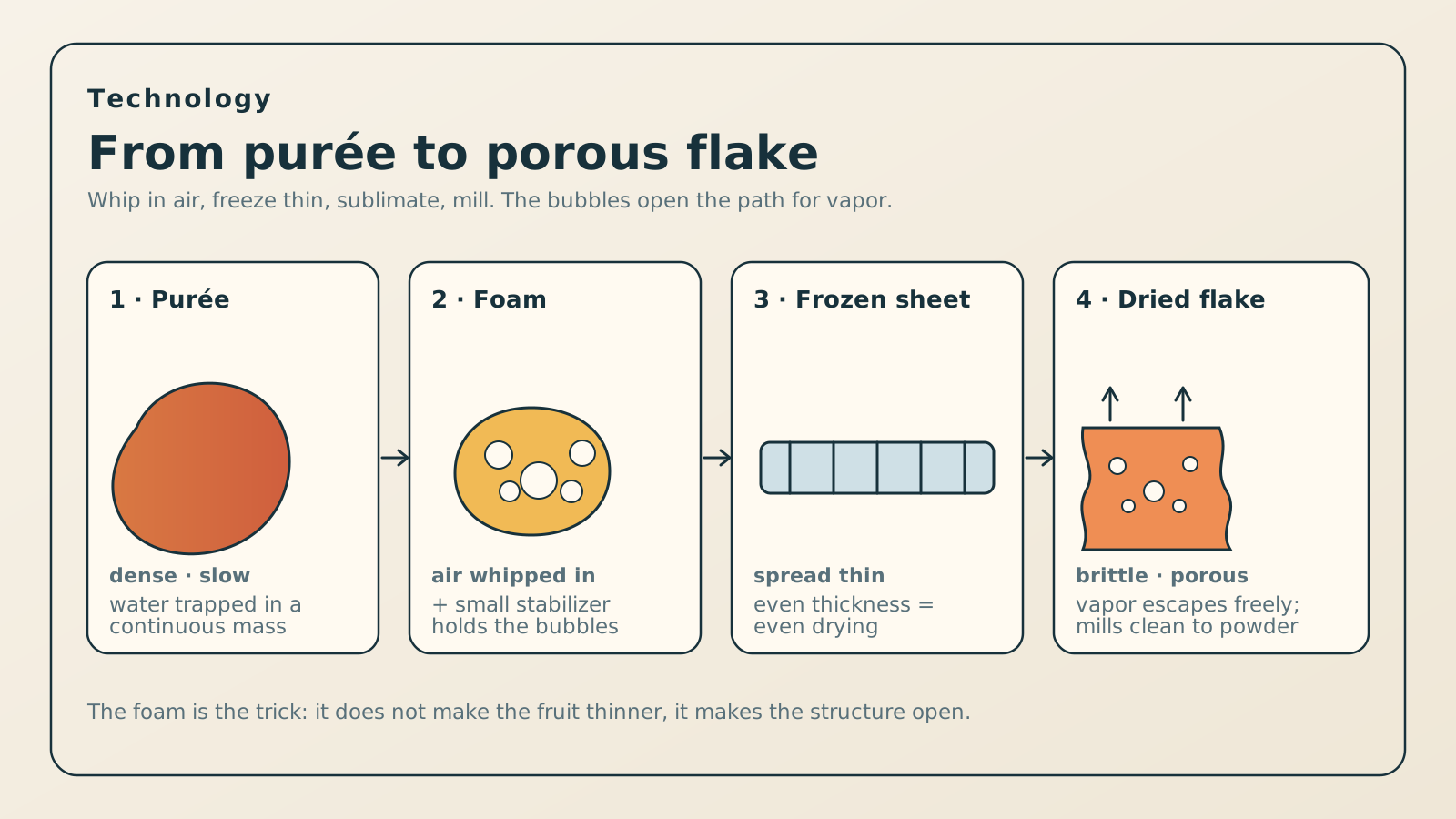
Durian is richer and more sulfur-aromatic than typical freeze-dried fruit. It contains more fat-like creaminess and higher solids, so the finished texture can feel dense, melting, or slightly crumbly rather than simply crisp. The fruit’s aroma compounds are valuable but difficult: packaging must protect the product while also containing smell. Freeze-dried durian chunks preserve the custard density that makes the fresh fruit polarizing — in a shelf-stable, no-odor-in-transit form.
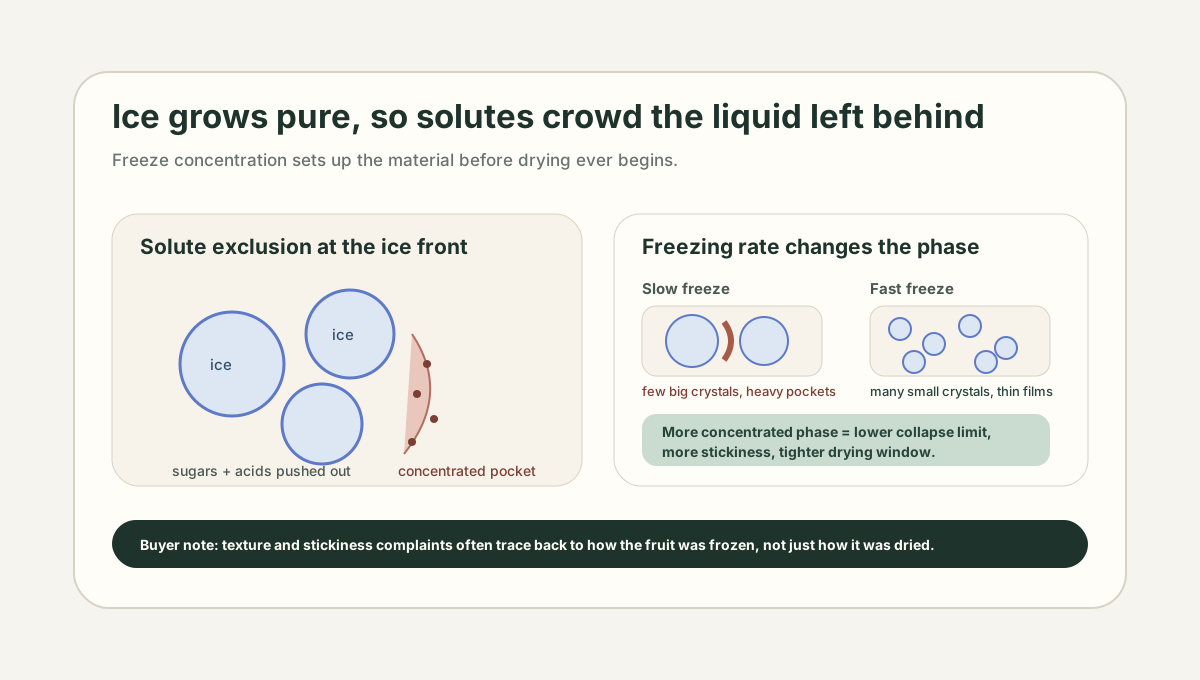
Freeze-drying protects a fruit's original structure more than many consumers realize. It does not add aroma, fix weak ripeness, hide tough skin, or make low-flavor raw material suddenly taste premium. A good process can preserve quality; it cannot invent it from poor input.
What quality looks like in the finished bag
A strong freeze-dried durian product usually shows these signals:
- Recognizable cultivar or origin character when claimed.
- Creamy yellow color without rancid browning.
- Aroma that is intense but not stale.
- Texture that melts rather than turns waxy.
- Packaging that controls odor and moisture.
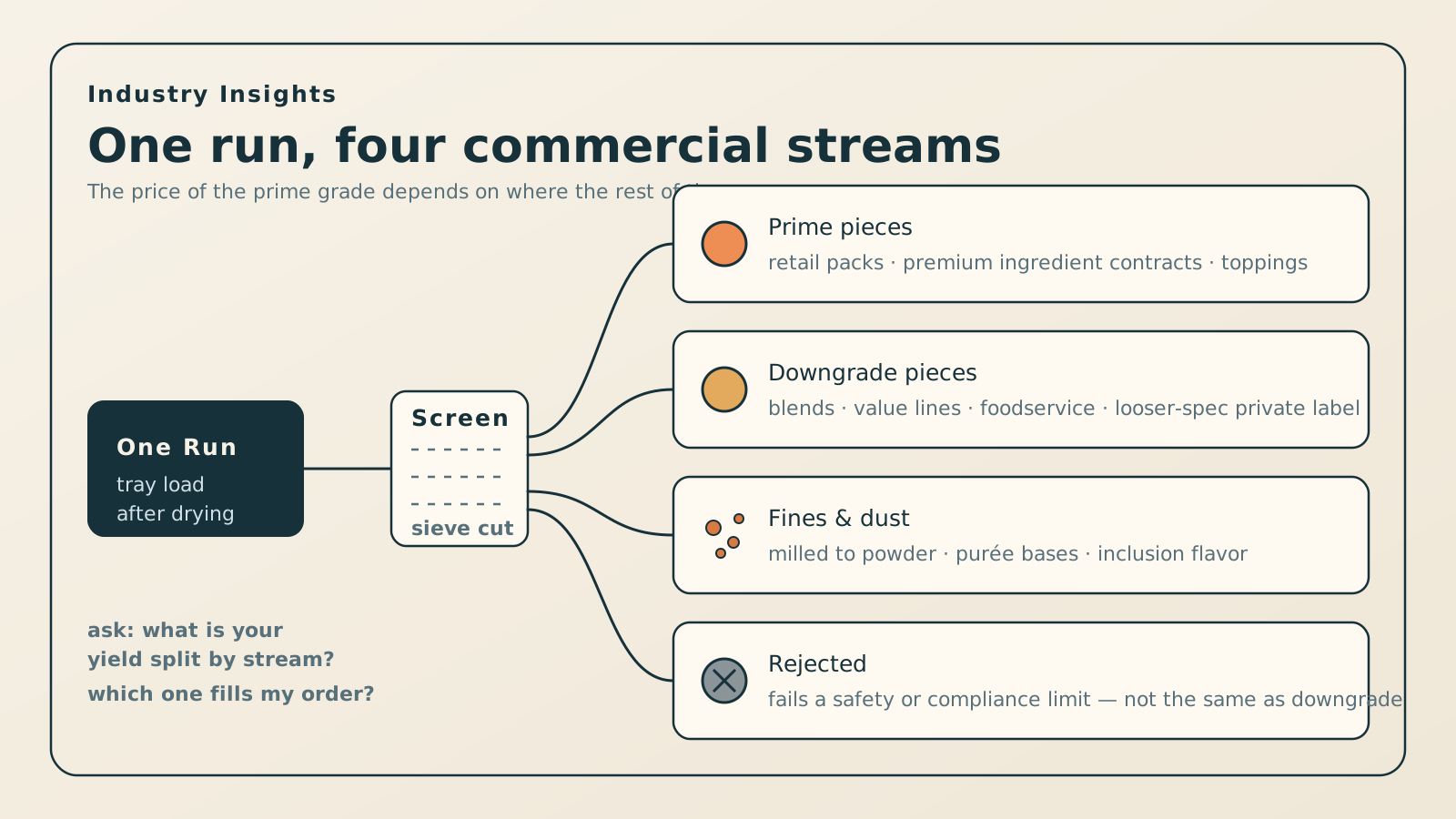
These signals should always be judged against the format. Whole pieces, slices, dices, crumbles, powders, and puree-derived pieces all have different expectations. The problem is not breakage or powder by itself; the problem is promising one format and delivering another.
Sourcing reality
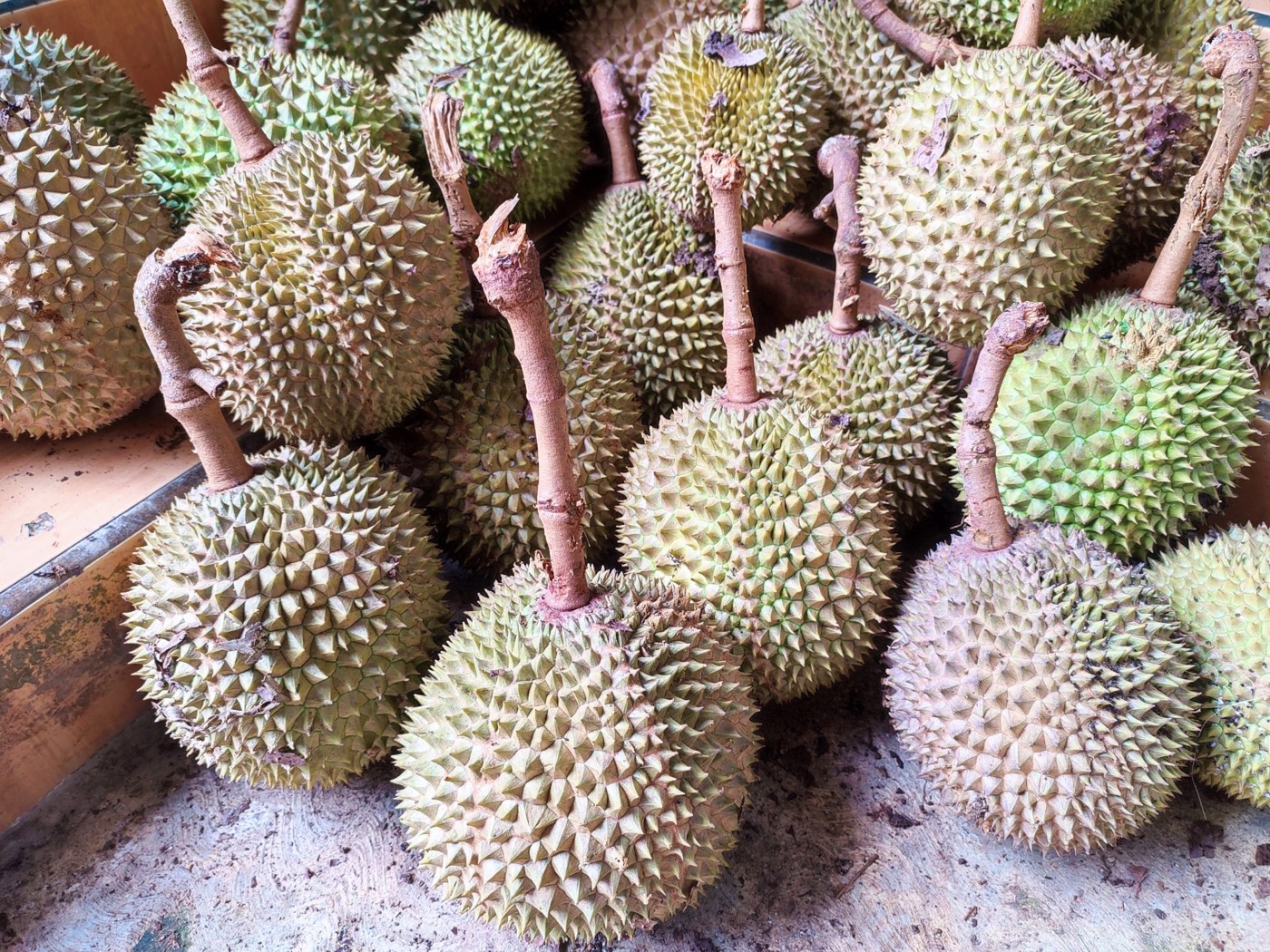
Durian sourcing is shaped by cultivar, origin, season, price, and export rules. Buyers should ask whether the input is Monthong, Musang King, D24, or unspecified; whether the product is pulp, powder, or mixed material; and what packaging barrier is used for aroma and oxidation control.
Ask for variety or type, origin, raw material state, cut format, added ingredients, moisture or water activity target, expected breakage rate, and the best-use application the supplier designed the product for.
Best-use formats
Durian performs best as a premium specialty fruit, not a generic snack mix filler. It can be exceptional in small pieces, powders, mooncake-style fillings, dessert mixes, and gift assortments, but it needs an audience that actually wants durian.
The best format is the one that gives durian a clear job: add color, acid, aroma, crunch, sweetness, visual identity, or a more premium seasonal story. When the format and use case are aligned, freeze-dried durian can feel intentional rather than simply unusual.
How to read a durian label
A durian label should be specific. A premium cultivar claim needs documentation, sensory support, and pricing that makes sense. “Durian flavor” and freeze-dried durian fruit are not the same promise.
For buyers, the practical question is not simply whether freeze-dried durian is good. It is whether this version of durian fits the claim, price, and use case. That is what turns a fruit report into a sourcing tool.
How durian compares
A quick reference for how durian sits alongside the freeze-drying personalities of its closest siblings.
| Fruit | Brix | Fiber | Aroma | Color stability | Breakage risk | Typical format |
|---|---|---|---|---|---|---|
| Durianthis report | 20–28° | Medium | Very strong | Moderate | Low | Pieces · powder |
| Lychee | 16–20° | Low | Strong | Poor | Medium | Halves · whole · pieces |
| Longan | 15–22° | Low | Moderate | Poor | Medium | Halves · whole |
| Rambutan | 16–21° | Medium | Moderate | Poor | Medium | Halves · pieces |
| Mangosteen | 15–20° | Low | Strong | Moderate | Medium | Segments · powder |
| Jackfruit | 15–24° | Medium | Strong | Moderate | Medium | Pieces · slices · powder |
| Jujube | 18–28° | Medium | Moderate | Strong | Low | Halves · slices · powder |
| Soursop | 10–18° | Medium | Strong | Moderate | Medium | Pieces · powder |
| Sapodilla | 14–22° | Medium | Moderate | Moderate | Medium | Pieces · powder |
| Starfruit | 5–11° | Medium | Mild | Moderate | Medium | Slices · powder |
Values are typical industry ranges. Variety, origin, harvest window, and process all shift them.
Conclusion
Freeze-dried durian is most successful when the product respects the fruit's limits instead of forcing it into a generic snack template. Start with the fruit's structure, choose the format from the use case, and judge the finished bag by aroma, texture, color, and honesty of claim. That is the difference between a novelty sample and a product someone can buy with confidence.
Frequently Asked Questions
Why is freeze-dried durian different from other fruits?
Durian is richer and more sulfur-aromatic than typical freeze-dried fruit. It contains more fat-like creaminess and higher solids, so the finished texture can feel dense, melting, or slightly crumbly rather than simply crisp. The aroma compounds are valuable but difficult — packaging must protect the product while also containing smell.
Which durian cultivar is best for freeze-drying?
Cultivar identity matters because flavor intensity and price vary widely. Musang King (Mao Shan Wang) commands premium pricing with intense flavor; Monthong (Golden Pillow) is sweeter, milder, and easier to source at scale; D24 sits in between. Cultivar-specific packs justify the premium only when sourcing documentation supports the claim.
Why does freeze-dried durian require special packaging?
Durian aroma compounds are powerful and persistent. Without strong barrier packaging, the smell migrates through cardboard cases and into surrounding products in storage and transit. Premium foil-laminate pouches and barrier secondary packaging are essential — both to protect the product from oxidation and to contain odor for retailers and consumers.
What's the best format for freeze-dried durian?
Pulp pieces deliver the creamy, intense, premium experience that matches the fruit — odor, cost, and oxidation are the cautions. Durian powder works as a powerful flavor ingredient for bakery, fillings, and drinks — carrier choice and aroma control matter. Mixed tropical blends rarely work because durian overwhelms milder fruits.
Is freeze-dried durian an acquired taste?
Yes. Durian is genuinely polarizing — some consumers experience it as creamy custard-tropical perfume, others find the aroma off-putting. Freeze-drying concentrates rather than mutes the character, so durian products work best when sold to audiences who already know they want durian, not as general tropical-fruit snacks.
Where is durian for freeze-drying sourced?
Production is concentrated in Southeast Asia — Thailand (largest exporter), Malaysia (Musang King and other premium cultivars), Indonesia, Philippines, and Vietnam. Export rules, seasonality, and labor cost all shape supply. Premium cultivar claims should come with documentation given how often inferior fruit is sold under famous cultivar names.
What should buyers ask freeze-dried durian suppliers?
Ask cultivar (Musang King, Monthong, D24, or unspecified) and documentation of that claim, origin, raw material state (pulp, frozen pulp, or processed), seed removal, packaging barrier specification and odor-containment plan, target moisture or water activity, and the intended product positioning.