- Rambutan types are often discussed through color, origin, and seed-adherence rather than famous global cultivar names.
- Freestone or cleaner-separating flesh is more useful for premium eating and processing than clingy seed membranes.
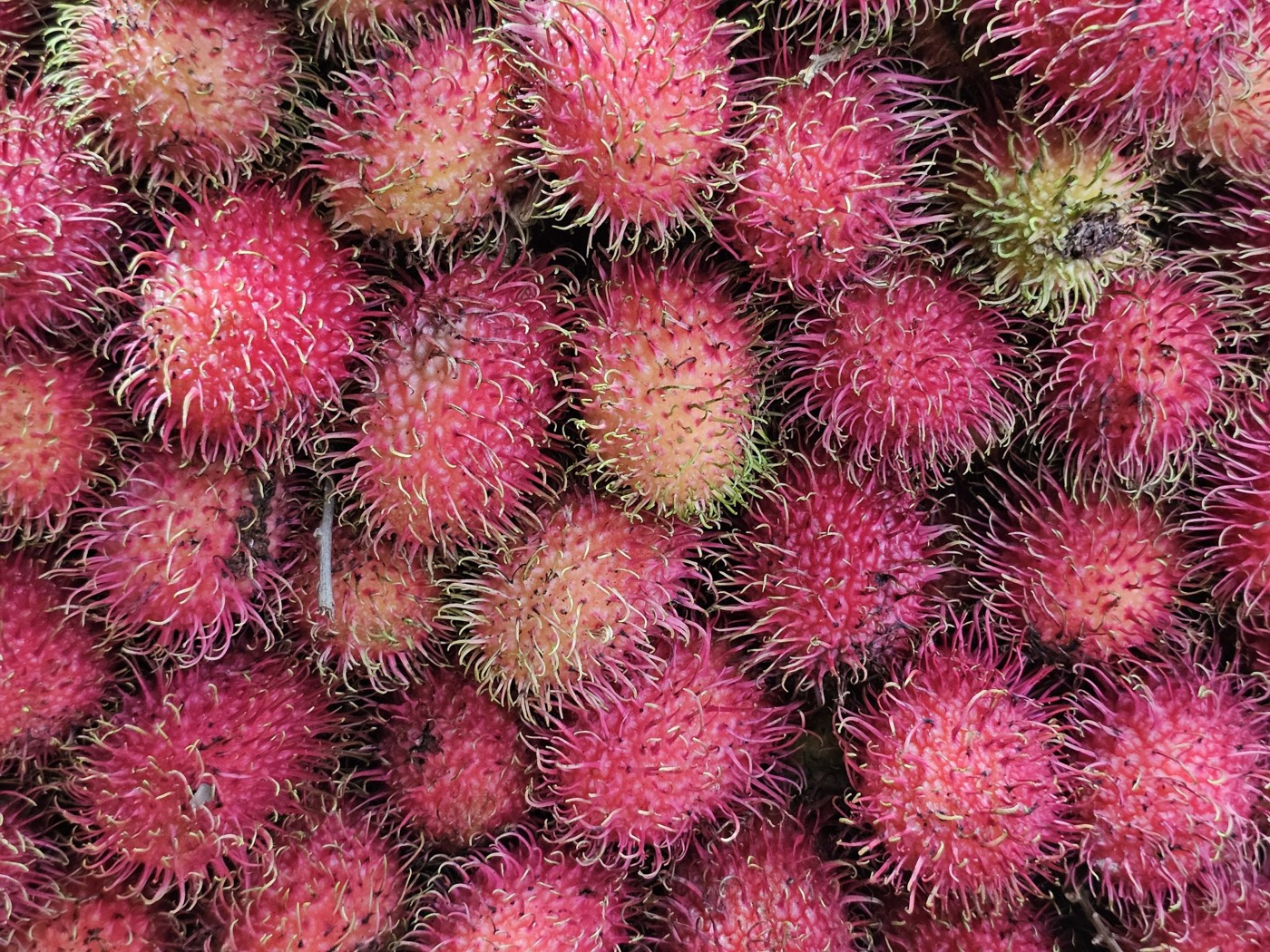
- Red rambutans dominate visual awareness, but yellow and regional selections also exist.
- For freeze-dried rambutan, peeled flesh quality, seed membrane, and syrup-pack history matter more than peel drama.
Rambutan wins attention with its wild-looking peel, but the real variety story happens after peeling: how easily the flesh separates from the seed, how sweet it is, and whether the texture feels clean.
So how many types of rambutans are there? The useful answer depends on how you count: by cultivar, by species, by regional market name, by commercial grade, or by processing behavior. For consumers, the question is usually about flavor. For buyers and processors, the question is about repeatability.
This guide treats rambutan variety as a practical map: what names matter, what differences change the eating experience, and what those differences mean for freeze-dried fruit, powders, toppings, and ingredient sourcing.
Quick answer: how many rambutan varieties are there?
There is no single clean number that works across every country and market. A better way to think about it is by commercial layers.
| Layer | What it means |
|---|---|
| Visible groups | Red rambutan, yellow rambutan, regional Southeast Asian selections |
| Processing issue | How cleanly the flesh separates from seed and membrane |
| Main origins | Indonesia, Malaysia, Thailand, Vietnam, the Philippines, and tropical supply regions |
| Freeze-dried relevance | Specialty fruit with high labor needs and premium discovery appeal |
The most important point is that variety is not trivia. It changes flavor, texture, cost, yield, and how confidently a brand can describe what is inside the package.
Why rambutan variety is complicated
Rambutan variety is not usually presented to consumers the way apple or grape variety is. The peel color is obvious, but peel color is not the whole story. A buyer cares more about flesh thickness, sweetness, acidity, seed size, and whether the brown seed membrane sticks to the flesh after removal.
That is why variety guides can be more useful than simple lists. A list may tell you names. A good sourcing guide tells you which differences actually change the product.
Types and market groups to know
Red rambutan types
The familiar market image: red skin with soft hair-like spines. They drive most consumer recognition and visual excitement.
Yellow rambutan types
Less globally famous but important in some local markets. They can signal regional diversity and remind buyers that rambutan is not only one red fruit.
Freestone-leaning selections
Valuable because the edible flesh separates more cleanly from the seed, reducing membrane defects and improving eating quality.
Clingstone or membrane-heavy fruit
Harder for processing because seed coat fragments can create a papery or bitter texture. These lots need stricter inspection.
What this means for freeze-dried fruit
Freeze-dried rambutan is difficult to make feel premium if the raw material starts as syrup-packed fruit or poorly cleaned flesh. Good fresh raw material can become light, sweet, and lychee-like. Weak lots become generic, sugary, or texturally distracted by membrane.
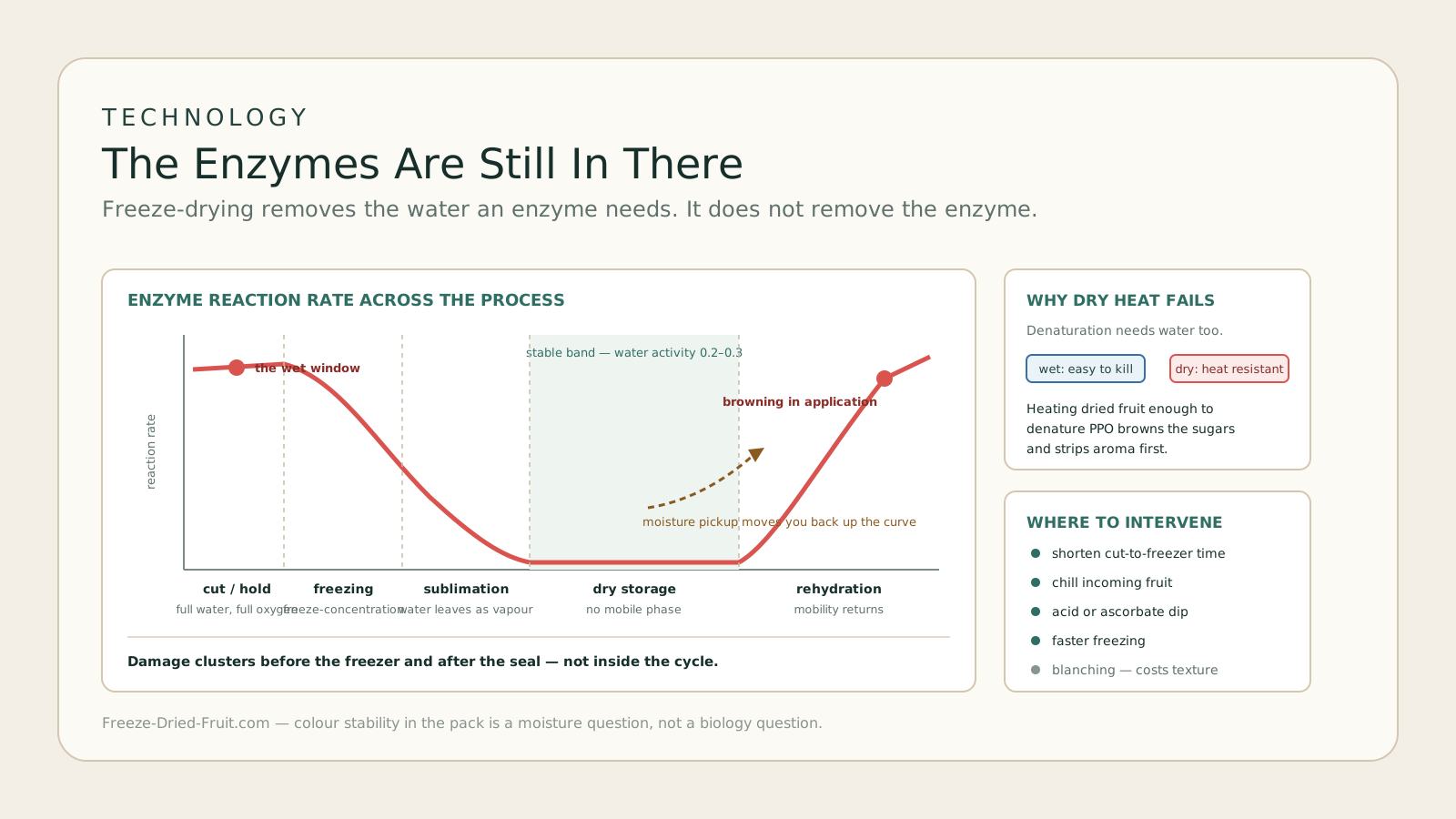
For freeze-dried fruit, variety affects more than flavor. It can change cut yield, drying time, breakage, color stability, aroma retention, and whether the final product feels like a premium snack or a generic ingredient.
A practical buyer should evaluate:
- raw fruit identity and origin
- ripeness at processing
- seed, pit, peel, or membrane management
- piece format and size tolerance
- sweetness and acidity range
- color after drying
- breakage and powder percentage
- whether the product will be eaten directly or used as an ingredient
Why labels often hide the variety
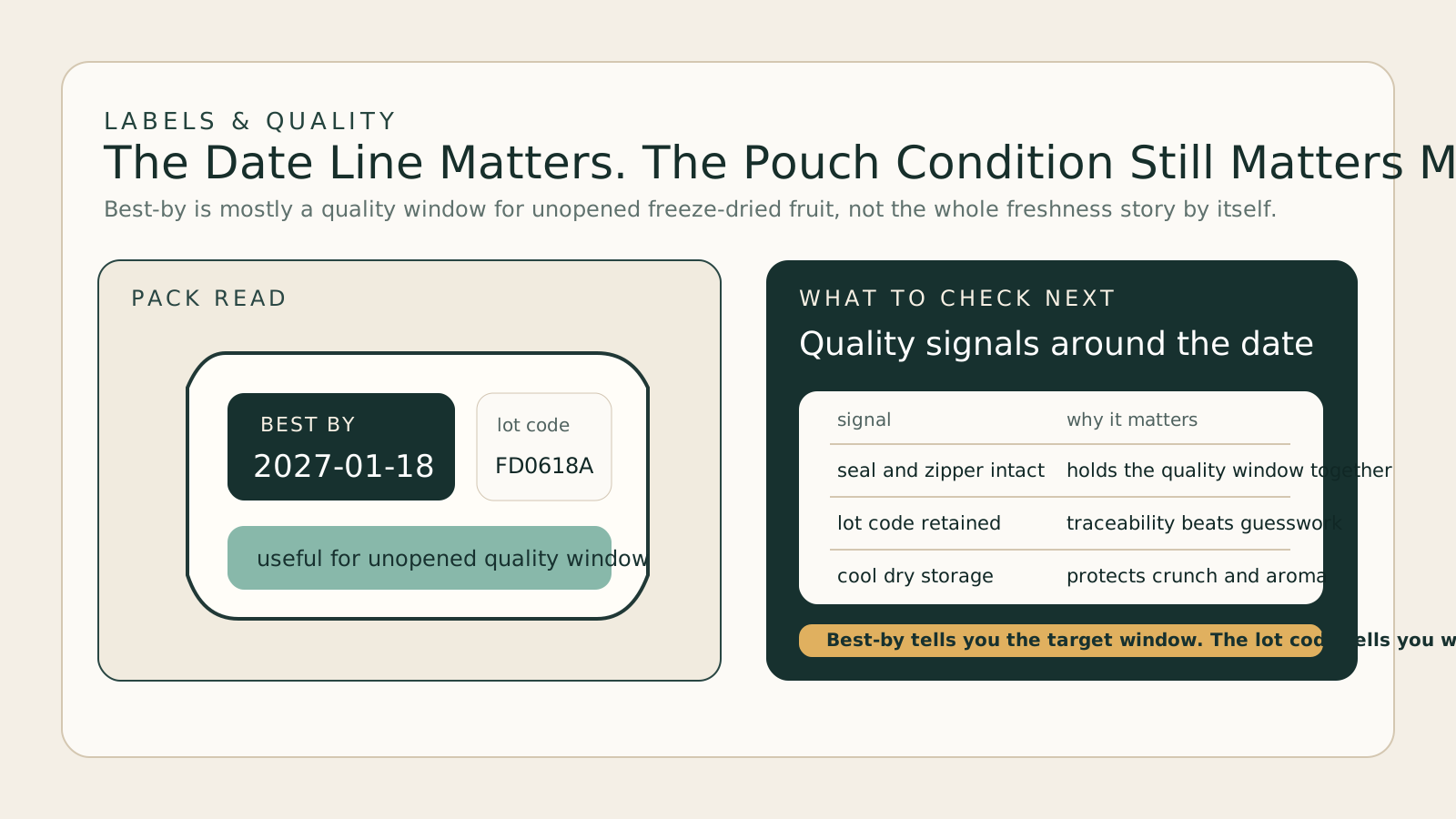
Most labels say rambutan because cultivar recognition is low. For sourcing, ask fresh or canned origin, syrup exposure, seed-removal quality, membrane tolerance, piece format, and whether the lot is whole peeled fruit or fragments.
There is also a commercial reason for broad labels: flexibility. A brand that prints a specific variety name has to keep that promise across seasons. A brand that prints only the fruit name can adjust sourcing more easily. Neither choice is automatically wrong, but the level of detail should match the price and positioning.
Ask what the fruit really is, where it comes from, whether the lot is single-origin or blended, how the edible portion is prepared, and which quality traits are guaranteed in writing. Variety only helps if it survives into the finished product.
How rambutan compares
A quick reference for how rambutan sits alongside the freeze-drying personalities of its closest siblings.
| Fruit | Brix | Fiber | Aroma | Color stability | Breakage risk | Typical format |
|---|---|---|---|---|---|---|
| Rambutanthis report | 16–21° | Medium | Moderate | Poor | Medium | Halves · pieces |
| Lychee | 16–20° | Low | Strong | Poor | Medium | Halves · whole · pieces |
| Longan | 15–22° | Low | Moderate | Poor | Medium | Halves · whole |
| Mangosteen | 15–20° | Low | Strong | Moderate | Medium | Segments · powder |
| Durian | 20–28° | Medium | Very strong | Moderate | Low | Pieces · powder |
| Jackfruit | 15–24° | Medium | Strong | Moderate | Medium | Pieces · slices · powder |
| Jujube | 18–28° | Medium | Moderate | Strong | Low | Halves · slices · powder |
| Soursop | 10–18° | Medium | Strong | Moderate | Medium | Pieces · powder |
| Sapodilla | 14–22° | Medium | Moderate | Moderate | Medium | Pieces · powder |
| Starfruit | 5–11° | Medium | Mild | Moderate | Medium | Slices · powder |
Values are typical industry ranges. Variety, origin, harvest window, and process all shift them.
Conclusion
Rambutan has a loud exterior and a quiet technical problem inside. Variety matters, but processing cleanliness may matter even more.
For consumers, variety explains why two products with the same fruit name can taste surprisingly different. For the freeze-dried fruit industry, it explains something even more important: a fruit name is not a finished specification. It is the start of one.
Frequently Asked Questions
How many types of rambutans are there?
Rambutan types are usually discussed through color, origin, and seed-adherence rather than famous global cultivar names. The main commercial layers are red rambutan (the familiar market form), yellow rambutan, freestone-leaning selections (cleaner flesh-seed separation), and clingstone or membrane-heavy fruit. Origin matters more than cultivar branding for most buyers.
What's the difference between red and yellow rambutan?
Red rambutan is the familiar market form — red skin with soft hair-like spines, prized for visual drama. Yellow rambutan exists in some regional markets, less globally famous but important locally. Both have similar translucent white flesh and broadly similar flavor. Color is mostly cosmetic; the eating experience does not change dramatically between red and yellow.
What's the difference between freestone and clingstone rambutan?
Freestone-leaning rambutan separates cleanly from the seed when peeled, leaving minimal membrane on the edible flesh. Clingstone or membrane-heavy fruit leaves a thin papery seed coat attached to the flesh, which becomes a texture defect in freeze-dried product. Freestone selections command higher premium for snack-quality processing.
Why is the seed membrane such a quality concern?
Freeze-drying makes the membrane more obvious as a texture defect — it reads as papery or slightly bitter against the otherwise sweet flesh. Premium freeze-dried rambutan products use varieties where seed-flesh separation is clean, or invest in tighter post-pitting inspection. Cheaper products tend to have visible membrane fragments.
Which rambutan variety freeze-dries best?
Good fresh raw material from freestone-leaning selections becomes light, sweet, and lychee-like in freeze-dried form. Weak lots become generic, sugary, or texturally distracted by membrane. Syrup-packed fruit is a different starting material and produces a sweeter, less authentic finished product. Buyers should ask fresh or canned origin, syrup exposure, seed-removal quality, membrane tolerance, and piece format.
Where are rambutans grown commercially?
Production is concentrated in Southeast Asia — Indonesia, Malaysia, Thailand, Vietnam, and the Philippines (the fruit's native and adopted home). Smaller volumes come from Sri Lanka, Hawaii, and parts of Central America. Season is short and origin-specific, which is part of why rambutan remains a specialty discovery fruit rather than a global commodity.
What should buyers ask freeze-dried rambutan suppliers?
Ask origin, raw material state (fresh, IQF, canned, syrup-packed), variety or color type, seed-membrane control practice, added sugar status, cut format (whole, halved, pieces), target moisture or water activity, expected breakage rate, and the intended product positioning.