- Strawberry quality is driven by variety, ripeness, color retention, cut thickness, and moisture control.
- Freeze-dried strawberry can read premium when aroma is high and slices hold a clean red color.
- Large slices look better but break more easily; dices and powders are more forgiving for ingredient use.
- Buyers should ask about variety, Brix range, cut format, drying endpoint, and breakage tolerance.
Strawberries are one of the most familiar freeze-dried fruits, but they are also one of the easiest to misread. For freeze-dried fruit buyers, strawberry is not just a flavor. It is a set of processing choices: raw material quality, cut format, moisture control, aroma retention, breakage, and how clearly the finished piece still communicates the fruit.
Use this guide as a practical sourcing tool. The goal is not to rank every possible strawberry product. It is to understand what usually separates a strong freeze-dried strawberry sample from one that looks good on a sell sheet but disappoints in the bag.
Quick comparison: strawberry formats for freeze-drying
| Format | Freeze-dried personality | Risk | Best use |
|---|---|---|---|
| Whole berry | Dramatic, premium, fragile | Hollow centers, breakage | Gift packs, showpiece snacks |
| Slices | Bright, familiar, easy to eat | Edge breakage, color fade | Snack bags, cereal, yogurt |
| Dices | Practical and consistent | Less visual drama | Bakery, inclusions, blends |
| Powder | High color and flavor utility | Caking, moisture pickup | Drinks, coatings, fillings |
Why strawberry behaves the way it does
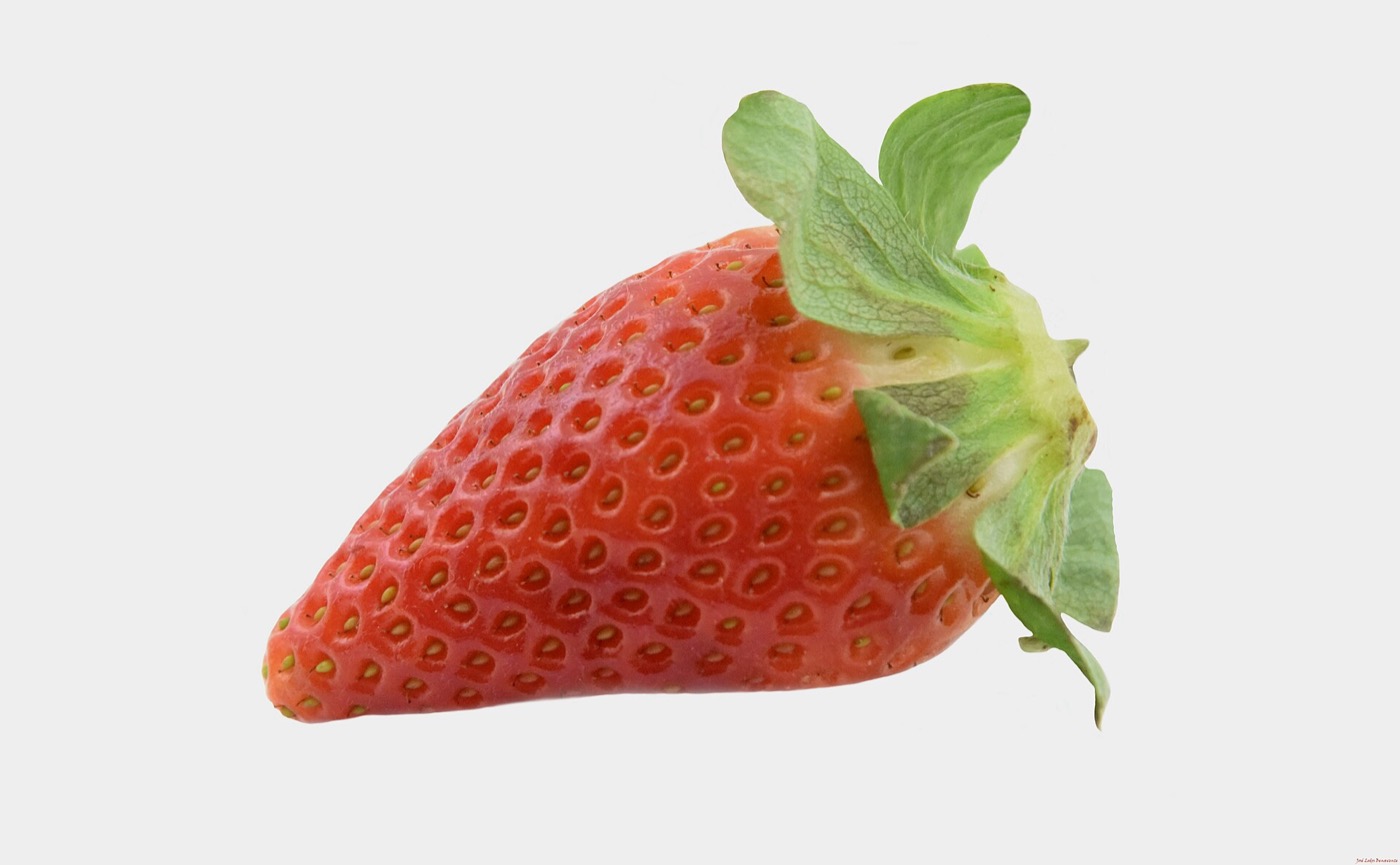
Strawberry is delicate because the fruit is high in water, low in structural density, and covered with seeds. Good freeze-dried strawberry needs ripe fruit with enough soluble solids to taste vivid after drying, but not so much softness that slices collapse before freezing. Color is a major buying signal. A bright red slice suggests good raw material and careful handling; dull brown edges often point to oxidation, heat exposure, old raw material, or storage stress. Seed texture also matters. In good product, seeds add a light crunch. In poor product, they can feel gritty because the flesh has lost aroma and sweetness.
The technical question is always the same: does the finished piece preserve the best part of the fruit, or does the process amplify the weaknesses? Freeze-drying removes water, but it does not create better raw material. If the fruit begins with weak aroma, poor maturity, too much fiber, or inconsistent sizing, the final product will usually show it.
What quality looks like in the finished bag
A strong freeze-dried strawberry sample usually has these signals:
- Recognizable strawberry aroma when the bag opens.
- Red to deep pink color without a gray or brown cast.
- Clean snap in slices, not leathery bend.
- Moderate powder at the bottom of the pouch, not excessive fines.
- A finish that tastes tart-sweet rather than only sour.
These signals matter because consumers judge freeze-dried fruit quickly. They see the color first, smell the product when the pouch opens, and then decide whether the texture feels worth buying again. For a reference point of what whole-berry format looks like in a finished bag, see these whole freeze-dried strawberries.
Sourcing reality
Strawberry supply is strongly tied to region, season, and whether the processor uses fresh or IQF raw material. Fresh peak-season strawberries can give beautiful aroma, but IQF strawberries can deliver more consistency for year-round production. For retail snack bags, buyers should ask whether the product uses whole slices, irregular broken pieces, or mixed formats. For ingredient buyers, the key questions are cut size, color target, moisture or water activity, seed level, and acceptable fines.
Ask for the fruit type or variety when available, origin, harvest or processing window, raw material state, cut format, moisture or water activity target, added ingredients, and expected breakage rate after shipping.
Best-use formats
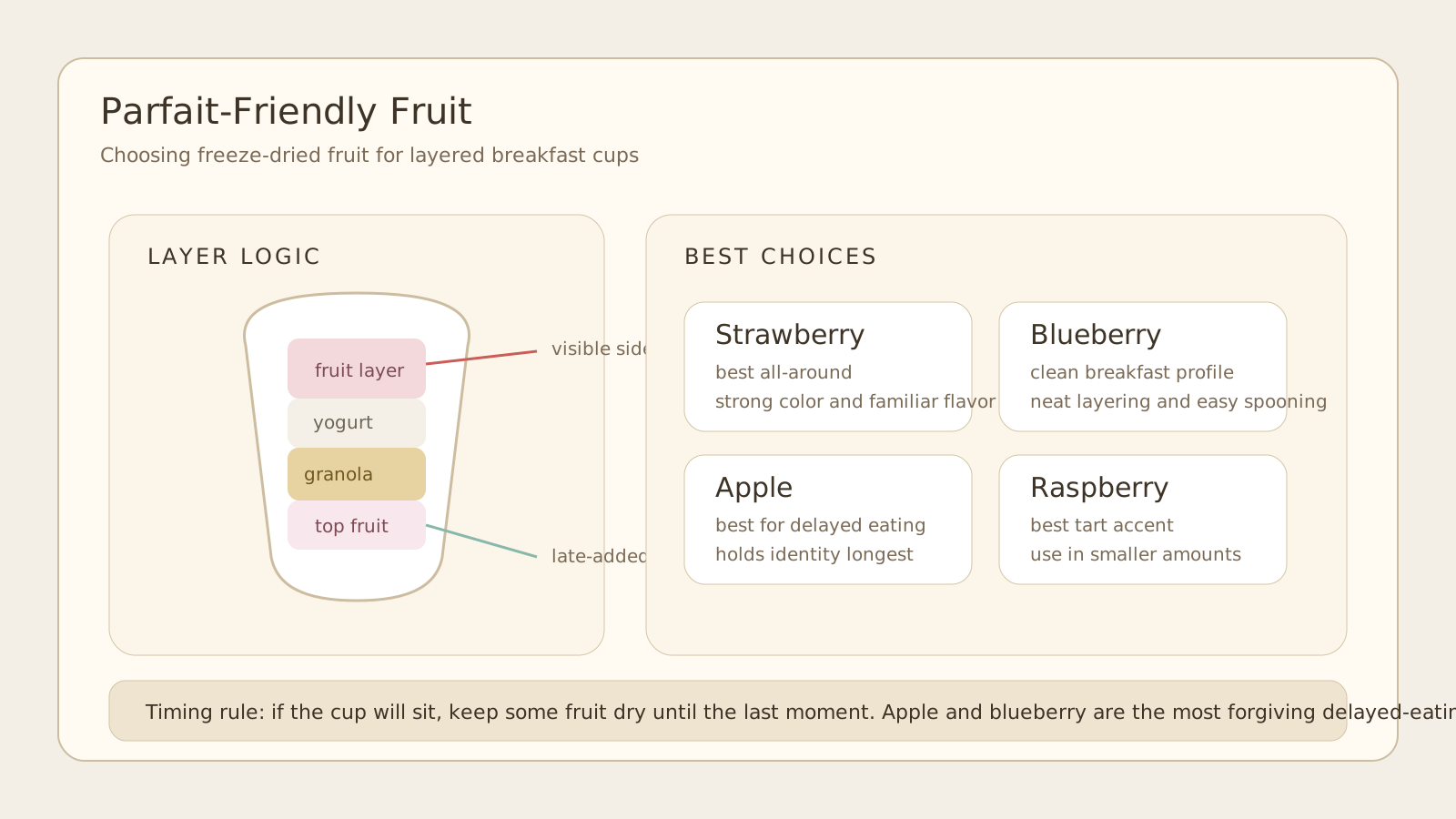
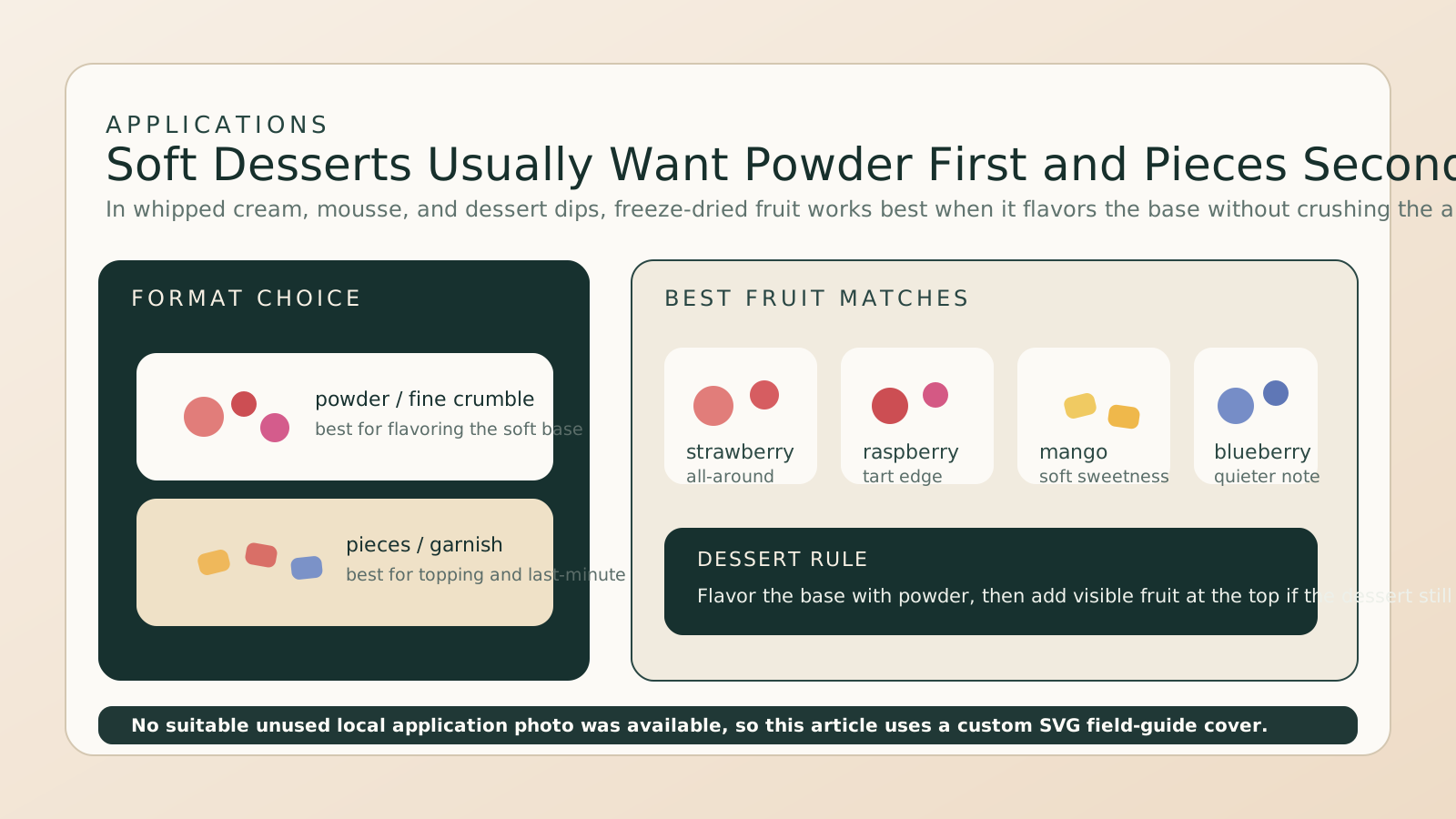
For premium snack positioning, use the format that lets the fruit remain recognizable. For ingredient use, consistency may matter more than beauty. Smaller pieces, powders, and broken formats can be excellent when they are sold honestly for toppings, bakery, cereals, bars, fillings, or blends.
For mixed fruit snacks, strawberry should have a clear job. It can provide color, aroma, acidity, sweetness, novelty, or texture. If it does not play one of those roles clearly, it may disappear behind louder fruits like mango, pineapple, or strawberry.
How to read a strawberry label
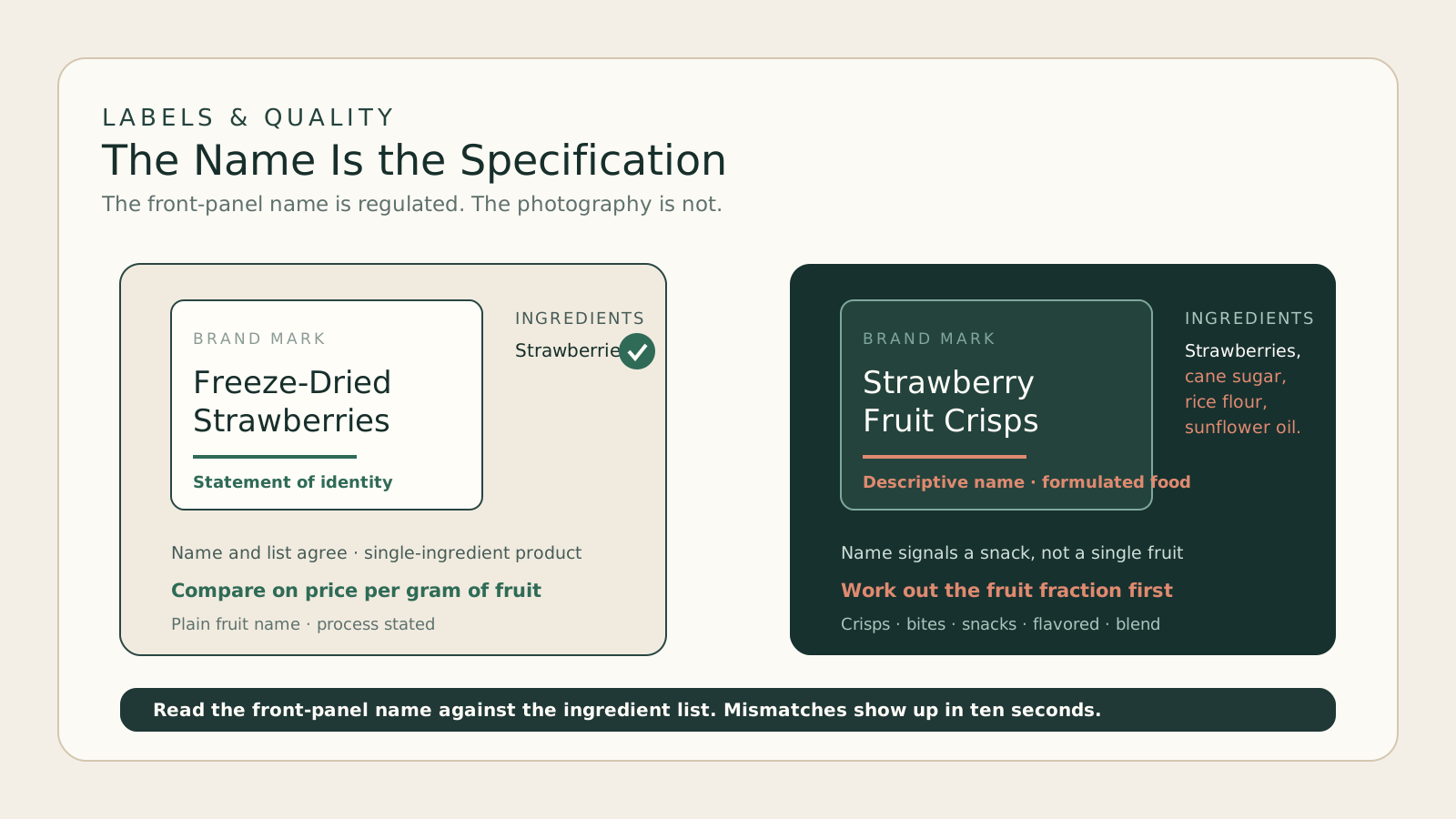
A useful label should tell you whether the product is plain fruit or sweetened, what format is inside, and sometimes the origin or variety. If the label only says "strawberry" but the price is premium, the sample itself needs to justify that price through color, aroma, texture, and piece integrity.
For buyers, the better question is not "is this freeze-dried strawberry good?" It is "does this strawberry format match the claim, the price, and the way the customer will actually use it?"
How strawberry compares
A quick reference for how strawberry sits alongside the freeze-drying personalities of its closest siblings.
| Fruit | Brix | Fiber | Aroma | Color stability | Breakage risk | Typical format |
|---|---|---|---|---|---|---|
| Strawberrythis report | 7–12° | Low | Strong | Moderate | Medium | Slices · whole · powder |
| Blueberry | 10–15° | Low | Moderate | Strong | Low | Whole · halves · powder |
| Raspberry | 8–12° | Low | Strong | Moderate | High | Whole · broken · powder |
| Blackberry | 8–13° | Medium | Strong | Moderate | High | Whole · broken · powder |
| Cranberry | 6–9° | Medium | Sharp | Strong | Low | Slices · pieces · powder |
| Mulberry | 9–15° | Low | Moderate | Strong | Medium | Whole · broken · powder |
| Gooseberry | 8–12° | Medium | Moderate | Moderate | Medium | Halves · powder |
Values are typical industry ranges. Variety, origin, harvest window, and process all shift them.
Conclusion
Freeze-dried strawberry works best when sourcing, format, and processing are aligned. The best products do not simply remove water from fruit. They protect the fruit's strongest signal, whether that is aroma, color, acidity, sweetness, crunch, or visual identity.
That is the difference between a novelty item and a product that earns a permanent place in a snack mix, topping lineup, or ingredient spec.
Frequently Asked Questions
Why are freeze-dried strawberries so delicate?
Strawberry is high in water, low in structural density, and covered with seeds. Removing the water leaves a fragile honeycomb structure that snaps cleanly but breaks easily. Whole pieces look dramatic but suffer hollow centers and breakage. Slices balance presentation and durability; dices and powder are more forgiving for ingredient use.
What do the seeds in freeze-dried strawberries mean for texture?
In good product, the seeds add a light, pleasant crunch and visual identity. In poor product — where flesh has lost aroma and sweetness — the same seeds can feel gritty because there is nothing to balance them. Seed texture is a quality diagnostic, not a defect to engineer out.
Should freeze-dried strawberries be whole, sliced, diced, or powder?
Whole berries are dramatic and premium but fragile and prone to hollow centers — best for gift packs and showpiece snacks. Slices are bright, familiar, and easy to eat — the snack-bag default. Dices are practical and consistent — built for bakery and inclusions. Powder concentrates color and flavor for drinks, coatings, and fillings.
What color should good freeze-dried strawberries be?
Bright red to deep pink without a gray or brown cast. Dull edges or brown patches usually point to oxidation, heat exposure, old raw material, or storage stress. Color is the first signal consumers see when the pouch opens — fade in color usually means fade in everything else too.
Why do some freeze-dried strawberries taste only sour?
Usually under-ripe raw material. Strawberry needs enough soluble solids at harvest to taste vivid after drying — a fruit picked early for shipping firmness rather than flavor will read as tart and one-dimensional. Variety choice matters; processing-oriented cultivars with strong color and flavor often outperform large fresh-market berries.
What quality signals matter in a freeze-dried strawberry bag?
Recognizable strawberry aroma when the bag opens; red to deep pink color without a gray cast; clean snap in slices rather than leathery bend; moderate powder at the bottom — not excessive fines; and a finish that tastes tart-sweet, not only sour. Aroma + color together are the best diagnostic.
What should buyers ask freeze-dried strawberry suppliers?
Ask variety or variety type, origin, fresh or IQF input, Brix range at processing, cut format (whole / slice / dice / powder), color target, target moisture or water activity, seed level, expected breakage rate, and the best-use application the supplier designed for.