- Thousands of grape varieties exist, especially when wine grapes and regional cultivars are included
- Table grapes, wine grapes, raisin grapes, juice grapes, processing grapes
- Variety matters because fruit bred for retail, processing, juice, drying, or local eating can behave very differently.
- For freeze-dried fruit buyers, the useful question is which variety fits the product job, not which variety is abstractly best.
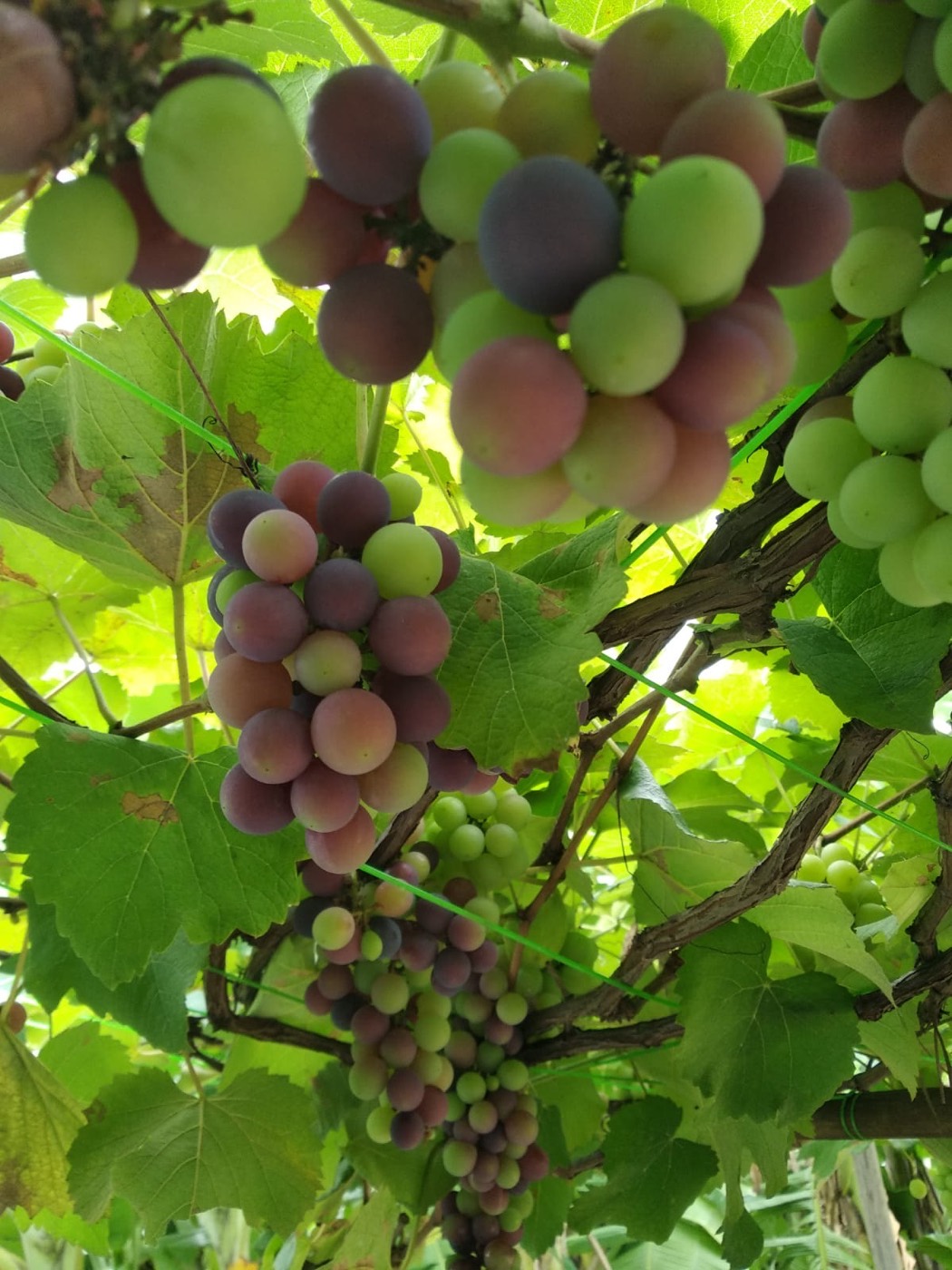
There are thousands of grape varieties, but the grapes used for fresh snacking, raisins, wine, juice, and ingredients are often completely different fruits in practical terms. The number can sound simple in search results, but fruit variety is rarely just a count. It is a map of regions, breeding goals, farm economics, consumer habits, processing needs, and local food culture.
This guide is written for curious consumers, snack founders, ingredient buyers, and anyone trying to understand why two products with the same fruit name can taste, look, and perform so differently.
Quick answer: how many types of grapes are there?
| Question | Practical answer |
|---|---|
| Global picture | Thousands of grape varieties exist, especially when wine grapes and regional cultivars are included |
| Common names | Thompson Seedless, Flame Seedless, Cotton Candy, Concord, Muscat, Cabernet Sauvignon, Chardonnay |
| Main split | Table grapes, wine grapes, raisin grapes, juice grapes, processing grapes |
| Best buying question | Is the grape built for fresh crunch, wine aroma, juice color, raisin drying, or ingredient processing? |
The practical answer depends on whether you are counting botanical groups, named cultivars, commercial varieties, regional names, or the small group that actually appears in supermarkets and ingredient supply.
Why grape variety is more complicated than it looks
Grape is one of the most fragmented fruit categories because the end uses are so different. A wine grape may be small, seedy, tannic, and intense. A table grape needs crunch and visual appeal. A raisin grape needs drying behavior. A juice grape needs color and aroma. Calling all of them grapes is accurate, but not very useful for product development.
That is why variety names are not just decorative. They tell you something about what the fruit was bred or selected to do. Sometimes the goal is flavor. Sometimes it is firmness, yield, shipping life, color, disease resistance, sugar, acidity, or processing efficiency.
The global grape map
Table grape supply
California, Chile, Peru, Mexico, South Africa, Australia, Mediterranean regions.
Wine grape culture
France, Italy, Spain, Germany, the U.S., Australia, South America, South Africa.
Juice and jelly identity
Concord and related American grape types.
Raisin production
Thompson Seedless and other drying-friendly seedless grapes.
A global variety map is useful because it separates local food culture from export trade. The fruit most loved in a growing region is not always the same fruit most likely to survive a long supply chain.
Grape varieties by flavor and use
| Personality | Examples | Why it matters |
|---|---|---|
| Crisp table grapes | Thompson Seedless, Flame Seedless, Autumn King | undefined |
| Novelty sweet grapes | Cotton Candy, Moon Drops, flavor-branded cultivars | undefined |
| Aromatic grapes | Muscat family | undefined |
| Juice and jelly grapes | Concord | undefined |
| Wine grapes | Cabernet Sauvignon, Pinot Noir, Chardonnay, Riesling, many others | undefined |
This is often more useful than asking for a single best variety. A variety can be excellent for one use and wrong for another.
What this means for freeze-dried fruit
For freeze-dried grapes, variety and format matter because grape skin can slow drying and create chew. Seedless table grapes are easier to position, but they may not be the most flavor-dense. Concord-type grapes bring stronger aroma and color but behave differently from supermarket grapes. Buyers should ask seedless status, variety, Brix, skin behavior, cut format, and whether the product is whole, halved, powder, or inclusion.
Freeze-drying concentrates both strengths and flaws. A fruit with strong aroma can become more vivid. A bland fruit can become a crisp version of bland. A fibrous, seedy, watery, or low-acid fruit may need a different cut format, a blend partner, or a different use case.
Why labels often hide variety
Most packaged fruit products do not name the cultivar because a named variety creates a promise. If a label says a specific variety, buyers expect that variety to remain stable across seasons. That can be difficult when harvest windows shift, prices move, crop quality changes, or suppliers blend fruit to maintain availability.
For everyday products, a broad fruit name may be enough. For premium products, ingredient work, or serious sourcing, variety is part of the specification.
Ask: Which variety or type? Which origin? Single variety or blend? Fresh, IQF, puree, juice, or processing stream? Typical Brix or acidity target? What format is the product designed for? Does the variety stay stable year-round?
How grape compares
A quick reference for how grape sits alongside the freeze-drying personalities of its closest siblings.
| Fruit | Brix | Fiber | Aroma | Color stability | Breakage risk | Typical format |
|---|---|---|---|---|---|---|
| Grapethis report | 15–22° | Low (skin issue) | Moderate | Strong | High | Halves · powder |
| Dragon fruit | 8–13° | Low | Mild | Very strong (red) | Low | Pieces · powder |
| Pomegranate | 14–18° | Low (seed core) | Moderate | Strong | Low | Arils · powder |
| Kiwi | 9–15° | Low | Moderate | Moderate | Medium | Slices · dices · powder |
| Fig | 16–24° | High (seeds) | Moderate | Moderate | Medium | Halves · slices · powder |
| Persimmon | 14–20° | Low | Mild | Moderate | Low | Slices · dices · powder |
Values are typical industry ranges. Variety, origin, harvest window, and process all shift them.
Conclusion
The best way to answer “how many types of grapes are there?” is to start with a count, then move quickly to purpose. There may be many named types, but the more useful question is what each one does well.
For consumers, variety explains why one grape tastes exciting and another tastes ordinary. For buyers, it explains why two samples with the same fruit name can carry different color, aroma, texture, price, and processing behavior. Variety is not a footnote. It is part of the product.
Frequently Asked Questions
How many types of grapes are there?
Thousands of grape varieties exist, especially when wine grapes and regional cultivars are included. Familiar names include Thompson Seedless, Flame Seedless, Cotton Candy, Concord, Muscat, Cabernet Sauvignon, and Chardonnay — split into table grapes, wine grapes, raisin grapes, juice grapes, and processing grapes.
What's the difference between table grapes and wine grapes?
Table grapes are bred for crunch, visual appeal, sweetness, and shipping — usually seedless, with thinner skin. Wine grapes are smaller, seedy, and often more intense, with skin and tannins selected for fermentation. Calling them both grapes is accurate but not very useful for product development.
Which grape varieties are best for freeze-drying?
Skin behavior matters because grape skin can slow drying and create chew. Seedless table grapes are easier to position but may not be flavor-dense. Concord-type grapes bring stronger aroma and color but behave differently from supermarket grapes. Buyers should ask seedless status, variety, Brix, skin behavior, cut format, and whether the product is whole, halved, powder, or inclusion.
Why are Concord grapes different from supermarket grapes?
Concord is an American grape type (Vitis labrusca lineage) with a distinctive deep purple color and the bold, foxy aroma that defines U.S. grape juice and jelly. Supermarket table grapes are typically European-lineage (Vitis vinifera) cultivars selected for crunch and milder flavor — they sit in a completely different flavor language.
What's a Cotton Candy grape?
Cotton Candy is a flavor-branded seedless table grape selected through conventional breeding to produce a notably sweet, vanilla-spun-sugar aroma. It is one of several flavor-led novelty grape varieties — others include Moon Drops and Gum Drop types.
What is Thompson Seedless used for?
Thompson Seedless is one of the most widely planted grape varieties globally. It is the dominant raisin grape because it dries well, and it also serves as a major fresh table grape and a foundation cultivar for many seedless table-grape breeding programs.
Why do freeze-dried grapes sometimes feel chewy?
Grape skin slows water removal during drying. If pieces are dried whole, the interior can finish while the skin still holds moisture or contracts unevenly, producing a chewier bite. Halving or scoring grapes before freezing usually improves the finished texture.