- Soursop is usually a pulp-management problem before it is a drying problem.
- Seed removal, fiber, and ripeness decide whether the result feels premium or messy.
- The fruit is often stronger as pieces, puree-derived formats, or powder than as large intact chunks.
- Its tart-creamy profile can make tropical blends feel more layered.
Soursop has a creamy tropical flavor that can feel like pineapple, strawberry, citrus, and custard at once, which makes it unusually interesting for freeze-dried product development. For freeze-dried fruit buyers, soursop is not just a flavor name. It is a set of decisions about raw material, cutting, drying behavior, sensory quality, packaging, and where the finished fruit actually belongs.
Use this guide as a working field note for buyers, product developers, snack founders, and curious consumers. The goal is to understand how soursop behaves after water is removed, what quality looks like in the bag, and which questions make a supplier conversation more useful.
Quick comparison: soursop formats for freeze-drying
| Format | Freeze-dried personality | Risk | Best use |
|---|---|---|---|
| Pulp pieces | Creamy, tart, aromatic | Seed fragments and fiber | Premium tropical blends |
| Puree-derived pieces | Consistent flavor and shape | Less whole-fruit identity | Fruit snacks, dessert toppings |
| Soursop powder | Strong tropical-acid note | Caking and carrier choices | Drinks, fillings, coatings |
| Soursop blend | Adds complexity | Can dominate mild fruits | Mango, pineapple, coconut blends |
Why soursop behaves the way it does
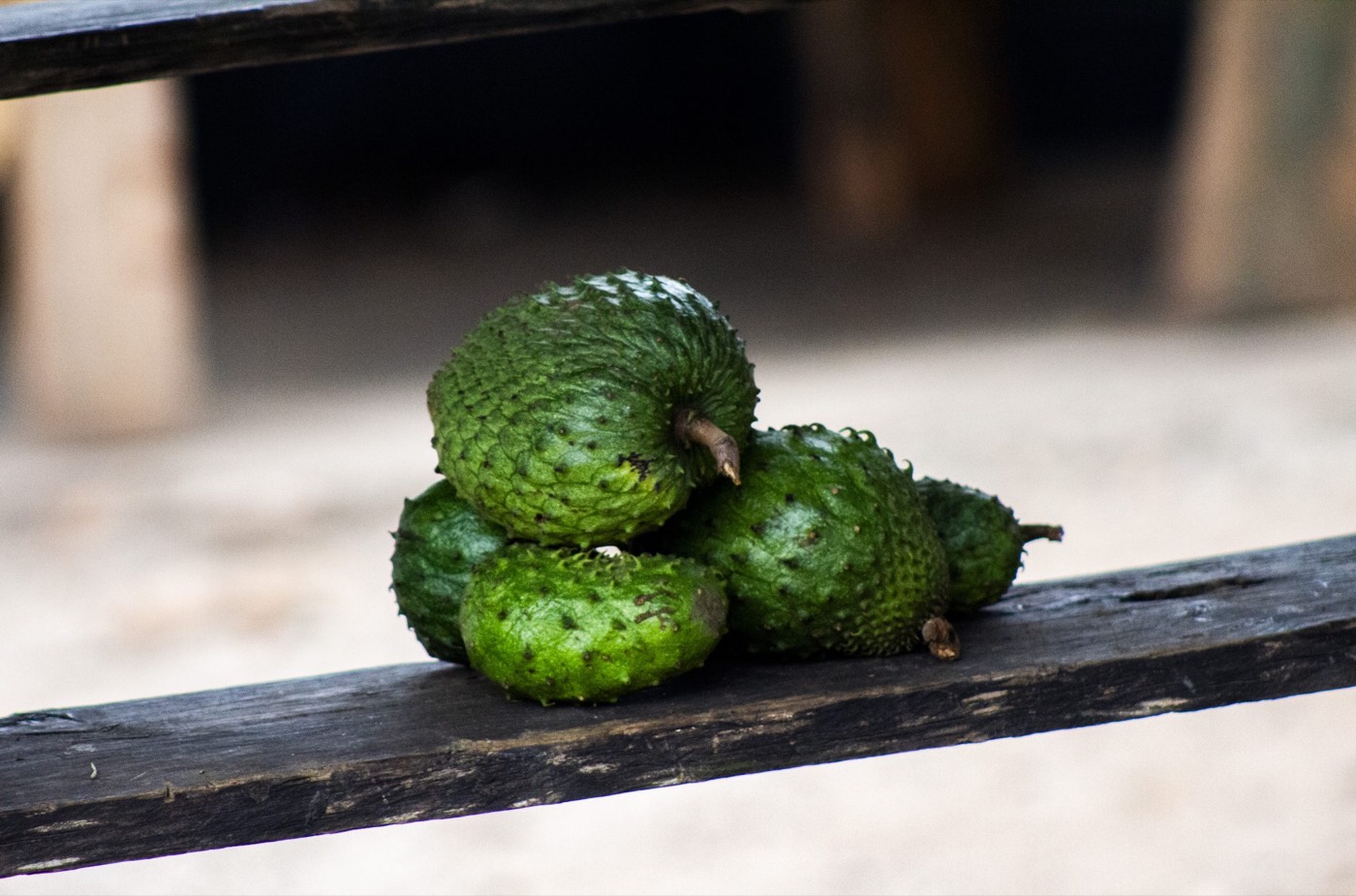
Soursop has soft fibrous pulp wrapped around large black seeds. That makes raw preparation central. If seeds or tough fibers remain, freeze-drying will not hide them. If the pulp is clean and ripe, the finished product can carry a rare combination of creaminess, acidity, and tropical aroma. The fruit has enough character to be valuable even in small percentages.
Freeze-drying protects a fruit's original structure more than many consumers realize. It does not add aroma, fix weak ripeness, hide tough skin, or make low-flavor raw material suddenly taste premium. A good process can preserve quality; it cannot invent it from poor input.
What quality looks like in the finished bag
A strong freeze-dried soursop product usually shows these signals:
- Clean pale pulp color without gray oxidation.
- Tropical aroma that is tart and creamy.
- No seed fragments.
- Fiber that does not feel stringy.
- Crisp or meltaway texture appropriate to the format.
These signals should always be judged against the format. Whole pieces, slices, dices, crumbles, powders, and puree-derived pieces all have different expectations.
Sourcing reality
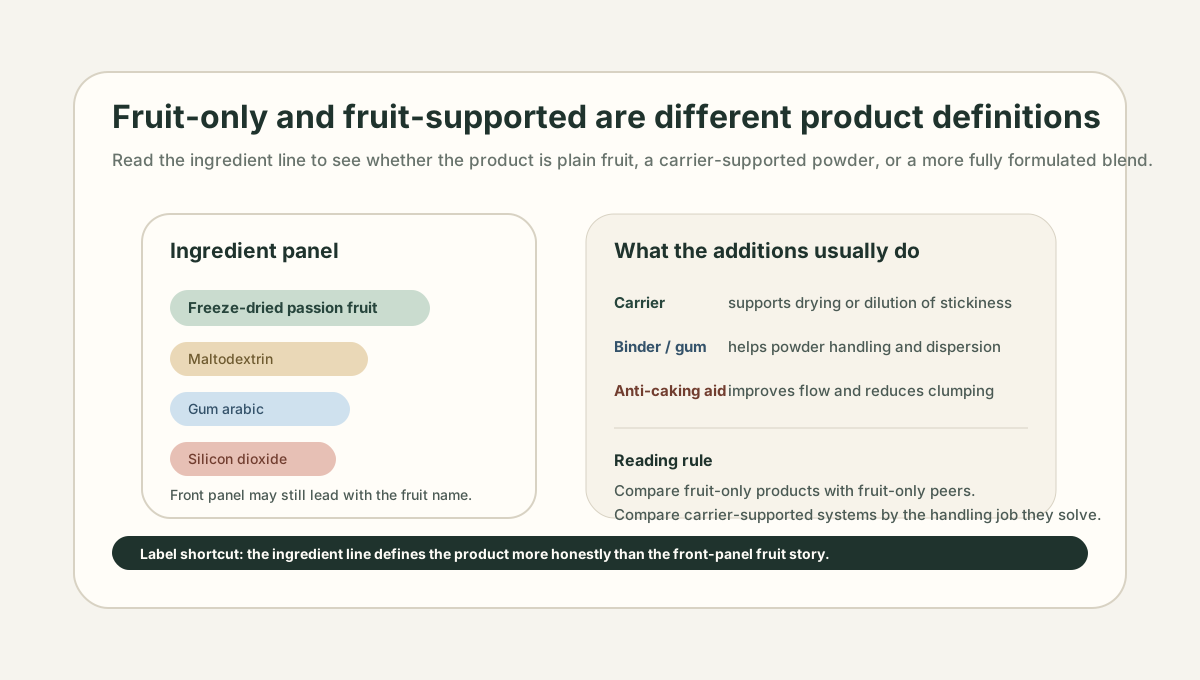
Soursop supply is regional and often smaller-scale than mango or pineapple. Buyers should ask whether the input is fresh pulp, frozen pulp, puree, or cut fruit; whether seeds are fully removed; and whether any sugar, acid, or carrier is added.
Ask for variety or type, origin, raw material state, cut format, added ingredients, moisture or water activity target, expected breakage rate, and the best-use application the supplier designed the product for.
Best-use formats
Soursop works best in tropical powders, dairy-style applications, dessert inclusions, smoothie blends, and premium snack blends. It is less suited to anonymous low-cost mixes because its value is flavor complexity, not commodity sweetness.
The best format is the one that gives soursop a clear job: add color, acid, aroma, crunch, sweetness, visual identity, or a more premium seasonal story.
How to read a soursop label
A soursop label should be honest about format. Pulp, puree pieces, powder, and whole-fruit chunks are different products with different texture expectations.
For buyers, the practical question is not simply whether freeze-dried soursop is good. It is whether this version of soursop fits the claim, price, and use case.
How soursop compares
A quick reference for how soursop sits alongside the freeze-drying personalities of its closest siblings.
| Fruit | Brix | Fiber | Aroma | Color stability | Breakage risk | Typical format |
|---|---|---|---|---|---|---|
| Soursopthis report | 10–18° | Medium | Strong | Moderate | Medium | Pieces · powder |
| Lychee | 16–20° | Low | Strong | Poor | Medium | Halves · whole · pieces |
| Longan | 15–22° | Low | Moderate | Poor | Medium | Halves · whole |
| Rambutan | 16–21° | Medium | Moderate | Poor | Medium | Halves · pieces |
| Mangosteen | 15–20° | Low | Strong | Moderate | Medium | Segments · powder |
| Durian | 20–28° | Medium | Very strong | Moderate | Low | Pieces · powder |
| Jackfruit | 15–24° | Medium | Strong | Moderate | Medium | Pieces · slices · powder |
| Jujube | 18–28° | Medium | Moderate | Strong | Low | Halves · slices · powder |
| Sapodilla | 14–22° | Medium | Moderate | Moderate | Medium | Pieces · powder |
| Starfruit | 5–11° | Medium | Mild | Moderate | Medium | Slices · powder |
Values are typical industry ranges. Variety, origin, harvest window, and process all shift them.
Conclusion
Freeze-dried soursop is most successful when the product respects the fruit's limits instead of forcing it into a generic snack template. Start with the fruit's structure, choose the format from the use case, and judge the finished bag by aroma, texture, color, and honesty of claim.
Frequently Asked Questions
What does freeze-dried soursop taste like?
Creamy tropical — often described as a combination of pineapple, strawberry, citrus, and custard at once. The freeze-dried version concentrates that complex flavor and preserves the tart-creamy character that makes soursop unusual among tropical fruits. There is no obvious substitute in the freeze-dried fruit category.
Is soursop the same as graviola or guanábana?
Yes — soursop, graviola, and guanábana all refer to Annona muricata. Different markets use different names for the same fruit. Latin American supply chains often use guanábana; English-language wellness products often use graviola. The freeze-dried product is the same regardless of which name appears on the label.
Why is fiber a quality concern in freeze-dried soursop?
Soursop pulp contains natural fibrous strands wrapped around large black seeds. If the raw preparation leaves too much fiber intact, freeze-drying makes it more obvious as a stringy texture. Premium products use processing methods that control fiber while preserving the creamy character — puree-derived pieces handle this best.
What's the best format for freeze-dried soursop?
Pulp pieces deliver creamy, tart, aromatic character for premium tropical blends — seed fragments and fiber are the risks. Puree-derived pieces give consistent flavor and shape with less whole-fruit identity. Soursop powder concentrates the strong tropical-acid note for drinks, fillings, and coatings. Blend formats use soursop to add complexity to milder tropical fruits.
Are the seeds in soursop safe to eat?
No — soursop seeds contain compounds (annonacin and related alkaloids) that should not be consumed. Premium freeze-dried soursop has complete seed removal, since even small seed fragments are a concern. Buyers should confirm seed-removal practice in writing, not assume it from a verbal commitment.
What fruits pair well with freeze-dried soursop?
Mango, pineapple, coconut, and citrus all complement soursop's creamy-tart profile. The fruit is strong enough that small inclusion rates can transform a tropical blend, so it works as a flavor accent rather than a volume ingredient. Pairing soursop with other equally complex fruits usually creates competition rather than harmony.
What should buyers ask freeze-dried soursop suppliers?
Ask raw material state (fresh pulp, frozen pulp, puree, or cut fruit), seed-removal completeness (in writing), fiber control practice, origin, added sugar or carrier, target moisture or water activity, expected breakage rate, and the intended product positioning (tropical blend, dairy-style application, dessert inclusion, or premium snack).