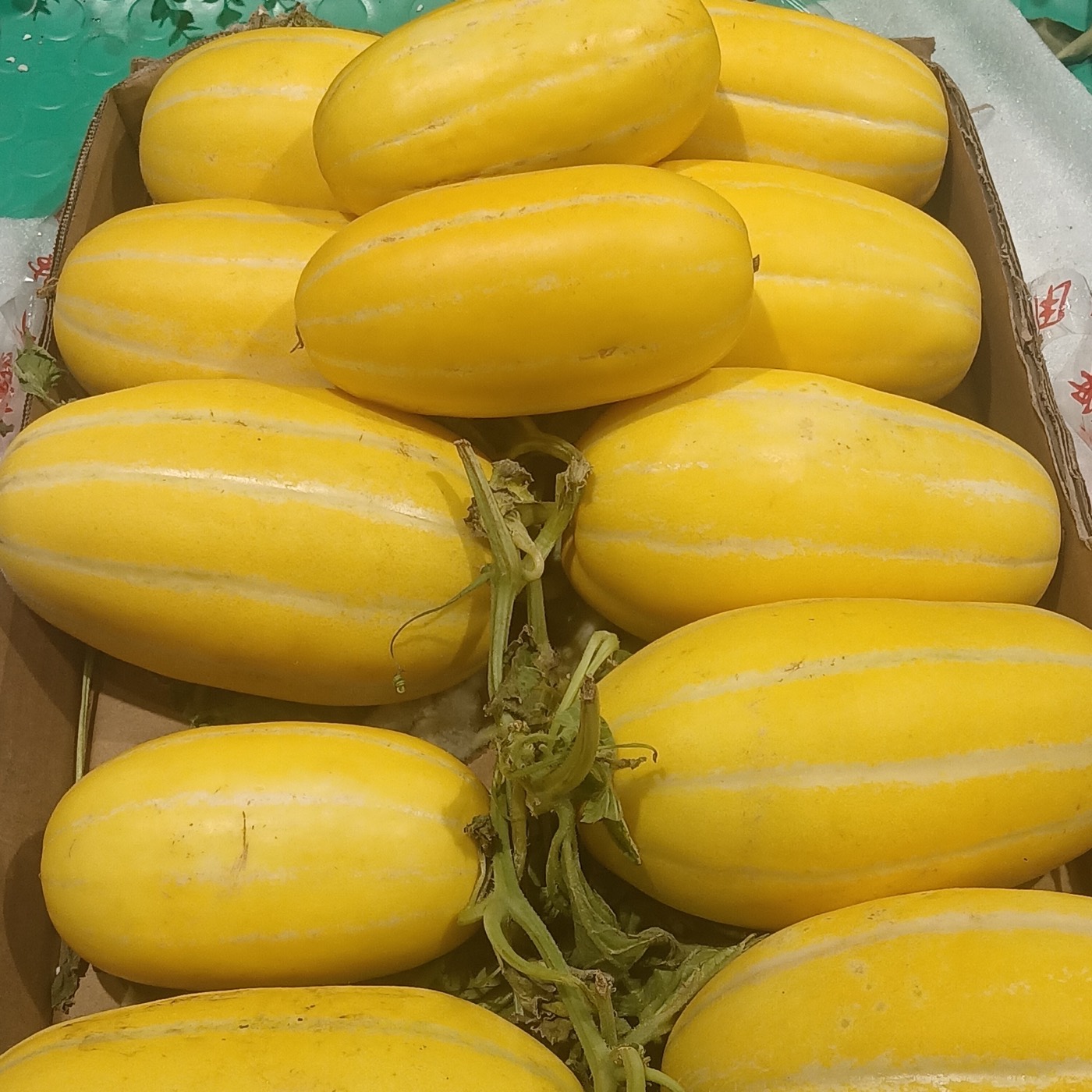
- Honeydew has mild aroma, so maturity and sweetness matter more than visual appeal alone.
- The fruit can produce a clean, pale, crisp piece when cut and dried well.
- It often works better in blends than as a standalone hero.
- Buyers should be strict about underripe, watery, or rind-heavy material.
Honeydew is quiet fruit. That is exactly why freeze-dried honeydew has to be sourced and positioned carefully. For freeze-dried fruit buyers, honeydew is not just a flavor name. It is a set of decisions about raw material, cutting, drying behavior, sensory quality, packaging, and where the finished fruit actually belongs.
Use this guide as a working field note for buyers, product developers, snack founders, and curious consumers. The goal is not to rank every fruit in a vacuum. It is to understand how honeydew behaves after water is removed, what quality looks like in the bag, and which questions make a supplier conversation more useful.
Quick comparison: honeydew formats for freeze-drying
| Format | Freeze-dried personality | Risk | Best use |
|---|---|---|---|
| Cubes | Clean and minimal | Can taste too mild | Melon blends, breakfast toppings |
| Strips | Elegant visual | Fragile and subtle | Premium seasonal snacks |
| Powder | Light sweetness | Weak flavor alone | Dairy, beverages |
| Honeydew-citrus blend | Balanced and brighter | Needs formulation care | Consumer-facing snacks |
Why honeydew behaves the way it does
Honeydew carries less obvious aroma than cantaloupe, which makes freeze-drying a test of raw material quality. The process concentrates sweetness, but it cannot create character from underripe melon. Pale green or golden flesh can look beautiful in the bag, yet the eating experience depends on soluble solids, clean trimming, and whether the finished piece stays dry enough to preserve crunch.
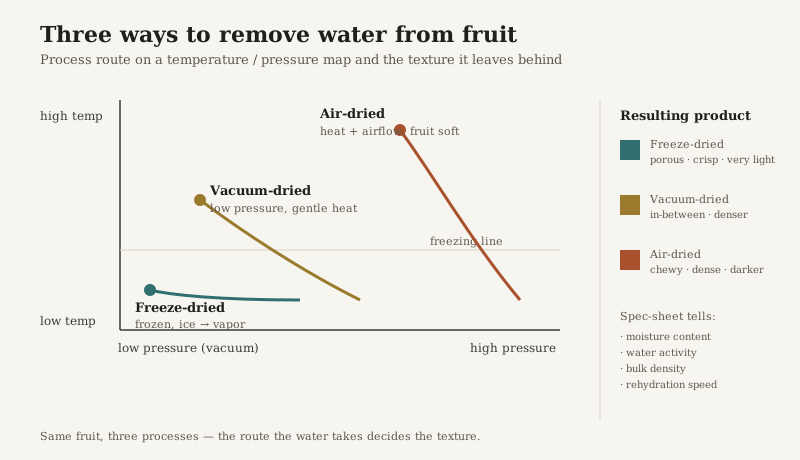
Freeze-drying protects a fruit's original structure more than many consumers realize. It does not add aroma, fix weak ripeness, hide tough skin, or make low-flavor raw material suddenly taste premium. A good process can preserve quality; it cannot invent it from poor input.
What quality looks like in the finished bag
A strong freeze-dried honeydew product usually shows these signals:
- Pale green, cream, or golden color without wet-looking translucence.
- Clean sweet melon aroma.
- Crisp texture instead of foam-like collapse.
- No rind bitterness.
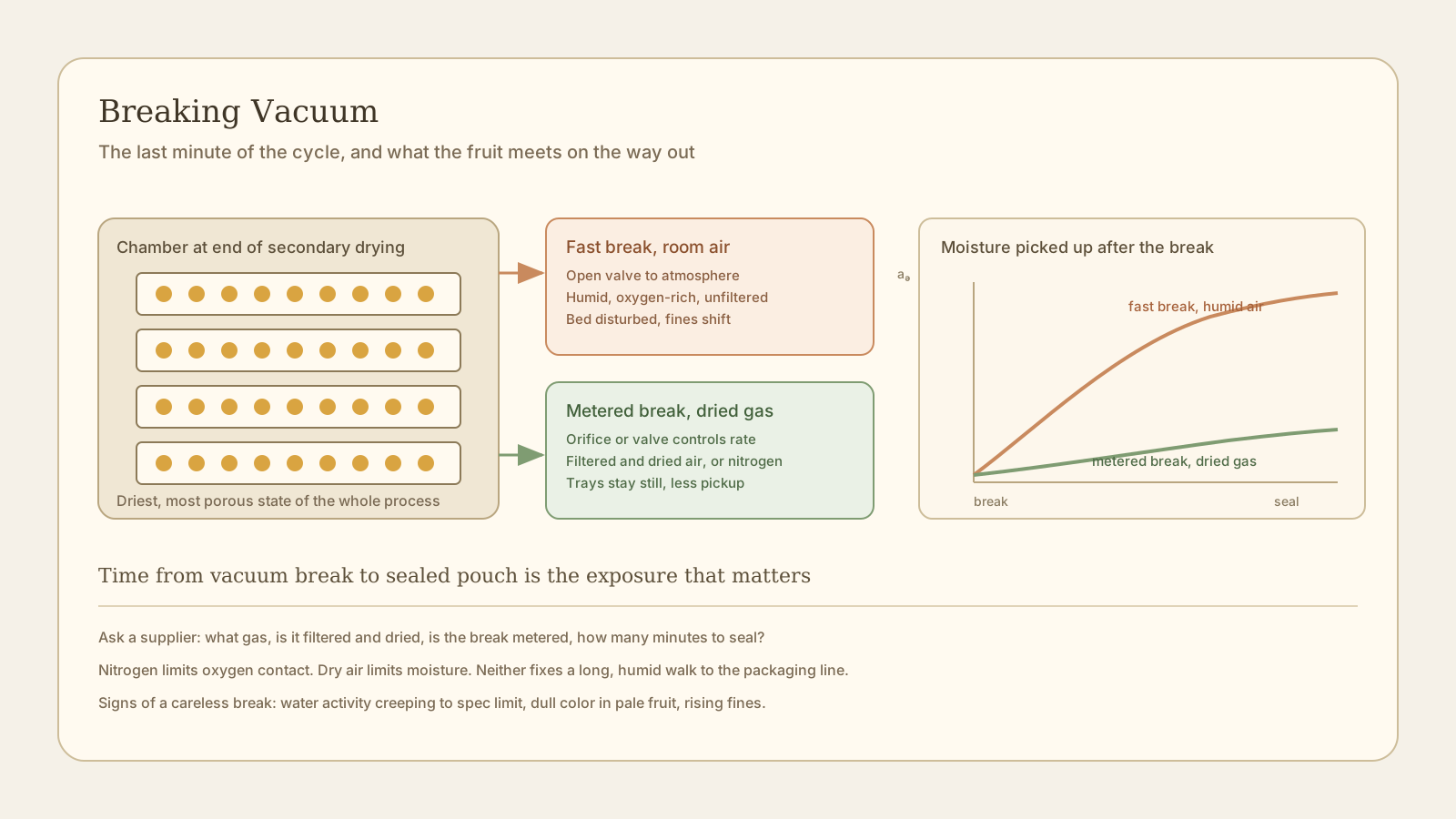
- Low powder and low clumping.
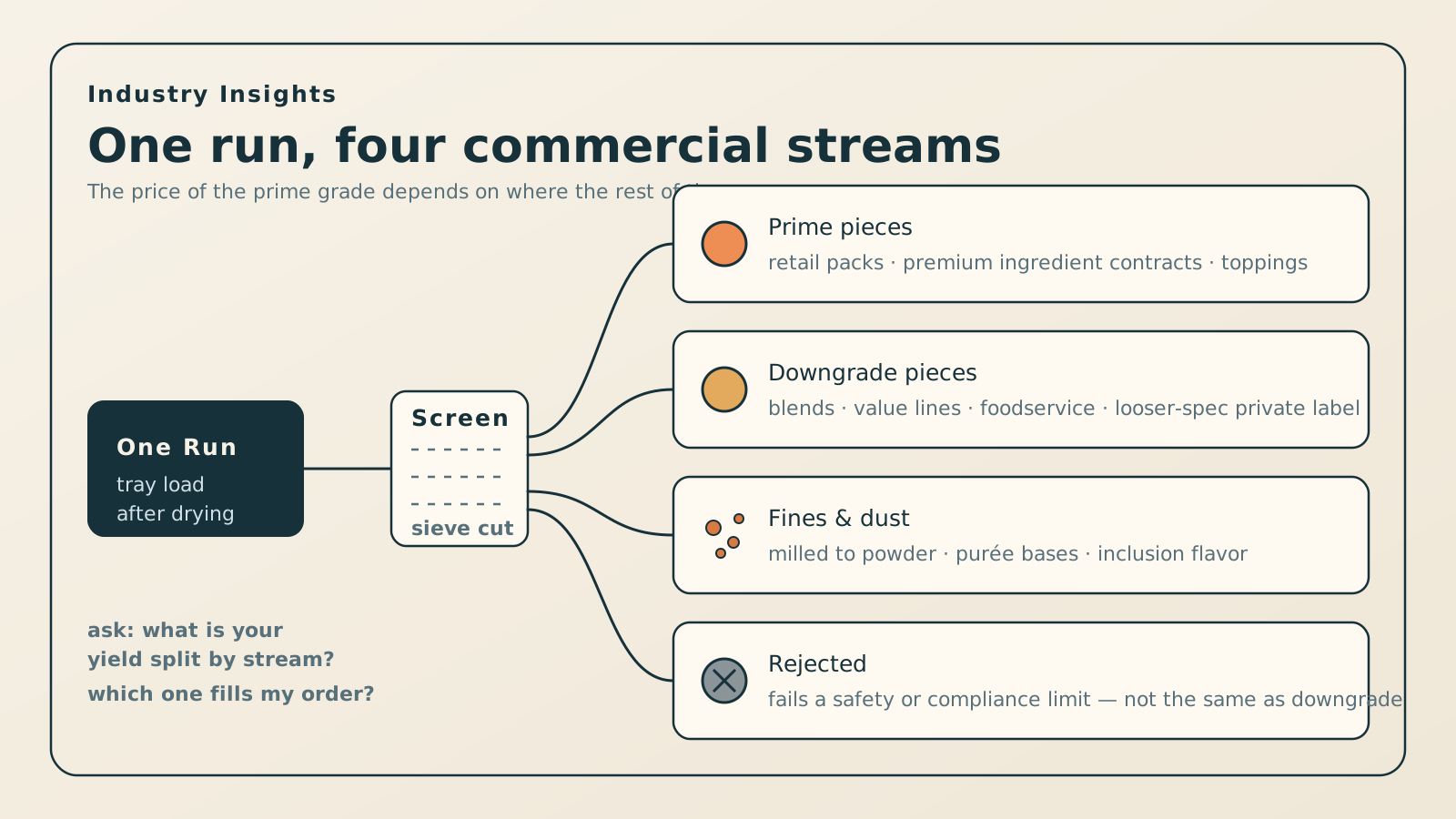
These signals should always be judged against the format. Whole pieces, slices, dices, crumbles, powders, and puree-derived pieces all have different expectations. The problem is not breakage or powder by itself; the problem is promising one format and delivering another.
Sourcing reality
Honeydew sourcing should be tied to maturity standards, not just fruit size. Ask about Brix, cut specification, variety, origin, and whether the processor separates outer and inner flesh. Cheap honeydew can be expensive if it forces the whole blend to taste watery.
Ask for variety or type, origin, raw material state, cut format, added ingredients, moisture or water activity target, expected breakage rate, and the best-use application the supplier designed the product for.
Best-use formats
Honeydew is useful when a product needs a soft, refreshing fruit note. It performs well with stronger partners: lime, pineapple, strawberry, mango, or passion fruit. As a standalone snack, it needs a premium input and careful packaging to justify the claim.
The best format is the one that gives honeydew a clear job: add color, acid, aroma, crunch, sweetness, visual identity, or a more premium seasonal story. When the format and use case are aligned, freeze-dried honeydew can feel intentional rather than simply unusual.
How to read a honeydew label
Honeydew labels should manage expectations. The product is not supposed to be loud. It should taste clean, sweet, and cooling, with enough crunch to make its subtle flavor worthwhile.
For buyers, the practical question is not simply whether freeze-dried honeydew is good. It is whether this version of honeydew fits the claim, price, and use case. That is what turns a fruit report into a sourcing tool.
How honeydew compares
A quick reference for how honeydew sits alongside the freeze-drying personalities of its closest siblings.
| Fruit | Brix | Fiber | Aroma | Color stability | Breakage risk | Typical format |
|---|---|---|---|---|---|---|
| Honeydewthis report | 10–14° | Low | Mild | Moderate | Medium | Cubes · slices · powder |
| Watermelon | 8–12° | Very low | Mild | Moderate | High | Cubes · slices · powder |
| Cantaloupe | 10–14° | Low | Moderate | Moderate | Medium | Cubes · slices · powder |
Values are typical industry ranges. Variety, origin, harvest window, and process all shift them.
Conclusion
Freeze-dried honeydew is most successful when the product respects the fruit's limits instead of forcing it into a generic snack template. Start with the fruit's structure, choose the format from the use case, and judge the finished bag by aroma, texture, color, and honesty of claim. That is the difference between a novelty sample and a product someone can buy with confidence.
Frequently Asked Questions
Is honeydew or cantaloupe better for freeze-drying?
Different products. Cantaloupe brings more aroma but a narrower processing window — overripe collapses, underripe is bland. Honeydew is quieter overall but more stable when properly mature, producing clean pale pieces with subtle sweetness. Cantaloupe is the choice for aromatic identity; honeydew is the choice for clean texture and visual lightness.
Why does freeze-dried honeydew need careful positioning?
Honeydew is naturally quiet — less aromatic than cantaloupe, less acidic than pineapple. The freeze-dried version preserves that mildness rather than amplifying it. Trying to sell honeydew as a bold standalone snack usually disappoints; positioning it as part of a refreshing melon blend or as a subtle premium element works better.
What's the best format for freeze-dried honeydew?
Cubes are clean and minimal — best for melon blends and breakfast toppings, though they can taste too mild on their own. Strips look elegant but are fragile. Powder delivers light sweetness for dairy and beverages. Honeydew-citrus blends balance the quiet melon profile with brighter acid notes.
How can buyers tell quality freeze-dried honeydew?
Pale green, cream, or golden color without wet-looking translucence; clean sweet melon aroma; crisp texture instead of foam-like collapse; no rind bitterness; low powder and low clumping. Translucent-looking pieces usually indicate residual moisture — they will go soft fast.
Why is rind-adjacent honeydew flesh a problem?
The pale flesh near the rind has lower sugar and can introduce rind bitterness into the finished product. Cheap honeydew often includes more of this outer flesh to boost yield, and the result tastes watery or slightly bitter. Premium processors trim aggressively and discard rind-adjacent material.
What pairings work well with freeze-dried honeydew?
Stronger partners — lime, pineapple, strawberry, mango, or passion fruit — give honeydew the brightness it lacks alone. Honeydew provides the cooling melon body; the partners provide the headline flavor and acidity. Avoid pairing honeydew with other quiet fruits like papaya — the result reads flat.
What should buyers ask freeze-dried honeydew suppliers?
Ask Brix at intake, maturity standard, cut specification, variety where available, origin, whether outer flesh is separated from inner flesh, target moisture or water activity, packaging plan (melons are moisture-sensitive), and the intended product positioning (standalone snack, blend component, or color/texture ingredient).