- There are many named orange and orange-like citrus varieties, plus related mandarins, tangelos, and hybrids
- Fresh eating oranges, juice oranges, bitter oranges, red-fleshed oranges, easy-peel mandarins
- Variety matters because fruit bred for retail, processing, juice, drying, or local eating can behave very differently.
- For freeze-dried fruit buyers, the useful question is which variety fits the product job, not which variety is abstractly best.
Orange is a familiar word, but citrus variety can quickly become a maze of navels, Valencias, blood oranges, mandarins, hybrids, juice oranges, and specialty fruit. The number can sound simple in search results, but fruit variety is rarely just a count. It is a map of regions, breeding goals, farm economics, consumer habits, processing needs, and local food culture.
This guide is written for curious consumers, snack founders, ingredient buyers, and anyone trying to understand why two products with the same fruit name can taste, look, and perform so differently.
Quick answer: how many types of oranges are there?
| Question | Practical answer |
|---|---|
| Global picture | There are many named orange and orange-like citrus varieties, plus related mandarins, tangelos, and hybrids |
| Common names | Navel, Valencia, blood orange, Cara Cara, Seville, Hamlin, mandarin, clementine, satsuma |
| Main split | Fresh eating oranges, juice oranges, bitter oranges, red-fleshed oranges, easy-peel mandarins |
| Best buying question | Do you need sweetness, juice yield, peelability, color, acidity, bitterness, or aroma? |
The practical answer depends on whether you are counting botanical groups, named cultivars, commercial varieties, regional names, or the small group that actually appears in supermarkets and ingredient supply.
Why orange variety is more complicated than it looks
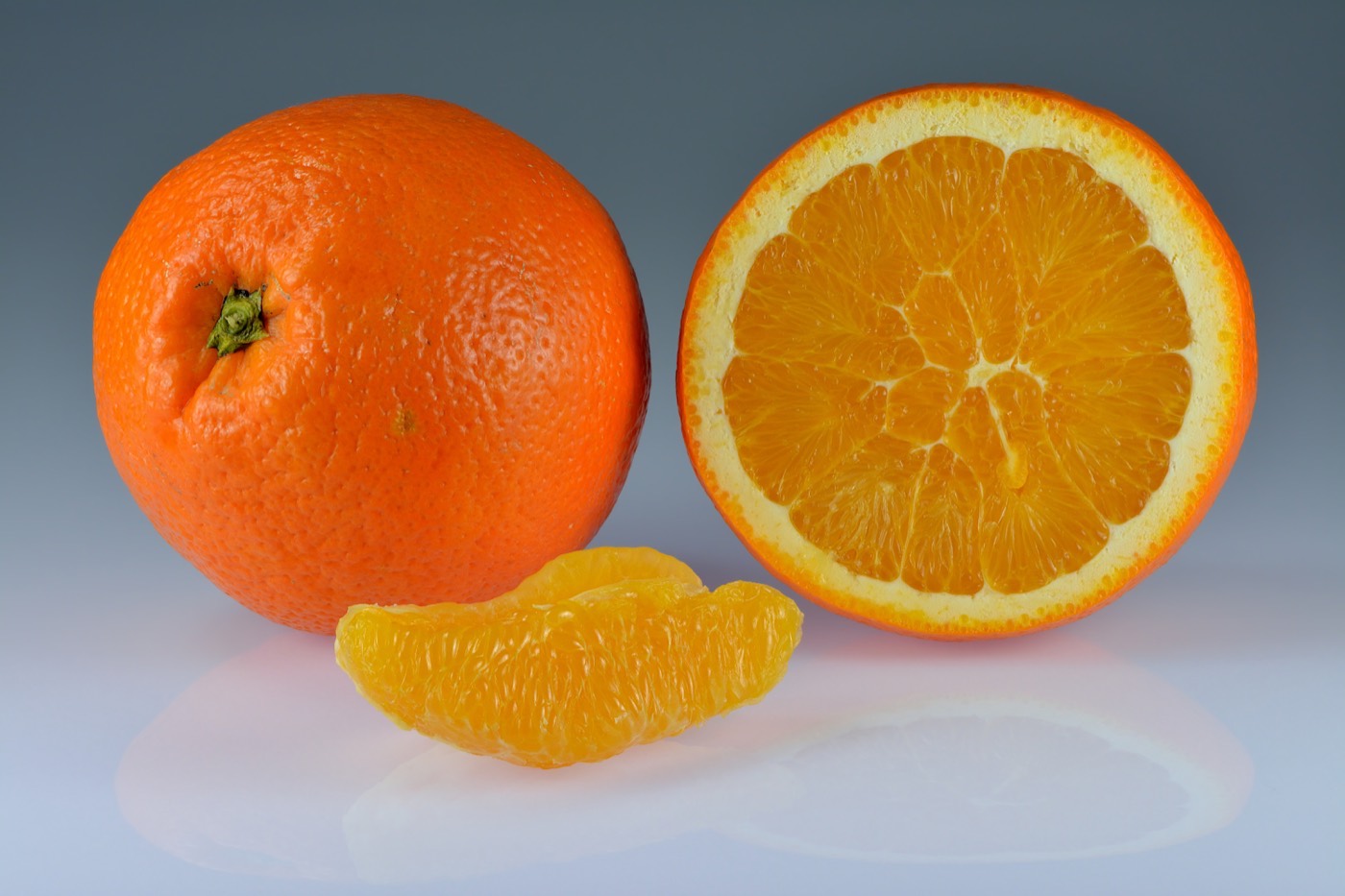
Orange variety becomes complicated because consumers often use orange as a broad citrus shorthand. A navel orange is not a Valencia. A blood orange is not just an orange with color. A mandarin may be sold beside oranges but belongs to a different eating expectation. For buyers, citrus names matter because juice yield, peel, membrane, acid, color, and aroma change dramatically.
That is why variety names are not just decorative. They tell you something about what the fruit was bred or selected to do. Sometimes the goal is flavor. Sometimes it is firmness, yield, shipping life, color, disease resistance, sugar, acidity, or processing efficiency.
The global orange map
Fresh orange trade
Navel oranges, Cara Cara, blood oranges, mandarins and easy-peel types.
Juice industry
Valencia, Hamlin and other juice-oriented oranges.
Mediterranean citrus culture
Blood oranges, bitter oranges, mandarins, specialty citrus.
Asian citrus traditions
Mandarins, satsumas, pomelos, hybrids, and regional citrus names.
A global variety map is useful because it separates local food culture from export trade. The fruit most loved in a growing region is not always the same fruit most likely to survive a long supply chain.
Orange varieties by flavor and use
| Personality | Examples | Why it matters |
|---|---|---|
| Classic eating orange | Navel | undefined |
| Juice orange | Valencia | undefined |
| Pink-red and sweet | Cara Cara | undefined |
| Dramatic color and berry-like notes | Blood orange | undefined |
| Bitter and culinary | Seville orange | undefined |
| Easy-peel sweet citrus | Clementine, satsuma, mandarin types | undefined |
This is often more useful than asking for a single best variety. A variety can be excellent for one use and wrong for another.
What this means for freeze-dried fruit
For freeze-dried orange products, membranes and peel bitterness matter as much as sweetness. Navel-style segments may be familiar but can have tough membranes. Valencia-type fruit may be useful for juice-derived ingredients. Blood orange and Cara Cara can add color and premium identity. Buyers should ask variety, citrus fraction, peel or pith inclusion, seed status, and whether the product is segment, powder, slice, or juice-derived ingredient.
Freeze-drying concentrates both strengths and flaws. A fruit with strong aroma can become more vivid. A bland fruit can become a crisp version of bland. A fibrous, seedy, watery, or low-acid fruit may need a different cut format, a blend partner, or a different use case.
Why labels often hide variety
Most packaged fruit products do not name the cultivar because a named variety creates a promise. If a label says a specific variety, buyers expect that variety to remain stable across seasons. That can be difficult when harvest windows shift, prices move, crop quality changes, or suppliers blend fruit to maintain availability.
For everyday products, a broad fruit name may be enough. For premium products, ingredient work, or serious sourcing, variety is part of the specification.
Ask: Which variety or type? Which origin? Single variety or blend? Fresh, IQF, puree, juice, or processing stream? Typical Brix or acidity target? What format is the product designed for? Does the variety stay stable year-round?
How orange compares
A quick reference for how orange sits alongside the freeze-drying personalities of its closest siblings.
| Fruit | Brix | Fiber | Aroma | Color stability | Breakage risk | Typical format |
|---|---|---|---|---|---|---|
| Orangethis report | 10–14° | Low | Strong | Moderate | Medium | Slices · segments · powder |
| Lemon | 7–9° | Low | Very strong | Strong | Medium | Slices · zest · powder |
| Grapefruit | 8–12° | Low | Strong | Moderate | Medium | Slices · segments · powder |
Values are typical industry ranges. Variety, origin, harvest window, and process all shift them.
Conclusion
The best way to answer “how many types of oranges are there?” is to start with a count, then move quickly to purpose. There may be many named types, but the more useful question is what each one does well.
For consumers, variety explains why one orange tastes exciting and another tastes ordinary. For buyers, it explains why two samples with the same fruit name can carry different color, aroma, texture, price, and processing behavior. Variety is not a footnote. It is part of the product.
Frequently Asked Questions
How many types of oranges are there?
There are many named orange and orange-like citrus varieties, plus related mandarins, tangelos, and hybrids. Familiar names include Navel, Valencia, blood orange, Cara Cara, Seville, Hamlin, mandarin, clementine, and satsuma — split into fresh-eating, juice, bitter, red-fleshed, and easy-peel groups.
What's the difference between navel and Valencia oranges?
Navel oranges are bred for fresh eating — sweet, easy to peel, with the distinctive navel-shaped second fruit at the blossom end. Valencia oranges are the dominant juicing orange: sweeter under processing, more juice yield, smaller and thinner-skinned. The same word orange covers two quite different products.
Which orange varieties are best for freeze-drying?
Membranes and peel bitterness matter as much as sweetness. Navel-style segments may be familiar but can have tough membranes. Valencia-type fruit may be useful for juice-derived ingredients. Blood orange and Cara Cara can add color and premium identity. Buyers should ask variety, citrus fraction, peel or pith inclusion, seed status, and product format.
What is a blood orange?
Blood orange is a category of oranges with red-pigmented flesh — anthocyanins produce color ranging from red streaks to deep crimson. They typically have a slightly berry-like, more complex flavor than navels, and they are especially associated with Mediterranean citrus culture.
Are mandarins the same as oranges?
Mandarins are a related citrus group rather than oranges themselves — easier to peel, usually smaller, often sweeter, with a softer, less acidic profile. Clementines, satsumas, and tangerines all belong to the broader mandarin family. They are sold beside oranges but belong to a different eating expectation.
Why is Seville orange so bitter?
Seville is a bitter orange used primarily in culinary preparations — marmalade, liqueurs, and savory cooking — not fresh eating. Its bitterness comes from naringin and other naturally occurring compounds. The bitterness is the feature, not a defect.
What's the difference between Cara Cara and a regular navel?
Cara Cara is a pink-fleshed navel sport — same easy-peel navel structure, but with pinkish-red flesh, lower acidity, and a slightly berry-like sweetness. It is often marketed as a premium fresh-eating orange when in season.