- Plums include Japanese-type fresh market plums, European plums, prune plums, mirabelles, greengages, damsons, and hybrids such as pluots.
- Variety changes skin tartness, flesh color, soluble solids, aroma, pit behavior, and whether the fruit is better fresh, dried, cooked, or processed.
- Freeze-dried plum is very different from prune-style dried plum and should be positioned accordingly.
- For buyers, skin toughness, acidity, color bleed, and slice format are the biggest practical questions.
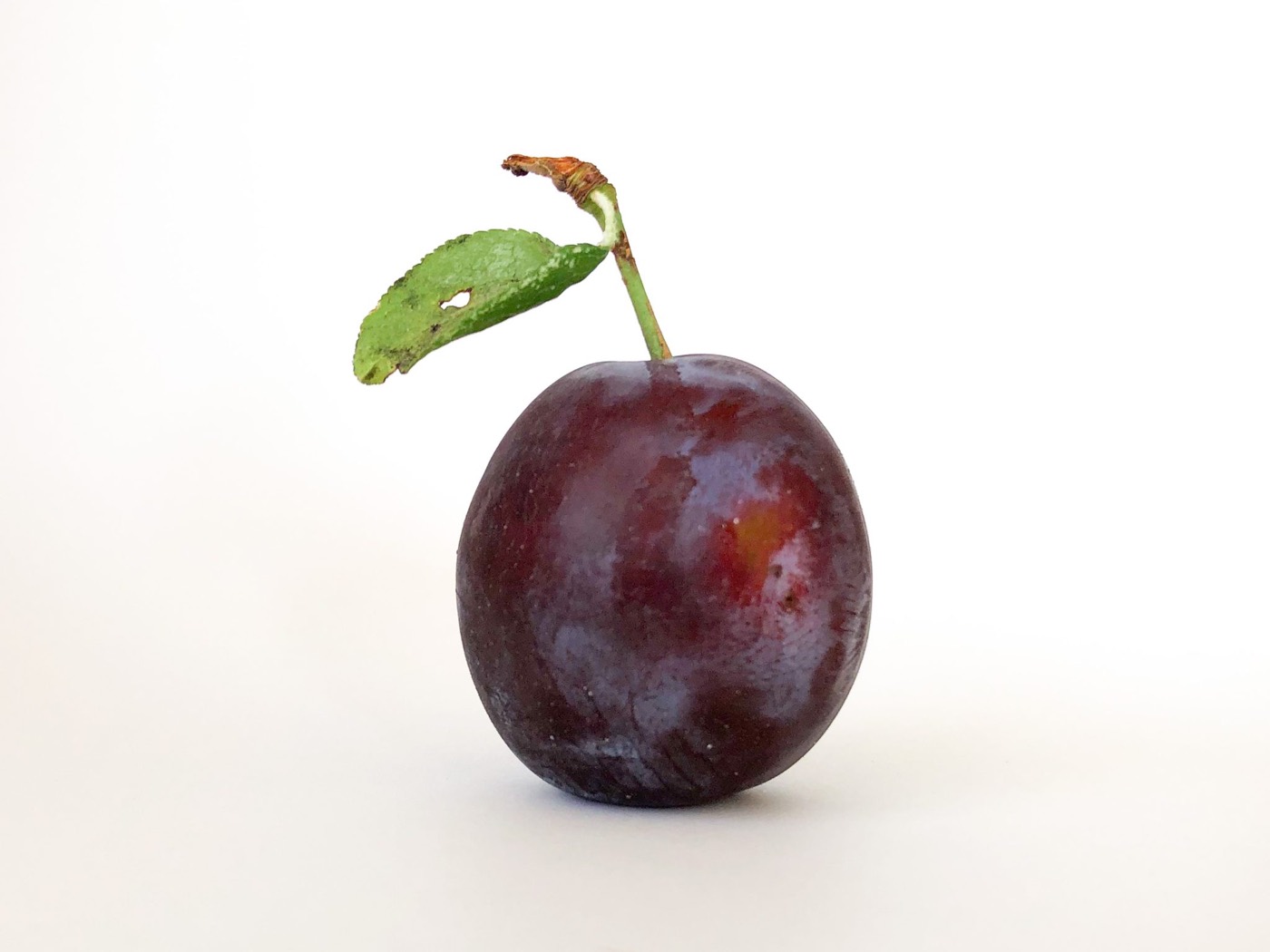
Plum is a deceptively broad word. It can mean a juicy supermarket plum, a prune plum, a tiny mirabelle, a green-gold gage, a tart damson, or a modern plum-apricot hybrid.
So how many types of plums are there? The useful answer depends on how you count: by cultivar, by species, by regional market name, by commercial grade, or by processing behavior. For consumers, the question is usually about flavor. For buyers and processors, the question is about repeatability.
This guide treats plum variety as a practical map: what names matter, what differences change the eating experience, and what those differences mean for freeze-dried fruit, powders, toppings, and ingredient sourcing.
Quick answer: how many plum varieties are there?
There is no single clean number that works across every country and market. A better way to think about it is by commercial layers.
| Layer | What it means |
|---|---|
| Major groups | Japanese plums, European plums, prune plums, mirabelles, greengages, damsons, pluots |
| Main differences | Skin, acidity, color, aroma, pit size, flesh firmness, and drying behavior |
| Common confusion | Freeze-dried plum is not the same product idea as a prune |
| Freeze-dried relevance | Good for slices, powders, yogurt toppings, and tart fruit blends |
The most important point is that variety is not trivia. It changes flavor, texture, cost, yield, and how confidently a brand can describe what is inside the package.
Why plum variety is complicated
Plums are complicated because the category includes multiple species groups, regional traditions, and modern hybrids. A black-skinned supermarket plum, a European prune plum, and a greengage may all be plums, but they behave differently in flavor and processing.
That is why variety guides can be more useful than simple lists. A list may tell you names. A good sourcing guide tells you which differences actually change the product.
Types and market groups to know
Japanese-type plums
Common in fresh retail, often round, juicy, colorful, and sweet-tart. They can be visually strong but may have challenging skin acidity.
European and prune plums
Often oval and suited to drying or cooking. Prune plums have a different commercial identity from fresh snacking plums.
Mirabelle and greengage
Smaller heritage-style plums known for perfume, sweetness, and culinary value. They can feel premium but are less common in large-scale supply.
Damson and tart plums
Acidic, tannic, and often better for preserves or ingredients than direct fresh eating. They can add structure to blends.
Pluots and plum-apricot hybrids
Modern hybrids can offer high sugar and dramatic flavor, though naming and supply consistency vary by grower and season.
What this means for freeze-dried fruit
Freeze-dried plum can be excellent when acidity is controlled. Skin brings color and tartness, but it can also become leathery or sharp. Pale flesh plums may look less dramatic after drying, while red or purple flesh can create a beautiful ingredient. Slices often make more sense than large chunks.
For freeze-dried fruit, variety affects more than flavor. It can change cut yield, drying time, breakage, color stability, aroma retention, and whether the final product feels like a premium snack or a generic ingredient.
A practical buyer should evaluate:
- raw fruit identity and origin
- ripeness at processing
- seed, pit, peel, or membrane management
- piece format and size tolerance
- sweetness and acidity range
- color after drying
- breakage and powder percentage
- whether the product will be eaten directly or used as an ingredient
Why labels often hide the variety
Most products say plum because variety names are not always consumer-relevant. For professional buying, ask Japanese or European type, fresh plum or prune plum, flesh color, skin-on or peeled, pit removal, slice thickness, and target acidity.
There is also a commercial reason for broad labels: flexibility. A brand that prints a specific variety name has to keep that promise across seasons. A brand that prints only the fruit name can adjust sourcing more easily. Neither choice is automatically wrong, but the level of detail should match the price and positioning.
Ask what the fruit really is, where it comes from, whether the lot is single-origin or blended, how the edible portion is prepared, and which quality traits are guaranteed in writing. Variety only helps if it survives into the finished product.
How plum compares
A quick reference for how plum sits alongside the freeze-drying personalities of its closest siblings.
| Fruit | Brix | Fiber | Aroma | Color stability | Breakage risk | Typical format |
|---|---|---|---|---|---|---|
| Plumthis report | 12–15° | Low | Moderate | Strong | Medium | Slices · dices · powder |
| Peach | 10–15° | Medium | Strong | Moderate | Medium | Slices · dices · halves |
| Apricot | 11–14° | Medium | Strong | Moderate | Medium | Halves · slices · dices |
| Cherry | 14–22° | Low | Strong | Strong | Medium | Halves · whole · powder |
Values are typical industry ranges. Variety, origin, harvest window, and process all shift them.
Conclusion
Plum is not one flavor. It is a family of tart skins, honeyed flesh, heritage names, and processing choices. The best plum products start by choosing the right plum for the job.
For consumers, variety explains why two products with the same fruit name can taste surprisingly different. For the freeze-dried fruit industry, it explains something even more important: a fruit name is not a finished specification. It is the start of one.
Frequently Asked Questions
How many types of plums are there?
Plums include Japanese-type fresh-market plums, European plums, prune plums, mirabelles, greengages, damsons, and hybrids such as pluots. There is no single clean number — variety counts depend on whether you count cultivars, species, regional names, or commercial grades.
What's the difference between Japanese and European plums?
Japanese-type plums are common in fresh retail — round, juicy, colorful, sweet-tart. European plums are often oval and suited to drying or cooking. The two groups behave differently in flavor and processing; prune plums (European type) have a different commercial identity from fresh snacking plums.
Are prunes the same as plums?
Botanically yes — a prune is a plum, specifically a European-type plum that has been air-dried with heat. But the eating experience is completely different: prunes are chewy, caramelized, dark mahogany; freeze-dried plum is crisp, brighter, and reads closer to fresh fruit. Treat them as different products even though the fruit is the same.
What are mirabelle and greengage plums?
Mirabelle and greengage are smaller heritage-style plums known for perfume, sweetness, and culinary value. Mirabelles are small and yellow-gold, prized in French cooking. Greengages are green-skinned even when ripe, with intensely honeyed flavor. Both feel premium but are less common in large-scale supply.
What is a pluot?
A pluot is a modern hybrid of plum and apricot, bred to combine the structure of a plum with the aroma of an apricot. Different pluot varieties carry different ratios of each parent. They can offer high sugar and dramatic flavor, though naming and supply consistency vary by grower and season.
Which plum variety is best for freeze-drying?
Freeze-dried plum can be excellent when acidity is controlled. Skin brings color and tartness but can become leathery or sharp. Red and purple flesh creates a beautiful ingredient; pale-flesh plums look less dramatic. Slices often make more sense than large chunks. Buyers should ask Japanese vs European type, flesh color, skin-on or peeled, slice thickness, and target acidity.
What should buyers ask freeze-dried plum suppliers?
Ask what the fruit really is (Japanese, European, prune-type, hybrid), where it comes from, whether the lot is single-origin or blended, slice format, skin-on or skin-off, target moisture or water activity, expected breakage rate, and the intended product positioning. Variety only helps if it survives into the finished product.